Musée d'histoire et d'archéologie de Vannes
Museum in Vannes
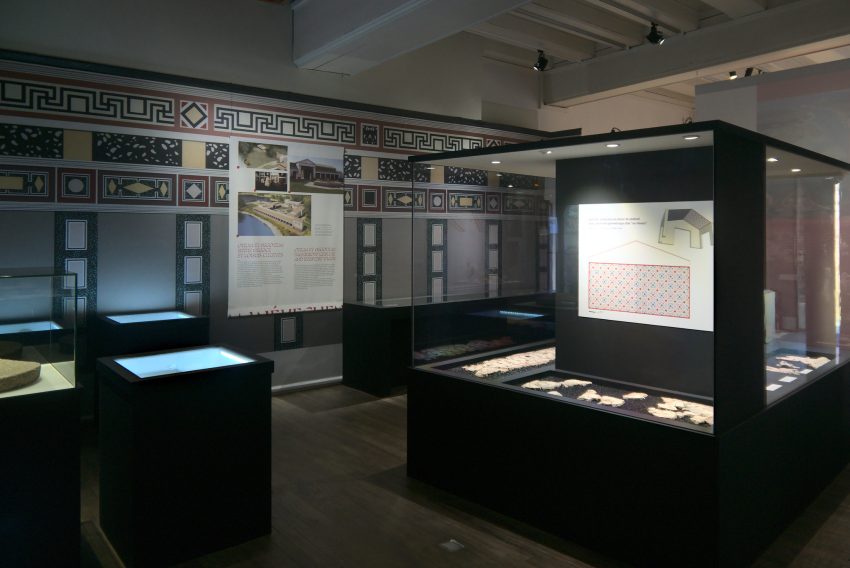
The Musée d'Histoire et d'Archéologie de Vannes is one of those places that instantly anchors you in Brittany's deep past, not through big theatrics, but through the quiet power of real objects and a setting that feels authentically medieval. It's housed in Château Gaillard, a rare urban manor in Vannes where the building itself is part of the story, with the kind of stonework and proportions that make you slow down even before you read a single label.
At the moment, the museum is closed for renovation, so plan this as an “inspiration stop” rather than a guaranteed indoor visit. Still, it remains one of the things to do in Vannes for travelers who like to understand a place beyond its prettiest streets: you can admire the Château Gaillard exterior, and you can still connect with the collections via the city's museum network as you shape a walking tour of Vannes around the old town and its cultural sites.
Table of Contents
- History and Significance of the Musée d’Histoire et d’Archéologie de Vannes
- Things to See and Do in the Musée d’Histoire et d’Archéologie de Vannes
- How to Get to the Musée d’Histoire et d’Archéologie de Vannes
- Practical Tips on Visiting the Musée d’Histoire et d’Archéologie de Vannes
- Where to Stay Close to the Musée d’Histoire et d’Archéologie de Vannes
- Is the Musée d’Histoire et d’Archéologie de Vannes Worth Visiting?
- For Different Travelers
- FAQs for Visiting the Musée d’Histoire et d’Archéologie de Vannes
- Nearby Attractions to the Musée d’Histoire et d’Archéologie de Vannes
History and Significance of the Musée d’Histoire et d’Archéologie de Vannes
The museum's identity is inseparable from Château Gaillard, the oldest known urban residence in Vannes, built in stone in the 15th century at a time when much of the city was still timber-framed. The site was commissioned by Jean de Malestroit, chancellor to the Duke of Brittany, and later purchased in the mid-15th century by Duke Pierre II to serve the Parliament of Brittany as both an official venue and a residence for its president.
That layered civic history matters because it frames the museum as more than a cabinet of curiosities: it is a place where Vannes' political and cultural evolution is physically embedded in the rooms, fireplaces, and layout. Even when you're focusing on prehistoric axes or Roman-era daily-life objects, the surrounding architecture reminds you that Vannes has always been a strategic, administrative town with a long memory.
The collections themselves are significant for their strength in regional archaeology, especially material linked to the megalithic landscapes of the Morbihan coast. The museum is particularly known for exceptional Neolithic funerary assemblages from major sites such as Carnac and Locmariaquer, grounding your visit in the same prehistoric world that made this corner of Brittany famous.
Things to See and Do in the Musée d’Histoire et d’Archéologie de Vannes
When the museum is open, the essential experience is a journey through time that starts with very early tools and culminates in the rich patchwork of Armorican life under Roman influence. The Neolithic displays are the headline act: polished stone axes, rare ornaments in distinctive stones, and pottery that feels surprisingly personal for objects that have survived thousands of years.
Move next through the protohistoric material, where bronze tools, weapons, and jewellery make it easier to imagine daily life in the Bronze and Iron Ages. This is where the museum tends to shine for curious travelers, because it turns “prehistory” into something tangible: technology, status, ritual, and trade routes that connected coastal Brittany to wider worlds.
A final highlight is the museum’s “from excavation to museum” narrative, which explains how objects move from discovery to study and display. If you like museums that teach you how to look, not just what to look at, this is the section that usually changes a quick visit into a memorable one.
For now, because the museum is closed for renovation, build your visit around the atmosphere of the historic centre and treat Château Gaillard as a landmark stop rather than an indoor guarantee.The city also points visitors to a “window onto the collection” at the nearby Musée des Beaux-Arts, La Cohue, which is a practical way to keep the archaeology thread in your itinerary while works continue.
How to Get to the Musée d’Histoire et d’Archéologie de Vannes
The museum sits in Vannes’ historic centre at 2 rue Noé, an easy walk from the old town streets and the cathedral area.
The most convenient nearby airports are Lorient South Brittany (LRT), Rennes Bretagne (RNS), and Nantes Atlantique (NTE). For the best deals and a seamless booking experience, check out these flights to Vannes on Booking.com.
By train, Vannes station has direct links on key routes (including fast services toward Rennes and Paris), then it's a straightforward walk or short taxi ride into the historic centre. You can use SNCF Connect to check schedules, compare routes, and purchase tickets for National (SNCF ) and regional trains (TER). For a more streamlined experience, we recommend using Omio, which allows you to easily compare prices, schedules, and book tickets for both National and Regional travel across all of Europe, all in one place.
Local buses are useful if you're staying farther out near the port or residential areas, but central Vannes is compact enough that walking often feels like the best option once you're in town.
If you’re driving, aim for central car parks and finish on foot through the old town lanes, which are more pleasant than trying to navigate close to the historic core. If you are looking to rent a car in France I recommend having a look at Discover Cars, first, as they compare prices and review multiple car rental agencies for you.
Practical Tips on Visiting the Musée d’Histoire et d’Archéologie de Vannes
- Entrance fee: Adults: €5
- Opening hours: Open daily from June to September, 1:30 PM to 6 PM Currently closed for renovation.
- Official website: https://www.mairie-vannes.fr/musee-dhistoire-et-darcheologie
- Best time to visit: Plan around a clear old-town day so you can still enjoy Vannes even if the museum remains closed, and check the official page for reopening updates before you commit.
- How long to spend: When open, 60-90 minutes covers highlights well; right now, treat it as a 10-minute landmark stop folded into a longer old-town wander.
- Accessibility: The setting is a historic building in a medieval street pattern, so expect tight spaces and uneven surfaces in the surrounding lanes; step-free access can be limited in older sites.
- Facilities: There is far more choice for cafés and rest breaks around the cathedral and Place Henri IV area, so plan your pause there rather than relying on on-site amenities.
Where to Stay Close to the Musée d’Histoire et d’Archéologie de Vannes
For a culture-heavy itinerary, base yourself inside (or right next to) the old town so you can walk to the main sights and enjoy evenings in the historic centre; if your trip revolves around boat excursions and waterfront strolling, staying near the port gives you the easiest access to that side of Vannes.
If you want a central, polished base a short walk from the old town streets, Hôtel & Spa Le Maury is an easy choice for comfort and location. For a dependable stay with a strong position between the port and the medieval centre, Best Western Plus Vannes Centre Ville works well for a walk-everywhere plan. If you prefer being closer to the port-side energy while still remaining walkable to the historic core, Escale Oceania Vannes is well placed for a flexible, city-plus-gulf itinerary.
Is the Musée d’Histoire et d’Archéologie de Vannes Worth Visiting?
If you're happy with a heritage-oriented stop that strengthens your understanding of Vannes, Château Gaillard is still worth seeing from the outside as part of an old-town walk, and the city's museum ecosystem offers ways to stay connected to the story while renovation works continue.
What Other Travellers Say...

Musée d'histoire et d'archéologie, at 2 Rue Noé in Vannes, offers multi-level exhibits with well-explained displays and attractive cases housed in a striking building; visitors praise the welcoming, helpful staff and note that a single ticket also grants entry to the Museum of Fine Arts, but be aware the stairs can be narrow and several reviewers report the museum is often closed without posted explanations or clear opening hours.


For Different Travelers
Families with Kids
This works best for families when it’s open as a “time-travel” museum: pick a few standout object types (axes, jewellery, coins, Roman everyday items) and turn the visit into a quick scavenger hunt. Right now, keep it simple: treat Château Gaillard as a short landmark stop and focus your family time on the ramparts, squares, and easy-to-walk lanes of the old town.
If you want a museum day regardless, pair La Cohue with kid-friendly breaks in the historic centre so you’re not depending on a single site’s reopening timeline.
Couples & Romantic Getaways
For couples, the appeal is the setting: old stone streets, atmospheric façades, and the sense of Vannes as a place with depth beyond the postcard views. Build a gentle route that includes the cathedral area, the ramparts gardens, and a long port-side stroll, then treat the museum as a “bonus” if it happens to be open.
If you like traveling with themes, make it a “layers of Vannes” day: medieval streets above, ancient history beneath, and dinner somewhere that lets you linger in the evening atmosphere.
Budget Travelers
When open, this is a strong-value museum because it delivers genuinely distinctive regional archaeology without needing a huge time commitment. For now, it's still budget-friendly because the best parts of Vannes are walkable and scenic, and you can design a satisfying day around free highlights like the ramparts and old-town squares.
Keep your plan flexible: if the museum remains closed, you haven’t lost the day-you’ve simply shifted the focus to Vannes’ streets, views, and the nearby museums that are open.
History Buffs
History buffs tend to love this museum because it connects the Morbihan's prehistoric fame to the lived reality of later periods, especially the Gallo-Roman layer that makes the region feel plugged into a wider ancient world. The Château Gaillard setting adds a second thread: the political and institutional story of Brittany, embedded in a building that once hosted serious civic life.
Today treat it as a “research stop” as much as a visit: check official updates, look for city exhibitions that feature the collections during closure, and plan a return if archaeology is a central reason you're in Vannes.
FAQs for Visiting the Musée d’Histoire et d’Archéologie de Vannes
Getting There
Tickets & Entry
Visiting Experience
Tours, Context & Itineraries
Photography
Nearby Attractions to the Musée d’Histoire et d’Archéologie de Vannes
- Vannes Old Town ramparts and gardens: A scenic walk along fortified walls with landscaped views that show off the city's historic shape.
- Cathédrale Saint-Pierre de Vannes: A central landmark worth visiting for architecture and a quick sense of the city's ecclesiastical history.
- Place Henri IV: A postcard-pretty square of half-timbered houses and café terraces that captures Vannes at its most atmospheric.
- Port de Vannes: A waterfront stroll with boats, restaurants, and a lively feel that pairs well with old-town sightseeing.
- Golfe du Morbihan boat trips: A classic regional experience that takes you beyond the city into island-dotted coastal scenery.
The Musée d'histoire et d'archéologie de Vannes appears in our Complete Guide to Visiting Vannes!

Moira & Andy
Hey! We're Moira & Andy. From hiking the Camino to trips around Europe in Bert our campervan — we've been traveling together since retirement in 2020!
This website uses affiliate links which may earn a commission at no additional cost to you!
Planning Your Visit
Open daily from June to September, 1:30 PM to 6 PM
Currently closed for renovation.
Adults: €5
Nearby Attractions
- Vannes et sa Femme (0) km
Historic Building - Musée des beaux-arts de Vannes (0.1) km
Museum - Place des Lices (0.1) km
Historic Site and Market - Cathédrale Saint-Pierre de Vannes (0.1) km
Cathedral - Remparts de Vannes (0.1) km
City Walls - Château de l’Hermine (0.2) km
Historic Building - Lavoirs de la Garenne (0.2) km
Historic Building - Porte Saint Vincent (0.2) km
City Gate - Hôtel de Ville (0.3) km
Historic Building - Port of Vannes (0.3) km
Port