Martyrs' Cemetery, Tirana
Cemetery in Tirana
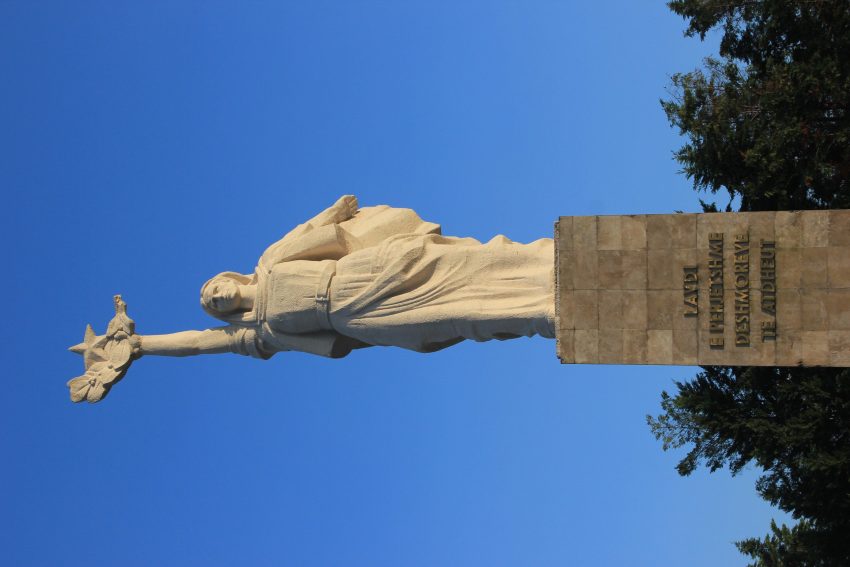
Perched on a hill overlooking Tirana, the Martyrs' Cemetery (Varrezat e Dëshmorëve të Kombit) is one of Albania's most poignant and symbolic sites. It serves as the final resting place for around 900 Albanian partisans who died fighting against fascist occupation during the Second World War. At its highest point stands the 12-meter-tall statue of Mother Albania, a commanding white monument that personifies the nation as a grieving mother guarding her fallen children. The site's tranquil setting and sweeping views make it both a place of reflection and one of the top sights in Tirana for those interested in Albania's modern history.
The cemetery's atmosphere is deeply moving. Rows of white headstones stretch across the hillside, each bearing the name of a freedom fighter whose sacrifice helped shape the country's independence and identity. At the center, Mother Albania raises a wreath, her solemn expression embodying both sorrow and strength. This iconic statue has become a national symbol of remembrance, representing the resilience and unity of the Albanian people. For travelers, the cemetery is often visited on walking tours of Tirana that explore the country's wartime and communist-era heritage, providing a powerful moment of contemplation above the bustling city below.
Table of Contents
- History and Significance of the Martyrs’ Cemetery and Mother Albania Statue
- Things to See and Do at the Martyrs’ Cemetery
- How to Get There
- Practical Tips on Visiting the Martyrs’ Cemetery
- Is the Martyrs’ Cemetery Worth Visiting?
- FAQs for Visiting the Martyrs’ Cemetery
- Nearby Attractions to the Martyrs’ Cemetery
History and Significance of the Martyrs’ Cemetery and Mother Albania Statue
The Martyrs' Cemetery was inaugurated in 1971 during the communist period as a national memorial to Albania's World War II partisans. It was designed to serve not only as a burial ground but also as a monument to the ideals of freedom, patriotism, and sacrifice. The Mother Albania statue - created by sculptors Kristaq Rama, Muntaz Dhrami, and Shaban Hadëri - towers over the complex, her gaze directed protectively across Tirana and the surrounding landscape. The monument quickly became one of Albania's most important symbols of national unity.
For two decades, the site also held the remains of Enver Hoxha, Albania’s long-time communist leader. Following his death in 1985, Hoxha was buried at the foot of Mother Albania, but after the fall of the regime in 1991, his body was removed and reinterred in Tirana’s municipal cemetery. The plot later became the resting place of Azem Hajdari, a student leader and key figure in the country’s democratic movement who was assassinated in the late 1980s. This transition reflects the evolving narrative of Albania’s history - from dictatorship to democracy - and the enduring reverence for those who fought for the nation’s freedom.
Things to See and Do at the Martyrs’ Cemetery
The highlight of the site is undoubtedly the Mother Albania statue, one of the most recognizable landmarks in the country. Its monumental presence dominates the skyline, and from its base visitors can enjoy panoramic views across Tirana and the Dajti Mountains beyond. Walking among the rows of graves, you'll find names of known and unknown partisans, many of whom died young in the fight for liberation. The simplicity of the headstones contrasts with the grandeur of the statue, creating a balance of humility and heroism.
The site is also a place of quiet reflection, often visited by locals who come to pay their respects on national holidays such as Martyrs’ Day and Independence Day. Occasional commemorative ceremonies and wreath-laying events are held here, maintaining the cemetery’s role as both a sacred and civic space. Photographers and history enthusiasts will find it a rewarding visit, offering insight into Albania’s wartime legacy and the enduring symbolism of national pride.
How to Get There
The Martyrs' Cemetery is located on a hill in the southern part of Tirana, about 4 km from the city center. It's best reached by taxi, which takes around 10-15 minutes from Skanderbeg Square, or by private car if you prefer flexibility. If you are looking to rent a car in Albania I recommend having a look at Discover Cars, first, as they compare prices and review multiple car rental agencies for you. There is no direct public transport to the site, but many guided tours include it as part of broader historical itineraries. The drive up offers scenic views, and the quiet hillside location provides a peaceful contrast to the energy of the city.
Practical Tips on Visiting the Martyrs’ Cemetery
- Best time to visit the Martyrs’ Cemetery: Spring or autumn, when the weather is mild and views over Tirana are clear.
- Entrance fee in Euros: Free.
- Opening hours: Open daily; accessible from sunrise to sunset.
- Official website: None.
- How long to spend: Around 30-45 minutes.
- Accessibility: Moderate incline; paved paths suitable for most visitors.
- Facilities: None on-site; bring water if visiting in warmer months.
- Photography tip: Capture the statue against the skyline in late afternoon light for the most dramatic effect.
- Guided tours: Included in some Tirana history or war heritage tours.
- Nearby food options: Cafés and restaurants can be found along Rruga Elbasanit on the way back to the city center.
Is the Martyrs’ Cemetery Worth Visiting?
Yes - the Martyrs' Cemetery is one of the must-see places in Tirana for travelers interested in Albania's history and symbolism. Beyond its historical significance, it offers stunning views and a profound sense of calm. Standing beneath the gaze of Mother Albania, it's impossible not to feel the emotional weight of the country's sacrifices for freedom.
What Other Travellers Say...

Martyrs' Cemetery sits on a large site reached by a short walk from the city; visitors report an impressive, very large statue and sweeping views over Tirana and the surrounding mountains, a calm atmosphere where locals gather to play games, and well-kept grounds with staff tending flowers — though access can be awkward with closed gates or gaps in the fence, there are no public toilets on site, and some visitors question the site's authenticity.


FAQs for Visiting the Martyrs’ Cemetery
Nearby Attractions to the Martyrs’ Cemetery
- Mount Dajti National Park - A popular mountain escape offering panoramic views and hiking trails.
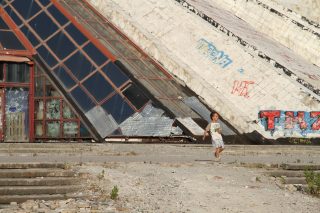
- Pyramid of Tirana - A former museum dedicated to Enver Hoxha, now a cultural and creative hub.
- National Historical Museum - Albania's largest museum chronicling the nation's past.
- Et'hem Bey Mosque - A beautifully preserved 18th-century mosque near Skanderbeg Square.
- Grand Park of Tirana - A peaceful green space surrounding the city's artificial lake, ideal for walking and picnics.
The Martyrs' Cemetery appears in our Complete Guide to Visiting Tirana!

Moira & Andy
Hey! We're Moira & Andy. From hiking the Camino to trips around Europe in Bert our campervan — we've been traveling together since retirement in 2020!
This website uses affiliate links which may earn a commission at no additional cost to you!
Nearby Attractions
- Brigades Palace (0.7) km
Historic Building - Tirana Grand Park (1.3) km
Park - Tirana National Museum of Archaeology (1.9) km
Museum - Mother Teresa Square (1.9) km
Square - Palace of Congress (1.9) km
Notable Building - Postbllok (2.2) km
Monument - Café-Museum Komiteti (2.2) km
Museum - Pyramid of Tirana (2.2) km
Notable Building - Tanners' Bridge (2.3) km
Bridge - Former Residence of Enver Hoxha (2.3) km
Historic Building