Royal Tombs of Selca, Pogradec
Ruins near Pogradec
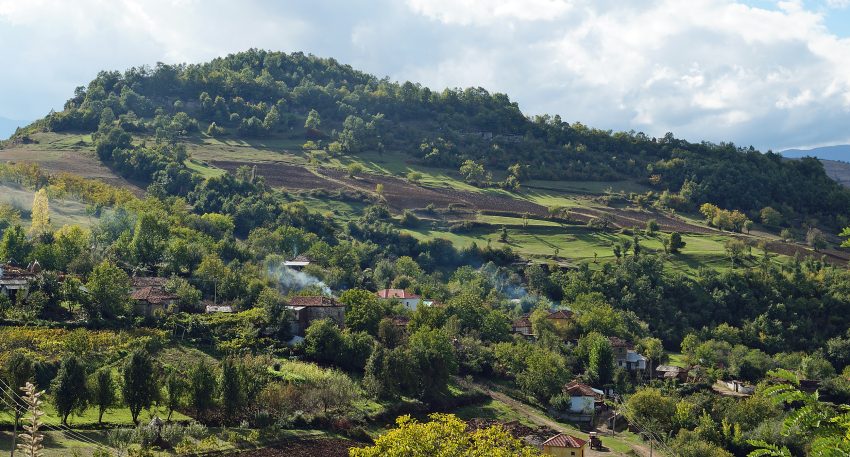
Perched on a hillside above the Shkumbin River, the Illyrian Tombs of Selca e Poshtme feel like a place where Albania's deep past is still very close to the surface. A short journey from Pogradec, this small archaeological park preserves the necropolis of ancient Pelion, a city inhabited since the Bronze Age and later chosen as a royal residence by Illyrian kings between the 4th and 1st centuries BC. Today, you walk up a quiet path through scrub and rock to reach monumental tombs cut into the slope, with wide views over the valley that give context to why this ridge was so important. It is one of the best places to visit in Pogradec if you enjoy sites that are evocative rather than overdeveloped.
This is also a landscape marked by significant episodes in wider Mediterranean history. In 335 BC, Alexander the Great brought his army here as he pushed north to secure Macedonia's borders, and in Roman times the mighty Via Egnatia ran nearby, connecting Durrës on the Adriatic with Byzantium. Standing by the tombs, it is easy to imagine caravans and legions moving along the valley floor while Illyrian elites looked on from their hilltop city of Pelion. The combination of quiet present day village life in Selcë e Poshtme and the lingering memory of kings, conquerors and traders makes this a great place to visit on a walking tour of Pogradec and its hinterland.
Table of Contents
- History and Significance of the Illyrian Royal Tombs
- Things to See and Do in the Illyrian Royal Tombs
- How to Get to the I
- Practical Tips on Visiting the Illyrian Tombs of Selca e Poshtme
- Where to Stay close to the Illyrian Tombs of Selca e Poshtme
- Is the Illyrian Tombs of Selca e Poshtme Worth Visiting
- FAQs for Visiting the Illyrian Tombs of Selca e Poshtme
- Nearby Attractions to the Illyrian Tombs of Selca e Poshtme
History and Significance of the Illyrian Royal Tombs
The necropolis of Selca e Poshtme belongs to the ancient city of Pelion, whose occupation stretches back to the Bronze Age. Over time, the settlement grew into a regional centre for the Illyrian tribes, and from the 4th to 1st centuries BC it became a royal residence, home to Illyrian kings who controlled key routes through the mountains. The choice of this hill between the village and the Shkumbin River was not accidental: it commanded the valley, allowed for natural defence and offered clear views of anyone moving through this strategic corridor.
In 335 BC, Pelion briefly stepped into the spotlight of ancient history when Alexander the Great advanced here to confront Illyrian forces as part of his campaign to secure Macedonia’s northern frontier. Although little remains of the city’s upper structures, the necropolis carved into the hillside preserves the memory of that era in stone. The tombs, with their monumental facades and chambered interiors, reflect the status and wealth of those buried here and link local Illyrian elites to broader Hellenistic funerary traditions.
During the Roman period, the importance of the area was reinforced by the nearby Via Egnatia, the great road that connected Durrës with the eastern reaches of the empire. While the city's political role faded over time, the tombs remained as silent markers of its former prominence. Today, they are among the most significant Illyrian burial sites in Albania, offering insight into how local rulers expressed power and identity in an age of shifting alliances between Illyrians, Macedonians and Romans.
Things to See and Do in the Illyrian Royal Tombs
Your visit will usually start at the lower part of the archaeological area, where paths lead up towards the hillside tombs. As you climb, look back periodically: the view across the Shkumbin valley helps you understand why Pelion was located here, controlling routes that would later be formalised as the Via Egnatia. The setting feels remote and peaceful today, but imagining the movement of armies and caravans gives the landscape a very different energy.
The main attraction is the cluster of monumental Illyrian tombs cut into the rock on the slope just below the hill’s summit. Each tomb is different in plan and decoration, but most consist of an impressive facade leading into a burial chamber where members of the royal family or high nobility would have been laid to rest. Spend time looking closely at the masonry, niches and surviving architectural details; these are not simple graves, but carefully designed, status laden monuments. Even without many artefacts in situ, the scale and craftsmanship are striking.
Once you have explored the main group of tombs, wander further along the paths to pick out other remains around the hill. The wider necropolis includes over 200 tombs in total, and while not all are obvious or accessible, knowing that they dot the slopes around you adds to the sense of being in a true city of the dead. Between the archaeology, the views and the low key, rural atmosphere, the site works well as a slow, contemplative half day outing rather than a quick photo stop.
How to Get to the I
llyrian Royal Tombs
Most international visitors will arrive via Tirana International Airport, from where you can either hire a car or use intercity buses towards Pogradec or Elbasan before continuing on local roads to Selcë e Poshtme. For the best deals and a seamless booking experience, check out these flights to Pogradec on Booking.com.
Albania's rail network is limited and does not currently provide a practical train route to Pogradec or Selcë e Poshtme, so trains are not a realistic option for reaching the tombs and are usually not recommended for this journey.
By road, the usual approach is to travel by bus or minibus from Tirana, Elbasan or Korçë to Pogradec, then arrange a taxi or local driver for the final stretch to Selcë e Poshtme; if you have your own vehicle, you can follow the Shkumbin valley roads and local signage up towards the village and the marked archaeological site above it. If you are looking to rent a car in Albania I recommend having a look at Discover Cars, first, as they compare prices and review multiple car rental agencies for you.
Practical Tips on Visiting the Illyrian Tombs of Selca e Poshtme
- Suggested tips: Wear sturdy shoes for uneven paths, carry water and snacks, and download an offline map in case mobile coverage is patchy around the valley and village.
- Best time to visit: Late spring and early autumn offer comfortable temperatures and good visibility; summer can be hot on the exposed hillside, while winter may bring mud and occasional snow.
- Entrance fee: Expect either free access or a small local fee; bring some cash in euros or lek in case a ticket or donation is requested.
- Opening hours: The site is generally accessible in daylight hours, but informal; aim to visit between morning and late afternoon for safety and visibility.
- How long to spend: Plan for around two to three hours to walk up from the village, explore the main tombs at a relaxed pace and enjoy the views before returning.
- Accessibility: Paths are unpaved and can be steep, rocky and slippery after rain; the site is not well suited to visitors with limited mobility, so take care and avoid visiting in poor weather.
- Facilities: There are no significant facilities at the tombs themselves; use services in nearby villages or Pogradec for toilets, food and drinks before or after your visit.
- Photography tip: Shoot wide angle views that include the tomb facades and the valley below, then take close ups of stonework and entrances to capture both context and detail.
- Guided tours: Local guides based in Pogradec or regional tour operators sometimes offer excursions that combine Selca e Poshtme with other Illyrian or Lake Ohrid sites, adding useful historical background.
- Nearby food options: Small local eateries or guesthouse kitchens in the area around Pogradec and along the road back from the site are the best places to try traditional Albanian dishes after your visit.
Where to Stay close to the Illyrian Tombs of Selca e Poshtme
Because Selcë e Poshtme itself is very small, most visitors choose to stay in Pogradec or along the Albanian shore of Lake Ohrid and visit the tombs as a half day trip. A good lakeside option is Perla Hotel, which gives you relaxing views over the lake and straightforward road access out towards the Shkumbin valley. For a more intimate guesthouse feel in a quiet residential area, Villa Borje offers a homely base with easy day trip possibilities to Selca e Poshtme. Travellers who prefer to stay closer to other attractions and restaurants might like 1 Maji Hotel, right on the lakeside promenade, where you can combine an excursion to the tombs with evening walks by the water.
Is the Illyrian Tombs of Selca e Poshtme Worth Visiting
The Illyrian Tombs of Selca e Poshtme are definitely worth visiting if you are drawn to quieter archaeological sites where imagination and landscape do as much work as signage and visitor centres. You do not come here for polished museums or big crowds; instead, you come for the sense of standing in the necropolis of a royal Illyrian city, overlooking the same valley where Alexander the Great once marched and the Romans later laid out the Via Egnatia. Combined with a stay on Lake Ohrid and time in Pogradec, the tombs add a powerful historical dimension to a region that many travellers still overlook, making them a memorable and rewarding detour.
What Other Travellers Say...

Royal Tombs of Selca sits on a hill above Selcë e Poshtëme (Municipality of Pogradec) and rewards a short walk with sweeping natural views and a glimpse of ancient burial terraces; access is easier now thanks to a recently finished road with parking at the hill foot and steps leading to the upper terrace, then down to the middle and lower terraces, though locating the site can still feel a little adventurous. Visitors report the tombs are very old and partly damaged but evocative, with one tomb linked to findings associated with a legendary local king; treat the site respectfully as a burial place and keep it tidy.


FAQs for Visiting the Illyrian Tombs of Selca e Poshtme
Nearby Attractions to the Illyrian Tombs of Selca e Poshtme
- Pogradec: A relaxed lakeside town on the Albanian shore of Lake Ohrid, with a promenade, cafés and easy access to regional sights.
- Lake Ohrid: One of Europe's oldest and deepest lakes, ideal for boat trips, swimming in season and enjoying views across to North Macedonia.
- Drilon National Park: A peaceful area of springs, canals and greenery near Pogradec, perfect for short walks and boat rides.
- Tushemisht: A nearby village known for its lakeside restaurants, springs and gentle waterfront atmosphere.
- Lin: A small peninsula village on Lake Ohrid with a 6th century basilica and mosaics, offering another blend of archaeology and lakeside scenery.
The Royal Tombs of Selca appears in our Complete Guide to Visiting Pogradec!

Moira & Andy
Hey! We're Moira & Andy. From hiking the Camino to trips around Europe in Bert our campervan — we've been traveling together since retirement in 2020!
This website uses affiliate links which may earn a commission at no additional cost to you!
Planning Your Visit
The site is generally accessible in daylight hours, but informal; aim to visit between morning and late afternoon for safety and visibility.
Expect either free access or a small local fee; bring some cash in euros or lek in case a ticket or donation is requested.
Nearby Attractions
- Lin Village, Korçë (13.0) km
Village - Lake Ohrid (17.7) km
Lake - Shebenik-Jabllanicë National Park (23.7) km
National Park - Murdered Poets Memorial (27.0) km
Monument - Voskopojë (40.1) km
Village - Prespa Lakes (44.4) km
Lake - Andon Zako Çajupi Theatre (46.6) km
Theatre - Old Bazaar of Korçë (46.7) km
Bazaar - Red Tower (46.7) km
Tower - Korçë Clock Tower (46.8) km
Tower