El Convento de Santa Teresa, Ávila
Convent in Ávila

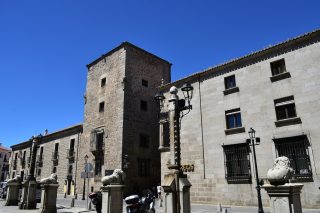
Set on Plaza de la Santa, the Convento de Santa Teresa is one of the most atmospheric stops in the historic centre-a Baroque church and Carmelite convent built directly over the site where Saint Teresa of Ávila was born. You feel the location immediately: the walls are close, the streets narrow, and the plaza has that quiet, “pause a minute” energy that Ávila does so well, especially when you arrive on foot.
What makes this place special is the way it layers experience: the church above, the story of Teresa's early life woven into chapels and small spaces, and then the museum below in the vaulted burial crypt. For travelers piecing together a walking tour of Ávila, it's an easy, meaningful stop that also earns its reputation as one of the top attractions in Ávila-part spiritual landmark, part architectural curiosity, and part very human biography told through place.
Table of Contents
- History and Significance of the Convento de Santa Teresa
- Things to See and Do in the Convento de Santa Teresa
- How to Get to the Convento de Santa Teresa
- Practical Tips on Visiting the Convento de Santa Teresa
- Where to Stay Close to the Convento de Santa Teresa
- Is the Convento de Santa Teresa Worth Visiting?
- For Different Travelers
- FAQs for Visiting Convento de Santa Teresa
- Nearby Attractions to the Convento de Santa Teresa
History and Significance of the Convento de Santa Teresa
The church and convent complex was built on the house where Teresa de Cepeda y Ahumada-Saint Teresa of Jesus-was born, anchoring one of Spain’s most influential spiritual figures to a very specific point on Ávila’s map. The project began in 1629 under the Carmelite architect Fray Alonso de San José, and the building opened on 15 October 1636, a date that resonates strongly in the Teresian calendar and in the city’s identity.
Architecturally, it’s a textbook expression of Carmelite Baroque restraint: a Latin-cross plan, a central nave, and chapels along the sides-designed to feel devotional rather than theatrical. One of the most intriguing details is the way the presbytery alignment was shaped by the birthplace itself, prioritizing the location tied to Teresa’s life over conventional liturgical orientation.
Below the church, the large vaulted burial crypt-now used as the Museum of St Teresa-is a standout in Spanish religious architecture and a major reason to include this stop even if you're not specifically on a pilgrimage-style itinerary. The complex was designated a Historical Monument in 1886, and today it remains a key node in Ávila's “mystical” landscape, right beside the city walls and close to the Puerta de la Santa.
Things to See and Do in the Convento de Santa Teresa
Start in the church with a slow scan of the façade, which is designed like an altarpiece in three vertical “bodies,” drawing your eye toward the saint’s image and the heraldry tied to her family and patrons. Inside, give yourself time for the sculptures associated with Gregorio Fernández and his workshop-this is one of those interiors where a few carefully chosen details carry the whole emotional weight of the space.
Then head down to the museum in the crypt, which shifts the mood completely: cool stone, vaulted ceilings, and an intimate, curated narrative of Teresa's life and message. It's the kind of museum where the setting is part of the exhibit, and you come away with a stronger sense of why Ávila isn't just “a pretty walled city,” but a place that shaped a global religious and literary legacy.
Before you leave the plaza, linger outside and look around: you're steps from the Puerta de la Santa gate and within easy reach of other Teresian sites, so this visit fits naturally into a compact historic-centre loop. If you want to deepen the experience, pair it with a short section of wall-viewpoints nearby, then continue toward the cathedral for a satisfying “stone and spirit” mini-route through the Old Town.
How to Get to the Convento de Santa Teresa
Ávila is easiest to reach via Madrid, and the nearest major international airport is Madrid-Barajas Airport (MAD). For the best deals and a seamless booking experience, check out these flights to Ávila on Booking.com. Valladolid Airport is a smaller alternative if it aligns with your wider route through Castile and León. For the best deals and a seamless booking experience, check out these flights to Ávila on Booking.com.
From Madrid, trains run to Ávila and are a practical choice if you want to avoid parking and keep your day centred on the Old Town. Train schedules and bookings can be found on Omio. Once you arrive at Ávila’s station, you can reach the walled centre by taxi or local bus, or walk if you’re travelling light and don’t mind a gentle approach into the historic streets.
Intercity buses also connect Ávila with Madrid and other regional towns, often dropping you within an easy taxi ride of the walls and central plazas. If you're driving, plan to park outside the busiest historic streets and walk in through one of the gates for a calmer arrival. If you are looking to rent a car in Spain I recommend having a look at Discover Cars, first, as they compare prices and review multiple car rental agencies for you.
Practical Tips on Visiting the Convento de Santa Teresa
- Entrance fee: Church: Free. Museum: €3
- Opening hours: Church (tourist visits) Monday – Saturday: 09:30–13:00 & 15:30–19:30.Sunday & public holidays: 09:30–11:00 & 15:30–19:00. Museum (in the crypt) Daily: 10:00–14:00 & 16:00–19:00.
- Official website: https://www.museosantateresa.com/
- Best time to visit: Aim for mid-morning between services for the calmest interiors, or late afternoon when the plaza feels softer and you can roll straight into a nearby wall-viewpoint.
- How long to spend: Allow 45-75 minutes if you’re doing the church and museum; add extra time if you like slow, detail-focused visits.
- Accessibility: The church area is generally straightforward, but the crypt museum may involve steps and tighter circulation, so check conditions if you need step-free access.
- Facilities: Expect a small souvenir area and limited on-site amenities; for cafés and restrooms, the nearby Old Town streets are a better bet.
Where to Stay Close to the Convento de Santa Teresa
For a culture-heavy itinerary, base inside Ávila’s walled Old Town; for easier parking and quick road access, stay just outside the walls near one of the main gates and walk in. If you want to wake up already in the historic atmosphere, choose a central classic within a few minutes’ stroll of Plaza de la Santa, like Hotel Puerta de la Santa, which is famously well-placed beside the walls for early and late walks.
If you prefer a grand, “sleep in a landmark” feel close to the cathedral and the main historic sights, Hotel Palacio de los Velada is a strong choice for location and ambience. For a quieter, slightly more spacious-feeling base that still keeps you inside the historic quarter, Parador de Ávila offers a calm retreat after a day of churches, walls, and museums.
Is the Convento de Santa Teresa Worth Visiting?
Yes-especially if you want to understand why Ávila's identity goes beyond medieval fortifications. The Convento de Santa Teresa is one of those places where the “where” matters as much as the “what”: it's a spiritual biography anchored to real rooms and real stone, with a museum setting that feels inseparable from the story.
Even if you’re not visiting for religious reasons, it’s a rewarding stop for architecture, local history, and atmosphere. And because it sits so naturally within the Old Town’s walking routes, it’s easy to include without reshaping your day.
What Other Travellers Say...

Church and birthplace of Saint Teresa of Jesus in Ávila sits on the spot traditionally linked to her birth and offers a peaceful, prayerful atmosphere with beautiful, ornate architecture; visitors praise its calm, reflective ambience, recommend guided tours or booking as part of a day trip for fuller context, and say the setting and surrounding area make the visit memorable and easy to combine with transport from nearby cities.


For Different Travelers
Families with Kids
Treat this as a short, focused visit: the idea of a church built over someone’s birthplace is a hook kids often remember, even if they don’t absorb the full context. Keep the museum portion flexible-if attention starts to drift, pivot to the nearby walls for a more active next stop.
Couples & Romantic Getaways
This is a quietly beautiful place to share, especially if you like travel moments that feel reflective rather than “checklist-y.” Go late afternoon, step out into the plaza afterward, and wander the lanes toward the cathedral as the light fades for one of Ávila’s most atmospheric stretches.
Budget Travelers
It’s an excellent value stop because the church itself is free, and the museum ticket is modest compared with larger monuments. Combine it with a self-guided loop of plazas, gates, and wall viewpoints to build a full, low-cost day in the Old Town.
History Buffs
Look past the headline name and focus on how the site was deliberately engineered to preserve memory in architecture-orientation choices, chapel placement, and the museum's crypt setting all reflect how Ávila curated Teresa's legacy over time. Pair it with other Teresian sites in the city to see how one figure shaped an entire urban narrative.
FAQs for Visiting Convento de Santa Teresa
Getting There
Tickets & Entry
Visiting Experience
Tours, Context & Itineraries
Photography
Accessibility & Facilities
Food & Breaks Nearby
Safety & Timing
Nearby Attractions to the Convento de Santa Teresa
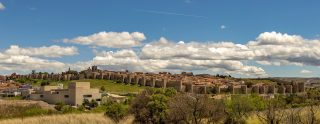
- Walls of Ávila: Walk a section of the medieval ramparts for classic city views and a real sense of how formidable the fortifications are.
- Puerta de la Santa: The gate beside the plaza links Teresa's story directly to the walled city's everyday entrances and exits.
- Ávila Cathedral (Catedral del Salvador): A dramatic, fortress-like cathedral that's essential for understanding the city's power and wealth.
- Basilica of San Vicente: One of Ávila's most impressive Romanesque churches, rich in stone carving and legend.
- Real Monasterio de Santo Tomás: A substantial monastic complex with strong architectural presence and a different, more “royal” side of Ávila's religious history.
The El Convento de Santa Teresa appears in our Complete Guide to Visiting Ávila!

Moira & Andy
Hey! We're Moira & Andy. From hiking the Camino to trips around Europe in Bert our campervan — we've been traveling together since retirement in 2020!
This website uses affiliate links which may earn a commission at no additional cost to you!
Planning Your Visit
Church (tourist visits) Monday - Saturday: 09:30-13:00 & 15:30-19:30.Sunday & public holidays: 09:30-11:00 & 15:30-19:00.
Museum (in the crypt) Daily: 10:00-14:00 & 16:00-19:00.
Church: Free. Museum: €3
Nearby Attractions
- Palacio de Núñez Vela (0.0) km
Palace - Puerta de Santa Teresa (0.0) km
City Gate - Palacio de Los Almarza (0.1) km
Palace - Palacio de Los Superunda (0.1) km
Palace - Torreón de los Guzmanes (0.1) km
Palace - Palace of Polentinos (Ávila) (0.2) km
Historic Building and Palace - Iglesia de San Juan Bautista (0.2) km
Church - Palacio de los Dávila (0.2) km
Palace - Plaza Mercado Chico (0.3) km
Square - Parador de Ávila (0.3) km
Palace