Château des Ducs de Bretagne, Nantes
Castle in Nantes
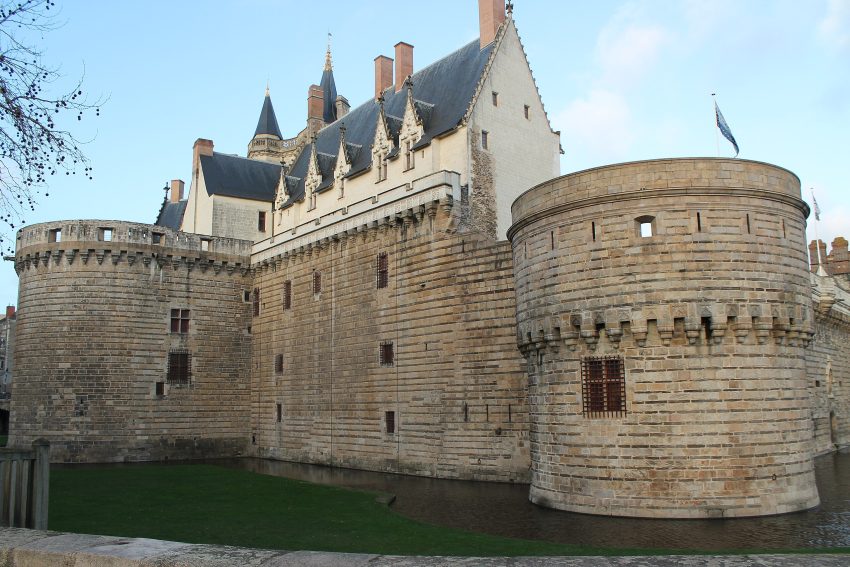
Rising above its green moat and reflecting pools in the heart of Nantes, the Château des Ducs de Bretagne is where the city's story really comes together. Built in the late 15th century by François II and later embellished by his daughter Anne of Brittany, this fortress-palace mixes thick granite walls with refined tufa-stone façades and Renaissance loggias, embodying both military strength and princely elegance. Today, the castle's courtyards, ramparts, and museum galleries show how Nantes evolved from ducal capital to royal stronghold and modern port city.
Inside the walls, the Musée d'Histoire de Nantes fills 32 rooms with artefacts, models, films, and interactive displays that explore everything from the Atlantic slave trade and industrial growth to wartime experiences and contemporary urban life. Outside, the ramparts offer sweeping views over the city roofs and tram lines, while the inner courtyard is a calm, photogenic space to linger. It is a highlight of any walking tour of Nantes because it connects almost every chapter of the city's past in one walkable ensemble.
Table of Contents
- History and Significance of the Château des Ducs de Bretagne
- Things to See and Do in the Château des Ducs de Bretagne
- How to Get to the Château des Ducs de Bretagne
- Practical Tips on Visiting the Château des Ducs de Bretagne
- Where to Stay close to the Château des Ducs de Bretagne
- Is the Château des Ducs de Bretagne Worth Visiting?
- FAQs for Visiting Château des Ducs de Bretagne
- Nearby Attractions to the Château des Ducs de Bretagne
History and Significance of the Château des Ducs de Bretagne
The Château des Ducs de Bretagne was begun in the late 1400s by François II, the last independent Duke of Brittany, at a time when the duchy was striving to assert its power and identity in the face of growing French influence. The outer fortress, with its granite curtain walls and round towers, reflects the need for defence, while the inner residential buildings show a more refined side, with tall windows, sculpted dormers, and the light-coloured tufa stone typical of Loire and Breton Renaissance architecture.
Anne of Brittany, who became Duchess in her own right and later twice Queen of France, left her own mark on the château by enhancing its residential comforts and symbolic prestige. After Brittany's union with France, the castle shifted roles, serving as a royal residence and then, over time, as a military barracks and arsenal. In the 19th and early 20th centuries, parts of the site were altered or neglected, and the structure even served as a prison, underscoring how its defensive character could be turned inward as well as outward.
Extensive restoration in the late 20th and early 21st centuries transformed the château from a somewhat battered stronghold into a major cultural site. In 2007 it reopened fully to the public as home to the Musée d'Histoire de Nantes, with carefully restored façades, accessible ramparts, and museum spaces integrated into the historic fabric. Today, the château symbolises both Nantes' ducal heritage and its willingness to confront complex aspects of its past, such as its role in Atlantic trade and slavery.
Things to See and Do in the Château des Ducs de Bretagne
The best way to start is in the courtyard, where you can look back at the contrast between the severe outer walls and the refined inner palace. The white tufa façades, steep roofs, and delicate loggias feel almost Loire Valley in style, a world away from the battlements just beyond. Take time to walk around the courtyard and notice details such as sculpted coats of arms, window tracery, and the shift from medieval to early Renaissance forms.
From there, head up to the ramparts. The walkway along the walls gives you panoramic views of Nantes, from the cathedral towers to the modern lines of the surrounding city. As you circle the fortress, you pass towers, old gunports, and views down into the moat-turned-landscaped basins, getting a strong sense of how the château once controlled approaches to the city. It is also a fantastic route for photos, especially at sunset when the stone glows warm against the water.
Inside, the Musée d'Histoire de Nantes unfolds through 32 themed rooms. You will find ship models, trade documents, everyday objects, and multimedia installations that tackle topics like the city's maritime trade, its involvement in the Atlantic slave trade, industrialisation, and the impact of the World Wars. The variety keeps things engaging: one room may present archival films and interactive screens, while the next showcases delicate ceramics or ducal-era artefacts. Temporary exhibitions add further layers, bringing in topics as varied as samurai culture, the Mongol Empire, or contemporary art and design.
How to Get to the Château des Ducs de Bretagne
The Château des Ducs de Bretagne stands right in central Nantes, next to the old town and just a short walk from the Bouffay district and the cathedral, so it is very easy to reach on foot once you are in the city centre. The nearest airport is Nantes Atlantique Airport, southwest of the city, with buses and shuttles connecting to the centre in around 20-30 minutes. For the best deals and a seamless booking experience, check out these flights to Nantes on Booking.com.
By train, Nantes station is one of the main hubs in western France, with frequent TGV and regional services from cities like Paris, Rennes, and Bordeaux. You can use SNCF Connect to check schedules, compare routes, and purchase tickets for National (SNCF ) and regional trains (TER). For a more streamlined experience, we recommend using Omio, which allows you to easily compare prices, schedules, and book tickets for both National and Regional travel across all of Europe, all in one place. From the station, it is only a 5-10 minute walk to the château: simply follow signs toward the historic centre, and the castle’s walls and towers soon come into view.
If you arrive by car, follow signs for Nantes centre and park in one of the nearby underground or multi-storey car parks, such as those close to the château or along the Cours des 50 Otages. If you are looking to rent a car in France I recommend having a look at Discover Cars, first, as they compare prices and review multiple car rental agencies for you. Once parked, you can easily explore the castle and surrounding old streets on foot or by hopping onto the efficient tram network.
Practical Tips on Visiting the Château des Ducs de Bretagne
- Suggested tips: Start your visit early in the day to explore the museum while it is quieter, then walk the ramparts in the late afternoon for beautiful light over the city.
- Best time to visit: Weekday mornings outside school holidays are ideal for a calmer museum experience; evenings and weekends are livelier, especially around the courtyard and moat.
- Entrance fee: Adults: €9.00. Museum Pass: €15 (Jules Verne Museum, the Natural History Museum, the Museum of Fine Arts, the History Museum (Château des Ducs de Bretagne), and the Chronograph.
- Opening hours: Tuesday to Sunday: 10:00 to 18:00, closed Mondays
- Official website: https://www.chateaunantes.fr/
- How long to spend: Plan at least 2-3 hours if you want to walk the ramparts and explore most of the museum rooms without rushing.
- Accessibility: Lifts and adapted routes serve many parts of the museum and courtyard, though some rampart sections and historic staircases may be challenging for visitors with reduced mobility.
- Facilities: On-site you will find a ticket office, gift shop, café, toilets, and sometimes temporary outdoor seating in the courtyard or moat area.
- Photography tip: For iconic shots, photograph the château reflected in the moat pools from the outer square; on the ramparts, try framing the cathedral or tramlines through the stone openings.
- Guided tours: Look out for guided-tours (often available in French and sometimes other languages) that focus on the castle's architecture, ducal history, or specific themes like Nantes' maritime past.
- Nearby food options: The streets around the castle and in the Bouffay district are full of crêperies, bistros, and bars, making it easy to combine your visit with lunch, dinner, or an evening drink.
Where to Stay close to the Château des Ducs de Bretagne
Staying near the Château des Ducs de Bretagne means you are steps from both the museum and Nantes' most atmospheric old streets. Directly opposite the castle, L'Hôtel - Face au Château offers comfortable, stylish rooms with unbeatable access to the château and the cathedral. A short walk away, Hôtel La Pérouse Nantes combines contemporary design with a central location close to tram lines and shopping streets, ideal if you want a modern base in the heart of the action. For a quieter residential feel within easy reach of the historic centre, Hôtel Chateaubriand provides a cosy, good-value option with pleasant walks along the Erdre and quick tram access back to the château.
Is the Château des Ducs de Bretagne Worth Visiting?
The Château des Ducs de Bretagne is absolutely worth visiting, especially if you want more than just a quick look at Nantes from the outside. It combines a dramatic fortress silhouette, refined ducal architecture, and one of France's most engaging city history museums in a single site. You can walk the ramparts, relax in the courtyard, and dive into nuanced stories about trade, slavery, industry, and war, all in one visit. For anyone curious about how Nantes became the city it is today, the Château des Ducs de Bretagne is one of the best places to visit in Nantes and a cornerstone of any thoughtful itinerary.
What Other Travellers Say...

Château des ducs de Bretagne at 4 Pl. Marc Elder in Nantes combines a striking castle and a museum that traces the city's port history with scale models and varied interactive displays; visitors praise the well-designed, easy-to-follow exhibits that are engaging for families, including content that doesn't shy away from difficult chapters. The castle grounds, ramparts and moat are free to explore, offering pleasant walks, views over the city, picnic spots, ducks, information boards, secure bike parking, a café and toilets, while the paid museum provides a deeper, educational experience.


FAQs for Visiting Château des Ducs de Bretagne
Nearby Attractions to the Château des Ducs de Bretagne
- Cathédrale Saint-Pierre-et-Saint-Paul de Nantes: The city's soaring Gothic cathedral, just a few minutes' walk from the château.
- Musée d'Arts de Nantes: A major fine arts museum with collections from old masters to contemporary works in a beautifully renovated building.
- Quartier Bouffay: The medieval heart of Nantes, full of narrow streets, half-timbered houses, restaurants, and bars.
- Jardin des Plantes: A lush botanical garden near the railway station, ideal for a relaxing stroll among themed plantings and playful installations.
- Passage Pommeraye: A 19th-century shopping arcade with elegant staircases and glass roofs, perfect for combining architecture, history, and a bit of browsing.
The Château des Ducs de Bretagne appears in our Complete Guide to Visiting Nantes!

Moira & Andy
Hey! We're Moira & Andy. From hiking the Camino to trips around Europe in Bert our campervan — we've been traveling together since retirement in 2020!
This website uses affiliate links which may earn a commission at no additional cost to you!
Planning Your Visit
Tuesday to Sunday: 10:00 to 18:00, closed Mondays
Adults: €9.00. Museum Pass: €15 (Jules Verne Museum, the Natural History Museum, the Museum of Fine Arts, the History Museum (Château des Ducs de Bretagne), and the Chronograph.
Nearby Attractions
- Nantes History Museum (0.1) km
Museum - Cathédrale Saint-Pierre-et-Saint-Paul de Nantes (0.3) km
Cathedral - Porte Saint-Pierre (0.3) km
City Gate - Musée d'Arts de Nantes (0.4) km
Museum - Jungle Intérieure (0.4) km
Gardens - Eglise Sainte-Croix (0.4) km
Church - Jardin des Plantes (0.6) km
Gardens - Place Royale (0.8) km
Historic Building - Passage Pommeraye (0.9) km
Historic Building - Place Graslin (1.1) km
Square