Calle Larios, Málaga
Street in Málaga
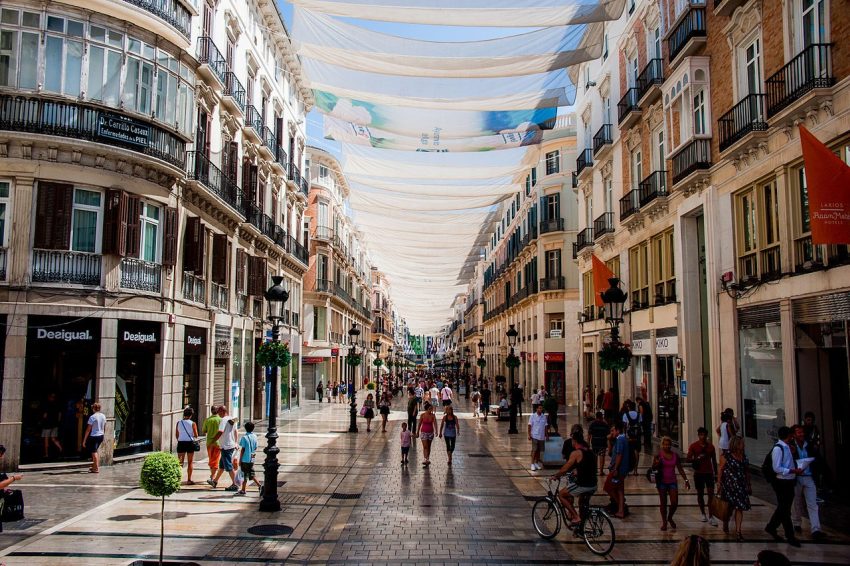
Calle Marqués de Larios, better known simply as Calle Larios, is the elegant spine of Málaga's historic centre, a wide pedestrian boulevard where locals stroll, shop and meet from morning until late at night. Flanked by handsome 19th-century buildings and paved with polished stone that gleams in the sun, it's one of the best places to visit in Málaga if you want to feel the city's pulse. Whether you are people-watching at a café terrace, window-shopping in upmarket boutiques or simply walking towards the sea breeze, this is the street where Málaga's daily life unfolds in style.
More than just a shopping street, Calle Larios is also the stage for many of the city's biggest events, from the colourful Feria de Málaga to solemn Semana Santa processions and Málaga Fashion Week catwalks. The street officially opened in 1891 and was named after Manuel Domingo Larios, the businessman who financed its construction; his statue now presides over the southern end near the port. Today it remains the most expensive street to live on in the city and a highlight of any walking tour of Málaga, perfectly linking the old town, port and main squares into one easy, elegant route.
Table of Contents
- History and Significance of the Calle Marqués de Larios
- Things to See and Do in the Calle Marqués de Larios
- How to Get to the Calle Marqués de Larios
- Practical Tips on Visiting the Calle Marqués de Larios
- Where to Stay close to the Calle Marqués de Larios
- Is the Calle Marqués de Larios Worth Visiting?
- FAQs for Visiting Calle Marqués de Larios
- Nearby Attractions to the Calle Marqués de Larios
History and Significance of the Calle Marqués de Larios
When Calle Larios was inaugurated on 27 August 1891, Málaga was reinventing itself as a modern, outward-looking city. The project was driven by the Larios family, powerful industrialists and landowners whose wealth came from textiles, agriculture and trade. Manuel Domingo Larios invested heavily in turning what had been a maze of older streets into a straight, airy boulevard that would connect the city centre with the harbour, symbolising progress and prosperity. Naming the street after him was both a tribute and a reminder of how closely Málaga's fortunes were tied to private enterprise.
The design of Calle Larios was inspired by contemporary European boulevards, with uniform façades, elegant balconies and ground floors reserved for shops and cafés. The buildings were designed to harmonise in height and style, creating a unified, almost theatrical backdrop for urban life. Over time, the street became the natural place for promenading, shopping and celebrating, and it has retained that role ever since. Even as modern brands have moved into the ground floors, the upper levels and façades still tell the story of late 19th-century Málaga at its most confident.
Today, Calle Larios is a symbol of Málaga's identity: prosperous but relaxed, stylish but accessible. It sits at the centre of city celebrations, from the intricate Christmas light displays that draw visitors from all over Spain to the elaborate Holy Week processions that slowly weave their way along the polished paving. Standing by the statue of Marqués de Larios at the southern end and looking north towards Plaza de la Constitución, you are literally looking through more than a century of Málaga's social and commercial history.
Things to See and Do in the Calle Marqués de Larios
The simplest and best thing to do on Calle Larios is to stroll. Start at the statue of Marqués de Larios near the harbour end and wander slowly up the boulevard, taking in the curve of the buildings, the decorative balconies and the ever-changing shopfronts. In summer, canvas awnings are stretched high above the street to create shade, transforming the space into a cool, sheltered tunnel of light and making it comfortable even in the midday sun. In winter, especially at Christmas, the street steals the show with spectacular light displays and music that turn it into an open-air festive theatre.
Shopping is a major draw here, with a mix of Spanish and international brands, stylish shoe shops and accessory stores lining both sides of the street. Between browsing, you can duck into side streets leading to smaller boutiques, cafés and tapas bars, then return to Calle Larios to rejoin the flow of people. At the northern end, the street opens onto Plaza de la Constitución, a lively square with fountains, café terraces and frequent events, making it a natural place to pause, have a coffee and watch Málaga go by.
Calle Larios is also where you will feel Málaga's big events most intensely. During Semana Santa, enormous religious floats and processions glide along the street as crowds line the edges, filling balconies and doorways. During Feria, the atmosphere flips to one of pure celebration, with music, dancing and people dressed in traditional outfits spilling through the area. Throughout the year, pop-up stages and catwalks host Málaga Fashion Week and cultural performances. Even on an ordinary day, the combination of architecture, street life and gentle sea breeze makes this spot one of the best places to see in Calle Larios and to understand why locals are so proud of their city.
How to Get to the Calle Marqués de Larios
Calle Larios sits right in the heart of Málaga's historic centre, just a short walk from the cathedral, port and main museums. The closest major arrival point is Málaga-Costa del Sol Airport, which has frequent international and domestic flights and excellent connections into the city by train, bus, taxi and hire car. For the best deals and a seamless booking experience, check out these flights to Málaga on Booking.com.
From Málaga María Zambrano railway station, it's an easy onward journey to Calle Larios. You can either walk into the centre in about 20-25 minutes, take a short ride on the local commuter train towards Centro-Alameda, or hop on an urban bus that drops you near the old town, from where the street is just a few minutes' walk away. Train schedules and bookings can be found on Omio.
If you are driving, follow the A-7 motorway into Málaga and look for public car parks around the port, Alameda Principal or the edge of the historic centre, then continue on foot since Calle Larios itself is fully pedestrianised. Parking once and exploring the area by walking is by far the easiest way to enjoy the street and its surroundings. If you are looking to rent a car in Spain I recommend having a look at Discover Cars, first, as they compare prices and review multiple car rental agencies for you.
Practical Tips on Visiting the Calle Marqués de Larios
- Suggested tips: Wear comfortable shoes and plan to wander slowly, exploring side streets and nearby squares rather than just walking straight through.
- Best time to visit: Evenings are particularly atmospheric, especially in summer and during major events, though mornings are quieter if you prefer a more relaxed stroll.
- Entrance fee: Free
- Opening hours: 24 Hours
- Official website:
- How long to spend: Allow at least 30-60 minutes to walk the length of the street and explore Plaza de la Constitución, longer if you plan to shop or linger at a café.
- Accessibility: The wide, flat, pedestrianised surface is generally very accessible for wheelchairs and pushchairs, though it can be crowded during festivals.
- Facilities: You’ll find plenty of cafés, shops, banks and nearby restrooms in bars and restaurants; this is one of the best-served areas in the city.
- Photography tip: Come early or late for softer light and fewer crowds; reflections on the polished paving after rain or during blue hour make for especially beautiful shots.
- Guided tours: Many city walking tours start or pass along Calle Larios, making it easy to learn about its history while also discovering nearby sights.
- Nearby food options: Try one of the cafés or ice-cream parlours along the street, or step into adjoining alleys for tapas bars and traditional restaurants popular with locals.
Where to Stay close to the Calle Marqués de Larios
If you want to stay right in the heart of the action, Room Mate Larios is an obvious choice, with rooms overlooking the boulevard itself and a rooftop terrace that lets you watch the life of the street from above. Just around the corner, Petit Palace Plaza Málaga offers a boutique feel a few steps from Plaza de la Constitución, ideal if you want quick access to both Calle Larios and the cathedral. For slightly more of a grand hotel experience with sea and city views, AC Hotel Málaga Palacio sits a short stroll away between the cathedral and the port, giving you easy walking access to Calle Larios while also being perfectly placed for harbour walks and sunset drinks.
Is the Calle Marqués de Larios Worth Visiting?
Calle Larios is absolutely worth visiting, even if you only have a short time in Málaga. It's not just a shopping street; it's where the city shows off, celebrates and comes together, from everyday evening strolls to major festivals and processions. Walking its length gives you a feel for Málaga's rhythm: relaxed yet lively, elegant yet unpretentious.
Because it links so many key sights, you're likely to pass along Calle Larios more than once during your stay, each time discovering a new detail, café or side street. Whether you come for the Christmas lights, the Feria atmosphere or simply to enjoy a coffee while people-watching, you'll quickly understand why locals are proud of this boulevard and why it has become one of the must-see places in Málaga for visitors too.
What Other Travellers Say...

Calle Larios (C. Marqués de Larios) is Málaga's elegant, 350‑metre pedestrian spine in the historic centre between the Alameda Principal and Plaza de la Constitución, known as the city's main commercial and social hub with luxury shops, offices and cultural venues; visitors praise its tidy, attractive appearance, note especially the festive Christmas lights, decorations and light‑and‑music shows that draw crowds, and describe the street as beautiful and well worth a visit.


FAQs for Visiting Calle Marqués de Larios
Nearby Attractions to the Calle Marqués de Larios
- Málaga Cathedral - Impressive Renaissance cathedral known as La Manquita, just a short walk from the northern end of Calle Larios.
- Alcazaba of Málaga - A beautiful Moorish fortress-palace climbing the hillside above the city, offering gardens and views over the port.
- Museo Picasso Málaga - Major museum dedicated to Picasso's life and work, housed in the historic Palacio de Buenavista in the old town.
- Port of Málaga and Muelle Uno - Modern waterfront area with restaurants, shops and sea views, located at the southern end of the old town.
- Mercado Central de Atarazanas - Vibrant central market housed in a historic iron-and-glass building, perfect for tasting local produce and tapas.
The Calle Larios appears in our Complete Guide to Visiting Málaga!

Moira & Andy
Hey! We're Moira & Andy. From hiking the Camino to trips around Europe in Bert our campervan — we've been traveling together since retirement in 2020!
This website uses affiliate links which may earn a commission at no additional cost to you!
Planning Your Visit
24 Hours
Free
Nearby Attractions
- Athenaeum of Malaga (0.2) km
Historic Building - Málaga Cathedral (0.2) km
Cathedral - Carmen Thyssen Museum (0.3) km
Museum - Mercado de Atarazanas (0.3) km
Market - Church of San Agustin (0.3) km
Church - Picasso Museum (0.4) km
Museum - Museo de Málaga (0.4) km
Museum - Roman Theatre (0.5) km
Historic Site and Theatre - Iglesia de Santiago (0.5) km
Church - Alcazaba (0.5) km
Castle