CaixaForum Seville
Gallery and Notable Building in Seville
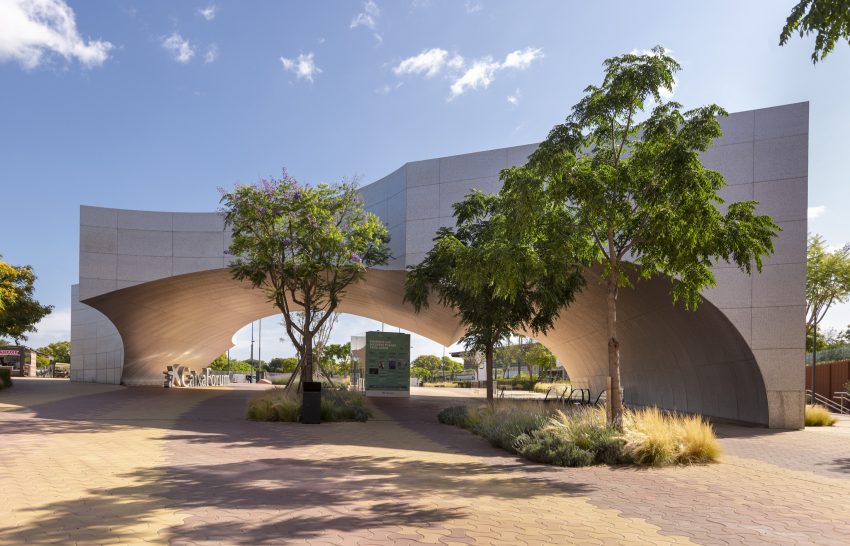
CaixaForum Sevilla is one of Seville’s most interesting modern cultural spaces, built into the Torre Sevilla complex on Isla de la Cartuja. The experience starts with the building itself: much of it sits underground, and you descend into galleries via escalators and clean, concrete-lined spaces that feel purpose-designed for big, contemporary shows rather than adapted from an older museum setting.
If your Seville plans lean heavily historic, this is one of the things to do in Seville that gives you a fresh contrast-bold exhibitions, thoughtful programming, and hands-on elements that make it surprisingly easy to enjoy even if you're not a “museum person.” It also fits neatly into a walking tour of Seville if you're linking Triana and the river with the newer Cartuja side of the city.
Table of Contents
- History and Significance of the CaixaForum Sevilla
- Things to See and Do in the CaixaForum Sevilla
- How to Get to the CaixaForum Sevilla
- Practical Tips on Visiting the CaixaForum Sevilla
- Where to Stay Close to the CaixaForum Sevilla
- Is the CaixaForum Sevilla Worth Visiting?
- For Different Travelers
- FAQs for Visiting CaixaForum Sevilla
- Nearby Attractions to the CaixaForum Sevilla
History and Significance of the CaixaForum Sevilla
CaixaForum Sevilla opened in 2017 as part of the wider cultural and urban development around Puerta Triana, the meeting point between central Seville, Triana, and the modern Cartuja district. The building was designed by Seville architect Guillermo Vázquez Consuegra, and its split-level layout (with major spaces below ground) is a deliberate architectural statement as much as a practical choice for exhibition design.
What makes CaixaForum different from many city museums is its mission: it’s run by Fundación “la Caixa” as part of a broader social and cultural program, which shows up in the way the venue mixes exhibitions with talks, concerts, and education-focused activities. In practice, that means there’s usually a strong “why it matters” thread running through the shows-social history, photography, design, science, or contemporary art-rather than exhibitions that exist purely as spectacle.
It's also become a useful anchor for travelers who want to explore Cartuja beyond its Expo '92 legacy, especially because you can pair a visit with riverside walks, Torre Sevilla viewpoints and shopping, or an easy hop across to Triana for tapas afterward.
Things to See and Do in the CaixaForum Sevilla
Start with the temporary exhibitions, which are the main reason to come: the ticket model is built around whatever is on right now, and the galleries are sized for immersive installations, strong lighting design, and clear thematic storytelling. A good approach is to give yourself permission to slow down-this is a place where reading a few panels and watching a short video piece can be the difference between “nice” and genuinely memorable.
If you’re visiting with children (or you simply enjoy interactive spaces), look out for the integrated family activities that often accompany exhibitions. These are usually simple, well-designed prompts-things to spot, small creative tasks, or activity areas that keep younger visitors engaged without turning the whole visit into a loud play zone.
Finally, notice the building as you move through it: the descent from street level into the exhibition spaces is part of the experience, and it's one of the few places in Seville where contemporary architecture is the headline rather than the backdrop. Even if you only have time for a single show, the venue itself is part of what you're “seeing.”
How to Get to the CaixaForum Sevilla
The nearest airport is Seville Airport (SVQ), and the simplest plan is to transfer into the city by taxi or airport bus, then continue by taxi or local bus to the Torre Sevilla area. For the best deals and a seamless booking experience, check out these flights to Seville on Booking.com.
If you arrive by train at Seville-Santa Justa, you can reach the Cartuja side quickly by taxi, or take a bus connection that drops you near Torre Sevilla and walk the final minutes. Train schedules and bookings can be found on Omio.
For buses, several TUSSAM lines serve the Torre Sevilla/Cartuja area, including routes such as C1, C2 and 05, which are often the most practical if you're coming from central Seville or looping around via Triana.
If you’re driving, aim for parking at the Torre Sevilla complex and treat CaixaForum as a short walk from there, rather than trying to get as close as possible on smaller local streets. If you are looking to rent a car in Spain I recommend having a look at Discover Cars, first, as they compare prices and review multiple car rental agencies for you.
Practical Tips on Visiting the CaixaForum Sevilla
- Entrance fee: Exhibition €4
- Opening hours: Monday – Friday: 09:00–20:00. Saturday – Sunday: 10:00–20:00. Public holidays: 10:00–20:00. Closed on 25 December; 1 January; 6 January.
- Official website: https://caixaforum.es/es/sevilla/home
- Best time to visit: Weekday late morning or mid-afternoon is usually calmer, and it's an easy “air-conditioned reset” on a hot Seville day.
- How long to spend: Plan 60-90 minutes for one strong exhibition pace, or up to 2 hours if you want to see everything and do the family/interactives properly.
- Accessibility: The venue is designed around lifts and escalators, so it’s generally straightforward for visitors who need step-free access.
- Facilities: There’s typically a shop and places to take a breather on-site, and the wider Torre Sevilla area gives you easy options for coffee before or after.
Where to Stay Close to the CaixaForum Sevilla
For a culture-heavy itinerary, base yourself in the historic centre so the Cathedral/Alcázar area stays walkable; for a trip focused on modern venues, river walks, and quick access to Cartuja, Triana or La Cartuja itself is the most convenient base.
If you want to be right next door, Eurostars Torre Sevilla puts you in the same complex, which is ideal for an early visit or an evening event. For a quiet, upscale option on Cartuja with easy onward connections, Barceló Sevilla Renacimiento is a strong fit if you prefer calmer surroundings at night. If you'd rather stay in a neighborhood with classic Seville atmosphere and easy access across the river, Hotel Monte Triana is well placed for Triana food and a simple hop to Cartuja.
Is the CaixaForum Sevilla Worth Visiting?
Yes, especially if you want a break from churches and palaces without lowering the “wow” factor. The exhibitions are usually curated with real care, and the building's modern design makes the visit feel intentionally Seville-now, not Seville-then.
It's also a strong choice if you're traveling with kids, visiting in hot weather, or simply want a cultural stop that doesn't require half a day. If the current exhibition theme interests you, it's an easy yes; if it doesn't, it still works as a short, architecture-and-atmosphere visit paired with Triana or a river walk.
What Other Travellers Say...

CaixaForum Sevilla, located on C. López Pintado in Sevilla, is a clean, modern exhibition space housed within a bank complex that hosts seasonal and varied shows—from art and sculpture exhibitions to immersive experiences including virtual reality—often praised for interesting thematic displays and photographic exhibits; visitors note friendly staff, easy access with on-site parking and a pleasant walk from the city center, though enjoyment can depend on the temporary exhibition on view, and a nearby mall and a contemporary art museum make for an easy combined outing.


For Different Travelers
Families with Kids
This is one of the easiest cultural stops in Seville to do with children because exhibitions often come with kid-friendly interactives or family prompts that make the visit feel active. Keep it simple: choose one exhibition, do the family activity elements, then leave while everyone is still enjoying it.
If you’re visiting in warmer months, it also works well as a mid-day indoor break, then you can reset with a snack and continue sightseeing with better energy.
Couples & Romantic Getaways
For couples, CaixaForum works best as a “modern contrast” date: an hour with an exhibition you're curious about, then a walk back toward Triana for tapas. The building's design and the quieter, gallery-style pacing feel refreshing after the busier historic core.
If you like photography, you’ll also enjoy the clean architectural lines and the shift in light as you move down into the exhibition spaces, which gives the visit a slightly cinematic feel.
Budget Travelers
Value-wise, it’s strong because one ticket typically covers the exhibitions that are running at the time, so you can get a full, curated museum experience without stacking multiple entry fees. Check for free-entry categories and discounts if they apply to you, because the venue has several.
It's also easy to combine with low-cost plans nearby-river walks, Triana wandering, and public buses-so it can anchor a full afternoon without becoming an expensive day.
History Buffs
Even though it’s contemporary in feel, many CaixaForum exhibitions tackle history through photography, design, science, or social themes, which can be a rewarding change from traditional history museums. It’s particularly good if you enjoy curated context and modern interpretation rather than artifact-heavy displays.
Before you go, scan what's currently on, because the theme determines whether it's a quick look or a highlight of your Seville trip.
FAQs for Visiting CaixaForum Sevilla
Getting There
Tickets & Entry
Visiting Experience
Tours, Context & Itineraries
Photography
Accessibility & Facilities
Nearby Attractions to the CaixaForum Sevilla
- Torre Sevilla: Seville’s modern skyscraper complex, easy to pair with CaixaForum for viewpoints, shopping, or a quick coffee break.
- Centro Andaluz de Arte Contemporáneo (CAAC): A major contemporary art museum set in the Cartuja Monastery, perfect if you want to double down on modern culture.
- Monasterio de la Cartuja: A historic monastery site that adds depth to the Cartuja district beyond its modern development.
- Isla Mágica: A theme park on Cartuja that works well for families and anyone looking for a lighter, fun afternoon.
- Triana: A character-filled neighborhood for tapas, ceramics, and river views, ideal for rounding out your visit with classic Seville atmosphere.
The CaixaForum Seville appears in our Complete Guide to Visiting Seville!

Moira & Andy
Hey! We're Moira & Andy. From hiking the Camino to trips around Europe in Bert our campervan — we've been traveling together since retirement in 2020!
This website uses affiliate links which may earn a commission at no additional cost to you!
Planning Your Visit
Monday - Friday: 09:00-20:00.
Saturday - Sunday: 10:00-20:00.
Public holidays: 10:00-20:00.
Closed on 25 December; 1 January; 6 January.
Exhibition €4
Nearby Attractions
- Pabellón de la Navegación (0.1) km
Museum - Monasterio de la Cartuja (Charterhouse) (0.5) km
Historic Building, Monastery and Museum - Museo de Bellas Artes, Seville (0.8) km
Gallery and Historic Building - Museo de la Cerámica de Triana (1.0) km
Museum - Triana Market (1.0) km
Market - Castillo de San Jorge (1.0) km
Castle and Museum - Triana (1.2) km
Area - Plaza de Toros de Sevilla (1.3) km
Historic Building and Museum - Torre del Oro (1.4) km
Museum and Tower - Palacio de Lebrija (1.4) km
Historic Building and Museum


