Banteay Thom, Siem Reap
Buddhist Temple near Siem Reap
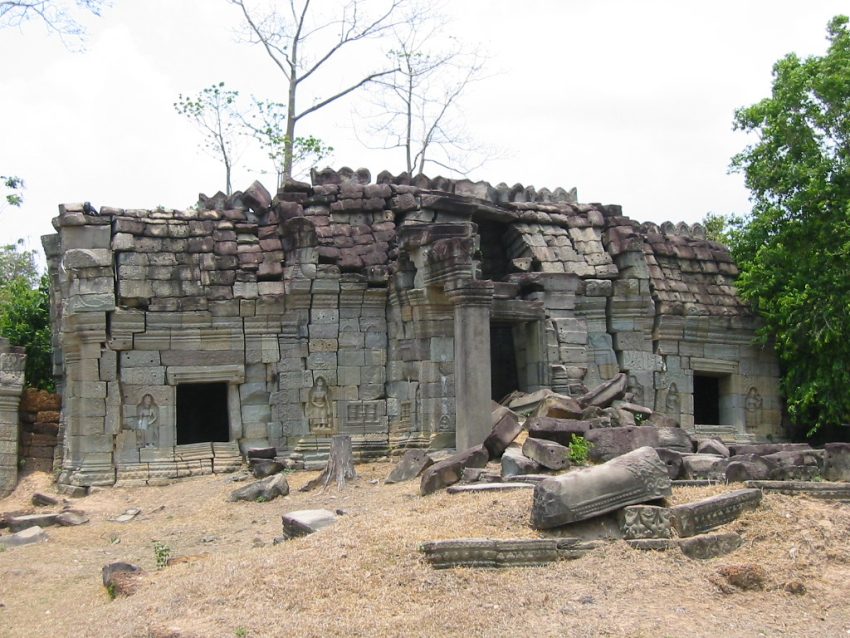
Banteay Thom is a lesser-known temple within the Angkor Archaeological Park near Siem Reap, Cambodia. Small in scale compared with the headline sites, it sits in the wider Angkor Thom area and is often passed by as visitors focus on Angkor Wat and the busiest temple circuits.
What makes Banteay Thom appealing is the calm, low-traffic feel and the chance to look closely at Bayon-period stonework without constant crowds. I'd treat it as a short, focused stop: walk the compact layout, spend time with the carved details, and enjoy the quieter corners of the complex. It suits travelers who like slowing down for textures and bas-reliefs, or anyone building a day around nearby temples and wanting a breather between bigger sites.
History and Significance of the Banteay Thom
Bayon-period origins
Banteay Thom was built in the late 12th century during the reign of King Jayavarman VII. Its design and decoration align with the Bayon period, which is known across Angkor for distinctive planning and dense carved detail.
Place within the Angkor complex
Although it is modest in size, the temple contributes to the broader story of Angkor's religious architecture. Its position in the Angkor Thom area places it among a cluster of important monuments, even if it doesn't draw the same attention as the major headline temples.
Carvings as the main legacy
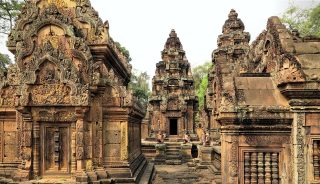
The site is particularly noted for well-preserved carvings and bas-reliefs. Scenes drawn from Hindu mythology appear on the sanctuary surfaces, giving visitors a clear reason to linger and look closely rather than simply “tick it off.”
Things to See and Do in the Banteay Thom
I focus first on the small sanctuary and take my time with the bas-reliefs, moving slowly so the carved scenes and patterns become easier to read. Because the layout is simple, it’s a good place to practice noticing details-doorways, lintels, and the way the carvings sit in the stone-without feeling rushed by crowds.
After that, I like to step back and enjoy the atmosphere around the temple itself. The quieter setting is a big part of the experience here, so I’d plan a few minutes just to wander the immediate surroundings and revisit any panels that caught my eye on the first pass.
How to Get to the Banteay Thom
The nearest major airport is Siem Reap-Angkor International Airport (SAI), from where you can continue into Siem Reap and onward to the Angkor Archaeological Park. For the best deals and a seamless booking experience, check out these flights to Siem Reap on Booking.com.
Siem Reap does not have a central passenger train service that most travelers use, so rail is generally not the practical way to reach the city for this visit. Train schedules and bookings can be found on Omio.
By car or taxi/tuk-tuk from Siem Reap, you can reach the Angkor area and stop near the temple as part of a wider route through Angkor Thom; parking is typically handled informally near temple access points.
Is the Banteay Thom Worth Visiting?
Banteay Thom is worth a short stop if you enjoy quieter temples and want time with Bayon-period carvings without the pressure of big crowds. It's best for travelers who already plan to be in Angkor Thom and like adding small, detail-focused sites to their route. It's less essential if you're on a tight one-day schedule in Siem Reap and mainly want the major temples, in which case you can treat it as optional and prioritize the larger, more complex monuments.
What Other Travellers Say...
Banteay Thom Temple in Krong Siem Reap is a peaceful, off-the-beaten-track ruin set down dirt roads and often free of crowds, making it easy to feel like you have the place to yourself; visitors describe it as compact but surprisingly large and impressive, partially overgrown with big trees integrated into the walls and undergoing restoration work, with scaffolding and bracing visible; access is by bike or motorbike (rough dirt/sand trails that can challenge weaker machines and become difficult in the rainy season), and the site is often inhabited only by restoration workers rather than tour groups.


Practical Tips on Visiting the Banteay Thom
- Best time to visit: Go earlier in the day for a calmer feel and easier time viewing carvings without interruption.
- How long to spend: Plan a brief visit; around 20-40 minutes is usually enough to walk the layout and study key reliefs.
- Accessibility: Expect uneven ground and temple thresholds; it may be challenging for visitors with limited mobility.
- Facilities: Don’t count on services at this specific stop; plan restroom and water breaks around the larger Angkor-area hubs.
Where to Stay Close to the Banteay Thom
Base yourself in central Siem Reap around the Old Market/Pub Street and Wat Damnak areas for the easiest day trips into Angkor Archaeological Park, including Banteay Thom.
These hotels are practical bases for early starts to Angkor while keeping dining and transport options close by. Park Hyatt Siem Reap works well for good for travellers who want a central base with straightforward tuk-tuk pickups and quick access to town services between temple visits. Shinta Mani Angkor works well for works well if you want a quieter, leafy-feeling stay that’s still close to the Royal Gardens area for easy transport to Angkor. Jaya House River Park works well for a solid choice for a calmer riverside setting while remaining a manageable ride to Angkor Thom and the main temple routes.
FAQs for Visiting the Banteay Thom
Getting There
Tickets & Entry
Visiting Experience
Tours, Context & Itineraries
Photography
Accessibility & Facilities
Food & Breaks Nearby
Safety & Timing
The Banteay Thom appears in our Complete Guide to Visiting Siem Reap!

Moira & Andy
Hey! We're Moira & Andy. From hiking the Camino to trips around Europe in Bert our campervan — we've been traveling together since retirement in 2020!
This website uses affiliate links which may earn a commission at no additional cost to you!
Nearby Attractions
- Prasat Prei (1.5) km
Buddhist Temple - Angkor Thom North Gate (2.5) km
City Gate - Preah Palilay (3) km
Buddhist Temple - Preah Khan (3.2) km
Buddhist Temple - Terrace of the Leper King (3.3) km
Historic Site - Phimeanakas (3.3) km
Buddhist Temple - Terrace of the Elephants (3.4) km
Historic Site - Banteay Prey Temple (3.5) km
Buddhist Temple - Baphuon (3.5) km
Buddhist Temple - Prasat Suor Prat (3.6) km
Tower