Würzburg, Germany: The Ultimate Travel Guide 2026

Würzburg sits amid the rolling vineyards of the Main Valley in northern Bavaria, Germany, making it a perfect base for exploring both river-side promenades and hillside wine trails. Its compact city center is easily walkable, with pedestrianized lanes linking café-lined squares to the Baroque grandeur of the Residenz and the cathedral. Strolling along the Alte Mainbrücke at sunset-where locals gather to sip Franconian wine-offers a magical introduction to Würzburg’s relaxed, yet sophisticated, atmosphere.
Beyond the historic core, the surrounding region teems with opportunities for day trips: cycle along the Main River to charming villages like Volkach or venture up to the terraced vineyards of the Steinberg for panoramic views. The city’s excellent tram and bus network also reaches the nearby University district and the botanical gardens, where seasonal blooms provide a serene escape. Culinary highlights include hearty bratwurst with sauerkraut, fine local cheeses and, of course, the region’s celebrated Silvaner and Müller-Thurgau wines enjoyed in traditional taverns.
Throughout the year, Würzburg's calendar is dotted with vibrant events that draw both locals and visitors. In spring, outdoor concerts enliven palace courtyards; summer brings the Africa Festival and a grand wine festival on the fortress grounds; and winter lights up with a traditional Christmas market around the cathedral. Nestled in the heart of northern Bavaria, Würzburg combines the charm of a riverside town with the cultural buzz of a university city-an inviting destination for every season.
History of Würzburg
Würzburg’s Ancient and Early Medieval Origins (1st–11th Centuries)
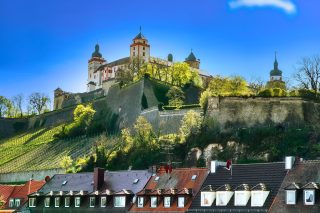
Würzburg began as a Celtic settlement and grew into a key ecclesiastical center by the 7th century, when the first Bishop established his see atop what would become the Marienberg Fortress. Initially a simple wooden stronghold, this site was fortified in stone by the 11th century, its ramparts safeguarding the early cathedral community below. The first iterations of what would become the Würzburg Cathedral also date to this era, its rotunda and twin towers marking the town’s spiritual heart even as monastic scribes cultivated learning and agriculture in the surrounding lands.
Würzburg in the High and Late Middle Ages (12th–15th Centuries)
Under powerful prince-bishops, stone fortifications replaced earlier earthworks, expanding Marienberg Fortress into both a military bulwark and princely residence. The cathedral was rebuilt in grand Romanesque style, its sculpted portals and sturdy nave reflecting Würzburg’s growing status. In the 15th century the Würzburg’s Old Main Bridge was erected, its series of stone arches spanning the river and later adorned with baroque statues. The Little Chapel (Neumünster) also emerged as a key landmark, its crypt and transepts hosting relics and fostering devotional pilgrimage.
Würzburg’s Baroque Transformation (17th–18th Centuries)
After the Thirty Years’ War devastation, Prince-Bishop Johann Philipp Franz von Schönborn commissioned Balthasar Neumann to create the Würzburg Residenz between 1720 and 1744. This masterpiece of Baroque architecture features the grand staircase beneath Tiepolo’s frescoed vault, the Hall of Mirrors, and the Italian-inspired Palace Garden terraces. Simultaneously, Marienberg Fortress was refashioned with elegant Fürstenbau wings and galleries, while local churches—including the Little Chapel—received lavish interior stuccowork and frescoes that blended German craftsmanship with Italian artistry.
Würzburg in the Napoleonic Era and 19th Century
The secularization of 1803 dissolved the prince-bishopric, and Würzburg was absorbed into the Kingdom of Bavaria. The university’s revival in 1817 spurred intellectual renewal, but the medieval and Baroque skyline remained largely intact. Rail connections in the mid-1800s encouraged modest urban expansion, and Gründerzeit boulevards sprouted just beyond the old walls. Key landmarks—such as the Residence and the cathedral—were maintained as symbols of Würzburg’s cultural legacy, even as new industrial buildings and elegant townhouses rose around them.
Würzburg during the World Wars and Postwar Reconstruction (20th Century)
World War II’s air raids of March 1945 destroyed over 80 percent of Würzburg’s buildings, reducing the Residence, cathedral, Marienberg Fortress, and most half-timbered houses to rubble. In the painstaking reconstruction that followed, citizens prioritized restoring the Residence frescoes, rebuilding the Old Main Bridge’s statues, and reconstructing the cathedral in faithful Romanesque form. Marienberg Fortress’s ramparts and Fürstenbau were also painstakingly rebuilt, ensuring these historic monuments once again define the skyline.
Würzburg’s Contemporary Renewal (Late 20th Century–Present)
Since the 1970s, Würzburg has balanced heritage preservation with modern vitality. The pedestrian zone around the Residence and cathedral invites leisurely exploration, while the riverfront promenade beside the Old Main Bridge offers café terraces and sunset views. Marienberg Fortress now hosts cultural events against its medieval backdrop, and the Little Chapel shines in the evening light. Today, Würzburg seamlessly weaves its ancient, medieval, and Baroque monuments into a living cityscape that honors a millennium of architectural achievement.

Moira & Andy
Hey! We're Moira & Andy. From hiking the Camino to trips around Europe in Bert our campervan — we've been traveling together since retirement in 2020!
Visiting Würzburg for the first time and wondering what are the top places to see in the city? In this complete guide, I share the best things to do in Würzburg on the first visit. To help you plan your trip, I have also included an interactive map and practical tips for visiting!
This website uses affiliate links which earn a small commission at no additional cost to you.
13 Best places to See in Würzburg
This complete guide to Würzburg not only tells you about the very best sights and tourist attractions for first-time visitors to the city but also provide insights into a few of our personal favorite things to do.
This is a practical guide to visiting the best places to see in Würzburg and is filled with tips and info that should answer all your questions!
1. Martin von Wagner Museum
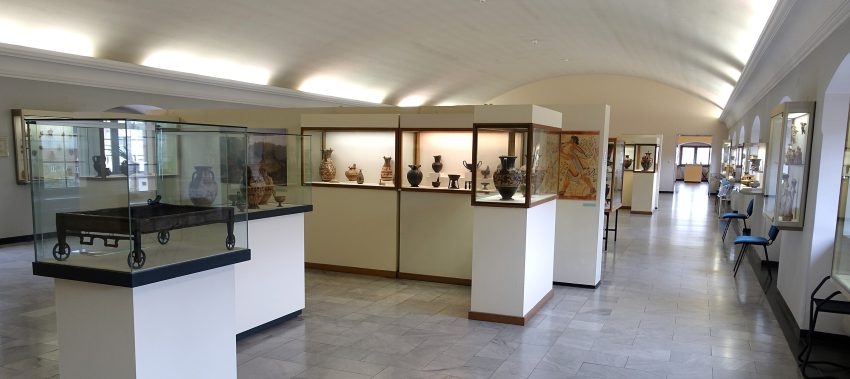
Location: Martin von Wagner Museum, Residenzplatz, Würzburg, Germany | Hours: Tuesday – Saturday: 10:00–13:30 (Antiquities Collection) & 13:30–17:00 (Painting Gallery). Sunday: 10:00–13:30 (weekly alternating between the collections). Closed on Monday. | Price: Free for the permanent exhibitions; special exhibitions may be ticketed. | Website | Distance: 1.0km

2. Würzburg Residenz

Location: Residenz Würzburg, Residenzplatz, Würzburg, Germany | Hours: (Summer) 1 April – 31 October: Daily: 09:00–18:00 (last entry 17:15). (Winter) 1 November – 31 March: Daily: 10:00–16:30 (last entry 16:00). Closed on 1 January, Shrove Tuesday, 24 December, 25 December & 31 December. | Price: 10 EUR regular; 9 EUR reduced (Court Church & Court Garden free). | Website | Distance: 1.0km
3. Würzburg Court Gardens (Hofgarten)
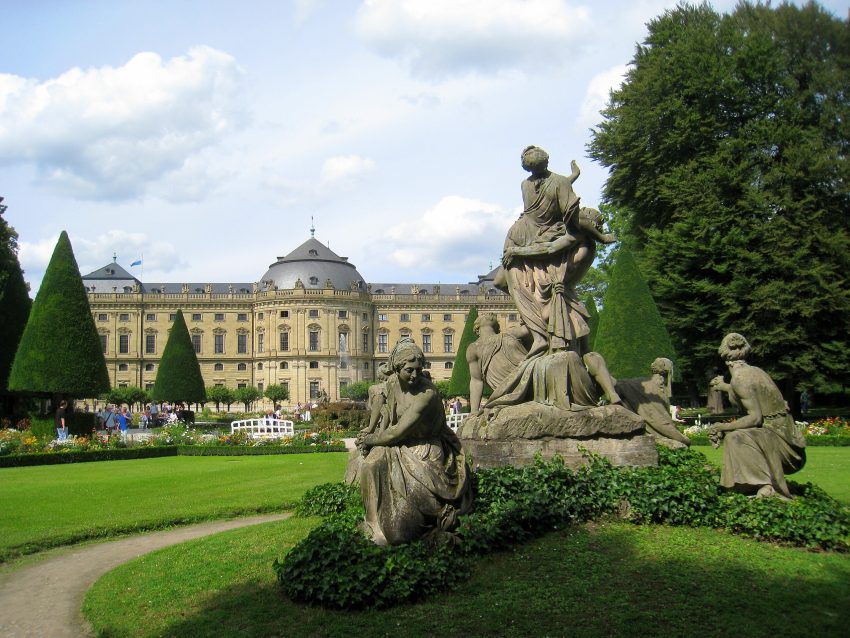
Location: Hofgarten, Residenzplatz, Würzburg, Germany | Hours: Daily: 08:00–dusk (20:00 at the latest). | Price: Free. | Website | Distance: 1.1km
4. Würzburg Cathedral

Location: Würzburg Cathedral, Am Bruderhof, Würzburg, Germany | Hours: Monday – Saturday: 08:00–18:00. Sunday: 08:00–19:30. Closed during services. | Price: Daily guided tours (in German only) from April 11 to October 31, 2023 at 12:30 pm. Fee: € 5 per person, reduced € 4 | Website | Distance: 1.5km
5. Neumünster Würzburg

Location: Neumünster, Würzburg, Germany | Hours: Monday – Saturday: 06:00–19:00. Sunday & Public holidays: 07:00–19:00. | Price: Free. | Website | Distance: 1.6km
6. Weingut Juliusspital

Location: Juliusspital Weingut Würzburg, Klinikstraße, Würzburg, Germany | Hours: (Winter) January – March; Monday – Saturday: 10:00–18:00. (Summer) April – December; Monday – Saturday: 10:00–19:00. Closed on Sunday & public holidays. | Price: Free to enter and browse the vinothek; guided cellar tour with tasting from €19 per person (group offer). | Website | Distance: 1.7km
7. Rathaus Würzburg

Location: Rathaus Würzburg, Rückermainstraße, Würzburg, Germany | Hours: (Summer, 03 May – 25 October): Saturday: 11:00–12:30. (Winter, 26 October – 02 May): No regular public tours. | Price: Free (public tours are free, but a participant ticket is required). | Website | Distance: 1.8km
8. Marienkapelle, Würzburg

Location: Marienkapelle, Marktplatz, Würzburg, Germany | Hours: Daily: 09:00–18:00. | Price: Entrance fee: Free. | Website | Distance: 1.8km
9. Alter Kranen

Location: Alter Kranen Mainkai 97070 Würzburg Germany | Hours: 24 Hours | Price: Free | Website | Distance: 2.0km
10. Alte Mainbrücke (Old Main Bridge)

Location: Old Main Bridge, Alte Mainbrücke, Würzburg, Germany | Hours: 24 Hours | Price: Free | Website | Distance: 2.0km
11. The Little Chapel: Kappele Würzburg
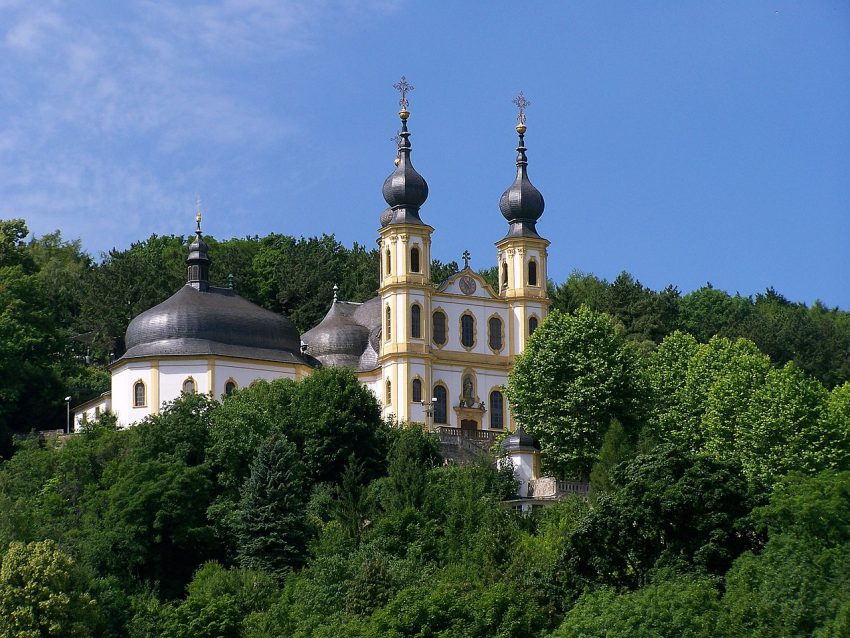
Location: Käppele Sanctuary, Spittelbergweg, Würzburg, Germany | Hours: (Summer) Daily: 08:30–18:00. (Winter) Monday – Saturday: 08:30–16:00; Sunday & public holidays: 08:30–16:30. | Price: https://kaeppele-wuerzburg.de/ | Distance: 2.4km
12. Marienberg Fortress

Location: Marienberg Fortress, Würzburg, Germany | Hours: (Summer) April – October; Tuesday – Sunday: 09:00–18:00. (Winter) November – March; Tuesday – Sunday: 10:00–16:30. Closed on Monday. Closed on 1 January, Shrove Tuesday, 24 December, 25 December & 31 December. | Price: Free for the outdoor areas; fortress tour tickets: €4 (regular) / €3 (reduced), under 18s free. | Website | Distance: 2.4km
13. Botanischer Garten der Universität Würzburg
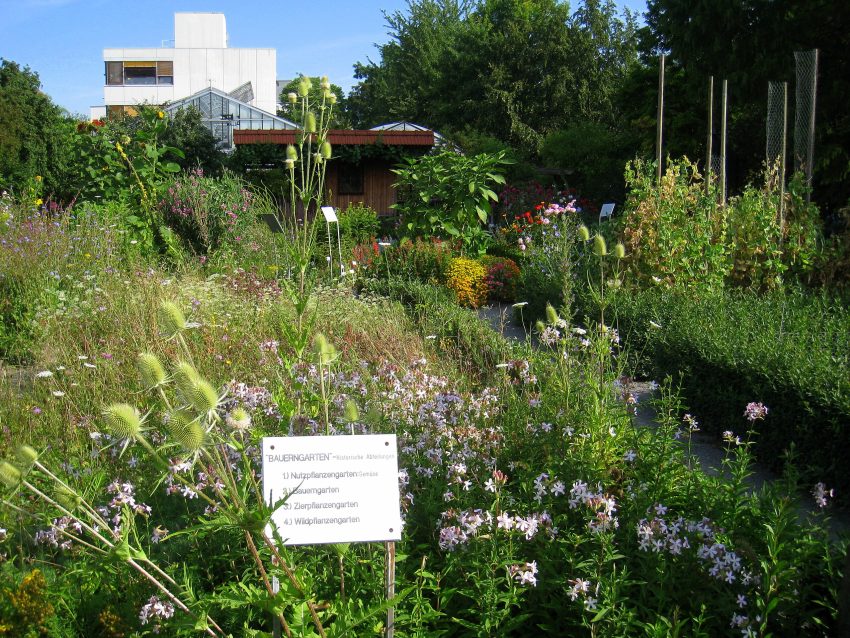
Location: Botanischer Garten der Universität Würzburg, Julius-von-Sachs-Platz, Würzburg, Germany | Hours: (Summer) April – September; Daily: 08:00–18:00. (Winter) October – March; Daily: 08:00–16:00. | Price: Free | Website | Distance: 3.3km
Best Day Trips from Würzburg
A day trip from Würzburg offers the perfect opportunity to escape the urban rhythm and discover the surrounding region's charm. Whether you're drawn to scenic countryside, historic villages, or cultural landmarks, the area around Würzburg provides a variety of easy-to-reach destinations ideal for a one-day itinerary. If you are looking to rent a car in Germany I recommend having a look at Discover Cars, first, as they compare prices and review multiple car rental agencies for you.
1. Röttingen
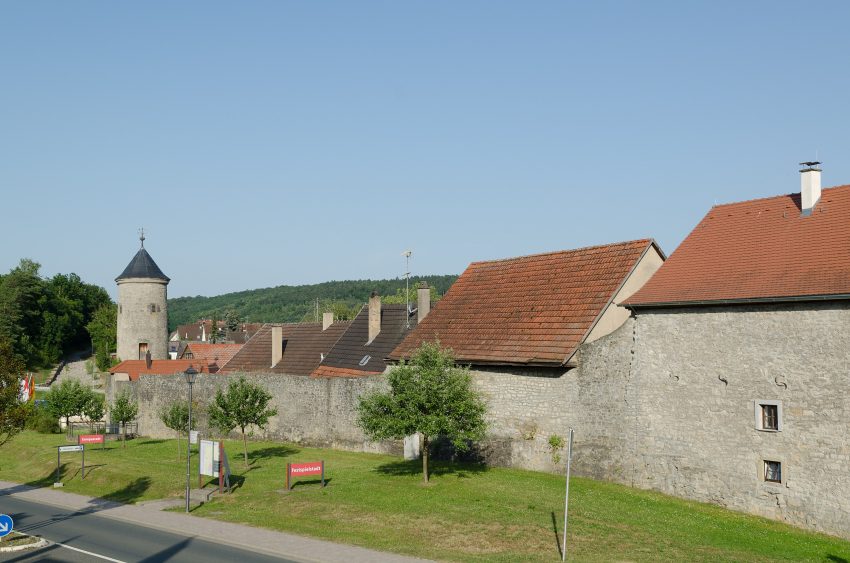
Visiting Röttingen
2. Weikersheim Palace

Location: Schloss Weikersheim, Schloß, Weikersheim, Germany | Hours: (Summer) 01 April – 31 October; Tuesday – Sunday & Public holidays: Gardens 09:00–18:00; guided palace tours hourly 10:00–16:00. (Winter) 01 November – 31 March; Tuesday – Sunday & Public holidays: Gardens 10:00–17:00; guided palace tours hourly 11:00–15:00. Closed on Monday. | Price: Palace and garden (guided tour) €9 adults for the short tour or €11 adults for the long tour; gardens-only €5 (01 April – 31 October) or €4 (01 November – 31 March), with reductions available. | Website | Distance: 34.8km
Visiting Weikersheim Palace
3. Bad Mergentheim

Visiting Bad Mergentheim
4. Rothenburg ob der Tauber
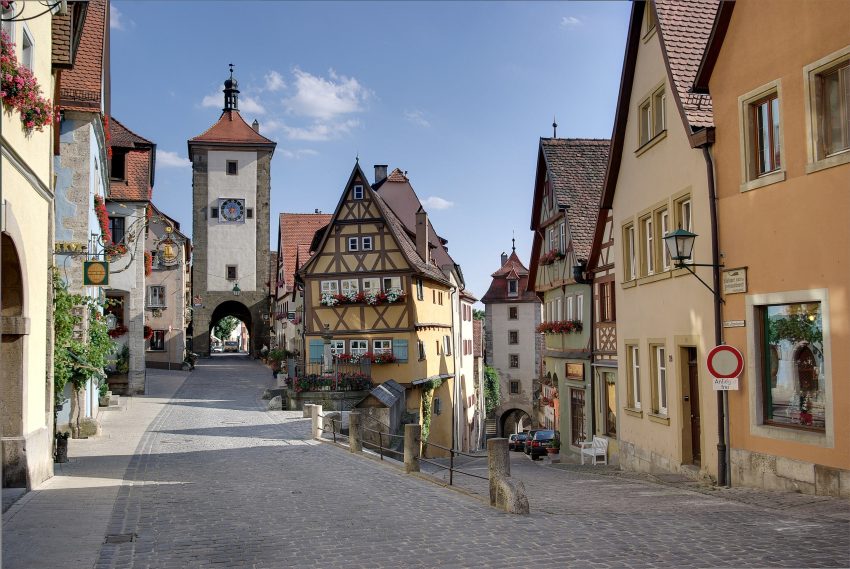
Visiting Rothenburg ob der Tauber
5. Steinau an der Straße

Visiting Steinau an der Straße
6. Bamberg
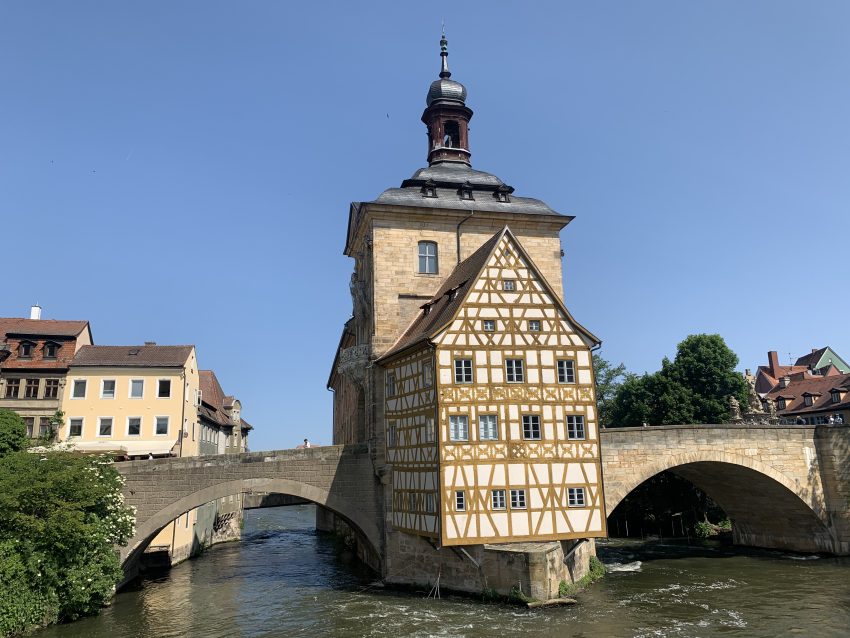
Visiting Bamberg
7. Schlüchtern
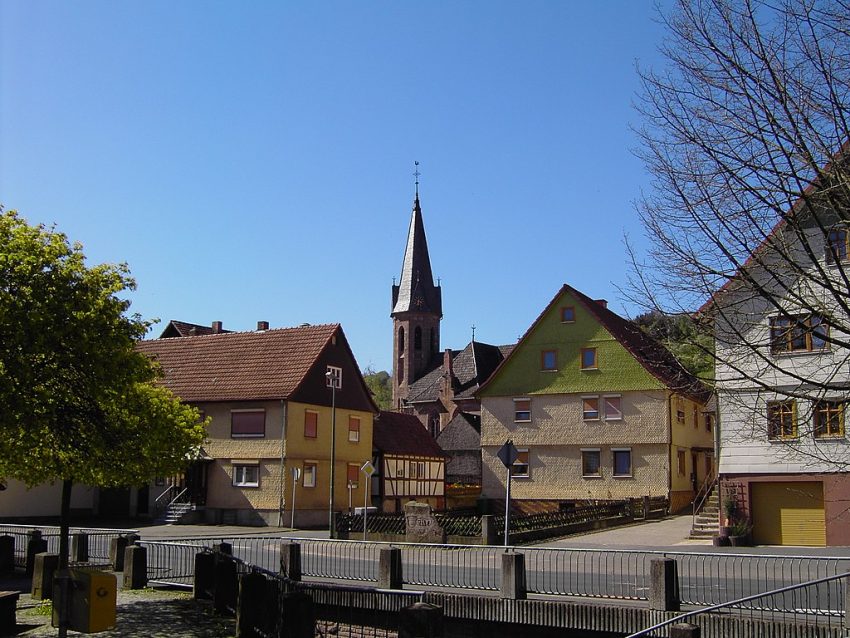
Visiting Schlüchtern
8. Gelnhausen

Visiting Gelnhausen
9. Hanau

Visiting Hanau
10. Dinkelsbühl

Visiting Dinkelsbühl
11. Heidelberg

Visiting Heidelberg
12. Frankfurt Airport

Location: Frankfurt Airport (FRA), Frankfurt am Main, Germany | Distance: 103.5km
Visiting Frankfurt Airport
Where to Stay in Würzburg
Würzburg offers a variety of accommodations catering to visitors looking for historic charm, riverside relaxation, or modern convenience. The Altstadt (Old Town) is the best place to stay for travelers wanting to be immersed in the city’s rich history, Baroque architecture, and vibrant cultural scene. This district is home to landmarks such as the Würzburg Residence, Marienberg Fortress, and the Alte Mainbrücke, making it perfect for those who want to explore the city’s heritage on foot. A recommended hotel in this area is Hotel Würzburger Hof, offering elegant accommodations in a historic building with easy access to the city’s main attractions.
For visitors seeking scenic river views and a relaxed atmosphere, staying near the Main River Promenade provides beautiful waterfront walks, charming cafés, and picturesque bridges. This area is ideal for travelers looking to enjoy sunset strolls along the river, boat tours, and easy access to the vineyards surrounding Würzburg. A fantastic option in this district is City Partner Hotel Strauss, featuring comfortable rooms, a welcoming ambiance, and proximity to the lively Juliuspromenade.
If modern comforts and easy transport access are a priority, Würzburg’s business and commercial districts offer contemporary accommodations with sleek interiors, wellness facilities, and excellent connectivity to public transport. These locations are perfect for visitors who prefer stylish surroundings while staying within reach of historic sites and shopping areas. A recommended stay in this district is Melia Ria Hotel & Spa, featuring sophisticated accommodations, spa experiences, and a stunning riverside setting. Whether you’re drawn to historic charm, riverside beauty, or urban sophistication, Würzburg has accommodations tailored to every traveler’s preference.
Using the our Hotel and Accomodation map, you can compare hotels and short-term rental accommodations in Würzburg. Simply insert your travel dates and group size, and you’ll see the best deals for your stay.
Würzburg Accommodation Map
Best Time to Visit Würzburg
Würzburg in Spring
Spring in Würzburg (March–May) brings mild weather and the first blossoms along the Hofgarten and Fortress terraces. April’s Frühjahrsfest fills the Residenz forecourt with fairground rides, live music, and wine stands, while May’s Mozartfest draws classical music lovers to historic venues across the city. With fewer tourists and gardens in bloom, spring is perfect for wandering the Baroque palaces and riverside promenades.
Würzburg in Summer (Best)
Summer (June–August) is widely considered the best time to visit Würzburg. Warm days invite picnics in the Court Gardens, and July’s Africa Festival celebrates world music and dance in open-air concerts. The highlight, however, is the Würzburger Weinfest at the Fortress, where local vintners pour Franconian wines beneath sunset skies. Long evenings by the Alte Mainbrücke and al fresco dining along the Mainufer complete the vibrant summer scene.
Würzburg in Autumn
Autumn (September–November) paints the vineyards on the hillsides gold and russet. The Harvest Festival in late September welcomes visitors to taste new wine and hearty regional fare in medieval courtyards. October’s Lichterfest illuminates the Fortress gardens with lanterns and candlelight concerts, creating a magical atmosphere as temperatures cool. Crisp days and cozy wine taverns make autumn ideal for exploring the city’s historic cellars.
Würzburg in Winter
Winter (December–February) transforms Würzburg into a festive wonderland. From late November, the Reichsstadtweihnacht market fills the market square with wooden stalls offering mulled wine, gingerbread, and artisan crafts. Carol concerts echo beneath the cathedral’s vaulted ceilings, and New Year’s Eve fireworks over the Fortress light up the river valley. Though chilly, winter’s charm lies in the warm glow of market lights and the cozy hospitality of traditional wine taverns.
Annual Weather Overview
- January 5°C 44°F
- February 7°C 49°F
- March 11°C 55°F
- April 16°C 65°F
- May 19°C 70°F
- June 23°C 77°F
- July 25°C 81°F
- August 26°C 83°F
- September 22°C 76°F
- October 16°C 64°F
- November 8°C 51°F
- December 6°C 46°F
How to get to Würzburg
Getting to Würzburg by air
Major International Airports
The primary gateway is Frankfurt Airport (FRA), about 120 km northwest of Würzburg. Munich Airport (MUC) and Nürnberg Airport (NUE) are also options, each within a 2–3 hour drive.
Airport Transfer Options
From Frankfurt Airport, take the SkyLine monorail to Fernbahnhof, then a direct ICE or IC train to Würzburg Hauptbahnhof. Shuttle buses and private transfers run between all terminals and the city center.
Getting to Würzburg by train
Main Rail Operators
- Deutsche Bahn (DB): https://www.bahn.com
- Hessische Landesbahn (HLB): https://www.hlb-online.de
Typical Connections
- From Frankfurt: ICE/IC trains run every 30 minutes, journey time around 1 hour.
- From Munich: Direct ICE services operate several times daily, taking about 3 hours.
- From Nürnberg: Regional and IC trains offer frequent links in roughly 1 hour.
Getting to Würzburg by Car
Motorways and Routes: Würzburg lies at the junction of the A3 (Frankfurt–Nürnberg) and A7 (Kassel–Ulm). Exit at “Würzburg Randersacker” or “Würzburg Zentrum” and follow signs into town.
Parking in Würzburg: Several Park & Ride lots encircle the city, connected by trams. Central parking garages include Residenz-Parkhaus and Mainfrankencenter.
Car Hire: If you are looking to rent a car in Germany I recommend having a look at Discover Cars, first, as they compare prices and review multiple car rental agencies for you.
Travelling around Würzburg
Würzburg’s historic core is best enjoyed on foot—cobbled lanes link the Residenz, cathedral, and Alte Mainbrücke. For longer journeys, the Stadtverkehr Würzburg tram and bus network covers all districts with frequent services. Regional bike-share stations near the Hauptbahnhof and riverfront provide a scenic way to explore vineyards and riverside paths.