Poznań, Poland: The Ultimate Travel Guide 2026
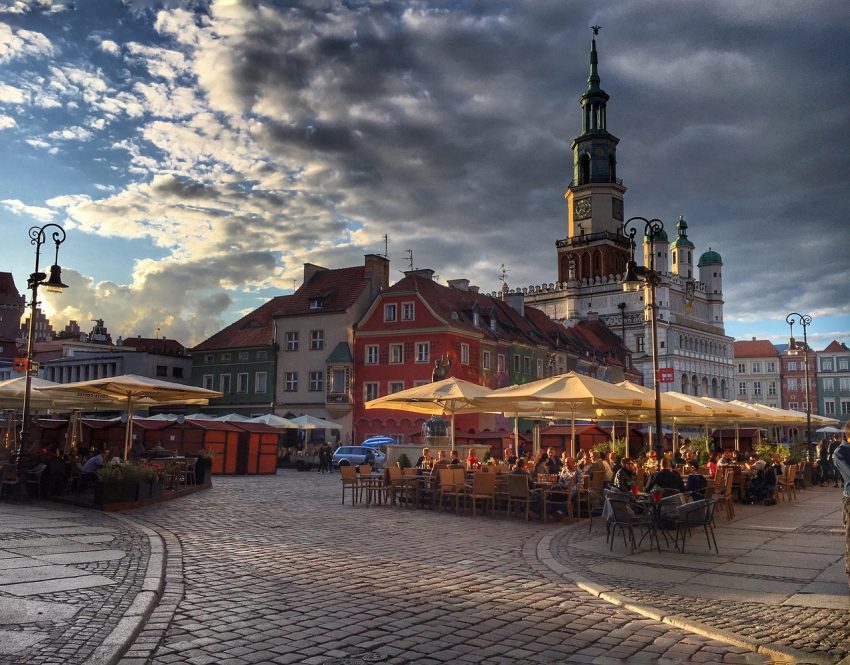
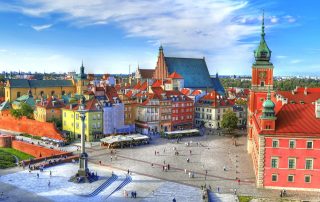
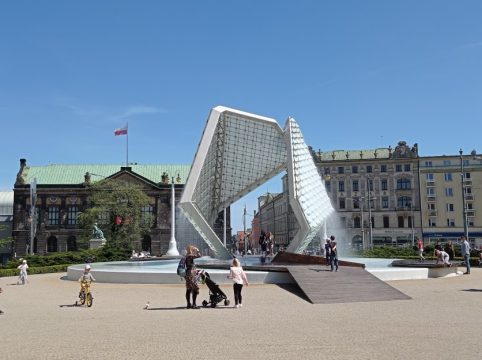
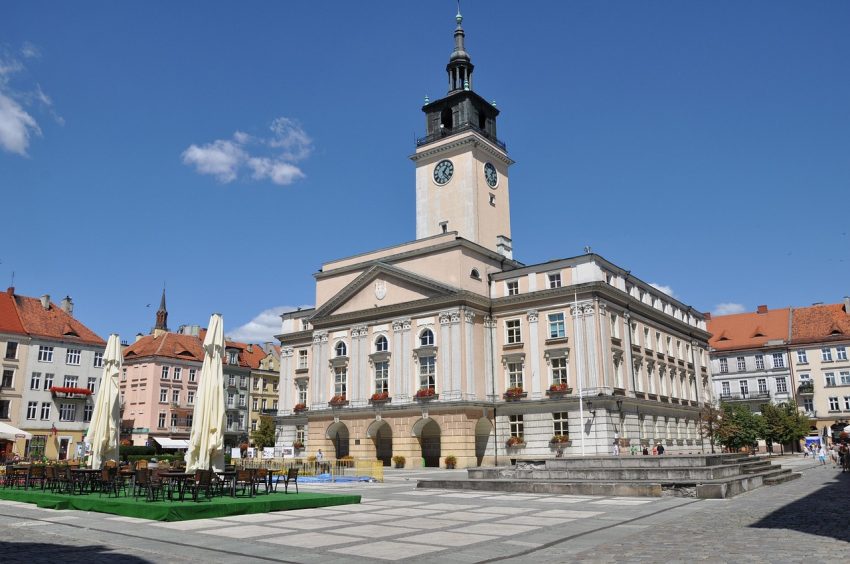
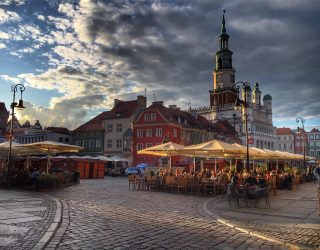
Square in Poznan, Poland

Poznań, located in the Greater Poland region, is a dynamic city that perfectly balances rich culture with modern vibrancy. Visitors will find a lively atmosphere throughout the city’s squares, parks, and shopping streets, offering a wide range of experiences from trendy cafés and bustling markets to theaters and art galleries. The compact city center makes it easy to explore on foot, allowing you to soak in the charm of colorful architecture and lively street life.

One of Poznań's highlights is its excellent culinary scene, where traditional Polish cuisine meets international influences. Whether you're enjoying pierogi at a local milk bar or sampling modern dishes in a stylish bistro, the city's food culture is sure to delight. Additionally, Poznań hosts numerous events and festivals throughout the year, including music, film, and cultural celebrations that draw both locals and tourists.

For those looking to explore beyond the city itself, Poznań's location in west-central Poland makes it a great starting point for day trips to nearby natural parks, castles, and other historic towns. Whether you're here for a weekend or longer, Poznań offers a welcoming mix of history, culture, and contemporary living that invites visitors to return again and again.

History of Poznań

Early History of Poznań

Poznań’s origins trace back to the 10th century when it emerged as one of the principal strongholds of the early Polish state. It played a crucial role as a political and religious center under the Piast dynasty, with the establishment of one of Poland’s first bishoprics. The city’s strategic position helped it become a hub for trade and governance, laying the foundations for its future development as a major urban center.

Poznań in the Middle Ages and Renaissance

During the Middle Ages, Poznań grew steadily as a fortified town and important market center. The construction of defensive walls, the Town Hall, and numerous churches reflected its rising significance. The Renaissance period brought prosperity and cultural flowering, marked by the rebuilding of the Town Hall in the Italian Renaissance style and the influx of artisans and merchants. Poznań became known for its vibrant trade fairs and became a key node in regional commerce.

Poznań under Foreign Rule and Modern Development

The city experienced turbulent times in the 18th and 19th centuries as it came under Prussian and later German control, which led to significant political and social changes. Despite attempts at Germanization, Poznań retained its Polish identity through cultural and educational activities. Following Poland’s independence in 1918, the city became an important center of Polish nationalism and economic revival. After severe destruction during World War II, Poznań was rebuilt and transformed into a thriving modern city, balancing its historical heritage with industrial and academic growth.

Moira & Andy
Moira & Andy

Hey! We're Moira & Andy. From hiking the Camino to trips around Europe in Bert our campervan — we've been traveling together since retirement in 2020!

Read our full story here

Visiting Poznań for the first time and wondering what are the top places to see in the city? In this complete guide, I share the best things to do in Poznań on the first visit. To help you plan your trip, I have also included an interactive map and practical tips for visiting!

This website uses affiliate links which earn a small commission at no additional cost to you.
Powered by GetYourGuide

21 Best places to See in Poznań

This complete guide to Poznań not only tells you about the very best sights and tourist attractions for first-time visitors to the city but also provide insights into a few of our personal favorite things to do.

This is a practical guide to visiting the best places to see in Poznań and is filled with tips and info that should answer all your questions!

1. Poznań Fara
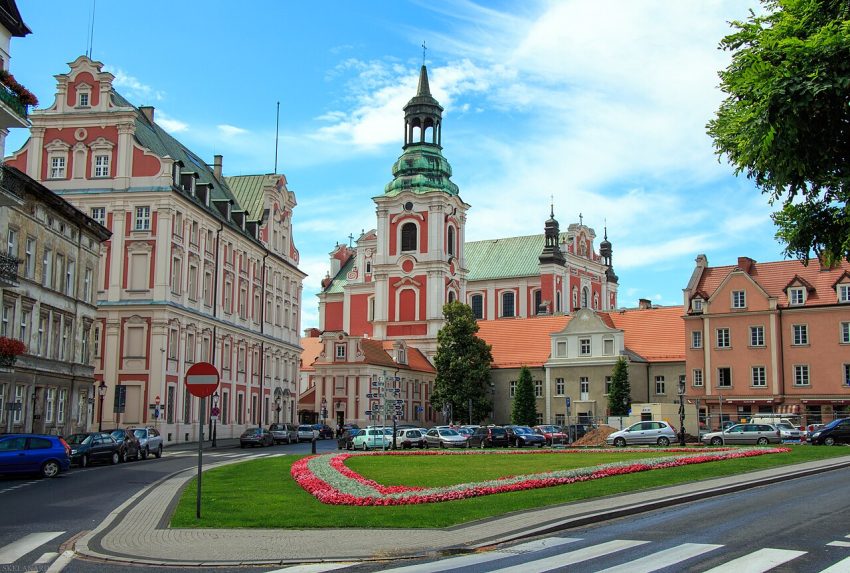
A view over the Fara Church from Kolegiacki square. Poznań, Poland
CC BY-SA 4.0 / Skelanard
Poznań Fara, officially the Parish Church of St. Stanislaus, is a former Jesuit Baroque church tucked into Poznań’s Old Town, begun in the mid-17th century and finished in the early 18th. Its theatrical pink, polychrome façade with saint statues and twin low towers feels like a stage set at the end of a narrow street. Inside, the scale snaps into focus: tall faux-marble columns, larger-than-life apostle figures, and a high altar surrounded by painted and sculpted illusion that reads as one unified design. The church is also a living music space—visitors often time their stop to hear the organ fill the nave’s acoustics. Many people note the calm that settles in the moment you step through the doors.
Location: Church of the St. Stanislaus Kostka, Rejtana, Poznań, Poland | Hours: Daily: 6:00 a.m. to 7:30 p.m. Tours 20 PLN - 50 PLN. | Price: Church entry: free. Tours | Website | Distance: 0.2km

We recommend to rent a car in Poland through Discover Cars, they compare prices and review multiple car rental agencies. Book your rental car here.

2. Military Museum of Wielkopolska

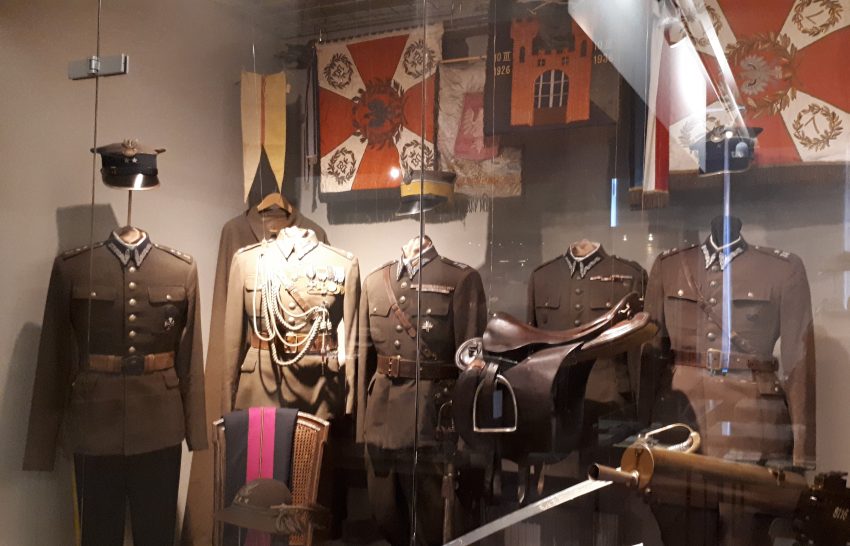
Uniforms at the Military Museum of Wielkopolska
CC BY-SA 1.0 / Rakoon
The Military Museum of Wielkopolska in Poznań is a compact collection on the Old Market Square that traces Polish arms and military culture from medieval blades to modern uniforms, grounding the story in the region’s uprisings and independence traditions. Visitors move through an easy chronological sweep: edged weapons and protective gear, then firearms, then insignia and ceremonial details that show how military identity was worn and signaled. Larger anchor pieces—battle-art elements and rare equipment—add drama beyond the cases. Expect a small museum that rewards close looking, with many labels primarily in Polish, as reviewers note. It’s inexpensive and absorbing enough for an hour, especially if you like objects over long text panels.
Location: Military Museum of Wielkopolska, Stary Rynek, Poznań, Poland | Hours: Monday closed; Tuesday10:00-16:00; Wednesday 10:00-16:00; Thursday 10:00-18:00; Friday 10:00-20:00; Saturday 10:00-17:00; Sunday 10:00-17:00 | Price: 15 PLN | Website | Distance: 0.3km

Here is a complete selection of hotel options in Poznań. Feel free to review each one and choose the stay that best suits your needs.

3. Poznan Archaeological Museum

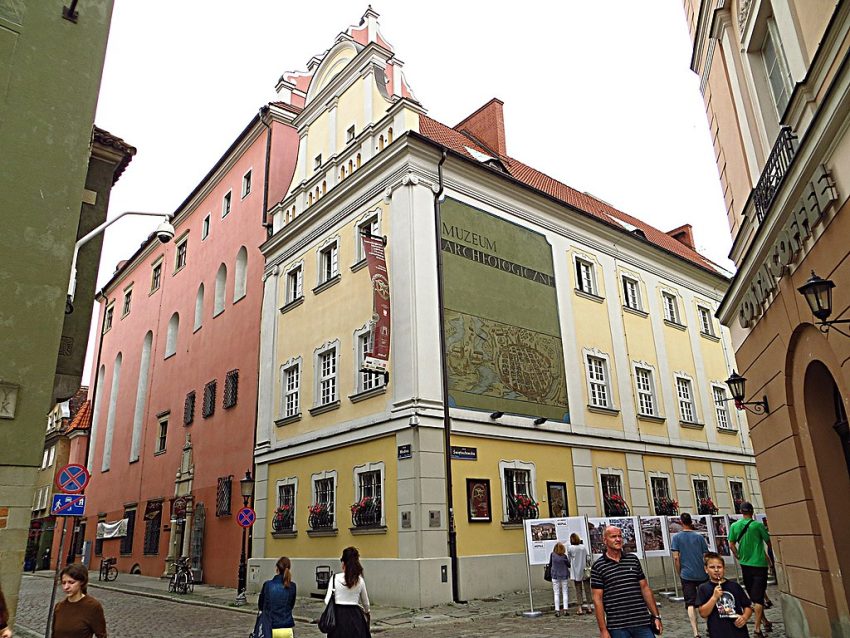
Muzeum Archeologiczne w Poznaniu
©
Poznań Archaeological Museum is a compact archaeology museum housed in the Górka Palace just off Stary Rynek, where the Renaissance courtyard and ornate interiors make the building part of the visit. The permanent displays trace Greater Poland’s prehistory through changing tools, pottery, and burial finds, helping you picture everyday life long before written records. A memorable contrast comes in the Egyptology rooms, where funerary objects—including a mummy—sit unexpectedly within an Old Town palace. Reviews often note interactive elements that keep children engaged and that the collection can be comfortably covered in about 60–90 minutes, though some visitors wish the Polish sections had fuller labels.
Location: Muzeum Archeologiczne w Poznaniu, Wodna, Poznań, Poland | Hours: Tuesday to Friday: 10.00 - 17.00; Saturday: 11.00 - 18.00; Monday: 12.00 - 16.00; Moday closed | Price: Adults: PLN 15 | Website | Distance: 0.3km

Traveling to a country with a different currency? Avoid ATM transaction fees and pay in local currency with a Wise Card. Having used it for over 5 years, we've saved loads on fees!

4. Merchants’ Houses

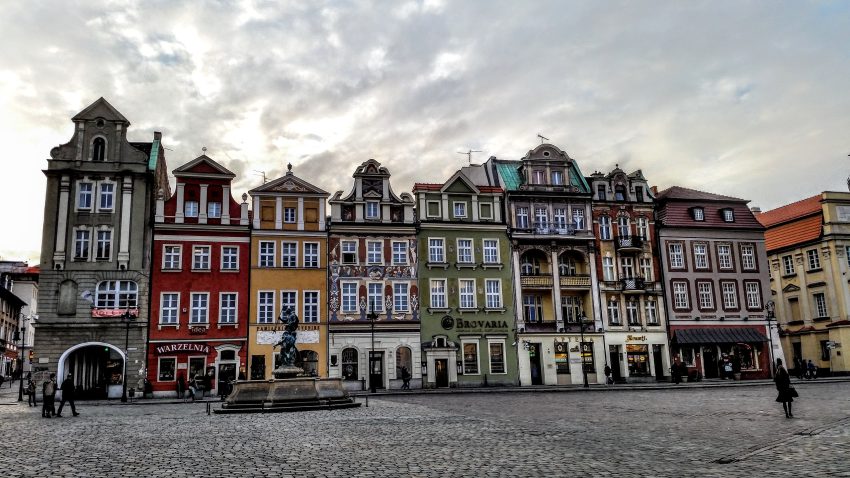
Domki budnicze w Poznaniu, Poland
CC BY-SA 3.0 / Janpakos
The Merchants’ Houses (Domki Budnicze) are a tight row of slender, pastel townhouses on Poznań’s Stary Rynek, immediately south of the Town Hall, where their arcaded ground floor still reads like a working market frontage. Built in the early 1500s to replace wooden stalls, they rise in compact 3–4 storeys—an old solution to expensive square-front space. Look for Renaissance arcades on sandstone columns and small historical clues such as a “1535” carving and the budnik merchants’ emblem with three palm trees and a herring. Badly damaged in World War II, they were rebuilt in the 1950s–60s, and today their polychrome façades give the square much of its colour and rhythm.
Location: Domki budnicze, Stary Rynek, Poznań, Poland | Hours: Always accessible (public square). | Price: Free (public exterior sight). | Distance: 0.3km

Explore Poznań at your own pace with our self-guided walking tour! Follow our curated route to discover must-see sights and local secrets that makes Poznań one of the best places to visit in Poland.

5. Freedom Square

Plac Wolnościjpg
Plac Wolnościjpg
CC BY-SA 4.0 / Subjectiveart
Freedom Square (Plac Wolności) is a broad civic square in central Poznań, laid out in the late 18th century as an oversized Prussian parade ground—its unusual width and strict geometry still read clearly today. Now it functions as a breathing space between culture and everyday city life, edged by heavyweight institutions such as the Raczyński Library and the National Museum, with the historic Bazar complex nearby. In the middle, the glassy, geometric Freedom Fountain adds a sharp modern note against the older façades, making the “old meets new” contrast easy to photograph. At certain times of year the openness fills with events like concerts or Christmas markets, when stalls and hot drinks draw crowds into the square’s centre.
Location: Wolności Square, Poznań, Poland | Hours: Always accessible (public square). | Price: Free. | Distance: 0.4km

6. National Museum in Poznań
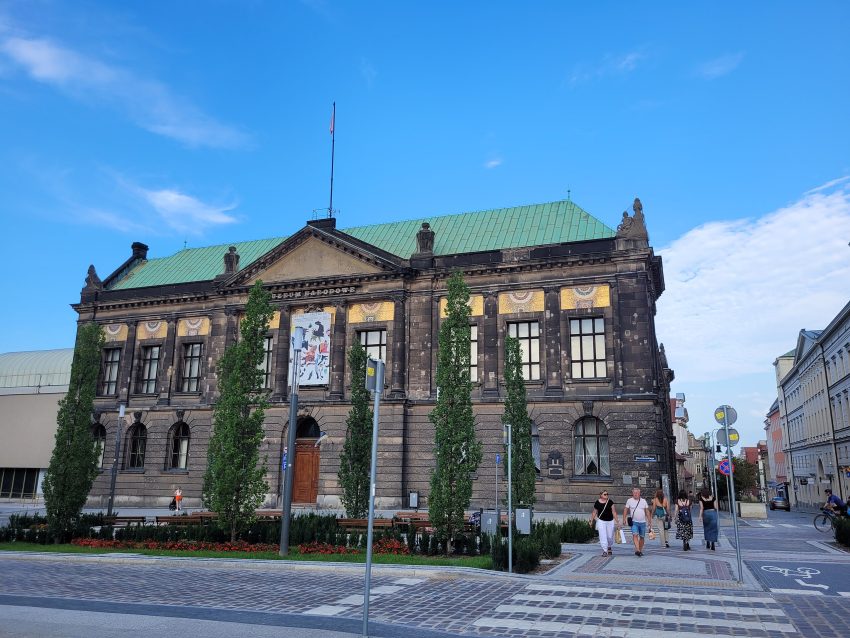
Muzeum Narodowe, Poznań
CC BY-SA 4.0 / Plaga med
The National Museum in Poznań is a major art museum founded in 1857, built from early antiquities into a collection that frames Polish painting within a wider European conversation. Visitors move from medieval religious works to 19th- and 20th-century Polish masters, where narrative canvases associated with Jan Matejko and the quieter, psychological portraits linked to Olga Boznańska reward slow looking. European rooms add contrast—Flemish and Dutch light and detail, Italian devotional colour—and the museum is unusually strong in Spanish painting for Poland. Beyond paintings, numismatics, applied arts, posters, and graphic design make everyday culture feel tangible. Reviews often mention leaving surprised by the scale, and spending around three hours even with some galleries closed.
Location: Muzeum Narodowe w Poznaniu, Aleje Karola Marcinkowskiego, Poznań, Poland | Hours: Tuesday-Wednesday 10:00-16:00; Thursday 10:00-18:00; Friday 10:00-20:00; Saturday-Sunday 10:00-17:00 | Price: Adults: 20.00 PLN | Website | Distance: 0.4km

7. Działyński Palace
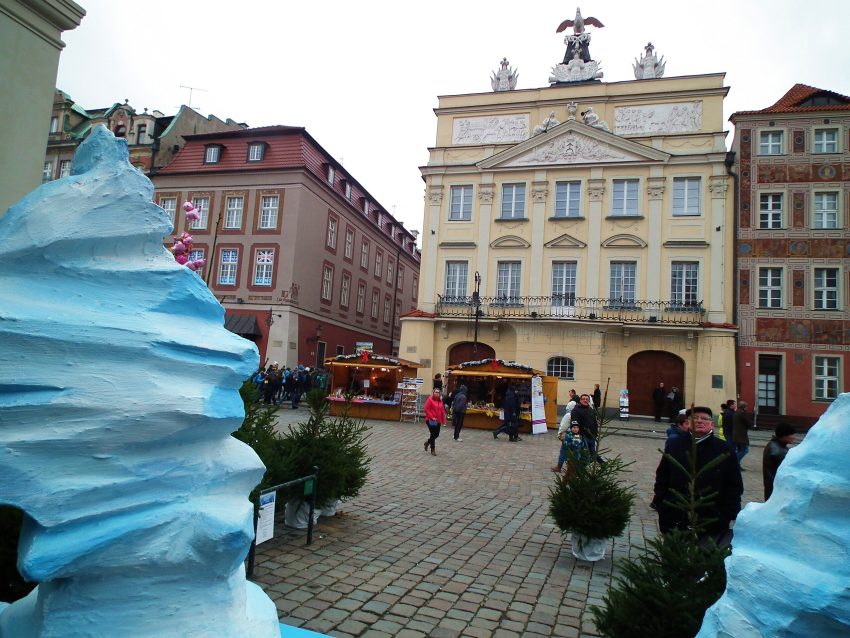
Pałac Działyńskich Poznań
CC BY-SA 4.0 / MOs810
Działyński Palace is an 18th-century residence on Poznań’s Stary Rynek, valued as much for its civic and scholarly role as for its restrained elegance. Built in 1773–1776 to designs by Antoni Höhne, it balances Baroque weight with Classicist order, reading calmer than the surrounding merchant façades. Look up for the vertical rhythm of Corinthian pilasters, the tympanum bearing the Działyński Ogończyk coat of arms, and the narrative attic frieze of triumph and sacrifice. The small pelican perched at the roofline—easy to miss—adds a pointed symbol of renewal. After a 1945 fire it was rebuilt in the 1950s, and today it serves the Kórnik Library as a venue for exhibitions and concerts.
Location: Pałac Działyńskich, Poznań, Poland | Hours: Exterior: always accessible. | Price: Exterior viewing: free. | Website | Distance: 0.4km

8. Poznań Royal Castle
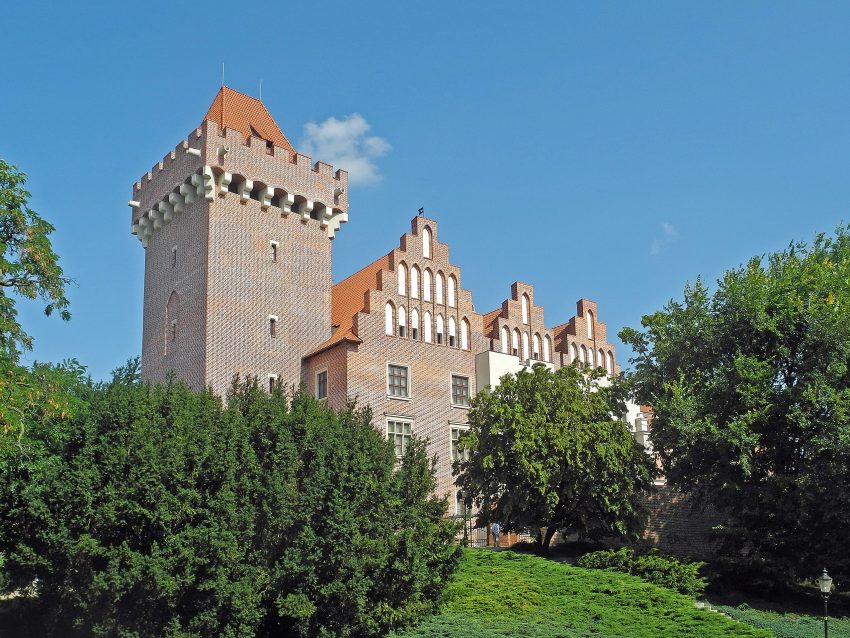
Poznań Royal Castle
Poznań Royal Castle
CC BY-SA 4.0 / SchiDD
Poznań Royal Castle sits above the Old Town on Przemysł Hill, a rebuilt stronghold that restores the city’s skyline after wartime destruction, with reconstruction completed in 2013. Inside, the Museum of Applied Arts (part of the National Museum) makes the visit feel tangible, moving through furniture, textiles, ceramics, glass, metalwork, and timepieces that show how design shaped everyday life. The observation terrace is what many visitors remember most: a rooftop panorama that lays out Poznań’s rooflines and church towers in one sweep. Expect a steep climb—reviews often mention lots of stairs and occasional lift issues—but the view tends to reward the effort.
Location: Royal Castle, Góra Przemysła, Poznań, Poland | Hours: Monday Closed; Tuesday 10:00-16:00; Wednesday 10:00-16:00; Thursday 10:00-18:00; Friday 10:00-20:00; Saturday 10:00-17:00; Sunday 10:00-17:00 | Price: Adults: 20 PLN | Website | Distance: 0.4km

9. Croissant Museum
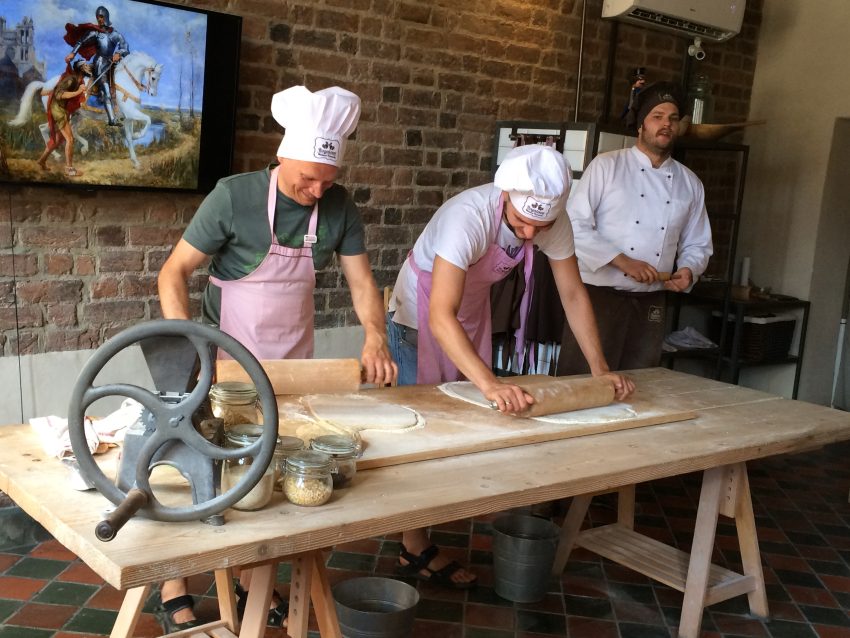
Muzeum Rogala
Muzeum Rogala
CC BY-SA 4.0 / Mika58
Croissant Museum (Rogalowe Muzeum Poznania) is an interactive, performance-style workshop in Poznań’s Old Town that explains the protected regional St. Martin’s croissant, rogal świętomarciński. Set in a historic townhouse by Stary Rynek, it trades display cases for a fast-paced show with Poznań humour, traditional costumes, and audience volunteers stepping into small roles. Visitors watch the pastry’s ingredients and method demonstrated—especially the sweet poppy-seed-and-nut filling—then finish with a tasting that tends to be the most remembered moment. Reviews often describe it as closer to a lively talk show than a museum, with an hour passing quickly and kids staying engaged.
Location: Rogalowe Muzeum Poznania, Stary Rynek, Poznań, Poland | Hours: Timed shows only; typical first/last show windows are around 11:00–15:30 on most days and up to about 17:00 on Saturdays, but exact slots vary—book a specific time online. | Price: Adults: 35 PLN | Website | Distance: 0.4km

10. Poznan Goats
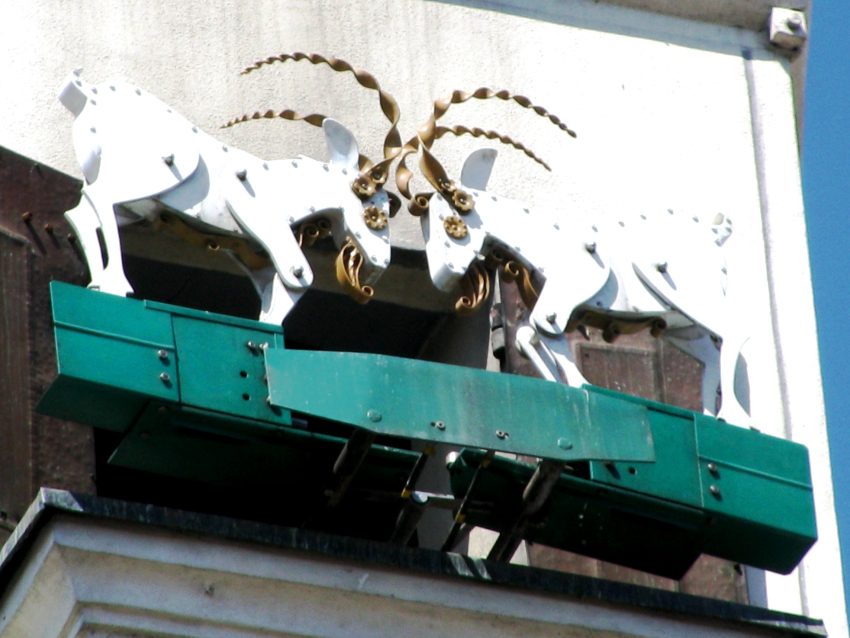
Poznan Town Hall Goats, Poland
CC BY-SA 3.0 / Scotch Mist
Poznań Goats are two mechanical козiołki that appear from a small door high on the Town Hall tower in Stary Rynek, turning noon in the Old Market Square into a shared ritual. At 12:00 (and often again at 15:00), a hejnał-style bugle call sets the scene and the goats clack forward to butt heads exactly twelve times, a spectacle that’s over in under a minute. The tradition is tied to a local legend about a cook whose runaway goats scrambled up the tower during a feast, and today’s figures date from 1993 after earlier versions were lost in World War II. Visitors remember the crowd looking up together, laughter and applause, and the sudden quiet as everyone disperses.
Location: Poznań Goats, Stary Rynek, Poznań, Poland | Hours: Daily at 12:00 (goats appear at noon). | Price: Free. | Distance: 0.4km

11. Museum of the History of Poznań
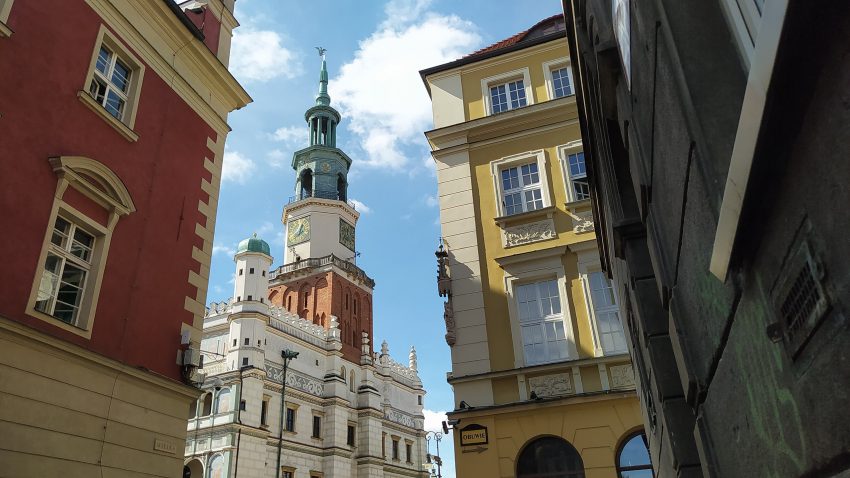
Poznań Town Hall Ratusz, Poland
CC BY-SA 4.0 / Antoni.byleco45
The Museum of the History of Poznań sits inside the Old Town Town Hall (Ratusz) on Stary Rynek, turning the building itself into part of the story of how the city governed, traded, and celebrated. Its medieval origins and Renaissance rebuild come through in atmospheric interiors—decorative details, period rooms, and civic spaces that feel removed from the square’s bustle. Exhibits lean on objects and documents tied to everyday urban life, showing how rules, commerce, and public ceremony worked in practice. Time your visit around noon to see the famous mechanical goats outside, then step in as the crowd thins and the galleries quiet down.
Location: Ratusz, Stary Rynek, Poznań, Poland | Hours: Monday closed; Tuesday10:00-16:00; Wednesday 10:00-16:00; Thursday 10:00-18:00; Friday 10:00-20:00; Saturday 10:00-17:00; Sunday 10:00-17:00 | Price: Adults: 13 PLN | Website | Distance: 0.4km

12. Old Market Square
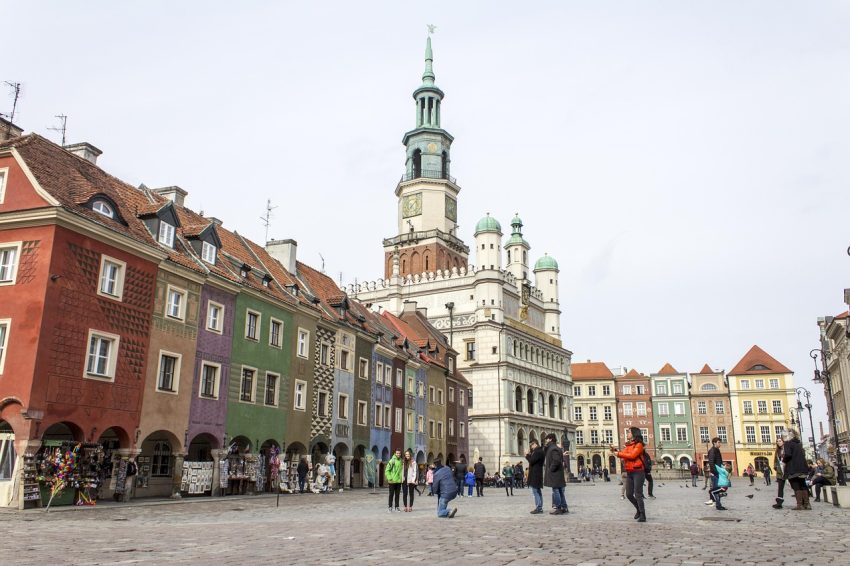
Poznań Old Market Square, Poland
Old Market Square (Stary Rynek) is Poznań’s medieval heart, laid out in 1253 and still strikingly close to a perfect square, with the Town Hall anchoring the space. The Town Hall’s Renaissance façade—rebuilt in the 16th century by Giovanni Battista di Quadro—draws crowds at noon when two mechanical goats pop out above the clock and butt heads twelve times. Around it, narrow merchant houses form a bright, competitive “wall” of painted façades that rewards a slow circuit and close looking. The square feels lived-in: café tables spill out, and in winter it fills with Christmas-market stalls selling hot chocolate, Polish food, sweets, and small gifts.
Location: Stary Rynek, Poznań, Poland | Hours: Always accessible; individual museums and venues have their own hours. | Price: Free (public square). | Distance: 0.4km

13. Wielkopolska Museum of Independence
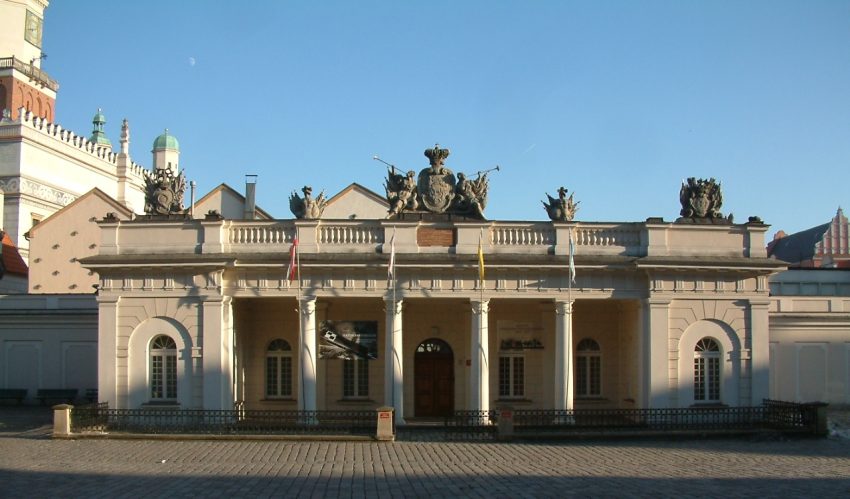
Wielkopolskie Muzeum Niepodległości
CC BY-SA 3.0 / Radomil
The Wielkopolska Museum of Independence is a compact history museum inside the Odwach (Guardhouse) on Poznań’s Stary Rynek, focused on the Greater Poland Uprising of 1918–1919 and the region’s push for self-rule. The neoclassical building—commissioned by Kazimierz Raczyński and linked to architect Jan Chrystian Kamsetzer—adds weight to the story, having shifted from a civic-military post to a symbol of Prussian control, then back to Polish mobilisation when the People’s Guard operated here. Inside, visitors move through photographs, documents, uniforms, and weapons that make the uprising feel immediate, with some displays like a WWI trench-style section. Reviews often mention strong curation and that English captions can be uneven.
Location: Wielkopolskie Muzeum Niepodległości, Woźna, Poznań, Poland | Hours: Daily 10:00-17:00. Closed Mondays | Price: Adults: 15 PLN | Website | Distance: 0.5km

14. Stary Browar
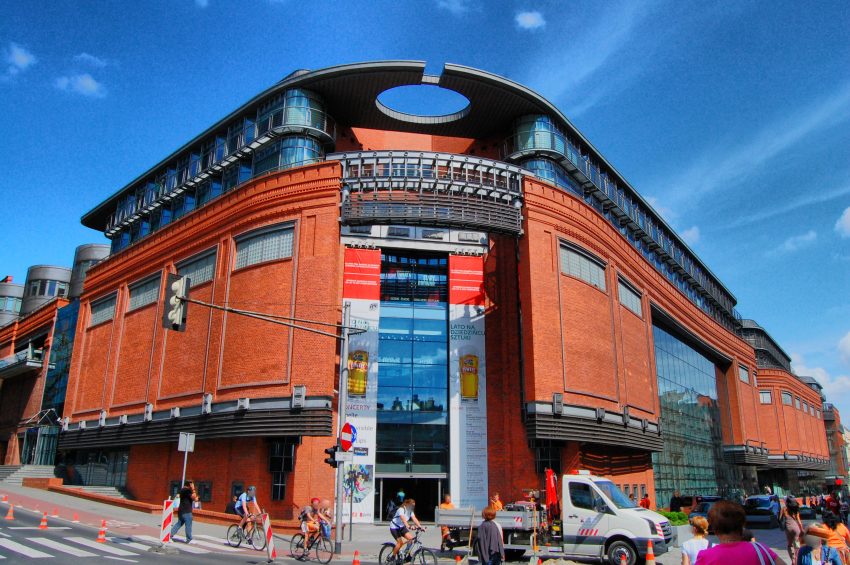
Poznań, Browar
Poznań, Browar
CC BY-SA 3.0 / Pluszooowa
Stary Browar in Poznań is an adaptive-reuse complex that turns the former Hugger Brewery into a design-forward shopping and culture hub. Visitors notice the preserved red-brick industrial shell—arched openings, iron stair details, and traces of old signage—set against crisp glass and modern interiors that keep the space bright. Beyond the stores, the Art Stations Gallery and rotating installations add a cultural pulse that can change the feel of the courtyards and corridors. A newer food-hall setup brings a market-like buzz, and the adjacent park gives the whole complex breathing room for a quick urban pause.
Location: Stary Browar, Półwiejska, Poznań, Poland | Hours: Monday -Saturday: 09:00 - 22:00 | Price: Free (entry to the complex). | Website | Distance: 0.5km

15. Poznan Imperial Castle
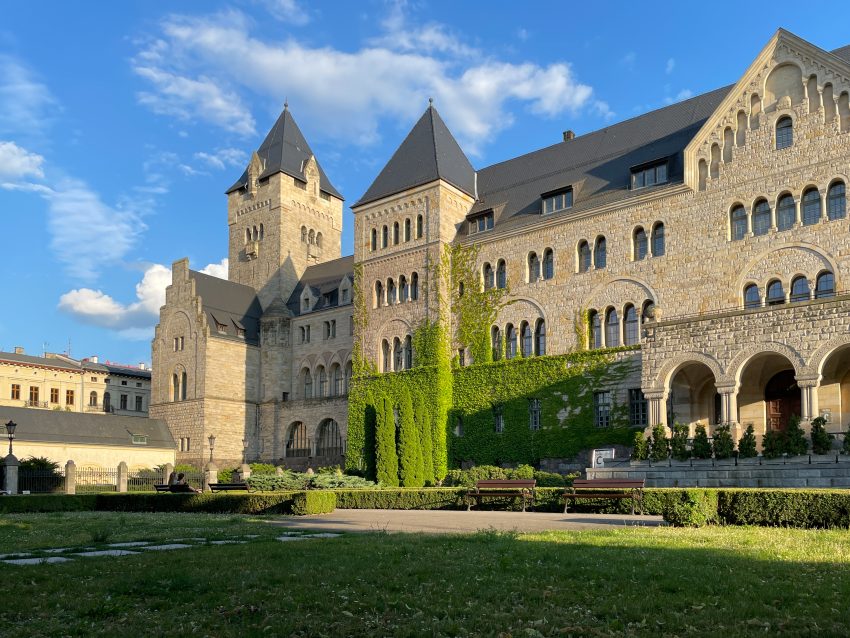
Zamek Cesarski
Zamek Cesarski
CC BY-SA 4.0 / Dawid Wdowczyk
Poznań’s Imperial Castle (Zamek Cesarski) is a heavy, fortress-like neo-Romanesque complex built in 1905–1910 for German Emperor Wilhelm II to project authority in a contested city. Its meaning shifts as you move through it: later Nazi-era alterations left a noticeably darker imprint, including changes to the chapel and monumental interior redesigns. Today it functions as Centrum Kultury Zamek, so your visit mixes austere ceremonial rooms with contemporary galleries, a small cinema, and a bookshop-café atmosphere. Many interiors feel intentionally spare after a century of conversions, which makes the remaining architectural details stand out. Don’t miss a loop outside to read the keep-like massing and the quieter garden behind the stone walls.
Location: Zamek Cesarski w Poznaniu, Święty Marcin, Poznań, Poland | Hours: Daily: 12:00 - 18:00 | Price: Adults: PLN 7, (Audio Guide PLN 15) | Website | Distance: 0.9km

16. Grand Theatre
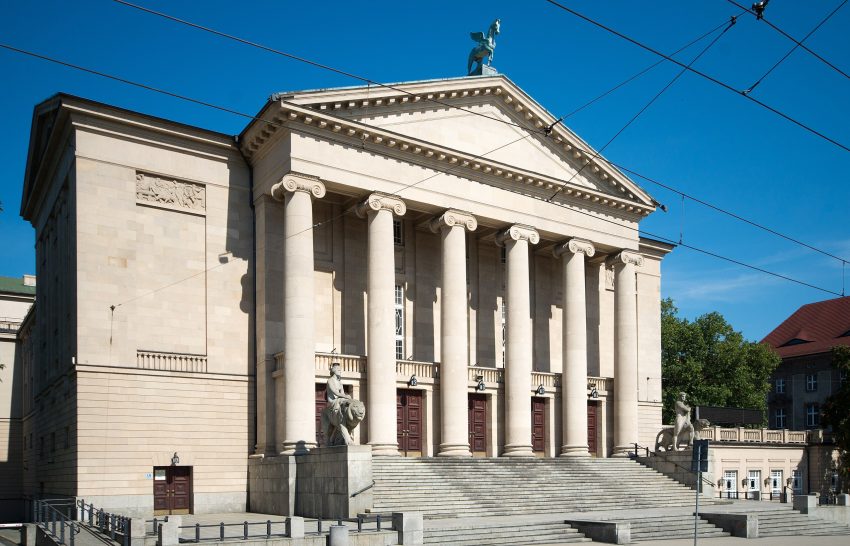
Grand Theatre, Poznań
CC BY-SA 4.0 / Yasioszny
Poznań’s Grand Theatre (Teatr Wielki), named for composer Stanisław Moniuszko, is a neoclassical opera and ballet house that brings a sense of ceremony to an evening in the city centre. Opened in 1910 and designed by Max Littmann, it debuted with Mozart’s “The Magic Flute,” and the building still reads as early-20th-century confidence in stone—symmetry outside, formal spaces within. Inside, modernised stage technology and acoustics support productions that feel crisp and immersive, especially on ballet nights where precision and emotion carry across the auditorium. Even without a ticket, the façade is worth a look by day, then again after dark when the lighting makes it feel like a set.
Location: Grand Theatre, Poznań, Fredry, Poznań, Poland | Hours: Box office and performance times vary by season; evening performances are typical during the main season. | Price: Varies by performance and seating; expect roughly €10–€50+ depending on production and seat category. | Website | Distance: 1km

17. Collegium Minus of Adam Mickiewicz University
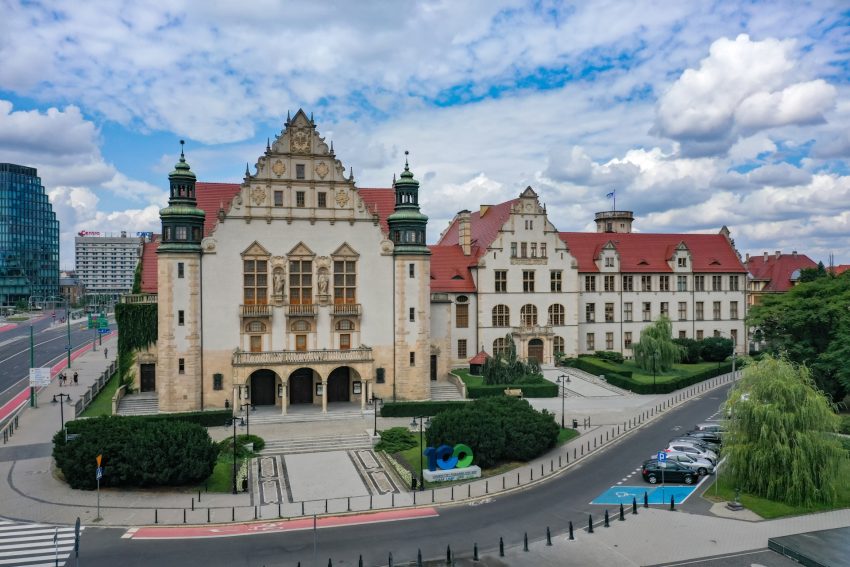
Collegium Minus w Poznaniu
CC BY-SA 3.0 / Krzysztof Duda
Collegium Minus is the ceremonial main building of Adam Mickiewicz University in Poznań’s Imperial District, erected in 1905–1910 to project authority as part of a German-era Royal Academy complex. Its red-brick and sandstone exterior is tightly symmetrical, dressed with Neo-Renaissance ornament and a façade that reads more like a civic statement than a campus block. Inside, the grand Aula stands out for its coffered ceiling, ornate detailing, and concert-hall acoustics, still used for performances as well as university ceremonies. The building’s meaning shifted after 1919, when it became a Polish university headquarters, and its wartime commandeering adds a quieter undertone about academic life continuing under pressure.
Location: Collegium Minus, Wieniawskiego, Poznań, Poland | Hours: Public access varies; the building is an active university headquarters, so interior entry is generally event-based rather than open museum-style hours. | Price: Exterior viewing: free. | Website | Distance: 1.1km

18. Poznan Cathedral

Poznań Cathedral
Poznań Cathedral
CC BY-SA 3.0 / MNS Design
Poznań Cathedral is a vast brick Gothic church on Ostrów Tumski (Cathedral Island), where Poland’s first cathedral is believed to have been founded around 968, soon after Mieszko I’s baptism and the dawn of the Piast state. Inside, the tall vaulted nave and side chapels create a hushed, slow-paced atmosphere that invites you to sit and take in the scale. The Golden Chapel stands apart with its 19th-century, neo-Byzantine look, built to honor the earliest rulers associated with the site. If open, the underground crypt reveals archaeological traces of the earliest layers, though it’s compact and step-heavy.
Location: Poznań Cathedral, Ostrów Tumski, Poznań, Poland | Hours: Weekdays: 9:00 - 16:00; | Price: Adults: PLN 7.00 (Crypt access) | Website | Distance: 1.4km

19. Porta Posnania (ICHOT)
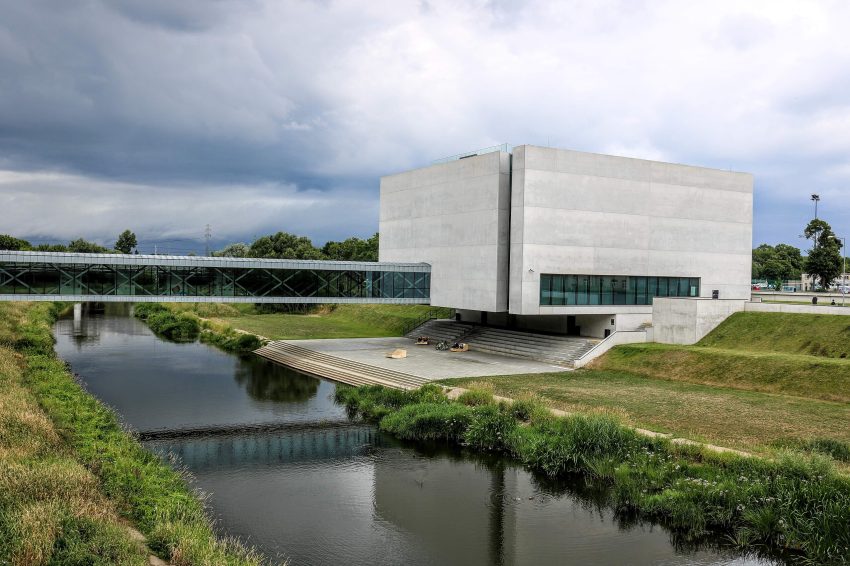
Brama Poznania, Poznan
CC BY-SA 3.0 / Ijanczuk
Porta Posnania (ICHOT) is a modern interpretive heritage centre on the edge of Ostrów Tumski that explains why Cathedral Island matters to Poznań and the early Polish state. Instead of relying on artifact cases, the permanent exhibition uses multimedia, sound, and immersive rooms to build a clear narrative about faith, power, and settlement in the river landscape. Visitors often remember the interactive audio guide, which lets you scan different zones and choose how deeply to explore each section. Outside, the river setting and nearby bridges make the island’s strategic geography easy to grasp. The experience tends to take 1–2 hours, longer if you linger with the film modules and displays.
Location: Brama Poznania, Gdańska, Poznań, Poland | Hours: Tuesday - Friday: 9:00 - 18:00; Saturday - Sunday: 10:00 - 18:00; Monday: closed | Price: Adults: 28 PLN | Website | Distance: 1.6km

20. Ostrów Tumski (Cathedral Island)
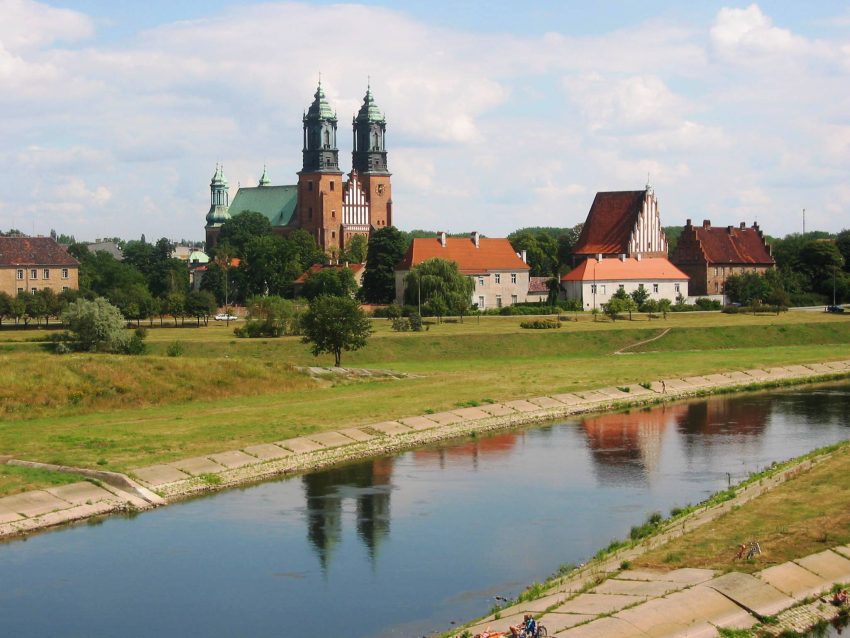
View of Cathedral Island, Poznan
CC BY-SA 3.0 / Radomil
Ostrów Tumski (Cathedral Island) is Poznań’s oldest, quietest quarter, set between river channels and reached by bridges that make the city feel suddenly distant. It’s considered the cradle of the Polish state and early Christian Poland, closely tied to Mieszko I and the Piast beginnings around 966. The island’s focal point is Poznań Cathedral: step inside for chapels and a hushed, reflective atmosphere, then circle outside for long views of the towers framed by water and embankments. The pace here is slow and residential in places, with interpretive signs and riverside edges that invite lingering rather than ticking off sights.
Location: Ostrów Tumski, Poznań, Poland | Hours: The island is always accessible; church and museum visiting hours vary by day and services. | Price: Free to walk the island. Individual sites (cathedral crypts, museums) may charge separate tickets. | Distance: 1.6km

21. Fort VII Martyrs Museum
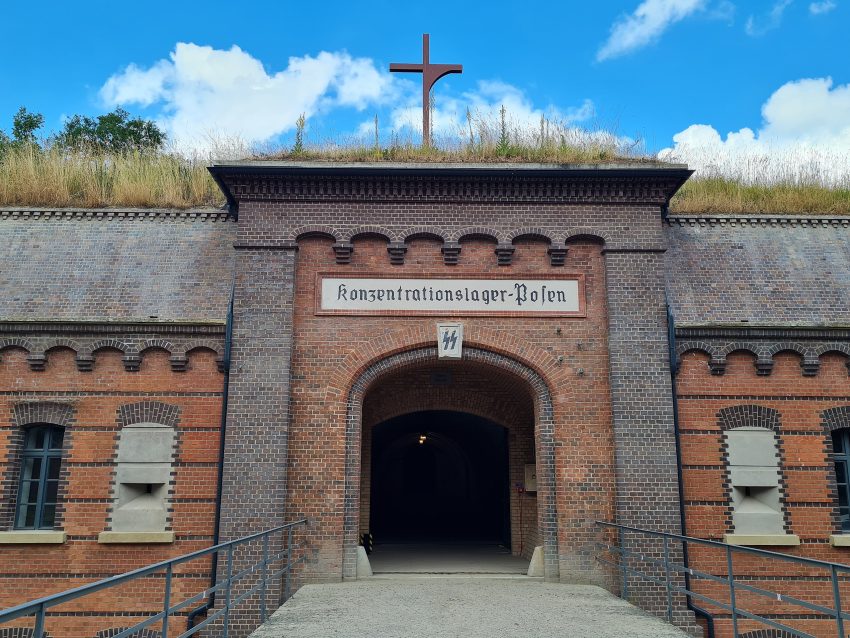
Wielkopolska Military Museum
CC BY-SA 4.0 / ScheWo
Fort VII Martyrs Museum in Poznań occupies Fort VII “Colomb,” a 19th-century brick fortress later turned into the first German concentration camp established on Polish soil. Walking its enclosed corridors and narrow passages, the building’s defensive design becomes part of the evidence, making the experience physically and emotionally heavy. Exhibits lean on original records—letters, photographs, drawings, and occupation paperwork—alongside small personal items such as rosaries, improvised keepsakes, wallets, and dictionaries that hint at daily survival. Outside, the fort grounds and old trees add a quiet counterpoint to the stark interiors. Visitors often remember how carefully the material is presented, and how the site’s scale feels different from a conventional museum.
Location: Wielkopolskie Muzeum Wojskowe, Stary Rynek, Poznań, Poland | Hours: Tuesday-Sunday: 10:00-16:00 | Price: Adults: €6.00 | Website | Distance: 4.4km

Best Day Trips from Poznań

A day trip from Poznań offers the perfect opportunity to escape the urban rhythm and discover the surrounding region's charm. Whether you're drawn to scenic countryside, historic villages, or cultural landmarks, the area around Poznań provides a variety of easy-to-reach destinations ideal for a one-day itinerary. If you are looking to rent a car in Poland I recommend having a look at Discover Cars, first, as they compare prices and review multiple car rental agencies for you.

1. Gniezno

Visiting Gniezno is an experience that offers a unique mix of culture, heritage, and stunning architecture, all set within the scenic landscapes of the Greater Poland region. Known as one of the oldest and most important cities in Poland, Gniezno is surrounded by lush greenery and picturesque lakes. It's a perfect destination for those seeking both historical intrigue and natural…
Visiting Gniezno
Powered by GetYourGuide

2. Leszno

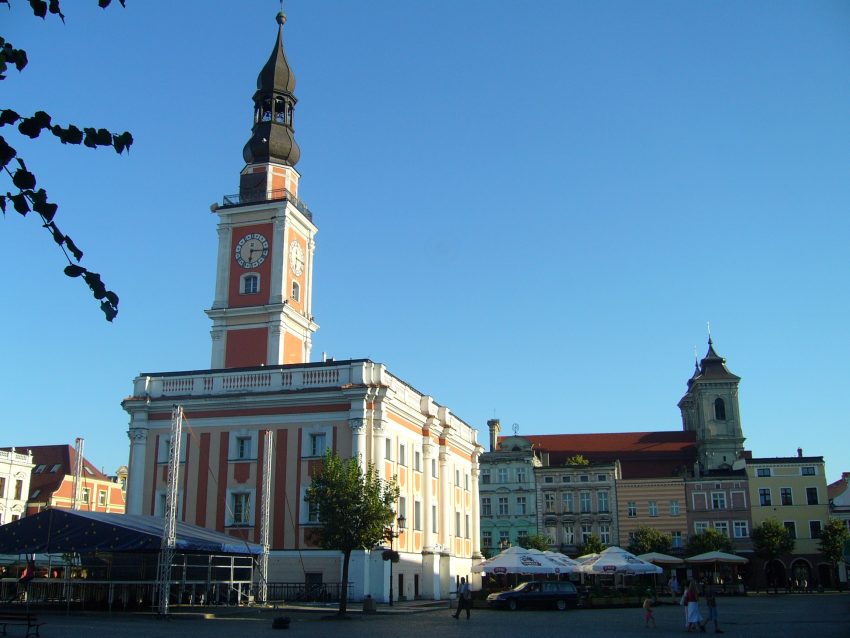
Ratusz w Lesznie
Ratusz w Lesznie
CC BY-SA 3.0 / geo573
Leszno, located in the western part of Poland, is a charming city that offers a unique blend of modern amenities and historic charm. Situated in the Greater Poland region, it serves as an excellent base for exploring the nearby cities of Poznań and Wrocław. The city is known for its peaceful atmosphere, making it a great destination for those seeking…
Visiting Leszno

3. Konin

port Konin
port Konin
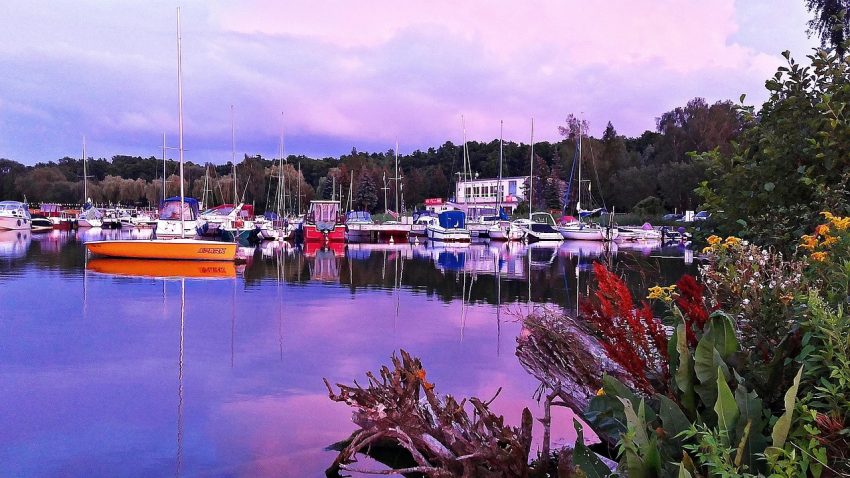
Konin is a charming city located in the Greater Poland region, surrounded by lush greenery and scenic countryside. Situated on the Warta River, the city offers a peaceful yet dynamic atmosphere, perfect for a relaxing getaway or a cultural exploration. Visitors can enjoy a stroll along the riverbanks or discover the city’s many parks, which are ideal for outdoor activities…
Visiting Konin
Powered by GetYourGuide

4. Kalisz

poland Kalisz
poland Kalisz
Kalisz, located in the heart of the Greater Poland region, offers visitors a blend of charming old-world atmosphere and vibrant modern attractions. Nestled along the Prosna River, this city is one of the oldest in Poland, with a strong sense of local pride and culture. The area surrounding Kalisz is rich in green spaces, and the city itself is known…
Visiting Kalisz
Powered by GetYourGuide

5. Uniejów

Uniejów Castle
Uniejów Castle
CC BY-SA 4.0 / Masandro
Uniejów is a popular destination in central Poland, best known for its thermal spa complex that attracts visitors looking for relaxation and wellness. The town’s thermal waters are naturally rich in minerals and have been developed into modern spa facilities offering a wide range of treatments, from healing baths and massages to therapeutic wellness programs. The spa’s pools, both indoor…
Visiting Uniejów

6. Wrocław

Wroclaw
Wroclaw
Wrocław, often called the “Venice of Poland,” is a city bursting with charm, vibrant culture, and stunning architecture. Spread across 12 islands connected by over 100 bridges, this unique city invites exploration on foot or by bike. Start your visit at the bustling Market Square (Rynek), a lively hub surrounded by colorful townhouses and the impressive Gothic Old Town Hall.…
Visiting Wrocław
Powered by GetYourGuide

Where to Stay in Poznań

To make the most of your visit to Poznań, staying near the city center is highly recommended, as it offers easy access to the main attractions, restaurants, and nightlife. The Old Town area is especially popular, where you can enjoy charming historic surroundings and be steps away from the vibrant Old Market Square. A great option here is Hotel Bazar, a boutique hotel housed in a beautifully restored 19th-century building blending tradition with modern comfort. Another excellent choice is PURO Poznań Stare Miasto, which offers stylish, contemporary rooms and is known for its friendly atmosphere and central location.

For visitors seeking a quieter stay with excellent transport links, the area around the Poznań Główny railway station is a practical choice. Here you will find Ibis Poznań Stare Miasto, which provides modern amenities and reliable service, ideal for business travelers and tourists alike. Just a short walk from the station, Hotel Mercure Poznań Centrum offers upscale accommodations with easy access to the city’s key sights and shopping districts.

If you prefer to stay near the recreational areas and green spaces, the Malta district is a perfect option. This area is popular with families and outdoor enthusiasts due to its proximity to Malta Lake and the Palm House botanical garden. A top hotel in this district is Sheraton Poznań Hotel, which combines luxury with beautiful views of the lake and parklands. Another good choice is Novotel Poznań Malta, offering comfortable rooms and modern facilities right by the lake, perfect for relaxation after a day of sightseeing.

These areas offer a variety of accommodation styles, from boutique and historic hotels in the Old Town to more modern, convenient options near the station and family-friendly resorts by Malta Lake. Whichever you choose, Poznań’s welcoming atmosphere and compact size make it easy to explore the city and enjoy all it has to offer.

Using the our Hotel and Accomodation map, you can compare hotels and short-term rental accommodations in Poznań. Simply insert your travel dates and group size, and you’ll see the best deals for your stay.

Poznań Accommodation Map

Best Time to Visit Poznań

Visiting Poznań in Spring

Spring in Poznań brings mild weather and blooming parks, making it a lovely time to explore the city’s outdoor spaces and historical streets. As the city shakes off winter’s chill, visitors can enjoy events like the Malta Festival, a major international theater and performing arts celebration held in late spring. This season is perfect for those who want to experience Poznań’s cultural vibrancy without the summer crowds.

Visiting Poznań in Summer (Best)

Summer is the best time to visit Poznań thanks to warm temperatures and long daylight hours. The city’s numerous outdoor cafés, gardens, and riverbanks come alive with activity, creating a festive atmosphere. One of the highlights is the St. John’s Night (Noc Świętojańska) celebrations, featuring traditional music, bonfires, and folk rituals. Summer also hosts open-air concerts, food festivals, and markets that add to the lively scene, making it ideal for visitors seeking both culture and relaxation.

Visiting Poznań in Autumn

Autumn in Poznań is marked by cooler temperatures and colorful foliage in the city’s parks and along the Warta River. It’s a quieter time to visit, perfect for leisurely walks and museum visits. Cultural events continue, including film festivals and art exhibitions, but with fewer tourists around. The cozy atmosphere makes autumn a great season for those who enjoy a more relaxed pace and wish to explore the city’s rich heritage indoors and outdoors.

Visiting Poznań in Winter

Winter brings a festive spirit to Poznań with its charming Christmas markets and holiday decorations in the Old Market Square. Despite the cold, the city is bustling with seasonal events such as the Advent fairs, ice skating rinks, and concerts. It’s a magical time to experience local traditions and enjoy hearty Polish cuisine in warm, inviting restaurants. While the weather can be chilly, winter offers a unique and atmospheric way to see Poznań’s historic center.

Annual Weather Overview

  • January 3°C
  • February 7°C
  • March 10°C
  • April 17°C
  • May 20°C
  • June 25°C
  • July 25°C
  • August 27°C
  • September 23°C
  • October 15°C
  • November 7°C
  • December 5°C

How to get to Poznań

Getting to Poznań by Air

Nearest airports: The main airport serving Poznań is Poznań–Ławica Airport (POZ), located about 7 kilometers west of the city center. It offers a range of domestic and international flights, connecting Poznań with major European cities. The airport is compact and efficient, with several airlines operating regular routes, making it a convenient entry point for travelers arriving by air. From the airport, you can take a taxi, shuttle bus, or public transport to reach the city center within 20 minutes.

Getting to Poznań by Train

Poznań is situated on several major railway lines, making it easily accessible by train from various parts of Poland and neighboring countries. The city's main railway station, Poznań Główny, is a modern hub served by frequent trains from Warsaw, Berlin, Wrocław, and other important cities. High-speed and intercity trains connect Poznań efficiently with the rest of Poland, while international routes link it with Germany and beyond. Local commuter trains and trams provide additional transport options within the city. You can easily check schedules and book tickets through the PKP Intercity website. However, for a smoother experience, we recommend using Omio, which simplifies the booking process and lets you compare prices and schedules all in one place.

Getting to Poznań by Car

Poznań is well connected to the Polish motorway and expressway network. The A2 motorway runs just south of the city, linking it with Warsaw to the east and the German border to the west. Other major roads such as the S11 and national routes make it easy to reach Poznań from surrounding regions. Driving in Poznań is straightforward, with ample parking options near the city center and major attractions. The road infrastructure supports easy access to hotels, shopping areas, and cultural sites. If you are looking to rent a car in Poland I recommend having a look at Discover Cars, first, as they compare prices and review multiple car rental agencies for you.

Travelling around Poznań

Getting around Poznań is simple thanks to a comprehensive public transport system. The city boasts an extensive network of trams and buses covering the urban area, with frequent services connecting key neighborhoods and tourist sites. Many attractions in the city center are within walking distance, so strolling is often the best way to experience Poznań’s historic streets and squares. For convenience, visitors can purchase travel cards valid on all modes of public transit. Additionally, taxis and ride-hailing apps are widely available, offering flexible options for shorter trips or late-night travel.
More from this area