Kraków, Poland: The Ultimate Travel Guide 2026

krakow wawel castle
krakow wawel castle

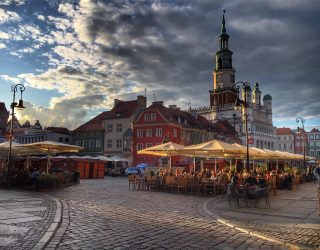
Visiting Kraków, the cultural capital of the Lesser Poland region, is an experience that blends historic charm with modern energy. The city’s well-preserved Old Town is a UNESCO World Heritage Site and offers one of the most beautiful medieval squares in Europe, surrounded by colorful townhouses, elegant churches, and lively cafes. Walking through its cobbled streets feels like stepping into a storybook, with landmarks like St. Mary’s Basilica and the Cloth Hall creating a perfect backdrop for both sightseeing and relaxation.

Beyond the historic center, Kraków pulses with creative spirit and student energy. The Kazimierz district, once the heart of Jewish life in the city, now thrives with art galleries, vintage shops, quirky bars, and restaurants serving both traditional Polish and international cuisine. Whether you're exploring street art, attending an intimate jazz concert, or enjoying a riverside walk near Wawel Castle, there's no shortage of things to do both day and night.

Nature lovers and active travelers will also find plenty to enjoy around Kraków. The surrounding area of Lesser Poland offers easy day trips to sites like the Wieliczka Salt Mine, Ojcowski National Park, or even the Tatra Mountains further south. With excellent public transport and a compact city layout, Kraków makes a convenient and inspiring base for discovering the best of southern Poland.

History of Kraków

Kraków in the Early Origins

Kraków’s history dates back to prehistoric times, with settlement evidence found on Wawel Hill as early as the Stone Age. By the 7th century, it had developed into a fortified trading center. According to legend, the city was founded by the mythical ruler Krakus, who defeated a dragon and established his stronghold atop the hill. This blend of myth and archaeology shaped the city’s symbolic importance from its earliest days.

Kraków in the Piast and Medieval Period

By the 10th century, Kraków had become a significant political and religious hub. It was incorporated into the early Polish state and quickly grew in prominence. In 1038, it became the capital of the Kingdom of Poland. The 13th century saw devastation from Mongol invasions, but the city was rebuilt using a grid pattern that still defines its layout. In 1364, King Casimir III the Great founded the University of Kraków, one of the oldest in Europe, cementing the city’s role as an intellectual center.

Kraków in the Renaissance and Golden Age

The 15th and 16th centuries marked Kraków’s golden era under the Jagiellonian dynasty. The city flourished as a cultural, artistic, and academic beacon, with strong connections to the rest of Europe. Royal coronations and burials took place at Wawel Cathedral, and the Renaissance left a lasting mark on Kraków’s architecture. This period also saw the expansion of trade and the development of influential guilds and a thriving urban elite.

Kraków during the Partitions and 19th Century

With the fall of the Polish–Lithuanian Commonwealth in the late 18th century, Kraków was absorbed into the Austrian Empire as part of Galicia. It briefly became the Free City of Kraków (1815–1846), a semi-autonomous republic, before being reabsorbed by Austria. Despite foreign rule, Kraków remained a cultural stronghold and a center for Polish nationalism. The city preserved its language, traditions, and academic life, becoming a symbol of resistance and identity.

Kraków in the 20th Century

Kraków rejoined an independent Poland in 1918. During World War II, the city was occupied by Nazi Germany and served as the capital of the General Government. While spared large-scale destruction, Kraków witnessed the horrors of the Holocaust, with its Jewish population decimated. After the war, under communist rule, the city saw industrial growth and the creation of Nowa Huta. Despite state control, Kraków maintained its cultural influence and was central to the opposition movement.

Kraków in the Modern Era

Since the fall of communism in 1989, Kraków has re-emerged as one of Poland’s leading cities. Its historic core was among the first sites inscribed on the UNESCO World Heritage list in 1978. The city has become a hub for tourism, education, and business, attracting millions of visitors each year. Today, Kraków is celebrated not only for its heritage but also for its dynamic cultural life, festivals, and youthful energy that continues to evolve.

Moira & Andy
Moira & Andy

Hey! We're Moira & Andy. From hiking the Camino to trips around Europe in Bert our campervan — we've been traveling together since retirement in 2020!

Read our full story here

Visiting Kraków for the first time and wondering what are the top places to see in the city? In this complete guide, I share the best things to do in Kraków on the first visit. To help you plan your trip, I have also included an interactive map and practical tips for visiting!

This website uses affiliate links which earn a small commission at no additional cost to you.

Powered by GetYourGuide

23 Best places to See in Kraków

This complete guide to Kraków not only tells you about the very best sights and tourist attractions for first-time visitors to the city but also provide insights into a few of our personal favorite things to do.

This is a practical guide to visiting the best places to see in Kraków and is filled with tips and info that should answer all your questions!

1. Juliusz Słowacki Theatre
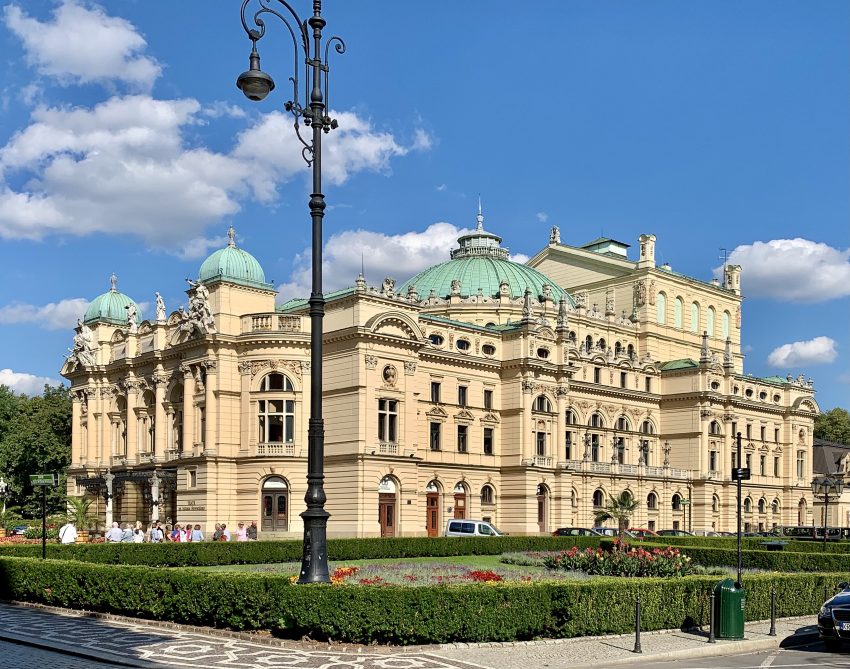
Juliusz Słowacki Theatre, Kraków, Poland
CC BY-SA 4.0 / Chris Olszewski
Juliusz Słowacki Theatre is a grand 19th-century playhouse on the edge of Kraków’s Old Town, opened in 1893 and named for the Romantic poet Juliusz Słowacki. Modeled on Parisian theatres, its Eclectic, Neo-Baroque exterior is packed with statues, cornices, and sculpted figures that reward a slow walk around the building. Inside, visitors remember the gilded plasterwork, velvet seats, tiered balconies, and chandelier-lit foyer that feel frozen in the belle époque. It has remained in continuous use through wars and political upheavals, and the acoustics and intimate balcony boxes still make performances feel close and theatrical.
Location: Juliusz Słowacki Theatre, plac Świętego Ducha, Kraków, Poland | Hours: Guided tour times vary; evening performances occur most days. | Price: Tours and performances are ticketed separately. | Website | Distance: 0.2km

We recommend to rent a car in Poland through Discover Cars, they compare prices and review multiple car rental agencies. Book your rental car here.

2. MNK – The Arsenal

krakow MNK Arsenal
krakow MNK Arsenal
MNK – The Arsenal is a compact branch of Kraków’s National Museum, housed in a historic arsenal building at the Old Town’s edge, where the setting feels inseparable from the subject. The permanent “Broń i Barwa” display focuses on arms and the visual culture around them, mixing practical weapons with ceremonial pieces chosen for craftsmanship, status, and fine detail. Move room to room and you’ll notice decorative finishes, inscriptions, and construction methods treated as part of the story rather than side notes. Visitors often remember how carefully the objects are lit and arranged, and how easy it is to take in a lot in about an hour. It’s tied to the city’s long tradition of collecting and preserving martial heritage.
Location: MNK Arsenal Pijarska 8 31-015 Kraków Poland | Hours: Tuesday – Sunday: 10:00–18:00. Closed on Monday. | Price: 18 zł standard; 14 zł reduced; 36 zł family; 1 zł youth (ages 7–26 with valid ID). | Website | Distance: 0.3km

Here is a complete selection of hotel options in Kraków. Feel free to review each one and choose the stay that best suits your needs.

3. Muzeum Książąt Czartoryskich

Interior of the Czartoryski Museum,
CC BY-SA 4.0 / Chris Olszewski
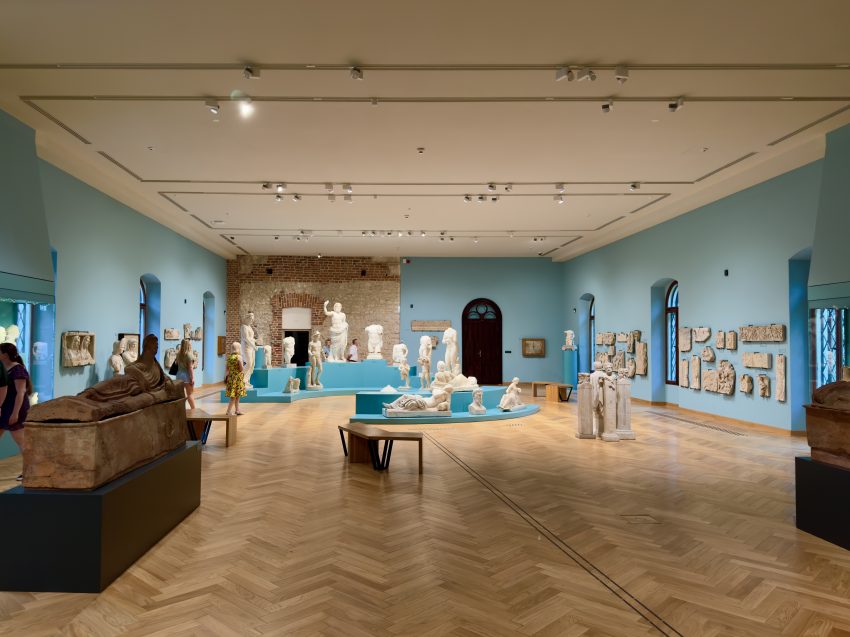
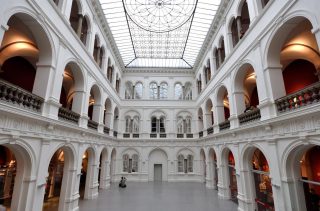
Founded in 1796 by Princess Izabela Czartoryska as a safeguard for Polish cultural treasures during the partitions, Muzeum Książąt Czartoryskich still feels like a carefully built cabinet of national memory. The galleries move from Renaissance painting to royal memorabilia, rare manuscripts, and a striking arms-and-armor section that many visitors remember as much as the canvases. Leonardo da Vinci’s “Lady with an Ermine” is the magnetic centerpiece, shown with the kind of close viewing that rewards patience and quiet. You’ll also encounter Rembrandt’s “Landscape with the Good Samaritan” and other European works set against thoughtfully chosen wall colors and finely made display cases. Reviews often mention the strong presentation and how manageable the crowds can feel, even on free-entry days.
Location: Muzeum Książąt Czartoryskich, Pijarska, Kraków, Poland | Hours: Monday: Closed Tuesday to Sunday: 10:00 – 18:00 | Price: 25 PLN | Website | Distance: 0.3km

Traveling to a country with a different currency? Avoid ATM transaction fees and pay in local currency with a Wise Card. Having used it for over 5 years, we've saved loads on fees!

4. The Barbican

Barbakan in Kraków
Barbakan in Kraków
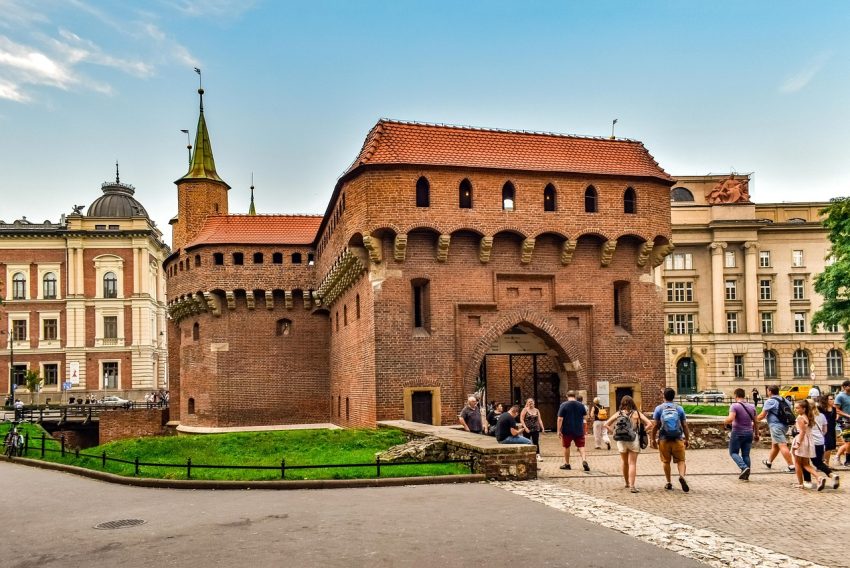
The Barbican is a late-15th-century brick fortress guarding the northern approach to the Old Town, positioned just outside St. Florian’s Gate. Its rare circular plan, three-metre-thick walls, seven turrets, and roughly 130 firing slits make it feel engineered for 360-degree defense, with minimal blind spots. Passing through the fortified entrance corridor, you emerge into an atmospheric inner courtyard where exhibitions and occasional performances animate the space. Climb the internal stairs to the upper levels to see the crenellations and firing positions up close, and circle the exterior for dramatic views of the moat-side brickwork. It’s a surviving fragment of the medieval defenses that once ringed the city.
Location: Barbakan w Krakowie, Basztowa, Kraków, Poland | Hours: Tuesday - Sunday: 10:00 and 18:00 | Price: 20 PLN | Website | Distance: 0.3km

Explore Kraków at your own pace with our self-guided walking tour! Follow our curated route to discover must-see sights and local secrets that makes Kraków one of the best places to visit in Poland.

5. St. Florian’s Gate Tower

St. Florian's Gate, Pijarska street, Old Town, Krakow, Poland
St. Florian’s Gate, Pijarska street, Old Town, Krakow, Poland
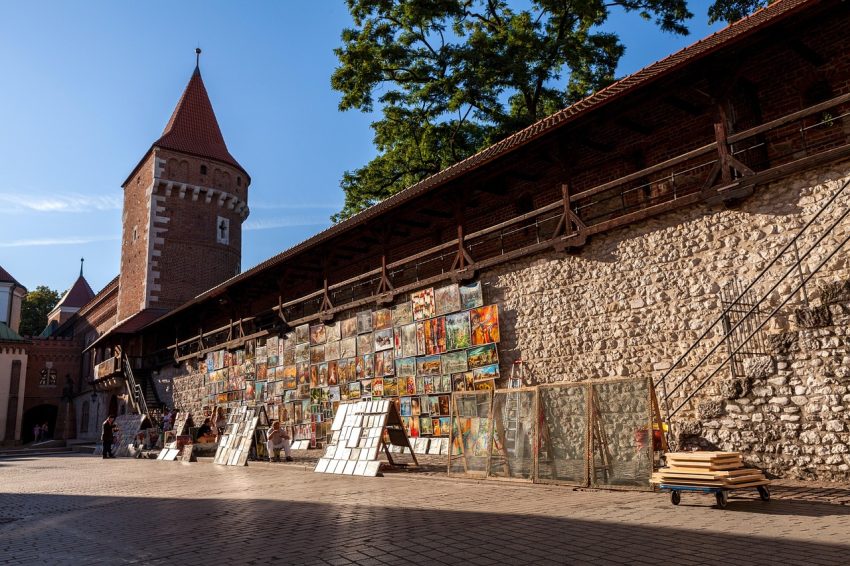
St. Florian’s Gate Tower is a 14th-century Gothic gateway that once guarded the northern entrance to the walled Old Town, first recorded in 1307 after the city strengthened its defenses following the 1241 Tatar invasion. The brick tower rises about 33.5 metres and is topped by a distinctive Baroque metal “helmet” added in 1660. On the south face, look for the 18th-century bas-relief of St. Florian; on the north, a stone eagle from 1882 based on a Jan Matejko design signals Polish pride. Passing beneath the arch, you’ll often find street artists’ paintings and musicians adding life to the medieval stonework.
Location: St. Florian's Gate, Kraków, Poland | Distance: 0.3km

Click here to read our blog about Renting a Car in Poland (2026)

6. Floriańska Street

Floriańska, Kraków, Poland
CC BY-SA 32.0 / Francisco Anzola
Floriańska Street is the Old Town’s medieval main artery, running straight from the 14th-century Florian Gate into the Main Market Square along the historic Royal Route. Laid out in the 13th century after the Mongol invasion, it became a prestigious address where burgher houses accumulated layers of Gothic, Renaissance, Baroque, and Neoclassical façades. What visitors remember is the long sightline from the gate toward St. Mary’s Basilica, a postcard view that frames the street’s bustle. Today it’s a dense stream of cafés, shops, flower stalls, and street musicians, with occasional quiet courtyards tucked behind the frontage. The mix of locals, tourists, and performers gives it a lived-in, constantly moving energy.
Location: Floriańska, Kraków, Poland | Distance: 0.3km

7. Muzeum Farmacji
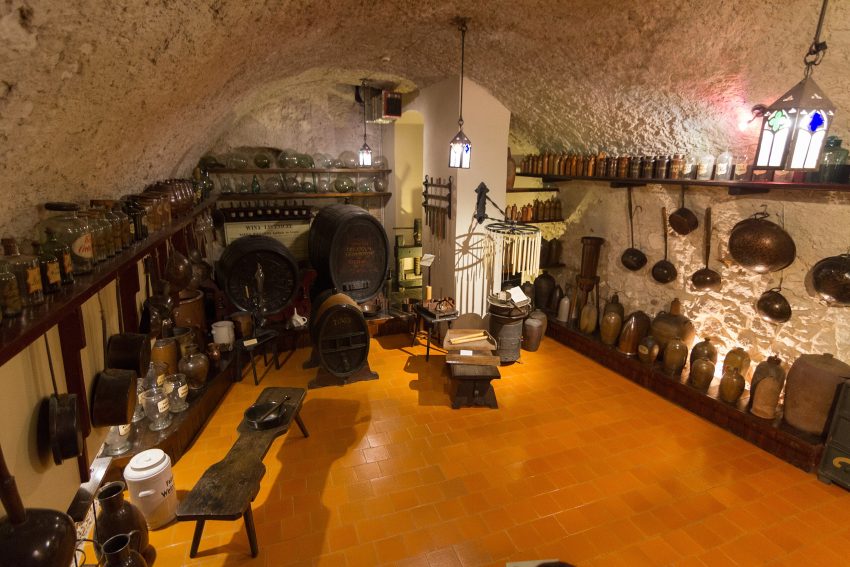
Pharmacy Museum in Kraków
CC BY-SA 4.0 / Maksym Kozlenko
Tucked inside a historic Old Town townhouse, Muzeum Farmacji (the Pharmacy Museum) is part of the Jagiellonian University’s Collegium Medicum and traces how remedies moved from medieval herb lore to modern pharmacology. The most memorable rooms are the reconstructed apothecaries: wooden counters, shelves packed with labeled jars, and period furnishings that make the work of a pharmacist feel immediate. Across several floors you’ll see ornate glass bottles, precision scales, mortars and pestles, and early lab equipment—objects that reveal both craft and science. Visitors often note how much there is to explore for a modest ticket, with clear room-by-room information and an atmosphere that feels like stepping into a working shop.
Location: Muzeum Farmacji Collegium Medicum Uniwersytetu Jagiellońskiego, Floriańska, Kraków, Poland | Hours: Monday to Friday: 10:00 – 16:00 Saturday: 10:00 – 14:00 Sunday: Closed | Price: 10 PLN | Website | Distance: 0.4km

8. Basilica of St. Mary
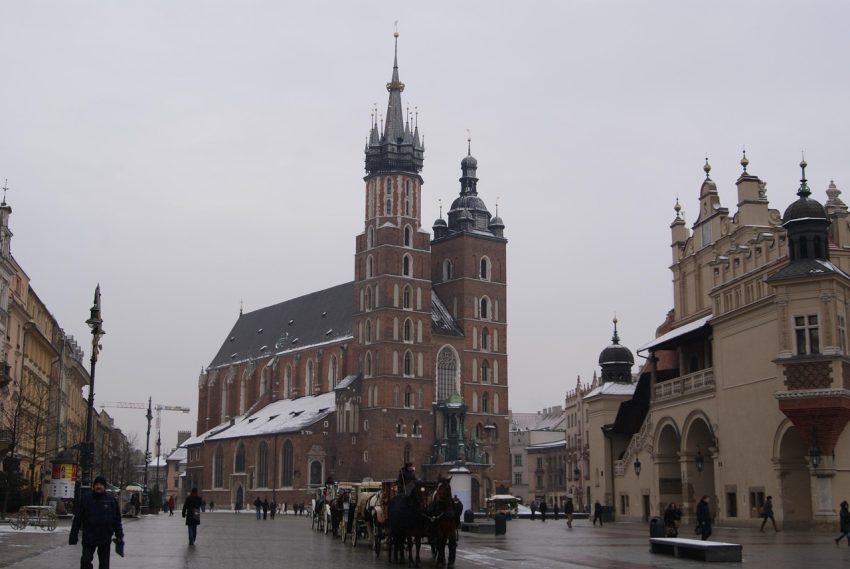
Basilica of St. Mary Krakow
St. Mary’s Basilica stands beside the Main Market Square, instantly recognizable by its mismatched twin towers—one a taller former watchtower capped with a gilded spire, the other rebuilt with Renaissance lines. Step inside for soaring ribbed vaults, jewel-like stained glass, and chapels layered with later Baroque additions. The main draw is Veit Stoss’s monumental Gothic altarpiece: more than 200 carved limewood figures painted and gilded into a dense, theatrical scene of the Virgin Mary’s life. Each hour, the Hejnał Mariacki trumpet call rings out from the taller tower, ending abruptly in memory of a medieval alarm sounded under attack.
Location: St. Mary's Basilica, plac Mariacki, Kraków, Poland | Hours: Monday to Saturday: 11:30 AM – 6:00 PM Sunday and public holidays: 2:00 PM – 6:00 PM | Price: PLN 18 | Website | Distance: 0.5km

9. Adam Mickiewicz Monument
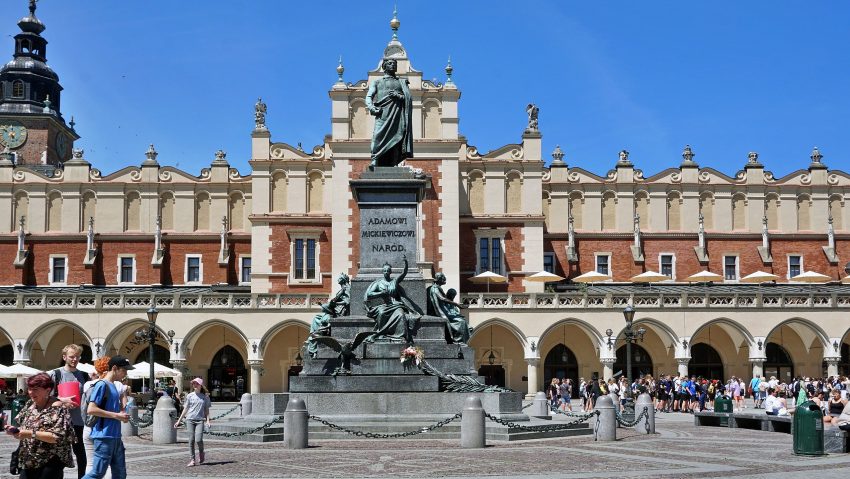
Adam Mickiewicz, Kraków, Poland
CC BY-SA 4.0 / Igor123121
Standing at the edge of the Main Market Square since 1898, this bronze-and-stone monument honors Adam Mickiewicz, the national poet whose work became a rallying point for Polish identity. Teodor Rygier’s composition places Mickiewicz above four allegorical figures—Homeland, Science, Poetry, and Courage—details many visitors linger over at the pedestal. Its story is part of what makes it memorable: occupying German forces dismantled it during World War II, and surviving fragments were later recovered from a Hamburg scrapyard. Re-erected here in 1955, it remains a natural meeting spot, with flowers often appearing at its base on Christmas Eve.
Location: Adam Mickiewicz Monument, Main Square, Kraków, Poland | Distance: 0.6km

10. Rynek Underground Museum

Podziemia Rynku w Krakowie Kramy Bogate
CC BY-SA 2.0 / Pudelek (Marcin Szala)
Rynek Underground Museum in Kraków is a high-tech archaeological museum beneath the Main Market Square, built around discoveries from excavations carried out between 2005 and 2010. Over roughly 4,000 square metres, you walk on glass platforms above preserved medieval stone roads, workshop traces, and water-management channels, seeing the city as layered foundations rather than street façades. Multimedia is part of the experience: fog effects, hologram-like figures, soundscapes, and interactive screens that let you examine finds as 3D models. Among the memorable objects is a 693-kilogram medieval lead “loaf,” alongside everyday coins, tools, jewellery, and even a few skeletons noted by visitors. The low lighting adds atmosphere but can feel dim in places.
Location: Rynek Underground Museum Rynek Główny 1 31-042 Kraków Poland | Hours: Monday: 10:00 – 19:00; Tuesday: 10:00 – 15:00; Wednesday – Thursday: 10:00 – 19:00; Friday – Saturday: 10:00 – 20:00 | Price: Adults: 40 PLN | Website | Distance: 0.6km
Powered by GetYourGuide

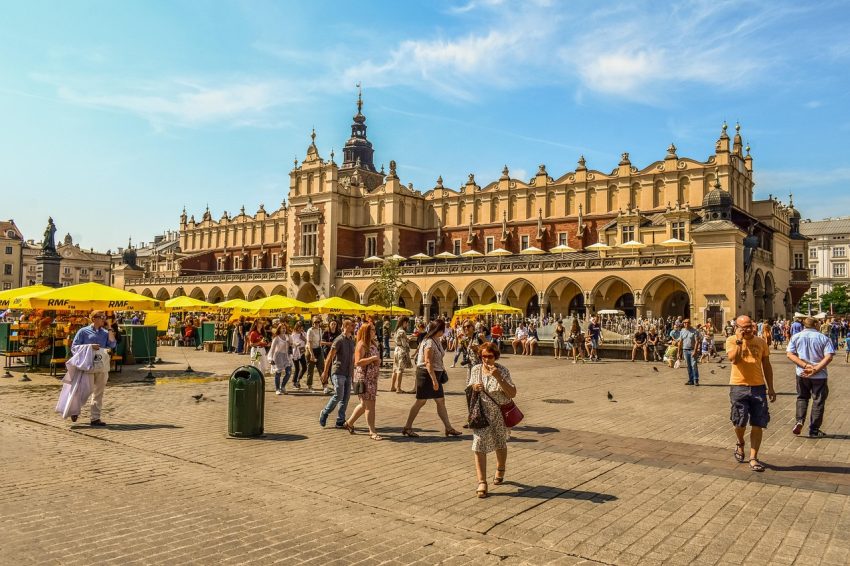
11. Cloth Hall (Sukiennice)

Sukiennice, Main Square, krakow
Rising in the center of Rynek Główny, the Cloth Hall (Sukiennice) is a long Renaissance arcade that has functioned as a marketplace since the 14th century, a tangible reminder of the trade that once powered the city’s prosperity. Rebuilt after a 16th-century fire, it’s defined by rhythmic arches and an ornate attic that make even a quick pass-through feel ceremonial. Inside, the narrow aisles are lined with stalls selling amber jewelry, carved wooden crafts, embroidered textiles, ceramics, and other folk pieces—crowded but fun to browse, as many travelers note. Upstairs, a small 19th-century Polish art gallery provides a quieter counterpoint to the bustle below.
Location: MNK Sukiennice, Main Square, Kraków, Poland | Distance: 0.6km

12. Basilica of the Holy Trinity
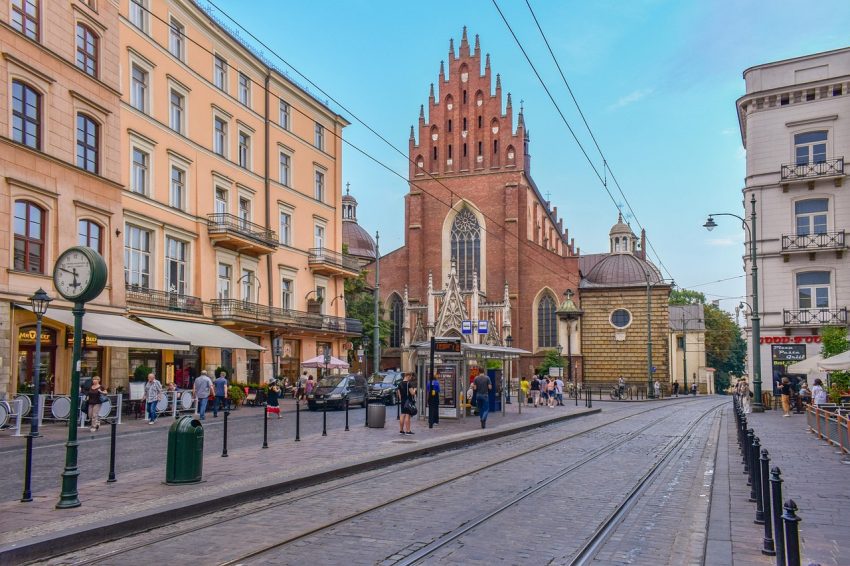
Basilica of the Holy Trinity Kraków
The Basilica of the Holy Trinity (the Dominican Church) is a vast 13th‑century Gothic basilica tied to the Dominican Order, set a few minutes’ walk from the Main Market Square on Stolarska Street. Step inside for the sensation of height: soaring ribbed vaults, long arcades, and a calm, spacious nave that many visitors describe as a quiet surprise. Its chapels layer later artistry onto medieval stonework, from Renaissance and Baroque decoration to the sculptural Myszkowski (St Dominic) Chapel, built in 1614 with bas‑reliefs of Gonzaga‑Myszkowski family members. Pilgrims gravitate to the shrine of Saint Jacek Odrowąż, whose relics rest here. Fire damage in 1850 left subtle shifts in brickwork and details.
Location: Holy Trinity Church, Stolarska, Kraków, Poland | Hours: Typically 7:00 until 20:00 or later. | Price: Free | Website | Distance: 0.7km

13. St Adalbert’s Church
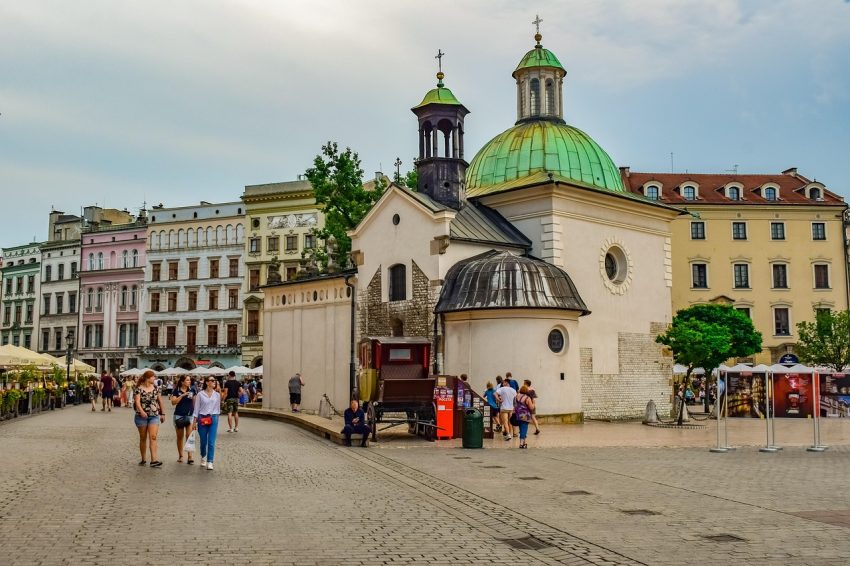
Church of St. Adalbert, Kraków
Set at an odd angle on the Main Market Square, St Adalbert’s Church is a tiny sanctuary whose origins reach back to the late 10th–early 11th century, making it among Poland’s oldest stone churches. The squat Romanesque fabric—thick stone walls and small windows—still peeks through later layers, while a 17th-century makeover added the Baroque dome and a surprisingly ornate, intimate interior of stucco and side chapels. Beneath the floor, an archaeological crypt museum reveals earlier ground levels and excavated traces of medieval market life. Many visitors pause for a quiet moment inside, struck by how this chapel-sized building has endured amid the square’s constant bustle.
Location: Church of St. Adalbert, Main Square, Kraków, Poland | Hours: Monday–Saturday: 10:00 AM – 4:00 PM Sunday: 1:00 PM – 4:00 PM | Price: Free | Distance: 0.7km

14. Kraków's Main Market Square (Rynek Główny)
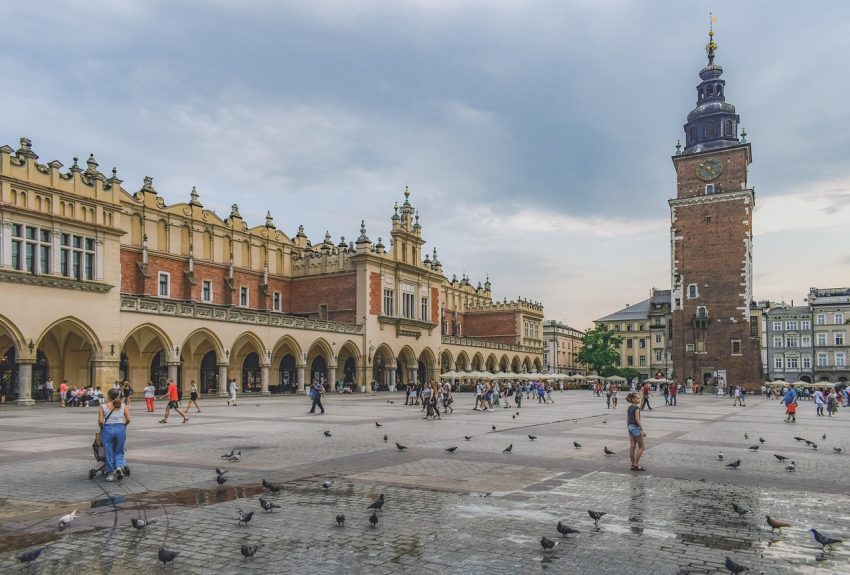
Kraków's Main Market Square
Kraków’s Main Market Square
Rynek Główny is a vast medieval market square—about 40,000 square metres—that has anchored daily life since it was laid out in 1257 after the Mongol destruction. Ringed by brightly painted townhouses and grand façades, it feels like an open-air stage where café tables, flower stalls, and street musicians keep the space in constant motion. The Renaissance Cloth Hall still functions as a market for crafts and amber, with a small art museum upstairs for a quieter counterpoint. Gothic St. Mary’s Basilica rises at one corner, and the hourly hejnał trumpet call drifts over the paving stones. After dark, lantern light and carriage wheels give the square a cinematic glow.
Location: Rynek Główny, Main Square, Kraków, Poland | Distance: 0.7km

15. Rynek Główny
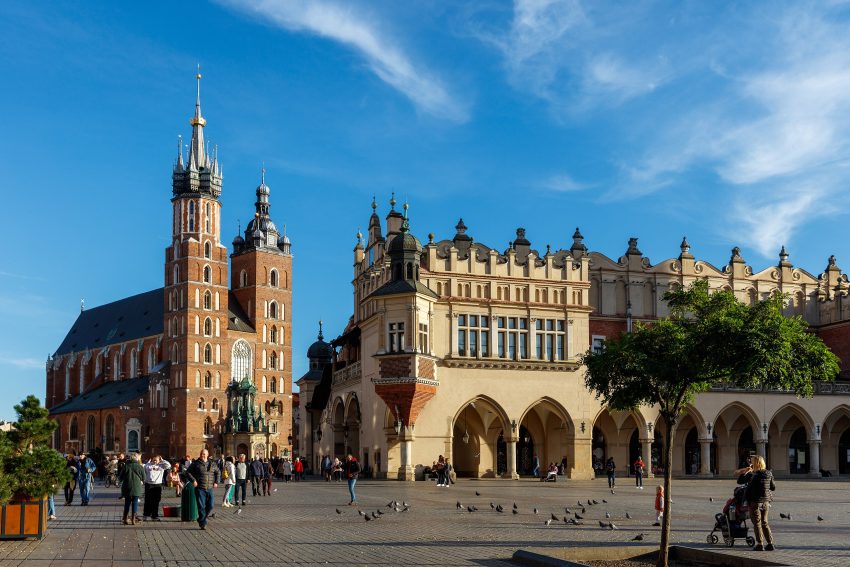
Rynek Główny
Rynek Główny
CC BY-SA 2.0 / Marmontel
A vast medieval market square laid out in 1257, Rynek Główny still feels like the city’s outdoor living room, with cafés, buskers, flower stalls, and the clip-clop of horse-drawn carriages across nearly 40,000 square metres. At its centre stands the Renaissance Sukiennice (Cloth Hall), rebuilt after a 1555 fire, where the arcade is packed with crafts and amber jewellery and the upper floor holds 19th-century Polish art. The lone Town Hall Tower hints at the vanished municipal complex and rewards climbers with rooftop views. St. Mary’s Basilica anchors one edge, and the hourly hejnał trumpet call cuts through the crowd like a ritual. Near the corner, the tiny Church of St. Adalbert predates the square itself.
Location: Rynek Główny, Main Square, Kraków, Poland | Distance: 0.7km

16. Town Hall Tower
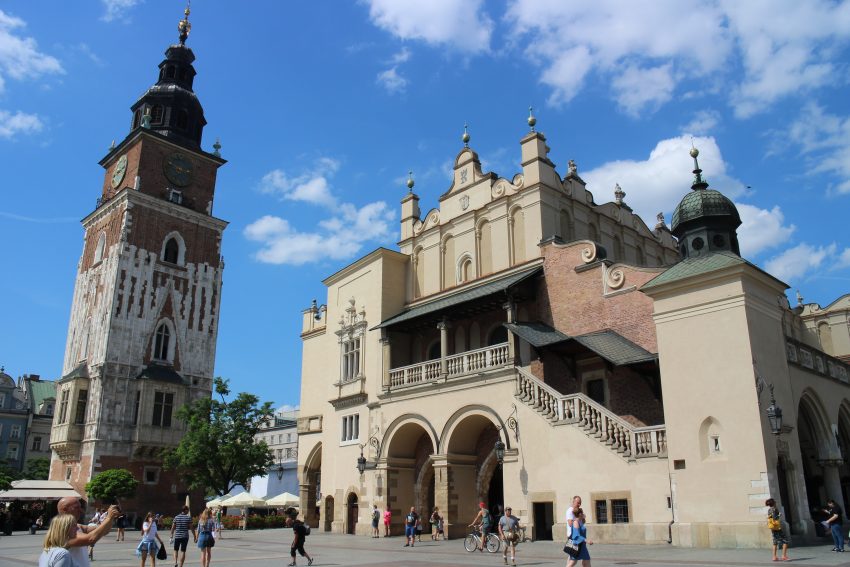
Town Hall Tower in Kraków
CC BY-SA 4.0 / Suicasmo
Town Hall Tower is the lone remnant of the medieval town hall complex, rising over 70 metres on the western edge of Rynek Główny. Its dark stone shaft carries crisp Gothic details, topped by a later Baroque roof added after a 1703 storm replaced the original crown. Inside, a tight, steep staircase winds through thick walls past iron-barred openings and traces of the former prison spaces, making the climb feel like moving through a working civic fortress. At the top, the view frames the Market Square’s geometry—St. Mary’s twin spires, the Cloth Hall arcades, and even Wawel in the distance. Two carved stone lions at the base make a memorable meeting point.
Location: Town Hall Tower, Main Square, Kraków, Poland | Hours: March to October: Tuesday–Sunday 10:30 AM–6:00 PM; Monday 10:30 AM–2:00 PM (closed Mondays in summer beyond 2 PM) November to December: Tuesday–Sunday 11:00 AM–5:00 PM; Monday 11:00 AM–2:00 PM | Price: 20 PLN | Distance: 0.7km

17. Planty Park

Planty Park, autumn, Old Town, Krakow, Poland
CC BY-SA 2.0 / Zygmunt Put Zetpe0202
Planty Park is a 4 km ring of gardens and tree-lined paths that traces the footprint of the medieval walls, wrapping the Old Town in a quiet green buffer. Created in the early 19th century after the fortifications were dismantled, it still reveals fragments of that past—most dramatically near the Barbican and surviving wall sections rising from the foliage. What visitors remember is the atmosphere: shaded benches, ornate lampposts, flowerbeds, and a scatter of monuments, busts, and plaques tucked under mature trees. It’s as practical as it is calming, doubling as a leafy corridor for getting around on foot. On warm days it feels like an oasis, with locals reading and travelers lingering in the shade.
Location: Planty Park, Kraków, Poland | Distance: 0.8km

18. Basilica of St. Francis
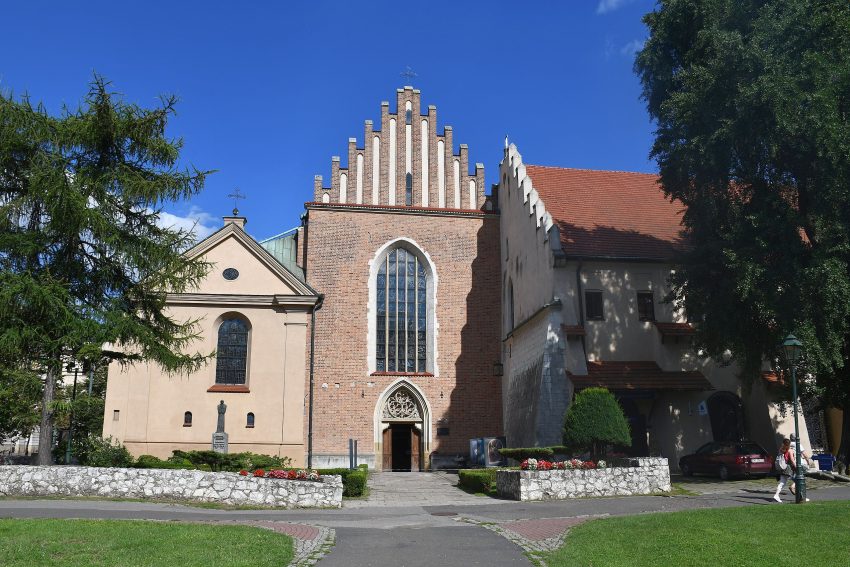
Basilica of St. Francis of Assisi
CC BY-SA 4.0 / BugWarp
The Basilica of St. Francis of Assisi is a medieval Franciscan church founded in the 13th century, and its brick Gothic structure still lifts the eye with pointed arches and ribbed vaulting. Step inside and the mood shifts from busy streets to a hushed nave lined with side chapels, carved altars, and painted decoration. What visitors remember most is the stained glass—vivid, color-saturated windows that throw moving patterns of light across the interior, giving the space a dreamlike glow. Layers of rebuilding after fires added later Renaissance and Baroque touches, yet the basilica keeps a distinctly old, contemplative character. Many travelers call it a favorite among the city’s churches for its art and calm.
Location: Basilica of St. Francis of Assisi, plac Wszystkich Świętych, Kraków, Poland | Distance: 0.9km

19. Collegium Maius
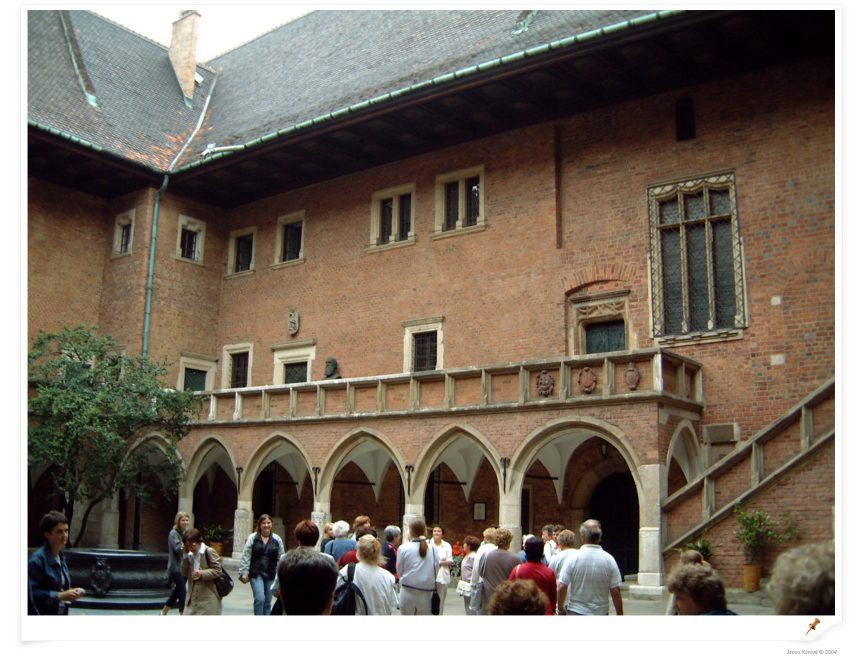
Collegium Maius
Collegium Maius
CC BY-SA 2.0 / Krakow 161
Collegium Maius is the medieval core of the Jagiellonian University, founded in 1364, where Poland’s academic life took shape behind Gothic brick walls later refined with Renaissance touches. The arcaded courtyard is the scene-stealer: pointed arches, wooden galleries, and a hush that feels worlds away from the nearby Main Market Square. Don’t miss the courtyard clock, whose small wooden figures stage a professors’ procession several times a day. Inside, the University Museum displays rare manuscripts, ceremonial maces, and early scientific instruments, including material linked to Nicolaus Copernicus, who studied here in the late 15th century. Visitors often remember the intimate, scholarly atmosphere more than the scale.
Location: Collegium Maius, Jagiellońska, Kraków, Poland | Hours: Monday: 10:00–16:00 (last admission at 16:30) Tuesday–Friday: 13:30–17:00 (last admission at 16:30) Saturday: 10:00–15:00 (last admission at 14:30) | Price: 17 PLN | Website | Distance: 0.9km

20. Wawel Cathedral
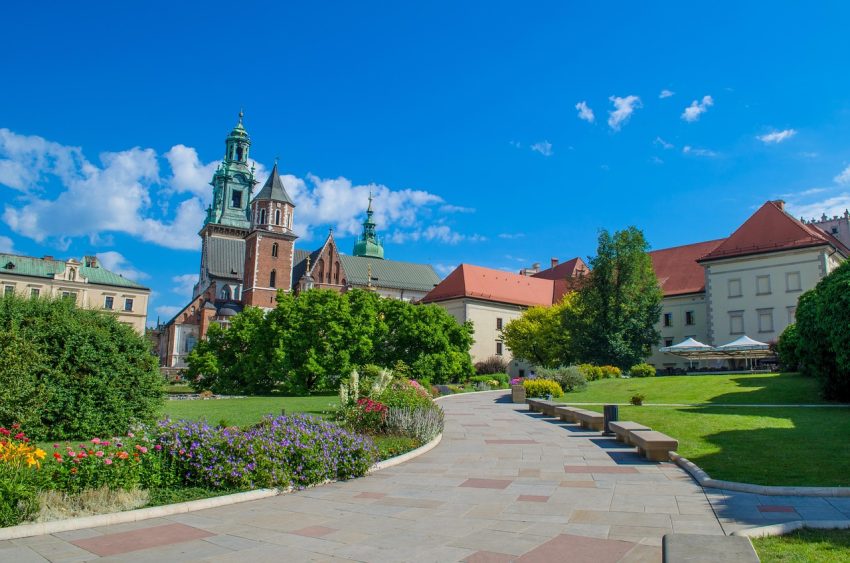
Wawel Cathedral
Wawel Cathedral
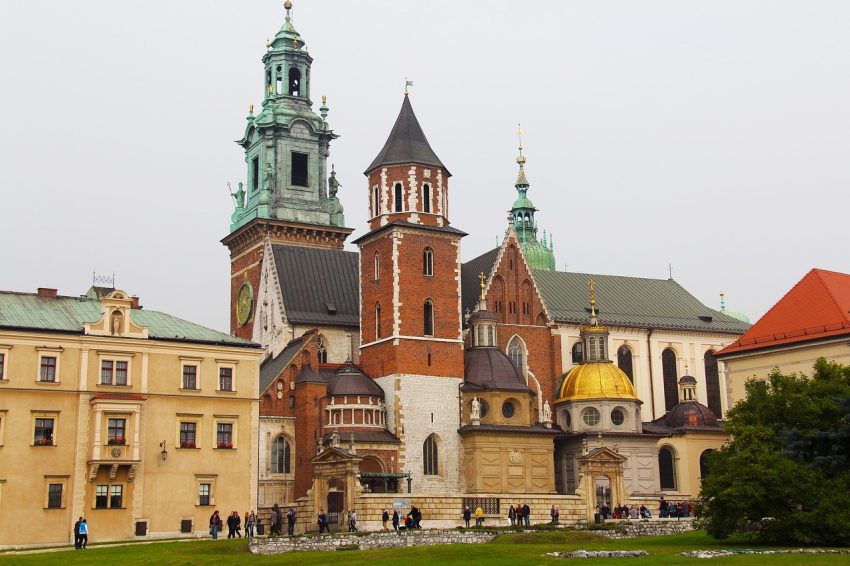
Wawel Cathedral crowns Wawel Hill above the Vistula, serving for centuries as Poland’s coronation church and a national mausoleum. The present building is Gothic, completed in the 14th century after earlier churches on the site were destroyed, and later enriched with Renaissance and Baroque additions. Inside, visitors linger over the carved choir stalls attributed to Veit Stoss, glowing chapels, and the Royal Crypts where monarchs and figures such as Tadeusz Kościuszko and Józef Piłsudski are buried. Climbing the tower brings you face to face with the enormous Sigismund Bell, whose deep tone travellers often single out as unforgettable. Photography restrictions add to the hushed, reverent atmosphere.
Location: Wawel Cathedral, Wawel, Kraków, Poland | Hours: Monday to Saturday: 9:00 AM – 4:00 PM Sunday: 12:30 PM – 4:00 PM | Price: 25 PLN | Website | Distance: 1.3km
Powered by GetYourGuide

21. Wawel Castle

Wawel Royal Castle
Wawel Royal Castle
Wawel Castle crowns Wawel Hill above the Vistula River, long a seat of Polish kings and a powerful symbol of sovereignty. Visitors move between a serene arcaded Renaissance courtyard—shaped by Italian architects—and interiors filled with royal collections, including Sigismund II Augustus’s tapestries, armour, and decorative arts such as Ottoman tents and Meissen porcelain. Climbing the Sandomierska Tower rewards you with wide views over the river and rooftops, while the Dragon’s Den leads into a limestone cave tied to the city’s best-loved legend. With multiple ticketed routes and museum sections, it can feel like a small city of chambers, towers, and stories.
Location: Wawel Royal Castle, Wawel, Kraków, Poland | Hours: Tuesday to Sunday (exhibitions): 9:00 AM to 5:00 PM, Mondays: 10:00 AM to 4:00 PM Castle grounds: 6:00 AM until dusk | Price: Castle I: 49 PLN | Website | Distance: 1.4km

22. Oskar Schindler’s Factory Museum

Housed in Oskar Schindler’s former enamelware and munitions plant in Podgórze, this museum uses immersive staging to show daily life under Nazi occupation and the choices that shaped survival. Galleries move from 1939 to 1945 through reconstructed streets, cramped rooms, and administrative offices, backed by photographs, documents, and recorded testimonies. The narrative places Schindler—an industrialist who used bribery, paperwork, and influence to protect more than 1,000 Jewish workers—within the wider story of the ghetto, forced labour, and propaganda. Visitors often remember the preserved office setting and the “survivor wall” of enamel nameplates, where the scale of individual lives becomes tangible.
Location: Oskar Schindler's Enamel Factory, Lipowa, Kraków, Poland | Hours: Tuesday–Sunday: 9 am – 8 pm (last entry 6 pm) Monday: 10 am – 4 pm (last entry 2 pm) Closed: first Tuesday of each month and major public holidays | Price: 32 PLN | Website | Distance: 2.3km

23. Kosciuszko's Mound
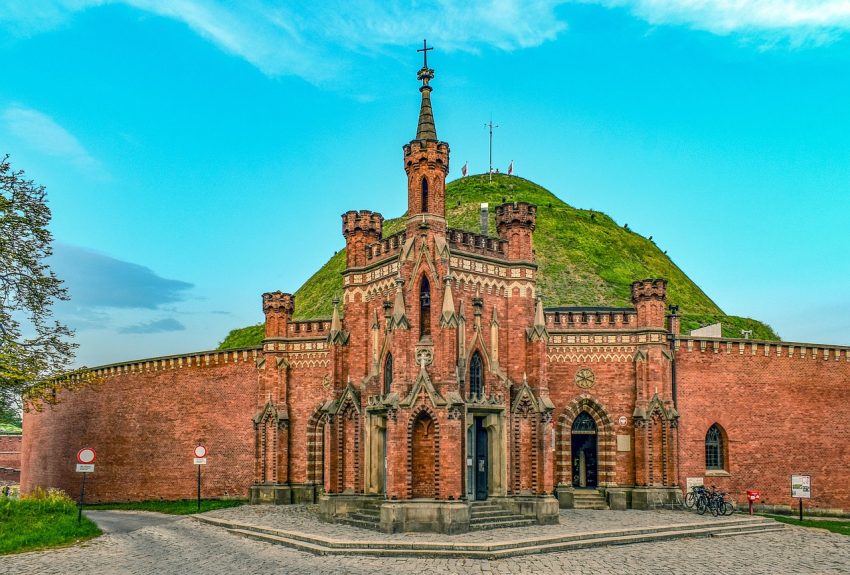
kosciuszkos mound
kosciuszkos mound
Kościuszko’s Mound is a 19th-century earthen monument raised by local volunteers (1820–1823) to honor Tadeusz Kościuszko, turning collective labor into a lasting symbol of national resilience. A spiral path climbs the 34-meter mound, with the view widening step by step until the summit opens to sweeping panoramas over rooftops, the Vistula valley, and—on clear days—the distant Tatra Mountains. Inside, soil from battlefields where Kościuszko fought was placed as a symbolic memorial. At the base, the Austrian-built Kościuszko Fortress still encircles the site and houses small exhibitions, while quiet wooded paths and a café make the approach feel like a calm escape.
Location: Kościuszko Mound, al. Waszyngtona, Kraków, Poland | Hours: Daily from 9:00 AM to 7:00 PM | Price: 28 PLN | Distance: 3.9km

Best Day Trips from Kraków

A day trip from Kraków offers the perfect opportunity to escape the urban rhythm and discover the surrounding region's charm. Whether you're drawn to scenic countryside, historic villages, or cultural landmarks, the area around Kraków provides a variety of easy-to-reach destinations ideal for a one-day itinerary. If you are looking to rent a car in Poland I recommend having a look at Discover Cars, first, as they compare prices and review multiple car rental agencies for you.

1. Wieliczka Salt Mine

wieliczka salt mine
wieliczka salt mine
The Wieliczka Salt Mine is one of the top attractions in Kraków, offering visitors an extraordinary journey into a subterranean landscape carved entirely out of rock salt. Operating from the 13th century until 1996, it is one of the world’s oldest salt mines and a symbol of Poland’s ingenuity and resilience. Today, travellers descend up to 135 meters underground to…
Location: Wieliczka Salt Mine, Daniłowicza, Wieliczka, Poland | Hours: Tourist Route: April 1 – October 31: daily 07:30 – 19:30 November 1 – March 31: daily 08:00 – 17:00 Closed on: January 1, Easter Sunday, November 1, December 24–25; Dec 31 early closure: 08:00–16:00 Miner’s Route: open 09:00 – 18:00 (Apr–Oct), or 09:00–17:00 (Nov–Mar) | Price: Low season: ~128–139 PLN; High season (Apr–Oct): ~146 PLN | Website | Skip the Line Tickets | Distance: 12km
Visiting Wieliczka Salt Mine
Powered by GetYourGuide

2. Ojców Castle

Ojcow castle
Ojcow castle
CC BY-SA 2.0 / Jakub Hałun
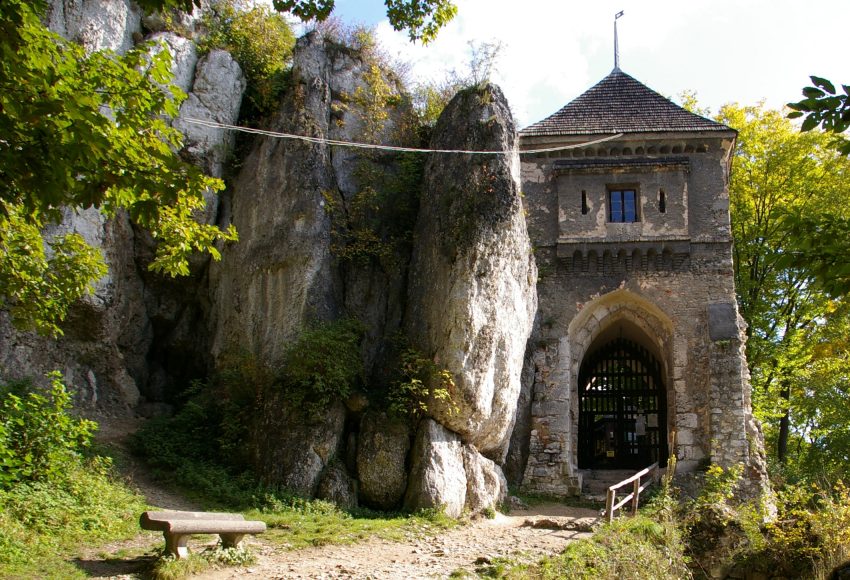
Ojców Castle is one of the top attractions in Ojców, perched dramatically on a limestone cliff above the Prądnik Valley and offering visitors a perfect mix of medieval history and breathtaking nature. Built in the 14th century by King Casimir III the Great as part of the famed Eagles’ Nests defensive network, the fortress was designed to protect the routes…
Location: Zamek w Ojcowie, Ojców, Poland | Hours: April to October 9:00 - 4:00 Winter open weekends only | Price: 22 PLN | Distance: 18.3km
Visiting Ojców Castle

3. Ogrodzieniec Castle
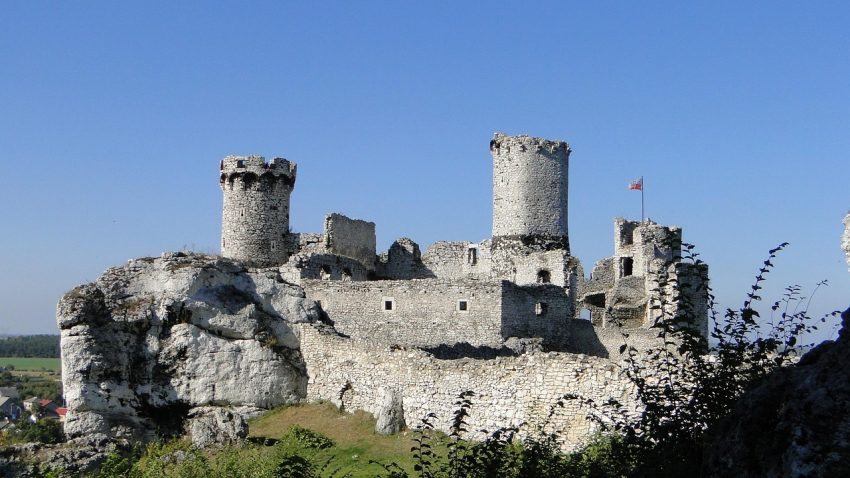
Ogrodzieniec Castle
Ogrodzieniec Castle
Ogrodzieniec Castle is one of the must-see places in Podzamcze and among the most atmospheric fortresses in the entire Polish Jura. Perched atop Castle Mountain and rising from limestone cliffs, it forms a breathtaking silhouette against the rolling landscape of the Kraków-Częstochowa Upland. Often visited on tours of Podzamcze and the Eagles’ Nests Trail, the castle dazzles with its massive…
Location: Zamek Ogrodzieniec, Zamkowa, Podzamcze, Poland | Hours: Spring to Autumn: 9:00–18:00 Winter: Closed | Price: 29 zł | Distance: 51.4km
Visiting Ogrodzieniec Castle

4. Auschwitz-Birkenau
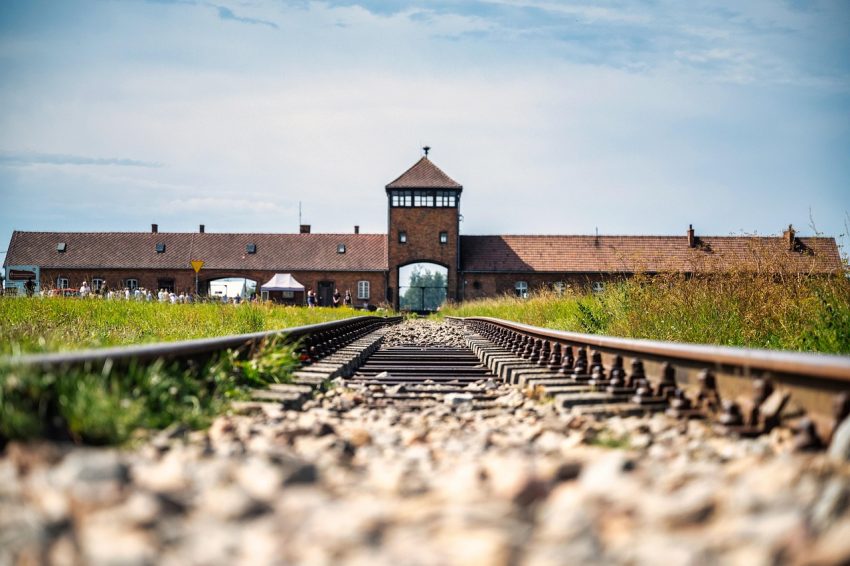
AUSCHWITZ BIRKENAU
AUSCHWITZ BIRKENAU
Auschwitz-Birkenau is one of the most significant and sobering places to visit in Oświęcim, a site that confronts visitors with the stark reality of the Holocaust. Established by Nazi Germany in 1940 and expanded into a vast extermination complex, Auschwitz became the principal site of the genocide where over 1.1 million people—mostly Jews—were murdered. A visit here is a time…
Location: Auschwitz-Birkenau, Ofiar Faszyzmu, Brzezinka, Poland | Hours: December – entry from 07:30, final admission 14:00–14:30 January, November – entry until 15:00 February – entry until 16:00 March, October – entry until 17:00 April, May, September – entry until 18:00 June, July, August – entry until 19:00, | Price: Free (you must get pass from website) | Website | Distance: 55.1km
Visiting Auschwitz-Birkenau
Powered by GetYourGuide

5. Bielsko-Biała

bielsko biala
bielsko biala
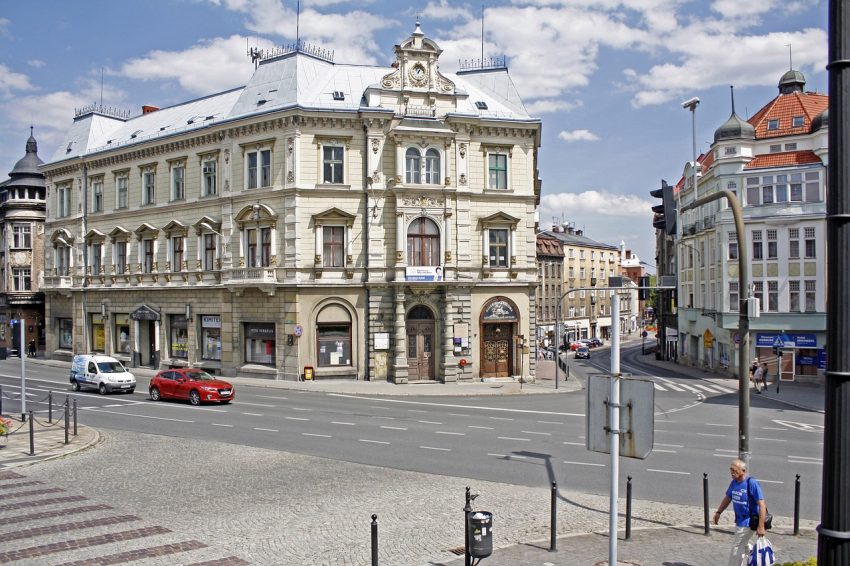
Visiting Bielsko-Biała, located in the foothills of the Silesian Beskids in southern Poland, offers a charming mix of natural beauty and urban culture. The city, known for its stunning mountain backdrop, provides visitors with plenty of opportunities for outdoor adventures, whether it’s hiking, cycling, or simply enjoying the breathtaking landscapes. The nearby mountain range, part of the Carpathian Mountains, is…
Visiting Bielsko-Biała

6. Katowice

katowice
katowice
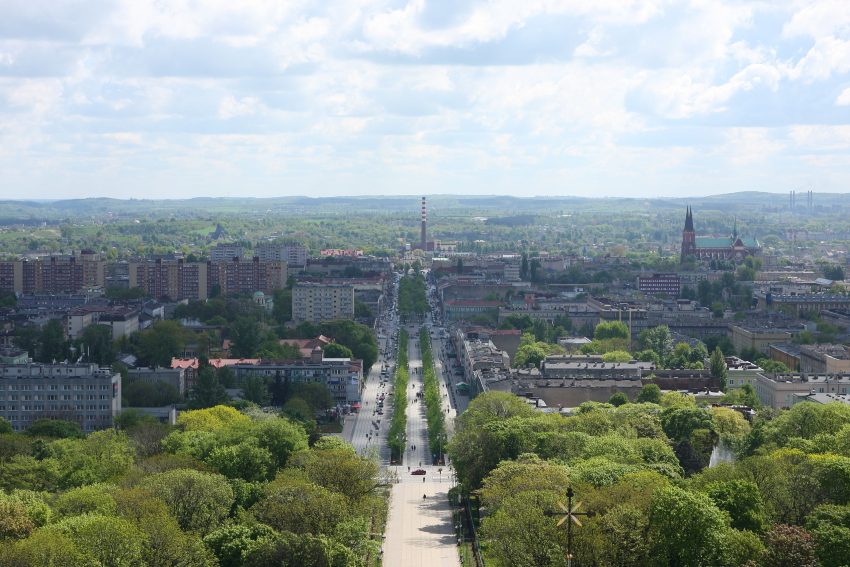
Visiting Katowice offers a dynamic blend of modern urban life and cultural attractions in the heart of the Silesian region. Known for its impressive architectural landmarks and vibrant arts scene, the city is a hub for music, theater, and contemporary exhibitions. Visitors can explore numerous galleries and concert halls that showcase both local talent and international acts, making it a…
Visiting Katowice
Powered by GetYourGuide

7. Chochołów Thermal Hot Springs

Chochołów Thermal Hot Springs
© getyourguide
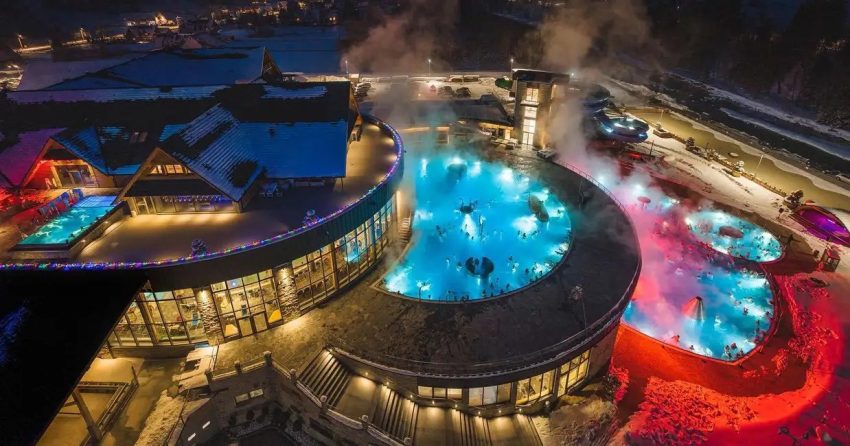
Chochołowskie Termy combines natural thermal waters with modern design to create one of the top attractions in Chochołów and the wider Tatra region. Drawing from mineral-rich springs nearly 3,600 meters underground, the baths offer soothing waters filled with sulfur, magnesium, and calcium — elements long praised for their therapeutic effects on joints, skin, and respiratory health. Surrounded by mountain scenery,…
| Website | Distance: 79.7km
Visiting Chochołów Thermal Hot Springs
Powered by GetYourGuide

8. Zakopane

zakopane
zakopane
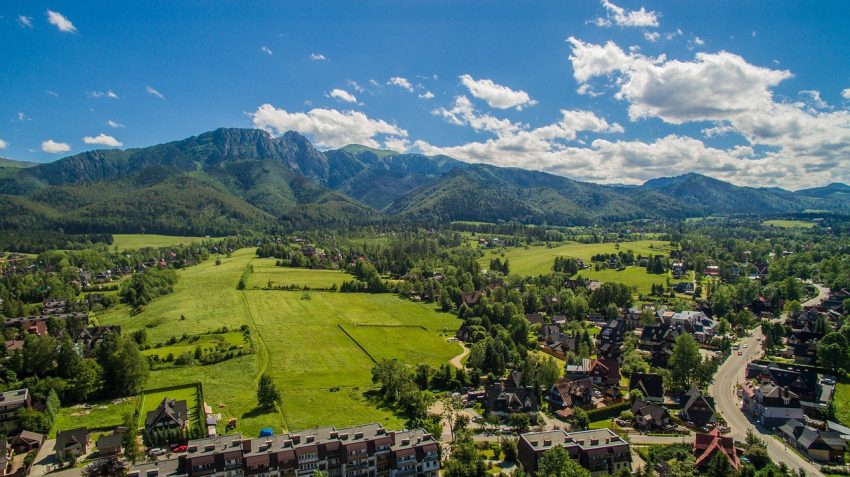
Zakopane, located in the southern region of Poland in the Tatra Mountains, is renowned as the country’s winter sports capital and a gateway to stunning alpine landscapes. The town is a hub for skiing, snowboarding, and other winter activities, attracting visitors from across Poland and Europe. Beyond winter sports, Zakopane offers scenic trails for hiking, mountain biking, and horseback riding…
Visiting Zakopane
Powered by GetYourGuide

9. Gliwice

gliwice
gliwice
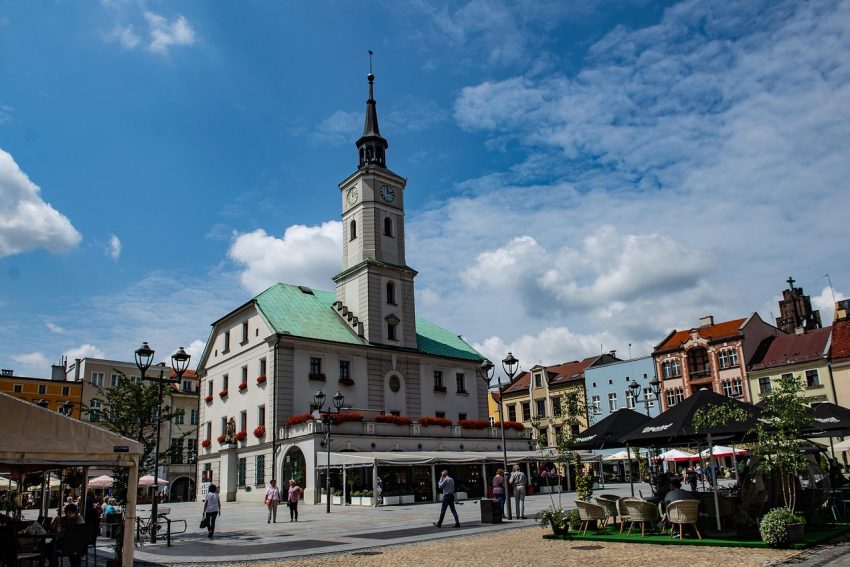
Visiting Gliwice offers a unique experience, especially for those looking to explore the charming blend of modernity and tradition. Located in the Silesian Voivodeship, in southern Poland, Gliwice is part of the larger Upper Silesian metropolitan area. The city is often seen as a more relaxed alternative to the hustle and bustle of nearby cities like Katowice, while still offering…
Visiting Gliwice

10. Częstochowa

Częstochowa
Częstochowa
CC BY-SA 3.0 / Jceel
Visiting Częstochowa, located in the southern part of Poland, offers a blend of spiritual significance and serene beauty. Nestled in the Silesian Voivodeship, this charming city is known for its peaceful atmosphere, making it an ideal destination for those seeking a moment of reflection. The landscape around Częstochowa is a mix of rolling hills and lush greenery, which creates a…
Visiting Częstochowa
Powered by GetYourGuide

11. Piotrków Trybunalski

Market Square in Piotrkow
CC BY-SA 2.0 / Witia
Visiting Piotrków Trybunalski offers a delightful experience in the heart of Central Poland, where traditional Polish architecture and a relaxed urban atmosphere meet. The town’s compact historic center is ideal for walking, with cobbled streets, charming tenement houses, and old churches providing a picturesque backdrop. The main square is a great place to start exploring, offering a blend of local…
Visiting Piotrków Trybunalski

Where to Stay in Kraków

When staying in Kraków, the Old Town is one of the most popular areas due to its proximity to major attractions like the Main Market Square and Wawel Castle. Here, you’ll find elegant hotels such as Hotel Wentzl, which offers historic charm with stunning views over the square. Another great option in this area is Hotel Unicus Palace, known for its luxurious rooms and modern amenities within a beautifully restored building.

For those seeking a more bohemian vibe, the Kazimierz district is ideal, blending history with a lively nightlife scene. Aparthotel Rubinstein provides stylish, apartment-style accommodation perfect for longer stays. Another choice in Kazimierz is Hotel Rubinstein, which offers a boutique experience in a quieter part of the district while still being close to cafes and cultural sites.

Near the train station, in the Dębniki district, you’ll find convenient access to transport and quieter streets. IBB Hotel Długi Targ is a comfortable option here with modern facilities and easy links to the city center. For travelers wanting a blend of comfort and business amenities, Metropolitan Boutique Hotel provides a welcoming atmosphere with excellent transport connections.

Finally, for a more tranquil stay near the green spaces of Kraków, the Zwierzyniec area offers peaceful surroundings while still being only a short tram ride from the city center. The charming Hotel Stary stands out with its combination of historic architecture and contemporary luxury, making it a favorite for visitors seeking comfort close to nature and culture.

Using the our Hotel and Accomodation map, you can compare hotels and short-term rental accommodations in Kraków. Simply insert your travel dates and group size, and you’ll see the best deals for your stay.

Kraków Accommodation Map

Best Time to Visit Kraków

Visiting Kraków in Winter

Winter in Kraków (December to February) offers a magical, festive atmosphere with temperatures ranging from -6°C to 2°C. The city transforms with snow-dusted rooftops, cozy cafes, and one of Poland’s best Christmas markets in the Main Square. In January, Kraków hosts New Year celebrations with outdoor concerts and fireworks, while nearby ski destinations like Zakopane attract winter sports enthusiasts. It’s a quieter time for sightseeing, ideal for those who enjoy a more peaceful, atmospheric city experience.

Visiting Kraków in Spring

Spring (March to May) in Kraków brings milder weather, blooming parks, and the reawakening of cultural life. Temperatures rise steadily from around 5°C in March to 18°C by May. The city becomes more colorful, especially in Planty Park and along the Vistula boulevards. Festivals such as Emaus and Rękawka take place in April, blending folk traditions and local legend. Spring is great for exploring the city on foot before the busy summer months arrive.

Visiting Kraków in Summer (Best)

Summer (June to August) is the best time to visit Kraków, with warm temperatures ranging between 20°C and 28°C and the city buzzing with festivals and outdoor life. Major events like the Wianki Festival, the Jewish Culture Festival, and Kraków Live Festival draw international crowds and fill the streets with music, art, and performance. Cafes spill out onto the squares, and the long days are perfect for sightseeing or day trips to places like Wieliczka Salt Mine or Ojcowski National Park.

Visiting Kraków in Autumn

Autumn (September to November) brings crisp air, vibrant foliage, and a calmer pace to Kraków. Early autumn remains mild, with temperatures from 18°C in September dropping to 5°C by November. It’s a great time for cultural events, including literary festivals and classical music concerts. The historic streets take on a golden hue, and it’s an ideal season for photography, museum visits, and enjoying the city without the crowds of summer.

Annual Weather Overview

  • January 3°C
  • February 7°C
  • March 10°C
  • April 18°C
  • May 20°C
  • June 25°C
  • July 25°C
  • August 27°C
  • September 22°C
  • October 15°C
  • November 9°C
  • December 5°C

How to get to Kraków

Getting to Kraków by Air

Nearest airports: The main airport serving Kraków is John Paul II Kraków-Balice International Airport (KRK). It's located around 11 km from the city center and is Poland's second-busiest airport. The airport handles frequent flights from major European cities including London, Paris, Rome, Amsterdam, and Frankfurt, as well as domestic routes from Warsaw and Gdańsk.

The airport is well connected to the city by train, taking about 20 minutes to reach Kraków Główny (main station). Alternatively, city buses and taxis are available directly outside the terminal.

Getting to Kraków by Train

Kraków is a key stop on Poland's national rail network and sits on several major east-west and north-south lines. Kraków Główny is the city's central station and one of the most modern in the country. It offers frequent direct trains to Warsaw (about 2.5–3 hours), Wrocław, Katowice, Gdańsk, Poznań, and Rzeszów.

High-speed and InterCity services run daily, and international routes connect Kraków with cities such as Vienna, Prague, and Budapest. The station is located next to the main bus terminal and is integrated with tram and bus networks. [trains]

Getting to Kraków by Car

Kraków is accessible via the A4 motorway, which links the city to Katowice, Wrocław, and the German border to the west, and Rzeszów to the east. From Warsaw, drivers can take the S7 expressway, with ongoing upgrades shortening the journey. Traffic in and around the city can be busy, especially during peak hours and holiday periods.

Driving allows access to nearby destinations such as Wieliczka Salt Mine, Ojcowski National Park, and the Tatra Mountains. However, parking in the city center is limited and mostly paid, so accommodations with on-site parking are recommended. If you are looking to rent a car in Poland I recommend having a look at Discover Cars, first, as they compare prices and review multiple car rental agencies for you.

Travelling around Kraków

Getting around Kraków is easy thanks to its well-developed public transport system. The city operates an extensive network of trams and buses, covering all major districts and tourist areas. Tickets are inexpensive and can be purchased at machines, kiosks, or via mobile apps.

Taxis and ride-hailing services like Bolt and Uber are widely available. For short distances within the Old Town or Kazimierz, walking is convenient and enjoyable. Bikes and electric scooters are also popular, especially in warmer months.
More from this area