Gdańsk, Poland: The Ultimate Travel Guide 2026
Gdansk
Gdansk

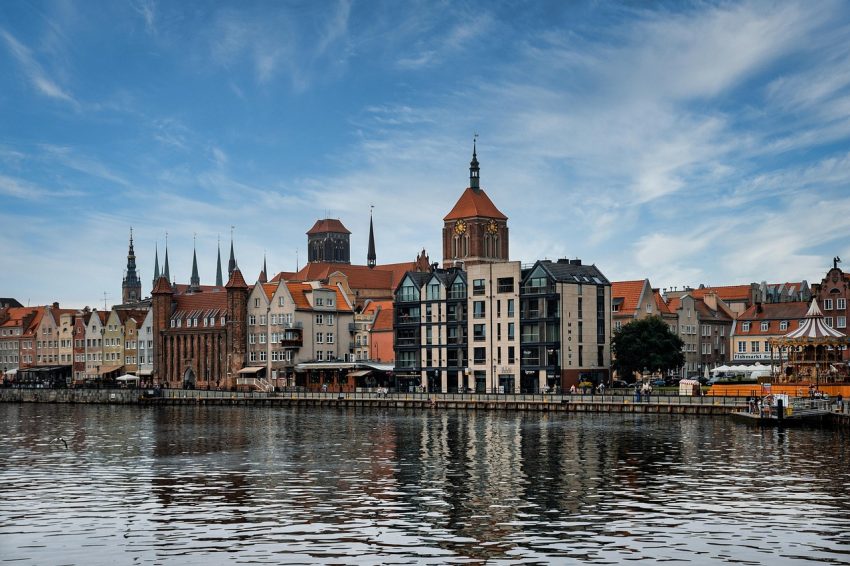
Visiting Gdańsk offers a vibrant mix of history, culture, and modernity. Situated in the Pomeranian region along the Baltic Sea, this charming city is known for its stunning waterfront, picturesque Old Town, and lively atmosphere. The city's iconic Long Market (Długi Targ) and Main Town Hall are highlights, where visitors can stroll along cobbled streets surrounded by colorful merchant houses. Gdańsk has also become a major cultural hub, with numerous museums, theaters, and galleries offering something for every taste.

The area around Gdańsk is equally compelling. The Tri-City area, consisting of Gdańsk, Gdynia, and Sopot, is perfect for combining urban exploration with natural beauty. Gdańsk itself is a gateway to the stunning Baltic coastline, where sandy beaches such as those in Sopot provide a relaxing escape from city life. Additionally, the region is home to numerous parks and green spaces, making it easy to enjoy the fresh air and tranquility.

For those interested in maritime culture, Gdańsk is an absolute must-visit. The city's proximity to the Baltic Sea and its maritime history make it a great spot for exploring the National Maritime Museum, taking a boat tour along the river, or visiting the Gdańsk Shipyard. Whether you're enjoying the city's mix of medieval and modern architecture or unwinding along the water, Gdańsk is a dynamic city where the past and present blend seamlessly.

History of Gdańsk

Gdańsk in the Middle Ages

The history of Gdańsk dates back to at least the 10th century, with the city’s origins tied to the Piast Dynasty. During the Middle Ages, it quickly developed into a thriving port and trading hub due to its strategic position along the Vistula River and access to the Baltic Sea. As a member of the Hanseatic League, Gdańsk became an important center for trade in northern Europe, particularly dealing with goods such as salt, timber, and grain. This period saw the city grow in both wealth and influence, with numerous Gothic buildings and churches constructed, many of which are still present today.

Gdańsk in the Early Modern Period

The early modern period marked a time of both prosperity and conflict for Gdańsk. By the 16th and 17th centuries, the city reached its peak as a key maritime and trade center. The Polish–Swedish War in the 17th century, however, brought significant turmoil. In the 18th century, Gdańsk was absorbed into the Kingdom of Prussia after the partitions of Poland, shifting its political landscape. Throughout the 19th century, the city transitioned from being a key part of the Polish-Lithuanian Commonwealth to being an important German port under Prussian control. Despite the changes, Gdańsk remained a major trading and industrial hub.

Gdańsk in the 20th Century and Beyond

The 20th century was a turbulent time for Gdańsk, marked by significant historical events. The city was the site of the 1939 German invasion of Poland, which triggered the outbreak of World War II. During the war, Gdańsk was heavily bombed, and many of its historic buildings were damaged or destroyed. After the war, it became part of Poland once again, and much of its German population was replaced with Polish settlers. In the 1980s, Gdańsk became a symbol of resistance against communist rule, with the Solidarity movement, led by Lech Wałęsa, gaining global recognition for its role in the eventual fall of communism in Eastern Europe. Today, Gdańsk is a vibrant, modern city, while still retaining much of its historical charm and significance.

Moira & Andy
Moira & Andy

Hey! We're Moira & Andy. From hiking the Camino to trips around Europe in Bert our campervan — we've been traveling together since retirement in 2020!

Read our full story here

Visiting Gdańsk for the first time and wondering what are the top places to see in the city? In this complete guide, I share the best things to do in Gdańsk on the first visit. To help you plan your trip, I have also included an interactive map and practical tips for visiting!

This website uses affiliate links which earn a small commission at no additional cost to you.
Powered by GetYourGuide

20 Best places to See in Gdańsk

This complete guide to Gdańsk not only tells you about the very best sights and tourist attractions for first-time visitors to the city but also provide insights into a few of our personal favorite things to do.

This is a practical guide to visiting the best places to see in Gdańsk and is filled with tips and info that should answer all your questions!

1. Katownia
Gdańsk Katownia
Gdańsk Katownia
CC BY-SA 3.0 / Aneta Pawska
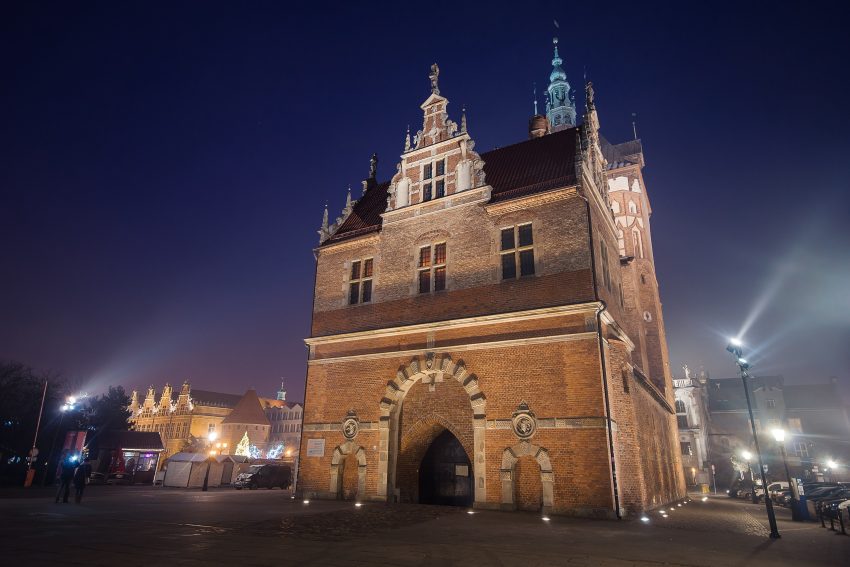
Katownia (the Torture House) is a 15th-century fortified foregate building beside the Golden Gate, built in red brick with turrets and a central tower. It later became the city’s main prison and interrogation site in the 16th century, reflecting how law and punishment were formally administered under early modern legal practice. Inside the museum you can step into stark original cells, see period instruments and documents, and follow a clearly signposted route with English explanations. Many visitors remember the atmospheric audio and the narrow, spiral staircases leading upward. From the small viewing windows near the top, the Royal Route feels close and slightly constrained—fitting for a place designed to control passage and people.
Location: Katownia, Targ Węglowy, Gdańsk, Poland | Hours: Tuesday - Sunday 10:00am - 06:00pm, Mondays 12:00 - 06:00pm | Price: 18zł | Website | Distance: 0.2km

We recommend to rent a car in Poland through Discover Cars, they compare prices and review multiple car rental agencies. Book your rental car here.

2. Straw Tower

Strow Tower, Gdansk
Strow Tower, Gdansk
CC BY-SA 4.0 / Ethan Doyle White
Baszta Słomiana (the Straw Tower) is a surviving fragment of the medieval defensive ring built in the 14th century to protect the Main Town. Its name comes from an unusual original detail: a straw-covered roof atop a stone fortification. Set along the former northern perimeter, the compact tower once served as an observation and guard point over approach routes tied to Baltic trade. Today you experience it from the outside—weathered masonry, squat proportions, and the way it still reads as part of a larger wall system even after centuries of demolition and wartime damage. It’s a quick stop, but a memorable one for anyone drawn to fortifications and urban layers.
Location: Baszta Słomiana, Wełniarska, Gdańsk, Poland | Distance: 0.2km

Here is a complete selection of hotel options in Gdańsk. Feel free to review each one and choose the stay that best suits your needs.

3. Great Armory

Great Armory Gdansk
Great Armory Gdansk
CC BY-SA 3.0 / Diego Delso
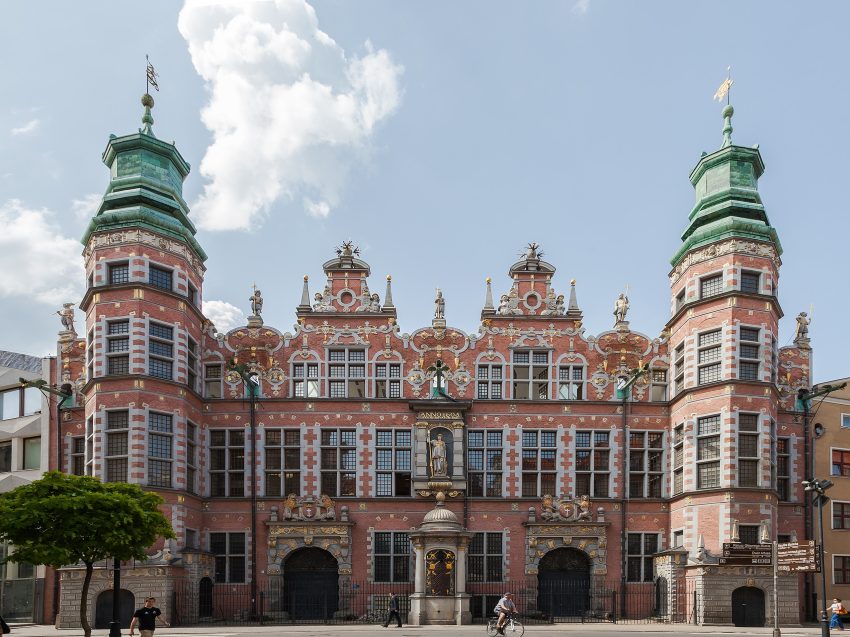
Gdańsk’s Great Armory (Wielka Zbrojownia) is a lavish Dutch Renaissance arsenal built in 1602–1605, a reminder of the city’s Baltic wealth and need for military readiness. What visitors remember first is the façade: steep gables, pilasters, coats of arms, and dense sandstone ornament, with sculptural motifs that nod to weaponry and civic power. The building’s symmetry reads best from across the street, where both wings and their decorative towers come into view. Inside, the former weapons store now functions as part of the Academy of Fine Arts, so you may find quiet, rotating exhibitions that contrast sharply with the martial exterior.
Location: Wielka Zbrojownia, Targ Węglowy, Gdańsk, Poland | Hours: Hours can vary during specific exhibitions/events. Tuesday – Sunday: 12:00–18:00 Monday: closed | Price: Often free entry to exhibitions. | Website | Distance: 0.2km

Traveling to a country with a different currency? Avoid ATM transaction fees and pay in local currency with a Wise Card. Having used it for over 5 years, we've saved loads on fees!

4. Jacek Tower

Jacek Tower
Jacek Tower
CC BY-SA 3.0 / Barbara Maliszewska
Baszta Jacek is a surviving 15th-century watchtower from the medieval fortifications, named for Saint Hyacinth (Święty Jacek). Its tall, cylindrical profile and deep red-brick Gothic construction feel purpose-built for siege warfare, and it once served as a lookout and artillery position guarding the northern edge of the old walls. Much of the wider defensive system vanished over time, so the tower’s sheer scale makes the city’s former perimeter easier to imagine. Visitors experience it from the outside only—the interior isn’t open—but the heavy masonry, narrow openings, and vertical silhouette make it a striking stop for photos and close-up brickwork details.
Location: Baszta Jacek, Pańska, Gdańsk, Poland | Distance: 0.3km

Explore Gdańsk at your own pace with our self-guided walking tour! Follow our curated route to discover must-see sights and local secrets that makes Gdańsk one of the best places to visit in Poland.

5. Golden Gate

Golden Gate in Gdansk from Dluga Str
CC BY-SA 3.0 / Avi1111 dr. avishai teicher
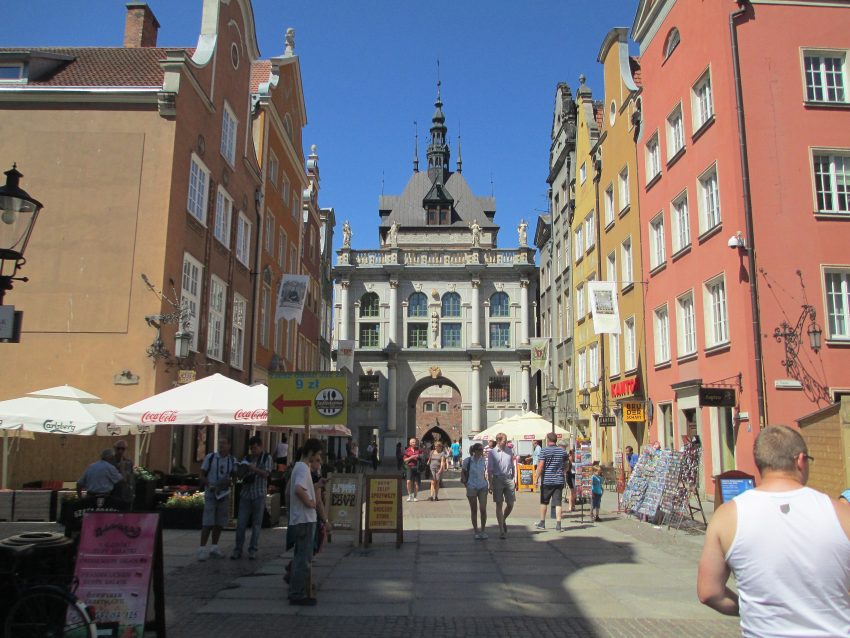
The Golden Gate (Złota Brama) is a ceremonial city gateway from 1612–1614, built as a statement of civic pride rather than defense at the western start of the Royal Route. Designed by Abraham van den Blocke in Dutch Mannerist style, its balanced arches and dense ornament reward close looking, especially the allegorical figures of Peace, Freedom, Wealth, and Fame paired with Prudence, Justice, Piety, and Harmony. Look for the Latin motto “Concordia Res Publica Crescit,” a reminder that unity was seen as the engine of prosperity. Walking under the arch frames a memorable view down Ulica Długa’s colorful façades, and the stonework glows beautifully at sunset.
Location: Brama Złota, Długa, Gdańsk, Poland | Distance: 0.3km

Click here to read our blog about Renting a Car in Poland (2026)

6. Amber Museum

Muzeum Bursztynu
Muzeum Bursztynu
CC BY-SA 3.0 / Michał Józefaciuk
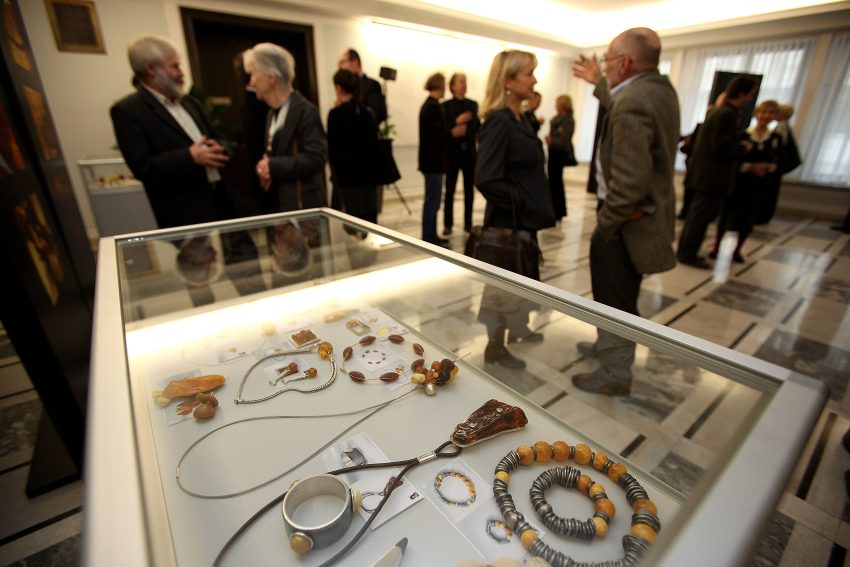
Set inside a restored medieval watermill complex first built around 1350 by the Teutonic Knights, the Amber Museum pairs dramatic brick-and-timber architecture with sleek, modern galleries. The exhibits trace “Baltic gold” from ancient resin to finished art, with clear geology displays and trade-history context. Standout objects include the Gierłowska Lizard inclusion preserved in amber and a massive natural amber block weighing over 60 kilograms. Craftsmanship takes over in cases of intricate devotional pieces and a 17th-century amber chess set, followed by contemporary jewelry that shows how the material is still being reimagined. Visitors often remember the three-floor layout and the building’s industrial past as much as the objects.
Location: Muzeum Bursztynu. Oddział Muzeum Gdańska, Wielkie Młyny, Gdańsk, Poland | Hours: Daily 10:00AM - 8:00 PM | Price: 12 PLN | Website | Distance: 0.3km
Powered by GetYourGuide

7. Market Hall

Hala Targowa Gdańsk, Poland
CC BY-SA 3.0 / bejazz
Market Hall (Hala Targowa) in Gdańsk is a covered market housed in an 1896 Neo-Gothic brick building that reads almost like a civic church, with turrets, high windows, and cast-iron columns inside. It matters because it survived the city’s wartime destruction and still connects everyday shopping with the site’s older Dominican-era past. During restoration around 2000, archaeologists uncovered Romanesque foundations of the 13th-century St. Nicholas Church beneath the hall, now preserved in an underground museum of stonework and finds. When open, visitors remember the bustle of produce and bakery stalls below and a mezzanine of small goods above; some recent reviews note major renovation closures into 2026.
Location: Hala Targowa Kupców Dominikańskich, Plac Dominikański, Gdańsk, Poland | Hours: Monday to Friday: 08:00 (or 09:00) – 18:00; Saturday: 08:00 – 15:00; Sunday: Closed | Price: Free; small fee for the archaeological museum. | Website | Distance: 0.4km

8. Wide Street
Wide Street Gdansk
Wide Street Gdansk
CC BY-SA 3.0 / Diego Delso
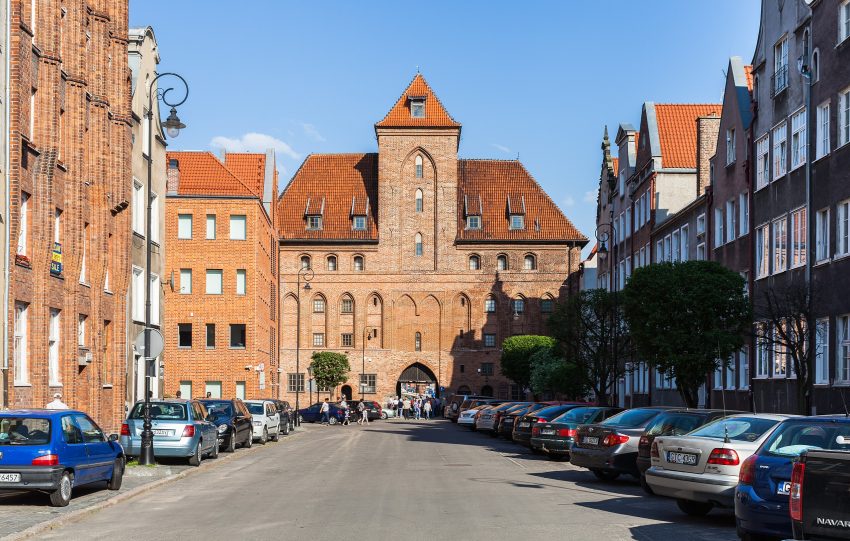
Wide Street (Ulica Szeroka) is a broad Old Town corridor in Gdańsk that runs from Targ Drzewny toward the Motława waterfront, ending at the looming Crane Gate. Once a key Hanseatic link between market life and the port, it was badly damaged in 1945 and rebuilt in the 1950s, so you’ll notice orderly, restored façades framing a busy pedestrian feel. Along the way are small, specific surprises: a bronze statue of Duke Świętopełk II, a sculptural fountain in Szeroka Square, and playful street art like the “Turbot Caught” figure. At No. 52, the former home tied to Goldwasser connects the street to Gdańsk’s gold-flecked liqueur lore.
Location: Szeroka, Gdańsk, Poland | Hours: 24 Hours. Street is always accessible; venues vary. | Price: Free; museums and galleries charge individual fees. | Distance: 0.4km

9. Long Street
Long Lane (ulica Dluga) in Gdansk
CC BY-SA 3.0 / Nieszka
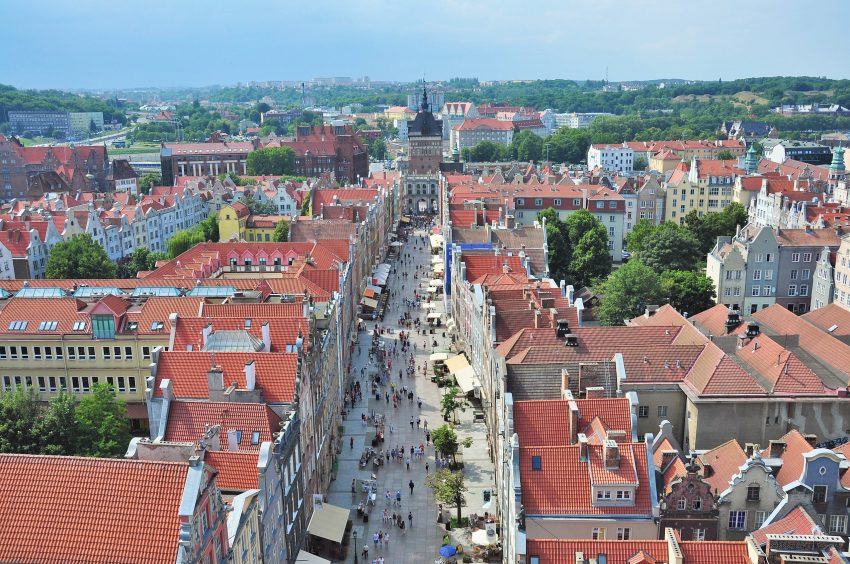
Long Street (Ulica Długa) is Gdańsk’s grand pedestrian promenade through the Main Town, running along the old Royal Route between the Golden Gate and the Green Gate. Its tightly packed townhouses, rebuilt after WWII, recreate the city’s 16th–17th century prosperity with Dutch Mannerist façades, steep gables, and sculpted details that read like family signatures. The street spills into the Long Market, where outdoor cafés, amber shops, galleries, and street performers keep the scene lively from morning into the evening. Look for standout houses such as the Uphagen House museum and richly ornamented merchant façades like Ferber and Schumann. Even on busy days, the long perspective down the street is memorable.
Location: Ulica Długa w Gdańsku, Długa, Gdańsk, Poland | Hours: Accessible at all times. | Price: Free to walk; Uphagen House museum tickets cost extra. | Distance: 0.4km

10. Gdańsk History Museum

Muzeum Gdańska Dom Uphagena
CC BY-SA 4.0 / Muzeum of Gdańsk
Housed in the Main Town Hall, the Gdańsk History Museum uses the former seat of civic power to trace how the city was governed, traded, destroyed, and rebuilt. Visitors remember the sumptuous interiors—especially the Red Hall with its gilded woodwork, allegorical paintings, and portraits of Polish monarchs—alongside rooms filled with maps, paintings, antique furniture, and multimedia displays. Exhibits move from the Hanseatic era and guild life to stark photographs of wartime devastation and post‑1945 reconstruction. The town hall tower is a major draw for rooftop-and-river panoramas, though reviews note steep stairs and queues, especially on free-entry Mondays.
Location: Museum of Gdańsk - Main Town Hall, Długa, Gdańsk, Poland | Hours: Tuesday to Sunday: 10:00 AM - 5:00 PM. Closed on Mondays. | Price: PLN 12 | Website | Distance: 0.5km

11. St. Mary's Church
St. Marys Church, Gdańsk
CC BY-SA 1.0 / Gyddanyzc
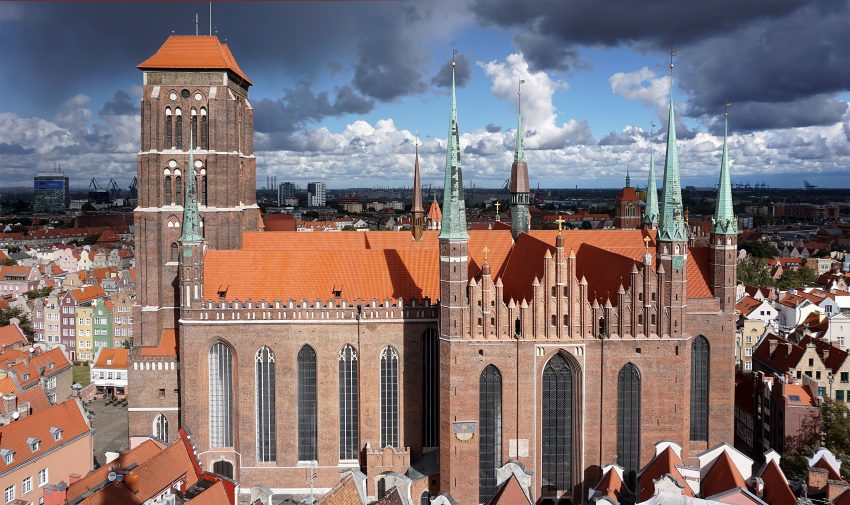
St. Mary’s Church (Bazylika Mariacka) is a colossal brick Gothic basilica whose 78-metre tower and fortress-like exterior dominate the Old Town skyline. Built from 1343 to 1502, it ranks among the world’s largest brick churches, with an interior vast enough for around 25,000 worshippers. Step inside and the mood shifts to a serene, whitewashed space where soaring vaults frame 31 chapels and more than 300 tombstones set into floors and walls. Don’t miss the intricate 15th-century astronomical clock by Hans Düringer, a marvel of moving figures and celestial calculation. For a final jolt of scale, climb 405 steps to the tower platform for sweeping river-and-rooftop views.
Location: St. Mary's Church, Podkramarska, Gdańsk, Poland | Distance: 0.5km

12. Town Hall
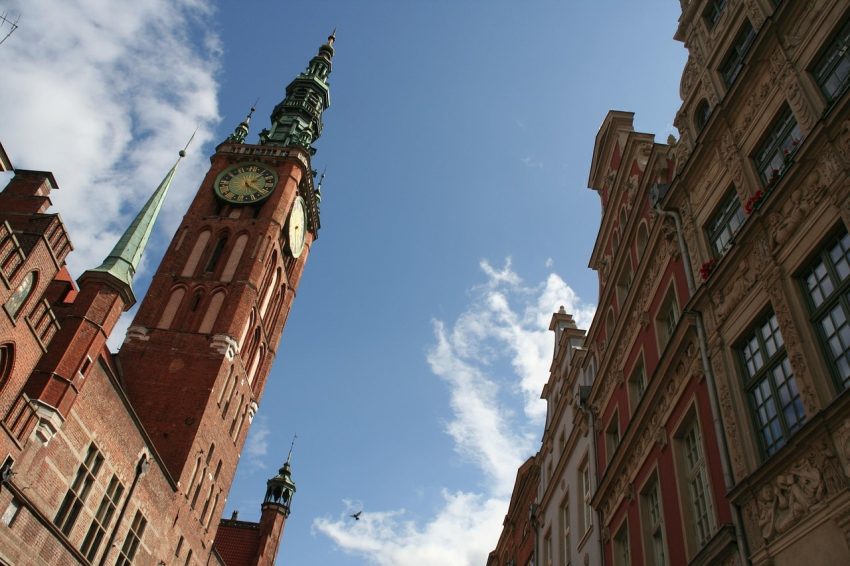
Gdańsk Town Hall
Gdańsk Town Hall
The Main Town Hall (Ratusz Głównego Miasta) is a Gothic-to-Renaissance civic palace rising over Long Market, long associated with the city’s merchant-era power. Its tall tower is capped by a gilded figure of King Sigismund II Augustus, and climbing the narrow stairs rewards you with wide views across the old town rooftops. Inside, museum rooms are dense with period furniture, documents, and displays that trace government life through to the wartime destruction and later restoration. The Great Council Hall—often called the Red Hall—stands out for its gilded coffered ceiling, allegorical paintings, and portraits of Polish kings. Reviews note the audio guide is worthwhile, and Monday free entry can mean queues.
Location: Main Town Hall, Długa, Gdańsk, Poland | Hours: Daily 10:00am - 8:00pm | Price: 12 PLN | Distance: 0.5km
Powered by GetYourGuide

13. Artus Court

Artus Court Gdansk
Artus Court Gdansk
Artus Court (Dwór Artusa) is an opulent former civic hall on the Long Market, created in the 14th century as a meeting place for merchants, guild brotherhoods, and visiting dignitaries. Its name invokes King Arthur’s ideals of honour and civic unity, a fitting badge for a trading city’s elite. The exterior’s early-17th-century Mannerist façade features tall windows and mythological and historical figures attributed to sculptor Abraham van den Blocke. Inside, the great hall is all Gothic vaulting and stained glass, with coats of arms and maritime emblems across the walls. The showstopper is a monumental Renaissance tiled stove—over 10 metres high—made from more than 500 decorated tiles.
Location: Artus Court, Long Market, Gdańsk, Poland | Distance: 0.6km
Powered by GetYourGuide

14. Neptune’s Fountain

Fontanna Neptuna Long Market Gdańsk
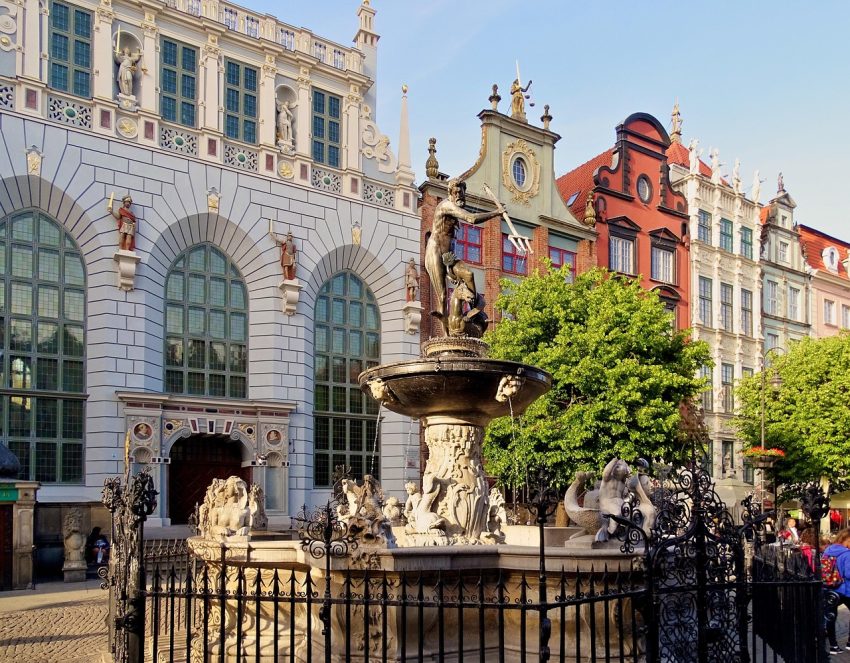
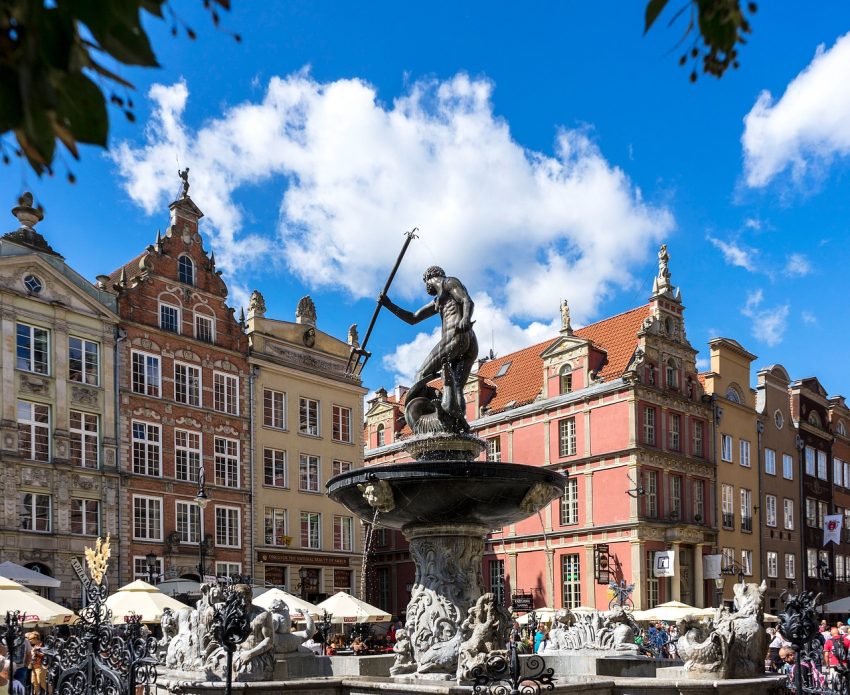
Neptune’s Fountain (Fontanna Neptuna) is a 17th-century bronze fountain crowned by a muscular sea god gripping a trident, set in the middle of Long Market Square directly before the ornate Artus Court. Unveiled in 1633 after being commissioned in 1549, it was created by architect Abraham van den Blocke with the statue cast by Flemish sculptor Peter Husen, reflecting the city’s maritime wealth and Hanseatic-era trade. Look closely for Baroque marine ornament—dolphins, shells, and other sea motifs—worked into the basin and surrounds. Travelers remember it as a natural meeting point amid colorful façades, and in winter it can glow dramatically under festive lights while pigeons gather at the water’s edge.
Location: Fontanna Neptuna, Long Market, Gdańsk, Poland | Distance: 0.6km

15. Long Market Square
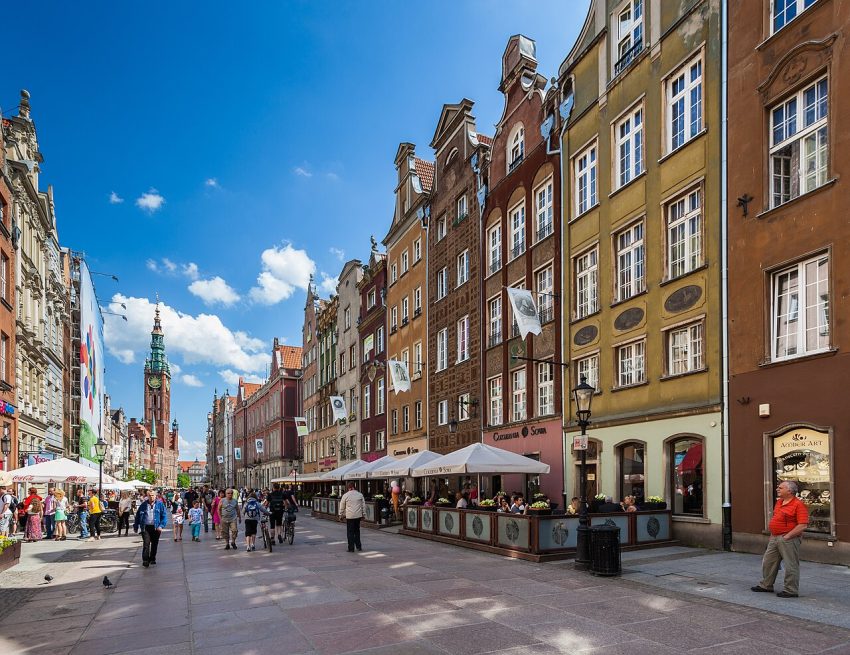
Long Market Square
Long Market Square
CC BY-SA / Diego Delso
Long Market Square (Długi Targ) is a broad, pedestrian boulevard lined with brightly painted merchant houses whose gilded details and ornate gables recall the city’s Hanseatic boom. It began as a 13th-century trade road and became the grand address where patricians and diplomats showed off their wealth in Renaissance façades. At its center, the bronze Neptune Fountain (1633) anchors the scene, with Artus Court’s ceremonial hall and the Gothic‑Renaissance Main Town Hall rising nearby. Much of what you see was painstakingly rebuilt after World War II damage, which makes the cohesion of the streetscape feel almost theatrical. Cafés, street performers, and seasonal markets keep the space lively well into the evening.
Location: Long marché, Długa, Gdańsk, Poland | Distance: 0.6km

16. Crane Gate
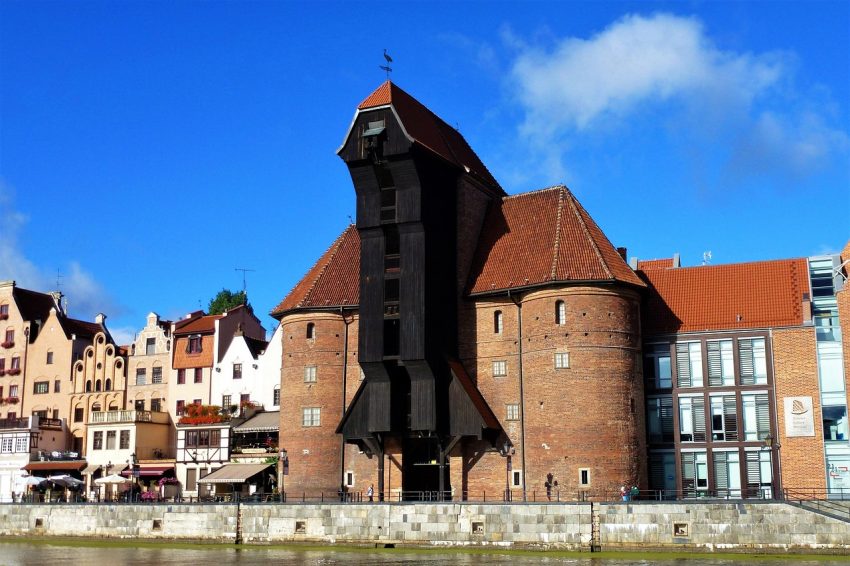
Crane Gate
Crane Gate
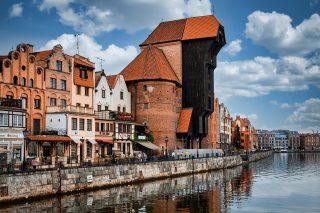
Brama Żuraw (Crane Gate) is a medieval waterfront crane and fortified gate on the Motława, built in brick in stages from 1444 to 1483 after an earlier 14th-century version. Two stout towers flank a timber structure that once swung over the river, where pairs of enormous treadwheels—human-powered “hamster wheels”—lifted cargo of around two tons and helped raise ship masts. Inside, the National Maritime Museum preserves the wooden mechanism and exhibits on port work and riverfront life from the 16th–18th centuries. The upper levels give close-up views of the beams and gearing, while outside the chunky silhouette is the kind of landmark people instantly recognize from the quayside.
Location: Stary żuraw portowy, Szeroka, Gdańsk, Poland | Distance: 0.7km

17. Long Embankment Street
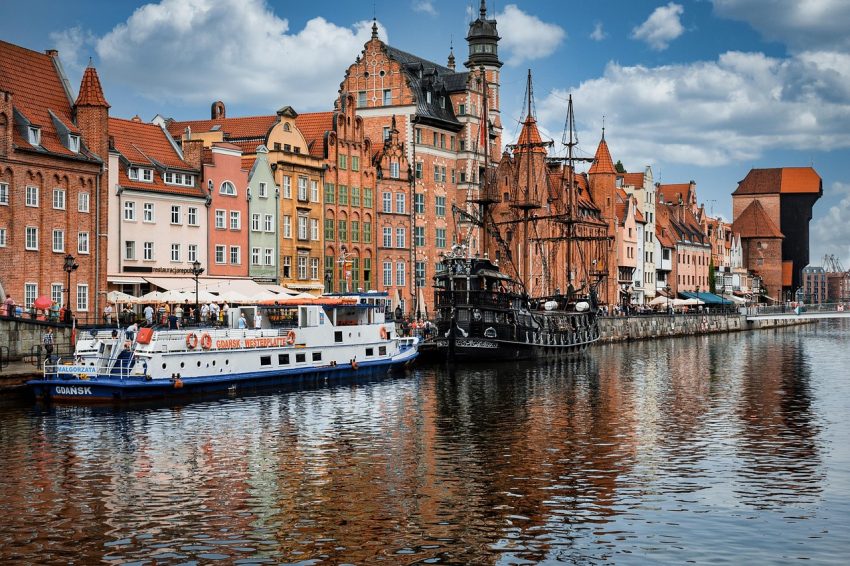
Długie Pobrzeże, Gdańsk
Long Embankment Street (Długie Pobrzeże) is Gdańsk’s main waterfront promenade, a broad pedestrian strip along the west bank of the Motława in the Main Town. It still reads as the city’s old working edge: the medieval Żuraw port crane looms over the quay, and the riverfront is punctuated by gates where streets once funneled goods straight to the water. Today you walk past an almost continuous run of rebuilt gabled façades, with café terraces spilling toward the river and boats sliding by at close range. The best moments come from slowing down—watching reflections shift, spotting small architectural details, and feeling how the city was planned around access to the port.
Location: Długie Pobrzeże, Gdańsk, Poland | Hours: 24 Hours | Price: Free | Website | Distance: 0.7km

18. Mariacka Street
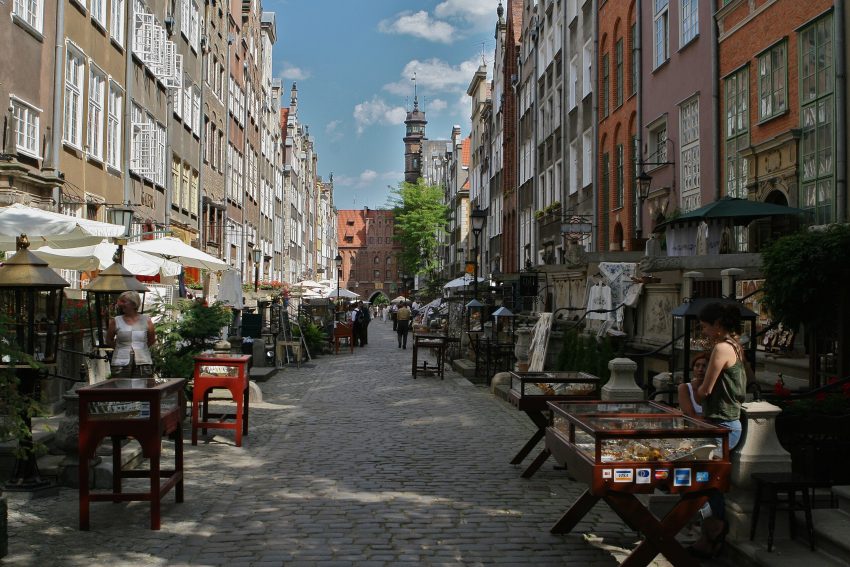
Mariacka Street, Gdańsk
CC BY-SA 3.0 / Gracjan Rötke
Mariacka Street is a narrow, cobbled lane of restored townhouses and raised stone terraces where amber dealers and small galleries spill their displays onto the steps. Wrought-iron lanterns, carved doorways, and steep little staircases create a storybook feel, especially when the street quiets down and the lights start to glow. At the river end, the medieval Mariacka Gate—an imposing brick gateway with twin towers—frames the entrance and hints at the street’s old role in port trade. Browsing here is as much about texture as shopping: polished “Baltic gold” in shop windows, weathered stone underfoot, and intimate façades close enough to touch.
Location: Mariacka Street, Gdańsk, Poland | Distance: 0.7km

19. Green Gate
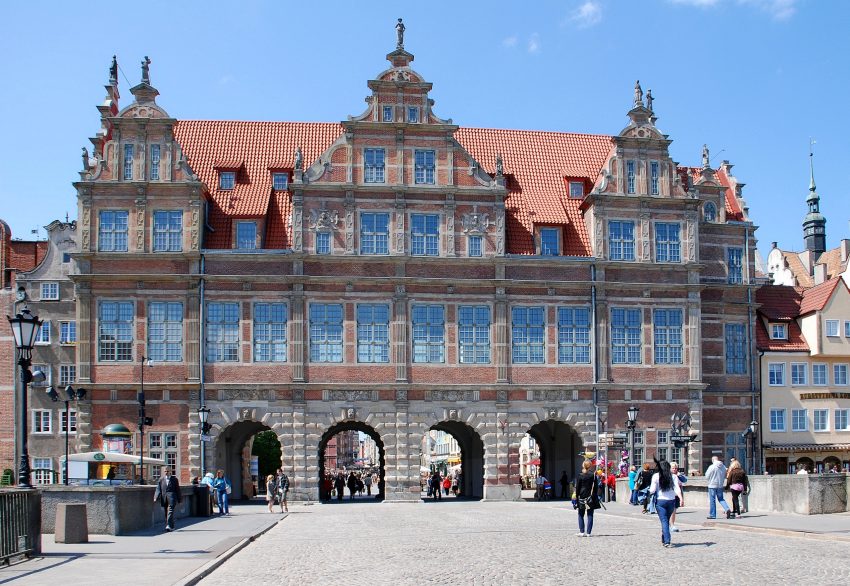
Gdańsk, Green Gate
Gdańsk, Green Gate
CC BY-SA 4.0 / Henryk Bielamowicz
The Green Gate (Brama Zielona) forms a grand, palace-like threshold between the Long Market and the Motława riverfront. Built in 1564–1568 and patterned on Renaissance gateways from Antwerp, it’s defined by four broad archways, sandstone ornament, and decorative gables that read more like a civic façade than a fortification. It was intended as a residence for visiting Polish monarchs, though it rarely served that role, and today it houses rotating art exhibitions as part of the National Museum. Most visitors remember the moment of passing through the arches and emerging to the embankment—especially after dark, when the building is often beautifully illuminated.
Location: Green Gate, Long Market, Gdańsk, Poland | Distance: 0.7km

20. Wisłoujście Fortress
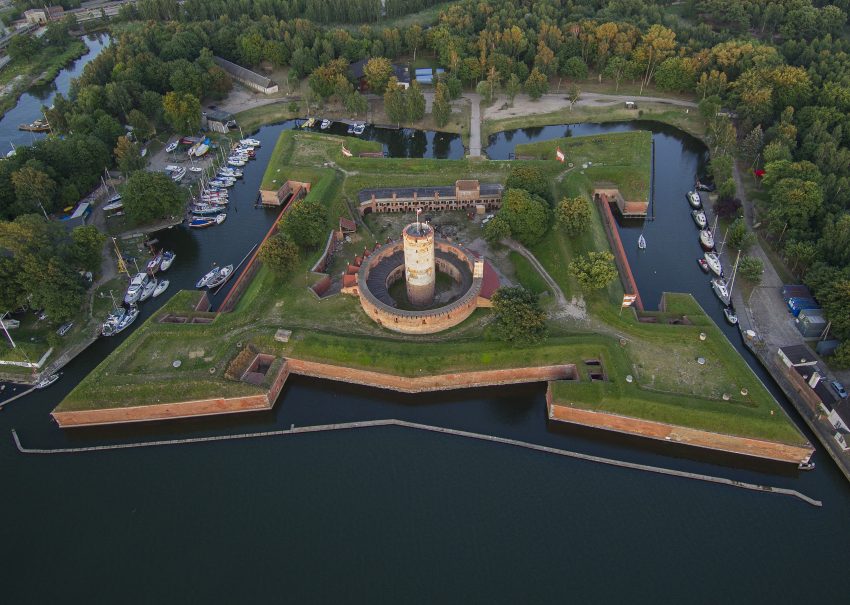
Wisłoujście Fortress, Gdańsk
CC BY-SA 4.0 / Jakub Strzelczyk
Wisłoujście Fortress guards the mouth of the Dead Vistula, where ships once entered the port under the beam of its rare cylindrical lighthouse-tower. Begun as a Teutonic watchtower in the 14th century and rebuilt in brick by the late 1400s, it later grew into a ring of walls, artillery bastions, casemates, and barracks that saw Swedish and Napoleonic-era fighting. After a major restoration completed in 2024, visitors notice crisp new exhibitions alongside preserved ramparts and cannon openings, with the option to climb the tower for harbour-and-river views. Reviews often mention the informative boards and the sense of exploring multiple hidden structures across the grounds.
Location: Wisłoujście Fortress, Stara Twierdza, Gdańsk, Poland | Hours: Tuesday to Sunday: 11:00 AM - 6:00 PM (last admission at 5:30 PM). Closed on Mondays | Price: 15 PLN | Distance: 5.3km

Best Day Trips from Gdańsk

A day trip from Gdańsk offers the perfect opportunity to escape the urban rhythm and discover the surrounding region's charm. Whether you're drawn to scenic countryside, historic villages, or cultural landmarks, the area around Gdańsk provides a variety of easy-to-reach destinations ideal for a one-day itinerary. If you are looking to rent a car in Poland I recommend having a look at Discover Cars, first, as they compare prices and review multiple car rental agencies for you.

1. Sopot

sopot
sopot
CC BY-SA 3.0 / Fczarnowski
Sopot is a vibrant seaside resort town located on the Baltic coast, known for its lively atmosphere and beautiful sandy beaches. Visitors flock here to enjoy long walks along the famous wooden pier, one of the longest in Europe, which offers stunning views of the sea and the surrounding coastline. The beach itself is perfect for sunbathing, swimming, and various…
Visiting Sopot
Powered by GetYourGuide

2. Gdynia

gdynia
gdynia
Gdynia is a dynamic port city located along the Baltic coast, known for its modern architecture and vibrant maritime atmosphere. Visitors often enjoy strolling along the bustling waterfront, where the marina and promenade offer beautiful views of the sea and passing ships. The city’s clean beaches provide a pleasant spot for relaxation, swimming, and various water sports, making it a…
Visiting Gdynia
Powered by GetYourGuide

3. Stutthof Concentration Camp

Muzeum Stutthof, Muzealna, Sztutowo, Poland
Stutthof Concentration Camp is one of the must-see places in Sztutowo for travellers seeking to understand the full human cost of World War II and the Holocaust. Located 35 km east of Gdańsk, this haunting site was the first Nazi concentration camp established outside German borders and the last to be liberated. Opened on 2 September 1939, it quickly grew…
Location: Muzeum Stutthof, Muzealna, Sztutowo, Poland | Hours: High season (May 1 – September 30): Open daily from 8:00 AM to 6:00 PM, with last admission at 5:30 PM. Low season (October 1 – April 30): Open daily from 8:00 AM to 3:00 PM, last entry at 2:30 PM. | Price: Free, 8 PLN to watch documentary | Website | Distance: 33km
Visiting Stutthof Concentration Camp
Powered by GetYourGuide

4. Malbork

malbork
malbork
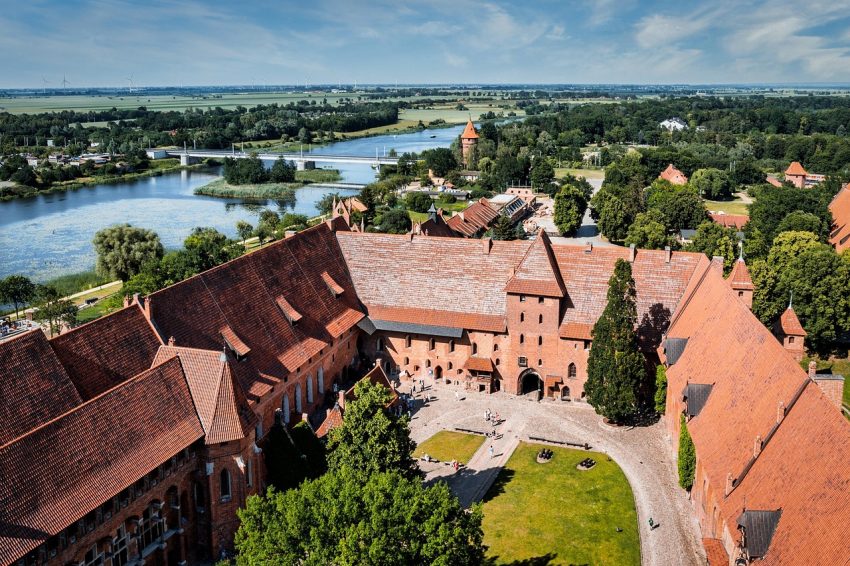
Malbork is best known for its spectacular medieval castle, which dominates the town’s skyline and draws visitors from around the world. Exploring the castle grounds offers a captivating experience with its massive brick walls, towers, and courtyards, providing insight into medieval architecture and the military history of the region. The castle is well-preserved and hosts exhibitions, guided tours, and occasional…
Visiting Malbork
Powered by GetYourGuide

5. Elbląg

cathedral Elbląg
cathedral Elbląg
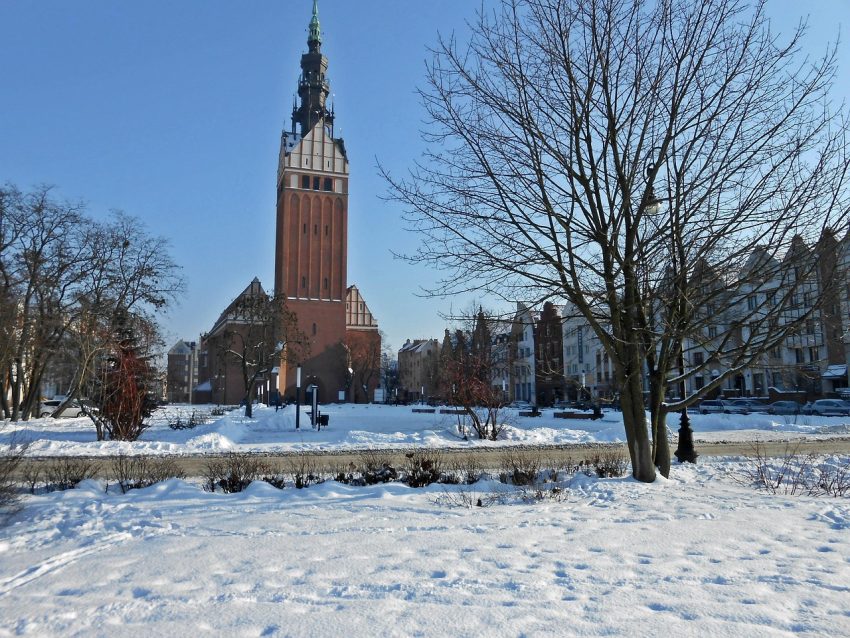
Elbląg is a charming city located in the Warmian-Masurian region of northern Poland. Known for its scenic surroundings, Elbląg offers visitors a unique blend of natural beauty and historical architecture. The city is set near the Vistula Lagoon and is only a short drive from the Baltic Sea, making it a perfect base for exploring the region. The Old Town…
Visiting Elbląg
Powered by GetYourGuide

6. Łeba

Leba, Poland
Leba, Poland
Łeba is a charming seaside town known for its wide sandy beaches and proximity to unique natural landscapes. Visitors often come here to enjoy the fresh Baltic Sea air, relax on the shore, and take part in various water sports like sailing and windsurfing. The town’s compact center offers a selection of cafes, shops, and restaurants, making it easy to…
Visiting Łeba

7. Olsztyn

Olsztyn
Olsztyn
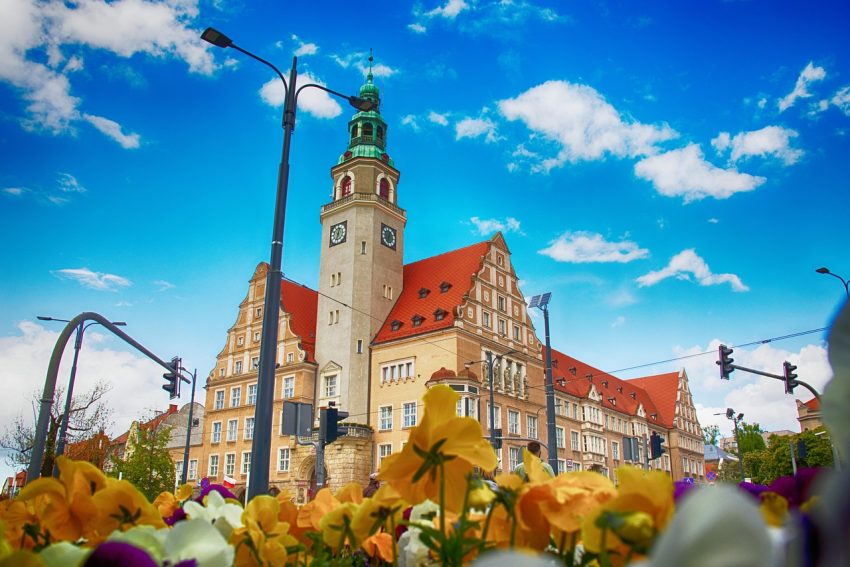
Visiting Olsztyn, the capital of the Warmian-Masurian Voivodeship, offers a delightful blend of natural beauty and urban charm. Situated in the northern part of Poland, this picturesque city is surrounded by lush forests and numerous lakes, making it an ideal destination for nature lovers. The city itself is a relaxing mix of historical landmarks, green spaces, and modern amenities, perfect…
Visiting Olsztyn
Powered by GetYourGuide

8. Wolf's Lair, Kętrzyn

Adolf Hitlers Bunker in Wolfsschanze
CC BY-SA 3.0 / dr. avishai teicher
Wolf’s Lair (Wilczy Szaniec) is a vast, overgrown bunker complex hidden in the Masurian forest near Gierłoż, a short drive from Kętrzyn. Visiting is less like stepping into a single “attraction” and more like walking through a fragmented landscape of concrete ruins, cracked blast walls, and moss-covered corridors where nature has slowly reclaimed what war once tried to make permanent.…
Location: Wilczy Szaniec, Gierłoż, Poland | Hours: March –March; 01 September – 30 September: Daily: 08:00–18:00. April: Daily: 08:00–19:00. May – August: Daily: 08:00–20:00. October – February: Daily: 08:00–16:00. | Price: High season (01 April – 31 October): Adult 25 PLN; Concession 20 PLN; Children under 6 free. Low season (01 November – 31 March): Adult 20 PLN; Concession 15 PLN; Children under 6 free. Parking (paid at the entrance gate): Car 15 PLN; Motorcycle 10 PLN; Camper/van 20 PLN; Coach 35 PLN; Bicycle free. | Website | Distance: 187.6km
Visiting Wolf's Lair, Kętrzyn
Powered by GetYourGuide

Where to Stay in Gdańsk

If you’re looking to stay in the heart of Gdańsk, the Old Town area is the perfect choice for its historic charm and proximity to major attractions. A great option is Hotel Gdańsk, a stylish hotel located near the riverfront, offering modern amenities and scenic views of the city’s historical district. Another well-situated hotel is Radisson Blu Hotel, Gdańsk, offering luxury accommodations right in the city center. Both hotels are within walking distance to key landmarks like the Main Town Hall and St. Mary’s Church, making them ideal for tourists.

For those who prefer a quieter, more residential vibe, the Oliwa district offers a blend of nature and accessibility. A charming option here is Hotel Oliva, a cozy and peaceful retreat surrounded by parks and close to the Oliwa Cathedral and Botanical Garden. This is a great area if you’re looking to be near green spaces but still have easy access to the city’s main attractions. Alternatively, the Przymorze area is another calm choice with good transport links to the city center. Mercure Gdańsk Stare Miasto is a well-rated hotel that offers modern rooms with great views of the city skyline, making it a good choice for both business and leisure stays.

If you’re seeking a seaside escape, the Sopot area, just a short distance from Gdańsk, offers a beautiful coastal setting. Here, Sheraton Sopot Hotel offers luxury beachfront accommodations, perfect for those who enjoy a blend of relaxation and proximity to the lively pier and beach activities. The area has excellent dining and nightlife options, providing a perfect mix of culture and leisure.

Using the our Hotel and Accomodation map, you can compare hotels and short-term rental accommodations in Gdańsk. Simply insert your travel dates and group size, and you’ll see the best deals for your stay.

Gdańsk Accommodation Map

Best Time to Visit Gdańsk

Visiting Gdańsk in Winter

Visiting Gdańsk in the winter offers a quieter, more peaceful experience. The city is often less crowded, which means you can enjoy the architectural beauty and historic landmarks without the hustle and bustle of the summer months. The winter months can be cold, with temperatures often dipping below freezing, but the festive atmosphere makes up for it. Christmas markets are a highlight during this time, where you can sample local treats, buy handcrafted gifts, and enjoy the winter ambiance.

Visiting Gdańsk in Spring

Spring in Gdańsk is a lovely time to explore the city as the weather starts to warm up. With average temperatures ranging from 7°C to 14°C, it’s ideal for walking around the charming Old Town and exploring outdoor sites. The city begins to bloom with flowers and greenery, making it a perfect season for a stroll along the river or visiting the nearby parks. Gdańsk Spring Festival (if it aligns with your travel dates) celebrates arts, music, and culture, bringing a lively vibe to the city.

Visiting Gdańsk in Summer (Best)

Summer is undoubtedly the best time to visit Gdańsk. The city comes alive with long, sunny days and warm temperatures averaging 20°C to 25°C. It’s the perfect weather for enjoying the many outdoor attractions, including the beautiful beaches of nearby Sopot or taking a boat trip along the Vistula River. In the summer, you can also experience festivals like the St. Dominic’s Fair, a vibrant event held in the heart of the Old Town that celebrates everything from street food to arts and crafts. This is the peak tourist season, so expect bustling streets and a lively atmosphere, especially in the historic center.

Visiting Gdańsk in Autumn

Autumn in Gdańsk is a wonderful time to visit if you prefer cooler weather and fewer crowds. Temperatures start to drop, averaging 10°C to 15°C, making it comfortable for sightseeing. The autumn colors in the city’s parks and along the river add a beautiful touch to the landscape. You can enjoy a more relaxed atmosphere while still experiencing cultural events like the Gdańsk Music Festival. The fall months also bring plenty of local produce to the markets, with delicious seasonal treats available.

Annual Weather Overview

  • January 3°C
  • February 4°C
  • March 7°C
  • April 13°C
  • May 18°C
  • June 22°C
  • July 23°C
  • August 23°C
  • September 21°C
  • October 13°C
  • November 7°C
  • December 5°C

How to get to Gdańsk

Getting to Gdańsk by Air

The Gdańsk Lech Wałęsa Airport (GDN) is the main gateway for air travelers to Gdańsk. It is located about 12 km from the city center and offers both domestic and international flights, connecting Gdańsk to major European cities. The airport is well-served by various airlines, including budget carriers, making it an affordable option for visitors. From the airport, you can reach the city center via bus, taxi, or private transfer. Buses run frequently and take about 30 minutes to reach the heart of Gdańsk.

Getting to Gdańsk by Train

Gdańsk is well-connected by train, making it easy to reach from various cities in Poland and beyond. The Gdańsk Główny station is the central hub for all train travel in the city and is located near the city center. It is directly connected to major rail lines, including those from Warsaw, Kraków, and Poznań. For international travel, there are frequent trains from neighboring countries such as Germany and Lithuania. High-speed trains like the Pendolino service, as well as slower regional trains, operate regularly throughout the day. Trains from Warsaw run frequently and the journey typically takes around 3.5 to 4 hours. You can easily check schedules and book tickets through the PKP Intercity website. However, for a smoother experience, we recommend using Omio, which simplifies the booking process and lets you compare prices and schedules all in one place.

Getting to Gdańsk by Car

If you're driving, getting to Gdańsk is straightforward thanks to a well-developed road network. The A1 motorway connects the city to Łódź and Toruń, making it easily accessible from the south. From the A1, the road links to S6, leading directly into the city. If you're coming from the west or north, the S7 road also connects Gdańsk to Gdynia and other nearby towns in the Tri-City area. Parking is available in several areas around the city, including designated lots and street parking, though it can be limited in the Old Town area. If you are looking to rent a car in Poland I recommend having a look at Discover Cars, first, as they compare prices and review multiple car rental agencies for you.

Travelling Around Gdańsk

Once you're in Gdańsk, getting around the city is easy and convenient. The city boasts an efficient public transport network, including trams, buses, and trolleybuses, which operate frequently throughout the day. For those who prefer cycling, Gdańsk also has an extensive network of bike lanes and bike-sharing services. If you're interested in exploring the broader Tri-City area, trains and buses can take you easily to Sopot and Gdynia. For more flexibility, taxis and ride-sharing services like Uber are widely available throughout the city.
More from this area