Viana do Castelo, Portugal: The Ultimate Travel Guide 2026
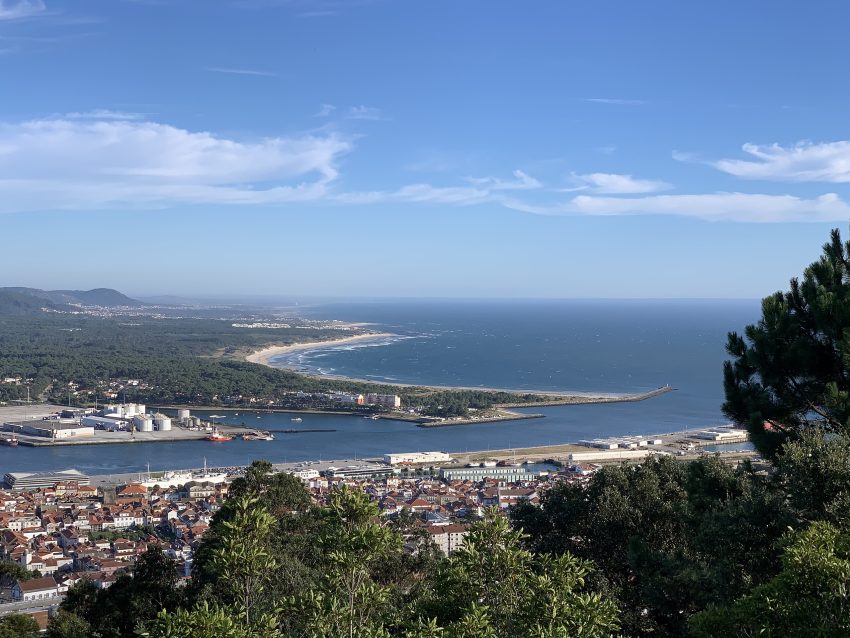
Viana do Castelo, situated amidst an estuary of the Lima River and rolling hills, is a charming city in northern Portugal that is renowned for its traditional character. Despite being a significant hub for deep-sea fishing, as well as housing industries such as pyrotechnics, wood manufacturing, ceramics, and boat building (which have experienced a resurgence after years of decline), the city has managed to maintain its old-world ambiance. Its streets are quaint and narrow, adorned with Manueline-style manors, and occasionally, one can spot an ox cart with wooden wheels clattering along the cobbled lanes.
Viana do Castelo is famous for its local pottery and handicrafts, but it is most well-known for its regional festivals. The annual Festa de Nossa Senhora de Agonia (Festival of Our Lady of Agony), held in late August, is the most prominent of these events. During this festival, women dress up in vibrant regional attire, including bold hues of orange, scarlet, and Prussian blue, paired with layers of golden necklaces featuring heart- and cross-shaped pendants.
History of Viana do Castelo
Early History of Viana do Castelo
Viana do Castelo’s history dates back to pre-Roman times, with evidence of human settlements in the area. The region was inhabited by Celtic tribes before the Roman occupation, which brought significant development to the area. The Romans recognized the strategic importance of Viana do Castelo due to its proximity to the Lima River and the Atlantic Ocean.
Viana do Castelo During the Middle Ages
In the Middle Ages, Viana do Castelo began to flourish as a maritime and trading center. The town received its charter in 1258 from King Afonso III, marking its official recognition and promoting further growth. The town’s strategic location made it an important hub for trade and maritime activities, linking it with other parts of Europe and Africa.
The Age of Discoveries and Viana do Castelo
During the Age of Discoveries in the 15th and 16th centuries, Viana do Castelo played a significant role. The town’s shipyards produced many of the vessels used in Portuguese explorations, contributing to the country’s maritime prowess. The wealth generated from these expeditions brought prosperity to Viana do Castelo, leading to the construction of many of its beautiful churches and mansions.
Viana do Castelo in the Modern Era
In the 19th and early 20th centuries, Viana do Castelo continued to thrive, becoming a center for shipbuilding and fishing. The town also saw an influx of emigrants, many of whom left for Brazil and other parts of the world, creating a strong cultural and economic connection between these regions. The construction of the Eiffel Bridge in 1878, designed by Gustave Eiffel, further enhanced the town’s infrastructure and connectivity.
Viana do Castelo During the 20th Century
The 20th century brought both challenges and growth to Viana do Castelo. The town continued to develop its maritime industries, while also embracing modernization and tourism. The construction of the Sanctuary of Santa Luzia, completed in 1943, became a significant landmark, attracting visitors with its impressive architecture and panoramic views.
Viana do Castelo Today
Today, Viana do Castelo is a vibrant town known for its rich history, cultural heritage, and natural beauty. It has successfully preserved its historical charm while embracing modernity. The town is famous for its festivals, such as the Romaria de Nossa Senhora da Agonia, and its traditional crafts, including filigree jewelry. Viana do Castelo remains an important cultural and economic center in northern Portugal, attracting tourists from around the world.

Moira & Andy
Hey! We're Moira & Andy. From hiking the Camino to trips around Europe in Bert our campervan — we've been traveling together since retirement in 2020!
Visiting Viana do Castelo for the first time and wondering what are the top places to see in the city? In this complete guide, I share the best things to do in Viana do Castelo on the first visit. To help you plan your trip, I have also included an interactive map and practical tips for visiting!
This website uses affiliate links which earn a small commission at no additional cost to you.
10 Best places to See in Viana do Castelo
This complete guide to Viana do Castelo not only tells you about the very best sights and tourist attractions for first-time visitors to the city but also provide insights into a few of our personal favorite things to do.
This is a practical guide to visiting the best places to see in Viana do Castelo and is filled with tips and info that should answer all your questions!
1. Museu de Artes Decorativas
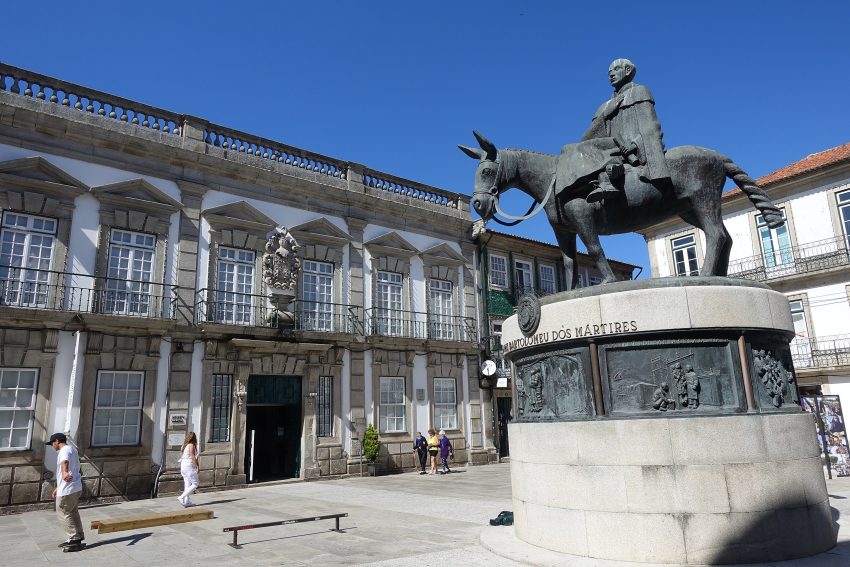
Location: Museu de Artes Decorativas, Largo de São Domingos, Viana do Castelo, Portugal | Hours: Tuesday – Friday: 10:00–18:00. Saturday – Sunday: 10:00–13:00 & 15:00–18:00. Closed on Monday. | Price: €2.40 (combined ticket also valid for the Museu do Traje). | Website | Distance: 0.1km

2. Navio Hospital Gil Eannes
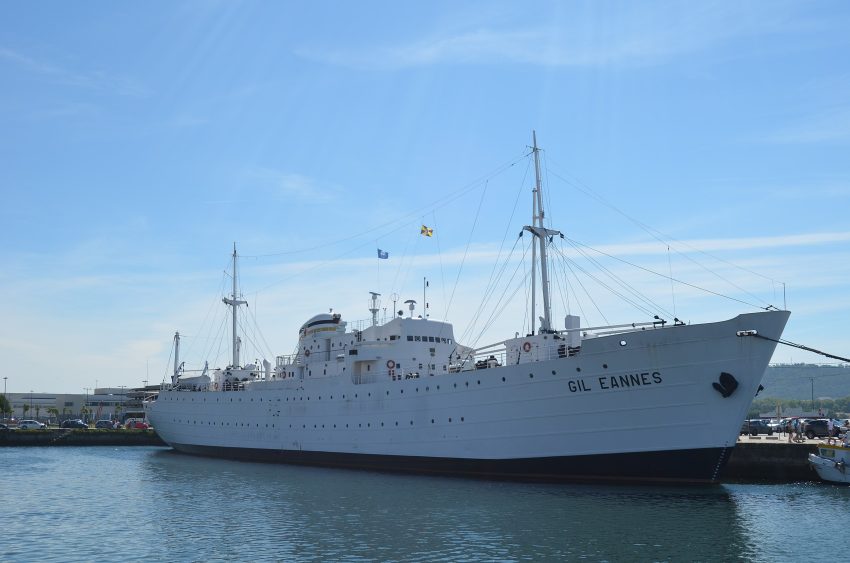
Location: Gil Eannes Foundation, Viana do Castelo, Portugal | Hours: (Summer) April – October: Daily: 09:30–19:00. (Winter) November – March: Daily: 09:30–18:00. Closed on 25 December & 01 January. | Price: €5 (adult); €12 (family ticket); free for children aged 0–6. | Website | Distance: 0.4km
3. Forte de Santiago da Barra
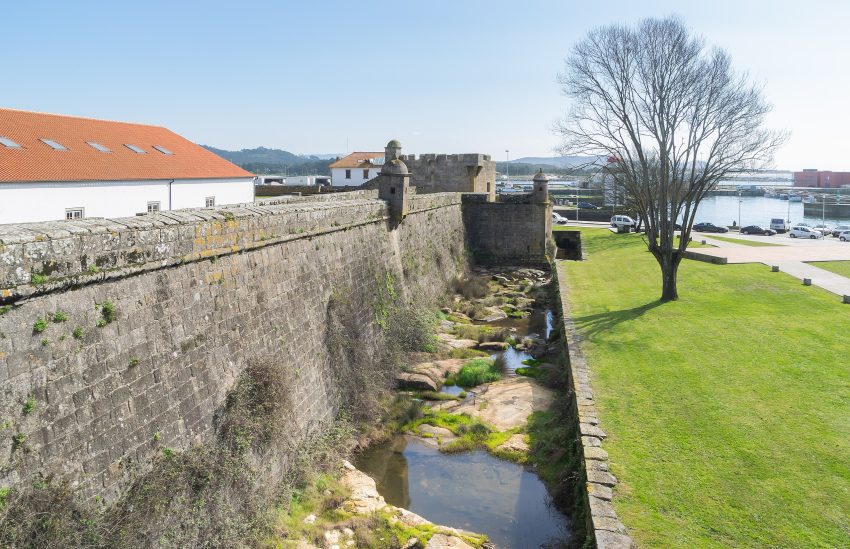
Location: Forte de Santiago da Barra, Viana do Castelo, Portugal | Hours: Monday – Friday: 09:00–12:30 & 14:00–17:30. Closed on Saturday & Sunday. | Price: Free. | Website | Distance: 0.4km
4. Casa dos Nichos
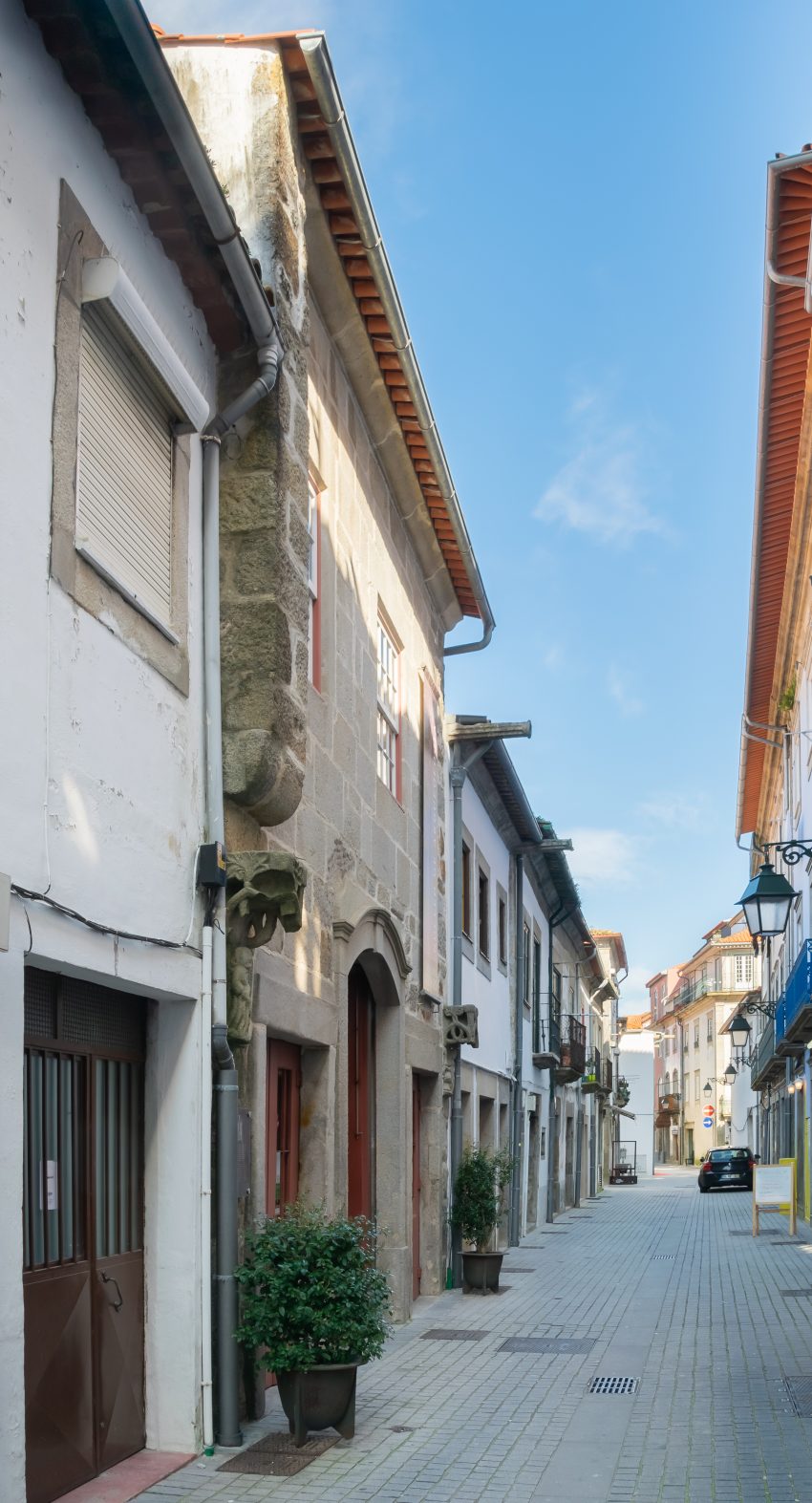
Location: Casa dos Nichos, Rua de Viana, Viana do Castelo, Portugal | Hours: Monday – Friday: 09:00–13:00 & 14:00–17:00. Closed on Saturday & Sunday. | Price: https://www.cm-viana-castelo.pt/areas-de-atividade/cultura-e-patrimonio/espacos-culturais/casa-dos-nichos | Distance: 0.5km
5. Praça da República

Location: Praça da República, Viana do Castelo, Portugal | Hours: 24 Hours | Price: Free. | Website | Distance: 0.5km
6. Sé Catedral de Viana do Castelo

Location: Sé Catedral de Viana do Castelo, Largo Instituto Histórico do Minho, Viana do Castelo, Portugal | Hours: Daily: 08:20–12:00 & 15:00–19:00. | Price: Free; guided visit €2. | Website | Distance: 0.6km
7. Elevador de Santa Luzia

Location: Elevador de Santa Luzia, Avenida 25 de Abril, Viana do Castelo, Portugal | Hours: November 01 – February 28: Tuesday – Sunday: 10:00–17:00. Closed on Monday. Closed on January 01 & December 25. March 01 – May 31; October 01 – October 31: Daily: 09:00–18:00. June 01 – September 30: Daily: 09:00–20:00. | Price: €2 one-way; €3 return (same day). | Website | Distance: 0.6km
8. Igreja da Misericórdia de Viana do Castelo

Location: Igreja da Misericórdia, Republic Square, Viana do Castelo, Portugal | Hours: Monday – Friday: 10:00-12:00 & 15:00-17:00. Saturday: 10:00-12:30 & 14:30-18:30. Closed on Sundays. | Price: Free. | Website | Distance: 0.6km
9. Santuário de Santa Luzia
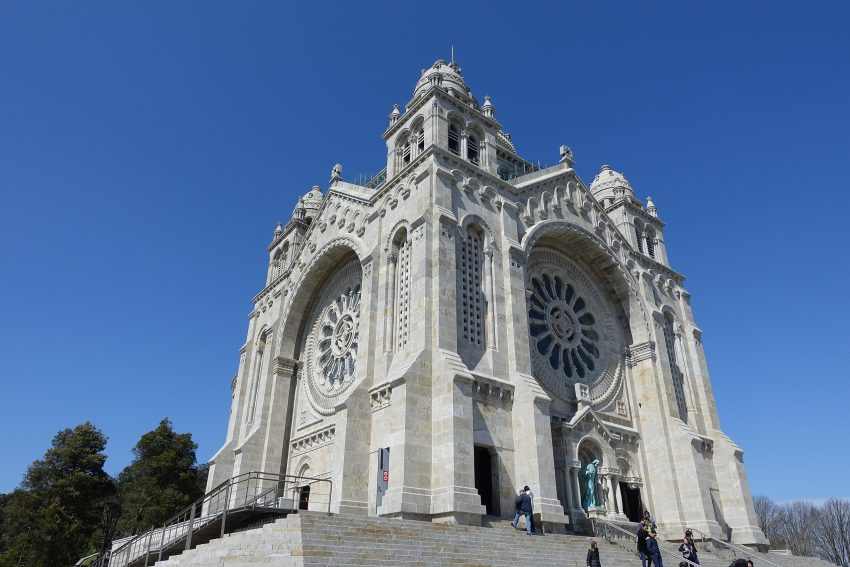
Location: Santuário de Santa Luzia, Viana do Castelo, Portugal | Hours: (Summer) Daily: 09:00–18:00. (Winter) Daily: 09:00–17:00. | Price: Free (basilica); Dome viewpoint (zimbório) €2. | Website | Distance: 1.1km
10. Citania de Santa Luzia
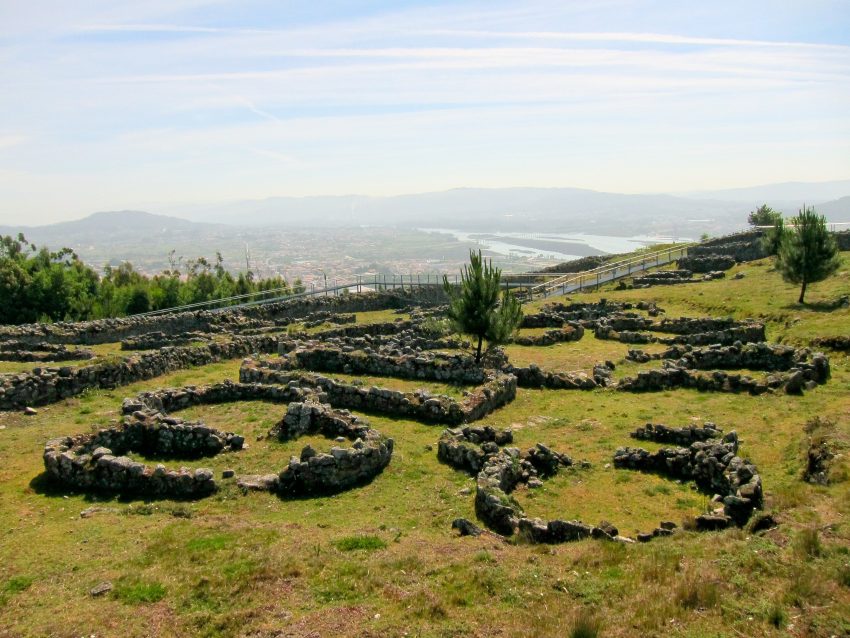
Location: Citânia de Santa Luzia, Monte de Santa Luzia, Viana do Castelo, Portugal | Hours: Tuesday – Sunday: 10:00–12:30 & 14:00–18:00. Closed on Monday; 1 January; Easter Sunday; 1 May; 25 December; 20 August (municipal holiday). | Price: Adult: €2. | Website | Distance: 1.5km
Best Day Trips from Viana do Castelo
A day trip from Viana do Castelo offers the perfect opportunity to escape the urban rhythm and discover the surrounding region's charm. Whether you're drawn to scenic countryside, historic villages, or cultural landmarks, the area around Viana do Castelo provides a variety of easy-to-reach destinations ideal for a one-day itinerary. If you are looking to rent a car in Portugal I recommend having a look at Discover Cars, first, as they compare prices and review multiple car rental agencies for you.
1. Esposende
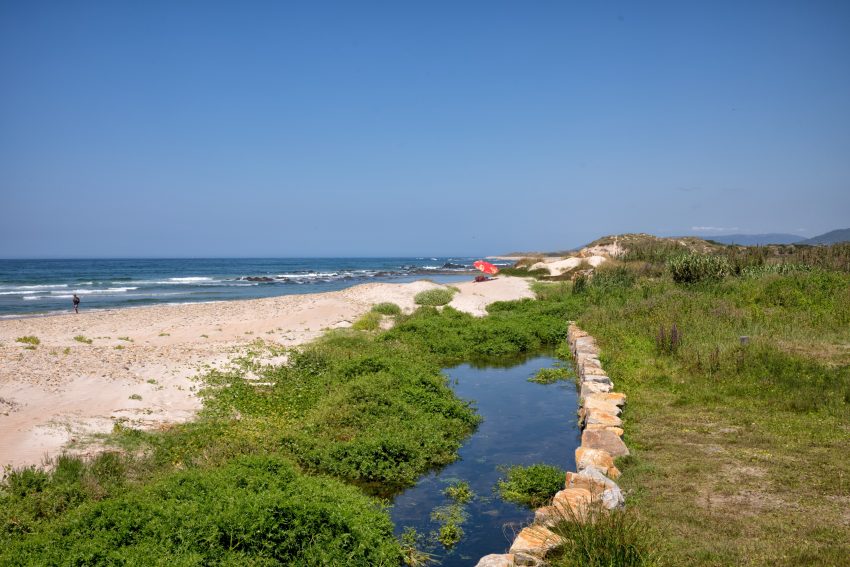
Visiting Esposende
2. Igreja da Senhora da Agonia
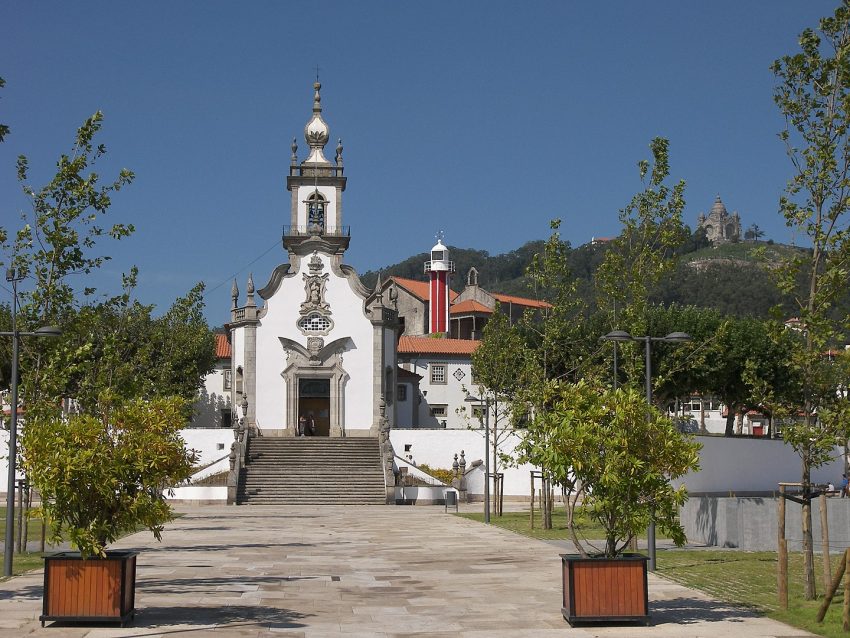
Location: Capela de Nossa Senhora da Agonia, Travessa do Pombal, Caminha, Viana do Castelo, Portugal | Hours: Monday – Sunday: 08:00–12:00 & 13:00–17:00. | Price: Free. | Website | Distance: 19.9km
Visiting Igreja da Senhora da Agonia
3. Barcelos
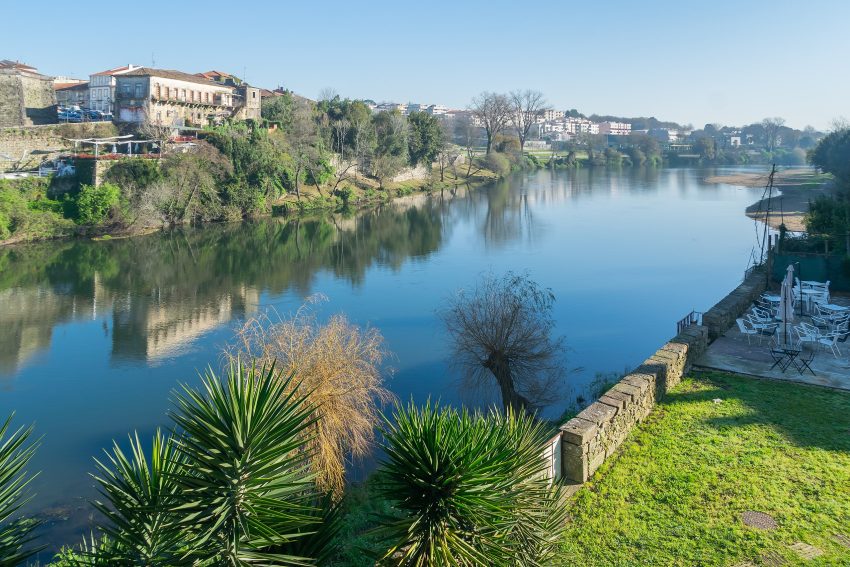
Visiting Barcelos
4. Braga
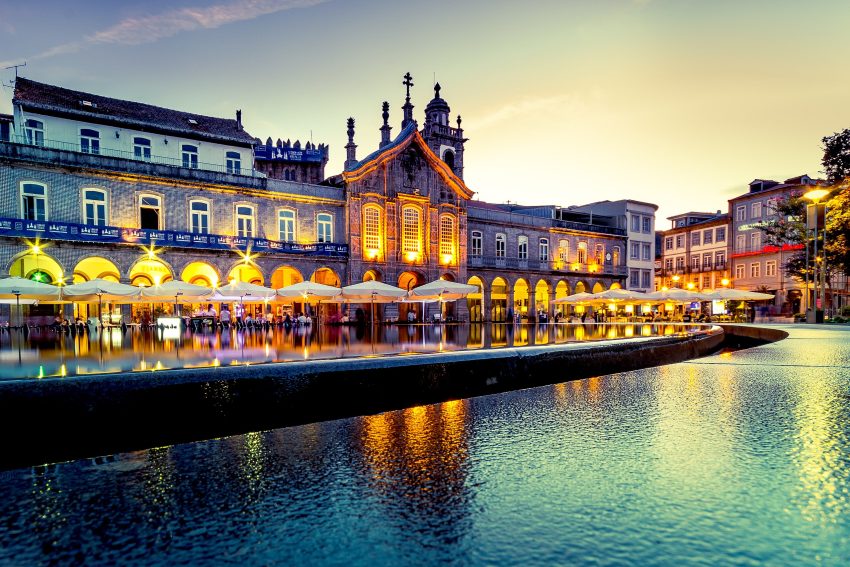
Visiting Braga
5. Guimarães
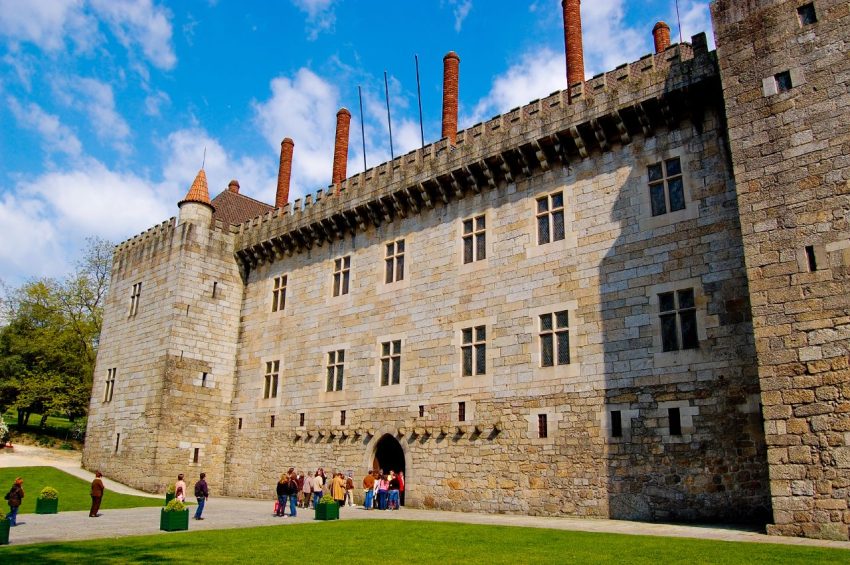
Visiting Guimarães
6. Vigo
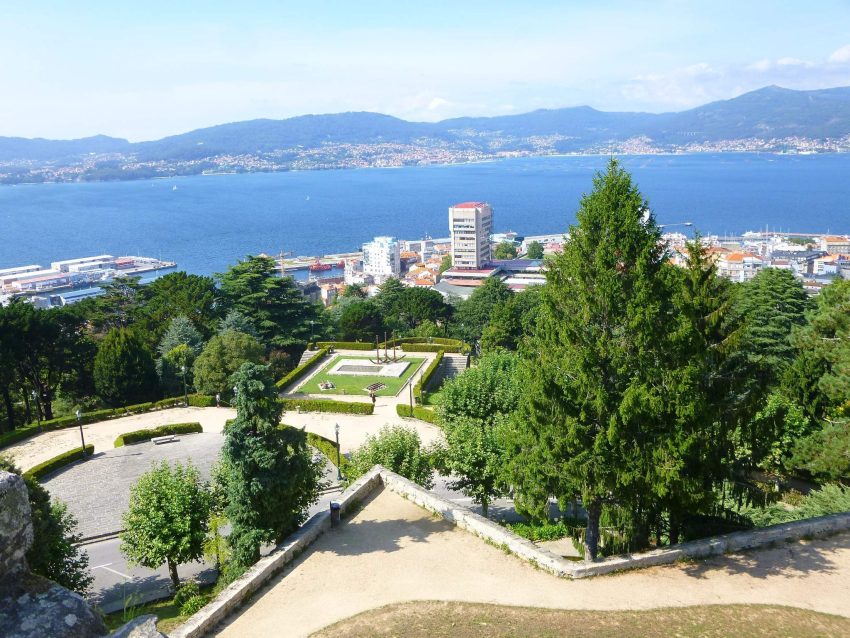
Visiting Vigo
7. Porto
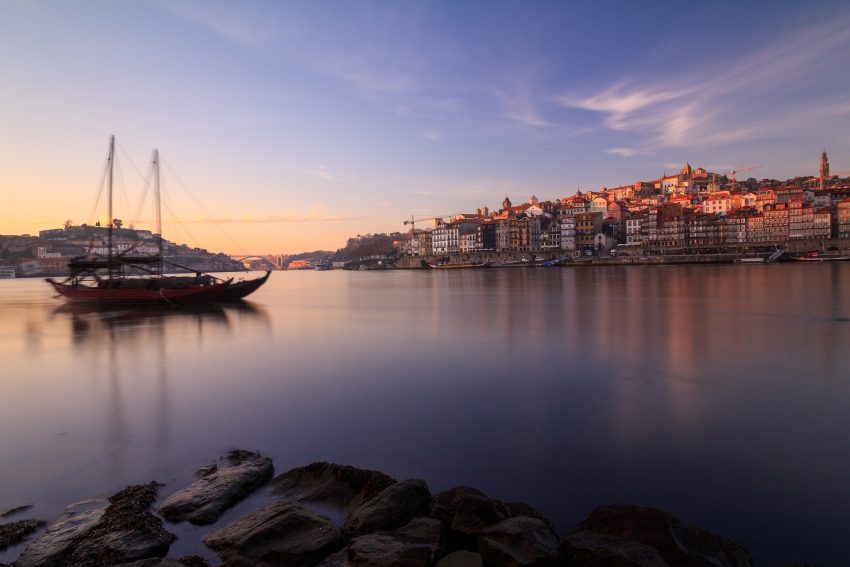
Visiting Porto
8. Espinho
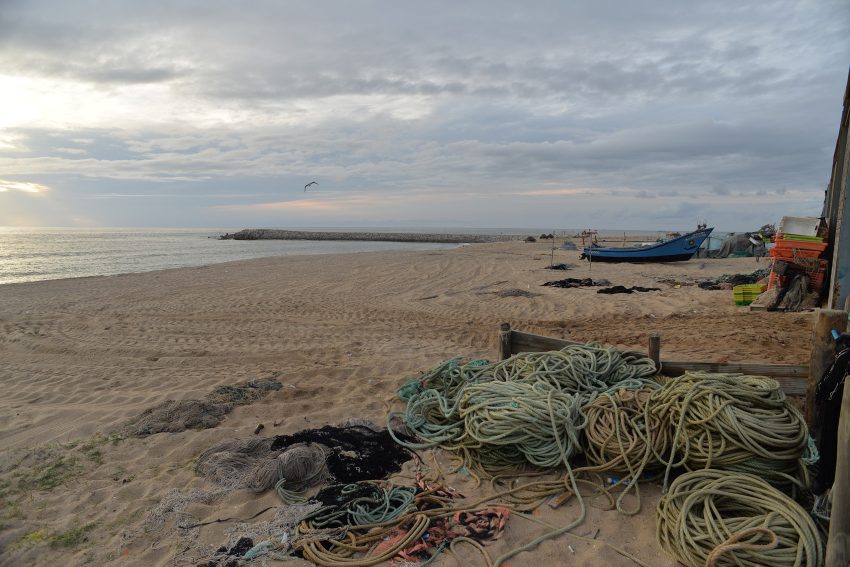
Visiting Espinho
9. Vila Real
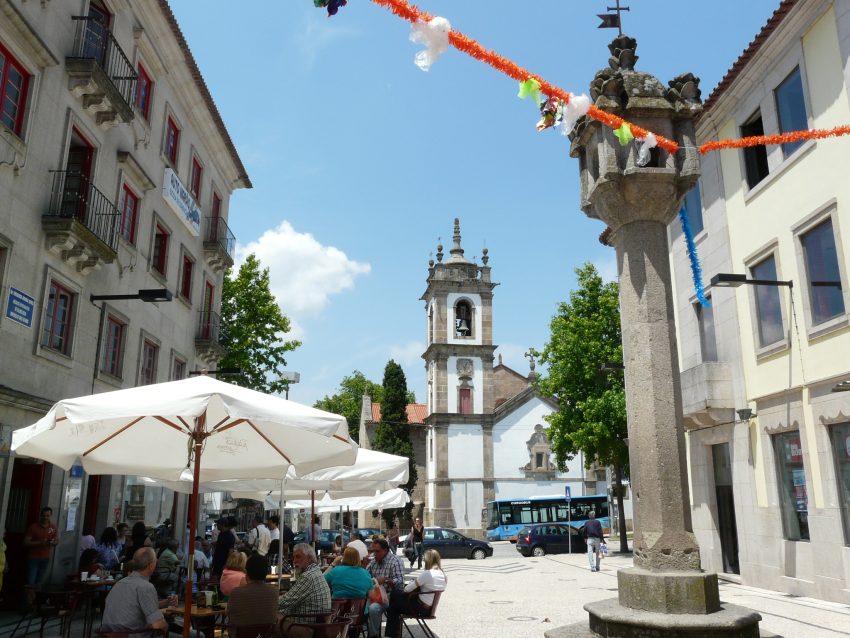
Visiting Vila Real
10. Peso da Régua
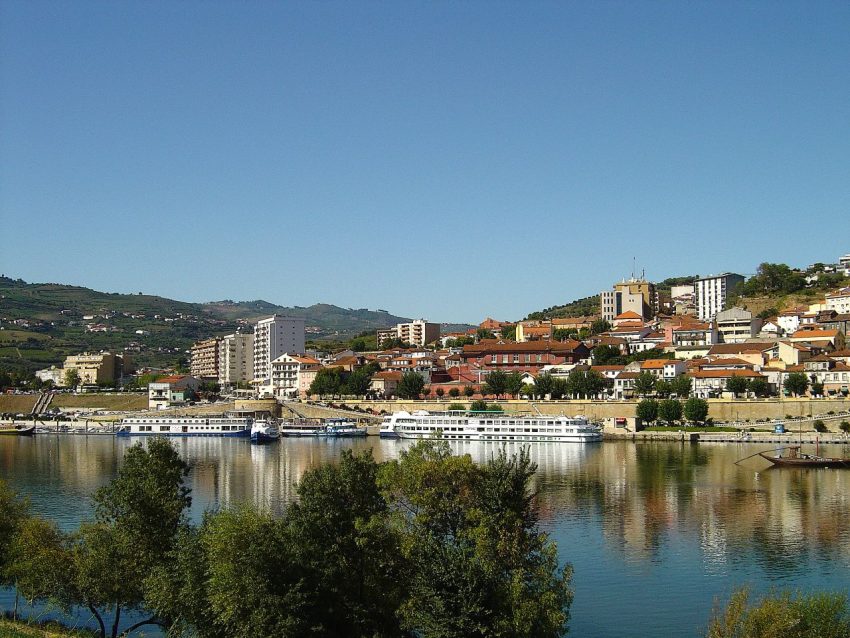
Visiting Peso da Régua
11. Ourense
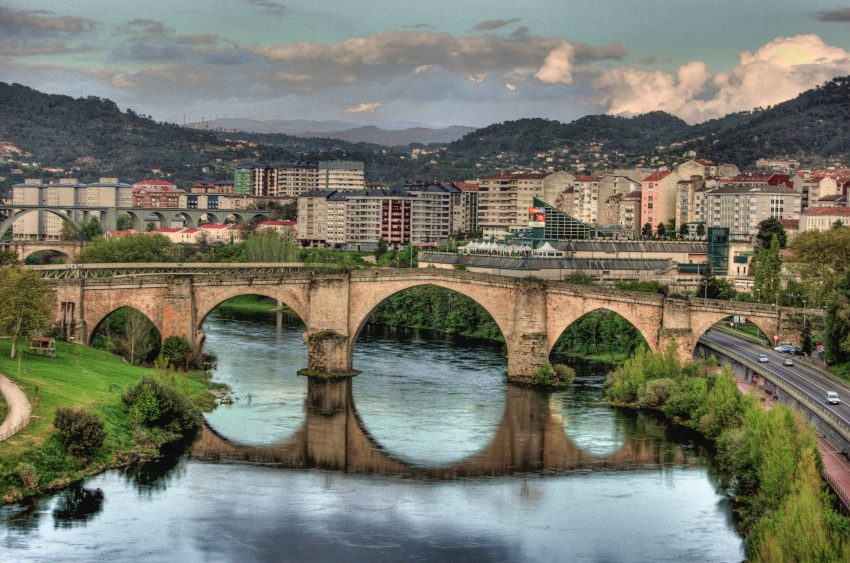
Visiting Ourense
Where to Stay in Viana do Castelo
Viana do Castelo offers a diverse range of accommodations, whether you’re looking for a seaside retreat, cultural immersion, or countryside tranquility. The Historic Center (Centro Histórico) is ideal for travelers wanting to stay close to landmarks like Praça da República, Santa Luzia Basilica, and charming local markets. Here, visitors can explore traditional Portuguese architecture, vibrant shopping streets, and cozy cafés, all within easy walking distance. A great option in this area is Hotel Laranjeira, offering comfortable boutique-style rooms with a welcoming atmosphere in the heart of the old town.
For those who prefer stunning ocean views and easy beach access, the Praia do Cabedelo and Marina District provide excellent accommodations along the Atlantic coast. This area is perfect for travelers seeking relaxation, water sports, and scenic coastal walks, with nearby seafood restaurants adding to the experience. A recommended hotel in this district is FeelViana Sport Hotel, featuring modern design, wellness facilities, and a beachfront location ideal for outdoor activities.
If peaceful countryside retreats are more appealing, staying near Santa Luzia Hill or the surrounding rural estates offers breathtaking views and a serene atmosphere. This option is perfect for those wanting nature trails, panoramic landscapes, and a relaxing escape from the city, while still being a short drive from central Viana do Castelo. A fantastic stay in this area is Pousada de Viana do Castelo, a historic property that combines elegance with spectacular scenery overlooking the town and coastline. Whether you’re drawn to cultural charm, seaside beauty, or countryside serenity, Viana do Castelo has accommodations to match every traveler’s preference.
Using the our Hotel and Accomodation map, you can compare hotels and short-term rental accommodations in Viana do Castelo. Simply insert your travel dates and group size, and you’ll see the best deals for your stay.
Viana do Castelo Accommodation Map
Best Time to Visit Viana do Castelo
Spring in Viana do Castelo
Spring is a wonderful time to visit Viana do Castelo, as mild temperatures, blooming landscapes, and fewer crowds make for a relaxed experience. From March to May, the coastal town awakens with fresh sea breezes and vibrant colors along the Lima River and Atlantic coast, perfect for scenic walks and outdoor exploration.
Visitors can enjoy the Semana Santa (Holy Week) celebrations, where religious processions and traditional events take place across the city. Additionally, spring is ideal for exploring Santa Luzia Hill, offering breathtaking panoramic views with comfortable hiking conditions. With temperatures ranging from 12°C to 20°C, it’s an excellent season for exploring without extreme heat.
Summer in Viana do Castelo (Best)
Summer is undoubtedly the best time to visit Viana do Castelo, especially for those looking to experience its beaches, cultural festivals, and lively atmosphere. From June to September, the town becomes a hotspot for sun-seekers, with temperatures averaging 20°C to 30°C, making it ideal for enjoying Praia do Cabedelo and other pristine coastal spots.
One of the highlights of summer is the Romaria de Nossa Senhora da Agonia, Viana do Castelo’s most iconic festival, held in August. This event features traditional processions, folk dancing, fireworks, and beautifully adorned boats, showcasing the rich maritime heritage of the town. With bustling markets and open-air concerts, summer offers the perfect blend of relaxation and vibrant festivities.
Autumn in Viana do Castelo
Autumn in Viana do Castelo is ideal for those who prefer mild temperatures, cultural exploration, and peaceful surroundings. From September to November, the town enjoys crisp air and stunning autumnal colors, particularly in Parque Nacional da Peneda-Gerês, a short drive away.
This season is also perfect for visiting local wine estates, where the annual grape harvest takes place, allowing visitors to taste Vinho Verde, the region’s famed fresh white wine. With temperatures ranging from 14°C to 25°C, autumn provides a comfortable setting for leisurely sightseeing without the peak season crowds.
Winter in Viana do Castelo
Winter offers a quieter, cozy experience, making it a great time for those looking to enjoy the local culture without the summer rush. From December to February, temperatures range between 8°C to 15°C, creating a crisp but manageable climate for exploring the city’s museums, historic streets, and seafood restaurants.
One of the seasonal highlights is Christmas festivities, where lights and decorations brighten the city, and traditional markets offer handmade crafts and delicious seasonal treats. While beach activities may not be ideal, winter is excellent for uncovering the town’s architectural heritage and savoring comforting Portuguese cuisine.
Annual Weather Overview
- January 13°C 59°F
- February 14°C 61°F
- March 16°C 64°F
- April 18°C 68°F
- May 20°C 71°F
- June 21°C 74°F
- July 25°C 80°F
- August 24°C 78°F
- September 22°C 76°F
- October 21°C 73°F
- November 16°C 64°F
- December 13°C 60°F
How to get to Viana do Castelo
By Air
To travel to Viana do Castelo by air, fly into Francisco Sá Carneiro Airport in Porto, which is the nearest major airport. From there, you can take a taxi, rental car, or public transportation to Viana do Castelo, which is about 65 kilometers away.
By Train
Traveling to Viana do Castelo by train is convenient and scenic. The town has a railway station with regular connections from Porto and other major cities in Portugal. The train journey offers beautiful views of the Portuguese countryside and coastline.
By Bus
Several bus companies operate routes to Viana do Castelo from different parts of Portugal. Buses from Porto, Lisbon, and other nearby cities are frequent and provide a comfortable way to reach the town.
By Car
Driving to Viana do Castelo is a flexible option if you prefer to travel at your own pace. The town is well-connected by road, and you can easily reach it via the A28 highway from Porto. Renting a car allows you to explore the surrounding region as well. If you are looking to rent a car in Portugal I recommend having a look at Discover Cars, first, as they compare prices and review multiple car rental agencies for you.