Mahon, Spain: The Ultimate Travel Guide 2026

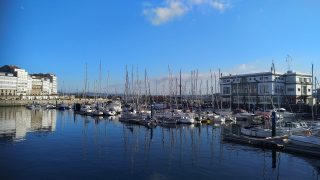
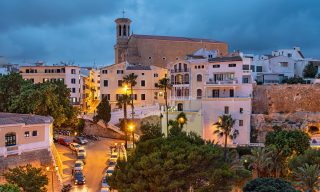
Mahón (Maó) sits on the eastern side of Menorca in Spain's Balearic Islands, and it works well as a base if you want a harbour city with easy access to beaches, villages, and coastal walks. The first impression is the port: long, sheltered, and busy enough to feel alive without turning into a resort strip. Plan to spend time simply moving between the upper town and the waterfront, because the changes in elevation create some of the best viewpoints and a constant sense of “sea below, city above.”
For a good day in Mahón, start in the centre with a slow wander through the lanes, small plazas, and shops, then make your way down toward the marina for lunch or a drink with harbour views. If you like being on the water, boat trips from the port are an easy win, and even without one, the waterfront promenade is a pleasant stretch for a late afternoon walk. The town also has a practical side that’s useful for travellers: supermarkets, services, and transport links that make it simpler than staying in a purely beach-focused area.
Mahón is also a handy launch point for short trips across Menorca. You can pair it with a beach day on the east or southeast coast, hop to nearby villages for quieter dinners, or do a scenic drive to viewpoints and coves, returning in the evening when the harbour lights come on and the temperature drops. If you’re choosing where to stay, pick somewhere that makes it easy to reach both the old town and the port on foot, because that’s where Mahón feels most distinctive.
Table of Contents
- History of Mahon
- Mahón Before Written History
- Mahón in the Classical Mediterranean
- Mahón Under Islamic Rule
- Mahón After the Christian Conquest
- Mahón in the Age of Fortifications and Maritime Threats
- Mahón in the 18th Century Imperial Struggle
- Mahón in the 19th Century
- Mahón Through War and Dictatorship
- Mahón in the Democratic Era and Contemporary Period
- 17 Best places to See in Mahon
- Teatre Principal De Mao
- Portal de Sant Roc
- Carrer Moreres
- Museu de Menorca
- Plaça d’Espanya
- Church and Cloister of Saint Francesc
- Port Mahon
- Mercat de Peix
- Xoriguer Gin Factory
- Esglesia De Santa Maria
- Ayuntamiento de Mahon
- Iglesia Del Carmen
- Mercat del Claustre
- Trepucó Talayotic Settlement
- Basilica of Fornas de Torelló
- Castillo de San Felipe
- La Mola Fortress
- 3 Best Day Trips from Mahon
- Where to Stay in Mahon
- Best Time to Visit Mahon
- How to get to Mahon
- Getting to Mahón by air
- Mahón by air: flight options
- Mahón by air: airport transfers into the city
- Getting to Mahón by train
- Mahón by train: train to a ferry port, then ferry
- Mahón by train: train to an airport, then fly
- Mahón by train: operator links
- Getting to Mahón by Car
- Mahón by car: drive to a mainland port, then take the car ferry
- Mahón by car: driving on Menorca after you arrive
- Travelling around Mahón
- Mahón local buses and regional buses
- Mahón taxis and rides
- Mahón car hire and scooters
History of Mahon
Mahón Before Written History (Prehistory to c. 1st Millennium BCE)
Long before Mahón appears in written sources, the wider area around the natural harbour was part of a landscape shaped by prehistoric communities. These societies left behind a distinctive megalithic legacy, with stone-built settlements and funerary structures that point to organized, long-lived communities. The harbour environment would have offered a practical anchor for movement, exchange, and seasonal activity even in very early periods.
What matters for Mahón’s early story is continuity: generations adapting to the same terrain, building in stone, and developing local identities that endured even as outside powers later arrived. The endurance of these early cultures is one reason the island’s material past feels unusually “present” compared with many Mediterranean places where later rebuilding erased earlier layers.
Mahón in the Classical Mediterranean (c. 6th Century BCE to 5th Century CE)
As Mediterranean trade networks intensified, the harbour that defines Mahón’s character made it relevant to seafaring economies and imperial logistics. The classical era brought more structured maritime contact, with shipping routes connecting local communities to broader commercial and military systems. Over time, Roman influence in particular formalized administration and infrastructure across the region, tying local production and movement into an imperial framework.
For Mahón, this period is less about a single founding moment than about the gradual thickening of connections: goods, people, and ideas moving through the harbour, and external authorities imposing new systems of law, taxation, and governance. The imprint of Rome also set patterns later powers would echo—using the harbour as a strategic asset and the surrounding territory as a managed resource.
Mahón Under Islamic Rule (c. 10th Century to 1287)
The medieval period saw the consolidation of Islamic control, bringing new administrative structures, agricultural practices, and cultural life. Settlement patterns and rural organization shifted, with irrigation methods and land management that often increased productivity and reshaped the countryside. Even when the main defensive and political centers were elsewhere at times, the harbour area remained significant as part of a wider system of coastal surveillance, trade, and communication.
Mahón’s story in this era is one of integration into a different political and cultural world, with networks oriented toward North Africa and the western Mediterranean as much as toward Iberia. The legacy is complex: later Christian rulers frequently built over or repurposed earlier systems, but many underlying patterns—especially in land use and rural continuity—had deep medieval roots.
Mahón After the Christian Conquest (1287 to 16th Century)
Following the Christian conquest in the late 13th century, Mahón entered a period of reorganization under new rulers, laws, and ecclesiastical structures. This included the redistribution of land, changes in settlement governance, and the reshaping of religious life through the establishment and reinforcement of Christian institutions. The transition was not instantaneous; it played out over generations as demographic, legal, and cultural changes took hold.
Across these centuries, coastal life was also defined by insecurity. Raiding and privateering in the western Mediterranean made maritime communities vulnerable, and the pressures of defense influenced where people lived and how communities invested resources. Mahón’s harbour remained a prize, but also a liability, requiring protection and oversight.
Mahón in the Age of Fortifications and Maritime Threats (16th to 17th Century)
The 16th and 17th centuries intensified the logic of defense. As rival powers contested the Mediterranean, fortifications and coastal watch systems became central to survival and strategy. Military engineering, garrisons, and the politics of protection shaped the built environment and local priorities, with communities balancing economic life against the constant possibility of attack.
Mahón’s harbour made the stakes higher: it offered shelter and access for fleets, and that meant it drew attention during conflicts. This era hardened the relationship between the city’s fortunes and naval power. The harbour was increasingly treated not merely as a commercial convenience but as a strategic tool that could determine influence in the region.
Mahón in the 18th Century Imperial Struggle (1708 to 1802)
The 18th century is the decisive turning point in Mahón’s modern profile, as European imperial rivalry repeatedly shifted control and reoriented the city’s institutions. Under British rule for significant stretches, Mahón was developed as a naval hub, and military needs drove investment, administration, and a more outward-facing commercial life. Control changed hands more than once, including periods of French occupation and eventual Spanish reassertion, with each regime leaving administrative and cultural traces.
These transitions were not purely military; they affected daily life, trade patterns, and civic identity. New officials, new regulations, and shifting alliances created a city accustomed to external power and rapid change. Even the city’s cultural texture—habits, architecture, and local memory—was shaped by the experience of being a strategic asset contested by major states.
Mahón in the 19th Century (1802 to 1900)
After Spanish control stabilized in the early 19th century, Mahón moved into a slower, more administrative rhythm, though maritime life remained central. The century brought political turbulence at the state level—constitutional struggles, regime changes, and economic shifts—that filtered into local governance and commerce. The city adapted to changing markets and technologies, including the gradual modernization of port operations and urban services.
This period is often characterized by steadier civic development: municipal institutions strengthening, urban life becoming more structured, and local society balancing tradition with modernization. While Mahón no longer sat at the heart of great-power naval competition in quite the same way, the harbour continued to anchor its economy and identity.
Mahón Through War and Dictatorship (1900 to 1975)
The first half of the 20th century brought disruption, culminating in the Spanish Civil War and the long dictatorship that followed. Like many communities, Mahón experienced the social fractures of conflict—political polarization, repression, and the reordering of public life under authoritarian rule. The years afterward emphasized control and stability over civic experimentation, with constraints on cultural and political expression.
At the same time, the mid-20th century laid groundwork for later economic shifts. Improvements in infrastructure and the gradual opening of Spain’s economy changed travel, trade, and expectations. Mahón’s identity began to tilt toward a future where services and mobility mattered more, even if that transition accelerated later.
Mahón in the Democratic Era and Contemporary Period (1975 to Today)
From the late 1970s onward, democratic reforms reshaped public life, local governance, and cultural confidence. Economic change broadened opportunities, and the city’s relationship with visitors and seasonal rhythms grew more prominent. Urban renewal, heritage awareness, and environmental considerations increasingly influenced planning decisions, with greater attention to protecting character while accommodating modern needs.
In recent decades, Mahón has leaned into what makes it distinct: a city defined by a remarkable harbour, layered historical memory, and a civic scale that still feels navigable. The modern story is less about conquest and more about balancing preservation with livability—keeping the city functional for residents while sustaining the heritage and atmosphere that draw people in.

Moira & Andy
Hey! We're Moira & Andy. From hiking the Camino to trips around Europe in Bert our campervan — we've been traveling together since retirement in 2020!
Visiting Mahon for the first time and wondering what are the top places to see in the city? In this complete guide, I share the best things to do in Mahon on the first visit. To help you plan your trip, I have also included an interactive map and practical tips for visiting!
This website uses affiliate links which earn a small commission at no additional cost to you.
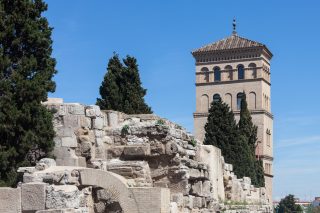
17 Best places to See in Mahon
This complete guide to Mahon not only tells you about the very best sights and tourist attractions for first-time visitors to the city but also provide insights into a few of our personal favorite things to do.
This is a practical guide to visiting the best places to see in Mahon and is filled with tips and info that should answer all your questions!
1. Teatre Principal De Mao

Location: Carrer d'en Deià, 40, 07702 Maó, Illes Balears, Spain | Hours: Tuesday – Saturday: 11:30–13:30. Thursday – Friday: 18:30–20:30. Sunday – Monday: Closed. | Price: Prices vary by show. | Website | Distance: 0.3km


2. Portal de Sant Roc
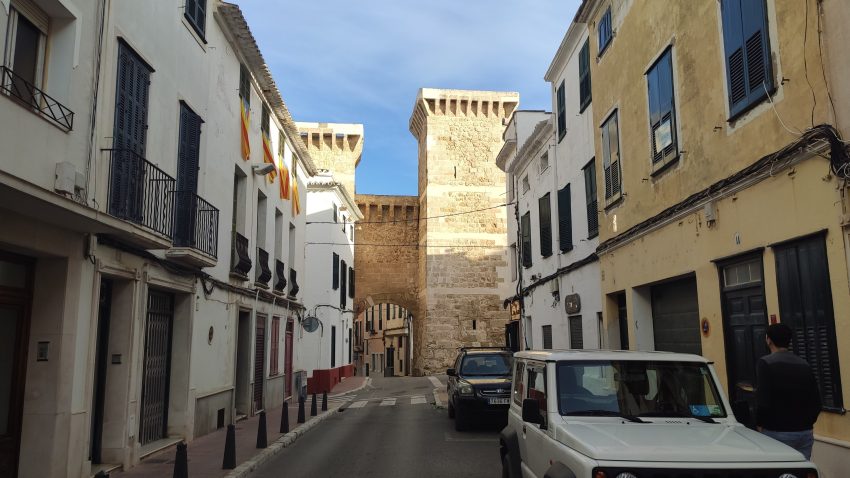
Location: 36, Carrer de Sant Roc, 34, 07701 Maó, Illes Balears, Spain | Hours: 24 Hours. | Price: Free. | Distance: 0.3km
3. Carrer Moreres

Location: Carrer de ses Moreres, Maó, Illes Balears, Spain | Hours: 24 Hours. | Price: Free. | Distance: 0.3km
4. Museu de Menorca

Location: Pla des Monestir, 9, 07701 Maó, Illes Balears, Spain | Hours: Tuesday & Thursday: 10:00–19:00. Wednesday, Friday, Saturday, Sunday: 10:00–14:00. Closed on Monday. | Price: Adults: €4; Reduced: €3; Sundays: free; Temporary exhibitions: free. | Website | Distance: 0.4km
5. Plaça d’Espanya

Location: Plaça d'Espanya, 07701 Maó, Illes Balears, Spain | Hours: 24 Hours. | Price: Free. | Distance: 0.5km
6. Church and Cloister of Saint Francesc

Location: Pla des Monestir, 07701 Maó, Illes Balears, Spain | Hours: Tuesday: 10:00–14:00 & 18:00–20:00. Wednesday: 10:00–14:00. Thursday: 10:00–18:00. Friday: 10:00–14:00. Saturday: 10:00–14:00. Sunday: 10:00–14:00. Closed on Monday. | Price: Adults: €4; Under 18: free. | Website | Distance: 0.5km
7. Port Mahon

Location: Maó, Balearic Islands, Spain | Hours: 24 Hours. | Price: Free. | Website | Distance: 0.5km
8. Mercat de Peix

Location: Pl. de España, 1, 07701 Maó, Illes Balears, Spain | Hours: Monday – Thursday: 11:00–23:00. Friday – Saturday: 11:00–23:30. Closed on Sunday. | Price: Free. | Distance: 0.5km
9. Xoriguer Gin Factory

Location: Moll de Ponent, 91, 07701 Maó, Illes Balears, Spain | Hours: (Summer) April 1 – October 31; Monday – Friday: 10:00–18:00; Saturday: 10:00–14:00. (Winter) November 1 – March 31; Closed. | Price: Check official website. | Website | Distance: 0.5km
10. Esglesia De Santa Maria

Location: Ajuntament, 07701 Maó, Illes Balears, Spain | Hours: Check official website. | Price: Check official website. | Website | Distance: 0.5km
11. Ayuntamiento de Mahon

Location: Plaça de la Constitució, 1, 07701 Maó, Illes Balears, Spain | Hours: Monday – Wednesday: 09:00–14:00. Thursday: 09:00–14:00 & 16:00–19:00. Friday: 09:00–14:00. Closed on Saturday, Sunday. | Price: Free. | Website | Distance: 0.5km
12. Iglesia Del Carmen

Location: Plaça del Carme, 07701 Maó, Illes Balears, Spain | Hours: Check official website. | Price: Free; donations appreciated. | Website | Distance: 0.6km
13. Mercat del Claustre

Location: Carrer del Claustre del Carme, 19, 07701 Maó, Illes Balears, Spain | Hours: Monday – Saturday: 08:00–21:00. Sunday: 08:00–14:00. | Price: Free. | Website | Distance: 0.6km
14. Trepucó Talayotic Settlement

Location: Mahón, 07702, Balearic Islands, Spain | Hours: 24 Hours. | Price: Free. | Distance: 1.6km
15. Basilica of Fornas de Torelló

Location: Menorca, Camí de Sant Climent, Cap d'en Font, Illes Balears, 07712, Illes Balears, Spain | Hours: Daily: Open 24 hours. | Price: Free. | Distance: 3.2km
16. Castillo de San Felipe

Location: 07720 Sant Felip, Balearic Islands, Spain | Hours: (Winter) November 1, 2025 – April 30, 2026; Guided visits only; advance reservation required. (Summer) May 1 – October 31; Guided visits only; advance online reservation required. | Price: Adults: €8; Seniors: €5; Children (6–11): €0 in winter / €2 in summer. | Website | Distance: 4.3km
17. La Mola Fortress

Location: Carretera de la Mola, s/n, 07700 Maó, Illes Balears, Spain | Hours: January: Closed. February – March: Tuesday – Sunday: 10:00–14:00; Closed on Monday. April: Tuesday – Sunday: 10:00–20:00; Closed on Monday. May – July: Daily: 10:00–20:30. August: Daily: 10:00–20:00. September: Daily: 10:00–20:00. October: Daily: 10:00–19:30 (October 1 – 15); 10:00–19:00 (October 16 – 28); 10:00–18:00 (October 29 – 31). November: Tuesday – Sunday: 10:00–14:00; Closed on Monday. December: Daily: 10:00–14:00 (until December 10); Closed (from December 11). | Price: Adults: €8.00; University students/Youth card: €7.20; Seniors 65+ & ages 12–16: €5.50; Children 6–11: €4.00; Ages 0–5: free. | Website | Distance: 4.6km
Best Day Trips from Mahon
A day trip from Mahon offers the perfect opportunity to escape the urban rhythm and discover the surrounding region's charm. Whether you're drawn to scenic countryside, historic villages, or cultural landmarks, the area around Mahon provides a variety of easy-to-reach destinations ideal for a one-day itinerary. If you are looking to rent a car in Spain I recommend having a look at Discover Cars, first, as they compare prices and review multiple car rental agencies for you.
1. Ciutadella de Menorca

Visiting Ciutadella de Menorca
2. Pollenca
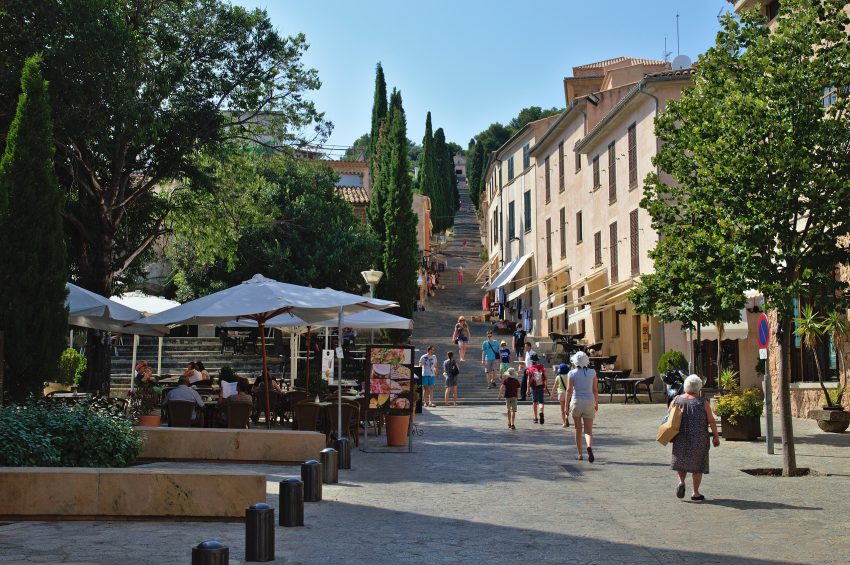
Visiting Pollenca
3. Palma de Mallorca
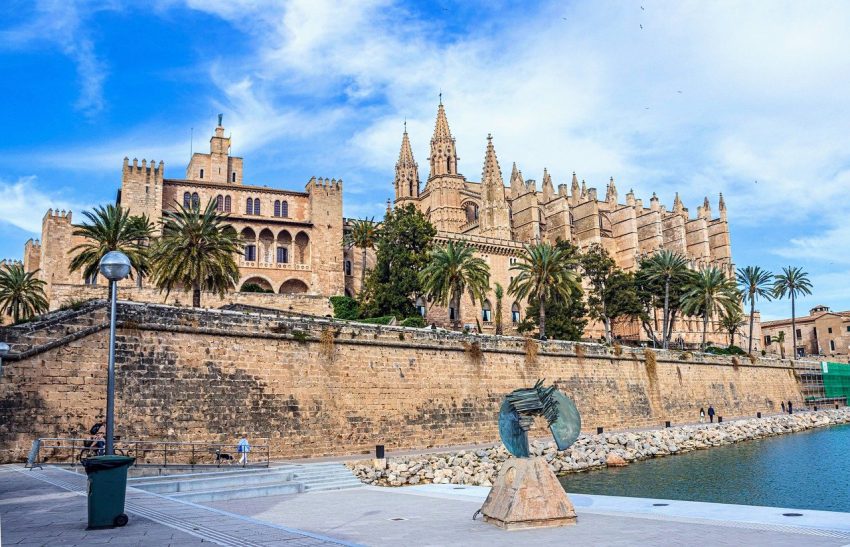
Visiting Palma de Mallorca
Where to Stay in Mahon
If you want Mahón to feel most atmospheric and convenient, stay in the historic centre (around the main plazas and civic buildings) so you can walk to restaurants, shops, viewpoints, and down to the harbour without relying on taxis. If your priority is harbour scenery and an “evening by the water” feel, base yourself along the Port of Mahón area, where you’ll get the best views and easy access to waterfront dining, though you may be doing a bit more uphill walking back into town.
For the old-town experience, consider Can Alberti 1740 Boutique Hotel for a classic townhouse stay right in the centre: Can Alberti 1740 Boutique Hotel. Another strong centre option is Bordoy Casa Ládico – Boutique Hotel, which works well if you want a smaller, characterful property that still keeps you close to the port and the main sights: Bordoy Casa Ládico - Boutique Hotel. If you prefer a more full-service city hotel (especially useful outside peak summer when you’ll spend more time “in” the hotel), ARTIEM Capri is a dependable pick near the centre and bus station, with facilities geared to comfort and downtime: ARTIEM Capri.
For harbour views, Catalonia Mirador des Port is well placed for looking over the water while staying close to the historic core, so you can do dinner on the waterfront and still be back “in town” quickly: Catalonia Mirador des Port. If you want to be right on the port with a quieter, more resort-leaning feel (but still in Mahón), Seth Port Mahón is a good fit because the setting is the main draw and you’re positioned for boat trips and waterfront evenings: Seth Port Mahón.
Using the our Hotel and Accomodation map, you can compare hotels and short-term rental accommodations in Mahon. Simply insert your travel dates and group size, and you’ll see the best deals for your stay.
Mahon Accommodation Map
Best Time to Visit Mahon
Mahón in Spring (Best)
Spring is one of the easiest seasons for visiting Mahón because the weather is generally mild, the days start to feel long, and the island has that “just-woken-up” energy without peak-season crowding. It’s a good time for lingering in the old town, doing harbour viewpoints in comfortable temperatures, and taking day trips without having to plan around intense heat.
Prices and availability are typically more reasonable than summer, and restaurants and services are back in rhythm, but the pace still feels relaxed. Sea temperatures are usually cooler, so it’s better for coastal scenery and light beach time than for long swims.
Festival-wise, spring can include local patron-saint celebrations and cultural events that feel more local than staged, though exact dates vary year to year. If you want Mahón to feel authentic and unhurried while still lively, spring is the sweet spot.
Mahón in Summer
Summer is the busiest, brightest version of Mahón: long daylight hours, warmer nights, and a harbour that feels fully animated. This is the season for pairing city time with beach-heavy days, then coming back in the evening for waterfront dinners and late strolling when the heat eases.
The trade-off is crowds and higher prices, especially around peak weeks. Midday sightseeing can be uncomfortable in hotter spells, so it’s smarter to do the town early, retreat during the hottest hours, and re-emerge later. If you’re sensitive to noise or prefer quieter streets, summer can feel intense in the most popular pockets.
For festival highlights, late June is notable on the island because of Sant Joan celebrations (most famously in Ciutadella), and the broader atmosphere carries across Menorca. If your priority is peak beach conditions and a lively evening scene, summer delivers.
Mahón in Autumn
Early autumn keeps much of summer’s warmth but with a noticeable drop in crowd levels, which makes Mahón feel more spacious and easier to enjoy at a slower pace. The sea is often at its warmest in late summer into early autumn, so it can actually be a better swimming season than early summer, with more comfortable water temperatures.
This is a strong time for food-focused travel as well, with markets feeling abundant and the evenings staying pleasant. As the season moves toward late autumn, some tourist-oriented services may reduce hours, but Mahón remains functional and active compared with smaller resort areas.
A key local highlight is the Festes de la Mare de Déu de Gràcia (usually in early September), which brings a concentrated burst of tradition, music, and street-level energy. If you like the idea of festivals without the absolute peak-season crush, early autumn is an excellent choice.
Mahón in Winter
Winter is the quietest season in Mahón, with shorter days and a more local, working-city feel. It’s the best time if you want calm streets, easier reservations, and a sense of everyday life rather than holiday momentum. You can still enjoy the harbour views and the architectural character of the centre, but you’ll be doing it in cooler, sometimes windier conditions.
The main limitation is that beach time becomes more about scenery than swimming, and some seasonal businesses may close or run reduced schedules. That said, Mahón tends to retain more year-round services than smaller coastal resorts, so it’s still practical as a base.
Festival-wise, winter tends to be less about major tourist-draw celebrations and more about smaller-scale local events and holiday traditions. If your goal is atmosphere, value, and minimal crowds—and you don’t need beach weather—winter can work very well.
Annual Weather Overview
- January 14°C 60°F
- February 13°C 59°F
- March 14°C 61°F
- April 16°C 64°F
- May 19°C 71°F
- June 24°C 79°F
- July 27°C 85°F
- August 28°C 86°F
- September 25°C 80°F
- October 22°C 75°F
- November 18°C 68°F
- December 15°C 63°F
How to get to Mahon
Getting to Mahón by air
Nearest airport: Menorca Airport (MAH) is the airport for Mahón and the main gateway to the island.
Mahón by air: flight options
You'll typically find the widest year-round choice via Spanish hubs (especially Madrid and Barcelona), with a much bigger spread of direct seasonal routes from across Europe in late spring through early autumn. If you're travelling in shoulder season, check connections via mainland Spain, as frequencies can drop outside peak months.
Mahón by air: airport transfers into the city
From Menorca Airport, Mahón is a short transfer by taxi or local bus depending on time of day and service patterns. If you’re arriving late, assume taxi is the simplest option; if you’re arriving daytime and travelling light, bus can be practical. If you’re picking up a hire car, the airport is the most straightforward place to do it.
Getting to Mahón by train
Reality check: there are no passenger trains on Menorca, so you can’t reach Mahón directly by rail. The workable “train” route is to use trains on mainland Spain (or France) to reach a ferry port or an airport, then continue by sea or air.
Mahón by train: train to a ferry port, then ferry
A common approach is train to Barcelona or Valencia, then transfer to the port for an overnight or daytime ferry to Menorca. Depending on the sailing, you may arrive at Mahón's port or another Menorcan port with onward bus/taxi connections.
Mahón by train: train to an airport, then fly
Another common approach is train to Madrid or Barcelona, then fly to Menorca Airport (MAH). This can be faster and more frequent than ferries outside peak summer timetables.
Mahón by train: operator links
RENFE (Spain): https://www.renfe.com/
iryo (Spain): https://iryo.eu/
Ouigo España: https://www.ouigo.com/es/
SNCF Connect (France): https://www.sncf-connect.com/
Getting to Mahón by Car
Reality check: you can’t drive to Mahón without taking a ferry, because Menorca is an island.
Mahón by car: drive to a mainland port, then take the car ferry
Most drivers aim for a major mainland ferry port (commonly Barcelona or Valencia), then book a car ferry to Menorca. Ferries are popular in peak season, so booking early matters if you need a specific sailing time and vehicle size.
Mahón by car: driving on Menorca after you arrive
Once you’re on Menorca, driving is straightforward and distances are short. Use Mahón as a base for the east and central parts of the island, and plan for slower progress on narrower rural roads, especially near coves and in summer traffic. If you are looking to rent a car in Spain I recommend having a look at Discover Cars, first, as they compare prices and review multiple car rental agencies for you.
Travelling around Mahón
On foot: Mahón’s centre is walkable, but expect hills and stairways between the upper town and the port area; wear shoes that cope with slopes and stone pavements.
Mahón local buses and regional buses
Local and island-wide buses are useful if you’re not hiring a car, particularly for getting between Mahón and other towns. Service is typically better in the warmer months and more limited late at night, so check times if you’re relying on buses for evening plans.
Mahón taxis and rides
Taxis are the simplest option for airport transfers, late-night returns, or direct trips when bus schedules don’t line up. In busy summer weeks, build in extra time around flight arrivals and popular dinner hours.
Mahón car hire and scooters
If you want to reach beaches and smaller coves efficiently, car hire is usually the most flexible choice; scooters can work for confident riders, but factor in wind exposure and night driving. In high season, book vehicles ahead and confirm pickup/return hours, especially for early flights.