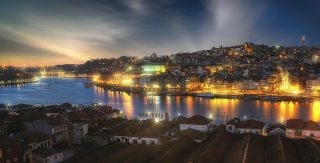
Lisbon, Portugal: The Ultimate Travel Guide 2026
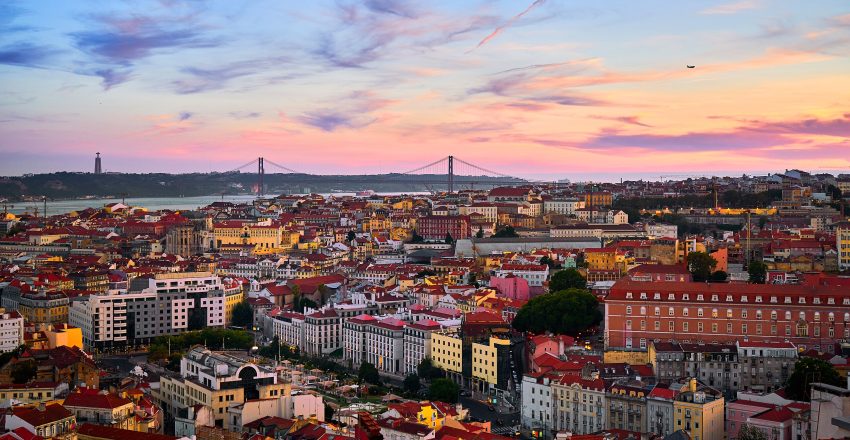
The eighteenth-century city of central Lisbon is known for its elegant design, proximity to the sea, and careful planning. This description applies within the boundaries of the old central triangle of hills, but not to the modern suburbs, some of which are grim. The Baixa, or lower town, was built in less than a decade by the Marquês de Pombal, a dictatorial minister, after the Great Earthquake of 1755 destroyed much of central Lisbon. The earthquake, which struck on All Saints' Day in 1755, caused fires that raged throughout the city, and a tidal wave that killed 40,000 of the 270,000 population. Before the earthquake, Lisbon was one of the most active ports in Europe, having been prosperous since Roman times.
The city was twice at the forefront of European development and trade in the past, during the great Portuguese discoveries of the fifteenth and sixteenth centuries, and the opening decades of the eighteenth century, when Brazil yielded gold and diamonds. These were the great ages of Portuguese patronage. In the nineteenth and early twentieth centuries, Lisbon experienced political upheavals, but the Art Nouveau movement made its mark on the city. In recent decades, Lisbon has undergone significant reconstruction and renovation, boosted by EU funding for economic regeneration in the 1980s, its status as European City of Culture in 1994, hosting of the Expo in 1998, and the European Championships of 2004. The city's transportation infrastructure has been improved, and historic districts and riverfronts have been given makeovers, making Lisbon one of Europe's most exciting capitals.
History of Lisbon
Lisbon, the capital and largest city of Portugal, boasts a rich and multifaceted history that dates back to prehistoric times. Its strategic location at the mouth of the Tagus River has made it a significant site of human settlement for thousands of years.
Ancient and Pre-Roman History
Archaeological findings suggest that the region around Lisbon has been inhabited since the Neolithic period, with a noticeable presence during the Bronze Age and Iron Age. The area was inhabited by various indigenous tribes before coming under the influence of Carthaginians and later the Romans.
Roman and Moorish Rule
Lisbon, known as Olissipo in Roman times, flourished as a trading center under Roman administration from 205 BC. The Romans enhanced its commercial potential by connecting it with other provinces and building grand theaters, baths, and roads. After the collapse of the Roman Empire, Lisbon saw a series of rulers, including Germanic tribes such as the Suebi and the Visigoths. In the 8th century, the Moors conquered Lisbon, leaving a significant cultural imprint, especially in architecture and urban planning. The Moorish influence lasted until the 12th century.
Christian Reconquest and Expansion
In 1147, King Afonso Henriques recaptured Lisbon during the Christian Reconquista with the help of Crusaders on their way to the Holy Land. This marked the beginning of a significant transformation in Lisbon’s cultural, religious, and political landscape. Under Portuguese rule, Lisbon was rebuilt with churches and a cathedral, and the city became the country’s political and spiritual center.
Age of Discoveries
The 15th and 16th centuries, known as Portugal’s Age of Discoveries, saw Lisbon emerge as a global hub of commerce, culture, and science. Explorers like Vasco da Gama embarked on voyages from Lisbon to India, Africa, and Brazil, establishing it as one of the world’s greatest cities during the Renaissance. Wealth from colonial ventures funded the construction of numerous monuments, churches, and the magnificent Jerónimos Monastery.
Earthquake and Reconstruction
The catastrophic earthquake of 1755, followed by a tsunami and fires, devastated Lisbon, killing thousands and destroying much of the city’s architecture. The Marquis of Pombal led the reconstruction efforts, which included the design of the Baixa Pombalina district with its innovative anti-seismic construction techniques and modern urban layout.
20th Century to Present
In the 20th century, Lisbon underwent further transformations with the establishment of the Portuguese Republic in 1910, the Estado Novo regime in 1933, and eventually the Carnation Revolution in 1974, which transitioned Portugal to democracy. Lisbon hosted the Expo ’98, which further promoted its status on the international stage.
Today, Lisbon is known for its historical neighborhoods, rich maritime heritage, vibrant culture, and as a center of economic activity in Portugal. Its history as a center of world exploration, cultural exchange, and architectural innovation continues to captivate visitors and scholars alike.

Moira & Andy
Hey! We're Moira & Andy. From hiking the Camino to trips around Europe in Bert our campervan — we've been traveling together since retirement in 2020!
Visiting Lisbon for the first time and wondering what are the top places to see in the city? In this complete guide, I share the best things to do in Lisbon on the first visit. To help you plan your trip, I have also included an interactive map and practical tips for visiting!
This website uses affiliate links which earn a small commission at no additional cost to you.
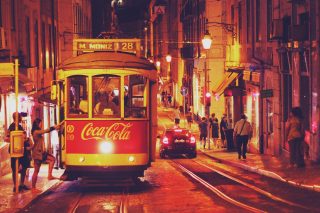


13 Best places to See in Lisbon
This complete guide to Lisbon not only tells you about the very best sights and tourist attractions for first-time visitors to the city but also provide insights into a few of our personal favorite things to do.
This is a practical guide to visiting the best places to see in Lisbon and is filled with tips and info that should answer all your questions!
1. Miradouro de São Pedro de Alcântara

Location: Miradouro de São Pedro de Alcântara, Rua de São Pedro de Alcântara, Lisbon, Portugal | Hours: Open 24 hours a day as a public terrace; kiosks and pop-up bars generally open from late morning until late evening, especially in warmer months. | Price: Free – Miradouro de São Pedro de Alcântara is a public viewpoint; you only pay for any drinks or snacks from kiosks and bars. | Website | Distance: 0.9km

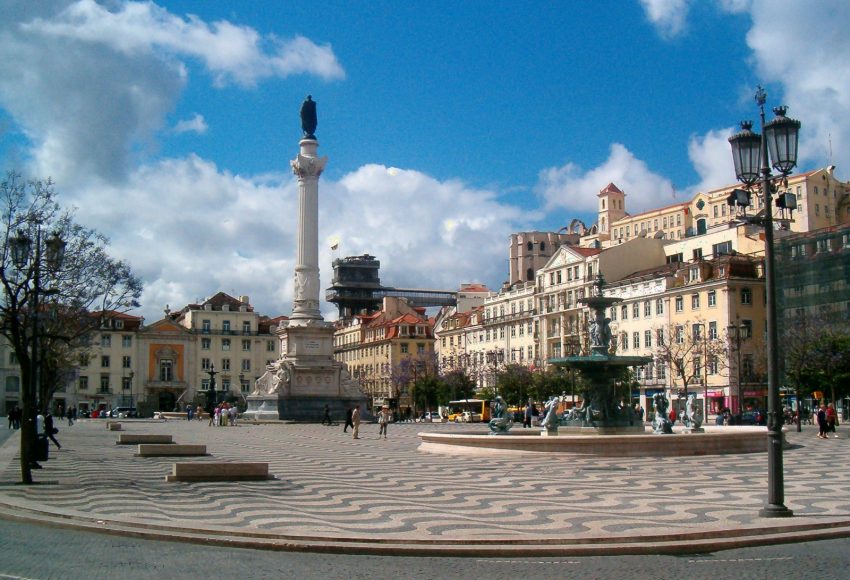
2. Praça do Rossio
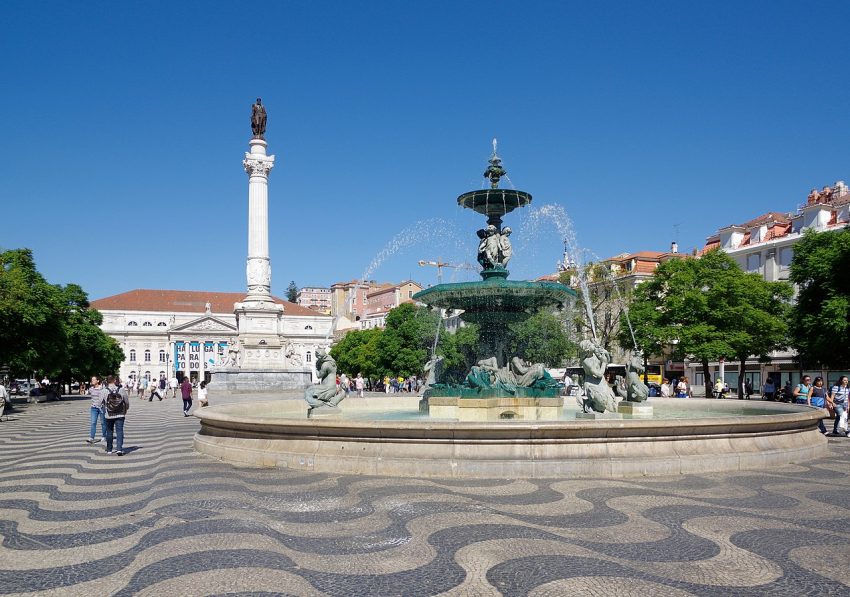
Location: Praça do Rossio, Lisbon, Portugal | Hours: Open 24 hours a day | Price: Free - Rossio Square is a public plaza open to everyone. | Website | Distance: 0.9km
3. Museu Nacional de História Natural e da Ciência
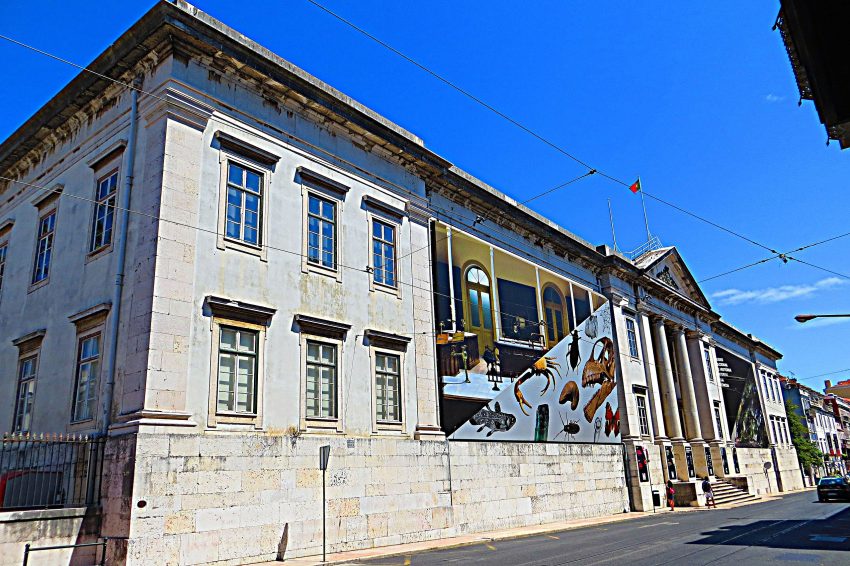
Location: Museu Nacional de História Natural e da Ciência, Rua da Escola Politécnica, Lisbon, Portugal | Hours: Tuesday to Sunday: 10:00 am to 5:00 pm Closed on Mondays and public holidays. Free admission on Sundays from 10:00 am to 1:00 pm. | Price: Adults €5.00 | Website | Distance: 1.1km
4. Carmo Convent
Location: Convento do Carmo, Largo do Carmo, Lisbon, Portugal | Hours: Monday–Saturday 10:00–18:00 (November–April) and 10:00–19:00 (May–October); closed on Sundays and on 1 January, 1 May, and 25 December. | Price: Adults: €7.00; Students/Seniors/Lisbon Card: €5.00; Children under 14: free. | Website | Distance: 1.1km
5. Elevador de Santa Justa
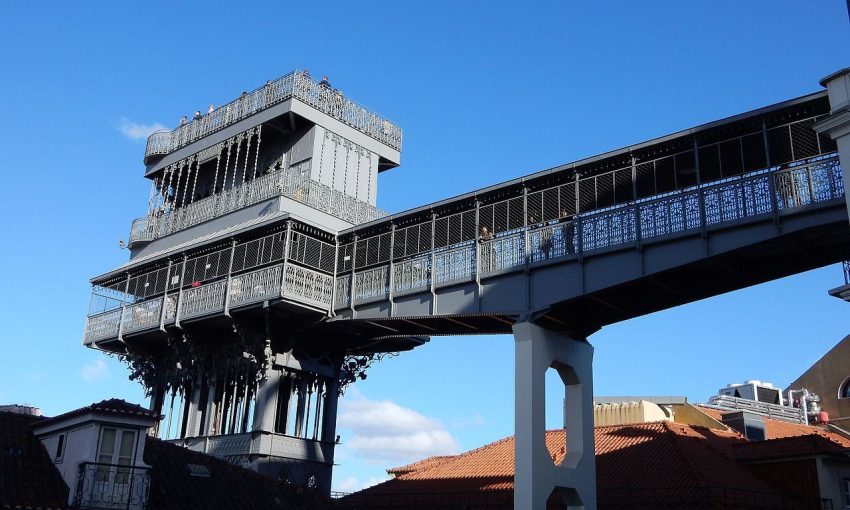
Location: Elevador de Santa Justa, R. do Ouro, Lisbon, Portugal | Hours: Daily: 9am to 9pm | Price: Adults: €5 | Website | Distance: 1.1km
6. São Jorge Castle
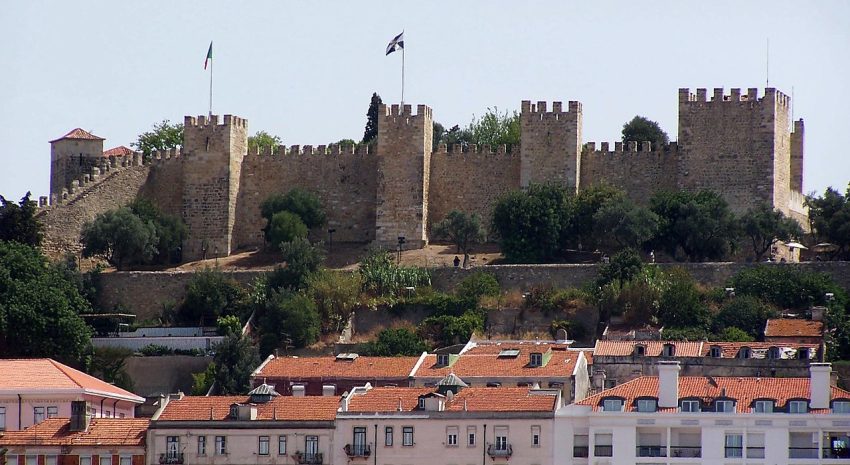
Location: São Jorge Castle, Rua de Santa Cruz do Castelo, Lisbon, Portugal | Hours: 9am-9pm Mar-Oct, to 6pm Nov-Feb | Price: Adult: €15.00 | Website | São Jorge Castle Skip-the-line Ticket | Distance: 1.1km
7. São Vicente de Fora
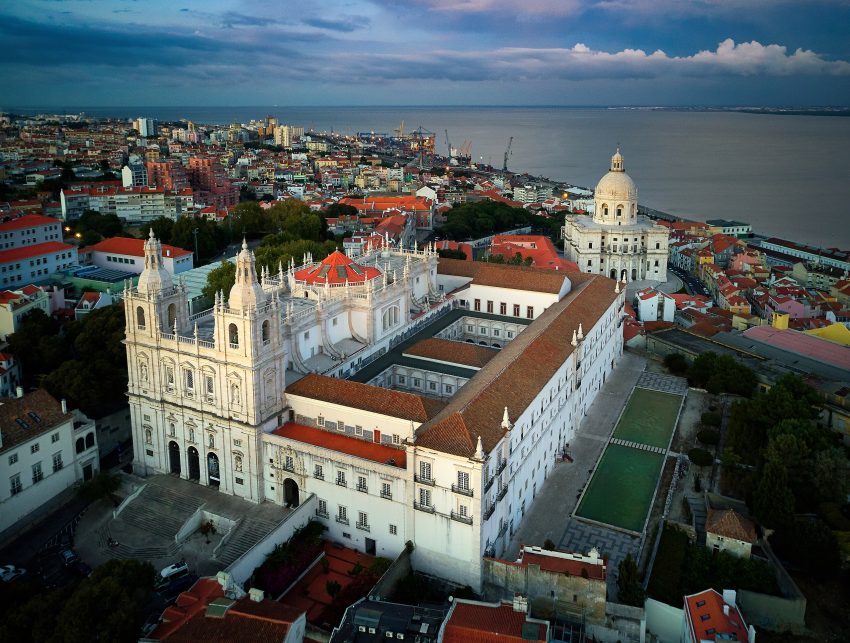
Location: São Vicente de Fora, Lisbon, Portugal | Hours: Tuesday to Sunday, usually from 10:00 AM – 6:00 PM (closed on Mondays). | Price: Adults: €8.00 | Website | Distance: 1.4km
8. Teatro Nacional de São Carlos
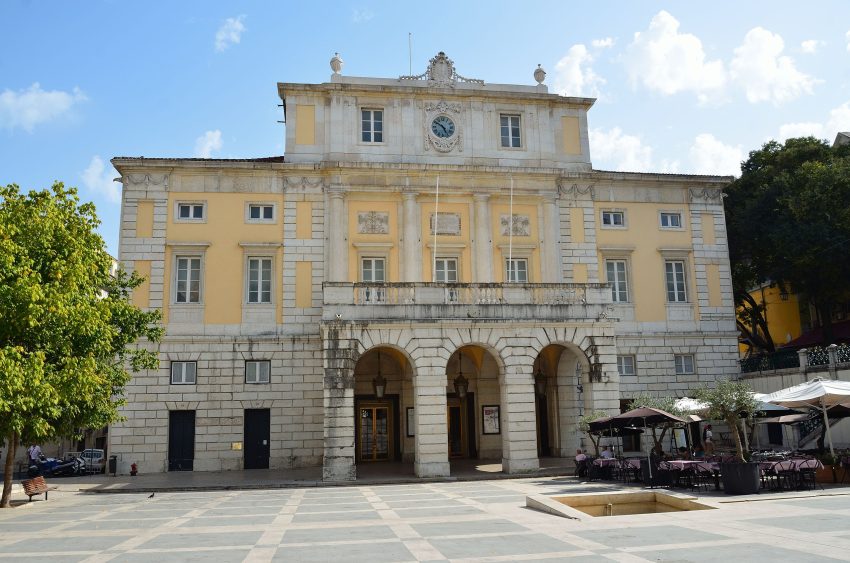
Location: Teatro Nacional de São Carlos, Rua Serpa Pinto, Lisbon, Portugal | Hours: Performance and tour times vary by season; the box office generally opens in the early afternoon and remains open into the early evening on performance days—check current hours before visiting. | Price: Adults: €25.00 to €70.00 depending on seat and production | Website | Distance: 1.4km
9. National Pantheon
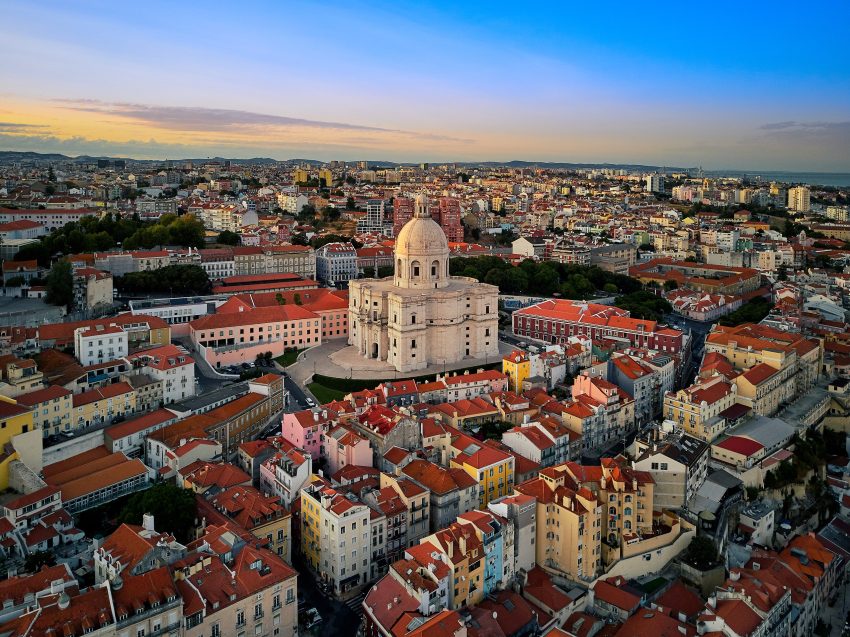
Location: National Pantheon, Campo de Santa Clara, Lisbon, Portugal | Hours: October / March: From Tuesday to Sunday from 10:00 to 17:00 (last entry at 16:40). April / September: From Tuesday to Sunday: from 10:00 to 18:00 (last entry at 17:40) Closed: Monday; January 1st, Easter Sunday, May 1st, June 13th and December 25th. | Price: Adult: €10.00 | Website | Distance: 1.5km
10. Lisbon Cathedral
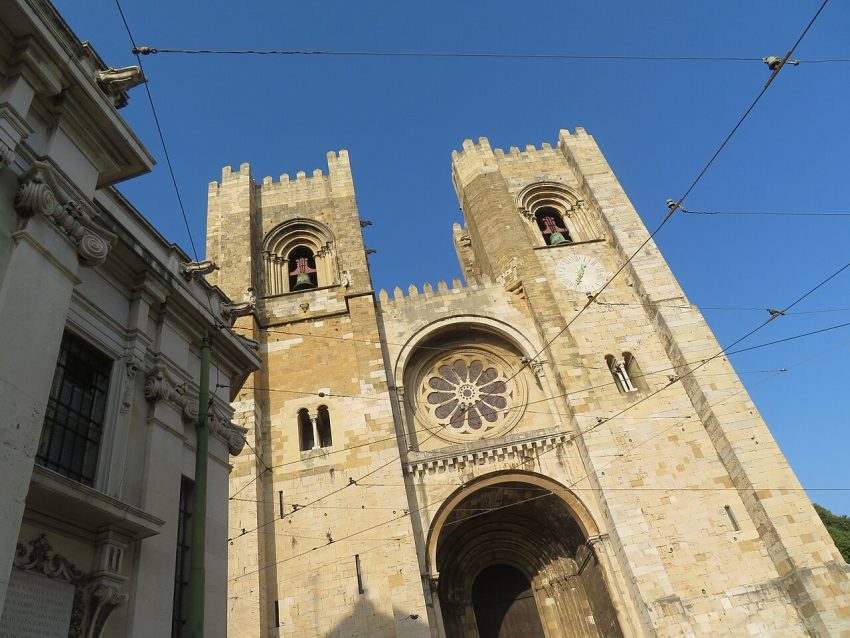
Location: Lisbon Cathedral, Largo da Sé, Lisbon, Portugal | Hours: Monday to Saturday: 9:30–19:00 (April–October), 10:00–18:00 (November–March); closed Sundays and Holy Days. | Price: Adults: €7 | Website | Distance: 1.5km
11. Arco da Rua Augusta
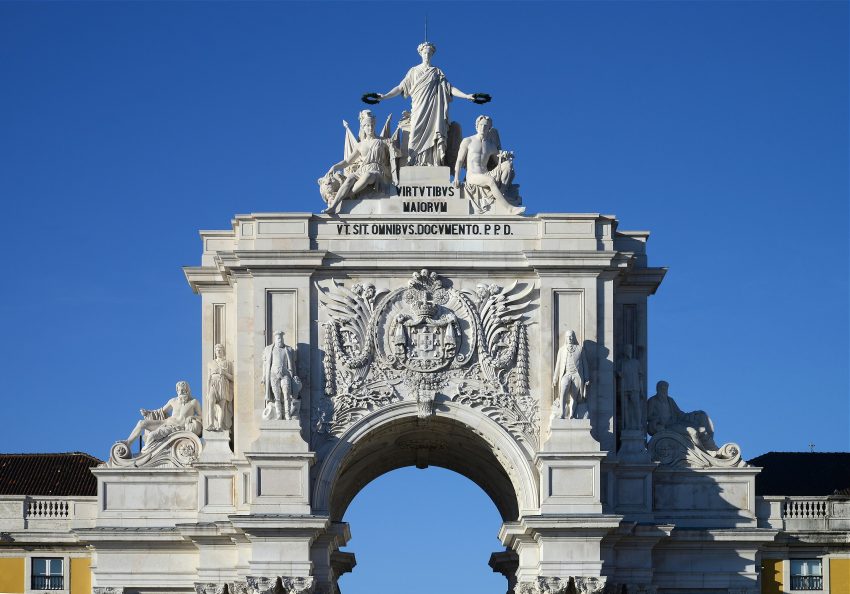
Location: Arco da Rua Augusta, Rua Augusta, Lisbon, Portugal | Hours: Daily: 10:00 - 19:00 | Price: Adults: €4.50 | Website | Distance: 1.6km
12. Museu Calouste Gulbenkian
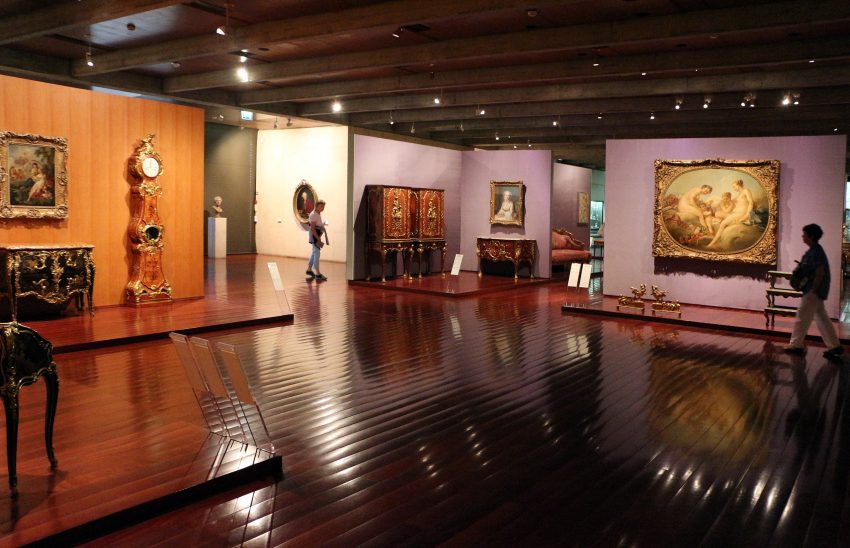
Location: Museu Calouste Gulbenkian, Avenida de Berna, Lisbon, Portugal | Hours: 10am-6pm Wed-Mon | Price: Coleção do Fundador/Coleção Moderna combo ticket adult/child €10/free, temporary exhibitions €3-6, free Sun from 2pm | Distance: 2.1km
13. Museu Nacional do Azulejo
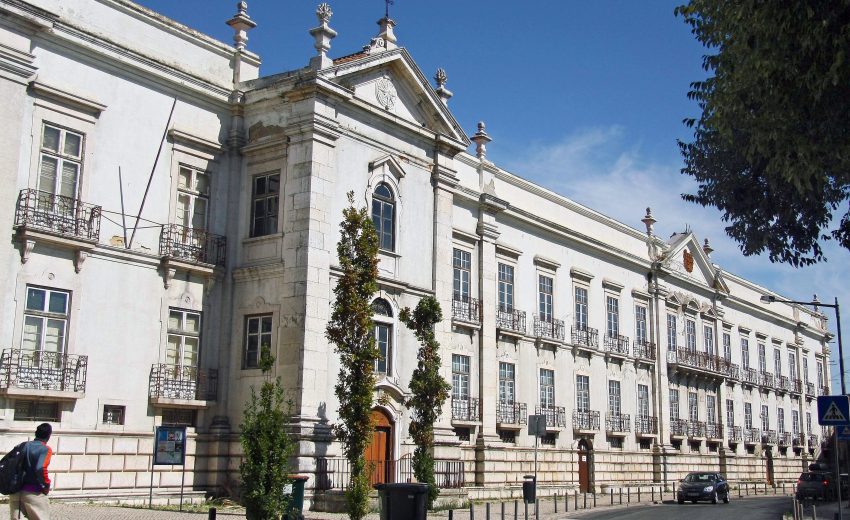
Location: Museu Nacional do Azulejo, Rua Madre Deus, Lisbon, Portugal | Hours: Tuesday to Sunday, 10:00–18:00 | Price: Adults: €5.00 | Website | National Tile Museum Entry Ticket | Distance: 2.2km
Best Day Trips from Lisbon
A day trip from Lisbon offers the perfect opportunity to escape the urban rhythm and discover the surrounding region's charm. Whether you're drawn to scenic countryside, historic villages, or cultural landmarks, the area around Lisbon provides a variety of easy-to-reach destinations ideal for a one-day itinerary. If you are looking to rent a car in Portugal I recommend having a look at Discover Cars, first, as they compare prices and review multiple car rental agencies for you.
1. Mosteiro dos Jerónimos
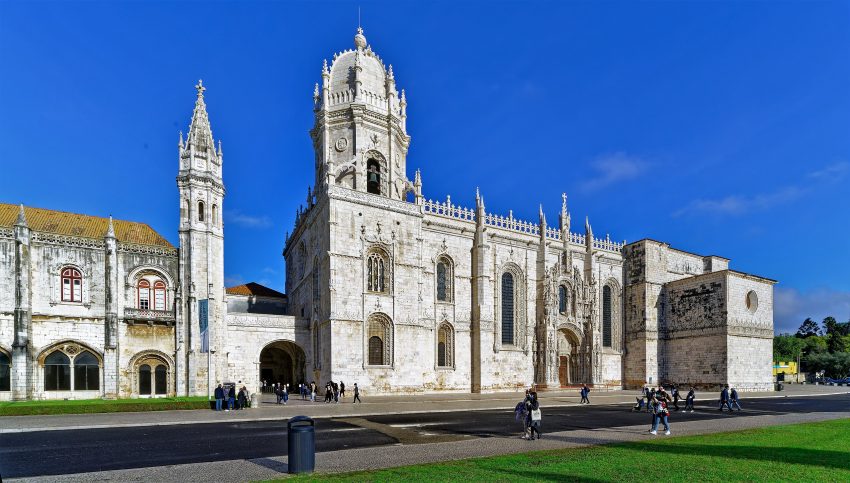
Location: Mosteiro dos Jerónimos, Lisbon, Portugal | Hours: Tuesday to Sunday, 9:30 am to 5:30 pm. Closes 18:30 in summer | Price: Adult: €18.00 | Website | Jerónimos Monastery Entrance Ticket | Distance: 6.4km
Visiting Mosteiro dos Jerónimos
2. Padrão dos Descobrimentos
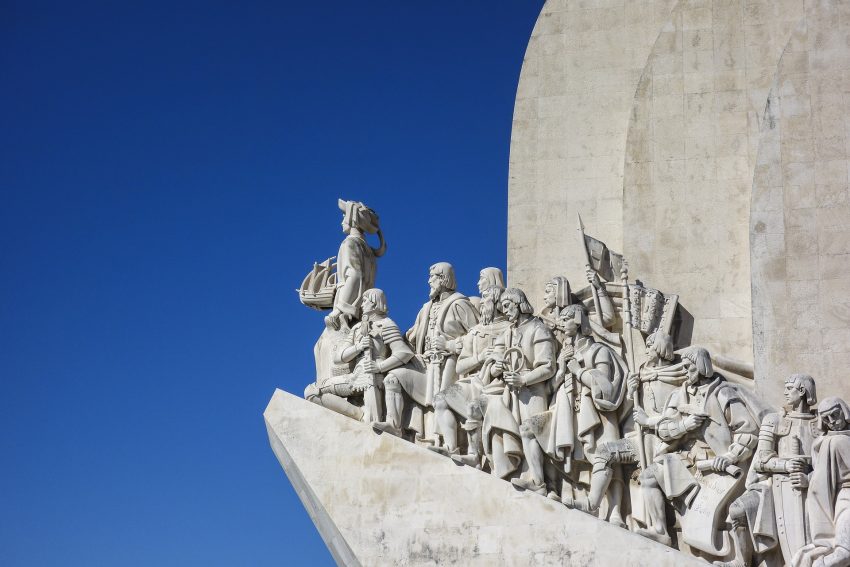
Location: Padrão dos Descobrimentos, Av. Brasília, Lisbon, Portugal | Hours: October–February: daily 10:00–18:00 (last admission 17:30); March–September: daily 10:00–19:00 (last admission 18:30); closed 1 January, 1 May, 24–25 and 31 December. | Price: Adults: €10 | Website | Distance: 6.6km
Visiting Padrão dos Descobrimentos
3. Torre de Belém
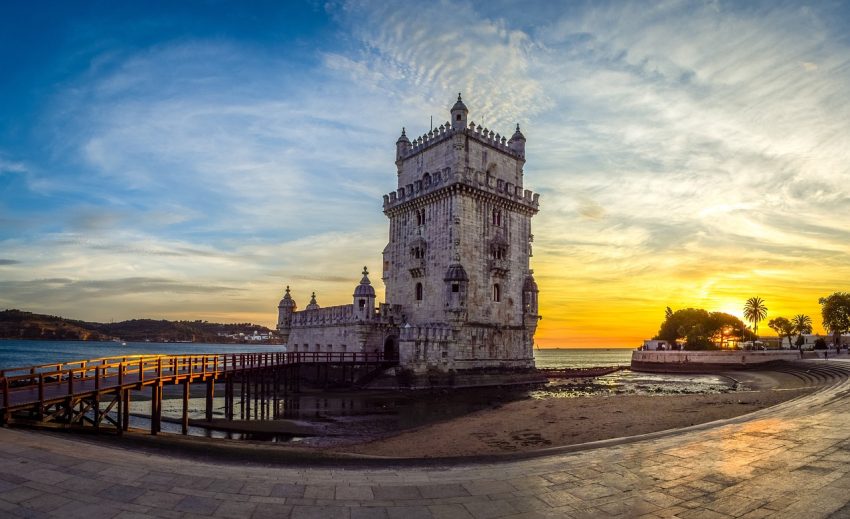
Location: Torre de Belém, Av. Brasília, Lisbon, Portugal | Hours: 10am-6.30pm Tue-Sun May-Sep, to 5.30pm Oct-Apr | Price: Adults: €15.00 | Website | Belém Tower E-Ticket with Multilingual Audio Guide | Distance: 7.5km
Visiting Torre de Belém
4. Sintra
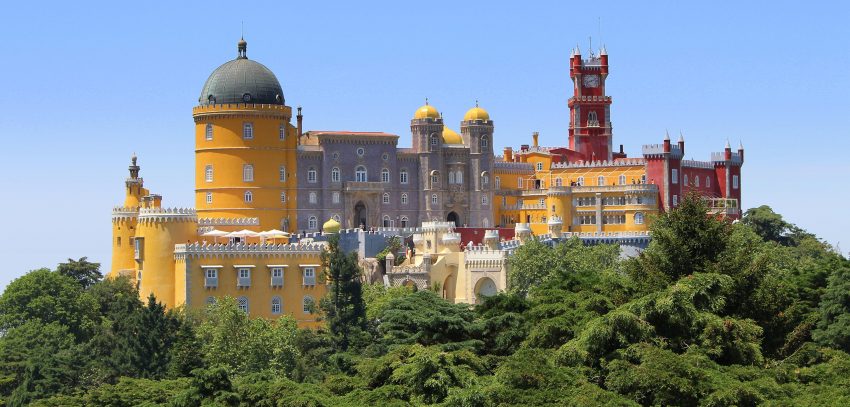
Visiting Sintra
5. Óbidos

Visiting Óbidos
6. Évora
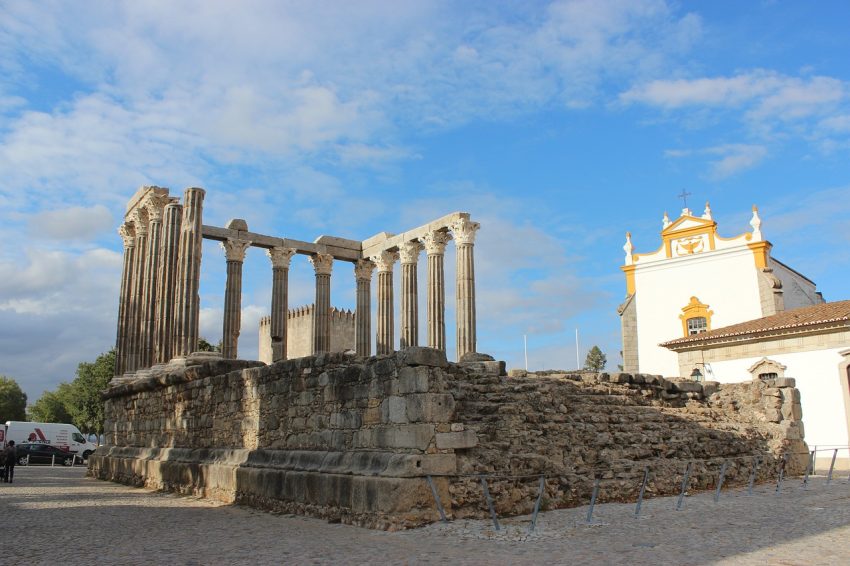
Visiting Évora
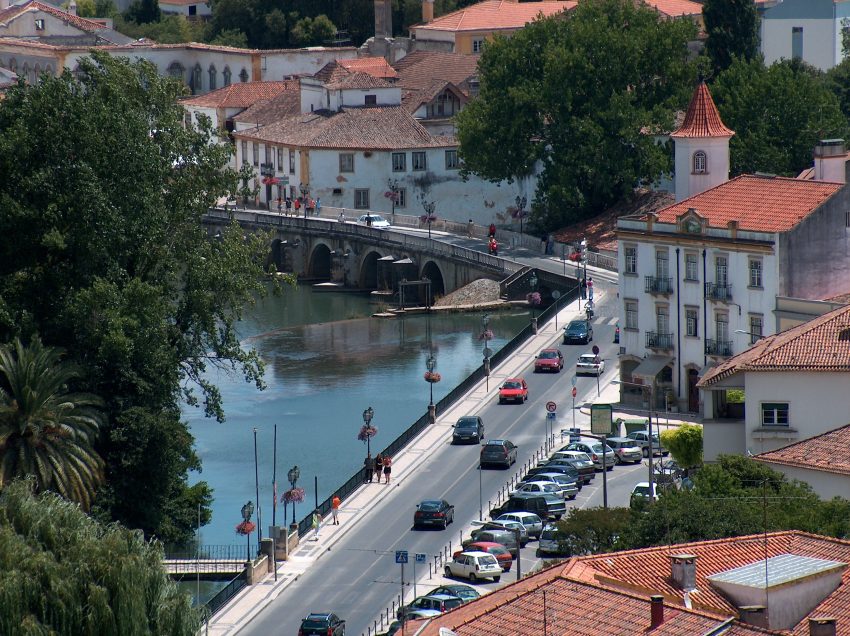
7. Tomar
Visiting Tomar
Where to Stay in Lisbon
Lisbon offers a diverse range of accommodations that cater to travelers seeking historic charm, riverside relaxation, or modern convenience. The Alfama District is one of the best places to stay for visitors who want to be immersed in Lisbon’s oldest neighborhood, filled with winding streets, traditional Fado music venues, and stunning viewpoints like Miradouro de Santa Luzia. Here, guests can experience authentic Portuguese culture, charming local shops, and historic sites such as the Lisbon Cathedral and São Jorge Castle. A recommended hotel in this area is Memmo Alfama Hotel, featuring elegant rooftop views, stylish décor, and a central location within Lisbon’s historic core.
For travelers looking for modern comforts and vibrant nightlife, staying in Bairro Alto and Chiado provides easy access to trendy bars, boutique shopping, and cultural landmarks like the Carmo Convent and Teatro Nacional São Carlos. This area is ideal for those who want to experience Lisbon’s lively social scene while staying close to artistic cafés, upscale restaurants, and charming squares like Praça Luís de Camões. A fantastic option in this district is Bairro Alto Hotel, offering luxurious accommodations with stylish interiors and panoramic city views.
If riverside serenity and contemporary elegance are a priority, staying in Belém and the Tagus Riverfront provides scenic waterfront walks, historical attractions like the Belém Tower and Jerónimos Monastery, and world-famous pastel de nata at Pastéis de Belém. This location is perfect for visitors looking to enjoy a relaxed atmosphere with cultural richness and beautiful open spaces. A recommended stay in this district is Altis Belém Hotel & Spa, featuring sophisticated accommodations, spa experiences, and stunning river views for a luxurious getaway. Whether you’re drawn to historic neighborhoods, nightlife districts, or riverside retreats, Lisbon has accommodations suited to every traveler’s preference.
Using the our Hotel and Accomodation map, you can compare hotels and short-term rental accommodations in Lisbon. Simply insert your travel dates and group size, and you’ll see the best deals for your stay.
Lisbon Accommodation Map
Best Time to Visit Lisbon
Lisbon, the vibrant capital of Portugal, offers a rich blend of history, culture, and stunning scenery, making it a popular destination year-round. However, the best time to visit depends on your preferences for weather and crowds. Here’s a guide to help you decide when to plan your trip:
Spring (March to May)
Spring is one of the best times to visit Lisbon. The weather starts to warm up, with temperatures ranging from 15°C to 25°C (59°F to 77°F), and the city bursts into bloom. This season provides comfortable weather for exploring the city’s many sights and enjoying outdoor activities without the peak summer crowds. Additionally, hotel rates are generally lower than in summer.
Summer (June to August)
Summer in Lisbon can be quite hot, with temperatures often climbing above 30°C (86°F). However, it is also the liveliest time of year, with numerous festivals and events, such as the Festas de Lisboa in June, celebrating the city’s patron saint with parades, music, and sardine feasts. The warm evenings are perfect for enjoying Lisbon’s vibrant nightlife and dining at its many outdoor restaurants. Be prepared for larger crowds and higher prices during this peak tourist season.
Autumn (September to November)
Autumn is another excellent time to visit Lisbon. The temperatures begin to cool down, making it comfortable for sightseeing, but it’s still warm enough to enjoy the city’s outdoor cafes and late sunsets. The crowds diminish, and you can often find better deals on accommodation and flights compared to the high season.
Winter (December to February)
Winters in Lisbon are mild compared to much of Europe, with temperatures rarely falling below 10°C (50°F). Although it’s the rainiest season, Lisbon still offers many sunny days. Winter can be a great time to visit if you prefer to avoid crowds and don’t mind packing an umbrella. It’s also an ideal time to enjoy the city’s cultural offerings, such as museums, historic sites, and theaters, at a more relaxed pace.
Best Times to Visit
Ultimately, the best times to visit Lisbon are during the shoulder seasons of spring (March to May) and autumn (September to November). These periods offer the best combination of pleasant weather, fewer tourists, and lower costs. Visiting during these times allows you to explore the city comfortably and immerse yourself in local events and festivals without the peak season hustle.
Annual Weather Overview
- January 14°C 62°F
- February 16°C 64°F
- March 17°C 66°F
- April 22°C 75°F
- May 23°C 77°F
- June 25°C 81°F
- July 29°C 87°F
- August 28°C 86°F
- September 26°C 83°F
- October 24°C 79°F
- November 18°C 68°F
- December 15°C 63°F
How to get to Lisbon
Getting to Lisbon, the vibrant capital of Portugal, is straightforward due to its status as a major European hub for travel. Here’s how you can reach Lisbon:
By Air
Lisbon Humberto Delgado Airport (Lisbon Airport), also known simply as Lisbon Airport, is located about 7 kilometers from the city center. It is the largest and busiest airport in Portugal, serving numerous international and domestic flights daily. Airlines from all over the world operate flights to Lisbon, making it easily accessible from most major cities in Europe, North America, South America, and several other destinations. From the airport, you can reach the city center via metro, bus, taxi, or private transfer.
By Train
Lisbon is well-connected by train to other major cities in Portugal and neighboring Spain. If you're traveling from cities like Porto, Faro, or Coimbra, you'll find regular train services that bring you directly to Lisbon's central stations, such as Santa Apolónia and Gare do Oriente. From Spain, you can take international trains from cities like Madrid and reach Lisbon overnight.
By Bus
Buses are a budget-friendly option for getting to Lisbon from other parts of Portugal and from many European cities. Bus companies like Rede Expressos offer extensive services connecting Lisbon to major Portuguese cities and towns. International bus services, such as Eurolines and FlixBus, also operate routes between Lisbon and cities across Europe.
By Car
Driving to Lisbon can be a great option if you prefer having the flexibility to explore at your own pace. Lisbon is connected to a network of well-maintained highways. Major roads leading to Lisbon include the A1 from Porto in the north, the A2 from Faro in the south, and the A6 from the Spanish border near Badajoz. Keep in mind that parking in Lisbon can be challenging, especially in the city center, and there are tolls on most motorways.
By Boat
For a more scenic arrival, you can also reach Lisbon by ferry if you are already in Portugal. The ferry service from cities like Setúbal and Almada across the Tagus River can add a picturesque start to your visit. Additionally, Lisbon is a popular stop for many cruise lines touring the Mediterranean and Atlantic.
Local Transportation
Once in Lisbon, the city offers an excellent public transportation system, including metros, trams, buses, and trains, that can take you to various districts and nearby suburbs. The historic trams are particularly popular among tourists for sightseeing.
Each mode of transportation offers different advantages, depending on your origin, budget, and travel preferences. Lisbon’s extensive connectivity makes it an easily accessible destination for travelers from around the globe.