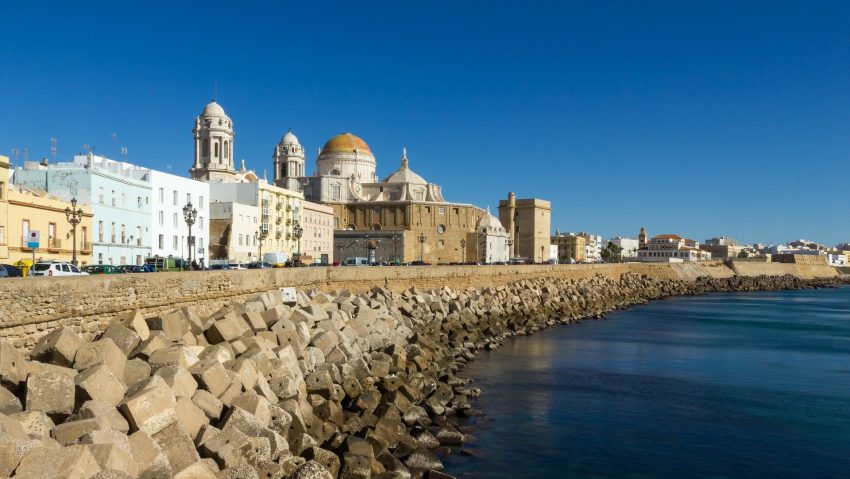
Faro: The Heart of the Algarve
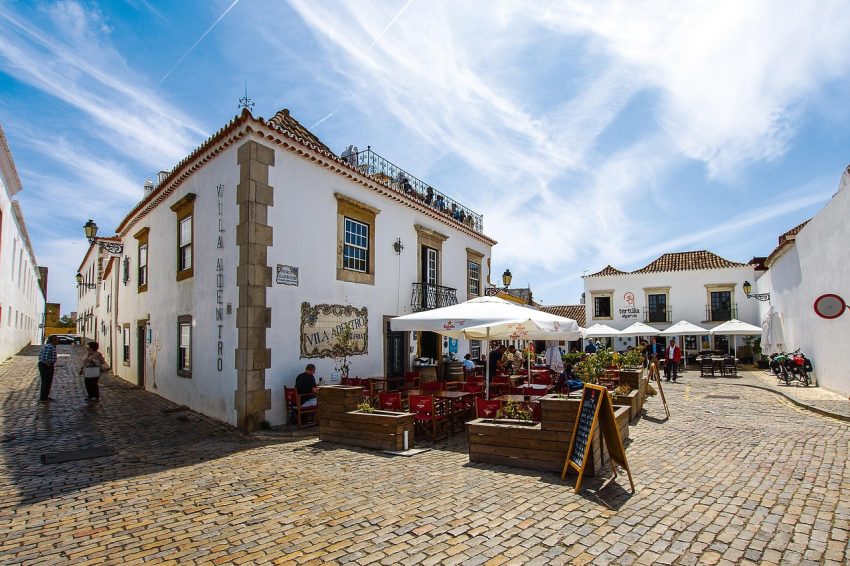
Complete Guide to Faro

Faro, located in the Algarve region of southern Portugal, is a charming city that offers a perfect blend of coastal beauty and relaxed urban life. As the capital of the Algarve, it serves as a great starting point for exploring the region, with easy access to nearby beaches, nature reserves, and traditional villages. The city’s laid-back vibe and warm climate make it a pleasant destination almost year-round.

Wandering through Faro’s old town, visitors can enjoy quiet cobbled streets, quaint cafés, and a mix of architectural styles. The marina and waterfront are especially relaxing spots to spend time, offering scenic views and a slower pace compared to more crowded tourist hubs. It’s easy to spend an afternoon simply strolling, eating fresh seafood, and soaking in the southern Portuguese atmosphere.

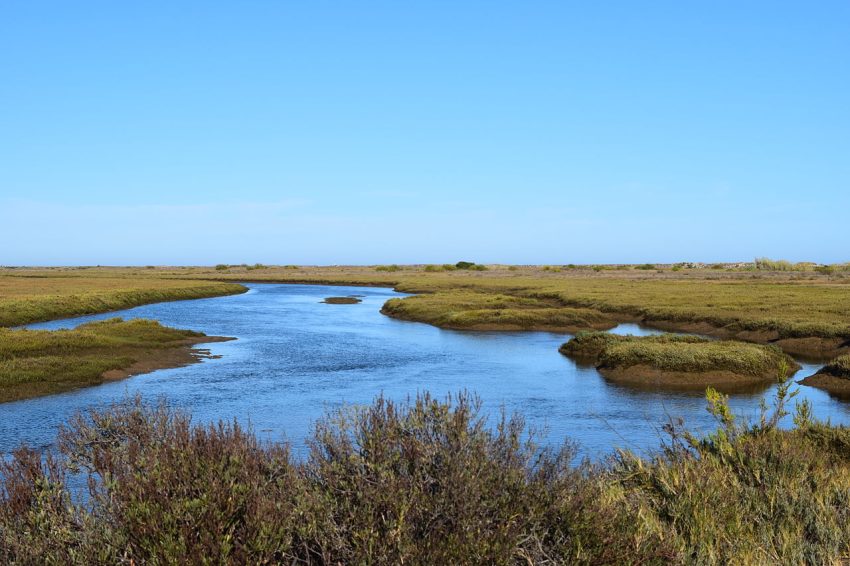
Faro also acts as a gateway to the Ria Formosa Natural Park, a stunning stretch of lagoons and islands ideal for boat trips and bird watching. Whether you're stopping by before heading to the beaches of the Algarve or staying a few days to explore its quiet charm, Faro offers a genuine and less commercialized side of the region that's worth experiencing.

History of Faro

Early Origins of Faro

Faro’s origins date back to ancient times, with evidence of human settlement in the area as early as the Paleolithic period. The region developed under Phoenician and Roman influence, serving as a small port and trading post. During the Roman era, Faro was part of a network of settlements along the coast, benefiting from commerce, agriculture, and maritime connections. Archaeological finds, including mosaics and artifacts, reflect its early prosperity and integration into Roman trade routes.

Faro in the Moorish Period

During the 8th century, Faro came under Moorish control, shaping much of its urban layout and cultural heritage. The Moors fortified the town and introduced advanced irrigation techniques, agricultural practices, and architectural styles. Faro thrived as a regional center, with markets and mosques forming the heart of its growing community. Many of the city’s winding streets and certain structural foundations trace back to this period, leaving a lasting mark on Faro’s identity.

Faro under Portuguese Rule

Faro was reconquered by Portuguese forces in the 13th century, marking the beginning of a new era. The city became an important administrative and religious center, with churches and monasteries built throughout the medieval period. Faro’s position allowed it to participate in maritime trade, and the city saw gradual economic and population growth. Fortifications were expanded to protect against pirate raids, reflecting its strategic significance in the Algarve region.

Faro in the Age of Exploration

During the 15th and 16th centuries, Faro benefited from Portugal’s Age of Exploration. Wealth from trade, particularly in spices and other overseas goods, contributed to the city’s development. Nobles and wealthy merchants constructed grand houses and religious institutions, enhancing Faro’s cultural and architectural heritage. The city also faced challenges, including outbreaks of disease and occasional attacks by privateers, shaping the resilience of its population.

Faro in the 18th and 19th Centuries

Faro experienced significant changes following the devastating earthquake of 1755, which damaged many buildings in the city. Reconstruction efforts reshaped the urban landscape, blending Baroque and neoclassical architectural styles. Throughout the 19th century, Faro became increasingly modernized with improvements in infrastructure, education, and governance. The city also began to attract early tourists, drawn by its historic charm and coastal location.

Faro in the 20th Century and Beyond

In the 20th century, Faro continued to develop as a cultural and administrative hub. Modern transportation links, schools, and civic buildings transformed the city, while historic neighborhoods and monuments were preserved. Faro became a center for arts, festivals, and regional commerce. Today, its layered history—from ancient settlement to contemporary urban life—is visible in its architecture, street layouts, and cultural traditions, making Faro a city where past and present coexist seamlessly.

Moira & Andy
Moira & Andy

Hey! We're Moira & Andy. From hiking the Camino to trips around Europe in Bert our campervan — we've been traveling together since retirement in 2020!

Read our full story here

Visiting Faro for the first time and wondering what are the top places to see in the city? In this complete guide, I share the best things to do in Faro on the first visit. To help you plan your trip, I have also included an interactive map and practical tips for visiting!

This website uses affiliate links which earn a small commission at no additional cost to you.

Powered by GetYourGuide

18 Best places to See in Faro

This complete guide to Faro not only tells you about the very best sights and tourist attractions for first-time visitors to the city but also provide insights into a few of our personal favorite things to do.

This is a practical guide to visiting the best places to see in Faro and is filled with tips and info that should answer all your questions!

1. Faro Marina
Faro Marina
Faro Marina
CC BY-SA 2.0 / Luke McKernan
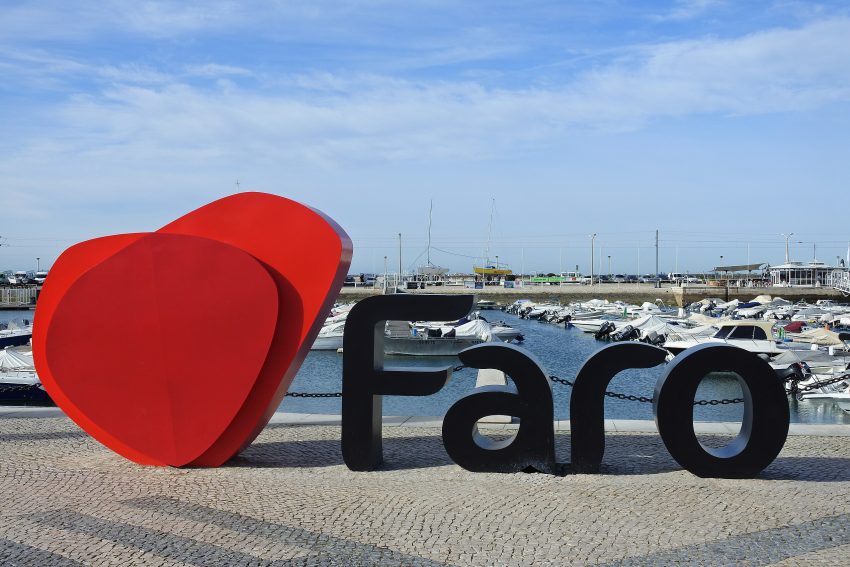
Faro Marina is a compact waterfront promenade beside the Old Town, where sleek yachts and small tour boats bob on the calm Ria Formosa lagoon. It matters as the city’s modern gateway to the barrier islands, with regular departures for lagoon cruises and trips out to Ilha Deserta, Culatra, and Farol. Visitors remember the low railway bridge that limits access to smaller boats, the palm-lined walkway, and the easy rhythm of cafés and seafood restaurants spilling onto outdoor terraces. Come near sunset, when the water turns copper and pink and the quays feel especially tranquil, yet still lively with evening strolls.
Location: Faro Marina, Praça Dom Francisco Gomes, Faro, Portugal | Distance: 0.1km

We recommend to rent a car in Portugal through Discover Cars, they compare prices and review multiple car rental agencies. Book your rental car here.

2. Igreja de São Pedro

Igreja de São Pedro Faro
CC BY-SA 2.0 / Glen Bowman
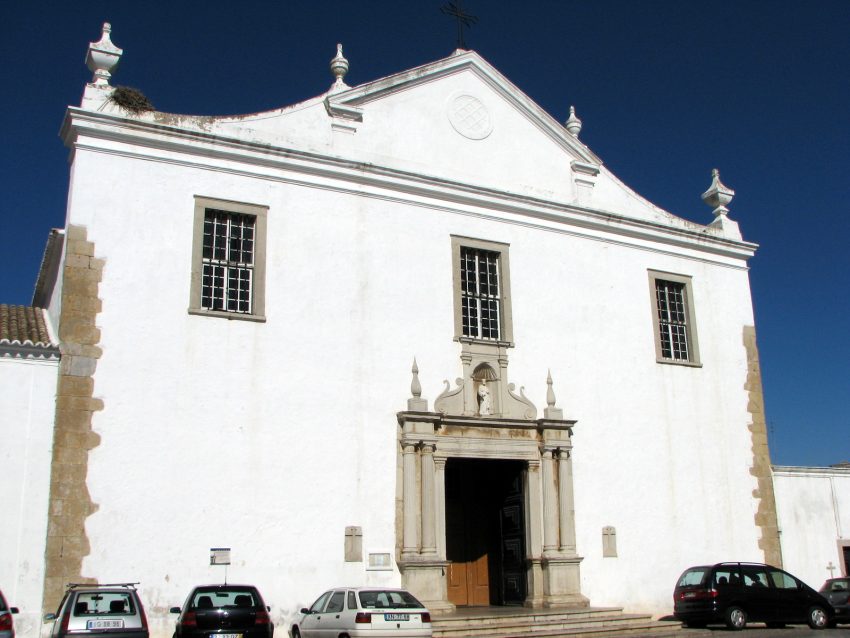
Igreja de São Pedro is a parish church tucked into the Old Town, built in the 13th century after the Christian reconquest on the foundations of an earlier mosque. The plain whitewashed façade gives little away, but inside the space turns intimate and ornate, with a gilded main altar, intricate wood carvings, and tombs that hint at generations of local patrons. Side chapels lined with blue-and-white azulejos add narrative detail, while stained glass softens the light across the nave. It still functions as an active place of worship, so visits often feel hushed and lived-in—some travelers linger, others are content with a quick look.
Location: Igreja de São Pedro, Largo de São Pedro, Faro, Portugal | Distance: 0.2km

Here is a complete selection of hotel options in Faro. Feel free to review each one and choose the stay that best suits your needs.

3. Arco da Vila

Arco da Vila Faro
Arco da Vila Faro
CC BY-SA 2.0 / Aleksandr Zykov
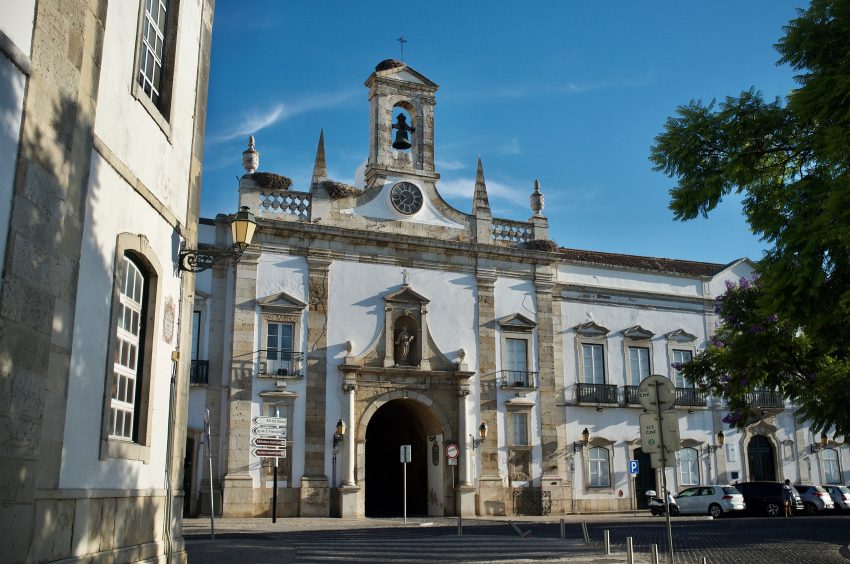
Arco da Vila is a ceremonial gateway into the Old Town, built in the early 19th century under Bishop Francisco Gomes do Avelar on the footprint of a medieval entrance. Its neoclassical façade—columns, an ornate pediment, and a niche with a statue of St. Thomas Aquinas—feels like a formal frontispiece to the streets beyond. Step into the passageway and the tone shifts: a preserved Moorish horseshoe arch and older stonework reveal the Islamic-era fabric embedded inside the later design. Most visitors simply drift through for photos, lingering to compare the refined exterior with the rougher inner arch before continuing into the walled quarter.
Location: Arco da Vila, Rua da Misericórdia, Faro, Portugal | Distance: 0.2km

Traveling to a country with a different currency? Avoid ATM transaction fees and pay in local currency with a Wise Card. Having used it for over 5 years, we've saved loads on fees!

4. Faro Maritime Museum

Faro Maritime Museum
All Rights Reserved / Visit Algarve
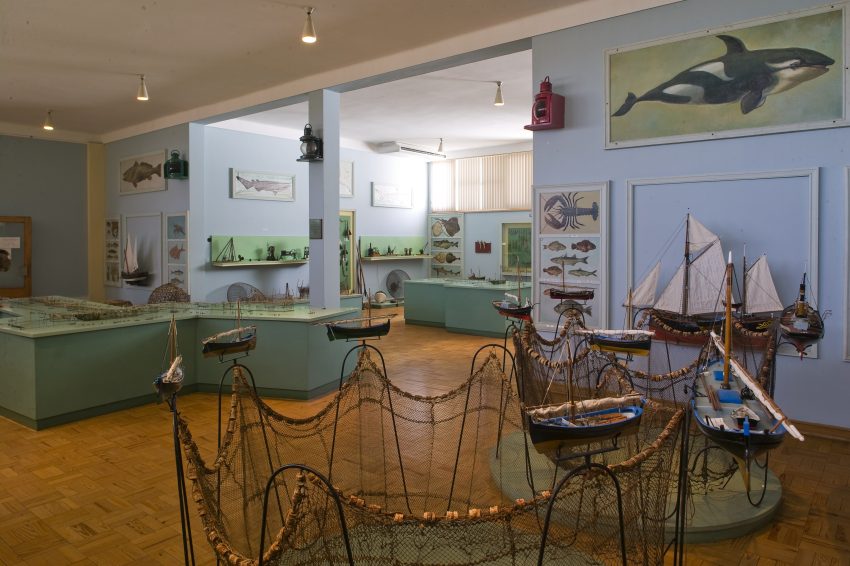
Faro Maritime Museum is a compact museum in Faro, Portugal, devoted to the city’s working relationship with the Atlantic and the Algarve coast. Set inside an 18th-century building, it pairs traditional architecture and a small courtyard with galleries of ship models, navigational instruments, old charts, and artifacts recovered from local shipwrecks. The exhibits trace how fishing, maritime trade, and naval activity shaped Faro as a port—touching on the Age of Discovery and changing shipbuilding techniques along the way. Visitors tend to remember the hands-on, object-led displays and the calm, timeworn atmosphere, with a generally well-regarded experience reflected in its strong review score.
Location: Museu Marítimo Almirante Ramalho Ortigão, Faro, Portugal | Hours: Tuesday to Sunday, generally from 10:00 AM to 5:00 PM, | Distance: 0.2km

Explore Faro at your own pace with our self-guided walking tour! Follow our curated route to discover must-see sights and local secrets that makes Faro one of the best places to visit in Portugal.

5. Town Hall

Faros Town Hall
Faros Town Hall
CC BY-SA 3.0 / Abrget47j
Set on Largo da Sé, the Câmara Municipal (Town Hall) anchors the Old Town’s civic life from a dignified, whitewashed Neoclassical façade. Rebuilt in the 19th century on the site of a former convent after the 1755 earthquake, its symmetry, orderly windows, and modest clock tower stand out against the surrounding medieval stonework. Most visitors experience it as an exterior stop—clean lines, bright plaster, and the quiet authority of an active municipal building. On occasional open days, exhibitions or ceremonies reveal formal rooms and civic emblems inside. Reviews tend to praise the building itself, even when day-to-day bureaucracy gets mixed reactions.

6. Museu Regional do Algarve

Museu Regional do Algarve
CC BY-SA 2.0 / Sergei Gussev
Set inside the former Convento de São Francisco, the Museu Regional do Algarve is a small, quiet museum devoted to everyday life before mass tourism reshaped the region. Rooms are filled with concrete traces of work and home—fishing gear, farm tools, household furniture, ceramics, and handwoven textiles—alongside traditional festival costumes that show local color and craft up close. The emphasis is on domestic traditions and rural customs, making the visit feel like stepping into kitchens, workshops, and boats from earlier centuries rather than a grand monument. Travelers often note it’s compact and sometimes sparsely staffed, with some labels lacking English, but the modest scale suits a reflective stop.
Location: Museu Regional do Algarve, Rua do Pe da Cruz, Faro, Portugal | Distance: 0.3km

7. Palacete Belmarço
Palacete Belmarço
Palacete Belmarço
CC BY-SA 3.0 / Michael Paraskevas
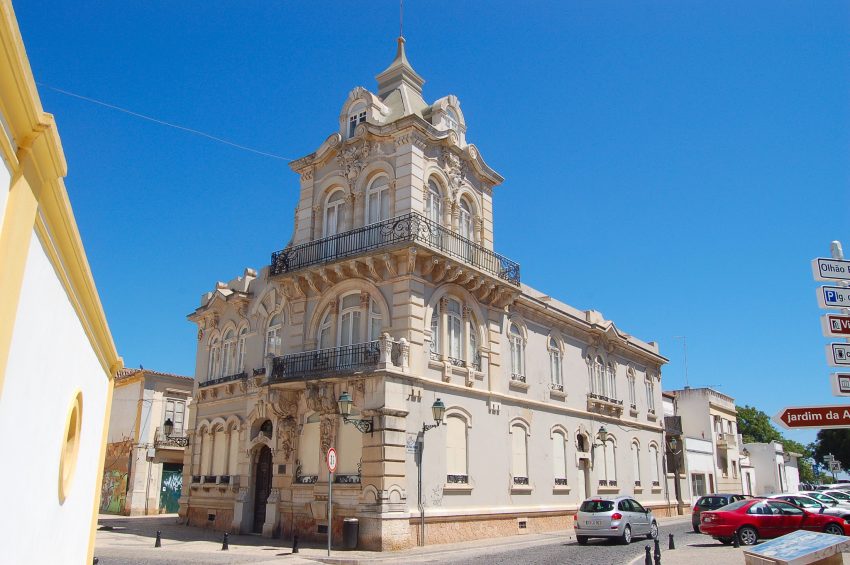
Palacete Belmarço is an elegant early-20th-century town palace in central Faro, built in 1912 for the merchant Manuel Belmarço and signaling the city’s turn toward a more cosmopolitan, prosperous era. Its revivalist-eclectic façade stands out for balanced classical lines enlivened by wrought-iron balconies, carved stonework, and tall arched windows. Look closely and you’ll notice the fine craftsmanship and imported materials that set it apart from older, more traditional buildings nearby. Though it began as a private residence, it later housed civic and cultural offices, helping preserve its original character. Travelers often pause to admire it from the square, where it makes a memorable backdrop for a coffee break.
Location: Palacete Belmarço, Faro, Portugal | Distance: 0.3km

8. Paço Episcopal
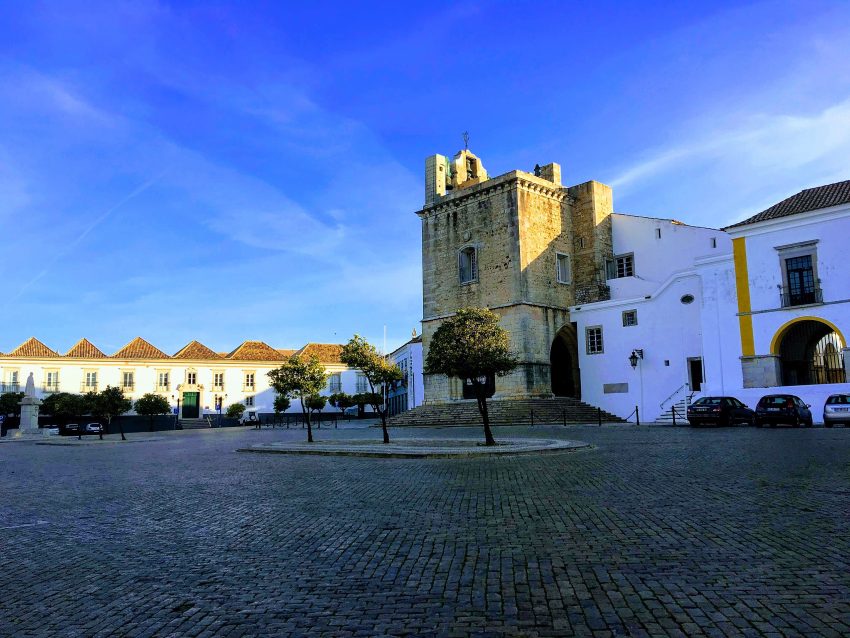
Paço Episcopal fARO
Paço Episcopal fARO
CC BY-SA 2.0 / Sergei Gussev
Paço Episcopal is the Episcopal Palace beside the cathedral, a former bishops’ residence with layers from the Renaissance onward and later Baroque and neoclassical touches. From the square, the building’s dignified façade and stone-framed windows stand out, but what many visitors remember most are the azulejo-covered interiors when access is available. The publicly visitable area is small—often just a staircase and a handful of rooms—yet the tiled walls feature quirky narrative scenes that reward close looking. Some displays touch on church life and even early book-printing equipment, giving a glimpse of the palace’s administrative past. Reviews note the experience can feel brief, though entry is sometimes inexpensive.
Location: Paço Episcopal de Faro, Largo da Sé, Faro, Portugal | Price: Adults: €2 | Distance: 0.3km

9. Largo da Sé
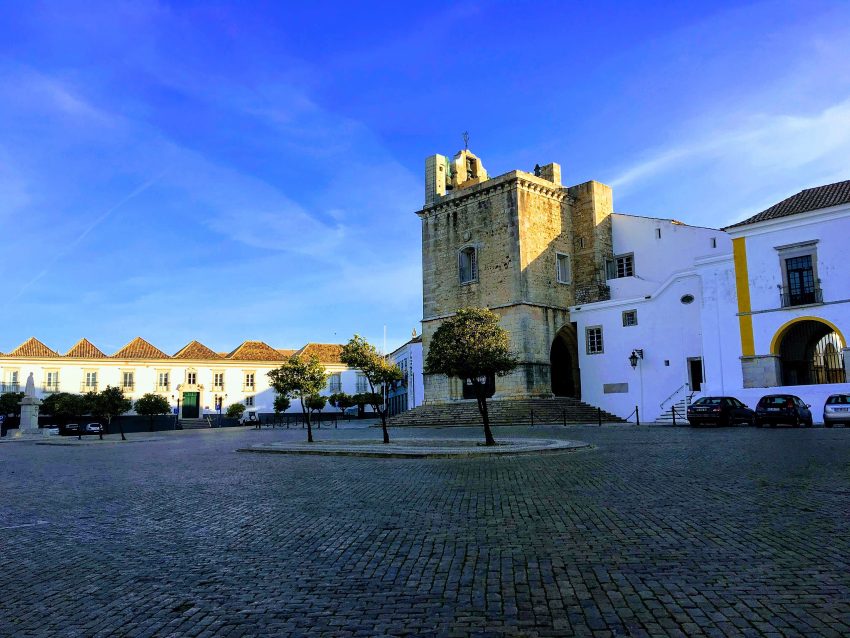
Largo da Sé, Faro, Portugal
CC BY-SA 2.0 / Sergei Gussev
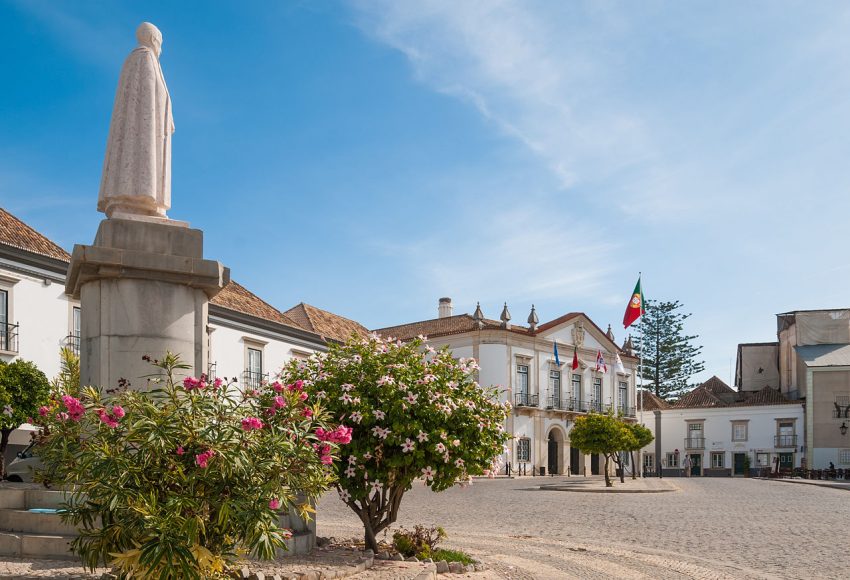
Largo da Sé is the calm, cobbled square at the heart of the Old Town, reached through the grand Arco da Vila and enclosed by medieval walls. Orange trees shade a broad open space framed by the cathedral, the Town Hall, and the Episcopal Palace, where Gothic foundations meet Baroque and Neoclassical façades. In the center stands the statue of Bishop Francisco Gomes do Avelar, a key figure in the city’s rebuilding after the 1755 earthquake. Visitors linger for the hushed atmosphere, the sound of cathedral bells, and the way the surrounding lanes and courtyards seem to unfold from the square. Nearby, the cathedral complex is known for its tower views and small bone chapel.
Location: Largo da Sé, Faro, Portugal | Distance: 0.4km

10. Porta Nova
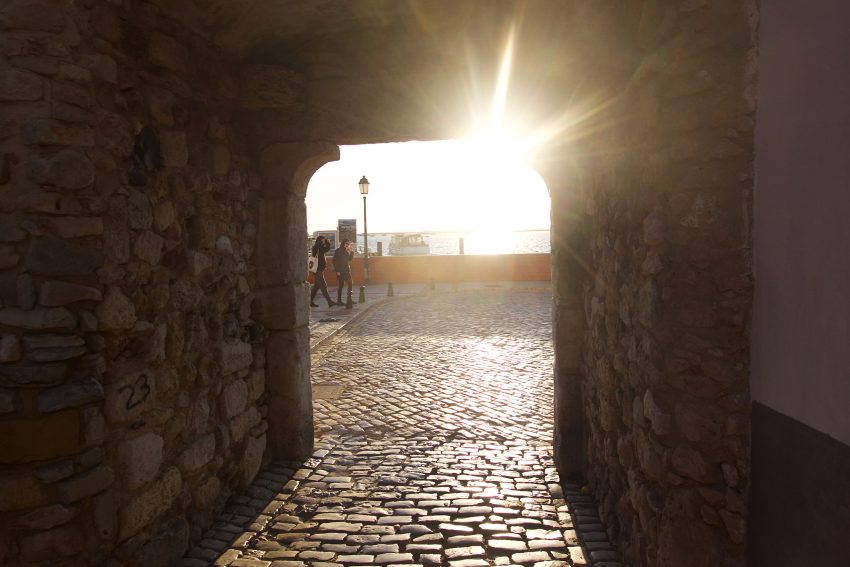
Porta Nova, Faro
Porta Nova, Faro
CC BY-SA 2.0 / Rick McCharles
Porta Nova is an 18th-century gate set into the old city wall, built to replace earlier fortifications and to serve as a more ceremonial entrance. Its neoclassical balance—clean lines, symmetrical stonework, and a modest archway—makes it easy to appreciate up close, even if it’s smaller than grander gates elsewhere. Step through and you’re naturally drawn toward Cais das Portas do Mar, where the scene shifts from masonry to open water on the Ria Formosa. The south-facing outlook is known for exceptional light, and many visitors come specifically for sunrise or sunset views across the lagoon. The nearby railway line adds an unexpected, distinctly local backdrop to photos.
Location: Porta Nova, Rua da Porta Nova, Faro, Portugal | Distance: 0.4km

11. Arco do Repouso
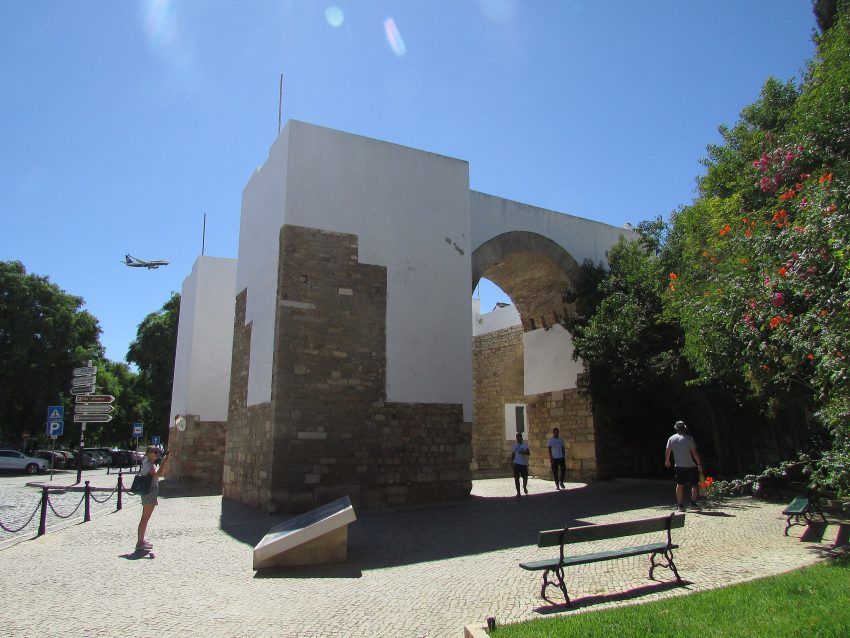
Arco do Repouso, Faro
CC BY-SA 4.0 / Kolforn
A weathered medieval gateway set into the old defensive walls, the Arco do Repouso is a small passage that still feels like a threshold into another century. Its origins trace back to the Moorish period, and local tradition says King Afonso III paused here after the 13th-century reconquest—giving it the name “Arch of Rest.” The stonework is simple but wonderfully textured, with shifting light and shadow that makes it a favorite photo stop. Step beneath the arch and you’re immediately in narrow, winding lanes where it’s easy to slow down and just wander; many visitors mention the surrounding wall walk as part of the experience.
Location: Arco do Repouso, Muralhas de Faro, Rua do Repouso, Faro, Portugal | Distance: 0.4km

12. Teatro Lethes
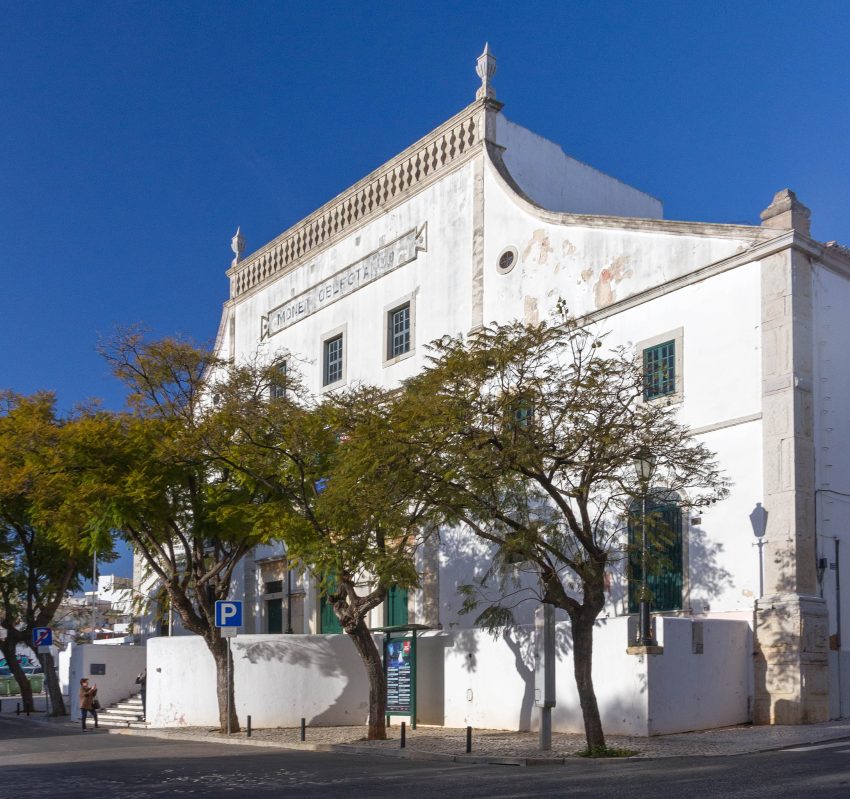
Teatro Lethes faro
Teatro Lethes faro
CC BY-SA 4.0 / Matthias Süßen
Teatro Lethes is a small historic theater in central Faro, housed in a building that began as part of a 16th-century Jesuit college and was remade for performance in the mid-19th century. From the street it feels restrained, but inside you notice Baroque and neoclassical flourishes: a painted ceiling with allegorical figures, delicate stucco, and an elegant proscenium arch glowing in warm light. The compact auditorium keeps the stage close, and the acoustics make even modest productions feel immediate. Its name nods to the River Lethe of Greek myth, a fitting metaphor for the building’s reinvention as a living cultural venue.
Location: Teatro Lethes, Rua de Portugal, Faro, Portugal | Hours: Box office and tour hours vary; performances typically take place in the evenings. | Price: Ticket prices vary by performance; guided tours may have a small fee. | Website | Distance: 0.4km

13. Faro Municipal Museum
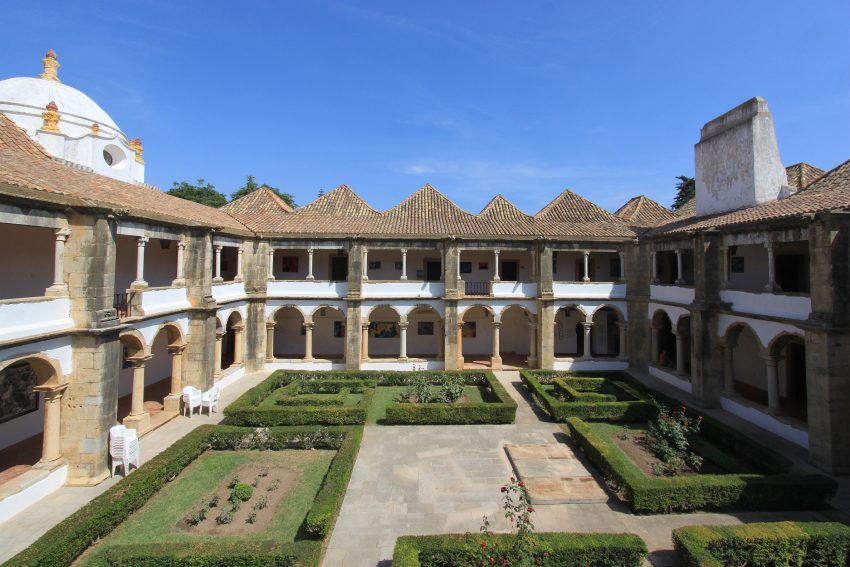
Faro Convento Senhora da Assunção Claustro
CC BY-SA 3.0 / Nol Aders
Housed in the former 16th-century Convent of Nossa Senhora da Assunção, the Municipal Museum pairs museum-going with the atmosphere of cloisters, vaulted ceilings, and quiet courtyards. The collections trace local life from Roman and Moorish periods through the medieval era, mixing archaeology with religious painting and Baroque carving gathered from regional churches. A standout is the Roman mosaic of Oceanus, displayed as a centerpiece and easy to remember long after the visit. Galleries also include ceramics and everyday objects from Islamic-era settlement, plus rotating temporary exhibitions that bring in contemporary work. Visitors often note the building itself as one of the most beautiful parts of the experience.
Location: Museu Municipal de Faro, Largo Dom Afonso III, Faro, Portugal | Hours: Tuesday to Sunday, typically from 10:00 AM to 5:00 PM | Distance: 0.4km

14. Igreja do Carmo
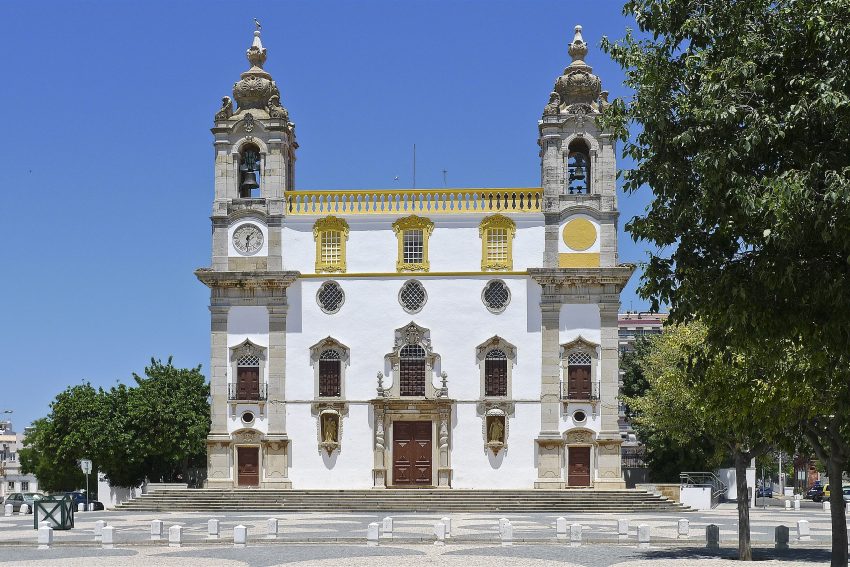
Carmo Church, Faro Portugal
CC BY-SA 3.0 / Kjell Vikanes
Igreja do Carmo is an early-18th-century Baroque church known for its twin bell towers, richly worked façade, and an interior drenched in gilded altarpieces and intricate carved woodwork. Construction began in 1719, financed in part by Brazilian gold, and the nave’s golden tones and dramatic ornamentation are especially striking when daylight filters through the windows. The most unforgettable space is the Capela dos Ossos, added in the early 19th century, where walls and ceiling are lined with the bones and skulls of over 1,000 Carmelite monks arranged in geometric patterns. The mood is quiet and contemplative, equal parts devotional and unsettling.
Location: Igreja do Carmo, Rua do Carmo, Porto, Portugal | Hours: 10:00 AM to 5:30 PM | Price: Adults: €2:00 | Distance: 0.4km

15. Faro Cathedral
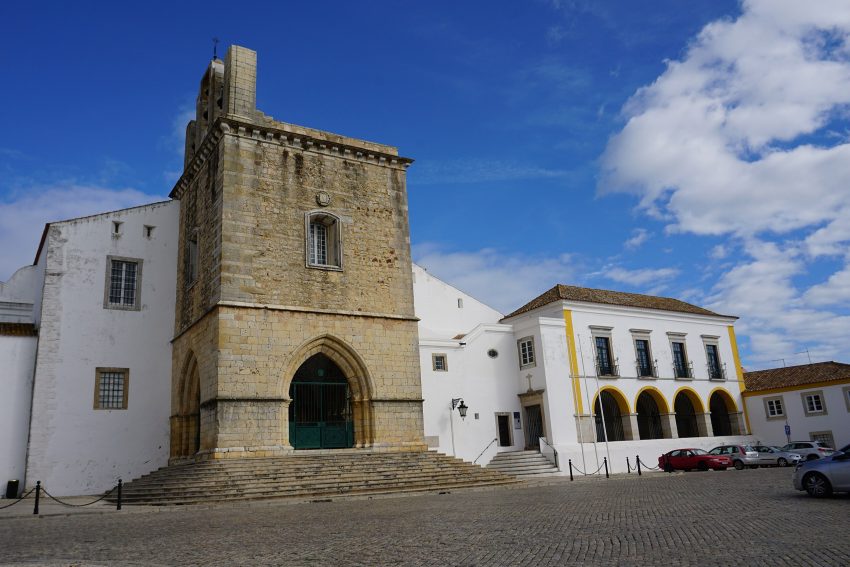
Catedral de Faro Portugal
CC BY-SA 2.0 / Matt Kieffer
Built in the 13th century on the footprint of an earlier mosque (and, before that, a Roman sacred site), Faro Cathedral layers Gothic bones with later Renaissance and Baroque repairs after major earthquakes. Inside, the atmosphere is hushed: vaulted ceilings, carved wooden choir stalls, gilded side chapels, and patches of warm tilework catch shifting light from stained glass. Step into the cloister for a quieter pause among arcades and a small garden. Many visitors remember the climb up the tower most—tight stairs lead to wide views over rooftops and the Ria Formosa lagoon, with bells that can suddenly ring at close range.
Location: Faro Cathedral, Largo da Sé, Faro, Portugal | Distance: 0.4km

16. Muralhas de Faro
Muralha de Faro
Muralha de Faro
CC BY-SA 3.0 / Sónia Lopes
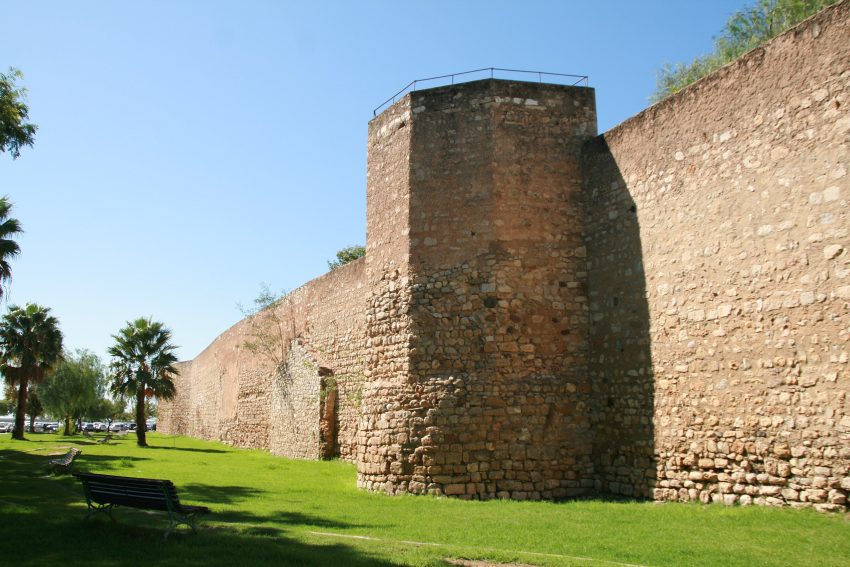
Muralhas de Faro are the stone fortifications that wrap around much of the Old Town, marking nearly two millennia of shifting rule. Begun as Roman defenses for Ossonoba and reshaped in the 9th century with Moorish engineering, they still show thick ramparts, towers, and a layered gate system. Look for the Porta Árabe’s Islamic defensive form and pass beneath gateways such as Arco da Vila and Arco do Repouso, where ancient masonry meets whitewashed streets. Walking the perimeter is more about atmosphere than panoramas—though some visitors enjoy glimpses of planes overhead—and a few stretches can feel a bit worn or under maintenance.
Location: Muralhas de Faro R. do Castelo 2 8000-243 Faro Portugal | Hours: 24 Hours | Price: Free | Distance: 0.5km

17. Praia de Faro
Praia de Faro
Praia de Faro
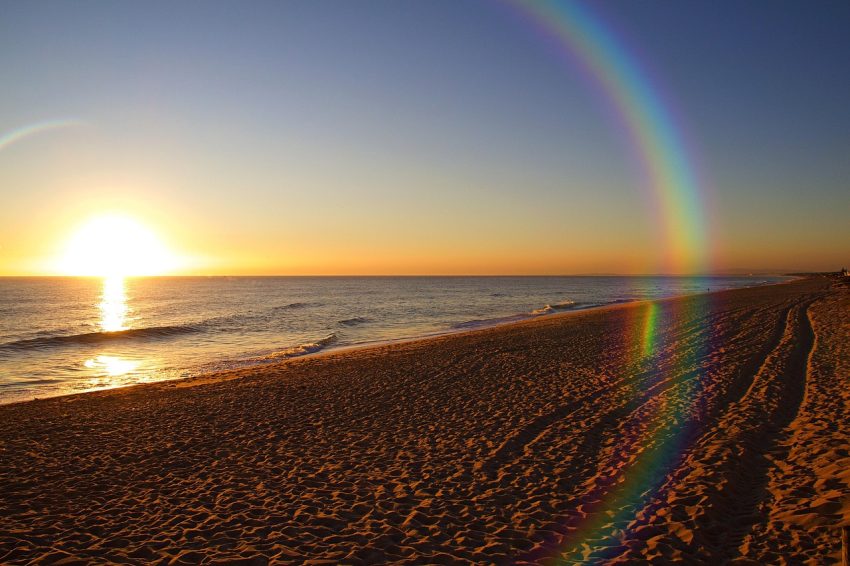
Praia de Faro is a long, barrier-island beach edging the Ria Formosa lagoon, where Atlantic surf meets protected marshland. The shoreline runs for kilometers with soft golden sand and a broad, open feel, so even busy days rarely feel cramped. On the main stretch you’ll notice a line of casual beach bars and seafood restaurants, plus rentals for paddleboards, kayaks, and windsurf gear—calm lagoon water on one side, livelier ocean on the other. Step away from the central access points and the scenery shifts to dunes and bird-rich wetlands. Many visitors remember the wide sunsets and the clean, relaxed atmosphere noted in reviews.

18. Ria Formosa Lagoon

Ria Formosa
Ria Formosa
CC BY-SA 3.0 / Ricardo Oliveira
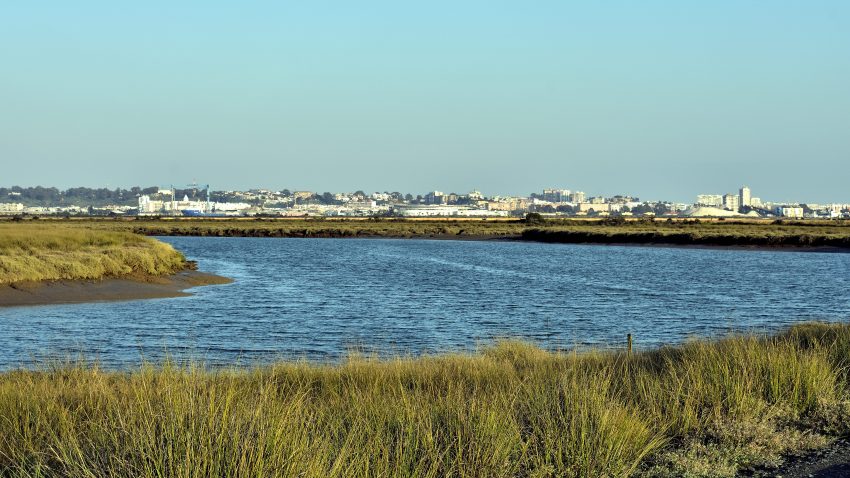
Ria Formosa Lagoon is a protected coastal wetland of tidal flats, salt marshes, barrier islands, and winding channels that together cover more than 170 square kilometers. Its sheltered waters and shifting tides constantly redraw sandbars, making each visit feel different and rewarding careful timing. Visitors remember the quiet glide through narrow waterways, the mirror-like light at sunrise or sunset, and the sheer variety of birds—flamingos, herons, storks, and even osprey—feeding in the shallows. On land, flat paths and salt-pan edges reveal small details like crabs vanishing into their holes, while the islands (including Ilha Deserta and Culatra) feel surprisingly remote so close to town.
Powered by GetYourGuide

Best Day Trips from Faro

A day trip from Faro offers the perfect opportunity to escape the urban rhythm and discover the surrounding region's charm. Whether you're drawn to scenic countryside, historic villages, or cultural landmarks, the area around Faro provides a variety of easy-to-reach destinations ideal for a one-day itinerary. If you are looking to rent a car in Portugal I recommend having a look at Discover Cars, first, as they compare prices and review multiple car rental agencies for you.

1. Roman Ruins of Milreu
Roman Ruins of Milreu
CC BY-SA 3.0 / Concepcion AMAT ORTA
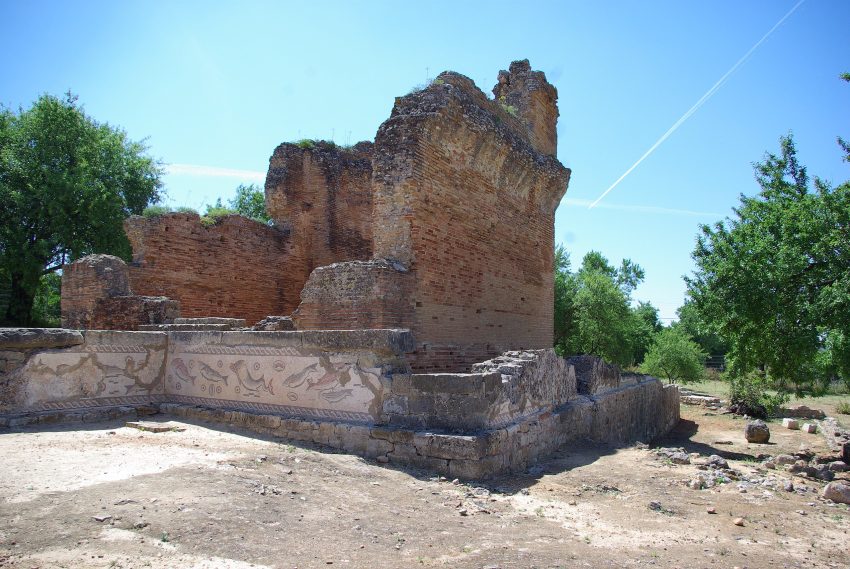
The Roman Ruins of Milreu offer a captivating look into the ancient heritage of the Algarve and the daily rhythms of life in Roman-era Ossonoba. Situated just outside Faro near the village of Estoi, Milreu was once a thriving 1st–5th century villa complex complete with luxurious living quarters, agricultural buildings, and thermal baths. Its mosaics, architecture, and peaceful rural setting…
Location: Milreu Roman Remains, Estoi, Portugal | Hours: May-September: Tuesday to Sunday 10.00-1.00 p.m. and 2.00 p.m.-6.00 p.m October-April: Tuesday to Sunday 9.00 p.m.-1.00 p.m.-2.00 p.m.-5.00 p.m | Price: €2.00 | Website | Distance: 9.1km
Visiting Roman Ruins of Milreu

2. Ilha de Culatra
Ilha Culatra
Ilha Culatra
CC BY-SA 4.0 / Tristanm70
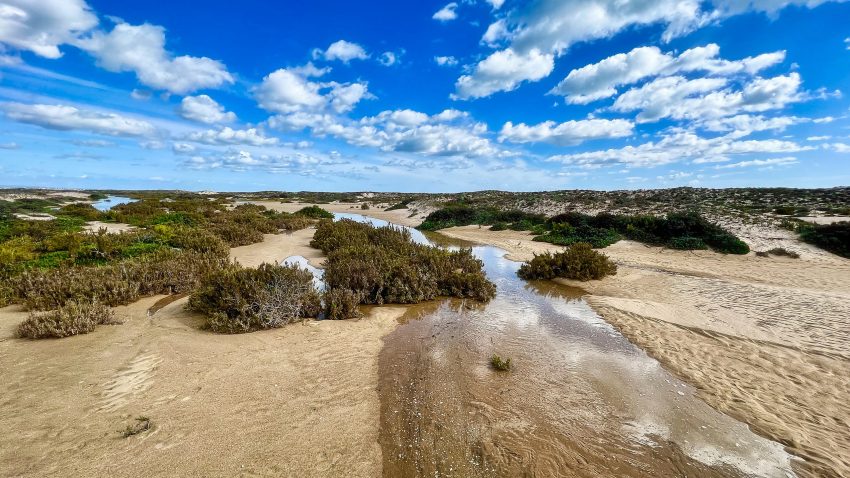
Visiting Ilha de Culatra offers a serene escape from the bustle of Faro and the mainland Algarve. Reached by a short ferry ride from Faro’s marina, the island immediately feels worlds away, with sandy paths, quiet neighborhoods, and wide open beaches that make it one of the best places to visit in Faro for nature and relaxation. The absence of…
Location: Ilha da Culatra, Faro, Portugal | Distance: 9.5km
Visiting Ilha de Culatra
Powered by GetYourGuide

3. Palácio de Estoi

Palácio de Estoi
Palácio de Estoi
CC BY-SA 1.0 / Marnal
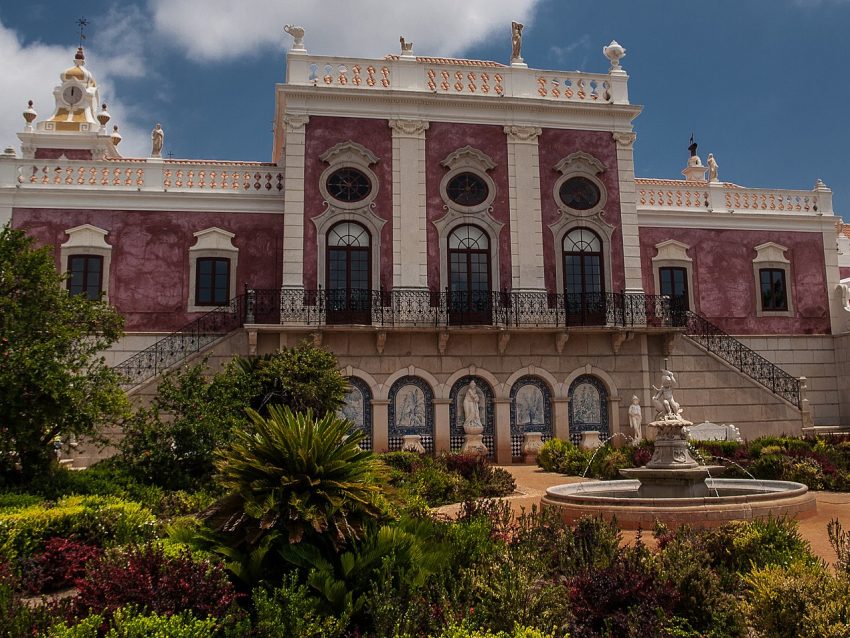
Visiting Palácio de Estoi offers a captivating journey into the elegance and artistry of 19th-century Portugal. Just north of Faro, this romantic palace blends Moorish influences with grand Romantic styling, creating an atmosphere that feels both exotic and stately. Its decorative façade, intricate stonework, and azulejo tiles make it one of the top attractions in Faro for travelers who appreciate…
Location: Pousada Palácio de Estoi, Rua de São Jose, Faro, Portugal | Distance: 9.6km
Visiting Palácio de Estoi

4. Huelva
Huelva
Huelva
CC BY-SA 4.0 / FJavier GómezL
Visiting Huelva offers a relaxed and authentic Andalusian experience, perfect for travelers looking to escape the crowds while still enjoying rich culture, great food, and beautiful surroundings. Located in western Andalusia, near the Portuguese border and the Atlantic coast, Huelva blends urban charm with natural beauty. The city is compact and easy to explore on foot, with shaded plazas, inviting…
Visiting Huelva
Powered by GetYourGuide

5. Chipiona

Chipiona at sunset, Spain
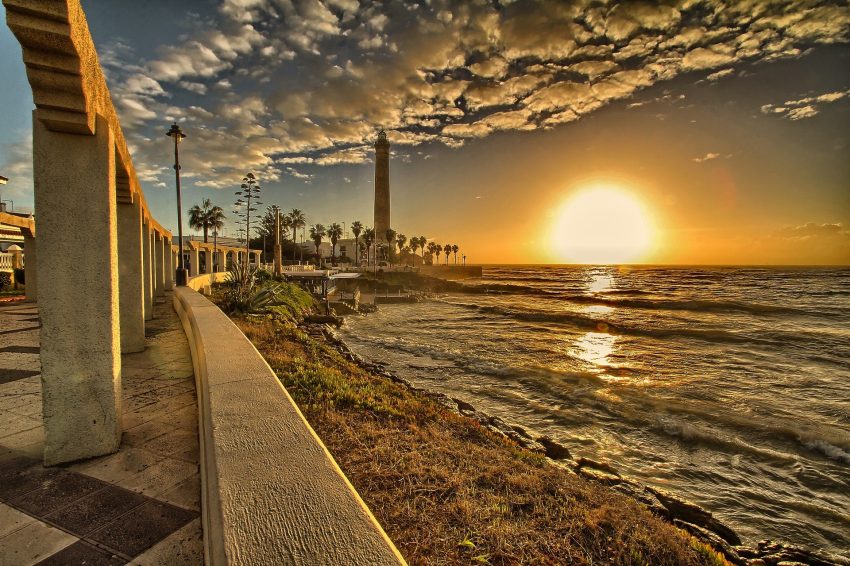
Chipiona, a charming coastal town along the Atlantic in Andalusia. It offers visitors a mix of stunning beaches, maritime culture, and relaxed Andalusian charm. The town’s Playa de Regla is its most famous beach, known for golden sands and calm waters, making it perfect for sunbathing and swimming. Its beachfront promenade, lined with cozy cafés and traditional seafood restaurants, provides…
Visiting Chipiona

6. Cádiz

Cadiz, Spain
Cadiz, Spain
Visiting Cádiz offers a captivating glimpse into the soul of Andalusia, blending centuries of history with a vibrant, sun-soaked coastal lifestyle. As one of Europe’s oldest continuously inhabited cities, Cádiz sits proudly on a narrow spit of land in southwestern Andalusia, surrounded by the Atlantic. The city's cobbled streets, historic fortifications, and elegant Baroque architecture are a testament to its…
Visiting Cádiz
Powered by GetYourGuide

Where to Stay in Faro

Faro offers a variety of accommodation options across different areas, each catering to diverse preferences. Whether you’re seeking historic charm, waterfront views, or tranquil surroundings, there’s a place for you.

In the heart of the city, the Cidade Velha (Old Town) boasts cobbled streets and centuries-old architecture. Staying here places you steps away from landmarks like the Arco da Vila and the Sé Cathedral. For a blend of modern comfort and historic ambiance, consider Hotel Faro & Beach Club or AP Eva Senses Hotel. These establishments offer easy access to the marina and the city’s vibrant nightlife.

Adjacent to the Old Town is the Doca de Faro (Marina) area, ideal for those who enjoy waterfront views and a lively atmosphere. The marina is lined with cafes and restaurants, perfect for evening strolls. A recommended stay here is Hotel Ibis Faro, offering modern amenities and proximity to the marina’s attractions.

For a more relaxed environment, the Montenegro and Quinta do Eucalipto neighborhoods provide a peaceful retreat. These areas are slightly removed from the city’s hustle and bustle, making them suitable for families or those seeking tranquility. Consider Hotel 3K Faro Aeroporto, which offers convenient access to the airport and nearby green spaces.

If you’re looking to immerse yourself in nature, the Islands and Praia de Faro region is perfect. Accessible by ferry, these islands offer pristine beaches and a laid-back atmosphere. Camping Park Faro provides a unique glamping experience, combining comfort with nature.

Using the our Hotel and Accomodation map, you can compare hotels and short-term rental accommodations in Faro. Simply insert your travel dates and group size, and you’ll see the best deals for your stay.

Faro Accommodation Map

Best Time to Visit Faro

Visiting Faro in Winter

Winter in Faro is mild, with temperatures rarely dropping below 10°C. This season is ideal for travelers who prefer fewer crowds and a more relaxed pace. While the weather is cooler, it’s still pleasant for exploring Faro’s historic center, museums, and coastal paths. Winter also offers a chance to experience local traditions without the high-season tourist rush, making visits to markets and churches especially enjoyable.

Visiting Faro in Spring (Best)

Spring is the best time to visit Faro, with temperatures ranging from 15°C to 22°C and sunny days becoming more frequent. The city comes alive with vibrant blooms in public gardens and parks. Spring also hosts several notable events, including music festivals and local fairs celebrating Algarve culture. This season is perfect for outdoor activities, walking tours, and enjoying Faro’s charming streets and waterfront areas.

Visiting Faro in Summer

Summer in Faro brings warm weather and longer daylight hours, with temperatures often reaching 28°C. This is peak tourist season, making it ideal for beach lovers and those who enjoy lively cafés and nightlife. Summer festivals, including music and food events, attract visitors from across the region. While popular attractions can be crowded, the festive atmosphere and full range of activities make Faro an exciting summer destination.

Visiting Faro in Autumn

Autumn in Faro offers a balance of warm temperatures and fewer tourists, with averages between 18°C and 25°C. This is harvest season, and local markets and restaurants feature fresh seasonal produce, including seafood and regional delicacies. Cultural festivals and music events continue into the autumn months, making it a great time for visitors who want a mix of outdoor activities and cultural experiences without the summer crowds.

Annual Weather Overview

  • January 15°C
  • February 16°C
  • March 17°C
  • April 21°C
  • May 22°C
  • June 26°C
  • July 28°C
  • August 28°C
  • September 25°C
  • October 23°C
  • November 19°C
  • December 16°C

How to get to Faro

Getting to Faro by Air

Nearest airports: The main airport serving Faro is Faro Airport, which handles both domestic and international flights. It is located a short drive from the city center and is well-connected to public transport and taxis.

Faro Airport offers flights from major European cities, with seasonal increases in frequency during the summer months. Low-cost carriers and national airlines operate regular routes, making it accessible for travelers coming from across Europe. Upon arrival, options include shuttle buses, taxis, or car rentals to reach the city center efficiently. For the best deals and a seamless booking experience, check out these flights to Faro on Booking.com.

Getting to Faro by Train

Faro is located on Portugal's main southern railway line, the Algarve Line, connecting it to major cities like Lisbon and Porto. Trains run frequently from Lisbon's Gare do Oriente and Santa Apolónia stations, as well as from other towns along the Algarve.

The Faro train station is centrally located, making it convenient for travelers to access hotels, the old town, and bus services. Regional trains also connect Faro with other Algarve towns, providing easy day trips along the southern coast. Train schedules and bookings can be found on Omio.

Getting to Faro by Car

Major roads: Faro is accessible via the A22 motorway, which runs across the Algarve from east to west. The city is also connected by national roads to smaller towns and coastal villages.

Driving to Faro allows flexibility in exploring the surrounding Algarve region at your own pace. Car hire is available at Faro Airport and in the city center, with well-signposted routes and parking options throughout the city. If you are looking to rent a car in Portugal I recommend having a look at Discover Cars, first, as they compare prices and review multiple car rental agencies for you.

Travelling around Faro

By Bus

Faro has a network of local buses connecting the city center to suburban neighborhoods and nearby towns. Bus services are frequent during the day and provide a convenient way to reach beaches and cultural sites.

By Taxi

Taxis are widely available in Faro, particularly around the train station, airport, and main squares. They are a quick and flexible option for short trips within the city.

By Bicycle or Walking

Faro’s historic center is compact and pedestrian-friendly. Many streets are best explored on foot, and bicycle rental services are available for those who want to cycle along coastal paths or through parks.

By Car within Faro

Driving within Faro can be useful for reaching outlying areas or day trips along the Algarve. The city has designated parking zones and public parking facilities, though some narrow streets in the old town are best avoided by car.
More from this area