Las Palmas de Gran Canaria, Spain: The Ultimate Travel Guide 2026
Las Palmas de Gran Canaria sits on the island of Gran Canaria in Spain's Canary Islands, an Atlantic archipelago off the northwest coast of Africa. It works well as both a base and a destination in its own right: a proper city with neighbourhood character, good food, and plenty to do without needing a car. The overall feel is relaxed and outdoorsy, with the sea never far away and a climate that makes year-round travel straightforward.
For most visitors, the main draw is how easy it is to mix beach time with city time. You can spend the morning on a long urban beach, then shift straight into cafés, shopping streets, markets, and waterfront promenades in the afternoon. The city has distinct districts with different energy, so it’s worth moving around a little rather than staying in one pocket the entire trip; even short taxi rides or local buses can change the vibe from resort-like to residential and local.
Practicalities are simple: plan around the trade winds (a light layer can be useful in the evenings), book accommodation based on whether you want beach access or a more central city feel, and leave space for unstructured wandering. Las Palmas is also a good jumping-off point for seeing the rest of Gran Canaria on a day trip, but you do not need to “escape” the city to have a satisfying visit-its appeal is precisely that it delivers both a laid-back coastal break and an active, lived-in urban scene.
Table of Contents
- History of Las Palmas de Gran Canaria
- Spain: Pre-15th Century Foundations
- Spain: Conquest and the City’s Founding
- Spain: Atlantic Gateway and Early Prosperity
- Spain: Pressure, Defence, and Shifts in Trade
- Spain: Economic Reorientation and Local Consolidation
- Spain: Port Modernisation and 19th-Century Expansion
- Spain: Early 20th Century Growth and Urban Change
- Spain: Civil War, Dictatorship, and Post-War Realities
- Spain: Democracy, Service Economy, and Tourism Era
- Spain: Contemporary Las Palmas
- 32 Best places to See in Las Palmas de Gran Canaria
- Mata Castle Museum
- Palacete Rodriguez Quegles
- Literary Cabinet
- Santo Domingo of Guzmán Parish
- Plaza de Santa Ana
- Plaza de las Ranas
- Perez Galdos House Museum
- Los Perros de La Plaza de Santa Ana
- El Obelisco
- Calle Mayor de Triana
- Catedral Metropolitana de Santa Ana de Canarias
- Museo Canario
- Casa de Colón
- Mercado De Vegueta
- Teatro Pérez Galdós
- Parque San Telmo
- Plaza del Pilar Nuevo
- Hermitage of San Telmo
- CAAM - Atlantic Center of Modern Art
- Monumento a la Vela Latina
- Museo Néstor
- Castillo de San Cristobal
- Mercado Central de Las Palmas
- Alfredo Kraus Auditorium
- Museo Naval
- Parque de Santa Catalina
- Elder Museum of Science and Technology
- Las Canteras Beach
- Poema del Mar Aquarium
- Jardín Botánico Viera y Clavijo
- Mercado del Puerto
- Castillo de la Luz
- 3 Best Day Trips from Las Palmas de Gran Canaria
- Where to Stay in Las Palmas de Gran Canaria
- Best Time to Visit Las Palmas de Gran Canaria
- How to get to Las Palmas de Gran Canaria
History of Las Palmas de Gran Canaria
Spain: Pre-15th Century Foundations (Before 1478)
Before the city existed in its current form, Gran Canaria was home to Indigenous Canarian communities with their own settlements, social structures, and trade networks. In the wider Atlantic world, this period saw increasing maritime exploration and competing interests among European powers, laying the groundwork for later conquest and colonisation. What matters for Las Palmas de Gran Canaria’s story is that the island already had established populations and internal dynamics when external forces arrived.
Spain: Conquest and the City’s Founding (1478–1500)
Las Palmas de Gran Canaria’s modern history begins in 1478, when Castilian forces established a military camp that developed into a permanent settlement. Over the following decades, the conquest of the island was consolidated, and the city grew around administrative, religious, and commercial functions. This early phase set the urban pattern that would define the city: a strategic port-oriented centre tied to Iberian power, governance, and Atlantic maritime routes.
Spain: Atlantic Gateway and Early Prosperity (1500–1600)
In the 16th century, Las Palmas expanded as an Atlantic stopover, benefiting from shipping, provisioning, and trade flows that linked Iberia with wider Atlantic circuits. Growth brought opportunities but also vulnerability. Like other port cities in this era, Las Palmas faced periodic threats from privateers and rival powers, prompting fortification efforts and a stronger defensive posture. The city’s identity as a place shaped by seaborne commerce and external competition became firmly established during this period.
Spain: Pressure, Defence, and Shifts in Trade (1600–1700)
The 17th century was marked by fluctuating fortunes as Atlantic trade patterns evolved and geopolitical tensions continued to spill into maritime spaces. Las Palmas remained important, but its trajectory was influenced by broader imperial priorities and changing commercial routes. Defensive infrastructure and civic institutions continued to develop, reflecting a need to protect port activity and maintain stability amid external pressures.
Spain: Economic Reorientation and Local Consolidation (1700–1800)
Through the 18th century, Las Palmas experienced gradual consolidation as economic activity adapted to new conditions in Atlantic commerce. Agricultural exports and maritime services continued to underpin the local economy, while civic administration became more structured. This era is less defined by dramatic rupture than by incremental change—practical adaptations that helped the city remain viable within Spain’s evolving imperial and economic landscape.
Spain: Port Modernisation and 19th-Century Expansion (1800–1900)
The 19th century brought clearer momentum as port infrastructure and maritime connectivity improved. Trade, shipping services, and the city’s role as a harbour of call became more pronounced, helping drive population growth and urban expansion. New commercial districts and improved links to maritime industries reinforced Las Palmas as an increasingly modern port city, with civic development tracking the opportunities created by rising Atlantic traffic.
Spain: Early 20th Century Growth and Urban Change (1900–1936)
In the early 20th century, Las Palmas continued to urbanise, with more defined neighbourhoods, expanding services, and a growing public life connected to commerce and port activity. Modernisation efforts influenced housing, transport, and civic spaces. The city’s rhythm remained closely tied to the harbour economy, but the social and cultural fabric broadened as the population increased and the urban footprint spread.
Spain: Civil War, Dictatorship, and Post-War Realities (1936–1975)
The mid-20th century reshaped Spain and, by extension, Las Palmas. Political disruption, economic constraints, and changing governance affected everyday life and development priorities. Over time, gradual economic opening and improvements in infrastructure supported renewed growth. The city’s port remained central, while the wider shift toward services and tourism across Spain began to influence urban planning and employment patterns.
Spain: Democracy, Service Economy, and Tourism Era (1975–2000)
Following Spain’s transition to democracy, Las Palmas evolved within a more decentralised and modernising national framework. Urban renewal, expanded public services, and stronger cultural programming accompanied the city’s shift toward a service-led economy. Tourism’s broader rise increased investment and visibility, while the city maintained its character as a working urban centre rather than a purpose-built resort.
Spain: Contemporary Las Palmas (2000–Present)
In recent decades, Las Palmas has focused on redevelopment, liveability, and diversification—strengthening waterfront areas, improving public spaces, and expanding cultural and events infrastructure. The city’s modern identity blends port-city pragmatism with lifestyle appeal, supported by ongoing investment in urban amenities and connectivity. The result is a place shaped by centuries of Atlantic-facing commerce, periodic disruption, and continuous adaptation within Spain’s changing political and economic context.

Moira & Andy
Hey! We're Moira & Andy. From hiking the Camino to trips around Europe in Bert our campervan — we've been traveling together since retirement in 2020!
Visiting Las Palmas de Gran Canaria for the first time and wondering what are the top places to see in the city? In this complete guide, I share the best things to do in Las Palmas de Gran Canaria on the first visit. To help you plan your trip, I have also included an interactive map and practical tips for visiting!
This website uses affiliate links which earn a small commission at no additional cost to you.
32 Best places to See in Las Palmas de Gran Canaria
This complete guide to Las Palmas de Gran Canaria not only tells you about the very best sights and tourist attractions for first-time visitors to the city but also provide insights into a few of our personal favorite things to do.
This is a practical guide to visiting the best places to see in Las Palmas de Gran Canaria and is filled with tips and info that should answer all your questions!
1. Mata Castle Museum
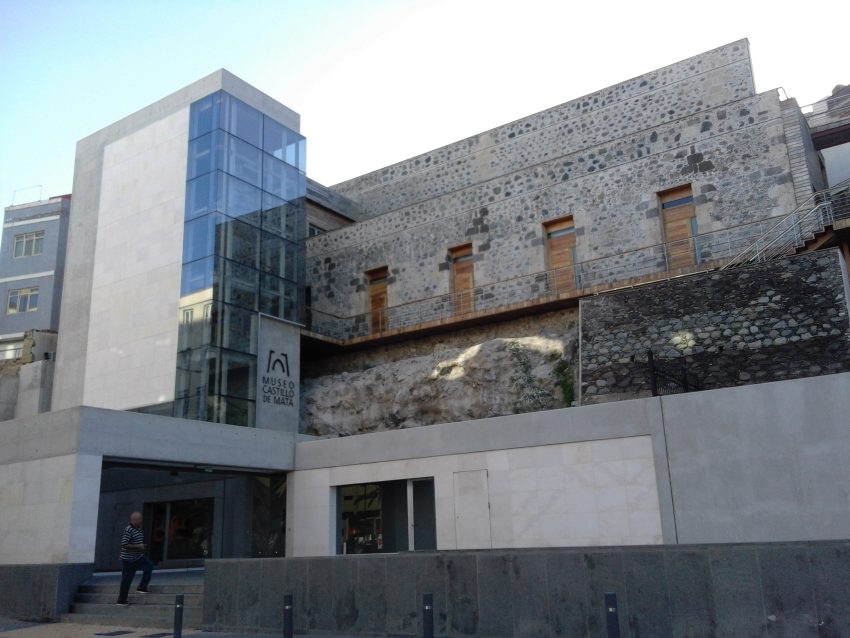
Location: C. Domingo Guerra del Río, 147, 35002 Las Palmas de Gran Canaria, Las Palmas, Spain | Hours: Monday: 10:00 AM – 2:00 PM Tuesday: 10:00 AM – 2:00 PM Wednesday: 10:00 AM – 2:00 PM Thursday: 10:00 AM – 2:00 PM, 5:00 – 8:00 PM Friday: 10:00 AM – 2:00 PM Saturday: 11:00 AM – 2:00 PM Sunday: Closed | Price: Free. | Website | Distance: 1.2km

2. Palacete Rodriguez Quegles
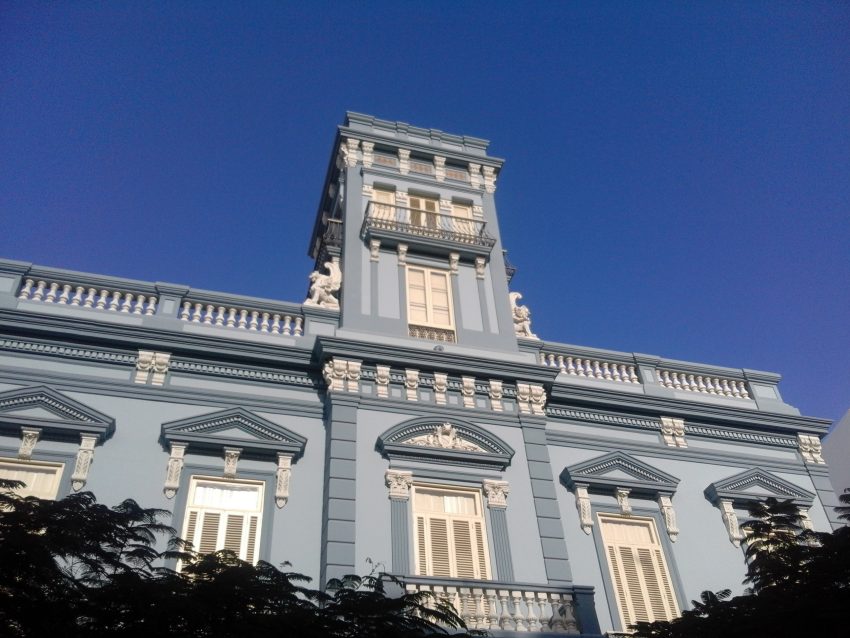
Location: C. Escritor Benito Pérez Galdós, 4, 35002 Las Palmas de Gran Canaria, Las Palmas, Spain | Hours: Monday: 8:00 AM – 3:00 PM Tuesday: 8:00 AM – 3:00 PM Wednesday: 8:00 AM – 3:00 PM Thursday: 8:00 AM – 3:00 PM Friday: 8:00 AM – 3:00 PM Saturday: Closed Sunday: Closed | Price: Adults: €4 | Distance: 1.3km
3. Literary Cabinet
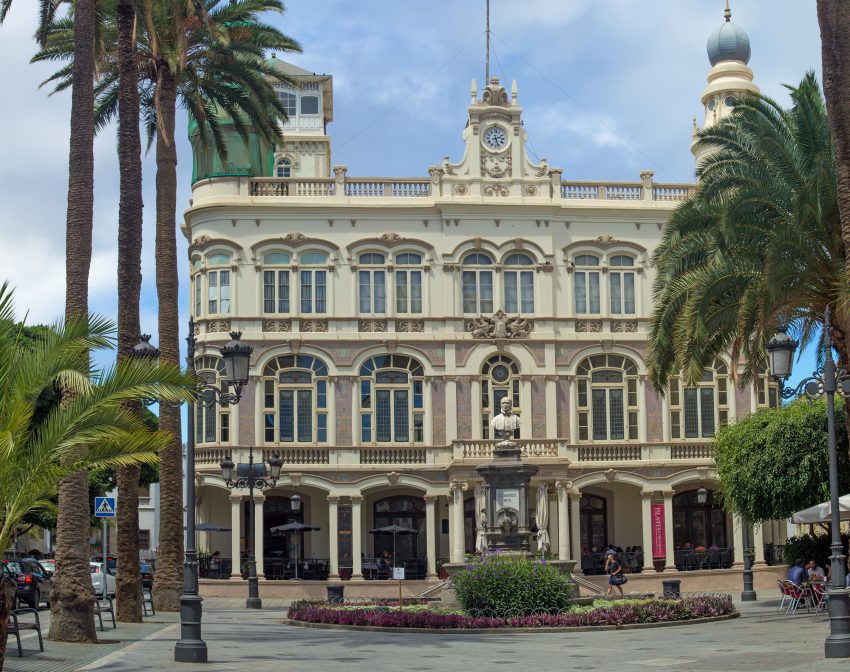
Location: Pl. de Cairasco, 1, 35002 Las Palmas de Gran Canaria, Las Palmas, Spain | Hours: Dailt: 8:00 AM – 11:00 PM; Sunday: Closed | Price: Adults: €4 | Website | Distance: 1.4km
4. Santo Domingo of Guzmán Parish
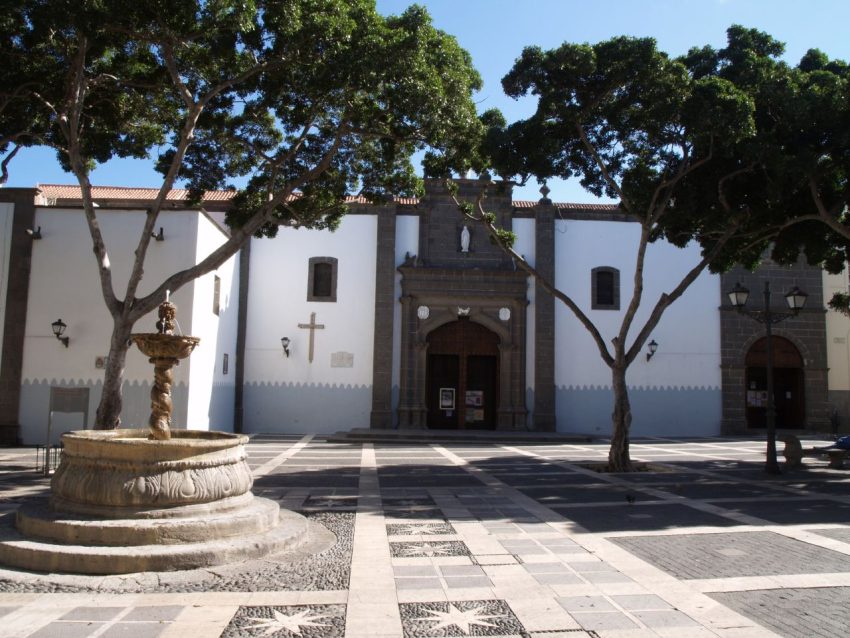
Location: Pl. de Santo Domingo, 3, 35001 Las Palmas de Gran Canaria, Las Palmas, Spain | Hours: Weekday: 7:00 – 9:00 PM, Saturday: 11:00 AM – 1:30 PM, 7:00 – 9:00 PM; Sunday: 8:00 – 10:00 AM, 7:00 – 9:00 PM | Price: Free | Distance: 1.4km
5. Plaza de Santa Ana
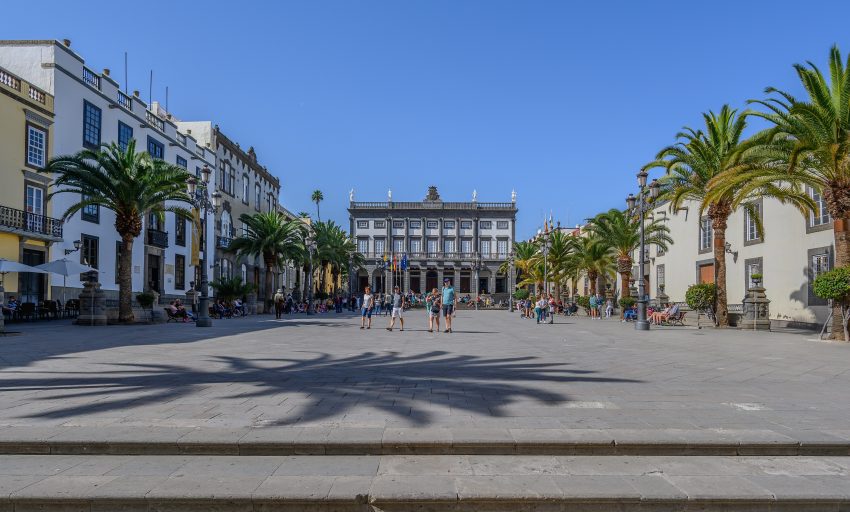
Location: Plaza Sta. Ana, 2, 35001 Las Palmas de Gran Canaria, Las Palmas, Spain | Hours: 24 hours | Price: Free | Distance: 1.4km
6. Plaza de las Ranas
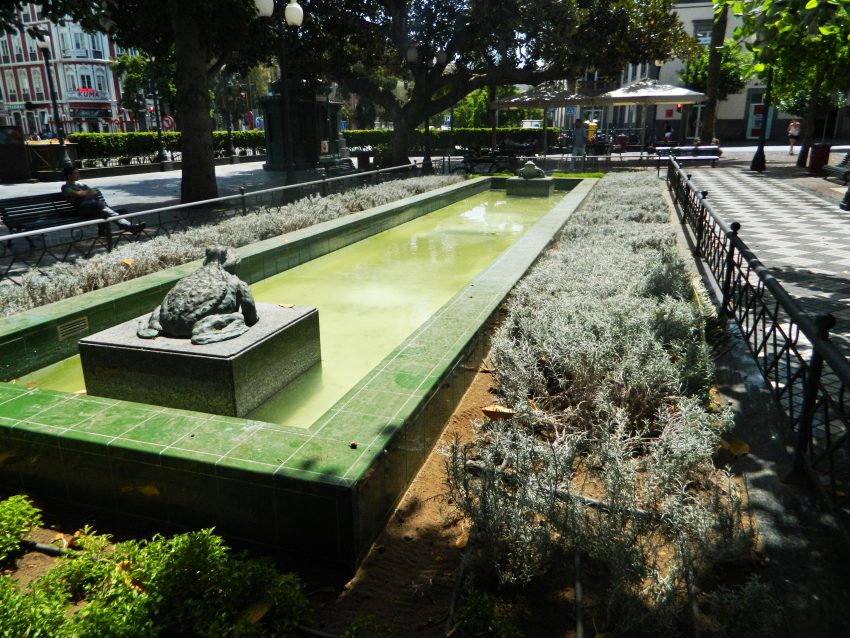
Location: Pl. Hurtado de Mendoza, 3, 35002 Las Palmas de Gran Canaria, Las Palmas, Spain | Hours: 24 hours | Price: Free | Distance: 1.4km
7. Perez Galdos House Museum
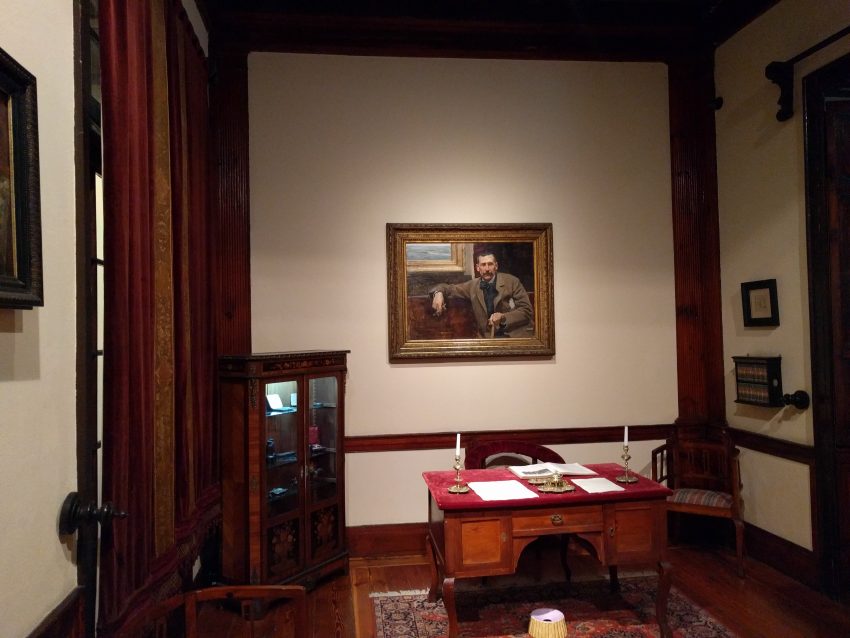
Location: C. Cano, 6, 35002 Las Palmas de Gran Canaria, Las Palmas, Spain | Hours: Daily: 10:00 AM – 6:00 PM; Monday: Closed | Price: Free | Website | Distance: 1.4km
8. Los Perros de La Plaza de Santa Ana
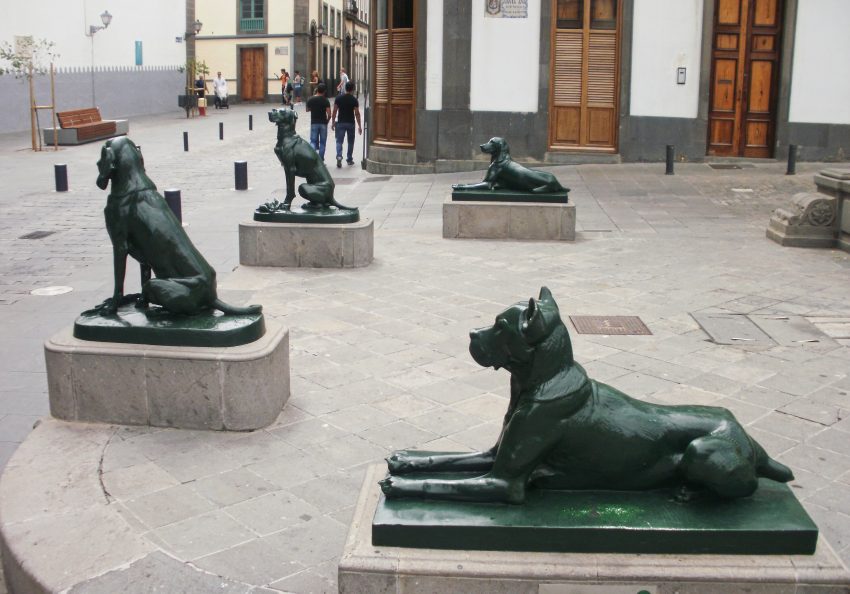
Location: Plaza Sta. Ana, 1, 35001 Las Palmas de Gran Canaria, Las Palmas, Spain | Hours: 24 hours | Price: Free | Distance: 1.5km
9. El Obelisco
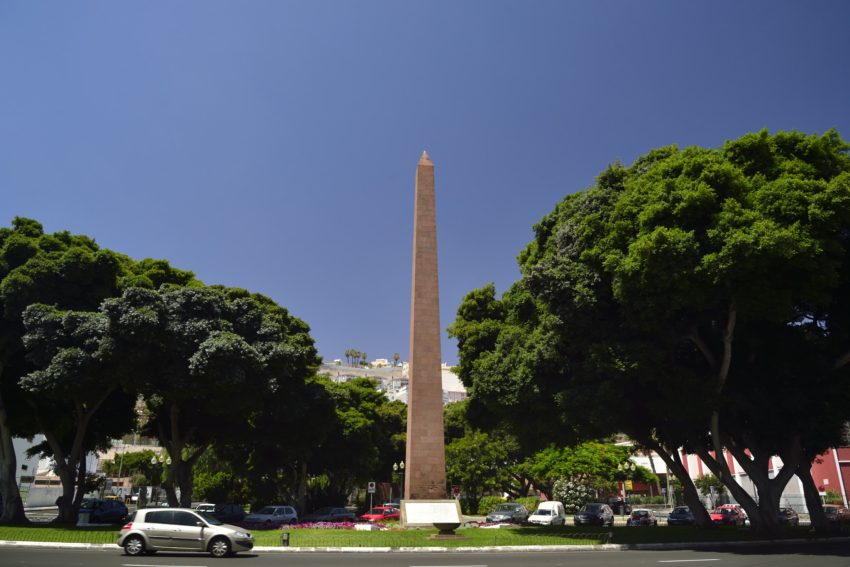
Location: 35003 Las Palmas de Gran Canaria, Las Palmas, Spain | Hours: 24 hours | Price: Free | Distance: 1.5km
10. Calle Mayor de Triana
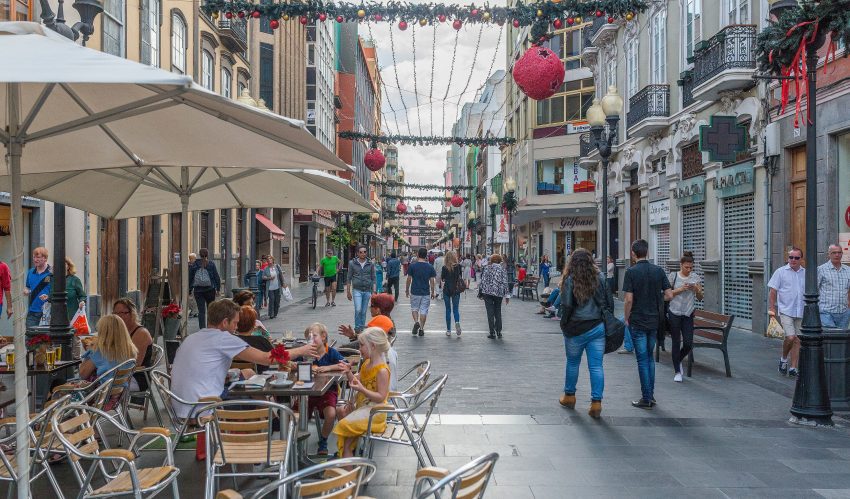
Location: Calle Triana, 36, 35002 Las Palmas de Gran Canaria, Las Palmas, Spain | Hours: 24 Hours | Price: Free | Distance: 1.5km
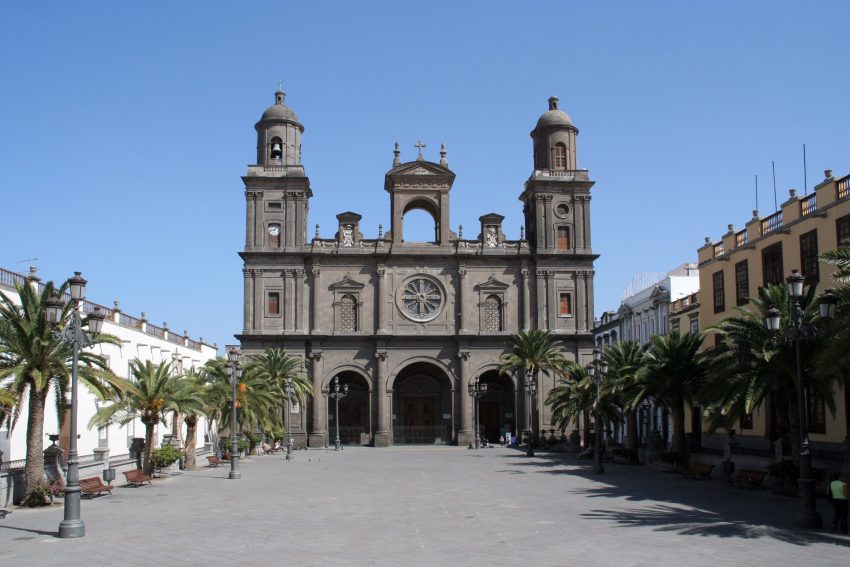
11. Catedral Metropolitana de Santa Ana de Canarias
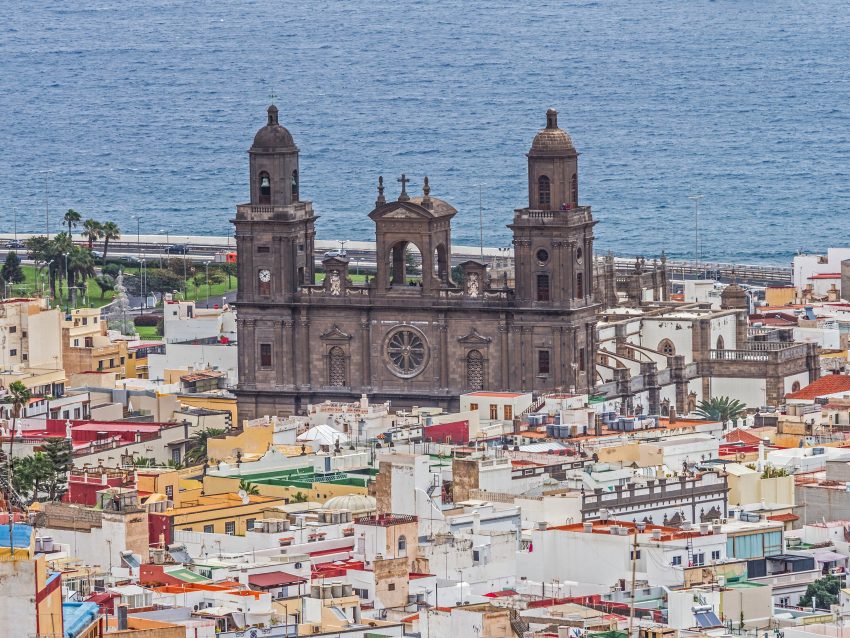
Location: Plaza Santa Ana, C. Obispo Codina, 13, 35001 Las Palmas de Gran Canaria, Las Palmas, Spain | Hours: Monday to Friday: from 10:00 to 18:00; Saturdays from 10:00 to 16:00 | Price: Adults: €6 | Website | Distance: 1.5km
12. Museo Canario
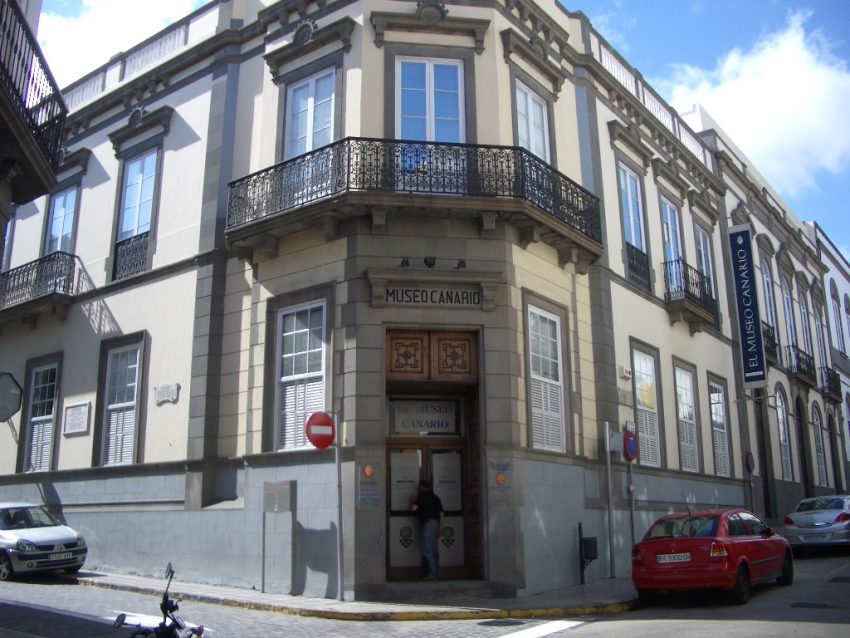
Location: Calle del Dr. Verneau, 2, 35001 Las Palmas de Gran Canaria, Las Palmas, Spain | Hours: Monday - Friday: 10:00 AM – 8:00 PM; Weekends: 10:00 AM – 2:00 PM | Price: Adults: $5.00 | Website | Distance: 1.5km
13. Casa de Colón
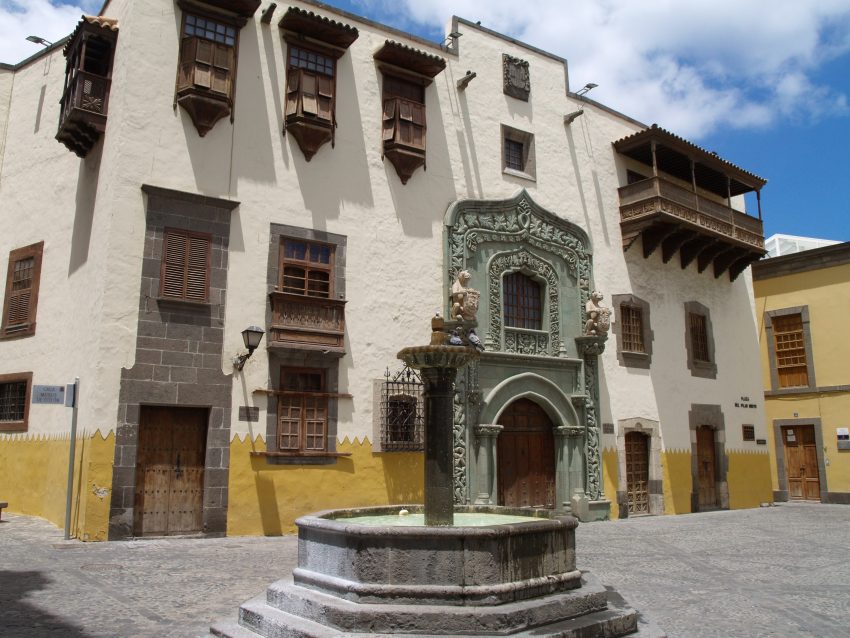
Location: C. Colón, 1, 35001 Las Palmas de Gran Canaria, Las Palmas, Spain | Hours: Monday – Saturday: 10:00–18:00. Sunday: 10:00–15:00. | Price: Adults: €4; Reduced: €2; Under 18: free; Sundays: free. | Website | Distance: 1.5km
14. Mercado De Vegueta
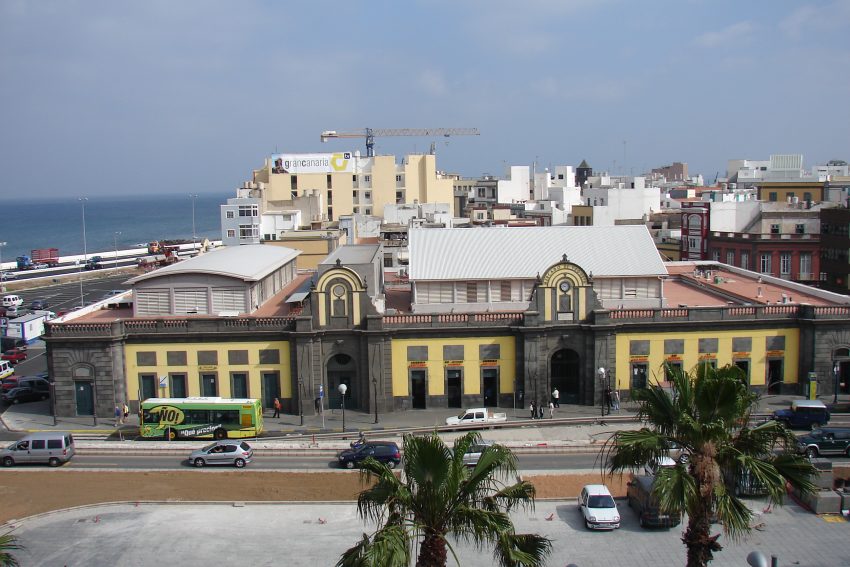
Location: mercado de vegueta, c/Mendizábal nº 1, 35001 Las Palmas de Gran Canaria, Las Palmas, Spain | Hours: Monday: 7:00 AM – 2:00 PM Tuesday: 7:00 AM – 2:00 PM Wednesday: 7:00 AM – 2:00 PM Thursday: 7:00 AM – 2:00 PM Friday: 7:00 AM – 2:30 PM Saturday: 7:00 AM – 2:30 PM Sunday: Closed | Price: Free | Website | Distance: 1.6km
15. Teatro Pérez Galdós
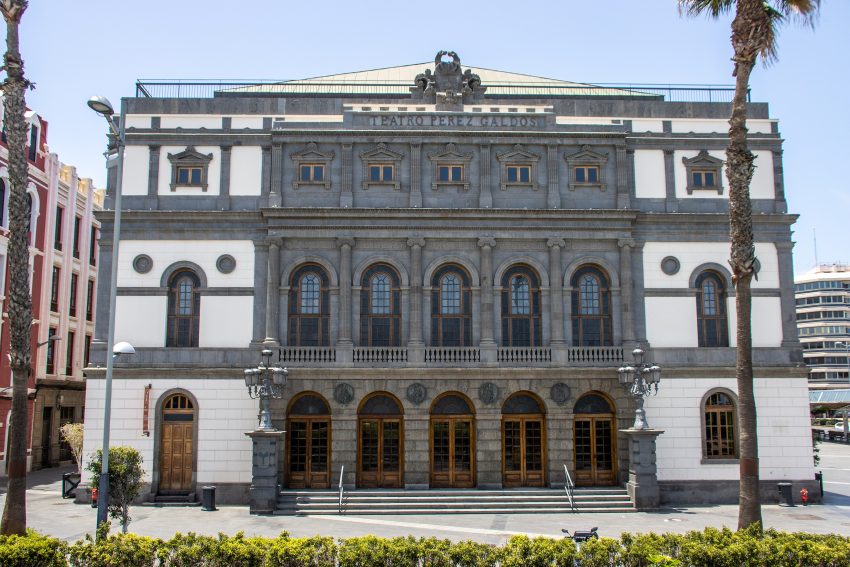
Location: Plaza de Stagno, 35002 Las Palmas de Gran Canaria, Las Palmas, Spain | Hours: Usually 7:30 p.m. Doors opening 45 minutes before the start of the event. | Price: Vary by event. | Website | Distance: 1.6km
16. Parque San Telmo
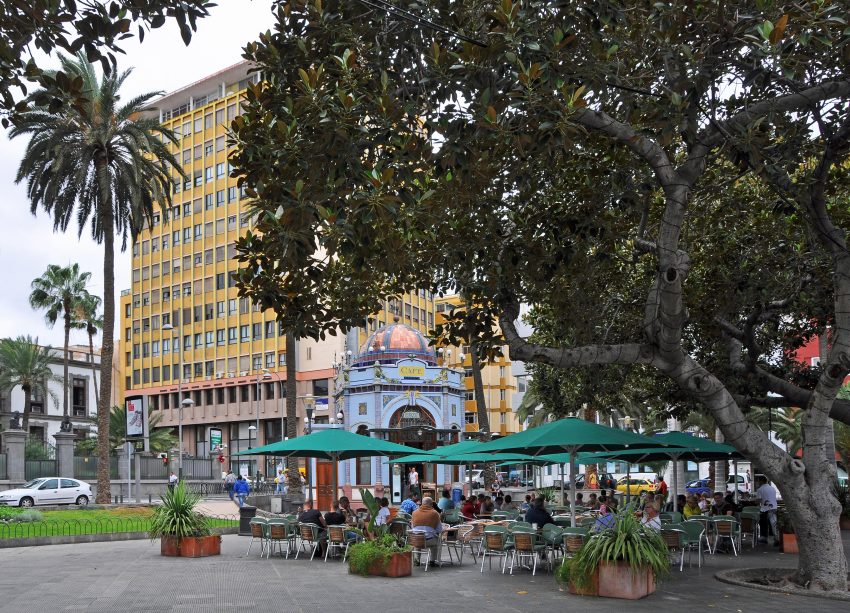
Location: Av. Rafael Cabrera, 30, 35002 Las Palmas de Gran Canaria, Las Palmas, Spain | Hours: 24 hours | Price: Free | Distance: 1.6km
17. Plaza del Pilar Nuevo
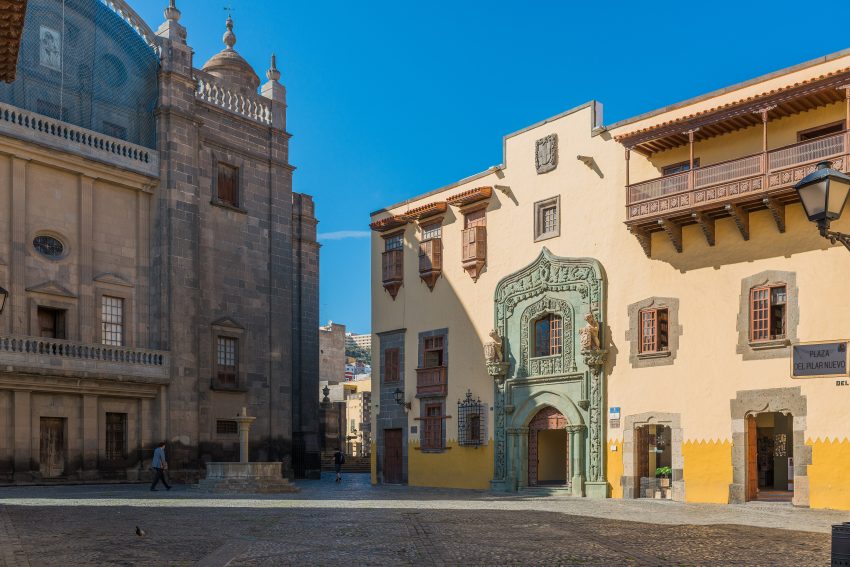
Location: Pl. del Pilar Nuevo, 35001 Las Palmas de Gran Canaria, Las Palmas, Spain | Hours: 24 Hours | Price: Free | Distance: 1.6km
18. Hermitage of San Telmo
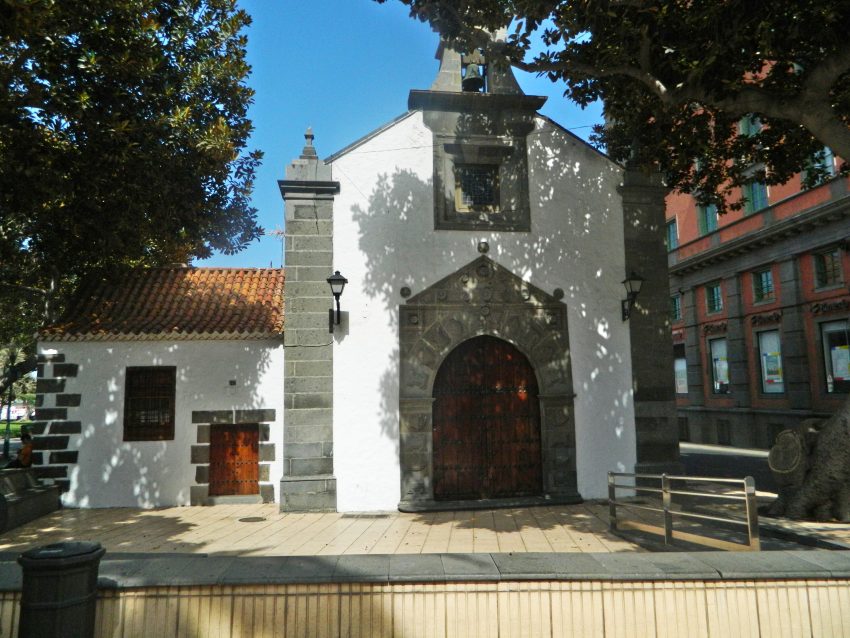
Location: Calle Triana, 22, 35002 Las Palmas de Gran Canaria, Las Palmas, Spain | Hours: Daily: 9:00 AM – 2:00 PM | Price: Free | Website | Distance: 1.6km
19. CAAM - Atlantic Center of Modern Art
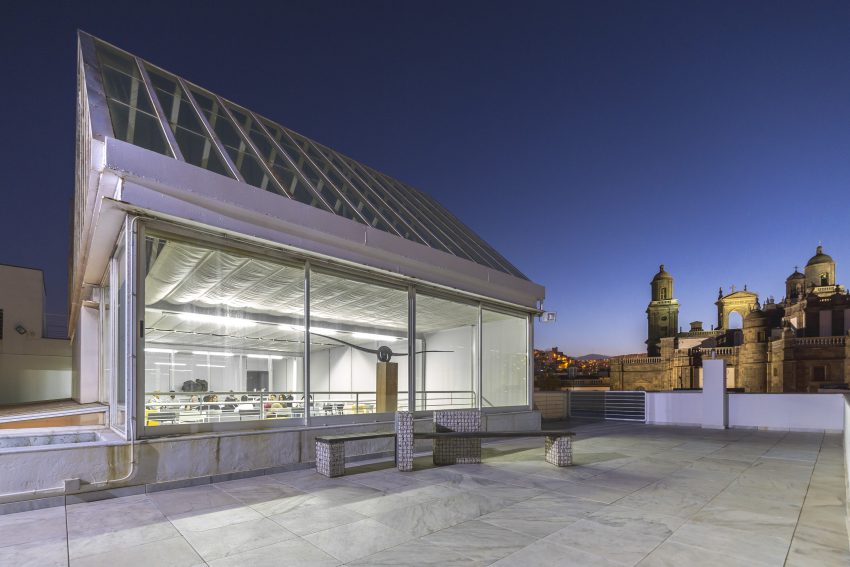
Location: C. los Balcones, 11, 35001 Las Palmas de Gran Canaria, Las Palmas, Spain | Hours: Tuesday-Saturday from 10 am. to 9 pm. Sunday from 10 am. to 2 pm. Closed Mondays, holidays, 24 and 31 December. | Price: Free | Website | Distance: 1.6km
20. Monumento a la Vela Latina
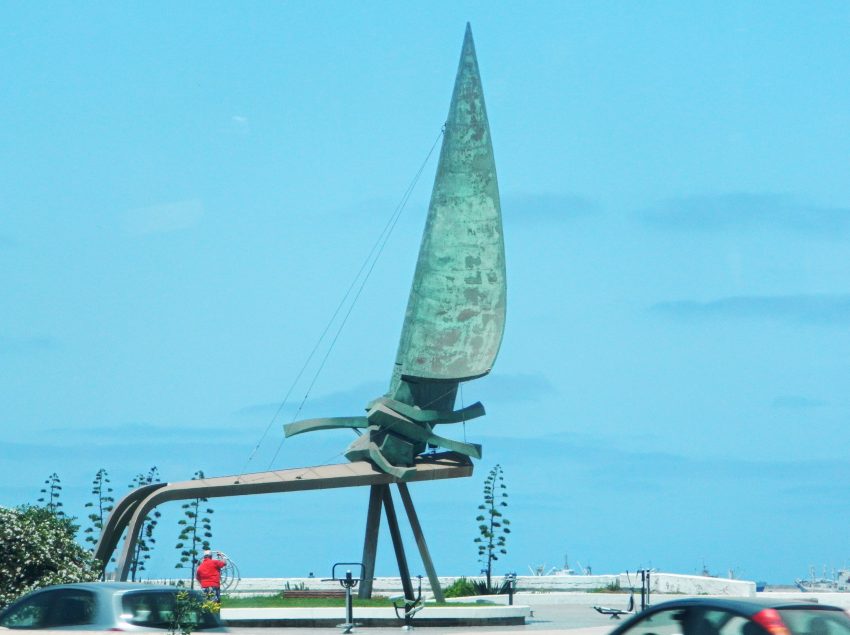
Location: 35002 Las Palmas de Gran Canaria, Las Palmas, Spain | Hours: 24 hours | Price: Free | Distance: 1.8km
21. Museo Néstor
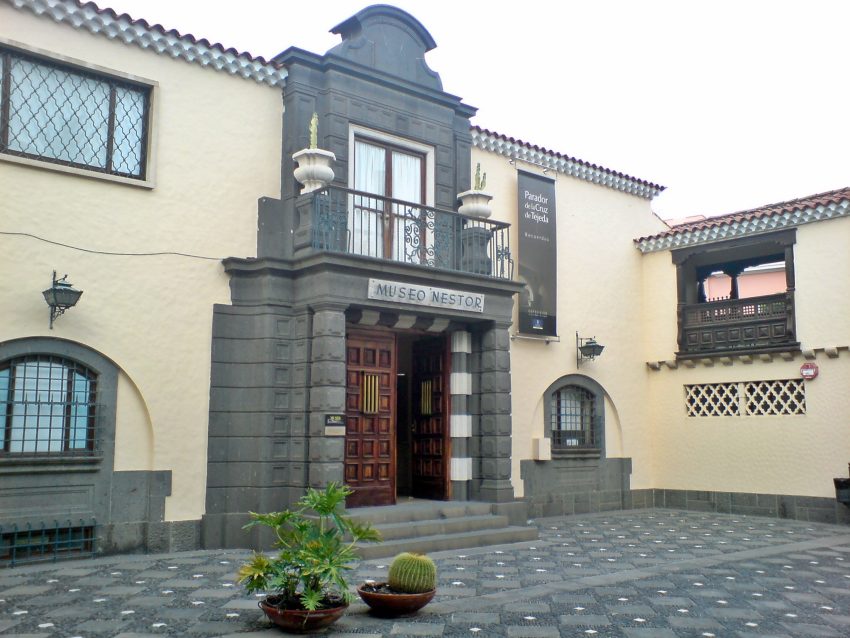
Location: C. Francisco González Díaz, 4, 35005 Las Palmas de Gran Canaria, Las Palmas, Spain | Hours: Tuesdays to Saturdays 10 am-8 pm. Sundays/holidays 1:30 pm-2:30 pm. | Price: Adults: €2 | Website | Distance: 2.3km
22. Castillo de San Cristobal
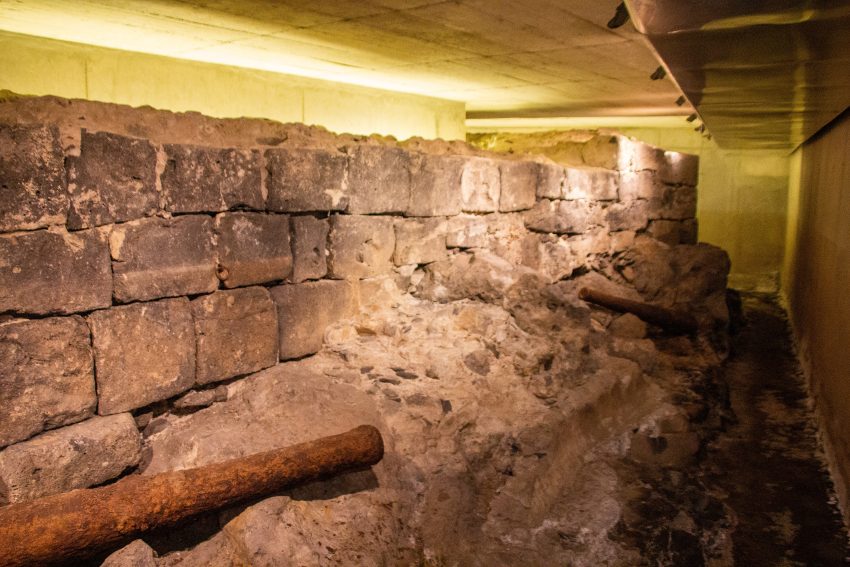
Location: Castillo de San Cristóbal, Las Palmas de Gran Canaria, Las Palmas, Spain | Hours: 24 hours | Price: Free | Distance: 2.4km
23. Mercado Central de Las Palmas

Location: C. Galicia, 24, 35006 Las Palmas de Gran Canaria, Las Palmas, Spain | Hours: Daily: 8:00 AM – 2:00 PM; Sunday: Closed | Price: Free. | Website | Distance: 3.7km
24. Alfredo Kraus Auditorium
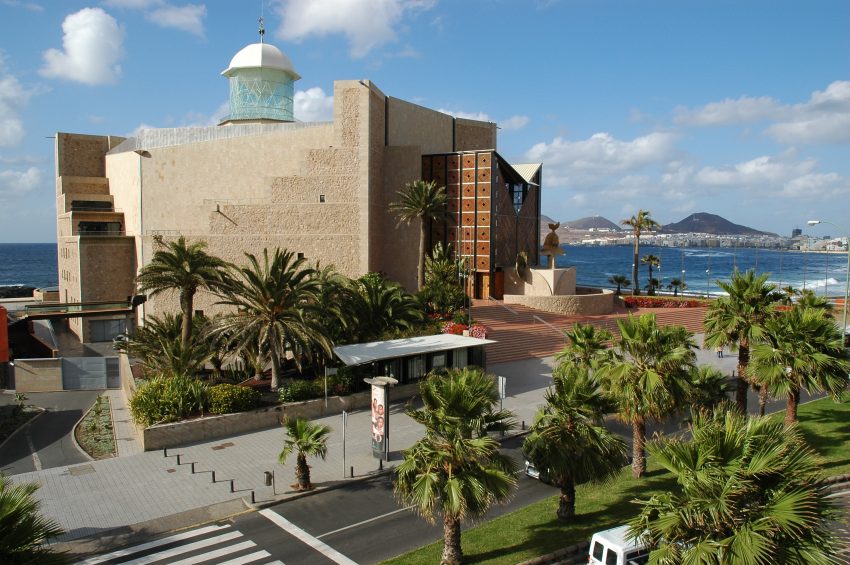
Location: Ctra. del Rincón, s/n, 35010 Las Palmas de Gran Canaria, Las Palmas, Spain | Hours: Weekdays: 4:00 – 9:00 PM; Saturday & Sunday: Closed | Website | Distance: 3.8km
25. Museo Naval
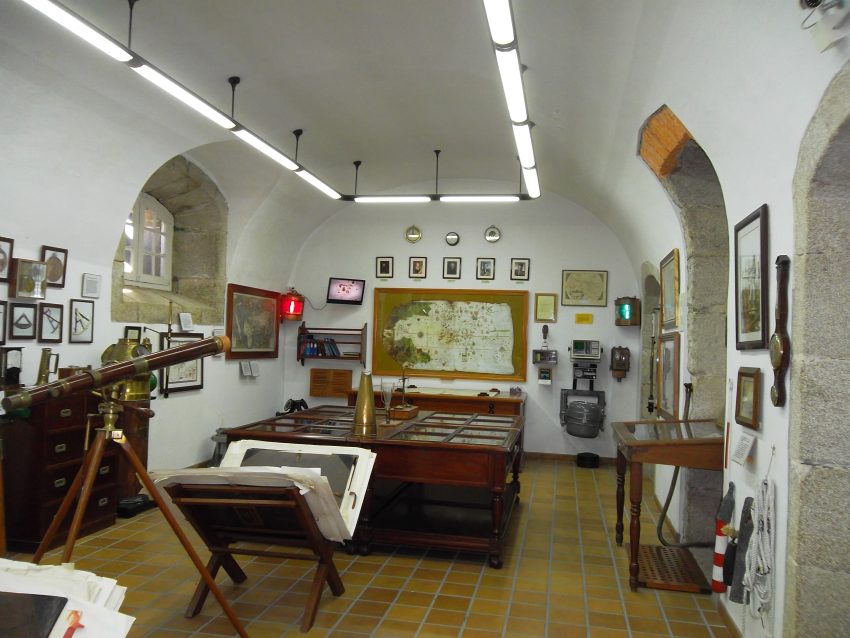
Location: Calle Castrillo, 35004 Las Palmas de Gran Canaria, Las Palmas, Spain | Hours: Monday: 9:00 AM – 1:00 PM Tuesday: 9:00 AM – 1:00 PM Wednesday: 9:00 AM – 1:00 PM Thursday: 9:00 AM – 1:00 PM Friday: 9:00 AM – 1:00 PM Saturday: Closed Sunday: Closed | Price: Free, €3 voluntary donation | Website | Distance: 3.9km
26. Parque de Santa Catalina

Location: C. Gral. Balmes, 910, 35007 Las Palmas de Gran Canaria, Las Palmas, Spain | Hours: 24 hours | Price: Free | Website | Distance: 4.5km
27. Elder Museum of Science and Technology
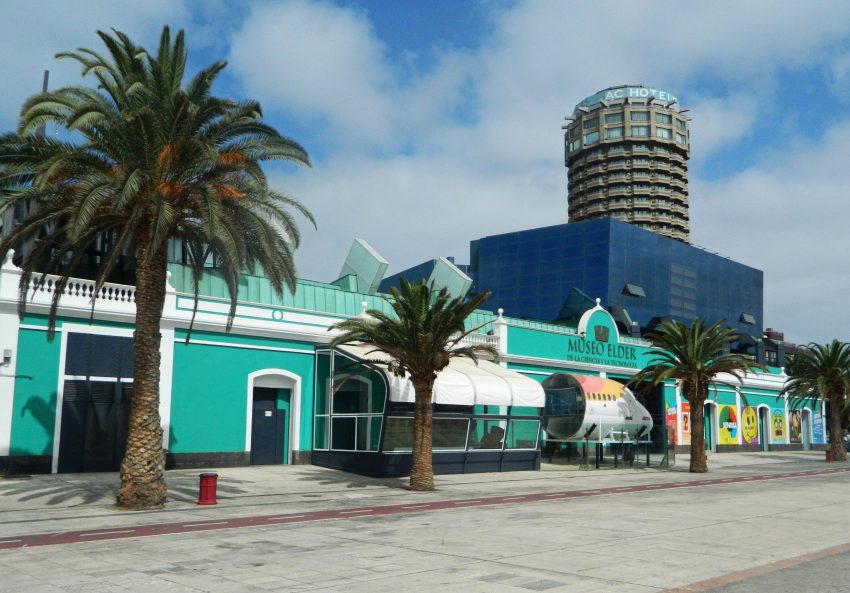
Location: Parque Santa Catalina, 35007 Las Palmas de Gran Canaria, Las Palmas, Spain | Hours: Tuesday- Saturday: 10:00 AM – 8:00 PM; Sunday: 10:00 AM – 6:00 PM; Monday: Closed | Price: Adults: €8 | Website | Distance: 4.6km
28. Las Canteras Beach

Location: Las Canteras Beach, Spain | Hours: 24 Hours | Price: Free | Distance: 4.7km
29. Poema del Mar Aquarium
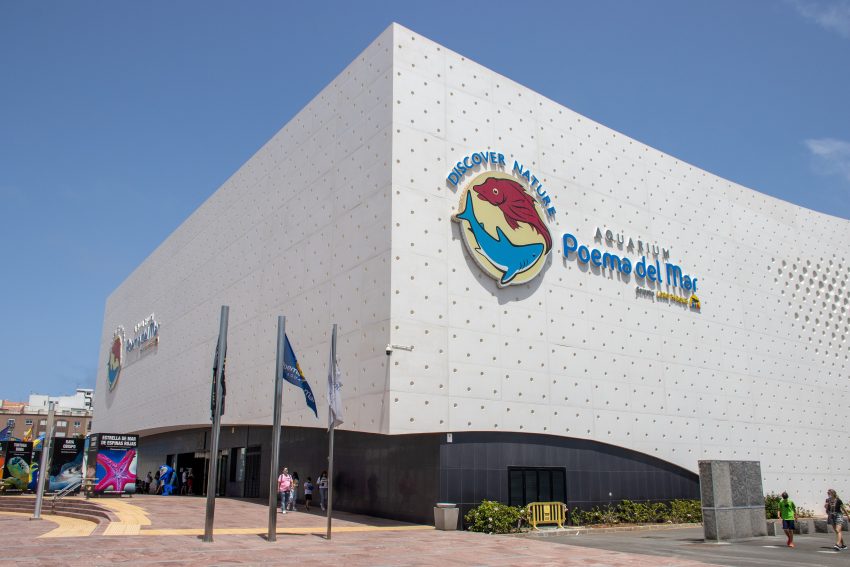
Location: Av. de Los Consignatarios, s/n, 35008, Las Palmas, Spain | Hours: Daily: 9:30 AM – 5:30 PM | Price: Adults: €29 | Website | Distance: 4.9km
30. Jardín Botánico Viera y Clavijo
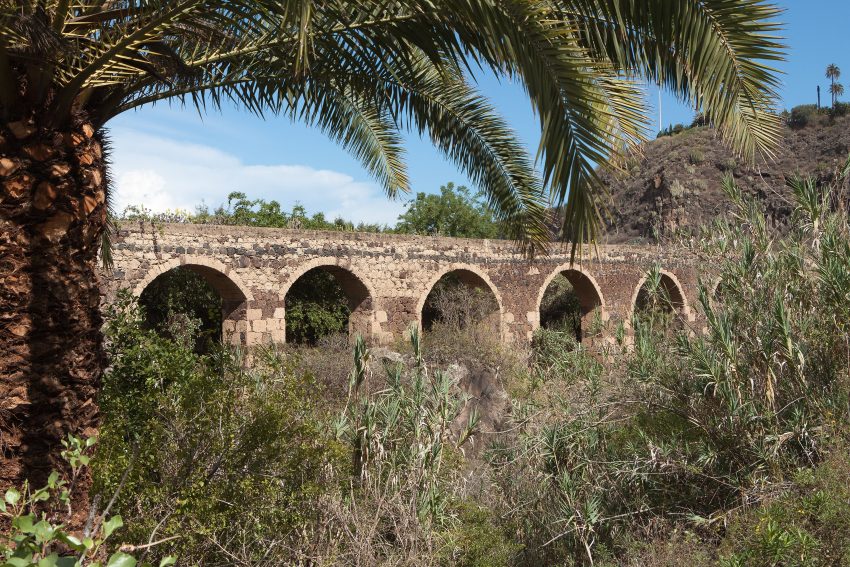
Location: Carr. del Dragonal, Km. 7, GC-310, 35017, Las Palmas, Spain | Hours: (Summer) Monday – Friday: 07:30–19:00. (Winter) Monday – Friday: 07:30–18:00. Saturday – Sunday: 10:00–18:00. Closed on 24 December, 25 December, 31 December and 1 January. | Price: Free. | Website | Distance: 5.2km
31. Mercado del Puerto
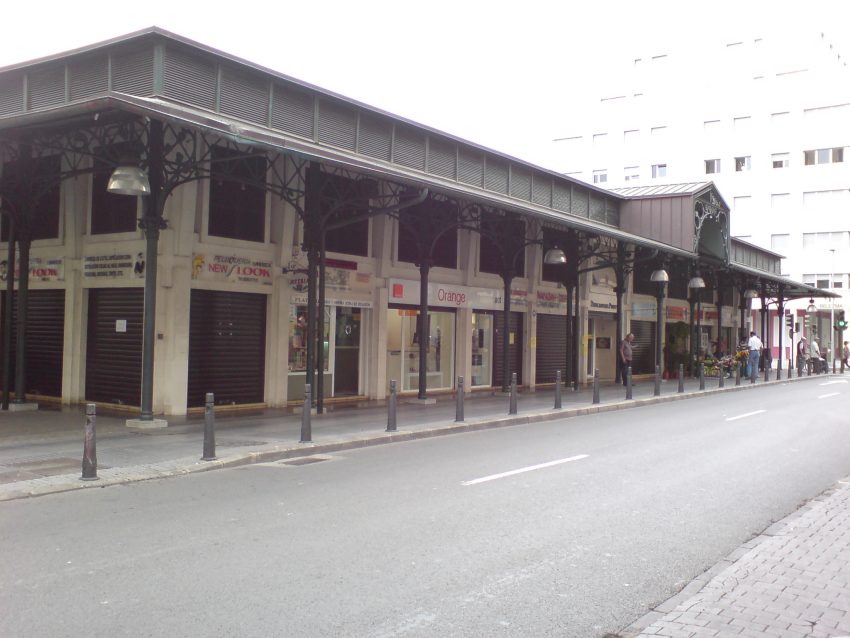
Location: C. Albareda, 76, 35008 Las Palmas de Gran Canaria, Las Palmas, Spain | Hours: Monday: 7:00 AM – 5:00 PM Tuesday: 7:00 AM – 12:00 AM Wednesday: 7:00 AM – 12:00 AM Thursday: 7:00 AM – 12:00 AM Friday: 7:00 AM – 12:00 AM Saturday: 7:00 AM – 12:00 AM Sunday: 12:00 – 5:00 PM | Price: Free | Website | Distance: 5.3km
32. Castillo de la Luz
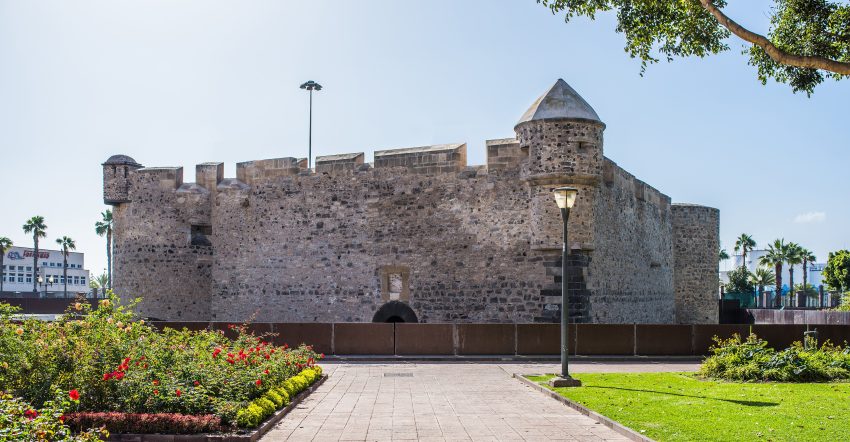
Location: C. Juan Rejón, s/n, 35008 Palmas De Gran Canaria ( Las ), Las Palmas, Spain | Hours: Tuesday - Saturday: 10:00 AM – 7:00 PM; Sunday: 10:00 AM – 2:00 PM; Monday: Closed | Price: Adults: €4; Free entry Wednesdays from 16:00 to 19:00 | Website | Distance: 5.5km
Best Day Trips from Las Palmas de Gran Canaria
A day trip from Las Palmas de Gran Canaria offers the perfect opportunity to escape the urban rhythm and discover the surrounding region's charm. Whether you're drawn to scenic countryside, historic villages, or cultural landmarks, the area around Las Palmas de Gran Canaria provides a variety of easy-to-reach destinations ideal for a one-day itinerary. If you are looking to rent a car in Spain I recommend having a look at Discover Cars, first, as they compare prices and review multiple car rental agencies for you.
1. Playa del Confital
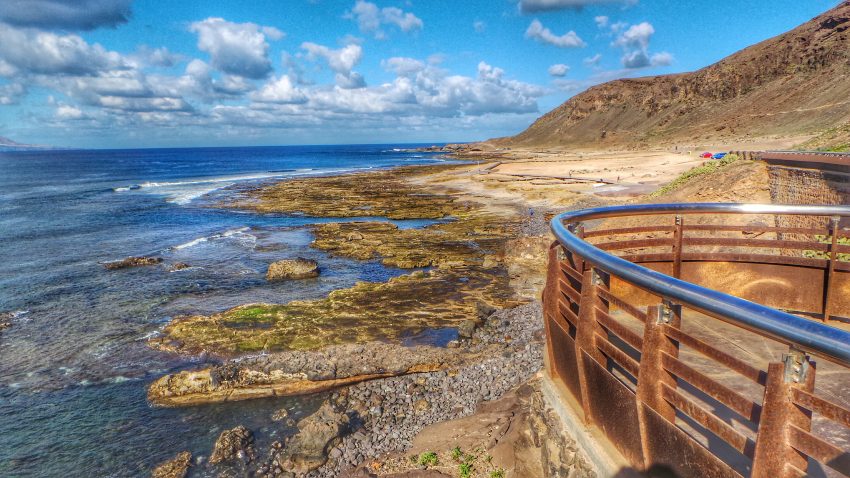
Location: Playa del Confital, Spain | Hours: 24 Hours | Price: Free | Distance: 6.6km
Visiting Playa del Confital
2. Santa Cruz de Tenerife
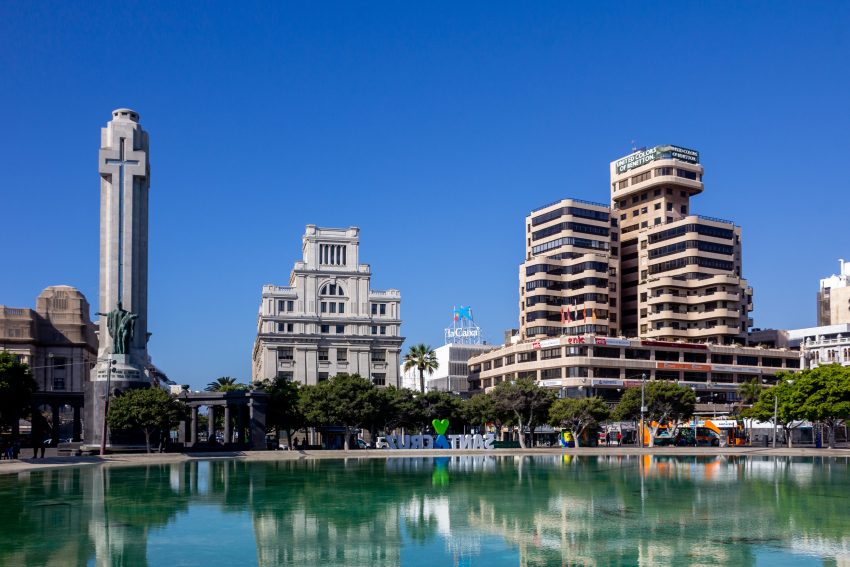
Visiting Santa Cruz de Tenerife
3. Puerto de la Cruz
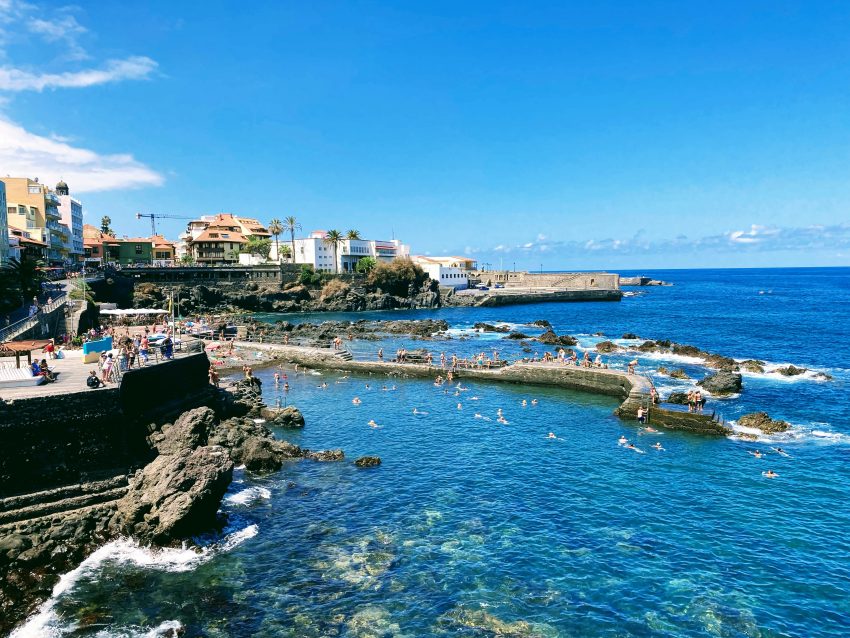
Visiting Puerto de la Cruz
Where to Stay in Las Palmas de Gran Canaria
If you want the most straightforward first stay, base yourself around Las Canteras and the Santa Catalina area: you get an easy beach routine, plenty of casual dining, and good connections for taxis and buses. In that zone, Hotel Cristina by Tigotan suits travellers who want a full-service beachfront feel and minimal logistics. For something quieter at the western end of the promenade, NH Imperial Playa is a solid choice if you prioritise sea views and quick access to the sand over nightlife right outside the door. If you prefer a modern, central base close to the park and transport hub rather than directly on the beach, Hotel LIVVO Lumm works well for short stays where you want to be able to walk to a lot of the city’s day-to-day action.
For a more “city” stay with easier access to Triana/Vegueta-style sightseeing and business-friendly convenience, look around the central corridor closer to the administrative core and marina. AC Hotel Iberia Las Palmas is a reliable pick for a polished, efficient base with good connectivity when you plan to spend more time exploring neighbourhoods than sitting on the beach. If you want a quieter, more upscale atmosphere with a “grand hotel” feel and easy access to green spaces, Ciudad Jardín is the best fit, and Santa Catalina, a Royal Hideaway Hotel is the obvious choice for travellers who care about amenities, comfort, and a more refined setting.
Using the our Hotel and Accomodation map, you can compare hotels and short-term rental accommodations in Las Palmas de Gran Canaria. Simply insert your travel dates and group size, and you’ll see the best deals for your stay.
Las Palmas de Gran Canaria Accommodation Map
Best Time to Visit Las Palmas de Gran Canaria
Spain: Spring (March–May) (Best)
Spring is typically the most balanced time to visit: comfortable temperatures, plenty of daylight, and a noticeably calmer feel than peak summer while still delivering a beach-friendly break. It is also a strong season for culture, with the Las Palmas de Gran Canaria International Film Festival often running in late April into early May, which adds screenings and a lively evening atmosphere.
Spain: Summer (June–August)
Summer brings the most dependable beach weather and the busiest vibe, with higher accommodation demand and more local events spilling into the streets and waterfront. A standout date is Noche de San Juan (23 June), when beach bonfires and celebrations mark the start of the summer season, and July often features major live-music programming across the island, including Canarias Jazz & Más.
Spain: Autumn (September–November)
Autumn is a strong shoulder season if you want warm conditions with fewer crowds than mid-summer, often with a more relaxed pace and easier bookings. November is particularly appealing for festival-goers because WOMAD Las Palmas de Gran Canaria is usually held then, bringing several days of global music and arts programming.
Spain: Winter (December–February)
Winter is ideal if you want mild weather and a straightforward escape from colder climates, with generally good conditions for walking, outdoor dining, and coastal time. The key seasonal highlight is Carnival, which usually falls in February (sometimes extending toward early March depending on the year) and can transform the city with parades, costumes, and late-night festivities.
Annual Weather Overview
- January 19°C 70°F
- February 19°C 69°F
- March 20°C 72°F
- April 21°C 73°F
- May 22°C 75°F
- June 24°C 78°F
- July 24°C 80°F
- August 25°C 80°F
- September 24°C 79°F
- October 24°C 78°F
- November 22°C 75°F
- December 21°C 73°F
How to get to Las Palmas de Gran Canaria
Getting to Las Palmas de Gran Canaria by air
Gran Canaria Airport (LPA) is the main gateway for Las Palmas de Gran Canaria and handles both domestic and international flights. You will generally find the widest choice of routes and fares if you are flexible by a day or two and avoid peak school-holiday periods. If you are connecting onward, allow buffer time for checked bags and seasonal congestion. [flights]
Airport to the city: The simplest options are taxi or rideshare for a door-to-door transfer, or the public bus for a lower-cost option. If you plan to make day trips around the island, picking up a rental car at the airport can be efficient, but it is not necessary for a city-only stay.
Driving on Gran Canaria
If you already have a vehicle on the island, reaching Las Palmas de Gran Canaria is straightforward via the main highways, with typical urban traffic patterns around commuter hours. Parking can be tight near the beach and in older districts, so accommodation with parking or a plan to use public garages can reduce friction. If you are looking to rent a car in Spain I recommend having a look at Discover Cars, first, as they compare prices and review multiple car rental agencies for you.
Getting around day to day
Walking works well for many visitors, especially if you stay near the beach promenade or central districts. For longer hops, local buses cover the main corridors, and taxis are widely available for quick point-to-point trips.
Beach areas versus historic districts
If you plan to move between the beach zone and the older parts of the city, combine walking with buses or taxis to save time and energy, particularly on warmer days.
Day trips and practical mobility
For exploring outside the city (viewpoints, inland villages, or multiple beaches in one day), a car is the most flexible option, but organised tours can be a good substitute if you prefer not to drive.