Self-Guided Walking Tour of Las Palmas de Gran Canaria (2026)
This website uses affiliate links which earn a small commission at no additional cost to you.
Las Palmas de Gran Canaria is a city best experienced on foot, where Atlantic breezes, palm-lined promenades, and layers of history sit comfortably side by side. This self-guided walking tour is designed to help you navigate the city's most characterful neighbourhoods without rushing, linking major sights with the smaller details that make the capital of Gran Canaria feel lived-in and local. Along the way you will encounter elegant squares, colonial-era streetscapes, and viewpoints that reveal how the city opens out to the sea.
The route focuses on the best things to see in Las Palmas de Gran Canaria while keeping the walk logical and enjoyable, so you spend less time backtracking and more time exploring. Expect a mix of architectural highlights, cultural stops, and everyday scenes, from atmospheric old-town lanes to lively commercial streets and open-air gathering places. It is the kind of walk that works equally well as a first introduction or as a deeper dive if you want to understand how the city developed around its port, trade connections, and island identity.
Because it is self-guided, you can tailor the pace to your interests: linger in museums, pause for coffee in a shaded plaza, or time the seafront stretches for softer light. The tour also suits different schedules, whether you have a single afternoon or want to spread the walk across a full day with breaks for markets, beaches, and viewpoints. By the end, you will have a clear sense of the city's layout, its historical heart, and the coastal energy that shapes Las Palmas de Gran Canaria.
How to Get to Las Palmas de Gran Canaria
By Air: The main gateway is Gran Canaria Airport (LPA), roughly 20-30 minutes south of Las Palmas de Gran Canaria by road depending on traffic and your final neighbourhood. From the airport you can reach the city easily by taxi, airport transfer, or frequent public buses that connect directly to the main bus stations in Las Palmas, which is often the simplest option if you are travelling light. If you are arriving late, taxis and pre-booked transfers are the most straightforward choices, while daytime arrivals usually make public transport a reliable and good-value alternative. For the best deals and a seamless booking experience, check out these flights to Las Palmas de Gran Canaria on Booking.com.
By Bus: If you are already on Gran Canaria, intercity buses (guaguas) provide an efficient way to reach Las Palmas de Gran Canaria from resorts and towns across the island, including the south coast. Most long-distance routes terminate at the city's main stations, making it easy to connect onwards by local bus or taxi to Vegueta, Triana, Santa Catalina, or Las Canteras. Services are generally frequent on main corridors, and you can often avoid parking and traffic by using the bus for day trips into the capital.
By Car from another part of the island: Driving is straightforward thanks to the island’s main motorways, with the GC-1 linking the south and the airport to Las Palmas, and the GC-2 running along the north coast. Journey times vary significantly with commuting traffic, so it is worth planning arrivals outside peak hours if you want a smoother run into the centre. Once in the city, parking can be limited in older districts, so consider using paid garages and then continuing on foot, especially if your destination is Vegueta or Triana. If you are looking to rent a car in Spain I recommend having a look at Discover Cars, first, as they compare prices and review multiple car rental agencies for you.
Where to Stay in Las Palmas de Gran Canaria
To make the most of visiting Las Palmas de Gran Canaria and this walking tour then you consider staying overnight close to the centre, so you can begin in the historic quarters and finish by the waterfront without wasting time on transfers. For the most convenient access to Vegueta and Triana (the old town and main shopping streets), look at well-located city hotels that put you within easy walking distance of plazas, museums, and the cathedral area, such as Boutique Hotel Cordial La Peregrina, Hotel LIVVO Lumm, and Sercotel Hotel Parque. This area is ideal if your priority is architecture, culture, and short walking hops between tour stops, with plenty of cafés and restaurants for breaks during the day.
If you want a livelier base with quick access to the seafront stretch of the tour, Santa Catalina and the Parque Santa Catalina area works well, especially for evening dining and easy transport connections. You will be close to the marina and within a straightforward walk or short bus ride of Triana and Vegueta, while still having beach time on your doorstep if you extend the day. Practical options here include AC Hotel Gran Canaria by Marriott, Hotel Cristina by Tigotan Las Palmas, and Occidental Las Canteras, which are well placed for coastal views, restaurants, and an easy finish to a day’s walking.
For a more relaxed, beach-forward stay, base yourself around Las Canteras, where you can start or end the tour with a long promenade walk and an ocean swim, then connect into the city for the historic sections when you are ready. This is a strong choice if you prefer mornings by the water and sightseeing later, and it is also convenient for travellers who want plenty of dining options in a compact area. Consider Hotel Aloe Canteras, Veintiuno Emblematic Hotels - Adults Only, and Bull Reina Isabel & Spa depending on whether you want boutique character, a quieter adults-oriented experience, or a full-service beachfront base.
The History of Las Palmas de Gran Canaria
From Indigenous Gran Canaria to a Castilian foothold (before 1478-1483)
Before the Spanish conquest, Gran Canaria was home to an indigenous society with its own settlements and territorial organisation across the island. Las Palmas de Gran Canaria emerged as a colonial foundation when Castilian forces established a camp at the mouth of the Guiniguada ravine: on 24 June 1478, Captain Juan Rejón founded what was then called Real de Las Palmas, in the area that later became Vegueta. The conquest of the island concluded in 1483, after which the city's political and religious importance grew quickly, including the transfer of the bishopric to Las Palmas in the late 15th century.
The creation of Vegueta and the city’s ceremonial heart (late 15th-17th centuries)
Vegueta became the city’s oldest district and the base from which key institutions were established. Plaza Mayor de Santa Ana was laid out as the city’s principal civic-religious stage, framed by major buildings and still functioning as the symbolic centre of the historic quarter. Dominating the square, the Catedral de Santa Ana began construction in 1497, with a first long phase running into the 16th century and later major works resuming from the late 18th century, which helps explain its blended Gothic, Renaissance, and Neoclassical character.
Atlantic trade, defence, and the city’s fortifications (16th-19th centuries)
As Las Palmas developed into an Atlantic port city, defence infrastructure became essential. The Museo Castillo de Mata preserves this military layer: the fortress was designed by engineer Juan Alonso Rubián and its construction was completed in 1577 during the governorship of Diego de Melgarejo, with later rebuilding and adaptations following attacks such as the 1599 raid led by Pieter van der Does. Nearby, everyday religious life also expanded outside the oldest core; the Ermita de San Telmo traces its origins to a 16th-century hermitage (built in 1520) linked to sailors and maritime devotion in the Triana area.
Triana, markets, and a more modern city (19th-early 20th centuries)
In the 19th century the city broadened beyond Vegueta, and Triana developed into a commercial and bourgeois district, with Calle Mayor de Triana becoming its defining spine of shops, façades, and urban life. The Mercado de Vegueta anchored daily provisioning in the historic centre and is generally dated to the mid-19th century, with official sources noting its inauguration in 1858. This era of change accelerated as the port economy strengthened; the construction of the Port of La Luz began in 1883, helping drive the city’s growth from its old nucleus into new urban forms and neighbourhoods.
Cultural institutions and landmark civic architecture (20th century to today)
Las Palmas' identity as a cultural capital is visible in its civic buildings and museums. The Gabinete Literario, founded as an institution in the 19th century, is strongly associated with the city's cultural “boom”; its building's celebrated façade was designed in 1919 by architects Fernando Navarro and Rafael Massanet. In Triana, the Palacete Rodríguez Quegles reflects early-20th-century prosperity: commissioned by Domingo Rodríguez Quegles, designed by Madrid architect Mariano Belmás and completed locally by Fernando Navarro, it later shifted from private mansion to public cultural use. In Vegueta, Casa de Colón occupies an architectural complex linked to the former Governors' House; it was inaugurated as a museum in 1951 after restoration works commissioned to architect Secundino Zuazo, and it remains central to the city's narrative of Atlantic crossings and connections to the Americas.
The city’s plazas as living heritage
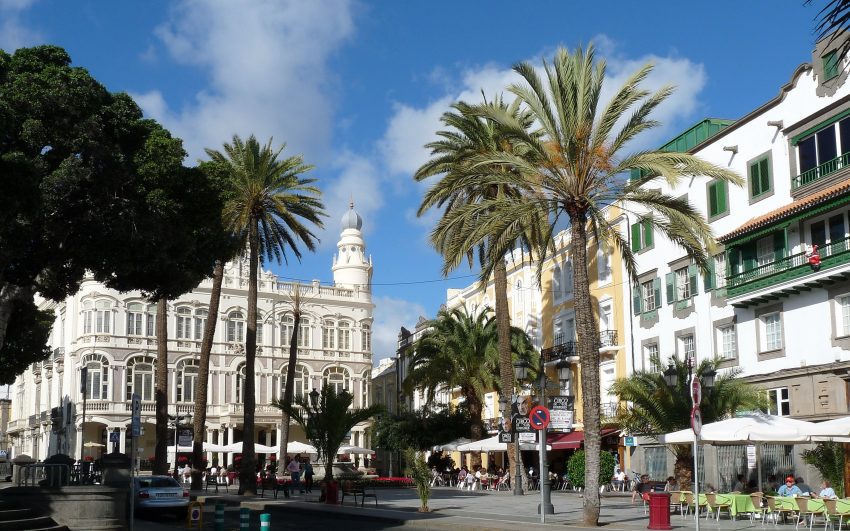
Some of Las Palmas’ most recognisable “heritage” is also distinctly public and everyday. In Plaza Mayor de Santa Ana, the famous bronze dogs (Los Perros de la Plaza de Santa Ana) were installed in 1895 on the initiative of Mayor Felipe Massieu; they are cast-iron works by French sculptor Alfred Jacquemar and have since become a civic emblem and a familiar photo stop. Behind the cathedral, Plaza del Pilar Nuevo preserves another strand of urban memory: it is historically associated with water collection around the square’s central pillar, and today it also serves as a gateway to major cultural venues in the old town.
Your Self-Guided Walking Tour of Las Palmas de Gran Canaria
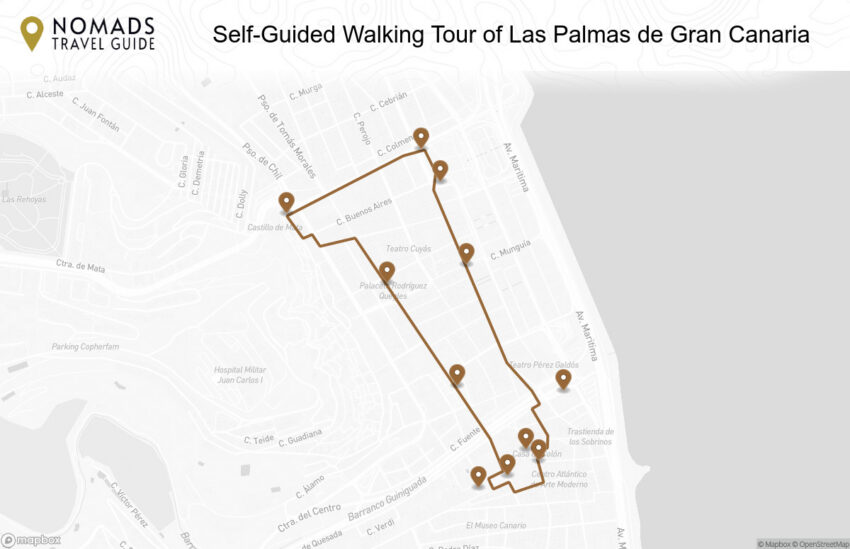
Discover Las Palmas de Gran Canaria on foot with our walking tour map guiding you between each stop as you explore its historic quarters, Atlantic waterfront, elegant plazas, and lively local markets. This walking tour follows the city's layered story, shaped by island trade routes, centuries of coastal defence, and the distinctive character of Vegueta and Triana, taking you from cathedral viewpoints and landmark squares to seaside promenades and harbour-facing bastions.
1. Plaza de Santa Ana
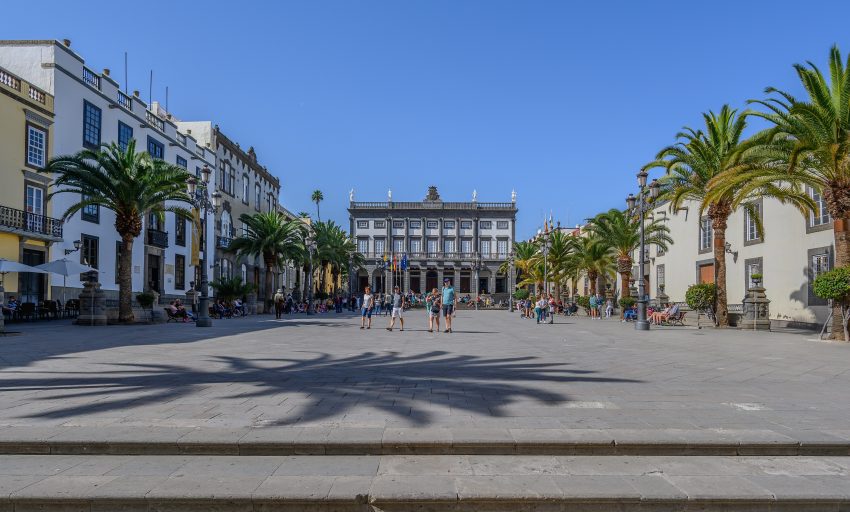
Plaza de Santa Ana is the ceremonial heart of Vegueta, the historic district where Las Palmas de Gran Canaria first took shape. The square’s identity is inseparable from the late-15th- and 16th-century consolidation of Spanish rule on Gran Canaria, when civic and ecclesiastical power anchored the new city around a formal plaza. Over time, the space became the city’s stage for processions, public announcements, and everyday life in the old capital.
What you see today is a crisp composition of landmark façades: the Cathedral of Santa Ana facing the square, and key institutional buildings framing it, including the Casas Consistoriales (town hall) and the Episcopal Palace. It is a square designed for looking up and looking across, with a strong sense of symmetry and “frontality” that makes the cathedral feel even more monumental.
When you visit, take time to slow down and read the square as architecture. Walk the perimeter to appreciate how each building signals its role, then return to the center for the classic wide-angle view of cathedral and civic façades in one frame. The cast-iron dogs (a local icon) are part of the experience here too, and they help anchor the square’s atmosphere as both grand and approachable.
Location: Plaza Sta. Ana, 2, 35001 Las Palmas de Gran Canaria, Las Palmas, Spain | Hours: 24 hours | Price: Free

2. Catedral Metropolitana de Santa Ana de Canarias
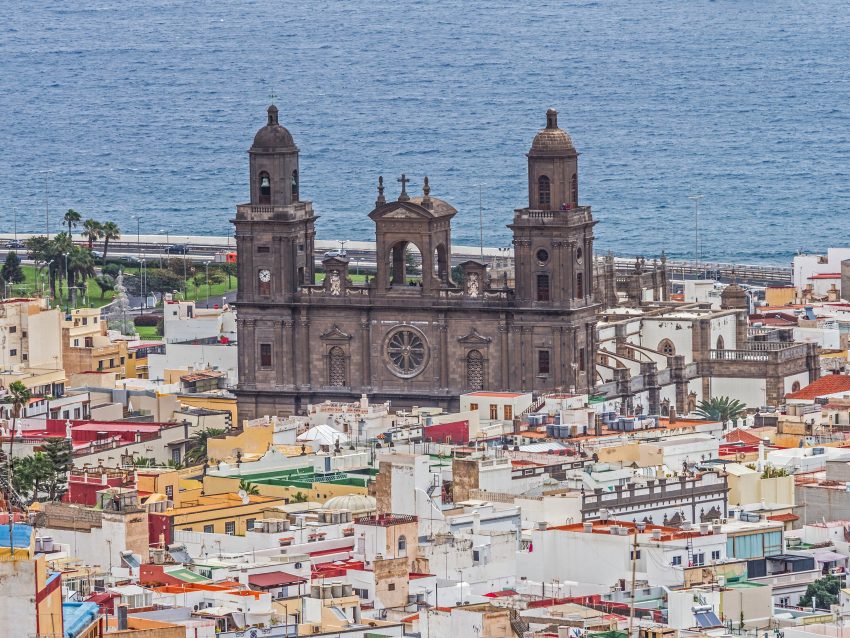
The Cathedral of Santa Ana is one of the defining monuments of the Canary Islands, with a building story that spans centuries. Construction began in the late 15th century (often dated to 1497) and continued in major phases over subsequent generations, which is why the cathedral reads as a layered project rather than a single moment in time. Its long construction reflects the changing fortunes and priorities of the island’s capital and diocese.
Architecturally, the cathedral is best understood as a blend: a Gothic core and interior language paired with later interventions, including a more classical exterior treatment. Inside, look for the tall columns and the sense of height and rhythm through the naves, which gives the space its solemn, processional character. Many visitors also focus on the museum elements and sacred art associated with the cathedral complex.
A visit is most rewarding if you combine three perspectives: the façade from Plaza de Santa Ana, the interior’s structural grandeur, and the elevated views available from the cathedral’s towers/upper areas (when open), which help you understand how Vegueta sits above the ravine and how the historic city meets the port-side districts. If you have limited time, prioritize the interior plus a short circuit around the surrounding squares and lanes.
Location: Plaza Santa Ana, C. Obispo Codina, 13, 35001 Las Palmas de Gran Canaria, Las Palmas, Spain | Hours: Monday to Friday: from 10:00 to 18:00; Saturdays from 10:00 to 16:00 | Price: Adults: €6 | Website

3. Plaza del Pilar Nuevo
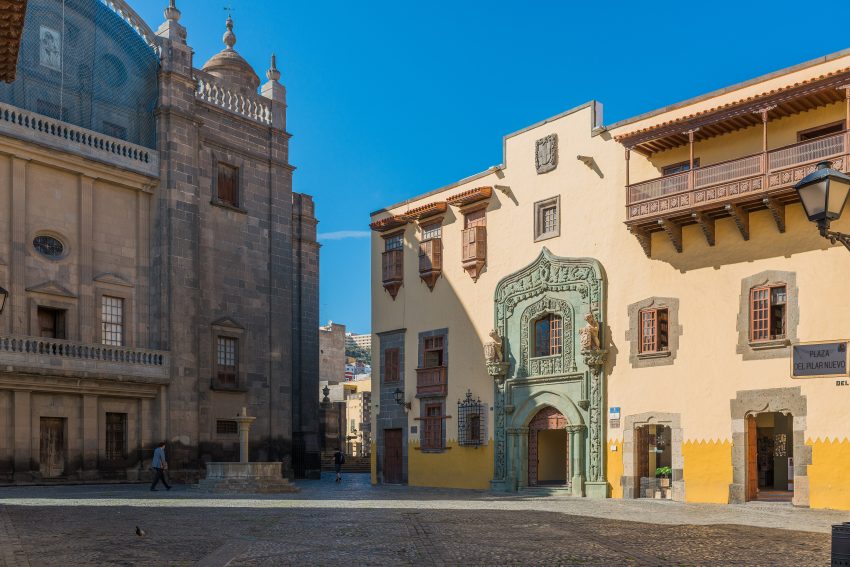
Plaza del Pilar Nuevo sits just behind the cathedral and is closely tied to the practical, lived history of the old town. Traditionally, it is described as a place connected to water collection, with the “pilar” (pillar/fountain) functioning as a local reference point in daily routines. In a district where monumental buildings dominate, this square reads as more intimate and domestic in scale.
The focal point is the fountain/pillar feature, and the setting is framed by historic façades, including the nearby presence of Casa de Colón and the rear aspects of the cathedral complex. This is the kind of place where the city’s Atlantic-world history feels close: a few steps connect you from religious authority to colonial-era governance and outward to the routes of trade and travel.
When you visit, use the square as a pause between larger sights. It is a good spot to look back at architectural details, listen for street musicians or small events (which sometimes animate the area), and then continue on a tight loop: cathedral precinct, Casa de Colón, and the surrounding Vegueta streets. It also works well as a calmer alternative to the more formal front-facing drama of Plaza de Santa Ana.
Location: Pl. del Pilar Nuevo, 35001 Las Palmas de Gran Canaria, Las Palmas, Spain | Hours: 24 Hours | Price: Free
4. Casa de Colon
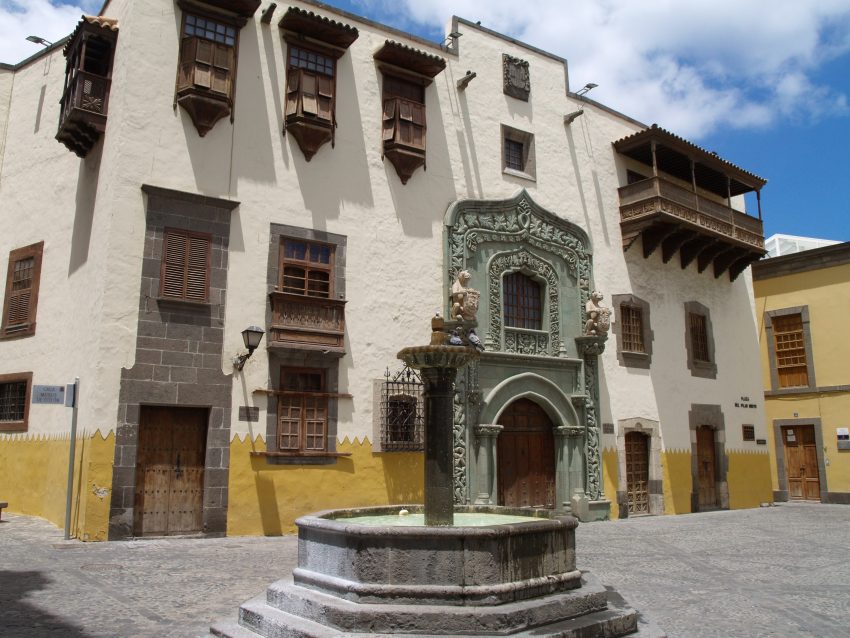
Casa de Colón is one of the most important museums in Las Palmas for understanding how the Canary Islands sat at the crossroads of Atlantic exploration and exchange. The complex is linked to the former seat of the island’s governors and the long-standing tradition that Columbus stopped in the Canaries during the 1492 voyage period, which is why the museum’s narrative connects local history to the wider Americas story. As an institution, the museum was inaugurated in the mid-20th century (commonly noted as 1951 after renovations).
The building itself is part of the appeal: a historic architectural ensemble in Vegueta with courtyards, carved wood details, and a strong sense of “old town” texture. Inside, exhibits typically cover Columbus and navigation, the Canary Islands’ relationship with the Americas, and broader cultural history that helps explain why this port city mattered. Even if you are not a “museum person,” the atmosphere of the house draws you in.
When you go, plan to do two things: take in the exhibits at a steady pace, then spend time simply exploring the architectural spaces (patios, staircases, balconies) as if the building were a historic site in its own right. Afterward, step outside into the nearby squares (including Pilar Nuevo) to connect what you have just learned to the surrounding urban fabric of Vegueta.
Location: C. Colón, 1, 35001 Las Palmas de Gran Canaria, Las Palmas, Spain | Hours: Monday – Saturday: 10:00–18:00. Sunday: 10:00–15:00. | Price: Adults: €4; Reduced: €2; Under 18: free; Sundays: free. | Website
5. Gabinete Literario
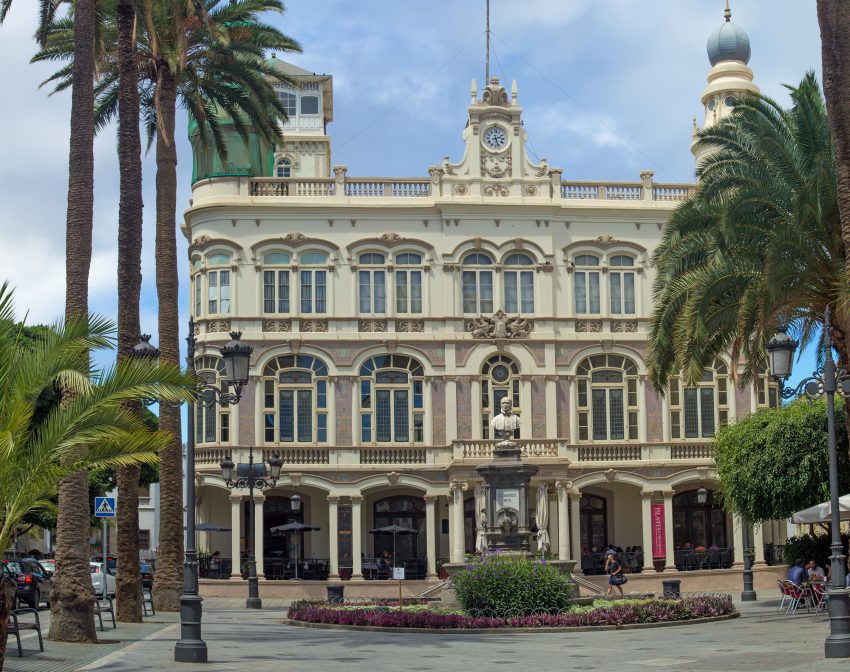
The Gabinete Literario is a cornerstone of Las Palmas’ civic and cultural life, founded in the 19th century as a meeting point for intellectual, literary, and social activity. It is frequently dated to 1844 as an institution, and its continued role as a cultural hub gives it a rare continuity: it is not just a historic building, but an active part of the city’s cultural infrastructure.
Architecturally, it is celebrated for its richly decorated interiors and its blend of classical and modernist tastes, with rooms designed to impress. The setting around Plaza de Cairasco helps too: this is one of the city-center spaces where you can feel the shift from the medieval-rooted calm of Vegueta to the more “bourgeois” urbanity that expanded in later periods. It is often described as one of the city’s most beautiful and best-preserved historic buildings.
What to see depends on what is open, but in general you come for the interiors, the event programme, and the sense of stepping into a grand civic salon. If there is an exhibition on, treat it as a bonus; the main event is the building itself and the way it embodies Las Palmas’ cultural confidence. Pair it with a walk down Triana afterward to keep the narrative going from “culture” to “city life.”
Location: Pl. de Cairasco, 1, 35002 Las Palmas de Gran Canaria, Las Palmas, Spain | Hours: Dailt: 8:00 AM – 11:00 PM; Sunday: Closed | Price: Adults: €4 | Website
6. Palacete Rodriguez Quegles
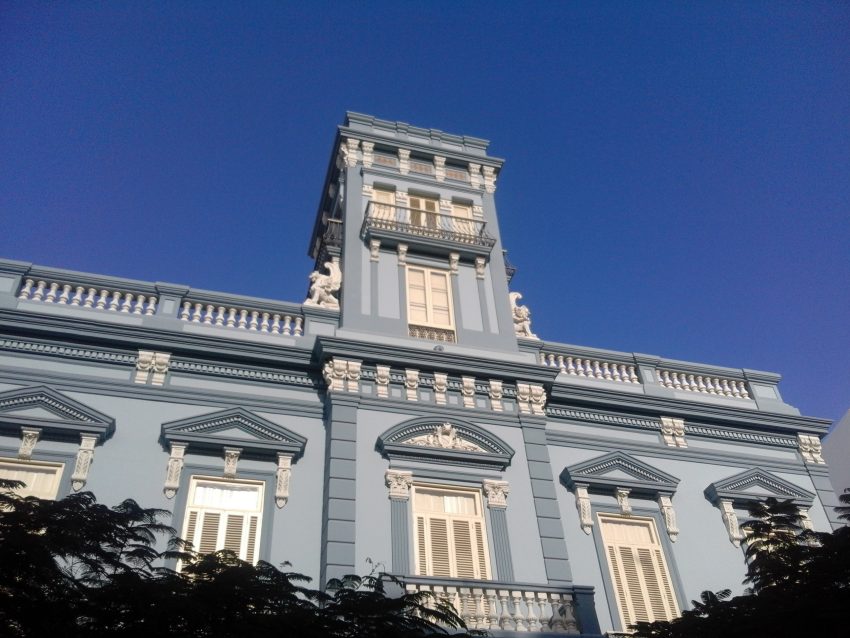
Palacete Rodríguez Quegles is a refined example of the turn-of-the-20th-century domestic grandeur that accompanied Las Palmas’ commercial and civic growth. It was completed around 1900–1901 and is associated with architects Mariano Belmás Estrada and Fernando Navarro y Navarro, created as an elaborate private residence for a prominent local figure. Later, the building entered public hands and evolved into a civic cultural asset.
Its later life is part of the interest: the city acquired it in the 1970s and it was adapted for public uses, including educational and cultural functions, with restoration work revealing and recovering decorative richness. This “adaptive reuse” story is a recurring theme in Las Palmas, where heritage buildings have often been preserved by giving them a new institutional role.
When you visit, focus on exterior details first: proportions, ornament, and the overall “small palace” character that distinguishes it from surrounding streetscapes. Inside, the experience depends on exhibitions and access, but the building is worth a stop even as a façade-and-context sight. It also fits neatly into a broader Triana-area walk that includes Castillo de Mata and Parque de San Telmo.
Location: C. Escritor Benito Pérez Galdós, 4, 35002 Las Palmas de Gran Canaria, Las Palmas, Spain | Hours: Monday: 8:00 AM – 3:00 PM Tuesday: 8:00 AM – 3:00 PM Wednesday: 8:00 AM – 3:00 PM Thursday: 8:00 AM – 3:00 PM Friday: 8:00 AM – 3:00 PM Saturday: Closed Sunday: Closed | Price: Adults: €4
7. Museo Castillo de Mata
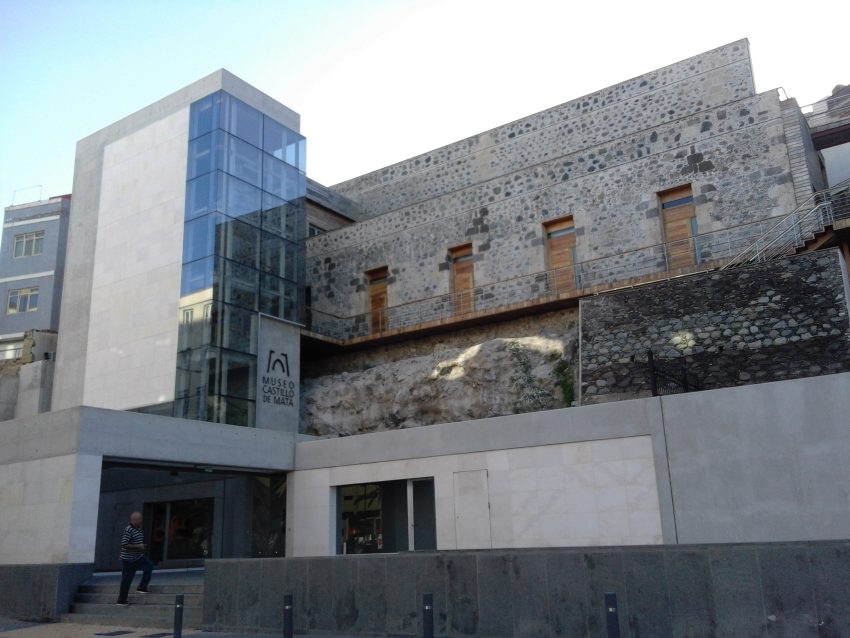
Castillo de Mata is a surviving piece of Las Palmas’ defensive system, rooted in the 16th-century need to protect an Atlantic port city exposed to privateers and rival powers. The fortress is specifically associated with the defensive walls and with episodes of attack and pressure, including references to figures such as Drake and the Dutch commander Pieter van der Does. In the 20th century it received formal heritage recognition, commonly noted as a historic-artistic monument designation in 1949.
As a museum, it is often framed around the relationship between the city and the sea, which is exactly the right lens for understanding Las Palmas. The fortification’s fabric, reconstructions, and modifications over centuries are part of the narrative: you are looking at military architecture that had to adapt as weapons, threats, and the city’s footprint changed.
On-site, look for the contrast between thick defensive masonry and the interpretive material that explains how the city grew around these lines of protection. It is a strong stop if you want something “historical” that is not a church or a grand civic façade, and it pairs well with a walk through Triana to see how the city transitioned from fortified edge to commercial centre.
Location: C. Domingo Guerra del Río, 147, 35002 Las Palmas de Gran Canaria, Las Palmas, Spain | Hours: Monday: 10:00 AM – 2:00 PM Tuesday: 10:00 AM – 2:00 PM Wednesday: 10:00 AM – 2:00 PM Thursday: 10:00 AM – 2:00 PM, 5:00 – 8:00 PM Friday: 10:00 AM – 2:00 PM Saturday: 11:00 AM – 2:00 PM Sunday: Closed | Price: Free. | Website
8. Parque de San Telmo
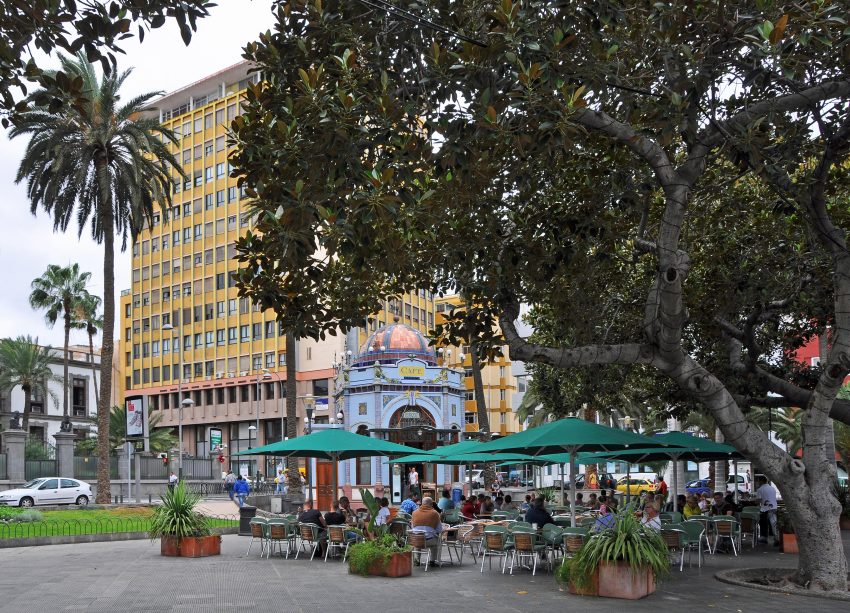
Parque de San Telmo is one of the city’s most lived-in public spaces, positioned where Triana’s urban energy meets a more relaxed, park-like rhythm. Historically it has functioned as a gathering point and a gateway zone, and today it is closely associated with transit, strolling, and everyday social life in the centre. The park also represents a more modern chapter of the city’s development compared to Vegueta’s older ceremonial squares.
Two signature sights define the visit: the modernist kiosks (including a café kiosk often dated to the 1920s) and the small Ermita de San Telmo. These elements matter because they show how public leisure and civic aesthetics developed in Las Palmas in the early 20th century, using design to make everyday spaces feel elegant.
When you are there, treat it as a practical and atmospheric stop. Grab a coffee at the kiosk if you want a “local routine” moment, then step into the hermitage for a quick contrast in scale and mood. From here, it is easy to continue along Calle Mayor de Triana for architecture-spotting and shopping, keeping your route coherent and on foot.
Location: Av. Rafael Cabrera, 30, 35002 Las Palmas de Gran Canaria, Las Palmas, Spain | Hours: 24 hours | Price: Free
9. Ermita de San Telmo
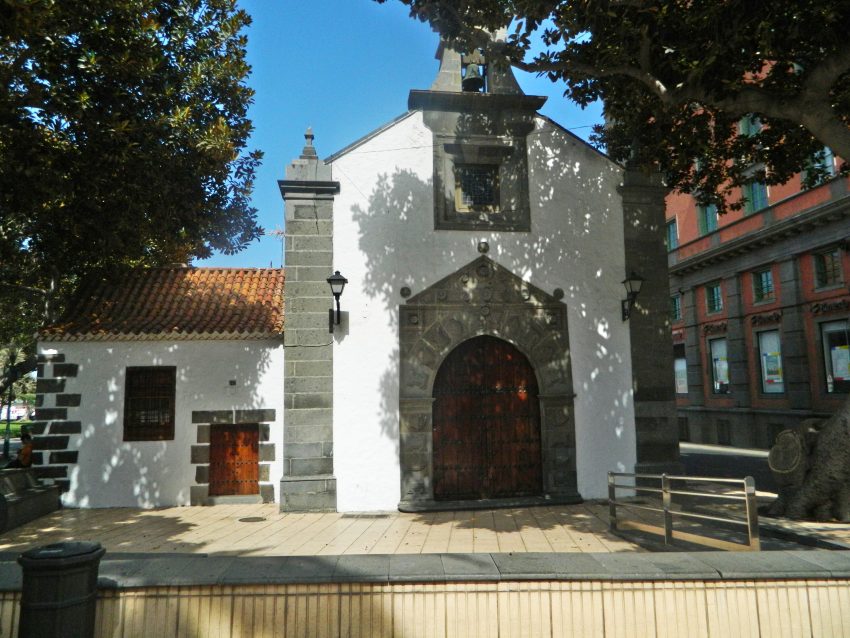
The Ermita de San Telmo, set within or alongside Parque de San Telmo, has roots that reach back to the early centuries of Las Palmas’ development. Sources commonly trace its origins to the 16th century, with an early hermitage associated with San Pedro González Telmo (San Telmo), a saint tied to sailors and seafaring communities. Its history also intersects with periods of attack and instability, including destruction during the 1599 raid led by Pieter van der Does, followed by rebuilding in later phases.
Inside, the appeal is the intimate devotional atmosphere and the craftsmanship of altarpieces and woodwork that feel distinctly Canarian in texture. It is the kind of small church where details matter more than scale: look carefully at the altar area, decorative panels, and any maritime references that speak to the saint’s patronage and the city’s relationship with the sea.
For visitors, the hermitage works best as a short, focused stop rather than a long museum-style visit. Step in for ten minutes, let your eyes adjust, and take in the contrast with the brightness and bustle of the park outside. Because it is so close to Triana and other central sights, it is easy to include without disrupting your day.
Location: Calle Triana, 22, 35002 Las Palmas de Gran Canaria, Las Palmas, Spain | Hours: Daily: 9:00 AM – 2:00 PM | Price: Free | Website
10. Calle Mayor de Triana
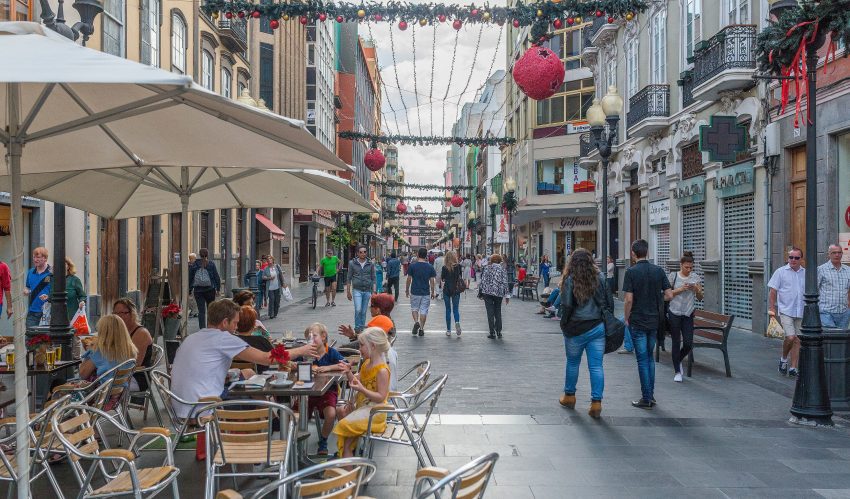
Calle Mayor de Triana is the city’s classic “main street” experience: a central artery that shifted over time from residential and commercial prestige to the modern open-air shopping corridor it is today. The street is especially associated with early-20th-century rebuilding and façade refinement, which is why so many buildings show modernist influences and carefully restored details. It is also one of the best places to feel Las Palmas as a living city rather than a preserved historic quarter.
What to look for is architectural variety at a human scale: balconies, ornament, shopfront rhythm, and the way the street opens into small squares and junctions. Even if you are not shopping, the street rewards slow walking because the design language changes block by block, reflecting different waves of prosperity and taste.
When you visit, walk it as a connector between “big” sights. It links naturally with Parque de San Telmo at one end and the approaches toward Vegueta at the other, so you can use it to stitch together a coherent walking route. Late afternoon is often a good time for people-watching and for seeing façades with softer light.
Location: Calle Triana, 36, 35002 Las Palmas de Gran Canaria, Las Palmas, Spain | Hours: 24 Hours | Price: Free
11. Mercado de Vegueta
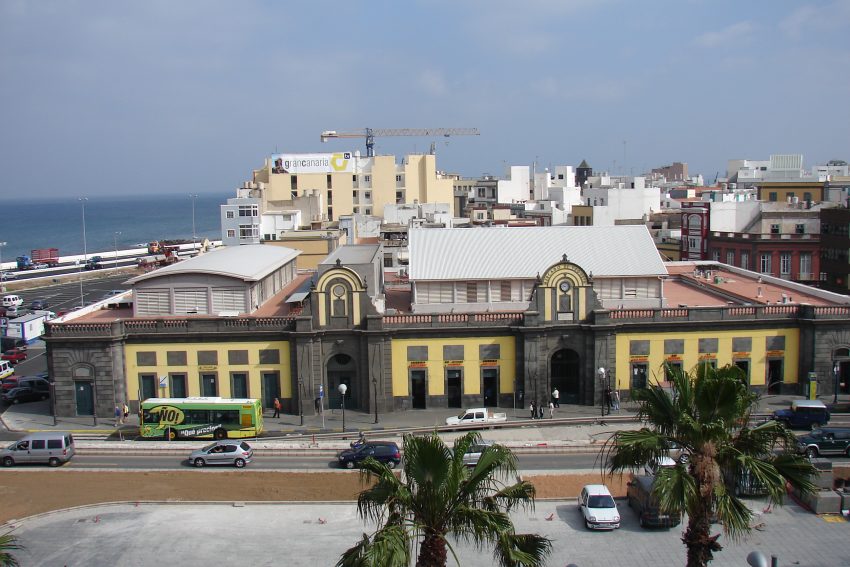
Mercado de Vegueta is a key institution in the daily life of the old town, commonly dated to an opening in 1858. That 19th-century foundation matters because it marks the period when the city formalised and centralised food trade in a purpose-driven market building, moving beyond more informal arrangements. It is also one of the simplest ways to connect with local routines rather than just landmarks.
What you see is a market that celebrates produce, colour, and the specific tastes of Gran Canaria: fruit and vegetables, cheeses, meats, and fish, plus small stalls where locals shop quickly and regularly. The market’s atmosphere is as important as any single product; you are watching a working food ecosystem in a historic district rather than a curated “tourist hall.”
To get the most from a visit, go earlier in the day when counters are fullest and the pace is brisk. Even if you are not buying much, it is worth circling slowly and reading what is on offer, then stepping outside to continue through Vegueta’s streets and nearby cultural stops. If you enjoy food culture, this is one of the strongest “sense of place” sights in Las Palmas.
Location: mercado de vegueta, c/Mendizábal nº 1, 35001 Las Palmas de Gran Canaria, Las Palmas, Spain | Hours: Monday: 7:00 AM – 2:00 PM Tuesday: 7:00 AM – 2:00 PM Wednesday: 7:00 AM – 2:00 PM Thursday: 7:00 AM – 2:00 PM Friday: 7:00 AM – 2:30 PM Saturday: 7:00 AM – 2:30 PM Sunday: Closed | Price: Free | Website

Moira & Andy
Hey! We're Moira & Andy. From hiking the Camino to trips around Europe in Bert our campervan — we've been traveling together since retirement in 2020!
This website uses affiliate links which earn a small commission at no additional cost to you.
Walking Tour Summary
Distance: 3 km
Sites: 11
Walking Tour Map