Göreme, Türkiye: The Ultimate Travel Guide 2026
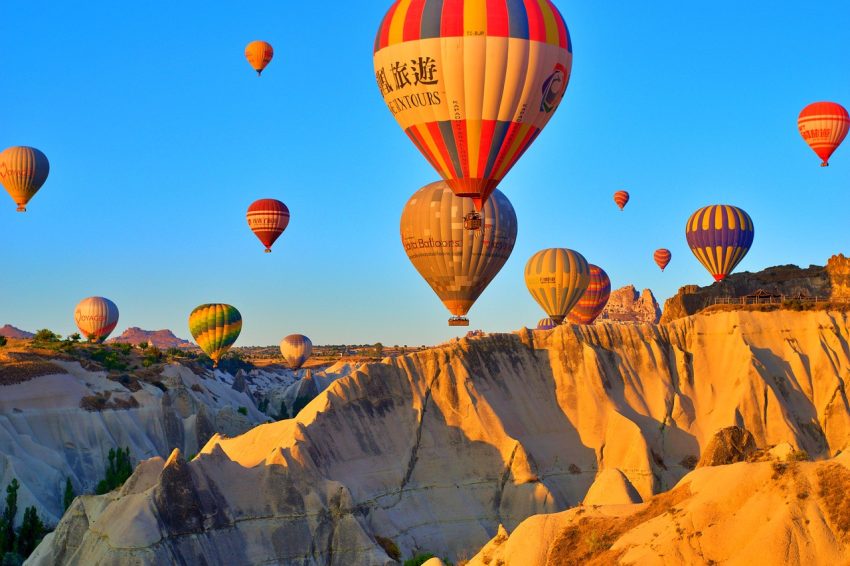
Tucked within the surreal valleys of Cappadocia in central Türkiye, Göreme is a place that feels like it belongs to another world. The town sits among honey-colored rock formations, carved over millennia by wind and volcanic activity into towering fairy chimneys and cave homes. As the gateway to Cappadocia's most iconic landscapes, Göreme attracts travelers from around the globe who come to marvel at its unique geology, ancient churches, and mesmerizing sunrise views. Göreme is one of the best places to visit in Türkiye, offering an unforgettable blend of natural beauty, adventure, and serenity.
Visiting Göreme is as much about atmosphere as exploration. The town's narrow lanes are lined with boutique cave hotels, rooftop terraces, and friendly cafés where visitors gather to watch the sky fill with colorful hot-air balloons each morning. You can spend your days hiking through valleys like Love, Rose, and Pigeon, or simply relax and absorb the peace of this otherworldly landscape. Every viewpoint feels cinematic - the kind of place that makes you pause and take it all in.
Whether you're wandering through the open-air museums, savoring local Anatolian cuisine, or taking that once-in-a-lifetime balloon flight, Göreme offers a rare harmony of adventure and stillness. The town captures the essence of Cappadocia: a landscape shaped by time, faith, and imagination. It's a destination that lingers in your memory long after you've left - a reminder that magic can be found right here on Earth.
History of Göreme
Early Settlements and Volcanic Origins
The story of Göreme begins millions of years ago, when volcanic eruptions from Mount Erciyes, Mount Hasan, and Mount Melendiz blanketed the Cappadocia region in layers of soft tuff stone. Over time, wind and rain sculpted this volcanic rock into the extraordinary landscape of pillars, cones, and valleys we see today. Human settlement followed long after, with archaeological evidence suggesting that the area was inhabited as early as the Hittite period, around 1800 BCE. These early communities carved homes and storage spaces into the soft rock, laying the foundation for Göreme’s unique cave-dwelling culture.
Byzantine Cappadocia and the Christian Monastic Era
Göreme flourished during the Byzantine era, particularly between the 4th and 13th centuries CE, when it became an important monastic center for early Christians seeking refuge from persecution. The natural caves and valleys provided both isolation and safety, and many were expanded into churches, chapels, and monasteries richly decorated with frescoes. The Göreme Open-Air Museum, now a UNESCO World Heritage Site, preserves these rock-cut sanctuaries, featuring vivid biblical scenes painted in the 10th to 12th centuries. This period marked Göreme’s golden age as a spiritual heartland of Cappadocian Christianity.
Seljuk, Ottoman, and Modern Periods
Following the decline of the Byzantine Empire, the region came under Seljuk and later Ottoman control. Over time, Göreme evolved from a monastic refuge into a rural village, with locals continuing to carve homes and stables into the rock formations. While the monastic communities gradually disappeared, the town’s cave architecture endured, blending seamlessly with newer stone structures.
In the 20th century, Göreme began to attract international attention for its remarkable landscape and historical depth. Tourism flourished, and by 1985, the Göreme National Park and the Rock Sites of Cappadocia were inscribed on the UNESCO World Heritage List. Today, Göreme is both a thriving cultural hub and a living museum — a place where the echoes of ancient devotion meet the modern spirit of exploration, standing proudly as the heart of Cappadocia.

Moira & Andy
Hey! We're Moira & Andy. From hiking the Camino to trips around Europe in Bert our campervan — we've been traveling together since retirement in 2020!
Visiting Göreme for the first time and wondering what are the top places to see in the city? In this complete guide, I share the best things to do in Göreme on the first visit. To help you plan your trip, I have also included an interactive map and practical tips for visiting!
This website uses affiliate links which earn a small commission at no additional cost to you.

Best things to do and See in Göreme
1. Göreme Open-Air Museum, Göreme
The Göreme Open-Air Museum is the crown jewel of Cappadocia and one of Türkiye’s most important UNESCO World Heritage Sites. Just 1.5 kilometers from the town center, this vast monastic complex features rock-cut churches, chapels, and refectories carved into volcanic stone by early Christians. Inside, you’ll find remarkably preserved frescoes dating from the 10th to 12th centuries, depicting vivid biblical scenes in rich reds and blues. Highlights include the Dark Church (Karanlık Kilise), the Apple Church (Elmalı Kilise), and the Tokalı Church (Buckle Church), each showcasing extraordinary Byzantine artistry.
This site offers a fascinating window into the region’s spiritual and artistic heritage. It’s best visited early in the morning before the tour buses arrive, allowing you to wander in relative peace. Entry costs around €10, with an additional fee for the Dark Church. The museum is open daily from 8:00 AM to 7:00 PM (summer) and 8:00 AM to 5:00 PM (winter).
2. Love Valley, Göreme
Located just a short drive or hike from the town, Love Valley is one of Cappadocia’s most iconic natural landscapes, famous for its towering, pillar-shaped rock formations sculpted by erosion over millions of years. The valley takes its name from the distinctive shapes of the fairy chimneys, which create one of the region’s most photographed panoramas.
Visitors can hike through the valley floor, enjoying the peaceful atmosphere, fruit orchards, and wildflowers that bloom in spring. The upper viewpoint offers an unforgettable sunrise or sunset experience, when the light paints the rock formations in shades of gold and rose. It’s a free, must-see destination for photographers and nature lovers alike.
3. Uçhisar Castle, Uçhisar
Just 4 kilometers from Göreme, Uçhisar Castle stands as Cappadocia’s highest natural viewpoint. This ancient rock fortress once served as a defensive lookout and shelter, with a labyrinth of tunnels and rooms carved into its slopes. Climbing to the summit rewards visitors with a breathtaking 360-degree panorama of the region — from Mount Erciyes in the distance to the fairy chimneys of Göreme and beyond.
The surrounding village of Uçhisar is equally charming, with boutique cave hotels, artisan shops, and cafés overlooking the valleys. Entry to the castle costs around €2, and it’s open daily from 8:00 AM to 7:00 PM in summer (until 5:00 PM in winter). It’s an easy stop on foot, by bike, or as part of a guided Cappadocia tour.
4. Pasabag (Monks Valley), Çavuşin
About 6 kilometers from Göreme, Pasabag, also known as Monks Valley, is home to some of the most striking fairy chimneys in Cappadocia. Many of these have twin or even triple rock caps, creating surreal formations unlike anywhere else in the region. Early Christian hermits once lived here, carving cells and chapels into the stone — the most famous being dedicated to St. Simeon.
Walking through Pasabag feels like exploring a natural sculpture park, with well-marked paths winding between the towering formations. The area is open daily from 8:00 AM to 7:00 PM, and entry costs around €5. It’s one of the most photogenic and accessible valleys near Göreme, especially beautiful in the late afternoon light.
5. Devrent Valley (Imagination Valley), Avanos
Located about 10 kilometers from Göreme, Devrent Valley, often called “Imagination Valley,” is famous for its whimsical rock formations that resemble animals, people, and mythological figures. Unlike other valleys, Devrent has no churches or settlements — it’s purely nature’s art gallery. Look closely, and you’ll spot formations shaped like camels, dolphins, and even the Virgin Mary.
The valley is best explored on foot, and every visitor seems to find a new shape hidden among the rocks. Entrance is free and always open, making it a perfect stop for families and travelers who love creative photography. The soft pastel colors at sunrise or sunset make this site especially magical.
6. Çavuşin Village, Göreme
The quiet village of Çavuşin, just 5 kilometers northeast of Göreme, offers a glimpse into traditional Cappadocian life. Once home to one of the region’s oldest communities, its rock-cut houses and churches date back to the early Christian era. The most notable site is the Church of St. John the Baptist, perched atop a cliff with panoramic views of the surrounding valleys.
Today, Çavuşin blends old-world charm with modern touches, offering small cafés and artisan stalls set against its ancient backdrop. Entry to the church costs around €2, and the site is open daily. It’s a wonderful spot for slow exploration, combining history, scenery, and local culture.
7. Avanos Pottery Workshops, Avanos
Situated 12 kilometers from Göreme along the Kızılırmak River, Avanos has been Cappadocia’s pottery capital since Hittite times. The town’s artisans still use traditional kick wheels to craft beautiful ceramics from the region’s distinctive red clay. Visitors can explore numerous workshops and galleries, where you can watch demonstrations and even try your hand at shaping clay under expert guidance.
Avanos is also home to the Güray Museum, a fascinating underground complex dedicated to the art of ceramics. The museum’s entry costs about €5, and it’s open daily from 9:00 AM to 7:00 PM. A visit to Avanos combines history, artistry, and a chance to take home a one-of-a-kind souvenir from your Göreme adventure.
8. Zelve Open-Air Museum, Zelve
About 10 kilometers from Göreme, the Zelve Open-Air Museum once housed one of the largest cave communities in Cappadocia. Unlike Göreme’s monastic complex, Zelve served as a vibrant residential area, inhabited until the 1950s. Its three connected valleys are filled with rock-cut dwellings, churches, and even a mosque — a rare example of religious coexistence in ancient times.
Visitors can wander freely through the soft tuff formations, climbing stairways and exploring ancient homes. The site’s natural beauty and historical depth make it unforgettable. Entry costs around €10, and it’s open daily from 8:00 AM to 7:00 PM in summer (until 5:00 PM in winter).
9. Red Valley (Kızılçukur), Göreme
Famed for its fiery red and rose-tinted cliffs, Red Valley (Kızılçukur) lies just a few kilometers east of Göreme and is one of Cappadocia’s most scenic hiking areas. Its trails wind through tunnels, vineyards, and ancient cave chapels, leading to sunset viewpoints that offer some of the most dramatic panoramas in the region.
Many visitors come in the evening to watch the cliffs shift in color from pink to crimson as the sun sets — a truly breathtaking spectacle. The valley is free to enter and accessible year-round, though spring and autumn are the most comfortable seasons for hiking.
10. Kaymaklı Underground City, Kaymaklı
Around 20 kilometers south of Göreme lies Kaymaklı Underground City, one of the largest and most fascinating subterranean settlements in Cappadocia. Built by early Christians as a refuge from invaders, the complex extends eight levels deep into the volcanic rock, though only four are open to visitors.
Exploring its tunnels, ventilation shafts, and living chambers offers a thrilling glimpse into how people once survived underground for months at a time. Entry costs about €10, and the site is open daily from 8:00 AM to 7:00 PM (summer) and until 5:00 PM in winter. A guided tour from Göreme is highly recommended to fully appreciate its ingenious design and history.