Bregenz, Austria: The Ultimate Travel Guide 2026
The Complete Guide to Bregenz

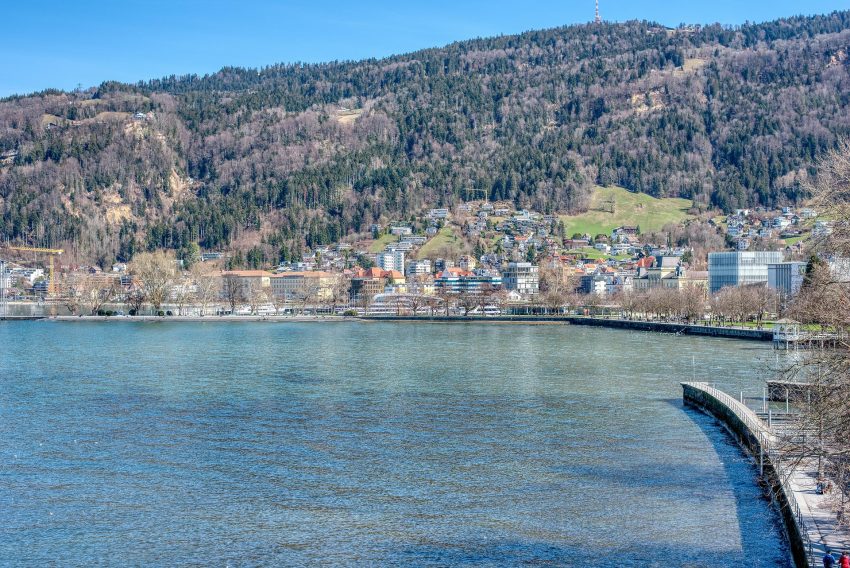
Bregenz is a lakeside city in Austria's Vorarlberg region, set on the eastern shore of Lake Constance with the Alps rising close behind. It's compact and easy to explore on foot, yet it feels expansive thanks to the water views, promenades, and the way the mountains frame nearly every street scene. The city's mix of waterfront leisure, culture, and quick access to nature makes it a strong base for a short break or a longer, slow-paced stay.

A big part of visiting Bregenz is choosing your rhythm: mornings by the lake, afternoons on a mountain viewpoint, and evenings in a concert hall or at a performance. The waterfront is designed for lingering-cafés, parks, and the gentle curve of the shoreline invite unhurried walks-while the town center offers shopping, galleries, and a relaxed dining scene that leans toward regional specialties.

Bregenz also works well as a hub for day trips around Lake Constance and into the nearby hills, with excellent rail connections and frequent local transport. Whether you come for open-air culture, scenic hikes, cycling routes, or simply to reset by the water, the city delivers a balanced “lake-and-mountains” experience without feeling overcomplicated or hard to navigate.

History of Bregenz

Bregenz in Prehistory and Early Settlement

Archaeological finds indicate very early human activity in the area, with settlement patterns shaped by trade routes and access to water. Over time, communities developed around defensible ground and productive shoreline land, laying the foundations for an enduring urban center.

Bregenz in the Roman Era

During Roman times, the settlement became part of a wider imperial network of roads and commerce. Roman administration and infrastructure helped formalize the town’s role as a regional node, influencing building practices, trade, and local governance.

Bregenz in the Early Middle Ages

After the decline of Roman authority, control shifted among emerging regional powers. The town’s strategic value—linked to movement of goods and people—kept it relevant, while Christian institutions and local rulers shaped civic life and land ownership.

Bregenz under the Counts of Montfort and Late Medieval Growth

In the High and Late Middle Ages, Bregenz developed under noble rule, with fortifications and administrative structures reflecting its importance. Trade and craft activity expanded, and the town’s identity became more clearly defined through civic privileges and regional alliances.

Bregenz in the Habsburg Period

Over the following centuries, Bregenz became integrated into Habsburg domains, bringing shifts in administration, taxation, and legal structures. Periodic conflicts and changing borders affected prosperity, but the town continued to function as a local center for commerce and governance.

Bregenz in the 19th Century: Modernization and New Connections

Industrial-era changes brought improved transport links and a gradual transformation of the local economy. New infrastructure supported trade and mobility, while civic institutions modernized and public life became more urban in character.

Bregenz in the 20th Century: War, Recovery, and Cultural Identity

The 20th century brought upheaval followed by rebuilding and renewed investment in public spaces and cultural institutions. Over time, Bregenz strengthened its profile through arts and events, developing a reputation that extended beyond the region.

Bregenz Today

In recent decades, the city has continued to evolve through urban development, tourism, and cultural programming. Its contemporary identity blends heritage architecture, lakeside leisure, and a strong calendar of performances and festivals.

Moira & Andy
Moira & Andy

Hey! We're Moira & Andy. From hiking the Camino to trips around Europe in Bert our campervan — we've been traveling together since retirement in 2020!

Read our full story here

Visiting Bregenz for the first time and wondering what are the top places to see in the city? In this complete guide, I share the best things to do in Bregenz on the first visit. To help you plan your trip, I have also included an interactive map and practical tips for visiting!

This website uses affiliate links which earn a small commission at no additional cost to you.
Powered by GetYourGuide

22 Best places to See in Bregenz

This complete guide to Bregenz not only tells you about the very best sights and tourist attractions for first-time visitors to the city but also provide insights into a few of our personal favorite things to do.

This is a practical guide to visiting the best places to see in Bregenz and is filled with tips and info that should answer all your questions!

1. Gruenes Haus
Gruenes Haus
Gruenes Haus
CC BY-SA 2.05 / böhringer friedrich
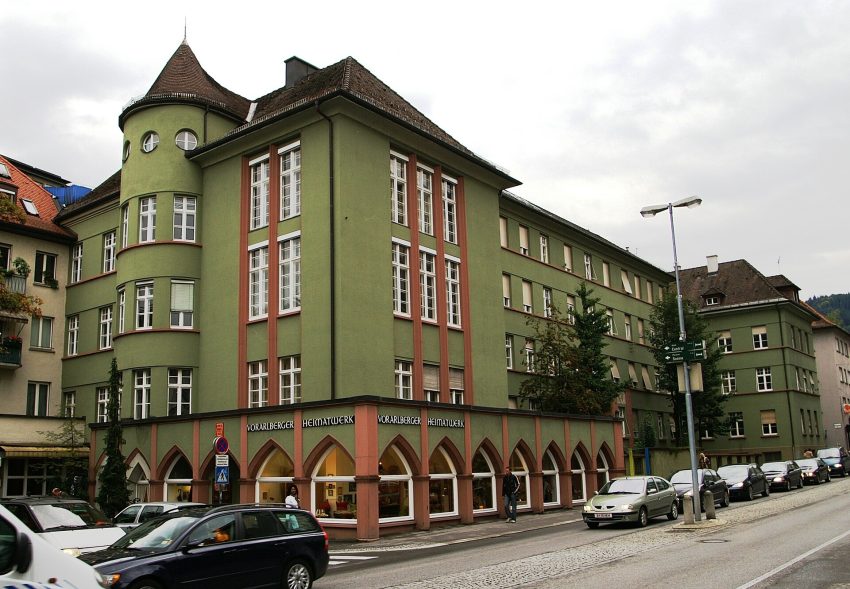
Gruenes Haus (the Green House) on Montfortstrasse in Bregenz is a 1926 building by architect Willibald Braun, noted for its Rationalist design with distinctly 1920s flair. What visitors remember most is the playful exterior: expressionist-style arcades at street level and bay-window turrets that give the facade a sculpted, almost theatrical rhythm. It’s not a museum, but it matters as a preserved piece of interwar architecture that still anchors daily city life, now housing the Agriculture Chamber. Recent plans have focused on updating the interior for modern offices while keeping the historic exterior intact. Some travelers also mention a café stop here, praising the coffee, ice cream, and garden atmosphere.
Location: Kirchstraße 29, 6900 Bregenz, Austria | Hours: 24 Hours. | Price: Free. | Distance: 0.1km

We recommend to rent a car in Austria through Discover Cars, they compare prices and review multiple car rental agencies. Book your rental car here.

2. Thurn-und-Taxis Park

Thurn-und-Taxis Park is a compact, 16,000-square-meter garden park in central Bregenz, preserved to keep its original character and valued as one of Vorarlberg’s historically important gardens. Entered from the villa side and flanked by two small side buildings, it feels like a private estate turned quiet public refuge. What visitors remember most is the planting: carefully composed landscaping, dense shrubs, and a surprising mix of exotic trees, including specimens more than a century old. One much-mentioned curiosity is the Chinese handkerchief tree, an unusual sight in such a small city park. Reviews tend to describe it as small but lovely, with a standout canopy.
Location: 6900 Bregenz, Austria | Hours: 24 Hours. | Price: Free. | Distance: 0.2km

Here is a complete selection of hotel options in Bregenz. Feel free to review each one and choose the stay that best suits your needs.

3. Altes Landhaus

Altes Landhaus
Altes Landhaus
CC BY-SA 3.0 / Böhringer Friedrich.
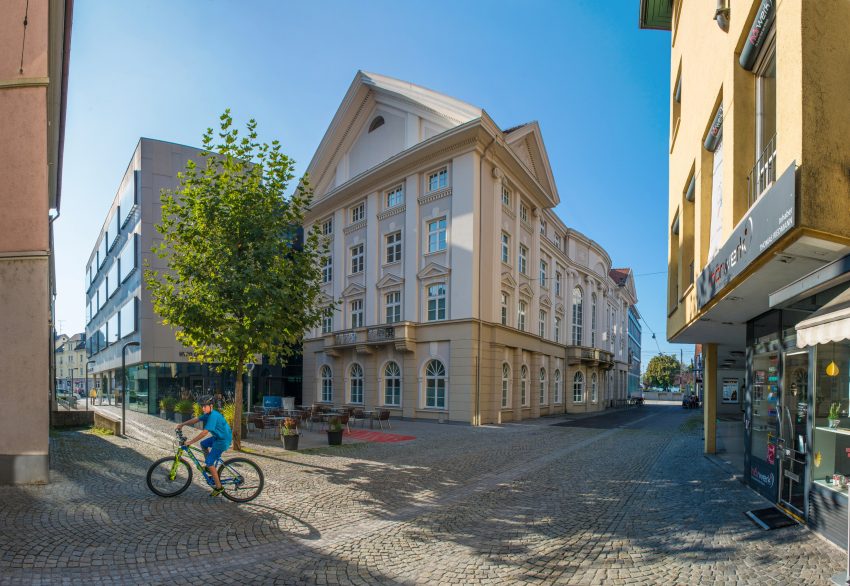
Altes Landhaus in Bregenz, Austria is a 1921 council house and convention hall that signals the city’s role as Vorarlberg’s administrative center. Designed by Austrian architect Willibald Braun, the four-story Neoclassical building reads as formal and civic, with a Jahnstrasse façade marked by Ionic columns and a gabled roof with crisp triangular pediments. Look for the 1923 additions: a gable mosaic by Joseph Huber-Feldkirch and corner sculptures by Josef Piffrader, details that reward a slow glance from the street. A curious lobe-like form above the ground floor, framed by a balcony, adds an unexpected flourish to the otherwise disciplined symmetry. With only a handful of reviews, it still scores about 4.5/5, suggesting it leaves a strong impression despite being a quick stop.
Location: Römerstraße 15, 6900 Bregenz, Austria | Hours: Monday – Friday: 08:00–12:00 & 14:00–17:00. Closed on Saturday, Sunday. | Price: Free. | Distance: 0.2km

Traveling to a country with a different currency? Avoid ATM transaction fees and pay in local currency with a Wise Card. Having used it for over 5 years, we've saved loads on fees!

4. Seekapelle St. George

Seekapelle St. George
CC BY-SA 4.0 / H.Helmlechner
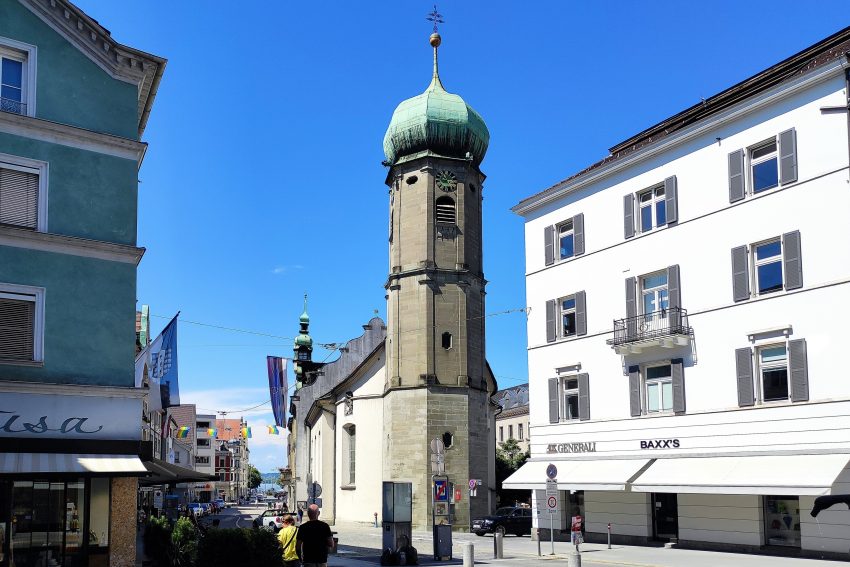
Seekapelle St. George is a small chapel in Bregenz’s old streets, tucked right beside the Rathaus, and it ranks among the town’s oldest sacred buildings, dating to around 1445 and dedicated to Saint George. In the late 1600s it was expanded and reshaped with Baroque touches, while next to it sits a three-story Gothic chapel—an unusual pairing of styles in such a compact spot. What most visitors remember is the octagonal form and the bright onion-like dome crowning the tower, visible from lanes leading toward Lake Constance. Step inside when it’s open to see the high altar from 1615 and to enjoy a quiet pause, punctuated by the sound of bells.
Location: Rathausstraße 4, 6900 Bregenz, Austria | Hours: Check official website. | Price: Free; donations appreciated. | Website | Distance: 0.2km

Explore Bregenz at your own pace with our self-guided walking tour! Follow our curated route to discover must-see sights and local secrets that makes Bregenz one of the best places to visit in Austria.

5. Ehregutaplatz

Ehregutaplatz
Ehregutaplatz
CC BY-SA 2.5 / Böhringer Friedrich.
Ehregutaplatz is a small square in Bregenz’s Upper Town, where tight medieval street lines and old façades create a quiet pause above the lakefront. It’s named for Guta, a beggar said to have warned the town of an attack during the Appenzell Wars in 1407, a local story that still clings to the place. Visitors notice the Montfortbrunnen fountain and the corner building known as Ehreguta No. 1, marked by a sun dial on its façade. The square also carries a lived-in, residential calm, with textures of plaster and stone that reward slow looking and unhurried photos.
Location: Ehregutapl., 6900 Bregenz, Austria | Hours: 24 Hours. | Price: Free. | Distance: 0.3km

6. Fountain of the Minnesinger of Montfort
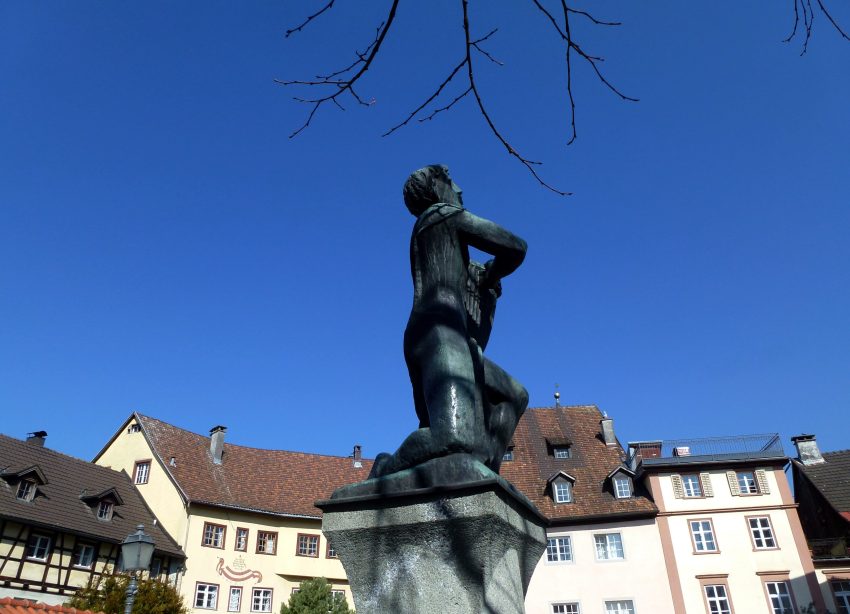
Fountain of the Minnesinger of Montfort
CC BY-SA 2.0 / Lochaufirst
On Ehregutaplatz in Bregenz’s Oberstadt, the Fountain of the Minnesinger of Montfort is a small, memorable monument centered on a bronze Hugo XII, Count of Montfort-Bregenz. The figure is shown half-kneeling with a harp-like instrument, a nod to his reputation as a medieval poet as well as a respected politician. Set among greenery on the hillside streets above the lake, it’s the kind of place you notice for its quiet water sound and the touch of courtly romance it brings to the lane. Locals also use the square for an annual carnival, giving the fountain a lived-in, communal feel beyond its sculpture.
Location: 6900 Bregenz, Austria | Hours: 24 Hours. | Price: Free. | Distance: 0.3km

7. Unteres Tor / Lower Gate
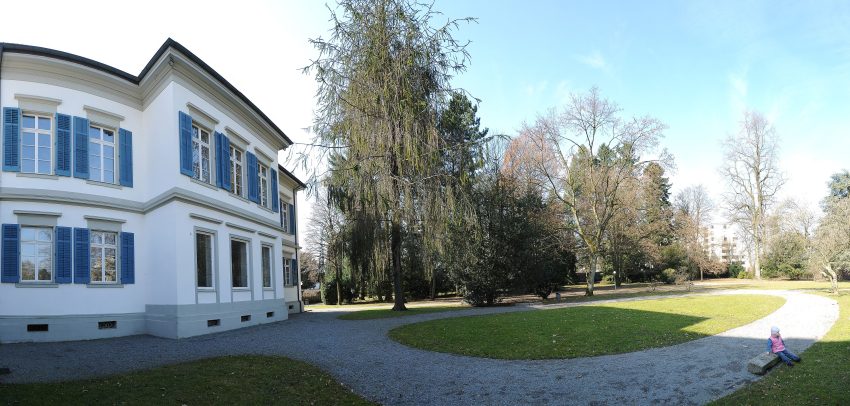
Unteres Tor / Lower Gate
CC BY-SA 2.5 / H.Helmlechner
Unteres Tor (Lower Gate) is Bregenz’s surviving medieval city gate, once a key entry into the fortified town as you move from the lower streets into the Oberstadt. Built of local stone, it still reads as defensive architecture, with a tall, solid gatehouse form and remnants of crenellated walling. Passing under the arch, you can spot sturdy wooden beams overhead—an unusually tangible trace of period construction rather than a modern re-creation. The narrow lanes around it feel close and timeworn, lined with traditional houses from different eras, so the approach becomes part of the experience. When the streets are quiet, it can feel almost storybook, like stepping into a living museum.
Location: Ehregutapl. 1, 6900 Bregenz, Austria | Hours: 24 Hours. | Price: Free. | Distance: 0.3km

8. Martinsturm
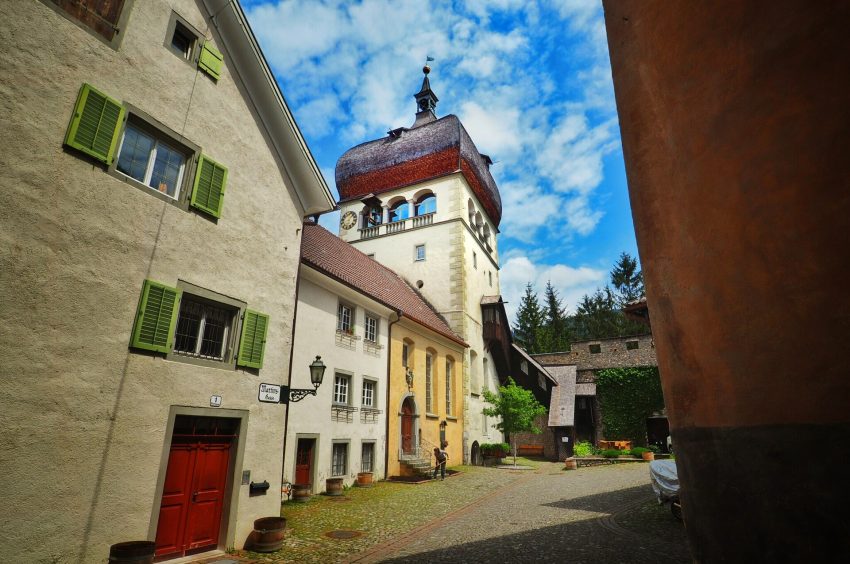
Martinsturm
Martinsturm
CC BY-SA 2.0 / Ștefan Jurcă
Martinsturm (St. Martin’s Tower) rises above Bregenz’s cobbled Oberstadt, a square Baroque tower that became the city’s tallest landmark after an extra level was added in 1602. Its most striking feature is the huge onion dome—often noted as the largest of its kind in Central Europe—capping a silhouette you can spot from the old town lanes. Inside the complex, the older St. Martin’s Chapel (1362) preserves frescoes, including a vivid Last Supper scene with Mary Magdalene washing Christ’s feet. Upper floors host the Vorarlberger Militarmuseum, with displays ranging from prehistoric and Roman finds to religious art and traditional clothing. From the top, the lake view is the lingering memory.
Location: Martinsgasse 3b, 6900 Bregenz, Austria | Hours: (Summer) May 1 – October 31; Tuesday – Sunday: 10:00–18:00. Closed on Monday. | Price: Adults: €5; Reduced: €3.50; Children (up to 15): €2. | Website | Distance: 0.3km

9. Palais Thurn and Taxis Art House
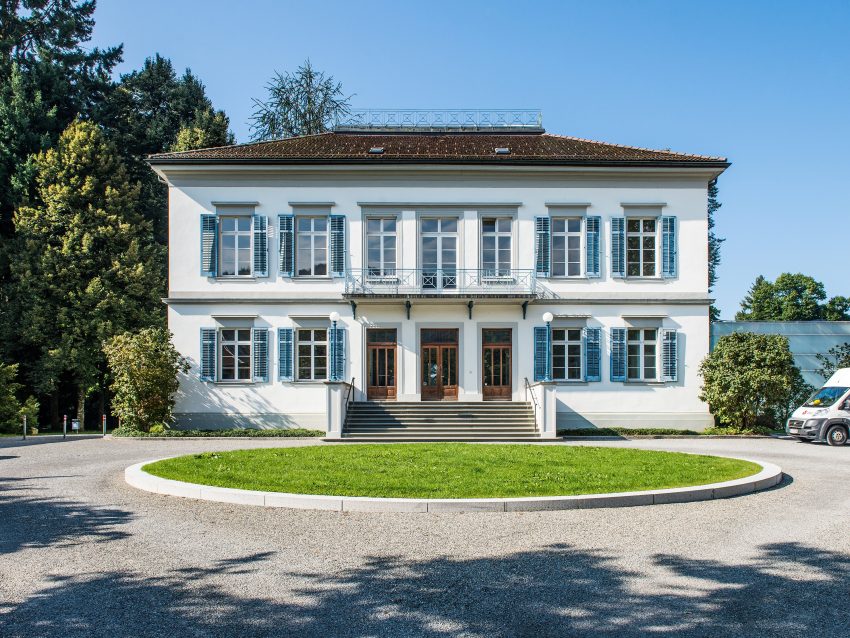
Palais Thurn and Taxis Art House
CC BY-SA 3.0 / Böhringer Friedrich.
Palais Thurn and Taxis Art House in Bregenz, Austria is a contemporary exhibition space founded in 1984 and home to the Vorarlberg Association of Artists. Set inside a Thurn and Taxis palace, it pairs modern work with old-world rooms—high ceilings, formal proportions, and sightlines that curators often use for installations. Exhibitions change about monthly, so the experience can swing from painting and sculpture to mixed-media shows, making repeat visits feel genuinely different. Visitors tend to remember the contrast of bold contemporary pieces in a beautiful historic venue, and some mention the quiet park behind the building with notably old trees. The galleries are small enough to absorb slowly without museum fatigue.
Location: Gallusstraße 10, 6900 Bregenz, Austria | Hours: Wednesday – Saturday: 14:00–18:00. Sunday: 11:00–17:00. Closed on Monday, Tuesday. | Price: Check official website. | Website | Distance: 0.3km

10. Deuringschloessle
Deuringschloessle
Deuringschloessle
CC BY-SA 3.0 / Harald Prodinger
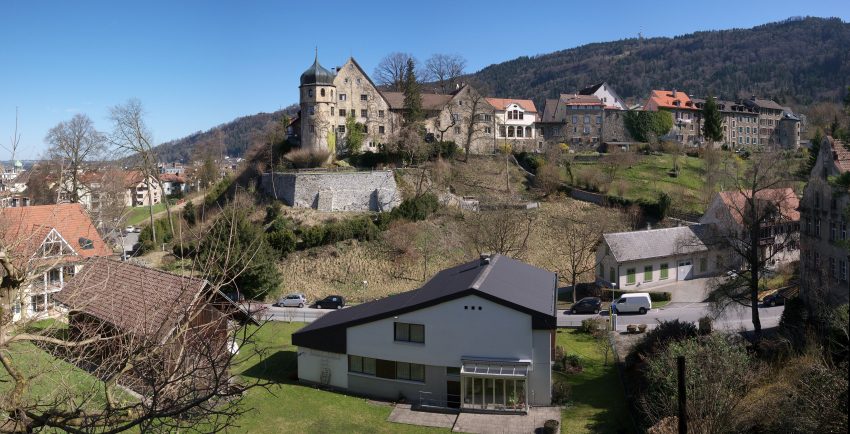
Deuringschloessle is a compact 16th-century castle on the southwestern side of Bregenz, where layers of building history are easy to read in its walls. The present structure grew out of an earlier medieval fortification, and parts of the surviving brickwork were later reshaped into a Baroque residence when it belonged to the von Deuring family in the late 1600s. Today the building functions as a hotel and a gourmet restaurant, so visitors encounter heritage in lived-in spaces rather than behind ropes. A careful restoration in 1989 helped preserve the character of the complex, from its solid masonry to its more refined Baroque details.
Location: Ehregutapl., 6900 Bregenz, Austria | Hours: Monday: Open 24 hours Tuesday: Open 24 hours Wednesday: Open 24 hours Thursday: Open 24 hours Friday: Open 24 hours Saturday: Open 24 hours Sunday: Open 24 hours | Website | Distance: 0.3km

11. Kapuzinerkloster
Kapuzinerkloster
Kapuzinerkloster
CC BY-SA 3.0 / Andreas Praefcke
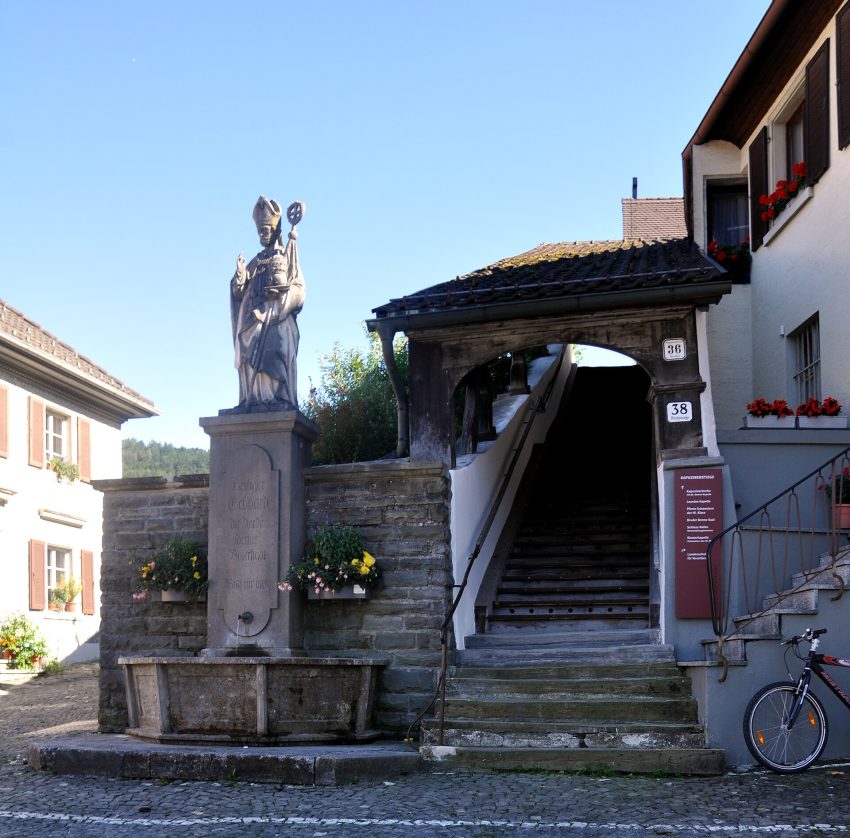
Kapuzinerkloster in Bregenz is a former Capuchin monastery founded in 1639, later shared with the Sisters of Saint Claire until 2002. Visitors remember the calm approach along a walkway that frames small, picture-like views, and the elegant covered staircases that connect the complex. Inside, the Saint Antonius Church and a small Lourdes Chapel dedicated to the Virgin Mary add a quiet devotional focus. Artworks and objects—images of Christ, Saint Antonius and Saint Franziskus, an altarpiece centered on Saint Antonius, and a Mater Dolorosa sculpture—give the interiors a layered, contemplative feel. A few travelers mention the fine outlook from the grounds and occasional community events that make the cloister feel unexpectedly lively.
Location: Kirchstraße 36, 6900 Bregenz, Austria | Hours: Monday: 9:30 – 11:30 AM Tuesday: 9:30 – 11:30 AM Wednesday: 9:30 – 11:30 AM Thursday: 9:30 – 11:30 AM Friday: 9:30 – 11:30 AM Saturday: 9:30 – 11:30 AM Sunday: Closed | Price: Free. | Website | Distance: 0.3km

12. Vorarlberg Provincial Museum
Vorarlberg Provincial Museum
CC BY-SA 3.0 / Böhringer Friedrich
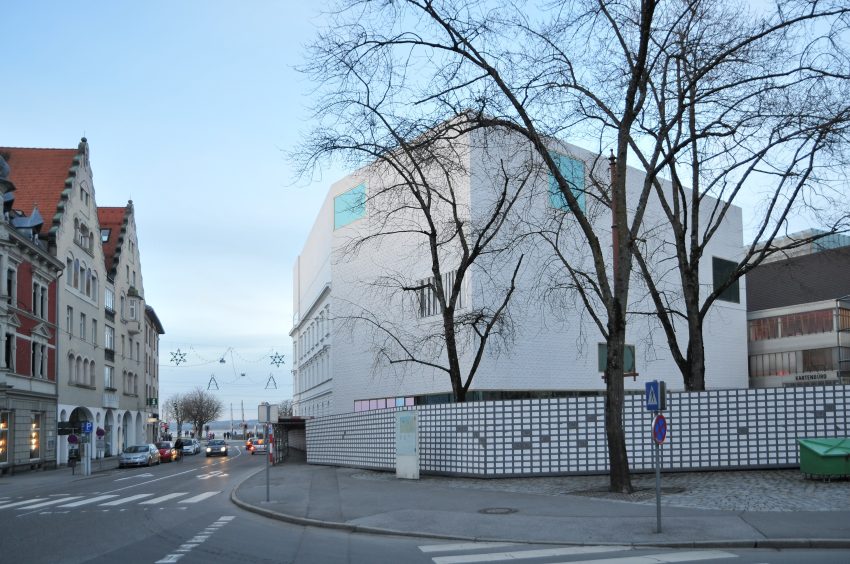
Vorarlberg Provincial Museum in Bregenz sits by Kornmarktplatz near the lakefront and serves as a compact introduction to the province’s past, from prehistory to sacred art. The early-20th-century museum building leads you upward through floors that shift from Stone, Bronze, and Iron Age finds to Roman-era objects from Brigantium, the settlement west of today’s center. Higher levels move into weapons and armor, church treasures, and everyday craft—clothing, instruments, and handiwork from Gothic and Renaissance periods—before focusing on regional Gothic religious art. Visitors often remember the striking architecture and the fourth-floor view room, which adds a scenic pause to the galleries.
Location: Kornmarktpl. 1, 6900 Bregenz, Austria | Hours: Tuesday – Sunday: 10:00–18:00. Monday: Closed. First Thursday of the month: 10:00–20:00. | Price: Adults: €12; Reduced: €10; Under 19: free. | Website | Distance: 0.3km

13. Altes Rathaus
Altes Rathaus
Altes Rathaus
CC BY-SA 3.0 / Mwinter
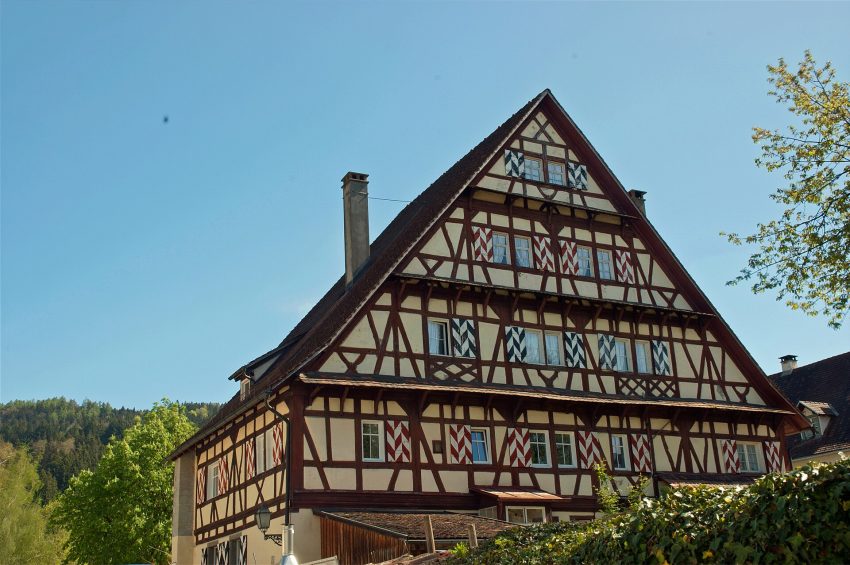
Altes Rathaus in Bregenz is the former Old Town Hall on Eponastraße, an eye-catching 17th-century timber house that helps define the quieter Oberstadt above the lake. Visitors mostly remember its bold yellow facade, steep A-frame profile, and oversized gable roof, with crisp red-and-white shutters that stand out against the cobbled streetscape. Though it once served civic functions, it is now a private residence, so the experience is about pausing outside to take in the craftsmanship and proportions. The setting feels calm and residential, and reviews often mention the small, pretty old-town atmosphere and buildings. It’s a quick stop that makes the Upper Town’s older layer of Bregenz feel tangible.
Location: Eponastraße 11, 6900 Bregenz, Austria | Hours: 24 Hours. | Price: Free. | Distance: 0.4km

14. Bregenz Promenad
Bregenz Promenad
Bregenz Promenad
CC BY-SA 2.5 / böhringer friedrich
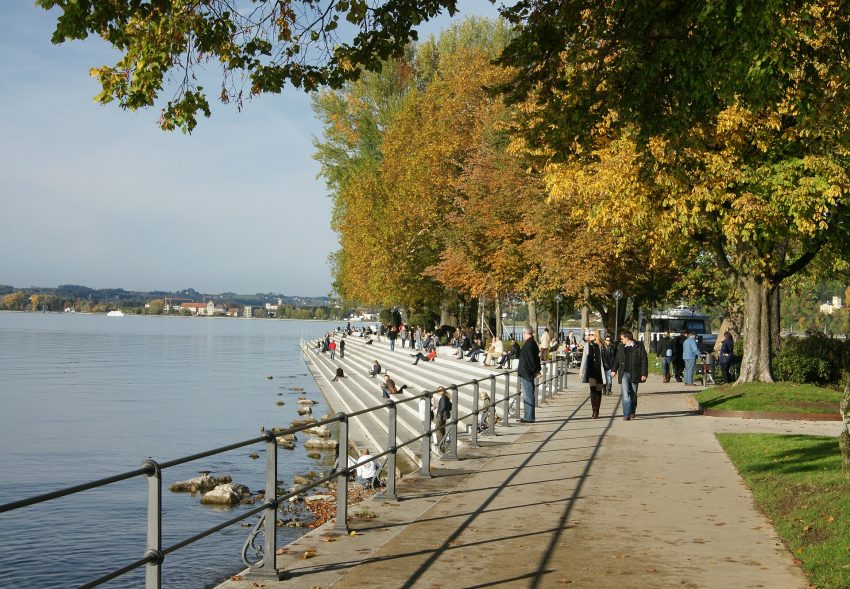
Bregenz Promenad is Bregenz’s lakeside promenade on Lake Constance, a calm waterfront strip that has grown since its beginnings in the 1880s and still shapes how the city meets the water. Visitors remember the changing shoreline scenes: flag-lined sections by the harbor, small piers and docks with ferries and excursion boats coming and going, and long views across the lake toward the mountains near the Austria–Germany border. The walk alternates between open, breezy edges right on the water and shaded, tree-lined paths with benches, cafés, and restaurants close by. There’s also a music pavilion that adds a low-key cultural note, especially when performances are on.
Location: 6900 Bregenz, Austria | Hours: 24 Hours. | Price: Free. | Distance: 0.4km

15. Nepomukkapelle
Nepomukkapelle
Nepomukkapelle
CC BY-SA 2.0 / Ștefan Jurc
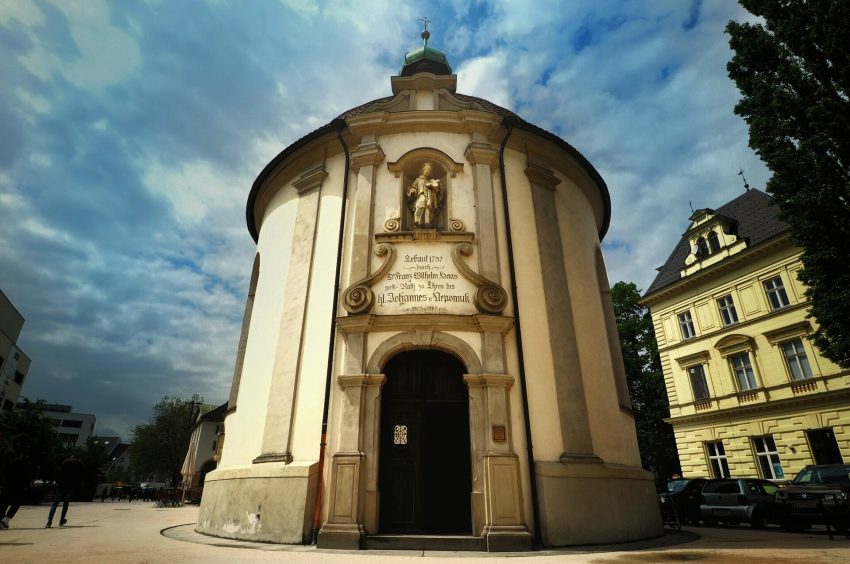
Nepomukkapelle is a small Rococo-Baroque rotunda chapel in central Bregenz, dedicated to Saint John of Nepomuk, the protector invoked in dangers on the water—an apt figure for a Lake Constance town. Built in 1757 and fully restored in the late 1990s, it’s easy to miss from the pedestrian zone until you step inside. The circular interior draws your gaze up to the dome cupola, where vivid frescoes and intricate plasterwork surround an ornate altar. Despite space for only about 30 people, the decoration feels surprisingly immersive, and visitors often note how quickly the noise outside drops away. Today it also functions as a Hungarian church and occasionally hosts unusual programs.
Location: Kaspar-Moosbrugger-Platz 204, 6900 Bregenz, Austria | Hours: Check official website. | Price: Free; donations appreciated. | Distance: 0.4km

16. Kirche St. Gallus
Kirche St. Gallus
Kirche St. Gallus
CC BY-SA 3.0 / Broger
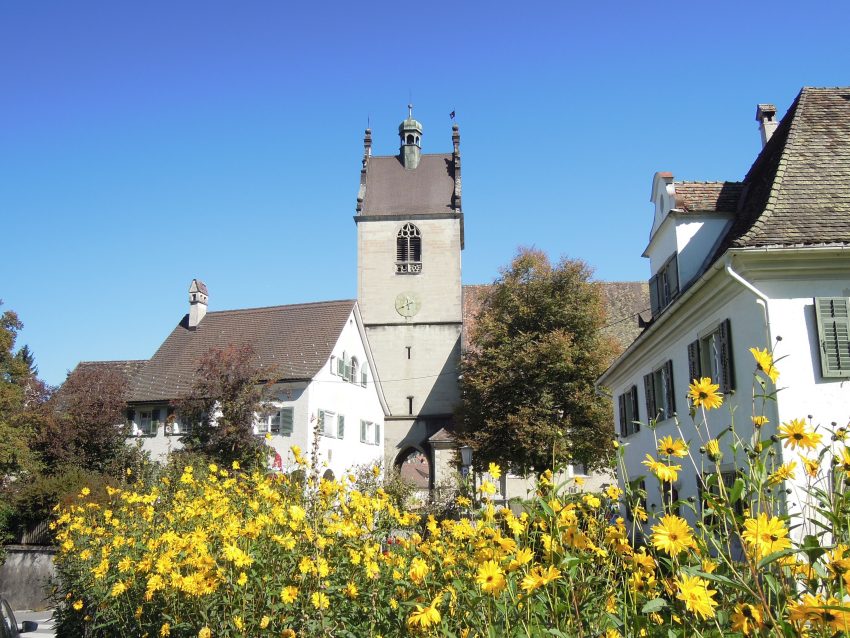
Kirche St. Gallus is a hilltop parish church in Bregenz’s Old Town, set apart on a small rise that gives it a quiet, contemplative feel. Its core and the sandstone porch-belfry date to around 1380, with Gothic bones that contrast with a later castellated gable and an interior refashioned in 1738 in Late Baroque and Rococo taste. Inside, visitors linger over the Baroque marble chancel, choir stalls made for Mehrerau Abbey, and sculpted figures of saints including Gallus, Peter, Ulrich, Paul, and Nicolas. Many people notice the calm atmosphere, and the churchyard memorial to victims of the World Wars adds a sobering counterpoint.
Location: Kirchpl. 3, 6900 Bregenz, Austria | Website | Distance: 0.4km

17. Kunsthaus Bregenz
Kunsthaus Bregenz
Kunsthaus Bregenz
CC BY-SA 3.0 / Böhringer Friedrich.
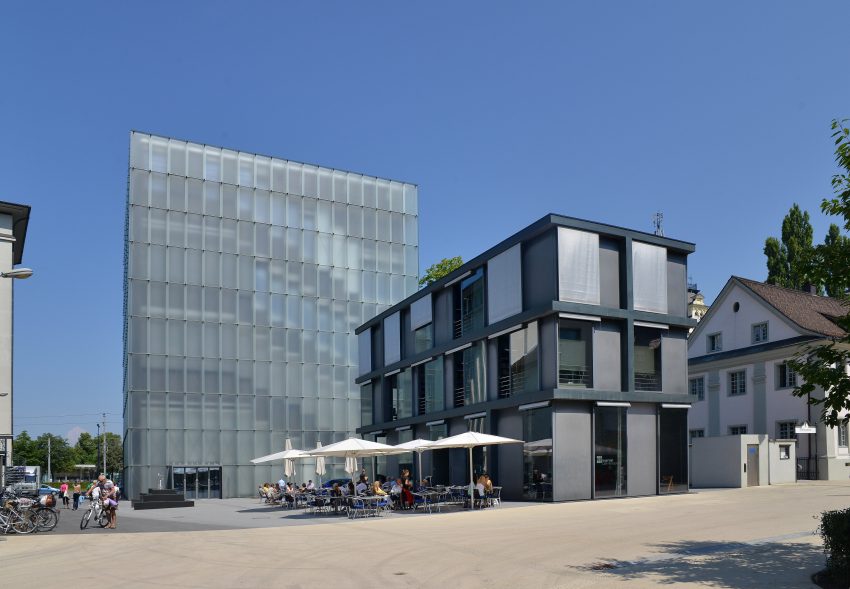
Kunsthaus Bregenz (KUB) is Bregenz’s contemporary art museum, built from 1990–1997 for the State of Vorarlberg and designed by Swiss architect Peter Zumthor. Inside, you move through about 1,880 m² of galleries where exhibitions are typically made specifically for the building, so each show feels tailored to its calm, light-shaped rooms. The museum also maintains focused holdings in “Archive Art Architecture” and “Contemporary Austrian Art,” and it’s known for publishing exhibition books and catalogs with designers and artists. Together with the Landestheater, the building helps define an open square between the old town and Lake Constance. Visitors often remember the cool, precise atmosphere—and sometimes leave debating whether the current installation is brilliant or baffling.
Location: Karl-Tizian-Platz, 6900 Bregenz, Austria | Hours: Tuesday – Sunday: 10:00–18:00. Thursday: 10:00–20:00. Closed on Monday. | Price: Adults: €14; Reduced: €12; Ages 20–27: €8; Under 20: free. Free admission every first Thursday of the month, 17:00–20:00. | Website | Distance: 0.4km

18. Thalbach Convent
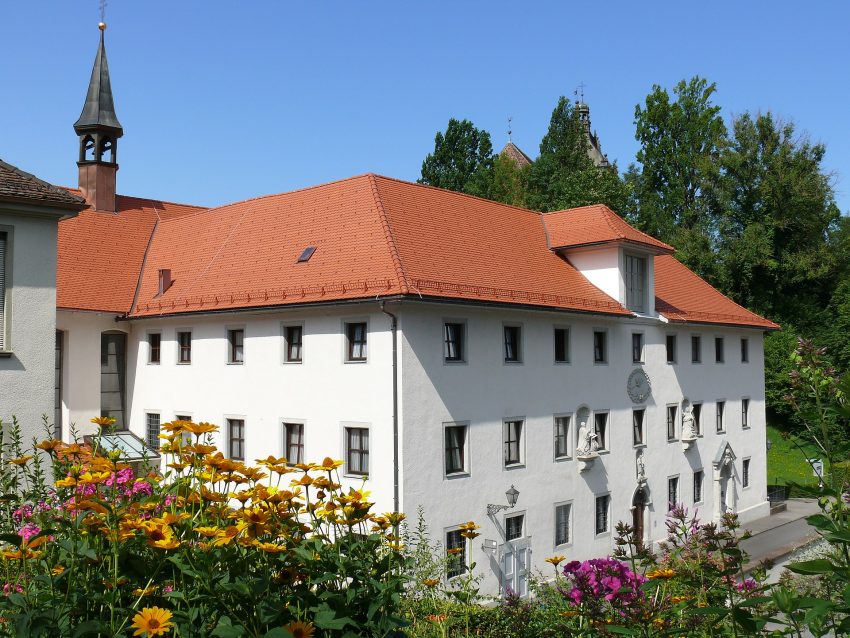
Thalbach Convent
Thalbach Convent
CC BY-SA 3.0 / Jhnbarberi
Thalbach Convent (Kloster Thalbach) is a former Dominican convent complex in Bregenz’s Thalbach quarter, centered on a church that still feels quietly enclosed from the city outside. The site began with a chapel founded in 1436 and became a monastery in 1575, with much of what you see today shaped by early Baroque building phases from 1609 to 1677. Inside, visitors look for the late-13th-century “Sedes Sapientiae” Madonna, a prized Bodensee-region sculpture donated to the convent in 1592, along with frescoes and carved wooden saints. Though no longer a cloister, it remains a lived-in place, now used as a school and by the Catholic Women’s Organization.
Location: Thalbachgasse 10, 6900 Bregenz, Austria | Hours: Check official website. | Price: Free; donations appreciated. | Website | Distance: 0.5km

19. Kornmarktstrasse No. 7
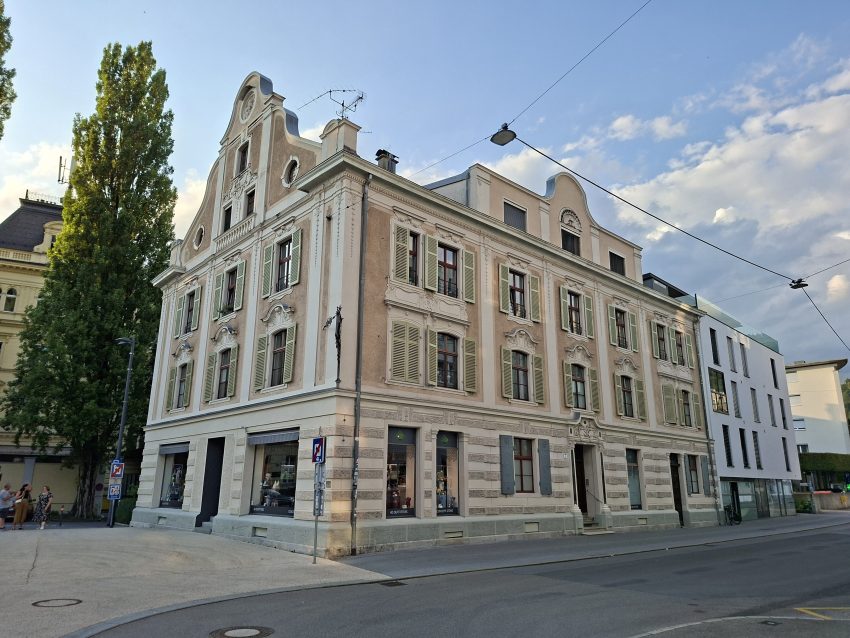
Kornmarktstrasse No. 7
CC BY-SA 4.0 / Asurnipal
Kornmarktstrasse No. 7 is a three-story town house near Kornmarktplatz in central Bregenz, notable for its carefully preserved 19th-century makeover rather than for being a grand monument. A full renovation in 1896 gave it its current look, with a Late Baroque-inspired façade and gabled elevations that stand out as you pass along this busy street. Look for the mix of oversized circular and rectangular openings on the main front, and the small Madonna sculpture set in a rounded niche, a detail that rewards a slower glance. Today it reads as part architecture, part city-life waypoint—an address you naturally drift past while browsing the modern, design-minded shops around it.
Location: Kornmarktstraße 7, 6900 Bregenz, Austria | Hours: Tuesday – Thursday: 12:00–17:30. Friday – Saturday: 10:00–18:00. Closed on Monday, Sunday. | Price: Free. | Website | Distance: 0.5km

20. Port Bregenz
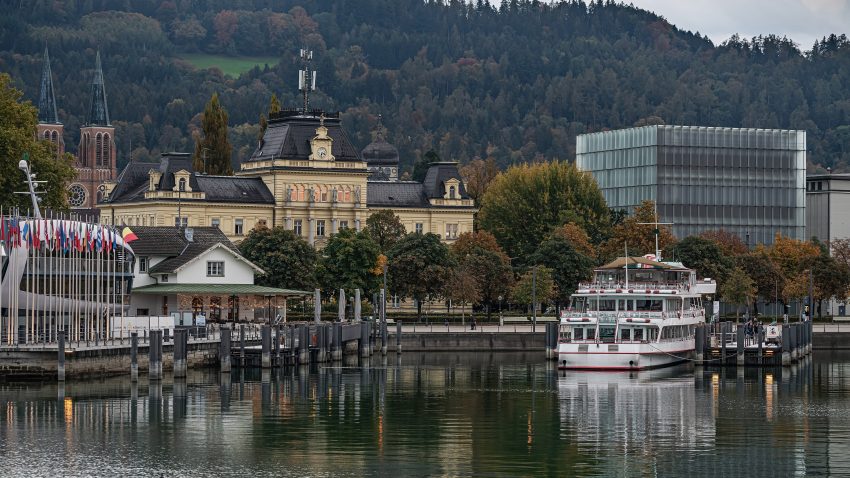
Port Bregenz
Port Bregenz
Free Art License / A.Savin
Port Bregenz is Bregenz’s working lakeside harbor on Lake Constance, a place where the city’s connection to cross-lake travel is still visible in the steady rhythm of arriving and departing boats. First recorded in 1249, the port has been repeatedly rebuilt and extended to suit changing ships, and its long, practical evolution is part of what gives the waterfront its grounded feel. A major modernization in 2009 expanded the harbor and shifted it closer to the railway station, making the transition from train platform to pier unusually seamless. Visitors remember the broad promenades and piers, the open lake-and-mountain horizon, and small conveniences like the adjoining garage, plus a restaurant for a lingering pause by the water.
Location: 6900 Bregenz, Austria | Hours: 24 Hours. | Price: Free. | Website | Distance: 0.5km

21. Chapel on Gebhard's Mountain
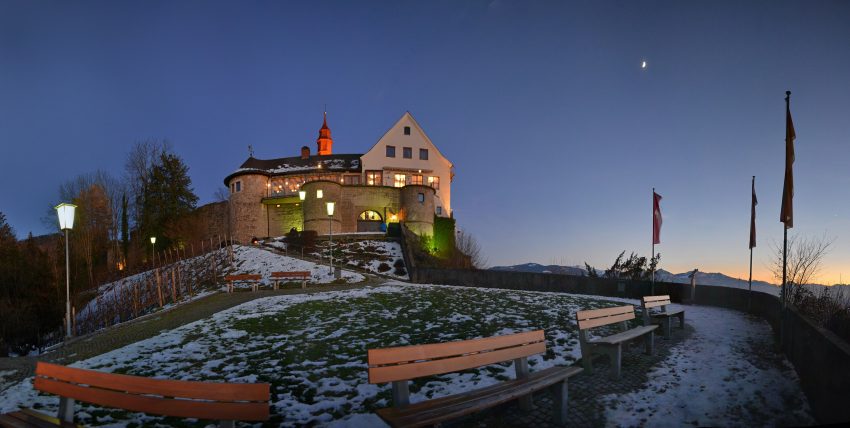
Chapel on Gebhard’s Mountain
CC BY-SA 3.0 / Böhringer Friedrich.
Chapel on Gebhard’s Mountain is a small hilltop chapel set within the remains of Hohenbregenz Castle above Bregenz, where the view opens wide over Lake Constance and the Rhine Valley. The site is recorded as early as 1209, and later additions included semi-circular towers on the inner walls and the founding of a Church of Saint George around 1400. The castle was destroyed by Swedish forces in 1647, yet the ruins still frame the chapel with a rugged, medieval atmosphere. Today the former fortress functions as a restaurant, and visitors often duck into the quiet chapel before lingering on the terrace-like viewpoints; reviews mention how peaceful it can feel even at midday.
Location: Gebhardsbergstraße 509, 6900 Bregenz, Austria | Hours: (Summer) May – October: Daily: 09:00–18:00. (Winter) November – April: Closed. | Price: Free; donations appreciated. | Website | Distance: 1.3km

22. Valley Station Cable Car
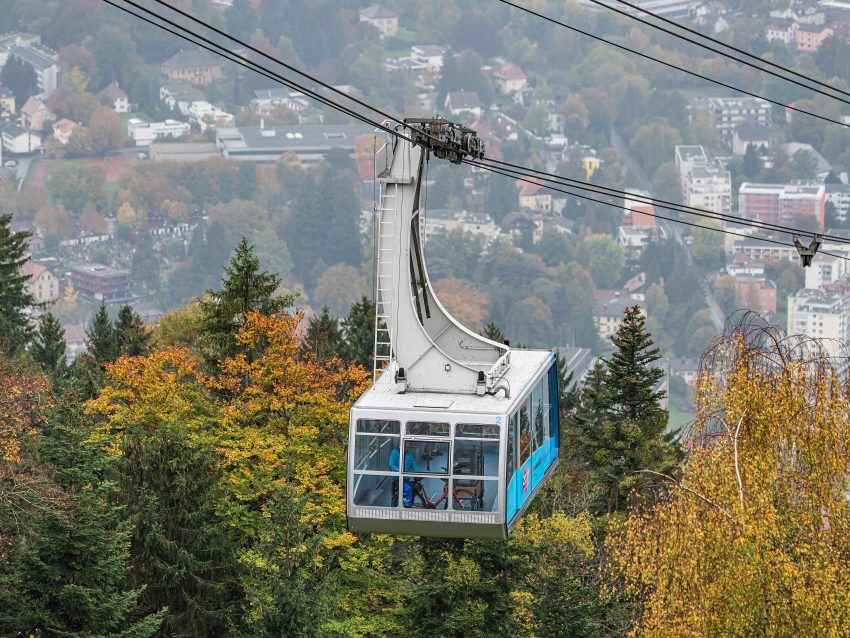
Valley Station Cable Car
Free Art License. / A.Savin
Bregenz’s Valley Station Cable Car is the town-side base for the Pfänderbahn, carrying riders from the lakeshore up the Pfänder in about 6–7 minutes over a 1,064‑meter climb. Opened in 1927 and designed by Austrian architect Willibald Braun, it’s Austria’s second-oldest cable station, and its original structure still stands, blending engineering with period architecture. The swift ascent turns city streets into wide views of Lake Constance and the Alps, a perspective many visitors remember most. Around 300,000 people use it each year, and at the top you’ll find signed paths and a small wildlife park that families often linger over.
Location: Steinbruchgasse 4, 6900 Bregenz, Austria | Hours: Daily: 08:00–19:00. | Price: Adults (round trip): €19.00; Adults (one way): €12.70; Children 6–15 (round trip): €9.50; Children 6–15 (one way): €6.30; Under 6: free. | Website | Distance: 2.6km

Best Day Trips from Bregenz

A day trip from Bregenz offers the perfect opportunity to escape the urban rhythm and discover the surrounding region's charm. Whether you're drawn to scenic countryside, historic villages, or cultural landmarks, the area around Bregenz provides a variety of easy-to-reach destinations ideal for a one-day itinerary. If you are looking to rent a car in Austria I recommend having a look at Discover Cars, first, as they compare prices and review multiple car rental agencies for you.

1. Füssen

Fussen
Fussen
CC BY-SA 3.0 / Wolkenkratzer
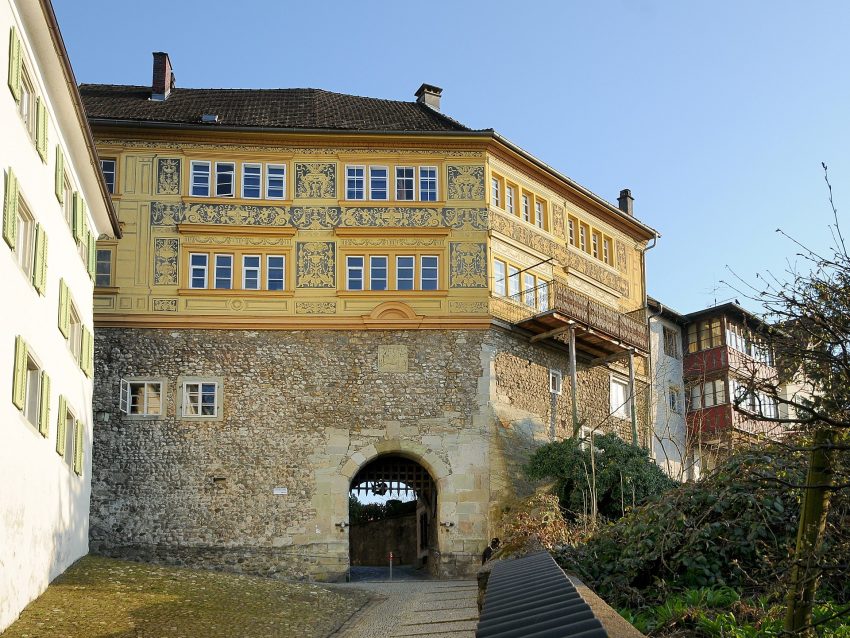
Füssen, nestled in the heart of Bavaria’s Allgäu region near the Austrian border, greets visitors with a picture-perfect Old Town framed by pastel-colored buildings and cobblestone lanes. Its compact pedestrian zone leads naturally from the baroque St. Mang’s Abbey to the Lech River, where shaded benches invite you to linger over a gelato or a stein of local beer. Quaint…
Visiting Füssen
Powered by GetYourGuide

2. Lucerne

lucerne
lucerne
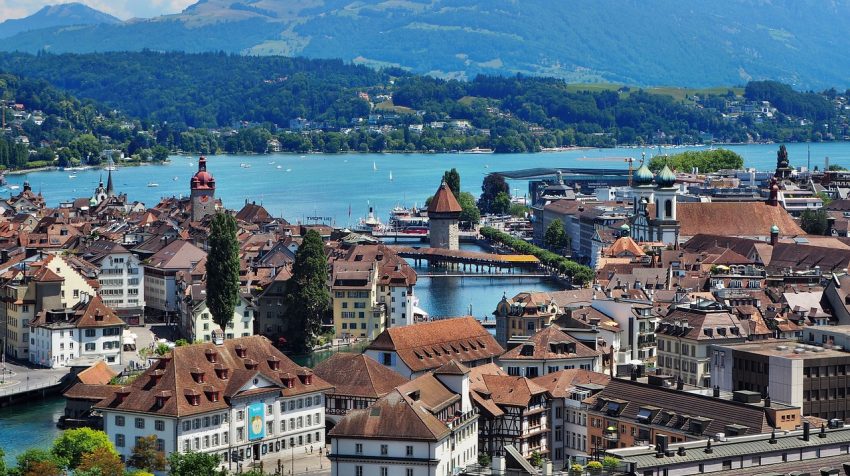
Luzern (loot-SAIRN, “Lucerne” in English) has served as Switzerland's premier destination for tourism for an extensive period. Nestled along the shoreline of a lake (also known as Vierwaldstätter See), and set against the stunning backdrop of the Alps, Luzern held a regular spot on the European Grand Tour circuit during the Romantic era. It welcomed illustrious visitors such as Mark…
Visiting Lucerne
Powered by GetYourGuide

3. Innsbruck

The Complete Guide to Innsbruck
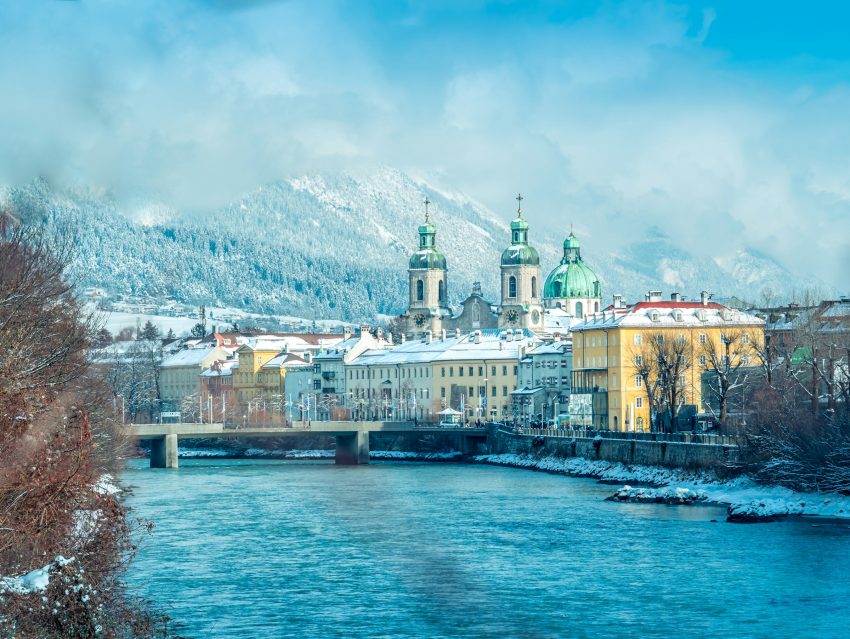
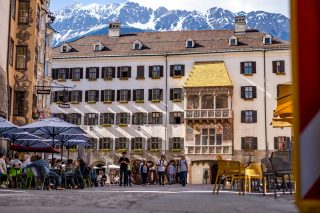
Innsbruck is a compact, mountain-framed city that makes it easy to combine culture, cafés, and alpine scenery in a single day. Set in the Inn Valley in the heart of Tyrol, it’s the kind of place where you can stroll a historic old town in the morning, ride a cable car into high alpine views after lunch, and still be…
Visiting Innsbruck
Powered by GetYourGuide

4. Augsburg

Augsburg
Augsburg
CC BY-SA 3.0 / Guido Radig
Augsburg, nestled in the Swabian region of Bavaria in southern Germany, offers a delightful blend of urban charm and green retreats. Begin your visit at the bustling Rathausplatz, where the Renaissance Town Hall and Perlachturm tower over lively cafés and street musicians. Just a short stroll away, the historic Fuggerei—world’s oldest social housing complex—invites you to wander its peaceful courtyards…
Visiting Augsburg

5. Stuttgart

stuttgart castle
stuttgart castle
Stuttgart, located in the southwest of Germany in the region of Baden-Württemberg, is a city that blends modern innovation with green living. Known for its rolling hills, vineyards, and extensive parks, Stuttgart offers a refreshing mix of nature and urban life. Visitors can enjoy panoramic views from spots like the Killesberg Park or the TV Tower, while easily accessing the…
Visiting Stuttgart
Powered by GetYourGuide

6. Freiburg im Breisgau

Freiburg im Breisgau
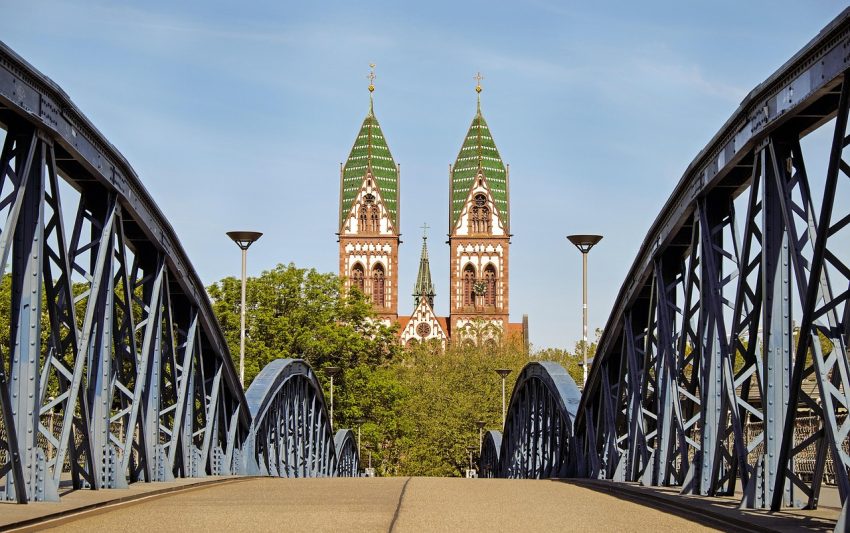
Freiburg im Breisgau, located in the region of Baden-Württemberg, is a charming city nestled at the edge of the Black Forest. Known for its sunny climate, eco-conscious vibe, and vibrant old town, Freiburg offers a laid-back atmosphere with stunning scenery. Cobblestone streets, small canals (Bächle), and a lively market square make it ideal for relaxed exploration on foot. The city…
Visiting Freiburg im Breisgau
Powered by GetYourGuide

7. Munich

Munich
Munich
Munich is one of the easiest German cities to enjoy on a first visit because it balances “big-city” culture with a relaxed, walkable core. You can spend the morning moving between grand squares, museums, and coffee houses, then switch to parks, river paths, and beer gardens without ever feeling like you need to plan every minute. It is a city…
Visiting Munich

8. Nördlingen

Nordlingen
Nordlingen
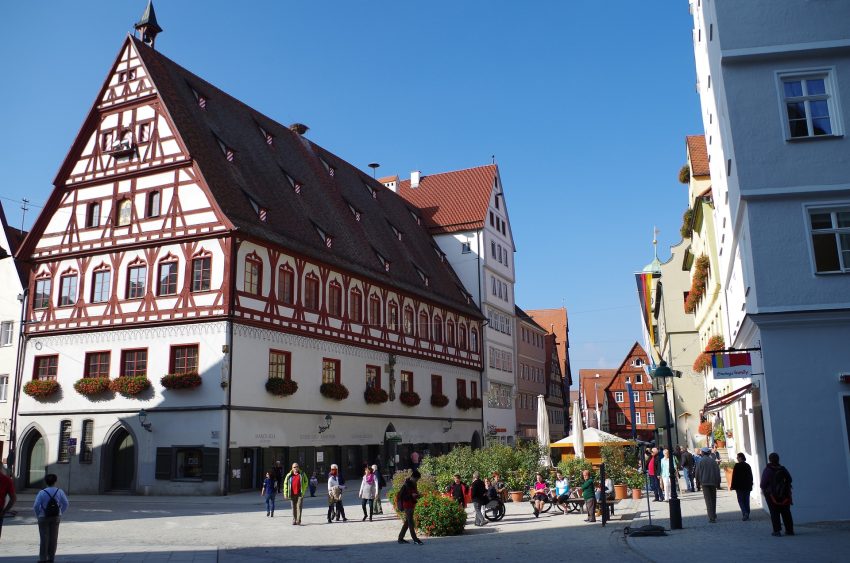
Nördlingen is a historic town in the region of Swabia, located in Bavaria, Germany. It is situated in a large meteorite crater, and the town's unique location has made it a popular tourist destination. One of the town's most notable attractions is its well-preserved medieval walls, which encircle the town and offer stunning views of the surrounding countryside. Visitors can…
Visiting Nördlingen
Powered by GetYourGuide

Where to Stay in Bregenz

For a first visit, staying near the lakefront and harbor is the most convenient choice in Bregenz because you can walk to the promenade, the festival grounds, boat departures, and many restaurants without relying on transport. A strong upscale option here is Grand Hotel Bregenz - MGallery, which suits travelers who want polished comfort close to the cultural venues and an easy stroll to the waterfront. Another well-located, reliable choice is Hotel Messmer, ideal if you want to be between the old town feel and the lake, with plenty of dining and shopping nearby.

If you prefer a quieter base with a more local residential atmosphere, consider the area toward Mehrerau and the southern lakeside, which is calmer while still walkable to the center. Hotel Schwärzler works well for guests who like a slightly removed setting with good service and easy access by bus or a short taxi ride, while still being close enough to reach the lake and central sights without hassle. For travelers arriving by train or planning frequent day trips, staying near the main station can be practical; ibis Bregenz is a sensible pick for straightforward comfort and quick connections, especially during busy festival dates when walkability and transit access matter most.

Using the our Hotel and Accomodation map, you can compare hotels and short-term rental accommodations in Bregenz. Simply insert your travel dates and group size, and you’ll see the best deals for your stay.

Bregenz Accommodation Map

Best Time to Visit Bregenz

Bregenz in Spring

Spring is a pleasant time to visit as the lakefront greens up and the surrounding hills become ideal for comfortable walks and early hikes. Days can vary from crisp to mild, so layering works well. It’s a good season for sightseeing without peak crowds and for enjoying cafés along the promenade as outdoor seating returns.

Bregenz in Summer (Best)

Summer is the prime season for lake activities, long evenings on the waterfront, and the city’s biggest cultural highlight: the Bregenzer Festspiele (Bregenz Festival), famous for its spectacular open-air stage on the lake. Expect the warmest temperatures and the liveliest atmosphere, with swimming spots, boat trips, and packed performance nights.

Bregenz in Autumn

Autumn brings clearer air, golden foliage on the slopes, and a calmer pace after the summer peak. It’s excellent for scenic viewpoints and hikes with comfortable daytime temperatures, plus cozy dining as evenings cool down. Cultural programming continues, making it a strong shoulder-season choice.

Bregenz in Winter

Winter is quieter and can be cold and damp near the lake, but it’s rewarding if you like a low-key city break with atmospheric walks and easy access to winter sports in the wider region. Seasonal markets and holiday decorations can add charm, and indoor culture—concerts and museums—becomes the focus.

Annual Weather Overview

  • January 5°C
  • February 7°C
  • March 10°C
  • April 15°C
  • May 18°C
  • June 23°C
  • July 24°C
  • August 24°C
  • September 20°C
  • October 16°C
  • November 9°C
  • December 6°C

How to get to Bregenz

Getting to Bregenz by air

Nearest airports: Altenrhein/St. Gallen (ACH), Friedrichshafen (FDH), Zurich (ZRH), and Munich (MUC) are commonly used depending on schedules and price.
From the airport onward: The easiest onward travel is typically by train via nearby rail hubs; for Zurich and Munich, frequent long-distance trains connect into western Austria.

Getting to Bregenz by train

Main rail connections: Bregenz is well connected to Austrian and international rail services, making it convenient for arrivals from Vienna, Innsbruck, Zurich, and Munich.
Train operators (links): ÖBB (Austrian Federal Railways) https://www.oebb.at/en/ , SBB (Swiss Federal Railways) https://www.sbb.ch/en , DB (Deutsche Bahn) https://www.bahn.com/en

Getting to Bregenz by Car

Driving routes: Approaches are straightforward via major motorways in the Lake Constance area, with cross-border access from Germany and Switzerland.
Parking: Use central garages for the old town and waterfront; in peak summer festival periods, arrive earlier to secure convenient parking.
Local driving tips: Keep an eye on border-related traffic at busy times and ensure you comply with motorway toll/vignette rules where applicable. If you are looking to rent a car in Austria I recommend having a look at Discover Cars, first, as they compare prices and review multiple car rental agencies for you.

Travelling around Bregenz

On foot: The center, waterfront, and many key sights are walkable.
Local buses: City and regional buses connect neighborhoods and nearby towns efficiently.
By bike: The lakeside routes are popular and mostly easy, with scenic stretches suitable for casual riders.
By boat: Seasonal boat services on Lake Constance add a scenic option for short trips and day excursions.
More from this area