Self-Guided Walking Tour of Munich (2026)
This website uses affiliate links which earn a small commission at no additional cost to you.
Munich is a city that reveals its story block by block: medieval lanes opening onto grand squares, royal-era boulevards leading to palace courtyards, and memorial sites that confront the realities of the 20th century. A self-guided walk is the simplest way to connect these layers without feeling rushed, because you can pause where the architecture, street life, or museum collections deserve more time. The route naturally centres on the Altstadt, where key landmarks sit close enough together to keep the day efficient while still feeling immersive.
This walking tour works especially well if you want the best things to see in Munich in a single, coherent loop rather than a checklist of disconnected stops. You can begin at Marienplatz for the classic city-square experience, thread through churches and market streets, then transition into royal Munich around the Residenz, Hofgarten, and Odeonsplatz. From there, it is easy to extend toward the museum quarter or pivot to quieter areas for a slower finish, depending on how much time you have.
Because it is self-guided, you can tailor the pacing to your interests: tower views and photogenic façades, museum depth, or short, high-impact stops with plenty of café breaks. Munich is also well set up for walkers, with pedestrianized zones and clear landmarks that make navigation straightforward even without a rigid itinerary. Whether you have half a day or a full day, the city rewards a route that mixes headline sights with the smaller streets that give Munich its everyday character.
Table of Contents
- How to Get to Munich
- Marienplatz
- Neues Rathaus
- Altes Rathaus
- Peterskirche
- Viktualienmarkt
- Alter Hof
- Max-Joseph-Platz
- Theatine Church
- Feldherrnhalle
- Munich Residence
- Hofgarten
- English Garden
- Bavarian National Museum
- Hofbräuhaus
- Isartor
- Beer and Oktoberfest Museum
- Münchner Stadtmuseum
- Jewish Museum
- Asamkirche
- Karlsplatz
- Neuhauser Street
- Frauenkirche
How to Get to Munich
By Air: Munich Airport is one of Germany's main international gateways, with extensive direct connections across Europe and long-haul routes from major global hubs. From the airport, the simplest transfer into the city centre is usually the S-Bahn (lines S1 and S8), which runs to key stations including München Hauptbahnhof and Marienplatz; for late arrivals or heavier luggage, taxis and app-based rides are also widely available, and the airport has clear onward-signage for regional trains and shuttles. If you are arriving for a specific event or have an early departure, consider staying near the airport or along an S-Bahn line to reduce transfer time. For the best deals and a seamless booking experience, check out these flights to Munich on Booking.com.
By Train: München Hauptbahnhof is a major rail hub with frequent high-speed and intercity services linking Munich to cities across Germany and neighbouring countries, making it one of the most straightforward ways to arrive if you are already in Europe. Deutsche Bahn (DB) operates most long-distance services, and you will also find strong regional connectivity into Bavaria; once you arrive, Munich's U-Bahn, S-Bahn, trams, and buses make it easy to continue to your hotel without needing a taxi. Booking in advance can reduce fares substantially, especially on popular routes, and seat reservations can be worthwhile at peak times. Train schedules and bookings can be found on Omio.
By Car: Driving to Munich can be convenient if you are touring Bavaria or travelling with a group, but the city's traffic and parking costs mean it is usually best approached with a plan. Use park-and-ride facilities on the outskirts to avoid inner-city congestion, then switch to the U-Bahn or S-Bahn to reach the centre, where many streets are pedestrianized and parking is limited. If you do drive into the city, check low-emission requirements and hotel parking arrangements ahead of time, and expect slower progress during commuting hours and major events. If you are looking to rent a car in Germany I recommend having a look at Discover Cars, first, as they compare prices and review multiple car rental agencies for you.
By Bus: Long-distance coaches can be a cost-effective option from many European cities, often arriving at Munich’s central bus station (ZOB) near the main railway station. This can be especially useful for budget travellers or routes that are less direct by rail, and local public transport links make it easy to connect onward once you arrive. Comfort levels vary by operator and journey length, so it is worth comparing travel times and luggage policies before booking.
1. Marienplatz
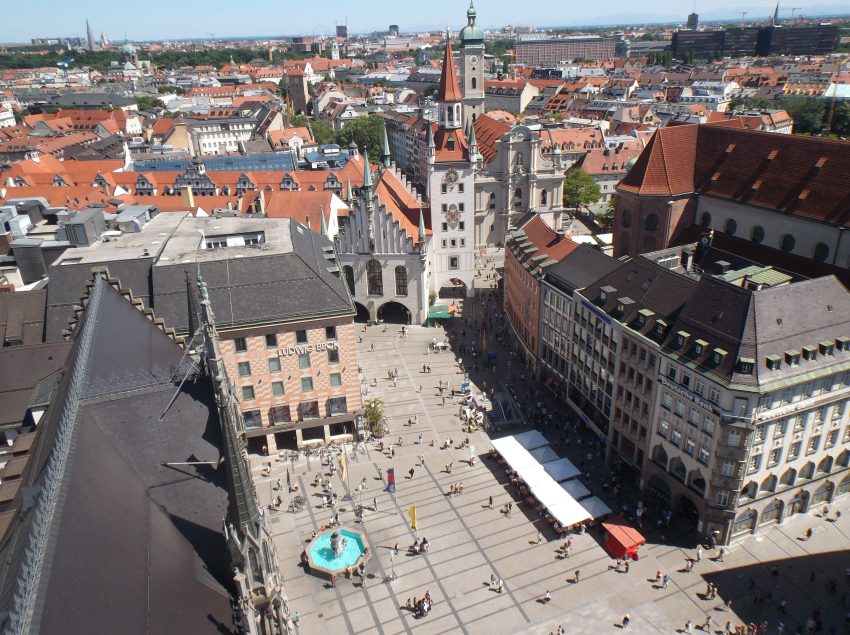
Marienplatz has been Munich’s civic centre since the Middle Ages, when markets, announcements, and public ceremonies concentrated in one recognisable urban stage. It still works the same way today: a place where the city’s official face and everyday routines overlap, from street performers and seasonal events to locals cutting across the square on errands.
The square rewards a slow read of its edges. The Mariensäule column marks Munich’s long-standing Marian devotion, while the surrounding façades show how civic pride is expressed through architecture and proportion rather than vast scale. It is also one of the best places to understand the Altstadt’s layout, because several key streets radiate outward in clear, legible directions.
For photos and orientation, step back far enough to take in the full composition, then move to the margins to find calmer angles that frame towers and rooflines. If the centre is crowded, the side lanes quickly restore a quieter, older-city feel without leaving the area.
Location: Marienplatz, 80331 München-Altstadt-Lehel, Germany | Hours: 24 Hours. | Price: Free.

2. Neues Rathaus
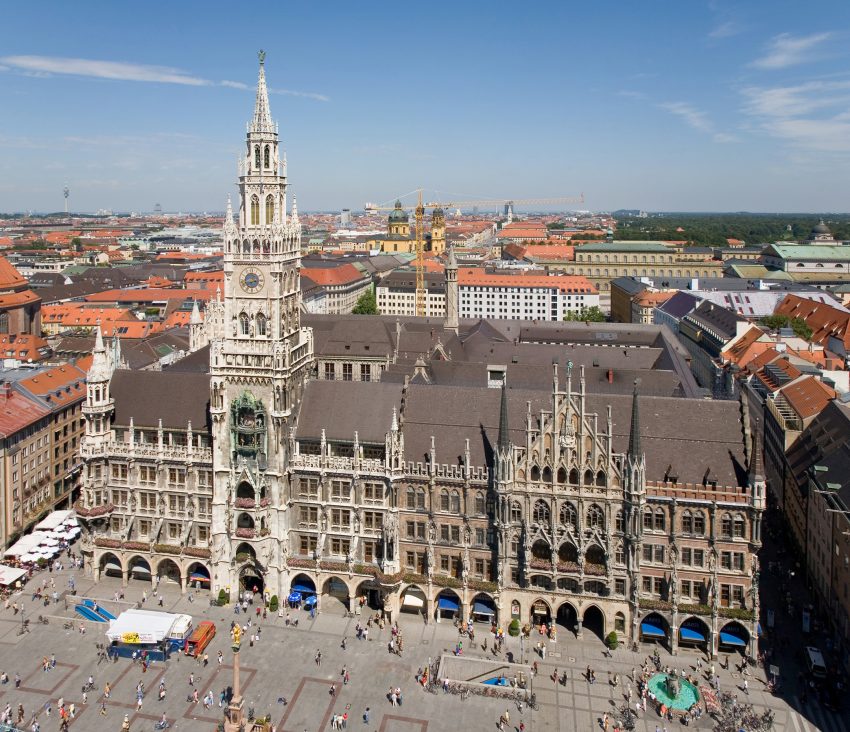
The Neues Rathaus dominates Marienplatz with a highly theatrical Gothic Revival façade, created to project civic confidence during Munich’s era of modernisation and growth. Although it looks medieval at first glance, its style is a deliberate historical statement—spires, traceries, and sculpted figures designed to imply continuity and authority.
It is best experienced in two distances. From across the square, the building reads as a single monumental backdrop; up close, it becomes a dense catalogue of carvings and decorative storytelling that most visitors miss. Give yourself a few minutes to scan niches and details rather than treating it as a quick photo stop.
If you time it well, the Glockenspiel performance adds a memorable moment, but the real value is how the building anchors your sense of place. Once you have looked carefully, you will keep spotting it from side streets and using it instinctively as a compass point.
Look for the corner where Weinstraße meets the square, and pointed out a detail that is easy to miss when you’re focused on the building’s scale. Above one of the entrances is a large dragon stretched across the stonework, known locally as the Wurmeck. It does not commemorate a folklore creature so much as the fear and devastation of the Black Death in the Middle Ages, a reminder that the city’s “storybook” exterior also carries darker memory.
Location: Marienplatz 8, 80331 München, Germany | Hours: Monday – Friday: 10:00–20:00. Saturday: 10:00–16:30. Sunday: 10:00–14:30. | Price: Tower: €7 (standard; discounts may apply). | Website
3. Altes Rathaus
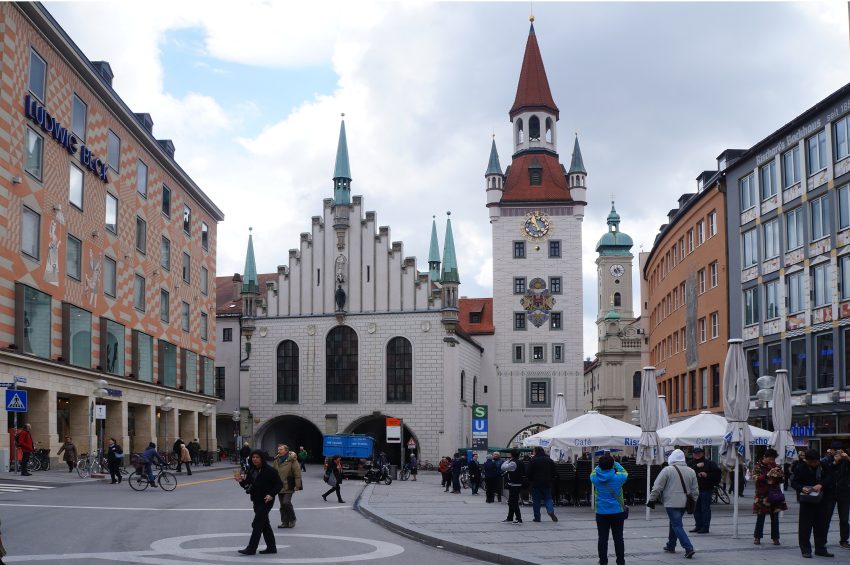
The Altes Rathaus brings medieval Munich into focus, especially in the way it reads as a gateway structure rather than a single façade. Approached from a side street, it feels like a threshold—an architectural reminder that the historic centre was once governed, regulated, and defended through controlled points of passage.
The Toy Museum inside the tower adds a completely different register of history: intimate, domestic, and surprisingly informative. Toys here function as design objects and social history, reflecting changing tastes, materials, craftsmanship, and ideas about childhood across time. It is not a large museum, which is precisely why it works well: easy to absorb without draining the day.
Even if you do not go inside, the exterior is worth a slow look for its layered character and position in the old-town street grid. It helps you imagine the older city as a working place of trade and governance rather than a scenic backdrop.
Location: Marienplatz 15, 80331 München, Germany | Hours: 10:00–17:30. Closed on Tuesday. | Price: €8; Children (up to 17): €3; Family: €16. | Website
4. Peterskirche

Peterskirche is one of the most rewarding church stops in the historic centre, partly because it feels genuinely lived-in—an interior shaped by centuries of devotion, restoration, and changing artistic taste. It offers a strong sense of continuity: this is not an isolated monument, but a long-running part of the city’s daily religious life.
Inside, the atmosphere is often calmer than you would expect given the central location. The art and ornamentation invite a slower pace, and the relatively compact scale makes it easy to understand the space as a functioning city church rather than a grand cathedral experience. A short pause here can change your reading of nearby streets, making them feel older and more layered.
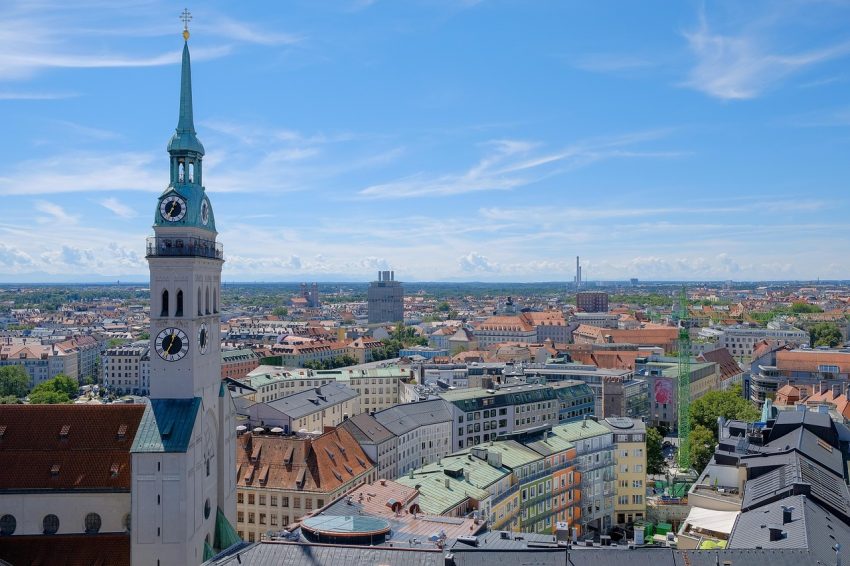
The tower climb is the defining add-on. From the top, rooftops and spires fall into a clear pattern, and Munich becomes easier to navigate instinctively. If you only choose one viewpoint in the Altstadt, this is the one that most directly improves spatial understanding.
Location: Peterspl. 1, 80331 München, Germany | Hours: (Summer) April – October; Daily: 09:00–19:30. (Winter) November – March; Monday – Friday: 09:00–18:30. Saturday – Sunday: 09:00–19:30. | Price: Church entry: Free. Tower (Alter Peter): Adults: €5; Reduced: €3; Students (6–18): €2; Under 6: free. | Website
5. Viktualienmarkt

Viktualienmarkt is where Munich becomes tangible: food, flowers, scents, and the quick practical rhythm of locals shopping and meeting. The market has long been central to the city’s everyday life, and it still functions as a shared public pantry as much as a visitor highlight.
The best approach is to loop rather than march straight through. Scan first, then choose one or two things worth trying—something small and regional is often more satisfying than turning the stop into a full meal. It is also a useful resupply point for water, fruit, and quick snacks if you want to keep moving without losing momentum.
Pay attention to atmosphere as much as stalls. The casual conversations, beer-garden energy in good weather, and the flow between stands give you a stronger sense of Munich’s daily character than many formal landmarks.
Location: Viktualienmarkt, 80 München-Altstadt-Lehel, Germany | Hours: Daily: Open 24 hours. | Price: Free. | Website
6. Alter Hof

Alter Hof is one of the most important “quiet” historic sites in central Munich, linked to the city’s early court presence and the beginnings of Wittelsbach power in the urban core. It does not overwhelm with spectacle; it matters because it shows how compact and defensive elite life once was, before later palaces expanded rule into something grander and more visible.
What you see here is primarily spatial: courtyards, passages, and fragments of older fabric tucked into modern streets. It rewards visitors who like reading the logic of a place—how movement is controlled, how private and public areas are separated, and how authority was embedded in the city’s physical layout.
A few minutes is enough to gain the key insight: this is “court Munich” before the grand version. Once you have seen it, the nearby Residence precinct feels less abstract, because you have already encountered an earlier, smaller-scale predecessor.
Location: Alter Hof, 80 München-Altstadt-Lehel, Germany | Hours: Monday – Saturday: 10:00–18:00. Sunday: Closed. Closed on public holidays. | Price: Free. | Website
7. Max-Joseph-Platz
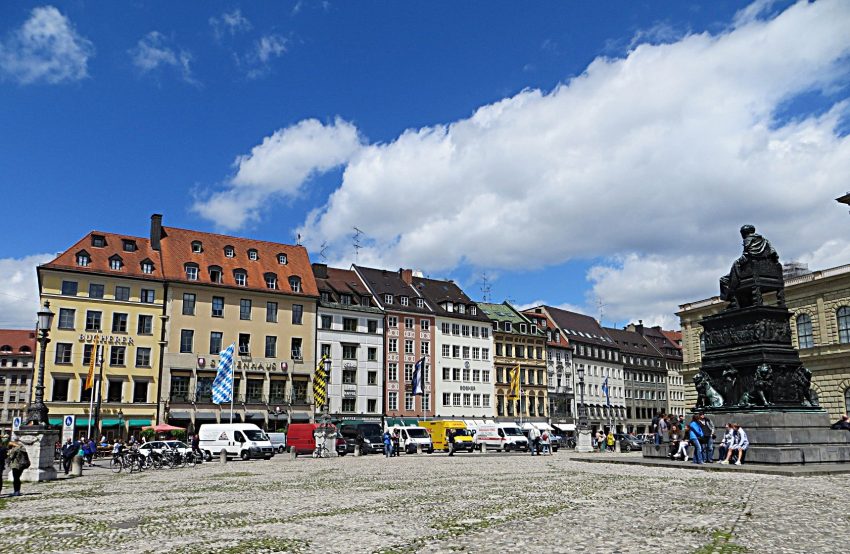
Max-Joseph-Platz is royal Munich in a single glance: an ordered square designed for ceremony, framed by the National Theatre and façades that were meant to feel timeless and “European” rather than merely local. The square was opened in 1818, and that Maximilian I Joseph wanted an effect inspired by Florence—specifically the Palazzo Pitti’s sense of formal urban theatre—an influence that becomes easier to see once you look at the Theatre’s Corinthian columns and the square’s deliberate symmetry.
Then there is the statue story that tourists rarely hear. The monument of Maximilian was commissioned early in the square’s life, but Maximilian himself disliked the design, complaining that he did not want to be remembered as the king “sitting on the crapper.” The project continued under his son Ludwig I, and the statue was inaugurated in 1835, on the tenth anniversary of Maximilian’s death. It is a small, human anecdote, but it sharpens how you read the square: power here was carefully staged, and even kings worried about how they would be seen.
Location: Max-Joseph-Platz 2 80539 München Germany | Hours: 24 hours | Price: Free.
8. Theatine Church

The Theatine Church is one of Munich’s strongest Baroque landmarks, notable for its Italian-influenced design language and its role as a dynastic statement. Its silhouette and pale façade stand out sharply against the surrounding streets, signalling a period when architecture was meant to persuade, impress, and embody religious and political confidence.
Outside, the twin towers dominate sightlines and act as a landmark you can spot from multiple approaches. Inside, the experience is shaped by volume, height, and light, with a spatial clarity that feels distinctly different from more richly coloured or densely ornamented interiors elsewhere in the city.
Give the church a few quiet minutes even if you are moving quickly. The contrast between the busy streets outside and the serene, soaring interior is part of what makes the stop memorable, and it sharpens your attention to architectural detail for whatever comes next.
Location: Theatinerstraße 22, 80333 München, Germany | Website
9. Feldherrnhalle

The Feldherrnhalle is a 19th-century monument built to honour Bavarian military tradition, modelled on Italian Renaissance precedents to project authority and civic grandeur. It also carries heavy historical associations from the 20th century, making it a place where Munich’s monumental aesthetics and its contested modern history sit uncomfortably close together.
Architecturally, it functions as a frame for the space around it. The arches create depth and shadow, and the structure reads like a ceremonial gateway that reshapes how the square is experienced. Step back for the full effect, then move closer to see how sculpture and stonework reinforce the monument’s commemorative intent.
In the 1930s, the Feldherrnhalle was treated as a national monument and pedestrians approaching were compelled to give the Nazi salute at the adjacent memorial. Many locals avoided that forced ritual by slipping into the narrow lane behind it, a route that became known as “Shirkers’ Lane.” Today the lane is marked with a subtle memorial element in the paving, one of Munich’s most effective examples of how resistance can be remembered without spectacle.
Location: Residenzstraße 1, 80333 München, Germany | Hours: 24 Hours. | Price: Free. | Website
10. Munich Residence
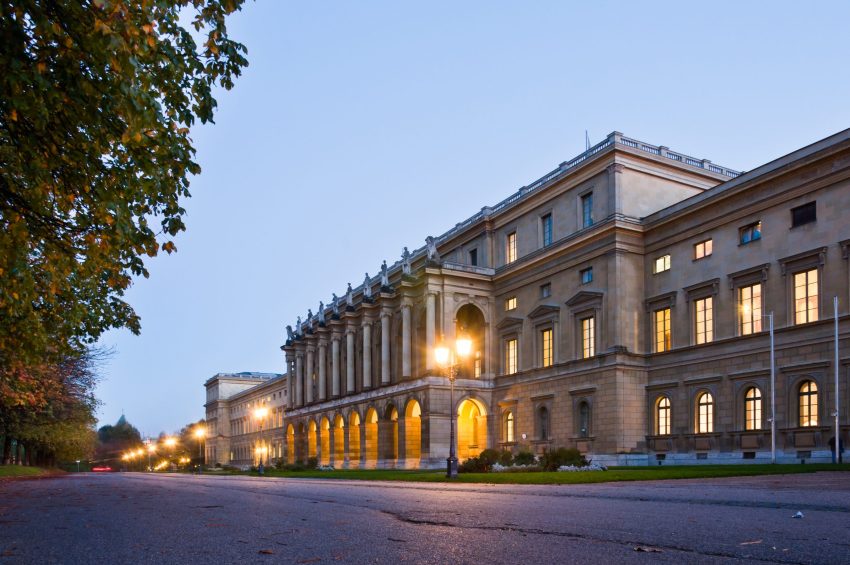
The Munich Residence is a vast palace complex assembled over centuries, expanding as Wittelsbach authority, wealth, and taste grew. It is less a single building than a layered record of power—Renaissance planning, Baroque display, Rococo refinement, and later additions that reflect Munich’s shifting political ambitions.
The best visits focus on contrasts. Ceremonial rooms show how rule was performed through art, ornament, and controlled access, while courtyards and circulation routes reveal the complex as a functioning administrative and residential machine. Even a partial visit makes the surrounding royal district more intelligible, because you have seen the interior world that sits behind the façades.
If you are choosing where to invest time indoors, this is the most substantial option in the historic centre. It explains Munich’s “royal” character more convincingly than any single square or street.
Location: Residenzstraße 1, 80333 München, Germany | Hours: (Summer) April 1 – October 19; Daily: 09:00–18:00. (Winter) October 20 – March 31; Daily: 10:00–17:00. | Price: Residence Museum: €10 (regular), €9 (reduced); Treasury: €10 (regular), €9 (reduced); Combination (Museum + Treasury): €15 (regular), €13 (reduced); Under 18: free. | Website
11. Hofgarten

The Hofgarten is Munich’s formal court garden, built around geometry, axes, and controlled views—an outdoor expression of the same order found in palace architecture. Court gardens historically signalled discipline and cultivated taste, arranging nature to mirror hierarchy and power.
Walk the main lines rather than wandering randomly. The experience becomes clearer when you follow the intended symmetry: straight paths, framed sightlines, and the central pavilion acting as a visual pivot. The garden also works as a calm buffer between dense built space and the broader city beyond.
The contrast with later green spaces is one of the pleasures here. After time among monumental architecture, the Hofgarten offers air and openness without losing a sense of design and intention.
Location: Old Town, 80539 Munich, Germany | Hours: 24 Hours. | Price: Free.
12. English Garden
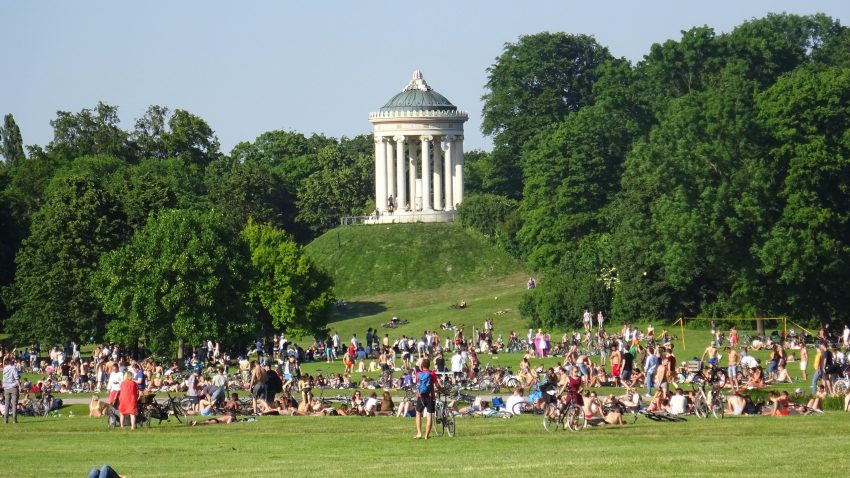
The English Garden is one of Munich’s defining public spaces, shaped by a landscape style that favours naturalistic curves and open meadows over strict formality. It represents a different urban idea: green space as shared civic infrastructure, with room for leisure, movement, and social life across all ages.
Its appeal lies in variety. You can move from broad lawns to shaded paths, from quiet stretches to lively nodes, and the park’s scale makes it easy to find your preferred mood. It is also where modern Munich often feels most relaxed, with locals using it as part of daily routine rather than as a special destination.
If your day has been heavy on interiors and stone façades, the English Garden restores balance. It leaves a strong final impression of Munich as a city that prioritises liveable public space, not only monuments.
Location: Munich, Germany | Hours: 24 Hours. | Price: Free. | Website
13. Bavarian National Museum
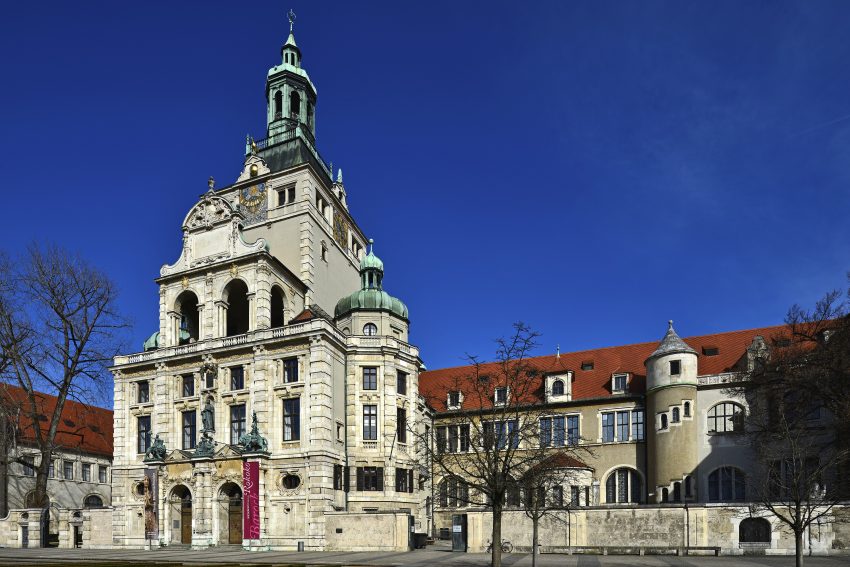
The Bavarian National Museum is an excellent place to understand Bavaria through objects: decorative arts, religious material culture, craftsmanship, and the details of domestic and courtly life. It complements palaces and churches because it shows the material world that filled those spaces—how status, belief, and identity were expressed through things people used and displayed.
A focused approach works best. Choose a theme that matches what you have seen so far—religious art after church interiors, court culture after the Residence, or regional craft to balance the monumental city story. The museum rewards attention to detail, because small objects often carry the clearest evidence of changing taste and technology.
Even a short, targeted visit can be satisfying because the collection is inherently narrative: it turns “Munich looks historic” into “here is how people lived, worked, and represented themselves across centuries.”
Location: Prinzregentenstraße 3, 80538 München, Germany | Hours: Tuesday – Wednesday: 10:00–17:00. Thursday: 10:00–20:00. Friday – Sunday: 10:00–17:00. Closed on Monday. | Price: Adults: €7; Concessions: €6; Under 18: free; Sunday: €1. | Website
14. Hofbräuhaus
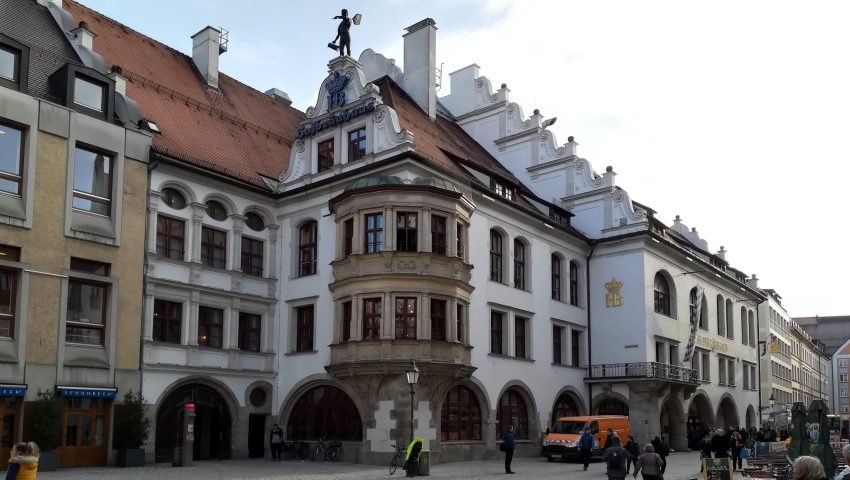
Hofbräuhaus is Munich’s most famous beer hall, rooted in a brewing tradition that began at ducal court level and expanded into a public institution. Its reputation reflects how strongly beer culture is tied to civic identity in Munich—not just as nightlife, but as ritual, regulation, craftsmanship, and social habit.
The interior is the main experience: vaulted spaces, communal tables, and a sense of orchestrated conviviality that can feel like a living museum of Bavarian sociability. Look beyond the crowd to notice how the building is designed for atmosphere—visibility, acoustics, and the rhythm of movement between rooms.
A short visit is often enough to understand why it became iconic. Even without a full meal, stepping inside to absorb the space and context makes Munich’s broader food-and-drink culture feel less like a tourist theme and more like a long-running public tradition.
Location: Platzl 9, 80331 München, Germany | Hours: Daily: 11:00–00:00. | Price: Free entry; food and drinks are paid separately. | Website
15. Isartor

Isartor is one of Munich’s best-preserved medieval city gates, a surviving fragment of the fortifications that once defined the city’s limits. In a period when walls mattered, gates controlled trade, movement, and security, and they also signalled the status of the city to anyone arriving.
The structure reads best when you imagine the lost context around it—the wall lines, the defensive logic, and the idea of entering the city through controlled passages. Look for the gate’s layered character: restorations and later interventions are part of the story, showing how the building shifted from infrastructure to heritage.
It is an unusually direct way to “see” medieval Munich in the present cityscape. Once you have stood here, nearby streets feel less random, because you can start picturing the older boundary and the routes that once fed into it.
Location: 80331 Munich, Germany | Hours: 24 Hours. | Price: Free.
16. Beer and Oktoberfest Museum
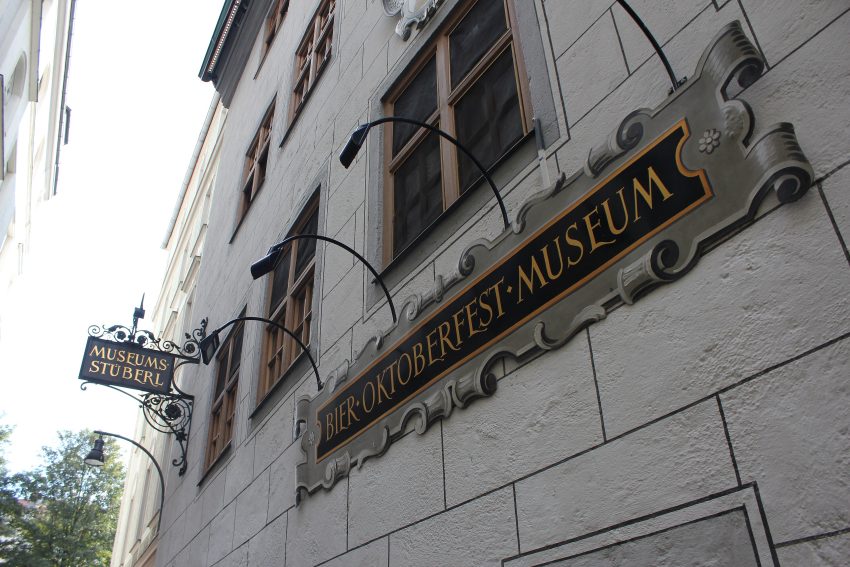
The Beer and Oktoberfest Museum uses a townhouse setting to tell a story that is broader than a festival: brewing as craft, beer as regulated staple, and Oktoberfest as a civic tradition that grew into a major public spectacle. The intimate setting helps the subject feel local and grounded rather than purely commercial or celebratory.
The exhibits are strongest as social history. Steins, signage, brewing artefacts, and festival ephemera show how taste, branding, and ritual evolved, and how beer culture moved between home, tavern, market, and fairground. The building itself adds atmosphere, reinforcing that these traditions developed within ordinary urban spaces.
A focused visit gives you useful context for what you see elsewhere in the historic centre. It turns beer halls and market scenes from “fun stops” into expressions of long-running civic habit and identity.
Location: Sterneckerstraße 2, 80331 München, Germany | Hours: Monday – Saturday: 11:00–19:00. Sunday: Closed. Closed on public holidays. | Price: Adults: €4; Reduced: €2.50; Groups (6+): €3. | Website
17. Münchner Stadtmuseum
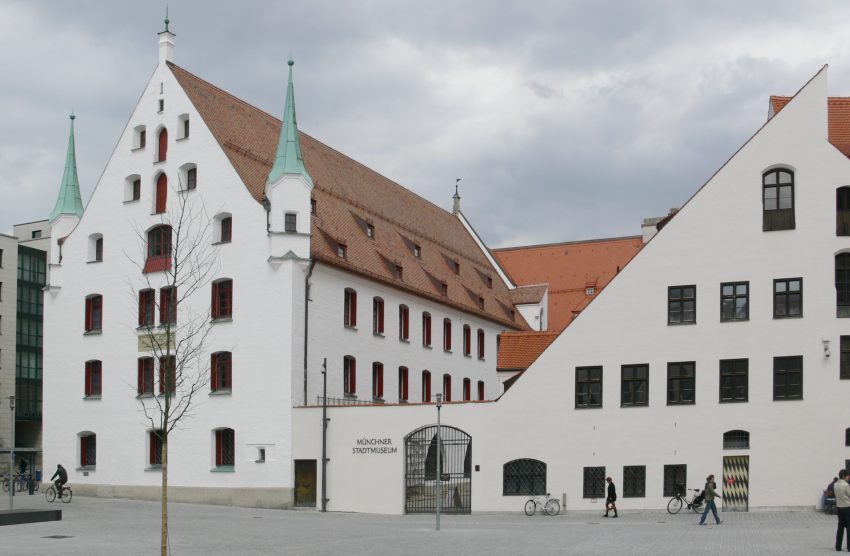
The Münchner Stadtmuseum provides the connective tissue for understanding Munich beyond its headline monuments. City museums excel when they translate streets and buildings into themes—urban growth, civic life, culture, politics—and that is where this stop earns its place.
To keep it satisfying, choose a small number of sections that match your interests. If you are interested in old-town development, focus on material that explains how Munich grew and how daily life worked historically. If your day leans toward royal Munich, look for exhibits that place court culture in a wider civic context rather than treating it in isolation.
Even a short visit can sharpen your eye. After you leave, architectural details and street patterns that seemed decorative often start to read as evidence of specific historical pressures and priorities.
Location: Sankt-Jakobs-Platz 1, 80331 München, Germany | Hours: Monday: Closed. Tuesday – Sunday: 11:00–18:00. | Price: Free. | Website
18. Jewish Museum
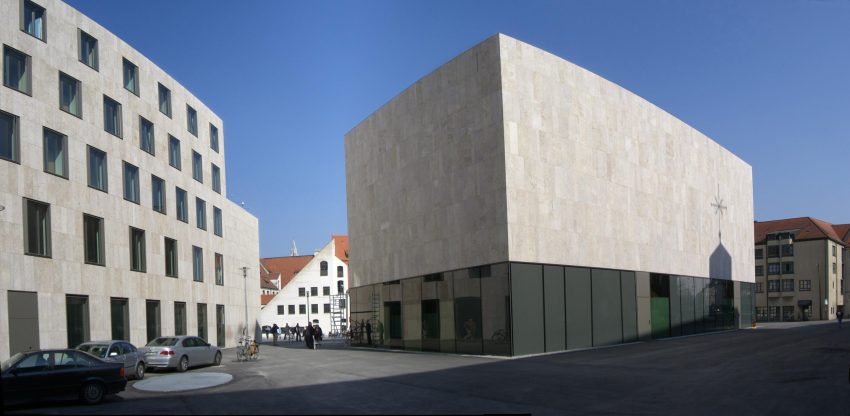
The Jewish Museum Munich is essential for understanding the city as a place shaped by communities, policies, and lived experience, not only by architecture. It traces Jewish life in Munich and Bavaria across centuries, combining cultural contribution, community formation, and the consequences of exclusion and persecution.
The most compelling displays are often those grounded in everyday life—family histories, education, work, religious practice—because they make the story specific and human rather than abstract. Prioritise sections that anchor the narrative in Munich itself: how Jewish life related to the city’s institutions and neighbourhoods, and how that relationship changed over time.
This museum changes how you read the old town afterwards. Streets and squares that feel purely picturesque take on added depth when you understand who was included, who was excluded, and how memory is handled in the modern city.
Location: Sankt-Jakobs-Platz 16, 80331 München, Germany | Hours: Tuesday – Sunday: 10:00–18:00. Closed on Monday. | Price: Adults: €6; Concessions: €3.60; Under 18: free. | Website
19. Asamkirche
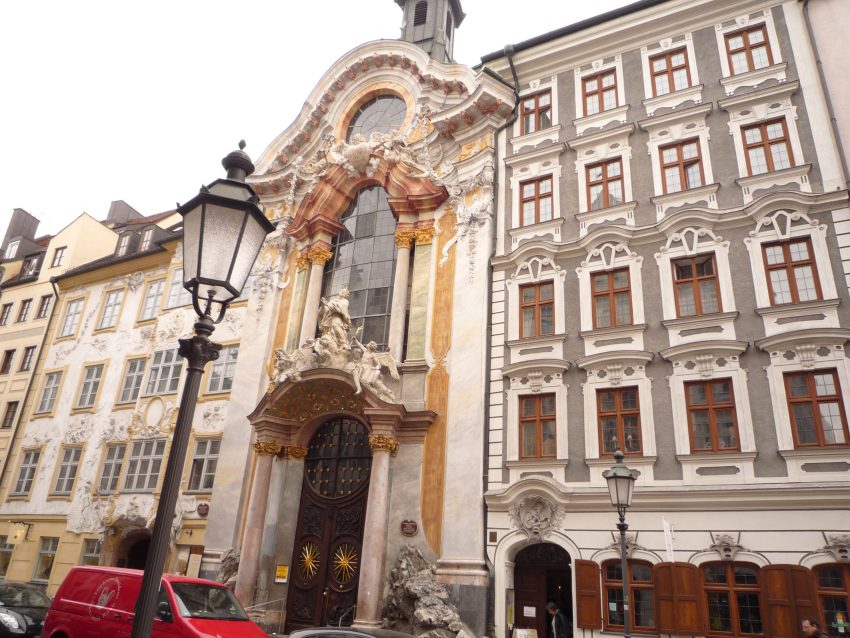
Asamkirche is a small church with an interior that feels almost impossibly extravagant, a concentrated burst of high Baroque imagination. From the street it can look modest; inside, it becomes theatrical—gold, sculptural movement, and intense visual storytelling compressed into a narrow space.
The best experience comes from stillness rather than movement. Let your eyes travel upward and forward, and notice how ceiling, sculpture, and light create a sense of height and depth that the building’s footprint does not obviously allow. The craftsmanship is not background decoration; it is the main subject.
It is also an excellent example of how Munich’s sacred architecture ranges from restrained and monumental to intimate and overwhelming. Seeing both makes the city’s church interiors feel like a spectrum rather than repeats of the same idea.
Location: Sendlinger Str. 32, 80331 München, Germany | Hours: Monday: 08:00–17:30. Tuesday: 08:00–17:30. Wednesday: 08:00–17:30. Thursday: 08:00–17:30. Friday: 08:00–17:30. Saturday: 12:00–17:30. Sunday: 08:00–17:30. | Price: Free; donations appreciated.
20. Karlsplatz

Karlsplatz is a major threshold space where the historic centre meets broader modern circulation. It is busier and more infrastructural than the Altstadt lanes, and that contrast is part of its value: it shows how Munich handles movement, shopping, and transit while still maintaining a coherent public realm.
The square is also useful for observing daily city life. The mix of commuters, shoppers, and visitors creates a sense of the city’s real rhythm, not just its sightseeing circuit. If you pause for a minute, you will see how routes and priorities intersect here.
Architecturally and spatially, it works as a hinge: from here, the city can feel suddenly medieval in one direction and distinctly modern in another. That ability to switch eras within a few minutes is one of Munich’s defining urban characteristics.
Location: Karlsplatz, 80 München, Germany | Hours: 24 Hours. | Price: Free. | Website
21. Neuhauser Street
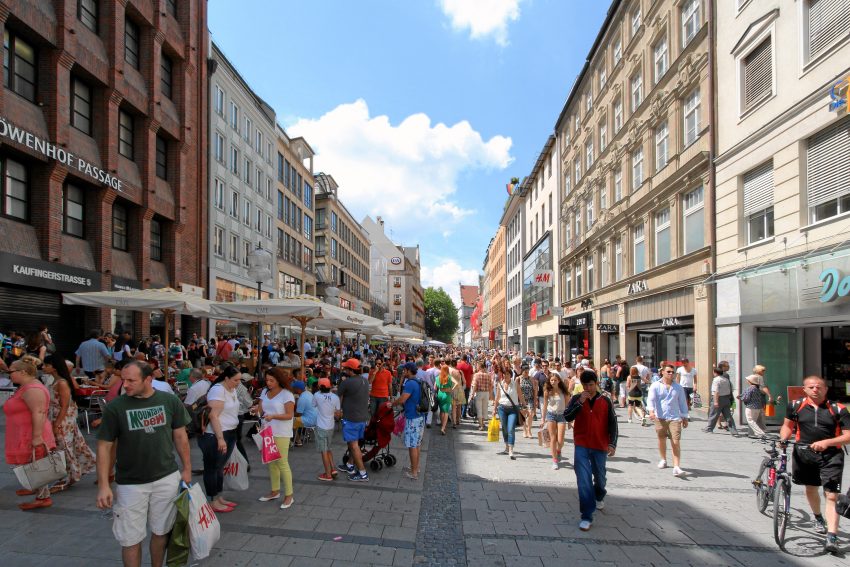
Neuhauser Straße (with Kaufingerstraße) is Munich’s primary pedestrian spine, showing how the historic centre accommodates modern retail and heavy foot traffic without losing legibility. Even if you are not shopping, the street is informative as a live demonstration of how Munich moves through its core.
Look above eye level to appreciate how older façades and church silhouettes still define the street’s character. At ground level, the flow is modern and fast; above, the historic city remains visible. This vertical split—contemporary commerce below, inherited urban fabric above—is part of what makes central Munich feel both polished and historically anchored.
It is also a useful place to notice how quickly Munich’s mood changes. Step into a side street and you often move from busy and commercial to quiet and textured within seconds, which makes the centre feel varied rather than monotonous.
Location: Neuhauser Str. 12, 80331 München, Germany | Hours: 24 Hours. | Price: Free.
22. Frauenkirche
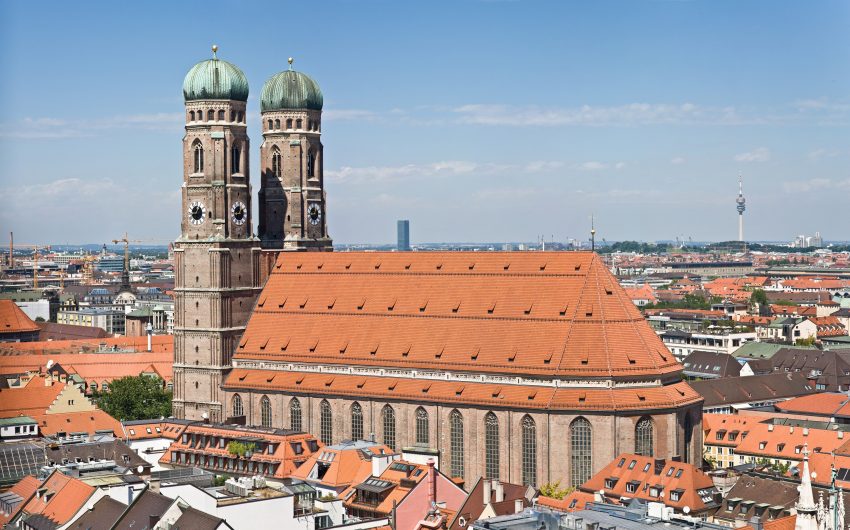
Frauenkirche is Munich’s defining skyline marker, with twin towers that remain one of the easiest ways to orient yourself in the historic centre. As a symbol, it expresses the city’s ecclesiastical and civic identity, and its presence has shaped Munich’s sense of scale and silhouette for centuries.
Inside, the mood contrasts with more ornate Baroque interiors. The space tends to feel broad and restrained, with an emphasis on volume and architectural clarity rather than dense decoration. That restraint is part of the experience: it gives you a different register of sacred space compared with Peterskirche or Asamkirche.
Give it an attentive but efficient visit: a slow pass through the interior is usually enough to absorb the atmosphere and understand the building’s role in the city. Outside, the surrounding streets offer excellent angles for appreciating how completely the towers dominate Munich’s old-town horizon.
Location: Frauenplatz 1, 80331 München, Germany | Hours: Monday – Sunday: 08:00–20:00. | Price: Free; tower access ticketed separately. | Website

Moira & Andy
Hey! We're Moira & Andy. From hiking the Camino to trips around Europe in Bert our campervan — we've been traveling together since retirement in 2020!
This website uses affiliate links which earn a small commission at no additional cost to you.
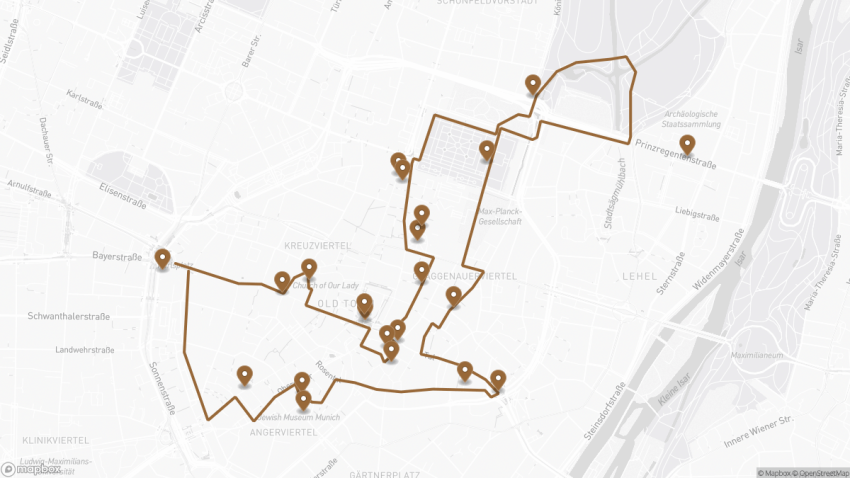
Walking Tour Summary
Distance: 7 km
Sites: 22
Walking Tour Map