Complete Guide to Castille-Leon (2026)

This region represents the core of Spain. Historically, the area around Madrid, known as Castile, formed the central part of Spain's identity. Today, Old Castile is divided into three regions, with Castile and León being the largest by land area, though not the most populous. Madrid, once the capital of Castile, is now a separate autonomous metropolitan region.
Historically, Castile was a rugged and desolate land where inhabitants clustered in fortified cities or castles for protection. Many of these ancient fortresses still stand, including some of Spain's most treasured cities like Ávila, Salamanca, and Segovia, all recognized as UNESCO World Heritage sites. The region also includes cities rich in cultural heritage such as León, Valladolid, and Burgos, along with the exquisite Romanesque cloisters of the Santo Domingo de Silos monastery.
The expansive plains of Castile are primarily used for agriculture, especially cereal farming. The region sits mostly at an elevation of 800 meters or higher, experiencing a dry, cold winter and a dry, hot summer. While the surrounding mountains support pine forests, much of the central region is sparsely wooded, with natural tree growth and irrigated farming confined to areas near watercourses.

Cities of Castille-Leon
Valladolid

Valladolid, located in Castile and León, offers visitors a captivating blend of grand architecture, rich cultural experiences, and a lively urban atmosphere. Its Plaza Mayor, a vibrant square surrounded by elegant buildings, serves as the city’s central hub, where locals and visitors gather to enjoy cafés and outdoor terraces. Strolling through the city center leads to impressive landmarks like the Cathedral of Valladolid and the Church of San Pablo, both displaying exquisite examples of Spanish Renaissance and Gothic design. The atmosphere is perfect for soaking in the city’s charm while discovering historic streets lined with boutique shops and inviting restaurants.
Beyond its architectural beauty, Valladolid boasts a dynamic cultural scene, with museums such as the National Sculpture Museum, home to one of Spain’s finest collections of religious art. The city also embraces its literary heritage, with sites dedicated to Spanish literary icons like Miguel de Cervantes. Green spaces such as the Campo Grande Park offer a tranquil escape, where visitors can wander along scenic pathways, relax by ornamental fountains, and even spot peacocks roaming freely. Valladolid’s balance between historical elegance and modern vibrancy makes it a compelling destination.
Food lovers will find Valladolid’s culinary offerings exceptional, with traditional dishes such as lechazo asado, a succulent roasted lamb dish, being a regional favorite. The city’s tapas scene is particularly lively, with establishments offering small plates paired with local wines, providing an immersive experience in Castilian gastronomy. Whether exploring the historic center, enjoying cultural exhibitions, or indulging in authentic flavors, Valladolid delivers a well-rounded experience that highlights the essence of Castile and León.
View our Valladolid GuideBurgos

Burgos, a city in northern Spain and the historic capital of Castile, offers a captivating blend of medieval grandeur and vibrant urban life. Nestled at the confluence of the Arlanzón river tributaries on the edge of the Iberian central plateau, Burgos enchants visitors with its well-preserved architecture, inviting plazas, and cultural richness. The Cathedral of Burgos, a UNESCO World Heritage site, dominates the skyline, drawing admirers with its intricate Gothic details. Beyond its historical landmarks, the city’s pedestrian-friendly streets provide a relaxed atmosphere perfect for leisurely exploration, whether discovering boutique shops or indulging in traditional Castilian cuisine.
Nature lovers will appreciate Burgos’ lush surroundings, with Fuentes Blancas Park and Paseo de la Isla offering peaceful green escapes close to the city center. These areas provide scenic walking paths, serene gardens, and the soothing presence of the Arlanzón River. The city also serves as an essential stop along the Camino de Santiago, welcoming pilgrims from around the world as they journey across northern Spain. Whether strolling along the riverbank or enjoying an outdoor café, Burgos strikes a balance between historical grandeur and natural beauty.
A highlight of visiting Burgos is its dedication to culinary excellence. Named Spanish Gastronomy Capital in 2013 and City of Gastronomy by UNESCO in 2015, Burgos boasts an impressive selection of restaurants serving regional specialties. Visitors can sample Morcilla de Burgos, a flavorful blood sausage, alongside Lechazo Asado, a succulent roast lamb dish. The city’s vibrant food scene, combined with its welcoming ambiance and historical depth, makes Burgos a must-visit destination in Castile and León.
View our Burgos GuideSalamanca

Salamanca, a jewel of Castile and León, captivates visitors with its golden sandstone architecture and vibrant student atmosphere. The city’s Plaza Mayor, often regarded as one of Spain’s most beautiful squares, serves as the social and cultural hub, where cafés spill onto the cobbled streets and people gather to soak in the energy of the city. A walk through the historic center reveals awe-inspiring landmarks, including the striking Casa de las Conchas, adorned with hundreds of sculpted shells, and the grand Salamanca Cathedral, which blends Gothic and Baroque elegance in perfect harmony.
Beyond its impressive architecture, Salamanca offers a dynamic cultural scene, largely shaped by its prestigious university-the oldest in Spain. The university district brims with bookstores, lively student hangouts, and historic lecture halls, making it a fascinating place to explore. The Huerto de Calixto y Melibea, a serene garden tucked away in the city, provides a quiet escape, where visitors can relax and enjoy views of the surrounding rooftops. Whether wandering through bustling plazas or uncovering hidden courtyards, Salamanca maintains an air of timeless charm and intellectual spirit.
Food lovers will find Salamanca’s culinary offerings irresistible, with traditional Castilian dishes served in atmospheric taverns and modern restaurants alike. Local specialties include hornazo, a savory pie filled with chorizo, ham, and eggs, as well as tender lechazo, a slow-roasted lamb dish that embodies the flavors of the region. Whether savoring tapas in the historic center or enjoying a meal with views of the Tormes River, Salamanca’s gastronomy perfectly complements its architectural grandeur and lively ambiance.
View our Salamanca Guide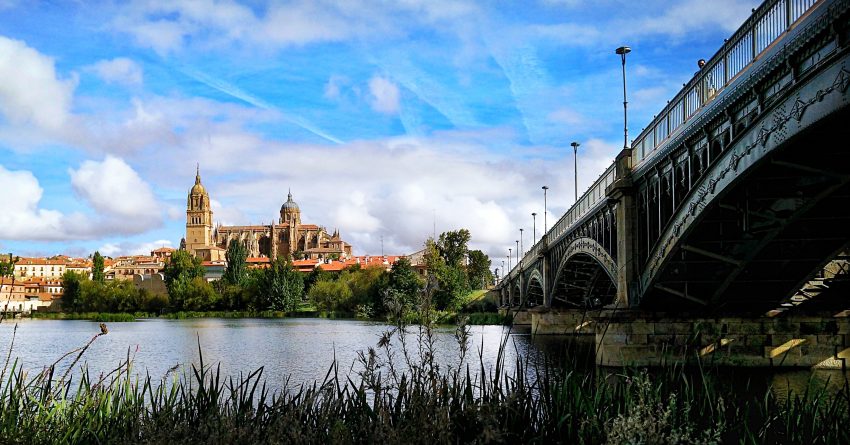
León

León, nestled in the heart of Castile and León, is a city that seamlessly blends medieval grandeur with a lively modern atmosphere. Its historic center is a delight to explore, featuring stunning landmarks such as the León Cathedral, renowned for its breathtaking stained-glass windows that flood the interior with colorful light. Strolling through the city’s charming streets, visitors encounter Plaza Mayor, a lively square lined with bars and restaurants where locals gather for leisurely afternoons. León’s elegant architecture and pedestrian-friendly streets make it a perfect destination for those who appreciate history alongside a vibrant city buzz.
Beyond its architectural wonders, León offers inviting green spaces and scenic walking routes, including the picturesque Bernesga River promenade, an ideal spot for an afternoon stroll or a relaxed picnic. The city also serves as a key stop along the Camino de Santiago, welcoming pilgrims from across the globe. León’s university district adds youthful energy to the city, with cozy cafés and bookstores creating a dynamic atmosphere for students and travelers alike. Whether discovering hidden courtyards or admiring its medieval walls, León offers a sense of timeless charm mixed with modern vibrancy.
Culinary delights await visitors in León, as the city is known for its exceptional gastronomy. Traditional taverns serve Cecina de León, a cured meat specialty, along with hearty botillo and flavorful Tierra de León wines. The vibrant Barrio Húmedo, the city’s legendary tapas district, invites visitors to indulge in delicious small plates while enjoying the bustling nightlife scene. Whether savoring regional flavors, exploring stunning historical sites, or immersing yourself in local traditions, León delivers an unforgettable experience in the heart of Castile and León.
View our León GuideÁvila

Ávila is a city of Spain located in the autonomous community of Castile and León. It is the capital and most populated municipality of the Province of Ávila. Ávila will always be associated with the image of its city walls. Visible from far away, they are among the best-preserved and most complete in Europe. They protect a medieval World Heritage City of cobbled streets, interesting churches, delicious local cuisine, and a wonderfully tranquil atmosphere.
It lies on the right bank of the Adaja river. Located more than 1,130 m above sea level, the city is the highest provincial capital in Spain. Ávila is sometimes called the Town of Stones and Saints, and it claims that it is one of the towns with the highest number of Romanesque and Gothic churches per capita in Spain. Orson Welles once named Ávila as the place in which he would most desire to live, calling it a “strange, tragic place”. Ávila was declared a UNESCO World Heritage Site in 1985. The site originally consisted of the walled city and four extra muros churches. The number of churches included in the site has since been increased.
View our Ávila Guide


Segovia

Segovia, located in Castile and León, is a captivating city that effortlessly blends architectural grandeur with scenic landscapes and traditional Spanish charm. Its historic center, filled with cobbled streets, charming squares, and centuries-old buildings, is a delight to explore. The city’s Roman aqueduct, one of Spain’s most iconic landmarks, stretches across the heart of Segovia, creating a striking contrast between ancient engineering and modern city life. Walking through Segovia feels like stepping into a timeless setting where history, culture, and elegance come together seamlessly.
Beyond the historic streets, the Alcázar of Segovia offers breathtaking panoramic views over the surrounding countryside. This castle, with its fairytale-like towers and dramatic hilltop location, provides visitors with incredible photo opportunities and a glimpse into royal and military history. Meanwhile, Plaza Mayor is a lively spot where both locals and travelers gather, enjoying the bustling energy of Segovia’s cafés, artisan shops, and occasional performances. Whether admiring grand landmarks or embracing the relaxed atmosphere of its plazas, the city offers endless ways to experience its rich character.
Segovia is also a paradise for food lovers, with its renowned traditional cuisine taking center stage in many of the town’s historic restaurants. The most famous dish, cochinillo asado (roast suckling pig), is expertly prepared in traditional wood-fired ovens and served in family-run establishments that have perfected the technique for generations. Paired with a glass of fine Castilian red wine, this dish provides a truly authentic taste of the region. Whether indulging in Segovia’s gastronomy, exploring its scenic corners, or uncovering its architectural wonders, the city delivers an unforgettable travel experience filled with charm and beauty.
View our Segovia Guide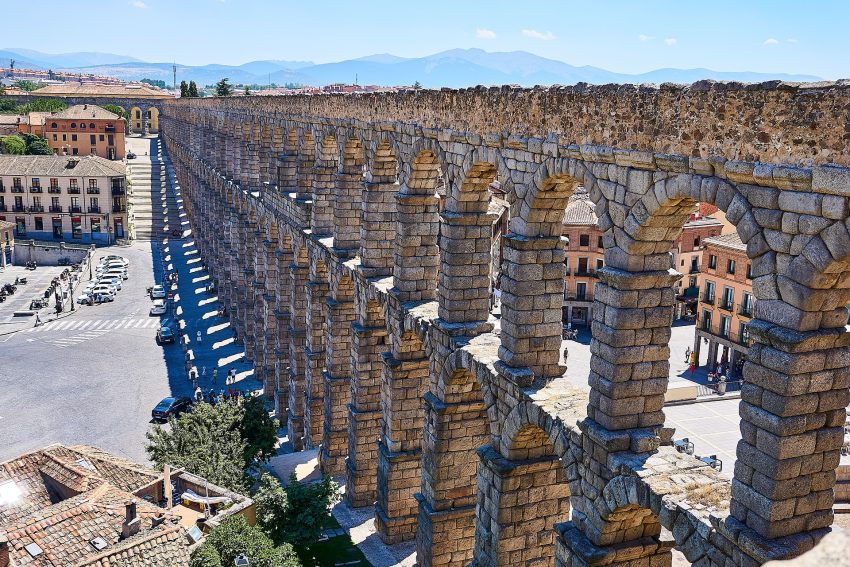
Astorga

Astorga, the capital of the Maragatería region in the province of León, boasts a rich medieval legacy due to its strategic location at the crossroads of the Pilgrim’s Road to Santiago de Compostela and the Ruta de la Plata (Silver Road).
The town’s walled historic center preserves an array of churches, convents, and hospitals that transport visitors back to the purest traditions of the Pilgrim’s Road. Among the town’s architectural highlights is the Bishop’s Palace, a masterpiece by the renowned Modernist architect Antoni Gaudí. Astorga also offers an excellent opportunity to savor the rich cuisine of the region.
Astorga lies at the intersection of two significant Spanish routes that have historically served as pilgrimage paths. The older of the two, the Silver Route, dates back to Roman times. This route (Gijón-Seville) was used to transport metal extracted from northern mines to southern ports. During the Middle Ages, it was traversed by Arab and Christian troops during the conquest and reconquest. Over the centuries, this route evolved into a path for pilgrims heading to Santiago de Compostela.
The Way of Saint James, a route declared a World Heritage site by UNESCO, also passes through Astorga. This Jacobean route is part of a network of paths that crisscross Europe and northern Spain, leading to Santiago de Compostela, a holy city and the resting place of Saint James the Apostle. The historic quarter of Santiago de Compostela in Galicia is likewise a UNESCO World Heritage Site.
View our Astorga GuideHistory of Castille-Leon
Prehistoric Times in Castille-Leon
The history of Castille-Leon dates back to prehistoric times, with evidence of early human habitation in the region through rock art, tools, and burial sites. The Celtic and Iberian cultures left their mark, particularly in the form of castros (hillforts), which were fortified settlements that date from the Iron Age. The region’s rich natural resources, such as its fertile lands and strategic position, played a key role in the development of early societies in this part of the Iberian Peninsula.
The Roman Period in Castille-Leon
During the Roman period, Castille-Leon became part of the Roman province of Hispania Tarraconensis. The Romans established key settlements, built roads, and left a lasting impact on the infrastructure and economy of the region. Cities like Astorga and Burgos grew under Roman influence, and the Via Augusta, the Roman road connecting the Mediterranean with the Atlantic, passed through the region. The Romans introduced viticulture, agricultural practices, and urbanization to Castille-Leon, laying the groundwork for the region's future development.
The Visigothic and Moorish Periods
After the fall of the Roman Empire, the Visigoths ruled the Iberian Peninsula, including Castille-Leon, from the 5th to the early 8th century. During this time, the region became an important center for the Christian church, and many early churches and monasteries were established.
The Moorish invasion in the 8th century brought significant changes, though Castille-Leon remained largely outside of direct Muslim control. Instead, it became a key territory during the Reconquista, with Christian kingdoms in the region striving to reclaim land from the Moors. The Kingdom of León became an important Christian stronghold during this period, particularly as the Camino de Santiago pilgrimage route grew in importance.
The Kingdom of León and the Formation of Castile
By the 10th century, the Kingdom of León was one of the leading Christian states in the Iberian Peninsula, playing a pivotal role in the Reconquista. The Kingdom of Castile emerged as a separate entity in the 11th century, initially a smaller Christian kingdom in the region. Over time, Castile expanded through military conquest and strategic marriages, eventually merging with León in the 13th century. This unified entity, the Kingdom of Castile, would go on to become one of the most influential and powerful kingdoms in Spain during the Middle Ages.
The Medieval Period in Castille-Leon
The Medieval period in Castille-Leon was a time of political consolidation and growth. The Crown of Castile became the dominant force in the Iberian Peninsula, particularly after the Reyes Católicos (Catholic Monarchs) unified Spain through their marriage. Burgos and Valladolid became important administrative and cultural centers, while the influence of Santiago de Compostela as a pilgrimage destination continued to shape the region's religious and cultural identity.
In the late Middle Ages, Castille-Leon saw significant architectural and artistic development, with the construction of cathedrals, castles, and monasteries. These architectural landmarks, many of which are still standing today, highlight the region’s growing wealth and influence.
The Modern Era in Castille-Leon
The 16th century marked a period of decline for Castille-Leon, as the region faced increasing political centralization under the Habsburg monarchy. The rise of the Spanish Empire, with its focus on overseas expansion, meant that the heart of political and economic power shifted to cities like Madrid. Despite this, Castille-Leon remained an important agricultural and cultural region.
In the 18th century, Castille-Leon began to modernize, with improvements in infrastructure and the development of new industries, particularly in textiles and agriculture. However, the region still struggled to keep pace with the industrial revolution, which favored other parts of Spain.
The 19th and 20th Centuries in Castille-Leon
The 19th century was a time of political upheaval for Castille-Leon. The region was heavily impacted by the Peninsular War and the Carlist Wars, which saw clashes between supporters of different factions of the Spanish throne. The turmoil of this period left a mark on the region’s political landscape.
In the 20th century, Castille-Leon experienced significant social and economic changes, particularly during Spain’s transition to democracy after Franco’s death. The region has developed into an autonomous community within Spain, maintaining its cultural traditions while modernizing its infrastructure and economy.
Contemporary Castille-Leon
Today, Castille-Leon is a vibrant region known for its rich history, stunning architecture, and beautiful landscapes. The region is renowned for its historic cities like Burgos, Valladolid, and León, which offer a mix of medieval and modern Spanish culture. The region's agricultural sector, particularly its production of wine, continues to be a significant part of its economy, and Castille-Leon remains an important cultural hub in northern Spain. The Camino de Santiago, a UNESCO World Heritage site, continues to attract pilgrims and tourists, maintaining the region's historical significance as a cultural and spiritual destination.
Best Time to Visit Castille-Leon
Visiting Castille-Leon in Spring
Spring (March to May) is an ideal time to visit Castille-Leon, with daytime temperatures ranging from 10°C to 18°C in March and warming up to 15°C to 22°C by May. Nights are cooler, typically ranging from 5°C to 10°C in March and 8°C to 12°C by May. The mild weather, combined with blooming flowers and lush landscapes, makes this a perfect season for outdoor activities, exploring historical towns, and attending early festivals.
Visiting Castille-Leon in Summer
Summer (June to August) in Castille-Leon brings warm to hot temperatures, with daytime highs ranging from 25°C to 35°C, especially in inland areas like Valladolid and León. In some areas, temperatures can exceed 38°C during heatwaves. Nights are cooler, with temperatures ranging from 15°C to 20°C, but the heat can be intense, particularly in July and August. This is the peak tourist season, particularly for those interested in attending local festivals and exploring the region’s cultural offerings, though it is best for those who enjoy warmer weather and outdoor events.
Visiting Castille-Leon in Autumn
Autumn (September to November) is one of the best times to visit Castille-Leon, with temperatures ranging from 18°C to 24°C in September, gradually cooling down to 10°C to 15°C by November. Nights become cooler, with temperatures ranging from 12°C to 15°C in September and 5°C to 10°C by November. The region’s vineyards are in full harvest mode, making this a great time to experience wine festivals and enjoy the beautiful autumn colors, particularly in the Ribera del Duero wine region.
Visiting Castille-Leon in Winter
Winter (December to February) in Castille-Leon is cold, with daytime temperatures averaging between 5°C and 10°C, and nights often dropping to freezing temperatures, ranging from -2°C to 4°C. Snow is common in higher altitudes, especially in places like Burgos and León. While this is the off-season for tourism, the region’s rich cultural heritage, winter festivals, and cozy atmospheres make it a great time for a quieter visit. Visitors can enjoy exploring historic cities with fewer crowds and winter sports in the nearby mountains.
Annual Weather Overview
- January 8°C 50°F
- February 11°C 56°F
- March 13°C 60°F
- April 18°C 69°F
- May 22°C 75°F
- June 27°C 84°F
- July 30°C 94°F
- August 31°C 91°F
- September 25°C 81°F
- October 21°C 73°F
- November 13°C 60°F
- December 9°C 53°F
How to get to Castille-Leon
Getting to the Castille-Leon Region by Air
The Castille-Leon region is accessible by several airports, though most major international flights arrive through nearby cities, such as Madrid. However, the region itself has a number of airports for domestic flights, particularly in the larger cities.
Valladolid Airport (VLL) is the main airport in the region, located around 10 km from the city center of Valladolid. This airport handles mainly domestic flights, offering convenient access to the Castille-Leon region from Madrid and other Spanish cities. From the airport, you can take a taxi or bus to the city center.
León Airport (LEN), located approximately 6 km from the city center of León, offers domestic flights and is another gateway to the region. It serves a range of national destinations, making it a useful option for travelers flying into Castille-Leon.
Another option is Salamanca Airport (SLM), located about 15 km from the city of Salamanca. While the airport mainly offers domestic flights, it is a good entry point for travelers heading to western Castille-Leon.
Getting Around the Castille-Leon Region by Train
The Castille-Leon region is well connected by Renfe, Spain’s national railway company. Valladolid serves as a central hub for regional and high-speed trains. The Valladolid Railway Station connects the city to other major cities in Spain, including Madrid and Barcelona, with high-speed AVE trains providing fast and efficient travel.
León is another major city with excellent train connections. The León Railway Station is well connected by regional and long-distance trains to cities like Madrid, Valladolid, and Santiago de Compostela. Regional trains are available for travel to smaller towns in Castille-Leon.
In addition to high-speed services, there are also slower, regional trains serving Castille-Leon, making it easy to travel between smaller towns like Ávila, Segovia, and Burgos.
Getting Around the Castille-Leon Region by Bus
Buses are another popular way to get around Castille-Leon, especially for smaller towns and villages that may not have direct train connections. Valladolid, León, and Salamanca all have central bus stations that offer services to destinations throughout the region and beyond.
The Estación de Autobuses de Valladolid is a major transportation hub, with buses connecting to towns like Palencia, Burgos, and Segovia. León’s bus station offers services to other regional cities, such as Ponferrada and Zamora.
For those traveling to more remote areas or the Sierra de Francia mountain range, bus routes operated by local companies such as Alsa provide access to picturesque towns and villages.
Getting Around the Castille-Leon Region by Car
Renting a car is a great way to explore the Castille-Leon region and visit towns and villages that are more difficult to reach by public transport. The region is well-served by highways, including the A-6 (which connects Madrid to A Coruña), and the A-62, which runs through the heart of the region, connecting Valladolid, Burgos, and Salamanca.
Driving between Valladolid, León, and Segovia is easy via these highways, and having a car gives you the flexibility to visit smaller, historic towns like Peñaranda de Bracamonte or Ávila, known for their medieval walls and castles.
Parking is generally available in the city centers of Valladolid, León, and Salamanca, though it can be limited in more rural areas. For exploring the Burgos countryside or the scenic Pina de Esgueva, having a car will allow you to enjoy the vast, open landscapes and hidden gems of the region.
Getting Around the Castille-Leon Region by Public Transport
In addition to trains and buses, Castille-Leon also has a good network of local buses in larger cities. Valladolid and León have municipal bus services that make it easy to get around the city. These services are affordable and efficient for traveling to neighborhoods, shopping districts, and cultural sites within the city.
For those visiting the Camino de Santiago or rural areas in the Bierzo and Arribes del Duero regions, public buses serve these areas, though services may be less frequent, especially during off-peak seasons.
Festivals in Castille-Leon
Fiestas de San Juan y San Pedro
When: June
Where: Burgos
A lively celebration in Burgos honoring the saints San Juan and San Pedro, featuring parades, music, and traditional dances. The event is known for its festive atmosphere, with locals and visitors enjoying street parties and cultural performances throughout the city.
Fiesta de la Vendimia
When: September
Where: Aranda de Duero
A wine harvest festival in Aranda de Duero, celebrating the region’s famous wine production. The festival includes wine tastings, live music, and traditional Spanish food, showcasing the agricultural traditions of Castille-Leon.
Semana Santa
When: April
Where: Valladolid, León, Salamanca
Semana Santa (Holy Week) is one of the most important religious events in Castille-Leon. Valladolid, León, and Salamanca are known for their elaborate processions, with people dressed in traditional robes and carrying religious statues through the streets. The event is a deeply spiritual and culturally significant celebration in the region.
Fiestas de San Fermín
When: July
Where: Soria
Although San Fermín is most famous in Pamplona, Soria also celebrates this festival with bull runs, traditional music, and local festivities. The event honors San Fermín, the patron saint of Navarre, with processions, concerts, and street celebrations.
Festival Internacional de Teatro de Calle
When: July
Where: Palencia
An international street theater festival held in Palencia, featuring performances by theater companies from around the world. The festival transforms the city into an open-air theater, offering a wide range of artistic performances for all ages.
Fiesta del Pulpo
When: August
Where: Ledesma
The Fiesta del Pulpo in Ledesma is a celebration of local seafood, particularly octopus. The event includes food tastings, cooking contests, and cultural performances, offering a unique chance to experience the culinary traditions of Castille-Leon.
Fiesta de la Candelaria
When: February
Where: Medina del Campo
A traditional festival in Medina del Campo, Fiesta de la Candelaria celebrates the Virgin of the Candle with religious ceremonies, music, and a lively atmosphere. The event has deep cultural roots, blending religious rituals with local customs.
Festival de la Música de Castilla y León
When: June
Where: Various towns across Castille-Leon
This music festival celebrates the diverse musical heritage of Castille-Leon with performances in various genres, from classical to folk music. It takes place in towns like Valladolid, Segovia, and Ávila, drawing music lovers from across the region.
Las Edades del Hombre
When: May to November
Where: Various towns in Castille-Leon
This religious and cultural event is a series of exhibitions focused on the region’s art, history, and religious heritage. Hosted in different towns across Castille-Leon, the exhibition showcases incredible collections of religious art, often displayed in historical churches.
Fiesta de la Santa Vera Cruz
When: May
Where: Carrión de los Condes
A religious festival in Carrión de los Condes, celebrating the Holy Cross. The festival includes processions, traditional music, and religious ceremonies, drawing pilgrims and visitors to this historic town along the Camino de Santiago.