Wat Langka, Phnom Penh
Buddhist Temple in Phnom Penh
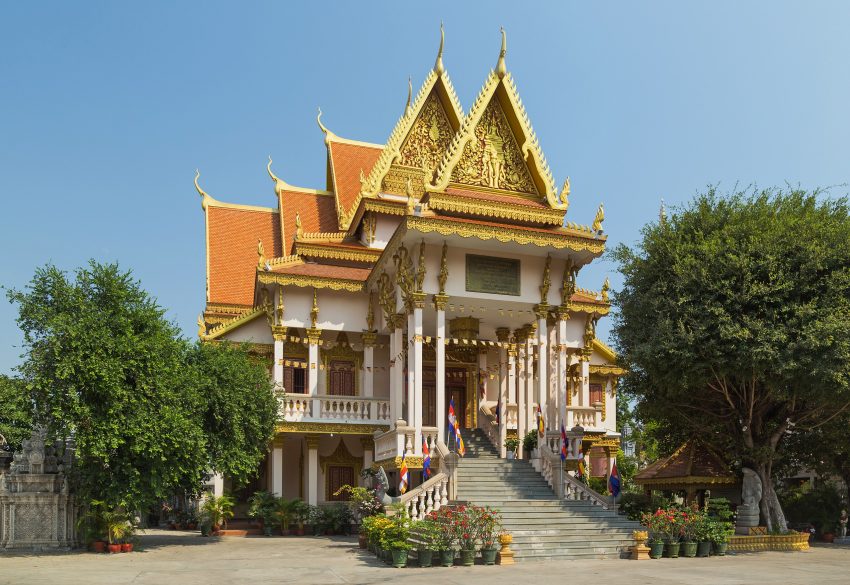
Located near Phnom Penh's iconic Independence Monument, Wat Langka is one of the oldest and most important Buddhist temples in the city. Founded in 1442 by King Ponhea Yat, it was originally established as a library for Buddhist scriptures and a meeting place for Cambodian and Sri Lankan monks. Today, its bright colours, carefully maintained stupas and shady grounds provide a quiet counterpoint to the surrounding boulevards and make it one of the best places to visit in Phnom Penh if you want a more reflective break from museums and markets.
The temple's history is remarkable not only for its age but also for its survival. During the Khmer Rouge era, when countless religious sites were damaged or destroyed, Wat Langka was repurposed as a storehouse and escaped the worst of the devastation. That twist of fate means you can still wander among well-preserved buildings, hear chanting from the main hall and join free meditation sessions guided by English-speaking monks, all within walking distance of central Phnom Penh and a highlight of any walking tour of Phnom Penh focused on spirituality and everyday life.
History and Significance of Wat Langka
Wat Langka was founded in 1442 by King Ponhea Yat, at a time when Phnom Penh was emerging as an important royal and religious centre. From the outset it was conceived not simply as a local pagoda but as a place of learning and exchange, serving as a library for Buddhist scriptures and a meeting point between Cambodian and Sri Lankan monks. This early international character helped tie Cambodia's Theravada tradition into a broader regional network and underscores the pagoda's longstanding scholarly role.
Over the centuries, Wat Langka remained a key spiritual landmark in the city, even as capitals shifted and Phnom Penh grew and changed. Monks studied and copied texts, laypeople came to make offerings and seek merit, and the pagoda's stupas gradually filled with the ashes of generations of the faithful. Its location near what is now the Independence Monument placed it close to important political and ceremonial routes, giving it a presence in civic as well as religious life.
During the Khmer Rouge regime, when Phnom Penh was emptied and religious life was brutally suppressed, Wat Langka managed to avoid destruction by being used as a storehouse rather than a target. While this period still brought neglect and loss, the buildings and many structures survived, allowing the temple to resume its religious functions when the city was reoccupied. Today, restored and active, Wat Langka stands as both a functioning place of worship and a symbol of resilience, bridging premodern scholarship, colonial-era change and post-conflict renewal.
Things to See and Do in Wat Langka
When you step through the gates of Wat Langka, the first impression is of calm. The sounds of traffic from Norodom and Sihanouk Boulevards fade into the background as you enter a courtyard filled with brightly painted stupas, shady trees and low buildings. Take a slow lap around the grounds, noting the different sizes and styles of stupas, many of which contain family ashes and bear inscriptions marking the lives of Phnom Penh residents across decades.
The main prayer hall (vihara) is the heart of the complex. When it is open, remove your shoes and step inside quietly. You will find a large central Buddha image, often surrounded by smaller statues and offerings of flowers, incense and candles. Murals on the walls and ceiling typically depict scenes from the Buddha’s life or Jataka tales, and sitting for a few minutes on the floor, just watching the rhythm of worship, can be as rewarding as any guided tour. If monks are chanting, simply sit respectfully at the back or side and observe.
Around the edges of the compound, look for smaller shrines, monk residences and shaded corners where locals come to pray or reflect. You may also see laypeople and monks going about their daily routines: sweeping leaves, arranging offerings or preparing for ceremonies. If you are interested in meditation, ask at the appropriate time about the free Sunday morning sessions; even if you do not attend, knowing that the temple actively teaches meditation gives a sense of how it functions as a living centre of practice rather than just a historic monument.
How to Get to Wat Langka
Most visitors arrive in Phnom Penh via Phnom Penh International Airport or, less commonly, via Siem Reap International Airport before travelling on to the capital. For the best deals and a seamless booking experience, check out these flights to Phnom Penh on Booking.com. From the airport, it is straightforward to reach the central districts by taxi, tuk-tuk or ride-hailing service and then continue to Wat Langka near the Independence Monument.
Within Cambodia, Phnom Penh is linked to other cities by a mix of trains and, more commonly, long-distance buses and minivans, which many travellers use to arrive from places like Siem Reap, Battambang, Sihanoukville or Kampot.Train schedules and bookings can be found on Omio. Once in the city, tuk-tuks are the easiest way to get to Wat Langka; the temple's location near the Independence Monument is well known, so drivers typically know it by name or can follow simple directions.
If you are travelling by car, either self-drive or with a driver, Wat Langka sits just off the main boulevards in central Phnom Penh, a short distance from the Independence Monument roundabout. Parking is usually along nearby streets; many visitors have their driver drop them near the entrance and arrange a pick-up time after their visit.
Practical Tips on Visiting Wat Langka
- Suggested tips: Treat Wat Langka as both a sightseeing stop and a spiritual space; move slowly, observe local behaviour and follow the lead of worshippers when unsure of etiquette.
- Best time to visit: Early morning or late afternoon offers cooler temperatures and a more peaceful atmosphere; Sunday mornings are busier due to the free meditation sessions.
- Entrance fee: Entry is free, though small donations in the boxes around the temple are appreciated.
- Opening hours: Daily from 6 am to 7 pm
- How long to spend: Plan 30-60 minutes for a gentle walk around the grounds, a quiet sit in the main hall and a few photos of the stupas and architecture.
- Accessibility: The compound is mostly level, with a few steps into the main hall; pathways can be slightly uneven, so watch your footing, especially in wet weather.
- Facilities: On site facilities are basic; for cafés, restaurants or ATMs, head towards the Independence Monument area or nearby streets in the BKK1 district.
- Photography tip: Photography is usually fine in the grounds, but always ask or observe signs before taking photos inside; focus on the contrast between the colourful stupas, saffron robes and the greenery around them.
- Guided tours: Some city tours include Wat Langka as part of a wider Phnom Penh itinerary; alternatively, you can visit independently and speak briefly with monks or staff if you have questions about practice or meditation times.
- Nearby food options: The surrounding neighbourhood has plenty of cafés and small restaurants, making it easy to pair your visit with breakfast, lunch or an iced coffee stop.
Where to Stay close to Wat Langka
Staying near Wat Langka puts you in a central, pleasant part of Phnom Penh, close to the Independence Monument and within easy reach of both the riverside and BKK1 dining district. A comfortable, well located option is Anik Palace Hotel, which offers modern rooms, a pool and convenient access by foot or tuk-tuk to Wat Langka and other central sights. For a boutique stay with a resort feel, Aquarius Hotel and Urban Resort provides a rooftop pool, city views and a short ride to the temple and Royal Palace area. Travellers who prefer apartment-style accommodation might choose Pasteur 51 Hotel and Residences, giving you more space while still being only a short tuk-tuk journey from Wat Langka, the Independence Monument and the riverfront.
Is Wat Langka Worth Visiting
Wat Langka is absolutely worth visiting if you want to experience Phnom Penh's spiritual side rather than just its royal palaces and busy markets. Its long history, role as a meeting place for scholars and monks, survival through the Khmer Rouge years and current life as a functioning pagoda all make it quietly powerful. Add in free meditation sessions, friendly English-speaking monks and a calm setting in the middle of the city, and it becomes one of the best places to visit in Phnom Penh for anyone interested in Buddhism, mindfulness or simply taking a deeper look at everyday Cambodian culture.
What Other Travellers Say...

Wat Langka Preah Kossamaram is a bustling Buddhist pagoda in central Phnom Penh known for its gilded accents and public meditation sessions; it sits within an active monastery where monks live and practice, entry is free, and visitors should dress modestly and keep quiet. Some visitors praise its calm oasis feel and convenient location near attractions, and several have attended the weekly meditation—reports note sessions can be silent and challenging but rewarding even without English instruction—while others found the monastery grounds plain and observed casual behavior among novices. The site is also noted for friendly, relaxed corners where cats are often seen.


FAQs for Visiting Wat Langka
Nearby Attractions to Wat Langka
- Independence Monument: Phnom Penh's lotus-shaped national memorial to independence from France, set in a busy roundabout and park area.
- Norodom Sihanouk Memorial: A nearby statue and pavilion honouring the former king, closely tied to Cambodia’s modern history.
- Royal Palace and Silver Pagoda: The ceremonial and spiritual heart of the Cambodian monarchy, a short tuk-tuk ride away.
- Wat Botum Park and Wat Botum: A large park and important pagoda often used for ceremonies and gatherings, not far from Wat Langka.
- Riverside promenade and Sisowath Quay: A lively riverfront area with cafés, bars and views over the Tonlé Sap and Mekong, ideal for a stroll before or after temple visits.
The Wat Langka appears in our Complete Guide to Visiting Phnom Penh!

Moira & Andy
Hey! We're Moira & Andy. From hiking the Camino to trips around Europe in Bert our campervan — we've been traveling together since retirement in 2020!
This website uses affiliate links which may earn a commission at no additional cost to you!
Planning Your Visit
Daily from 6 am to 7 pm
Entry is free, though small donations in the boxes around the temple are appreciated.
Nearby Attractions
- Independence Monument (0.1) km
Monument - Royal Palace of Cambodia (1.0) km
Palace - National Museum of Cambodia (1.1) km
Museum - Tuol Sleng Genocide Museum (1.3) km
Museum - Wat Ounalom (1.4) km
Buddhist Temple - Central Market (Phsar Thmey) (1.7) km
Market - Sisowath Quay (1.9) km
Walk - Phnom Penh Night Market (2.0) km
Market - Russian Market (Phsar Toul Tum Poung) (2.2) km
Market - Wat Phnom (2.3) km
Buddhist Temple