Villa Guinigi National Museum, Lucca
Museum in Lucca
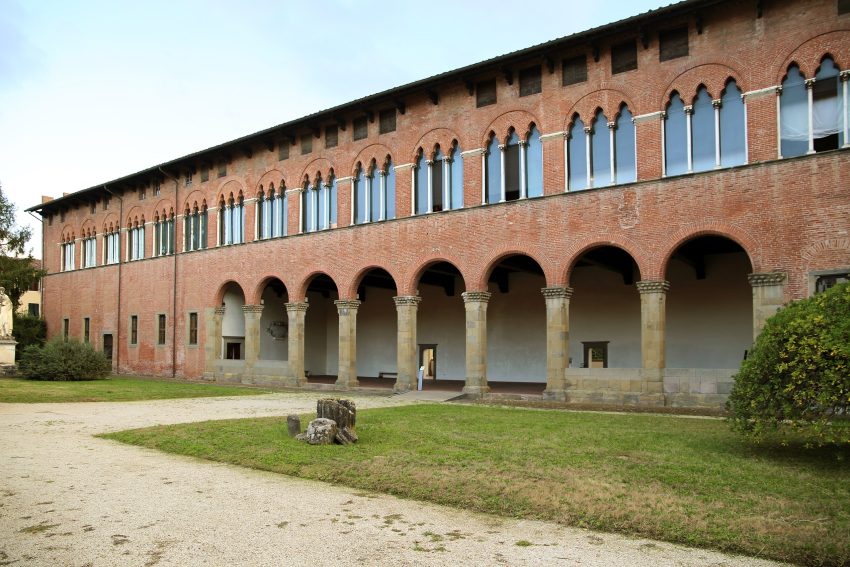
Tucked just beyond Lucca's bustling centre, the Villa Guinigi National Museum is where the city's artistic story unfolds room by room. Set inside a 15th-century residence built by Paolo Guinigi, the former lord of Lucca, the museum combines atmospheric architecture with an outstanding collection of mainly religious artworks. Here you can trace how painters and sculptors-both local and visiting-shaped Lucca's visual identity from the late Middle Ages through the Baroque and into the 18th century, creating works for churches, confraternities, and private patrons.
The setting elevates the experience: vaulted halls, stone details, and historic rooms provide a fitting backdrop for the art on display. Beyond paintings and sculpture, there is a substantial archaeological section showcasing finds from the city and its surroundings, plus exquisite applied arts, including some superb 15th-century wooden inlays. Together, they turn Villa Guinigi into one of the must-see places in Lucca for anyone curious about the city's deeper cultural layers, and a highlight of any walking tour of Lucca that goes beyond the main piazzas and churches.
Table of Contents
- History and Significance of Villa Guinigi National Museum
- Things to See and Do in Villa Guinigi National Museum
- How to Get to Villa Guinigi National Museum
- Practical Tips on Visiting Villa Guinigi National Museum
- Where to Stay close to Villa Guinigi National Museum
- Is Villa Guinigi National Museum Worth Visiting?
- FAQs for Visiting Villa Guinigi National Museum
- Nearby Attractions to Villa Guinigi National Museum
History and Significance of Villa Guinigi National Museum
The story of the museum begins with Paolo Guinigi himself, who ruled Lucca in the early 15th century and commissioned this villa as his residence just outside the medieval core. Built as a noble retreat, the villa reflects the tastes of its time: solid, elegant, and designed to impress guests arriving from the surrounding countryside. After Guinigi's fall from power, the building went through different uses and owners, but its basic structure and character endured, preserving a rare example of a Lucchese aristocratic house from this period.
Transforming the villa into a national museum gave Lucca a space worthy of its artistic heritage. Rather than constructing a modern gallery, the city chose to place its paintings, sculptures, and archaeological finds within a historic envelope that echoes the eras they represent. Walking through the rooms, you feel the transition from medieval spirituality to Renaissance humanism and beyond, not just in the artworks but also in the architecture that frames them.
Today, the Villa Guinigi National Museum acts as a visual archive of Lucca and its territory. It documents how local artists and incoming masters influenced each other, how styles shifted in response to religious reforms and changing tastes, and how commissions moved between religious institutions and secular patrons. The museum is particularly strong on religious imagery, which once filled churches, monasteries, and chapels throughout the region, and now finds a new home in this carefully curated setting.
Things to See and Do in Villa Guinigi National Museum
The route through the museum is designed as a journey through time. Early rooms focus on medieval and early Renaissance works, where gold-ground panels, saints, and expressive faces reveal the transition from Byzantine influences to more naturalistic approaches. Sculptures and paintings by artists such as Gherardo Starnina and Spinello Aretino show how external currents of style reached Lucca and were adapted to local sensibilities.
As you move forward, the collection opens onto the Renaissance and beyond. One of the high points is the sculpture section, featuring works by masters like Donatello and Lucca’s own Matteo Civitali. These pieces capture the shift toward more lifelike anatomy, emotional expression, and refined marble carving, and they feel particularly powerful when encountered in the stone-walled rooms of the villa. Later galleries introduce names such as Amerigo (Amico) Aspertini, Fra Bartolomeo, Vasari, Paolini, and Batoni, charting the evolution through Mannerism, Baroque, and into the 18th century.
The archaeological section provides a different but complementary perspective, showcasing finds that speak to Lucca's long history before and alongside the Christian era. The applied arts collection-especially the 15th-century wooden inlays-is a quieter but no less impressive highlight, revealing the craftsmanship that once adorned furniture, choir stalls, and private interiors. Take time to look closely at these details; they often say as much about daily life and status as the grand altarpieces. All together, this makes the museum one of the things to do in Lucca that offers real depth, especially on a slightly quieter day when you can linger in front of favourite works.
How to Get to Villa Guinigi National Museum
The Villa Guinigi National Museum is located just outside the very centre of Lucca's walled city, an easy walk from landmarks like the city walls and Via Fillungo. Once inside the walls, you can follow local signs or a city map toward Villa Guinigi; the approach usually takes you along quieter streets that gradually peel away from the busiest shopping areas.
If you're arriving by air, Pisa International Airport and Florence Airport are the most convenient gateways for Lucca, with frequent flights and onward connections into the region. For the best deals and a seamless booking experience, check out these flights to Lucca on Booking.com. From either airport, you can reach Lucca first and then continue on foot from the station or your accommodation to the museum.
Lucca's train station sits just outside the southern stretch of the city walls and is served by regular regional trains from Pisa, Florence, and other Tuscan towns.Use Omnio to easily compare schedules, book train tickets, and find the best prices all in one place for a hassle-free journey across Italy. From the station, walk through Porta San Pietro, head into the historic centre, and then make your way toward the eastern side of the old town; reaching Villa Guinigi typically takes 20-25 minutes on foot, depending on your route.
If you're travelling by car, Lucca is linked to the wider region by the A11 motorway and well-maintained local roads.If you are looking to rent a car in Italy I recommend having a look at Discover Cars, first, as they compare prices and review multiple car rental agencies for you. Since the historic centre is largely a limited traffic zone, it’s best to use one of the car parks outside or just inside the walls-especially near the eastern side-and then walk to the museum. This also gives you the chance to enjoy a stretch of the city walls or nearby streets on the way.
Practical Tips on Visiting Villa Guinigi National Museum
- Suggested tips: Start with the oldest rooms and move forward chronologically; this makes it easier to follow the evolution of styles and themes without doubling back.
- Best time to visit: Late morning or mid-afternoon on weekdays usually offer a peaceful atmosphere, ideal for spending time with individual works without crowds.
- Entrance fee: € 4.00 Combined ticket for the National Museums of Villa Guinigi and Palazzo Mansi
- Opening hours: Tuesday to Saturday from 12.00 to 19.30 (last admission at 18.00) first and third Sunday of the month from 9.00 to 19.30 (last admission at 18.00)
- Official website: http://www.luccamuseinazionali.it/it
- How long to spend: Allow 1.5-2 hours if you want to see both the main art collection and the archaeological section without rushing; art lovers may easily spend longer.
- Accessibility: The historic building layout may involve stairs and uneven floors; visitors with reduced mobility should check ahead for available access routes and facilities.
- Facilities: Expect basic visitor services such as ticketing and restrooms; for cafés and shops, you’ll find plenty of options in the surrounding streets and closer to the centre.
- Photography tip: Focus on details-carved hands and faces in the sculptures, sections of wooden inlay, or close-ups of painted drapery-rather than trying to capture whole rooms in one shot.
- Guided tours: When available, guided or themed visits can help unpack the connections between different artists, periods, and local churches where many works originally stood.
- Nearby food options: After your visit, head back toward the city centre or the nearby walls, where trattorie, wine bars, and cafés offer plenty of choices for a relaxed meal or coffee.
Where to Stay close to Villa Guinigi National Museum
Staying near Villa Guinigi places you in a quieter part of Lucca’s historic fabric, with easy access to both the museum and the green ring of the city walls. A comfortable central option within walking distance is Hotel Ilaria, which sits close to the eastern walls and provides a good base for exploring both the museum and the rest of the old town. For more historic charm a little deeper into the centre, Palazzo Alexander offers characterful rooms in a period building, still an easy stroll from Villa Guinigi. If you prefer being closer to the cathedral and main piazzas while keeping the museum within reach, Albergo San Martino is a cosy and convenient choice.
Is Villa Guinigi National Museum Worth Visiting?
Villa Guinigi National Museum is absolutely worth visiting, especially if you're interested in understanding Lucca beyond its walls and towers. The collection pulls together centuries of artistic production-much of it originally created for local churches and patrons-and presents it in a setting that has its own historic weight. Highlights by artists like Donatello, Matteo Civitali, Fra Bartolomeo, Vasari, Paolini, and Batoni make it compelling for art enthusiasts, while the archaeological and applied arts sections add variety and context. For many visitors, it becomes a place where disparate impressions of the city's churches, piazzas, and streets suddenly cohere into a bigger story.
What Other Travellers Say...

Museo Nazionale di Villa Guinigi on Via della Quarquonia houses a chronologically arranged collection tracing Lucca’s past from Etruscan and Roman artifacts through to 18th‑century works, with notable religious art including well‑preserved medieval wooden crucifixes, numerous oil paintings, pottery, sculpture and a small archaeological display of mosaics, utensils and weapons; visitors praise the quiet, well‑displayed galleries, friendly staff, mostly wheelchair‑accessible layout (with some limits and a single toilet near the entrance), good value and the chance to explore at leisure when the museum is uncrowded.


FAQs for Visiting Villa Guinigi National Museum
Nearby Attractions to Villa Guinigi National Museum
- Lucca's Historical Walls - The complete tree-lined Renaissance walls encircling the city, perfect for a stroll or bike ride before or after your museum visit.
- Basilica of San Frediano - One of Lucca's oldest churches, renowned for its golden façade mosaic and atmospheric interior.
- San Michele in Foro - Striking Romanesque church on the site of the Roman forum, with a richly decorated façade and sculpture.
- Piazza dell'Anfiteatro - Oval piazza built on the footprint of a Roman amphitheatre, ringed with cafés and colourful façades.
- Guinigi Tower - Medieval brick tower topped with a rooftop garden of holm oaks, offering panoramic views over Lucca and its surroundings.
The Villa Guinigi National Museum appears in our Complete Guide to Visiting Lucca!

Moira & Andy
Hey! We're Moira & Andy. From hiking the Camino to trips around Europe in Bert our campervan — we've been traveling together since retirement in 2020!
This website uses affiliate links which may earn a commission at no additional cost to you!
Planning Your Visit
Tuesday to Saturday from 12.00 to 19.30 (last admission at 18.00)
first and third Sunday of the month from 9.00 to 19.30 (last admission at 18.00)
€ 4.00 Combined ticket for the National Museums of Villa Guinigi and Palazzo Mansi
Nearby Attractions
- Villa Bottini (0.2) km
Historic Building - Botanical Garden (0.4) km
Gardens - Guinigi Tower (0.5) km
Tower - Piazza dell Anfiteatro (0.5) km
Amphitheatre - Via Fillungo (0.5) km
Street - Lucca City Walls (0.5) km
City Walls - Basilica of San Frediano (0.6) km
Church - Church of St Maria della Rosa (0.6) km
Church - Torre delle Ore (0.7) km
Tower - Cathedral of San Martino (0.7) km
Cathedral