The Crescent, Buxton
Historic Building and Museum in Buxton
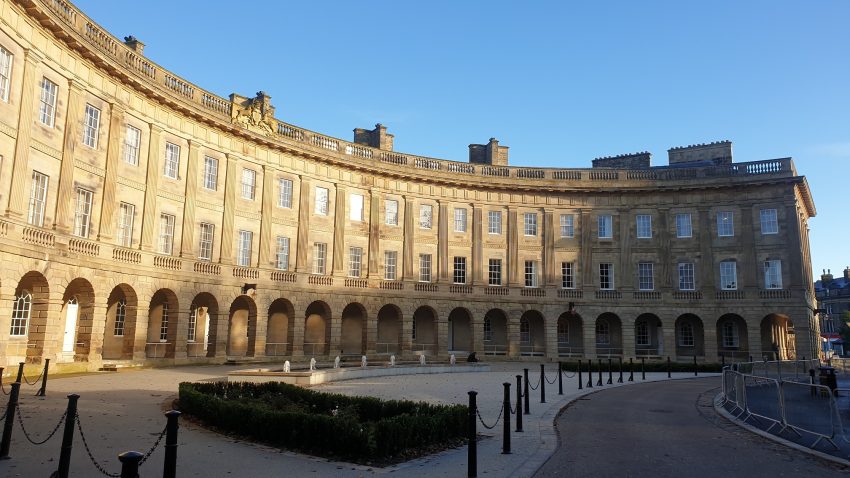
The Crescent is one of the top attractions in Buxton, a sweeping Georgian masterpiece that proudly anchors the town's spa heritage. Built in the late 18th century by the 5th Duke of Devonshire, it was inspired by the grandeur of Bath but soon earned a reputation of its own for its lavish architectural details and elegant curve. Set against the backdrop of Britain's first national park, the Crescent feels both historic and timeless, making it a great place to visit on a walking tour of Buxton.
Buxton's story, however, reaches far deeper than the Georgian era. The Romans established a settlement here called Aquae Arnemetiae, or “the spa of the goddess of the grove,” recognising the healing power of its warm natural springs. Today, the Crescent overlooks St Ann's Well-still flowing after thousands of years-and remains the centrepiece of a town shaped by health, architecture, and landscape.
History and Significance of The Crescent
The Crescent stands as one of the finest Georgian crescents in the United Kingdom, admired for its ornate stonework and sophisticated design. Constructed between 1780 and 1789, it was commissioned by the 5th Duke of Devonshire as part of his ambitious plan to transform Buxton into a fashionable spa town. Using funds from his copper mine, the duke oversaw the creation of a grand ensemble of buildings modelled after Bath's Royal Crescent-but embellished with even greater decorative complexity.
Its location was carefully chosen: directly facing St Ann's Well, a thermal spring that has bubbled up at around 27°C (not the higher Victorian-era claimed temperature) since Roman times. The Crescent became the focal point of spa life, drawing wealthy visitors seeking therapeutic treatments and leisure.
Over the centuries, the surrounding structures developed into a remarkable collection of spa architecture. These included the Natural Mineral Bath, Buxton Thermal Baths, the Old Hall Hotel, and the Pump Room-together forming one of Britain's most culturally significant spa complexes.
Things to See and Do in The Crescent
A walk around the Crescent allows visitors to appreciate its sweeping curve, symmetrical façade, and refined classical style. Today, the building houses a luxury hotel and spa, giving it new life while preserving its original purpose as a place of relaxation and rejuvenation.
Just across the forecourt lies the historic Pump Room, where visitors can learn about Buxton's long spa tradition. A few steps away is St Ann's Well, a public drinking spout offering naturally warm mineral water-a tradition connected to the Roman-era wells that once existed on the site.
Explore the northeast side to find the former Buxton Thermal Baths, now converted into small independent shops beneath beautifully restored Victorian ironwork. Continue to The Colonnade, an elegant row of shops recognised for its projecting canopy and classic charm.
The Crescent also sits adjacent to landmarks such as the Old Hall Hotel-one of England's oldest hotels-and the leafy paths of the Pavilion Gardens. Together, these sites create a rich, walkable heritage landscape at the heart of Buxton.
How to Get There
The Crescent is located in central Buxton, directly opposite St Ann's Well and a short walk from the Pavilion Gardens. Public car parks are available around the town centre for drivers.
Buxton railway station is approximately a 7-10 minute walk away, offering easy access by train. Train schedules and bookings can be found on Omio.
Practical Tips on Visiting The Crescent
- Best time to visit The Crescent: Early morning or late afternoon for quieter streets and soft light on the stone façade.
- Entrance fee in Euros: Free to walk around; fees apply for spa access or hotel facilities.
- Opening hours: Always accessible externally; interior areas follow hotel and spa schedules.
- Official website: Check the Buxton Crescent site for spa bookings and history tours.
- How long to spend: 30 minutes to explore the Crescent and surrounding landmarks; longer if visiting the spa or Pump Room.
- Accessibility: Flat and accessible around the exterior; step-free options inside depending on venue.
- Facilities: Spa, hotel, shops, nearby cafés, and public toilets in town.
- Photography tip: Capture the full curve from the opposite pavement, or frame the Crescent with St Ann's Well in the foreground.
- Guided tours: Occasional heritage tours explain the building’s architecture and spa history.
- Nearby food options: Tearooms, cafés, and restaurants around The Square and Pavilion Gardens.
Where to Stay close to The Crescent
For the most immersive experience, Ensana Buxton Crescent Hotel allows you to stay inside this architectural landmark itself. A boutique alternative nearby is No6 The Square, ideal for travellers who prefer a quieter atmosphere with garden views. Another convenient and comfortable option is Premier Inn Buxton, just a short stroll from the Crescent and town centre attractions.
Is The Crescent Worth Visiting?
Absolutely. The Crescent is one of Buxton's defining landmarks, offering a beautiful blend of classical architecture, spa heritage, and local history. Whether you're exploring on foot, touring the Pump Room, sipping from St Ann's Well, or simply admiring the sweeping façade, it is an essential and rewarding stop in the town.
What Other Travellers Say...

Buxton Visitor Centre & The Buxton Crescent Experience sits in the Victorian Pump Room opposite The Slopes and offers a compact visitor centre and gift shop with stained glass, a marble pool with spa water, free leaflets and town maps, and local souvenirs, confectionery, preserves, gin, beers and toiletries; a small café sells tea, coffee, cakes and ice cream. The adjacent Buxton Crescent Experience occupies restored colonnaded Georgian spaces and features interactive exhibits and volunteer-led guided tours (many reviewers praised named guides), VR and video elements, and small bottles of the local spa water for visitors to sample.


FAQs for Visiting The Crescent
Nearby Attractions to The Crescent
- Devonshire Dome: A striking 18th-century structure with the UK's largest unsupported dome.
- St Ann's Well: A historic spring offering naturally warm mineral water.
- Pump Room: Learn about Buxton’s spa heritage through engaging exhibits.
- Pavilion Gardens: Lakes, glasshouses, and scenic paths just steps away.
- Cavendish Arcade: Independent shops housed in former Victorian thermal baths.
The The Crescent appears in our Complete Guide to Visiting Buxton!

Moira & Andy
Hey! We're Moira & Andy. From hiking the Camino to trips around Europe in Bert our campervan — we've been traveling together since retirement in 2020!
This website uses affiliate links which may earn a commission at no additional cost to you!
Planning Your Visit
The Pump Room (Buxton Visitor Centre)
10:00am-4:00pm every day
Buxton Visitor Centre: Free. Buxton Crescent Visitor Experience Adults: £11.99 General Admission, £15.95 Premium Tour.
Nearby Attractions
- St Ann’s Well (0.0) km
Historic Site - Cavendish Arcade (0.1) km
Baths and Shop - Buxton Pudding Emporium (0.1) km
Museum - Buxton Opera House (0.2) km
Arts Venue - Buxton Museum and Art Gallery (0.2) km
Museum - Devonshire Dome (0.2) km
Historic Building - Pavilion Gardens (0.3) km
Gardens - Poole’s Cavern (1.2) km
Cave - Solomon’s Temple (1.8) km
Historic Building - Magpie Mine, Sheldon (12.6) km
Historic Site