Buxton, England: The Ultimate Travel Guide 2026
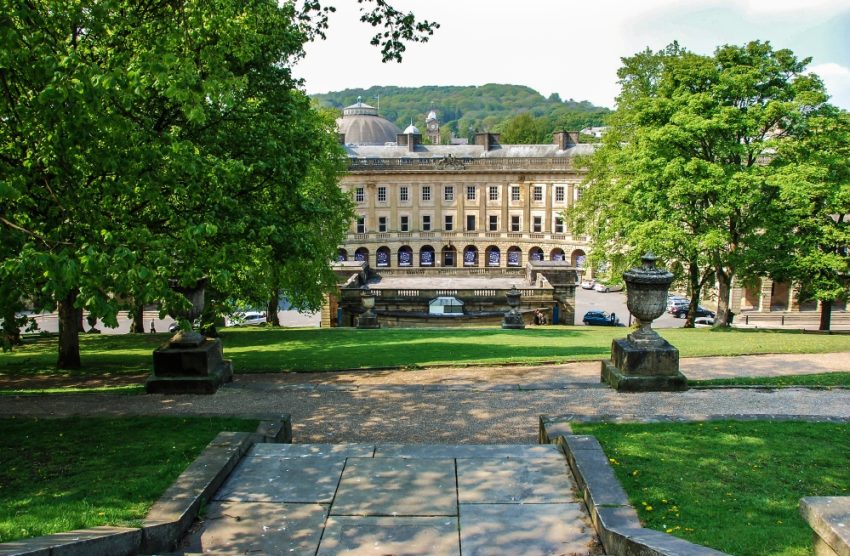
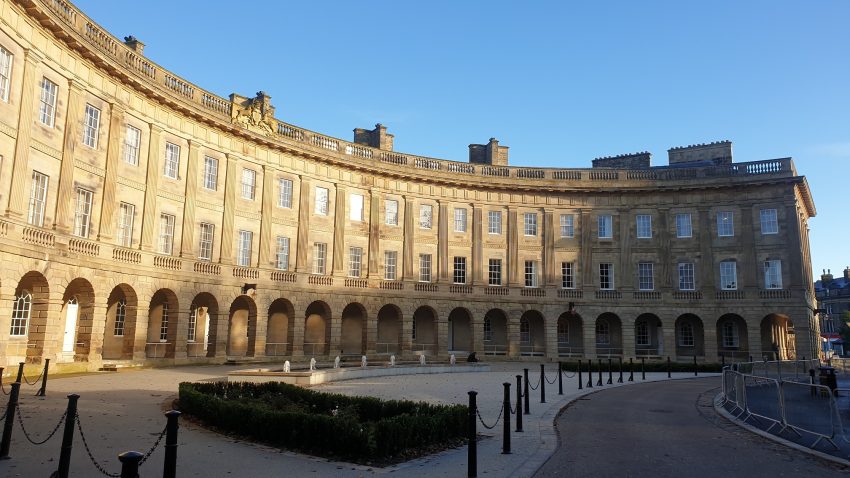
Buxton The Crescent seen through Gardens
CC BY-SA 2.0 / Mr Eugene Birchall

Buxton takes great pride in its enchanting 10-hectare park, which was established on the banks of the Wye River in 1871 and skillfully designed by the prolific landscape architect Edward Milner.

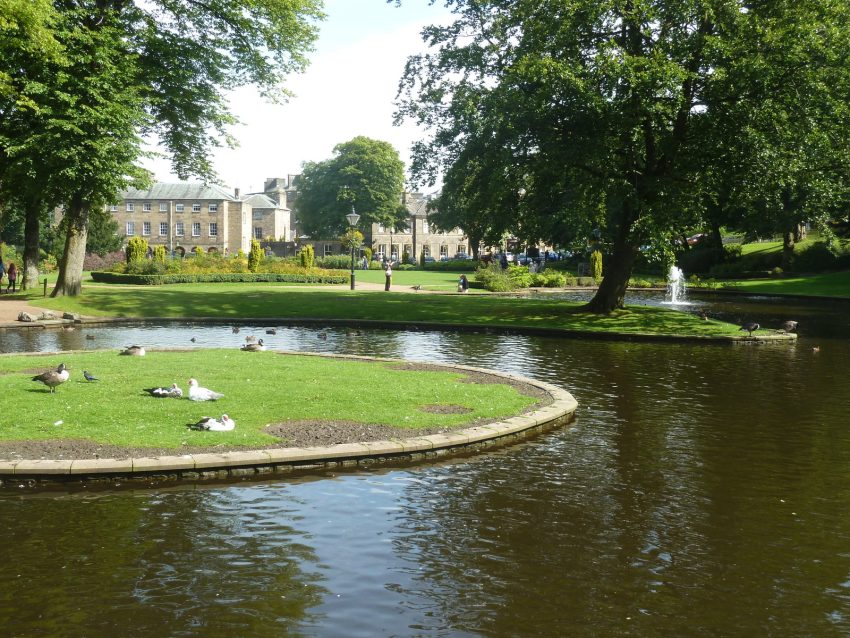
The park exudes the grandeur of the Victorian era, with its picturesque ornamental lakes, vibrant flowerbeds, majestic mature trees, winding pathways, and an elegant wrought iron bandstand.

For children, there are delightful attractions such as a miniature train to ride on and exciting play areas to explore. Meanwhile, adults can admire the impressive Octagonal Hall, constructed in 1875 with its captivating metal and glass architecture, as well as the regal Opera House designed by Frank Matcham.

Pavilion Gardens consistently earns the prestigious Green Flag award, which signifies its status as a top-tier park in the UK. Within the gardens, visitors can also find a charming coffee bar and an arts and crafts gallery, which we will delve into further later.

Before planning your trip to Buxton, it's worth checking the calendar, as you may have the opportunity to experience one of the arts and crafts, jewellery, or antiques fairs hosted in Pavilion Gardens during the summer season.

History of Buxton

Buxton: Roman Origins

Buxton’s history dates back to Roman times when it was known as Aquae Arnemetiae, famous for its thermal springs. The Romans built baths and a settlement here to take advantage of the healing waters.

Buxton: Georgian and Victorian Era

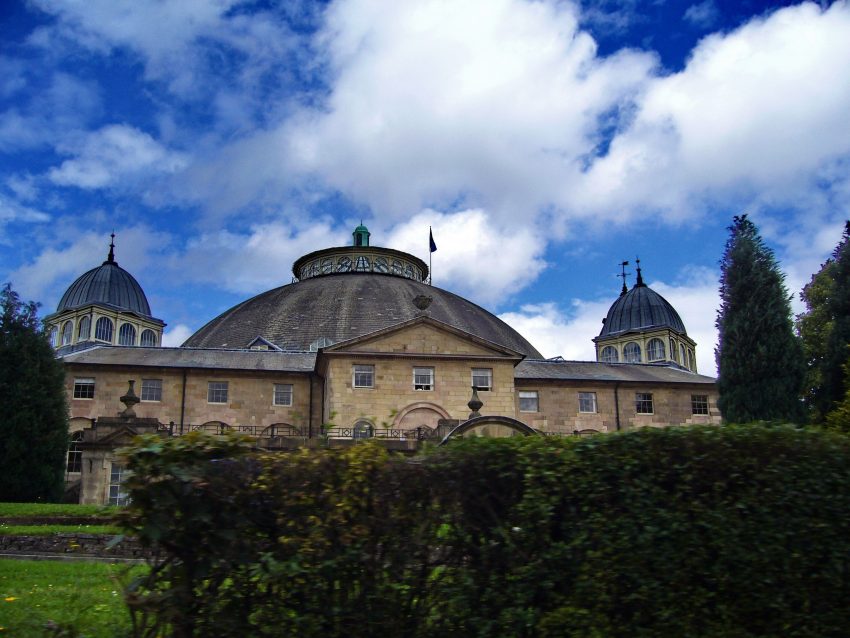
Buxton flourished as a spa town in the 18th and 19th centuries, with the construction of grand buildings like the Crescent and the Devonshire Dome. The town became a popular destination for those seeking the health benefits of its natural springs.

Buxton: Modern Day

Today, Buxton retains much of its historic charm while offering modern amenities and attractions. The town is known for its beautiful parks, cultural festivals, and historic architecture.

Moira & Andy
Moira & Andy

Hey! We're Moira & Andy. From hiking the Camino to trips around Europe in Bert our campervan — we've been traveling together since retirement in 2020!

Read our full story here

Visiting Buxton for the first time and wondering what are the top places to see in the city? In this complete guide, I share the best things to do in Buxton on the first visit. To help you plan your trip, I have also included an interactive map and practical tips for visiting!

This website uses affiliate links which earn a small commission at no additional cost to you.
Powered by GetYourGuide

10 Best places to See in Buxton

This complete guide to Buxton not only tells you about the very best sights and tourist attractions for first-time visitors to the city but also provide insights into a few of our personal favorite things to do.

This is a practical guide to visiting the best places to see in Buxton and is filled with tips and info that should answer all your questions!

1. St Ann’s Well

St Anns Well Buxton Derbyshire England
CC BY-SA 4.0 / Rosser1954
St Ann’s Well is a public drinking spout fed by a naturally warm spring, where you can taste or bottle mineral water that rises from deep underground. The water emerges at about 27–28°C—surprisingly warm to the touch—and many visitors notice its smooth, lightly mineral character as locals quietly fill containers by the gallon. Long before today’s daily ritual, the spring was linked to Roman Aquae Arnemetiae and later to a medieval chapel dedicated to St Anne, dissolved under Henry VIII. Set just opposite the Crescent, it’s an unassuming spot whose appeal is the simple continuity of people coming to drink from the same flowing source.
Location: St Ann's Well - Public Water Fountain, The Crescent, Buxton, UK | Distance: 0.1km

Here is a complete selection of hotel options in Buxton. Feel free to review each one and choose the stay that best suits your needs.

2. The Crescent

The Crescent Hotel in Buxton
CC BY-SA 4.0 / Douglal
The Crescent is a sweeping Georgian arc of honey-coloured stone built between 1780 and 1789 for the 5th Duke of Devonshire, conceived to give the spa town a statement as grand as Bath’s crescents. Its perfectly paced curve and ornate detailing read best from across the forecourt, where the whole façade snaps into symmetry. Directly opposite sits St Ann’s Well, still running with naturally warm mineral water (around 27°C) that has drawn visitors since Roman times. Today the building’s original purpose continues inside as a hotel and spa, while nearby spaces like the Victorian Pump Room add tactile touches—stained glass, a marble pool with water bubbling up, and the chance to fill a bottle from the spring.
Location: Buxton Visitor Centre & The Buxton Crescent Experience The Pump Room The Crescent Buxton SK17 6BH United Kingdom | Hours: The Pump Room (Buxton Visitor Centre) 10:00am-4:00pm every day | Price: Buxton Visitor Centre: Free. Buxton Crescent Visitor Experience Adults: £11.99 General Admission, £15.95 Premium Tour. | Website | Distance: 0.1km

Traveling to a country with a different currency? Avoid ATM transaction fees and pay in local currency with a Wise Card. Having used it for over 5 years, we've saved loads on fees!

3. Buxton Pudding Emporium

Buxton Pudding Emporium is an independent dessert shop and tasting room in central Buxton, set beneath the arches of The Square in a Grade II listed Victorian building. It keeps alive the Original Buxton Pudding—an old local recipe dating back about 200 years, once served at a formal civic dinner in 1868—by baking it as a sticky pastry filled with custard and fruit jam. Visitors typically order a warm slice with custard poured from a small jug, then browse shelves of unusual pantry goods like black garlic ketchup, pickled samphire, and local honey. Reviews often mention welcoming staff and fresh bakes such as scones alongside the pudding.
Location: Buxton Pudding Emporium, The Square, Buxton, UK | Hours: 10:00am - 5:30pm | Website | Distance: 0.1km

4. Cavendish Arcade
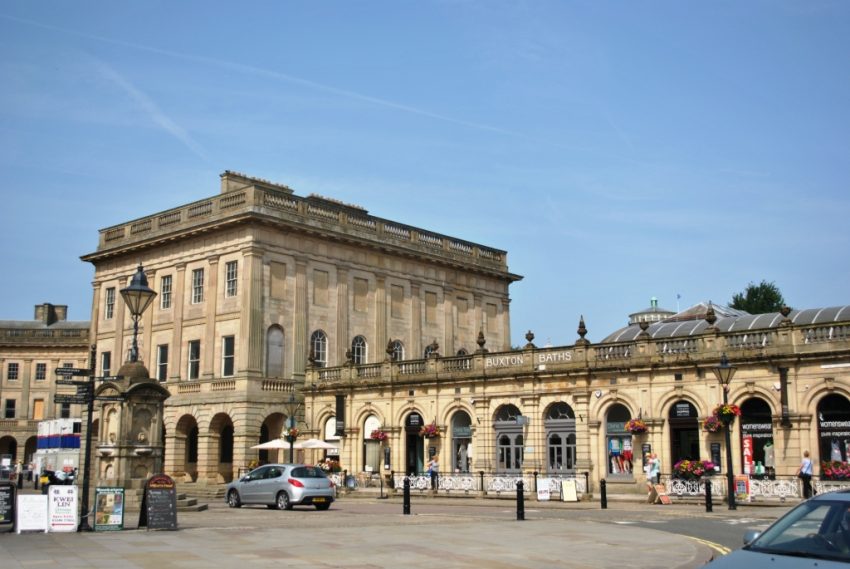
Cavendish Arcade Buxton
CC BY-SA 3.0 / Elisa.rolle
Cavendish Arcade in Buxton is a covered shopping arcade set within the Crescent complex, repurposed from the town’s former thermal bathhouse. Inside, Victorian spa grandeur meets small, independent retailers, with colourful Minton tiles underfoot and a vast stained-glass vaulted roof that’s said to be Britain’s largest of its kind. Look closely and you’ll still spot traces of the bathing era, including the old plunge pool and a historic bathing chair that once lowered visitors into mineral waters. The atmosphere is calm but busy, with cafés, chocolate treats, jewellery and gift shops, and the occasional craft activity adding a contemporary hum to the ornate interior.
Location: Cavendish Arcade, The Crescent, Buxton, UK | Hours: 9:30am - 5:30pm | Distance: 0.1km

5. Buxton Opera House
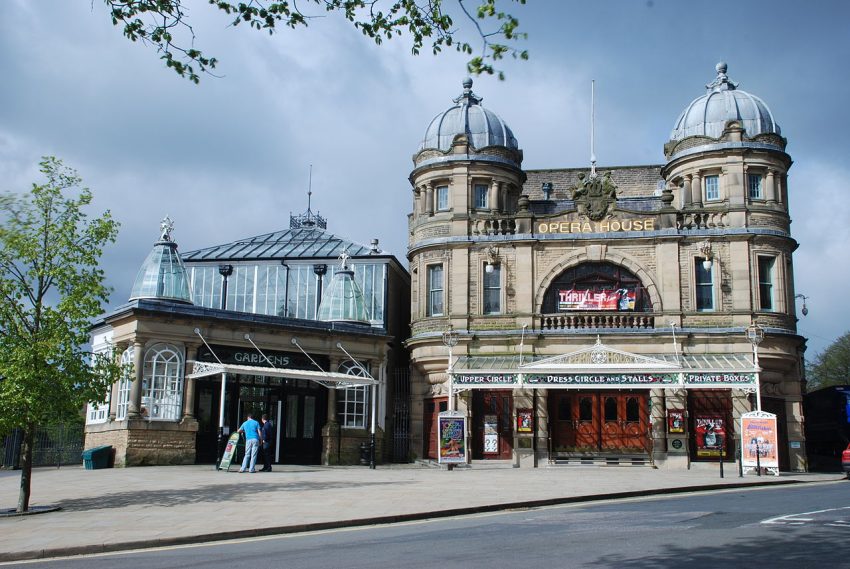
Buxton Opera House
Buxton Opera House
© Rob Bendall
Buxton Opera House is a working Edwardian theatre in Buxton, England, built in 1903 by architect Frank Matcham and restored in 2001, preserving the sense of early 20th‑century craftsmanship. From the street, visitors notice the stained-glass frontage, domed roofline, and Doric columns before stepping into an ornate, horseshoe-shaped auditorium with plush seating and an intimate feel. The programme is busy—around 450 performances a year—spanning comedy, drama, dance and the annual pantomime, and the building still feels designed for live sound and spectacle. On selected dates, backstage tours reveal the mechanics behind the curtain, including the orchestra pit and dressing-room areas. Reviews often praise the beautiful setting and friendly volunteer staff.
Location: Buxton Opera House, Water Street, Buxton, UK | Distance: 0.1km

6. Devonshire Dome
Devonshire Dome
Devonshire Dome
CC BY-SA 3.0 / Tanya Dedyukhina
The Devonshire Dome in Buxton, England is a vast domed hall now integrated into the University of Derby’s Devonshire Campus, where Georgian ambition meets modern reuse. Built in the 1780s for William Cavendish’s Buxton development, it originally served the Crescent by housing horses, carriages, and servants before later becoming part of a Victorian-era hospital. Step inside and the main memory is scale: a 44.2-metre-wide span with no internal supporting columns, creating a single open volume of striking symmetry. The restored interior also contains a spa, café, and event spaces, so the building can feel quietly academic or unexpectedly busy. Visitors often note the convenient parking and calm atmosphere.
Location: Devonshire Dome, Buxton, UK | Distance: 0.2km

7. Pavilion Gardens
Pavilion Gardens Buxton
CC BY-SA 2.0 / Ruth Sharville
Pavilion Gardens is a 10-hectare Victorian public park laid out in 1871 beside the River Wye, designed by landscape architect Edward Milner. Winding paths thread through mature trees, bright seasonal flowerbeds, and ornamental lakes where ducks, geese, and other waterbirds gather. The wrought-iron bandstand and the glass-and-metal Octagonal Hall add a distinctly 19th-century flourish, while the adjacent Frank Matcham–designed Opera House anchors the gardens’ cultural side. Families tend to gravitate to the miniature train and play areas, and summer often brings arts, crafts, jewellery, and antiques fairs that fill the lawns with local bustle.
Location: The Pavilion Gardens, Saint John's Road, Buxton, UK | Distance: 0.2km

8. Buxton Museum and Art Gallery

Buxton Museum and Art Gallery
CC BY-SA 4.0 / Douglal
Buxton Museum and Art Gallery in Buxton, England, is a compact museum set inside the former Peak Hydropathic Hotel, a grand Victorian building dating to 1880. Its galleries trace the Peak District’s story from deep geology to human settlement, with the “Wonders of the Peak” exhibition moving from cosmic origins into prehistoric landscapes. Visitors linger over fossils from cave excavations linked to Sir William Boyd Dawkins, including remains of Pliocene mammals such as a cave lion and scimitar-toothed cat. A reconstructed Boyd Dawkins Study adds a Victorian-science atmosphere with period tools and books. The experience is rounded out by an unexpectedly strong art collection, featuring works by artists like Marc Chagall, Frank Brangwyn, and Edgar Chahine.
Location: Buxton Museum & Art Gallery, Terrace Road, Buxton, UK | Website | Distance: 0.3km

9. Poole’s Cavern
Pooles Cavern Buxton
Public Domain / Dave Pape
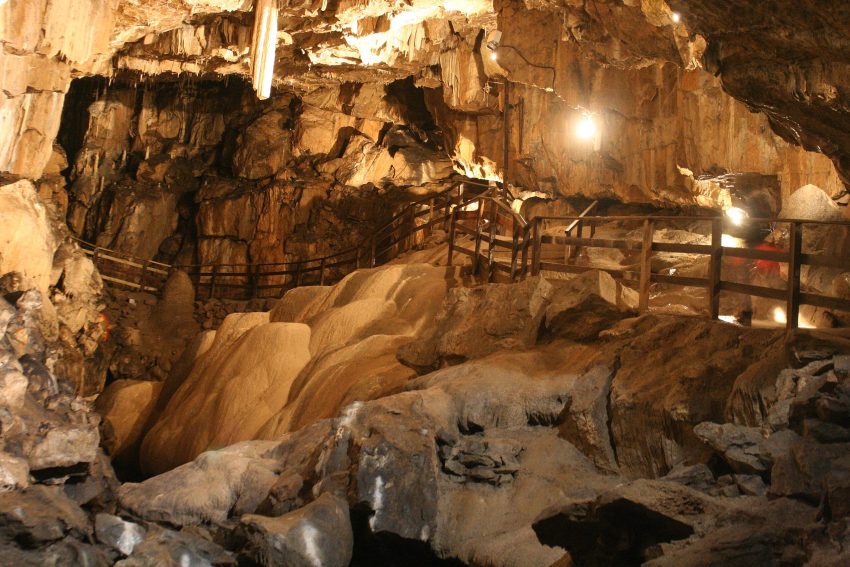
Poole’s Cavern is a limestone cave system beneath Buxton Country Park, shaped over roughly two million years and protected as a Site of Special Scientific Interest. Inside, visitors follow a well-lit, grippy path through vast chambers hung with stalactites and the cave’s quirky “poached egg” stalagmites, with mineral staining that can glow red, orange, and blue. The place carries layers of human story too: a 15th-century outlaw legend gave it its name, and excavations have uncovered Neolithic and Bronze Age tools and pottery. Many people remember how accessible the route feels, and the friendly on-site welcome often gets a mention.
Location: Poole's Cavern, Green Lane, Buxton, UK | Hours: 9:00am - 5:00pm | Price: From £17 | Website | Distance: 1.3km

10. Solomon’s Temple
Solomons Temple
Solomons Temple
CC BY-SA 2.0 / Jonathan Kington
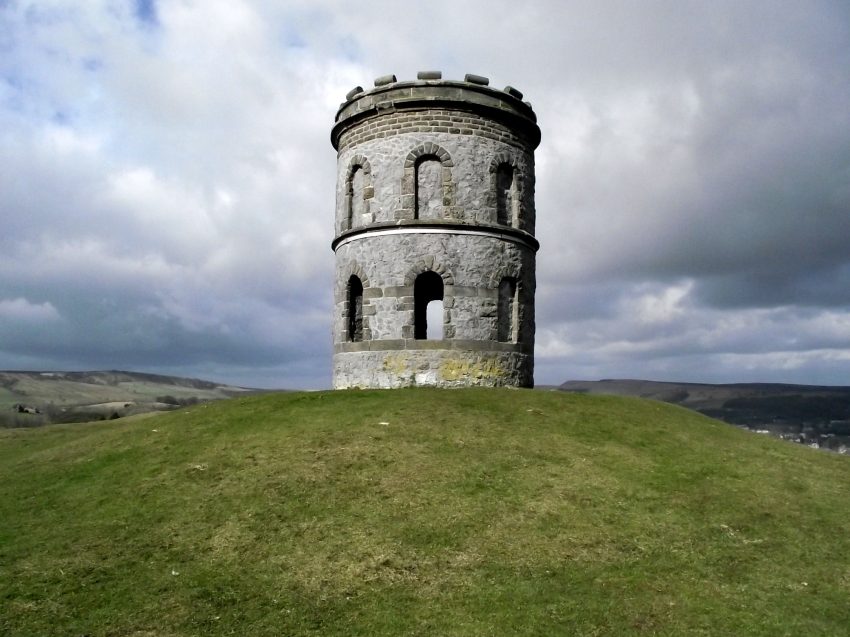
Solomon’s Temple is a small two-storey Victorian folly on Grin Low Hill above Buxton, built in 1896 to replace an earlier tower put up by local farmer Solomon Mycock. Only about 20 feet tall yet set roughly 1,440 feet above sea level, it’s remembered for the wide, 360-degree Peak District panorama from its upper level, reached by a short internal stair. The tower stands on the site of a Bronze Age barrow excavated in 1894, where stone rings, burials, cremations, and artefacts were uncovered. It also carries a strong local story: residents helped fund a major restoration in 1988 to keep the landmark standing.
Location: Solomon’s Temple, Buxton, UK | Distance: 1.9km

Best Day Trips from Buxton

A day trip from Buxton offers the perfect opportunity to escape the urban rhythm and discover the surrounding region's charm. Whether you're drawn to scenic countryside, historic villages, or cultural landmarks, the area around Buxton provides a variety of easy-to-reach destinations ideal for a one-day itinerary.

1. Bakewell
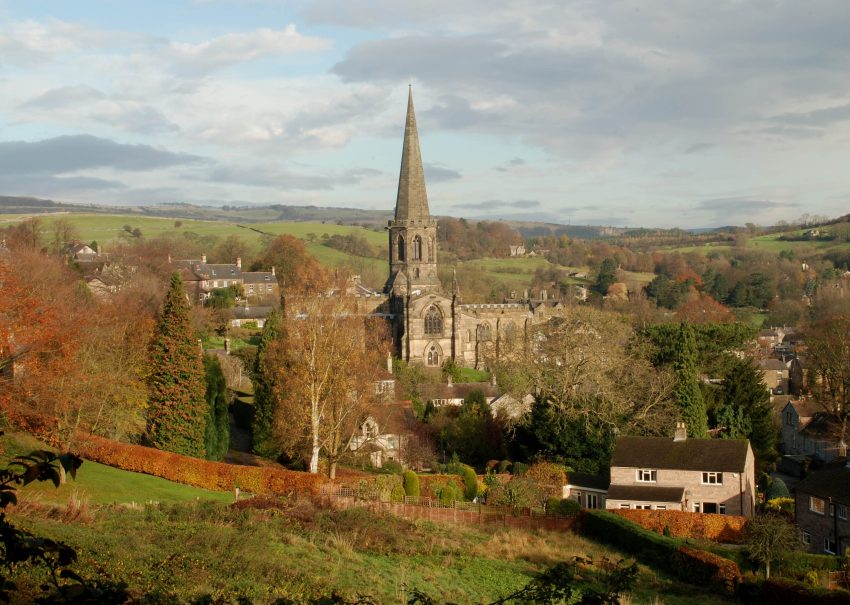
All Saints Church Bakewell
Attribution / Rob Bendall
Nestled alongside the serene river Wye, Bakewell, the largest town in the Peak District National Park, beckons with its warm-hued stone structures, medieval five-arched stone bridge, and delightful courtyards, attracting painters, photographers, and visitors seeking picturesque sights. According to local lore, the renowned Bakewell Pudding was born out of a culinary mishap by a resident cook in the mid-19th century.…
Visiting Bakewell
Powered by GetYourGuide

2. Thor’s Cave

Thors cave view
Thors cave view
CC BY-SA 4.0 / Iankelsall1
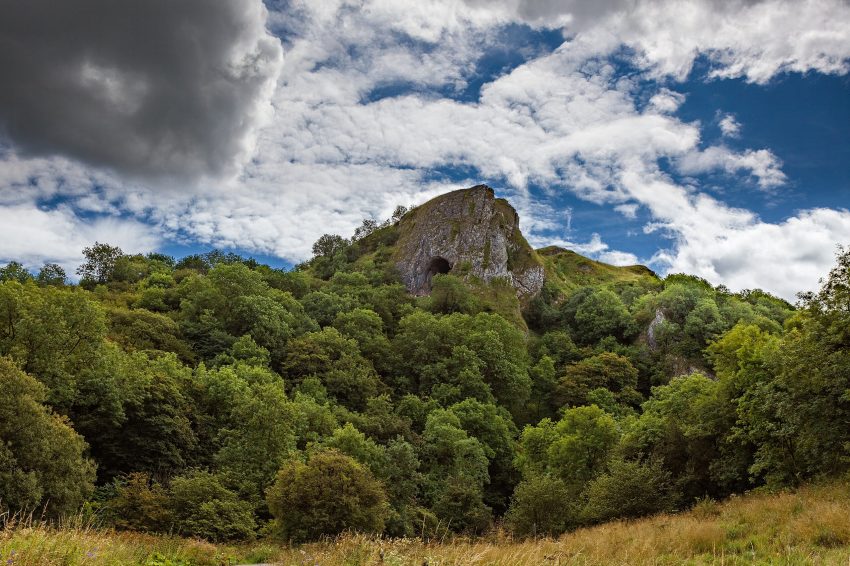
Thor’s Cave is one of the top sights in Wetton, a spectacular natural cavern set high in a steep limestone crag overlooking the Manifold Valley. Its huge arched entrance, visible from the footpath below, has made it one of the most iconic geological features in the southern Peak District. But its appeal goes far beyond the dramatic setting. Thor’s Cave…
Location: Thor's Cave, Ashbourne, UK | Distance: 19km
Visiting Thor’s Cave

3. Chatsworth House
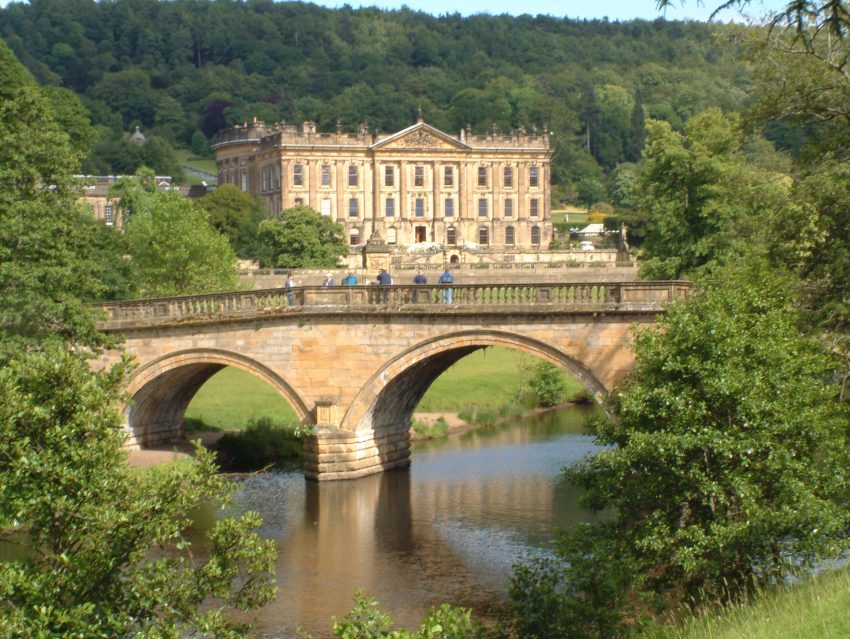
Chatsworth House
Chatsworth House
Attribution / Rob Bendall
Chatsworth House is one of the top attractions in Bakewell, a place where 500 years of history blend seamlessly with art, landscape, and the legacy of the Devonshire family. Set against the beautiful River Derwent in the heart of the Peak District, this magnificent estate invites you into a world of grandeur, creativity, and tradition that spans from the 1550s…
Location: Chatsworth House, Bakewell, UK | Hours: 10AM – 4.30PM | Price: Adult House & Garden: £28.50 | Website | Distance: 20.5km
Visiting Chatsworth House

4. Throwley Old Hall, Calton
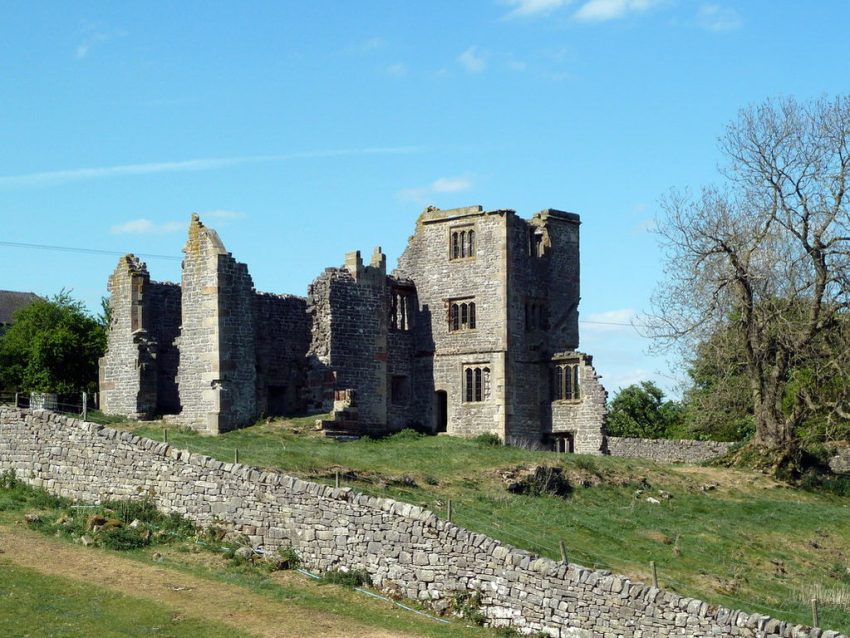
Throwley Old Hall
Throwley Old Hall
CC BY-SA 2.0 / Graham Hogg
Throwley Old Hall is one of the most atmospheric historic sites near Calton, set above the River Manifold in a secluded corner of north-east Staffordshire. Though now a ruin, this Grade II* listed building and scheduled monument remains an impressive example of early 16th-century architecture, with gables, mullioned windows, and a three-storey tower that hint at its former grandeur. Its…
Location: Throwley Old Hall, Farwall Lane, Ashbourne, UK | Website | Distance: 21.7km
Visiting Throwley Old Hall, Calton

5. Ilam Park
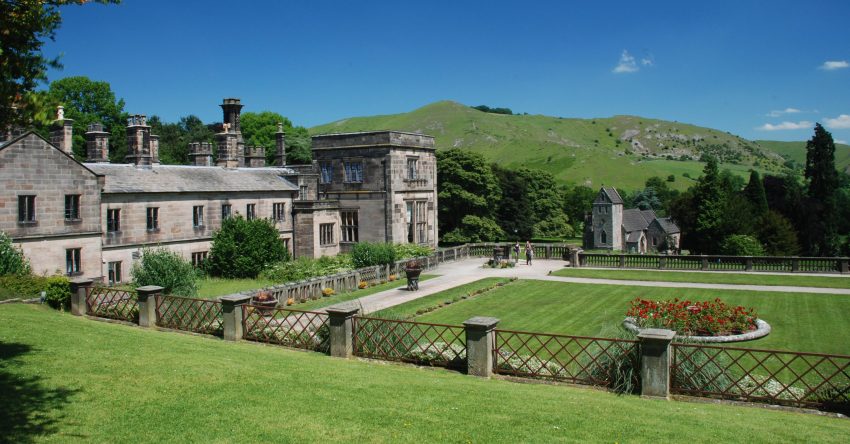
Ilam Hall
Ilam Hall
Attribution / Rob Bendall
Ilam Park is a National Trust-managed slice of the White Peak, set on the banks of the River Manifold just outside the village of Ilam. It’s the kind of place that feels immediately calming: lawns rolling down to the water, steep-sided hills framing the scene, and paths that let you choose between a gentle wander and something more energetic. What…
Location: Ilam Park, Dovedale and the White Peak | Hours: Park: Daily 9am to 7pm | Price: Free (parking charges apply for non-members). | Website | Distance: 23.1km
Visiting Ilam Park

6. Manifold Way
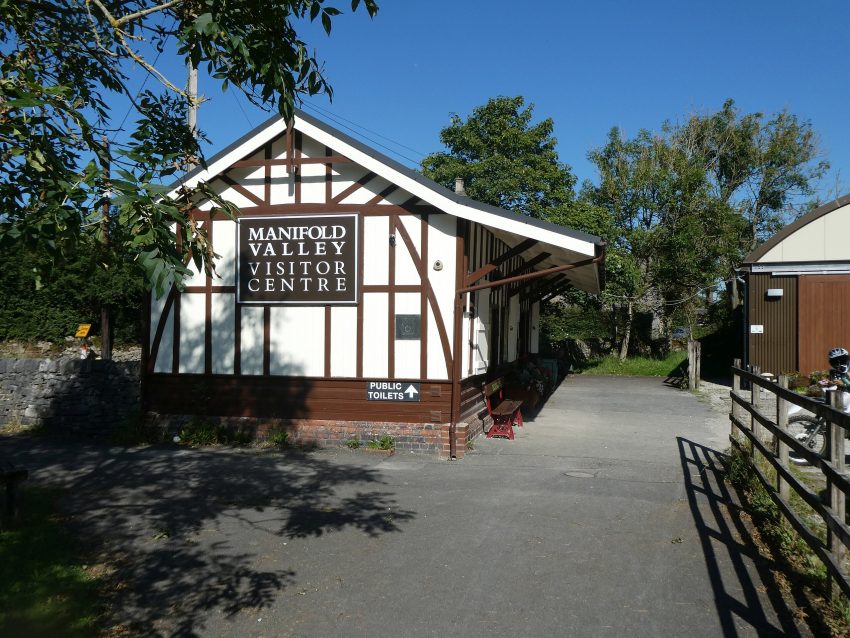
Manifold Valley Visitor Centre
CC BY-SA 2.0 / David Smith
The Manifold Way is one of the top sights in the Peak District, a tranquil 8-mile traffic-free route that follows the old Leek and Manifold Valley Light Railway through some of the area’s most dramatic limestone scenery. Often enjoyed by walkers, cyclists, and families alike, it offers an easy, scenic journey past historic remnants, ancient caves, and charming riverside spots.…
Visiting Manifold Way

7. Sheffield

Sheffield Town Hall
Sheffield Town Hall
CC BY-SA 2.0 / Tim Green
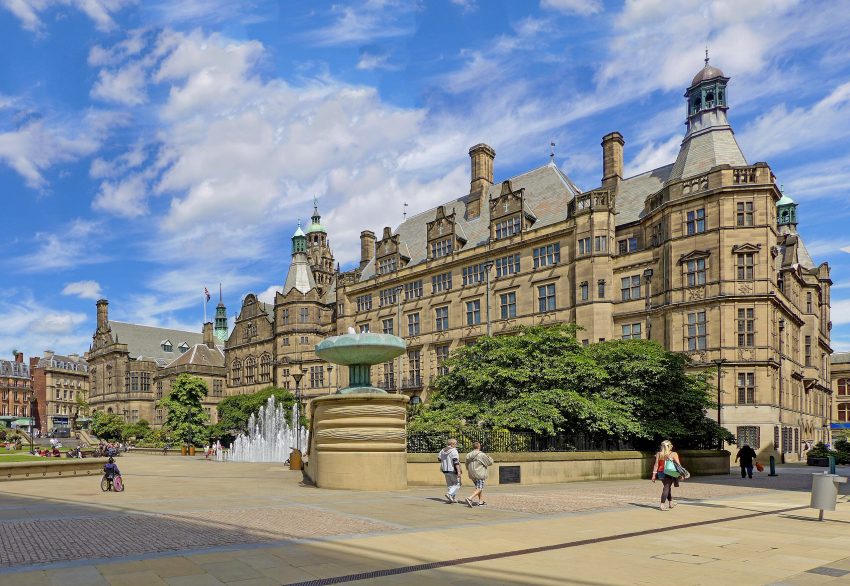
Sheffield is a vibrant city in the Yorkshire and the Humber region known for its blend of urban culture and green spaces. Visitors can enjoy a variety of attractions from modern shopping districts and lively markets to a thriving arts scene with theatres, galleries, and live music venues. The city’s compact size makes it easy to explore on foot, with…
Visiting Sheffield

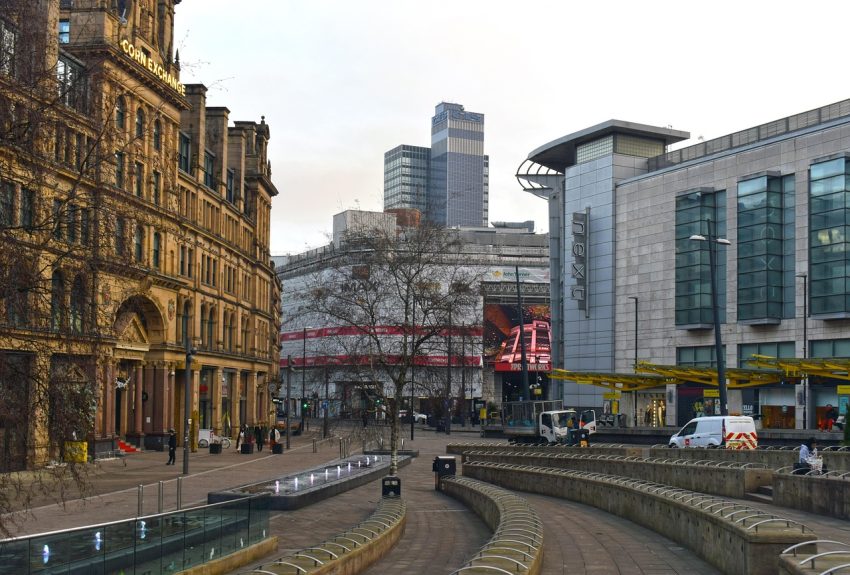
8. Manchester

Manchester
Manchester
Manchester, in the heart of North West England, is a dynamic city known for its creativity, music, and sport. Whether you're walking through the Northern Quarter with its independent boutiques and graffiti-covered walls or relaxing in leafy suburbs like Didsbury, there’s a clear sense of character throughout the city. Its compact size makes it easy to navigate, but the experiences…
Visiting Manchester
Powered by GetYourGuide

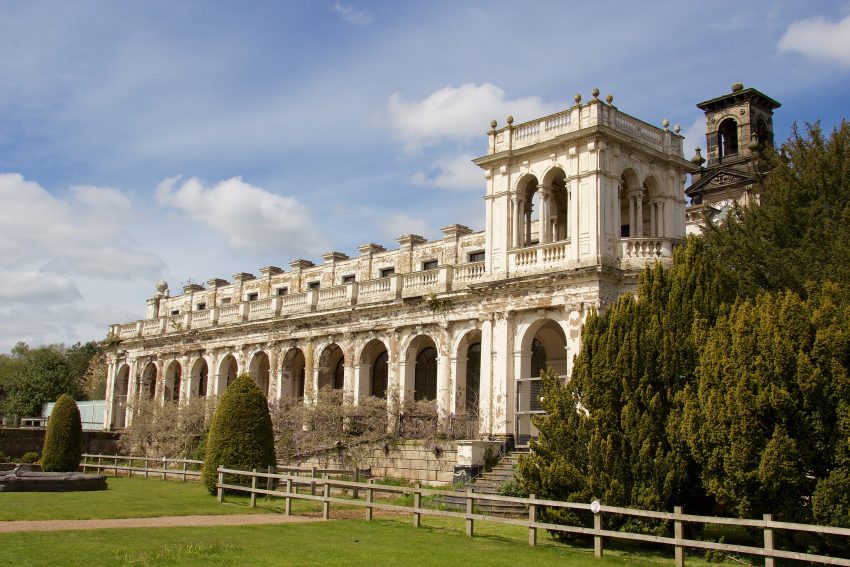
9. Stoke on Trent

Trentham Gardens Stoke on Trent
CC BY-SA 4.0 / Mike Peel
Stoke-on-Trent, located in the heart of Staffordshire in the West Midlands, is a vibrant city known for its rich industrial heritage and strong cultural identity. Visitors to Stoke-on-Trent can explore a unique blend of urban life and green spaces, with plenty of museums, galleries, and parks to enjoy. The city is famous for its pottery industry, which has shaped much…
Visiting Stoke on Trent

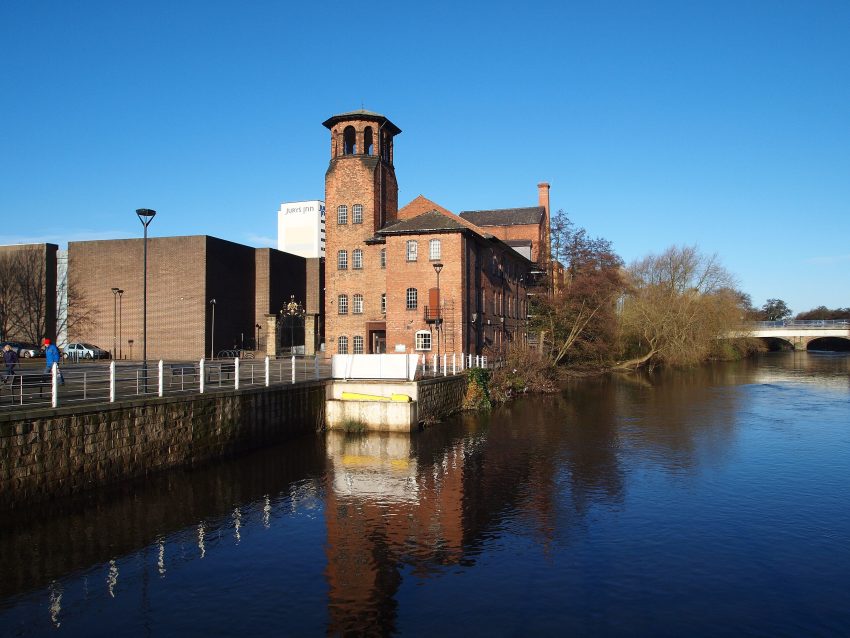
10. Derby

OLYMPUS DIGITAL CAMERA
CC BY-SA 2.0 / David Hallam-Jones
Derby, located in the East Midlands of England, offers a balanced mix of city amenities and access to some of the country’s finest countryside. Compact and walkable, the city centre is filled with pedestrianised streets, independent shops, cafés, and cultural venues. At the heart of it all is the Derby Cathedral Quarter, a charming area of cobbled lanes and hidden…
Visiting Derby

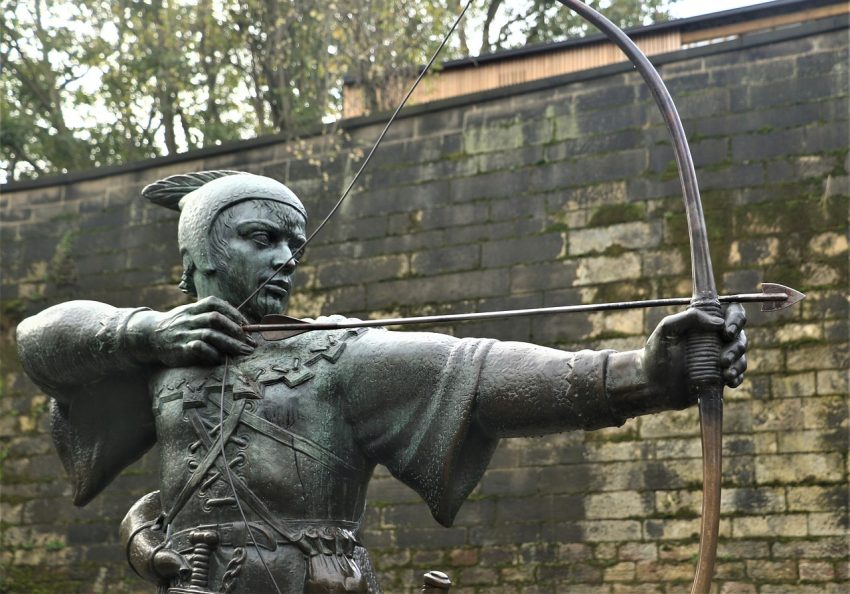
11. Nottingham

robin hood Nottingham
Situated on the north bank of the River Trent, Nottingham is the county town of Nottinghamshire and encompasses a series of hills. With a rich history as a trading centre and manufacturing hub, the city has gained renown for its exquisite lace production. In recent years, Nottingham has transformed into a thriving cultural destination, offering a wealth of attractions. Visitors…
Visiting Nottingham
Powered by GetYourGuide

12. Leeds

Leeds
Leeds
CC BY-SA 2.0 / Andrew Abbott
Leeds, set in the heart of West Yorkshire, offers a dynamic mix of culture, shopping, and green spaces that makes it a rewarding destination for a city break or a longer stay. Its thriving city centre is packed with Victorian arcades, contemporary shopping centres like Trinity Leeds, and a food scene that ranges from global street food to upscale dining.…
Visiting Leeds
Powered by GetYourGuide

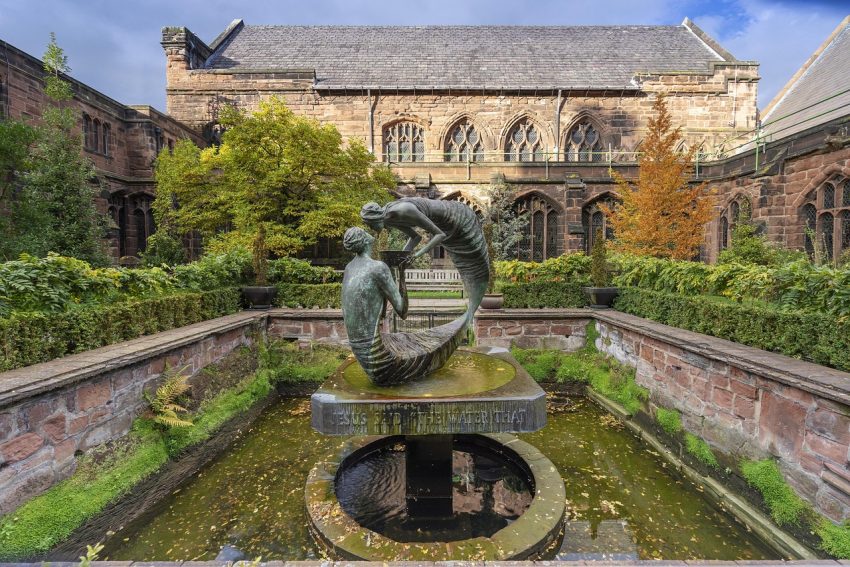
13. Chester

chester cathedral
chester cathedral
Visiting Chester offers a charming blend of urban life and scenic surroundings in the North West England region. The city is famous for its well-preserved Roman walls, but beyond history, it boasts a vibrant shopping district with unique boutiques, traditional markets, and modern retail outlets. The city centre is compact and walkable, making it easy to explore landmarks, shops, and…
Visiting Chester
Powered by GetYourGuide

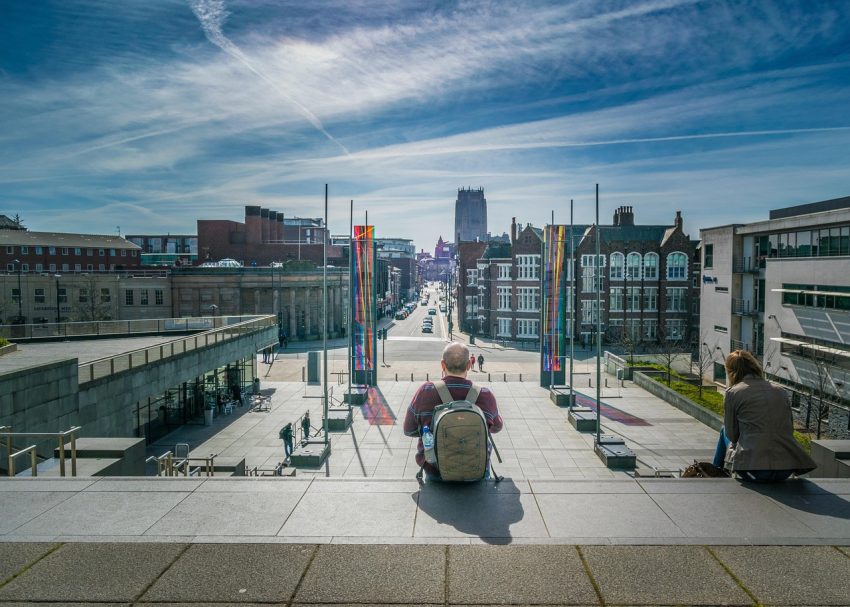
14. Liverpool

liverpool
liverpool
Visiting Liverpool offers a vibrant experience in the northwest of England, blending cultural richness with a lively urban atmosphere. The city is well known for its maritime heritage, but visitors will find much more—from world-class museums and galleries to thriving music and arts scenes. Liverpool’s compact city centre makes it easy to explore on foot, with landmarks such as the…
Visiting Liverpool
Powered by GetYourGuide

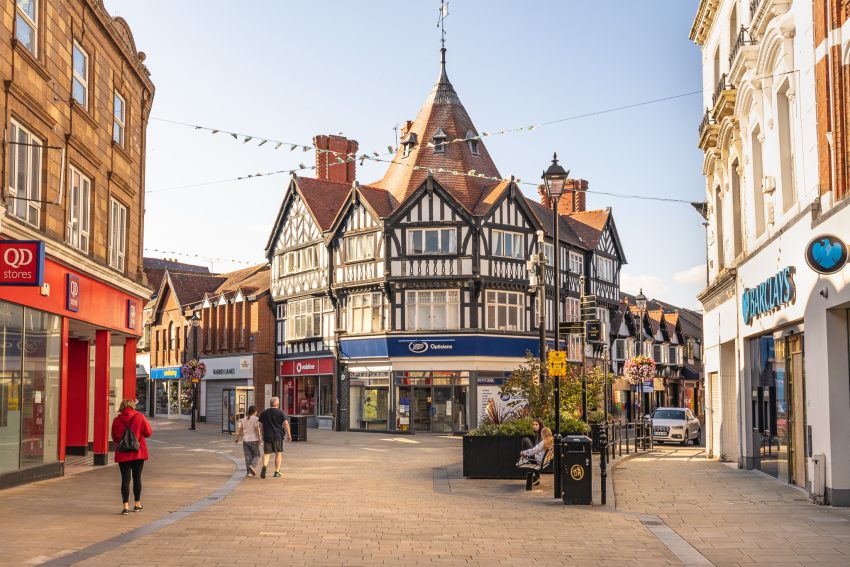
15. Wrexham

Wrexham City Centre
Wrexham City Centre
CC BY-SA 4.0 / Populimedia
Visiting Wrexham offers a blend of vibrant town life and access to the beautiful countryside of North Wales. Located in the north-east part of the region, Wrexham serves as a convenient base for exploring the surrounding hills and rural landscapes. The town itself features a lively market, diverse shopping options, and a range of cafes and restaurants where visitors can…
Visiting Wrexham
Powered by GetYourGuide

Where to Stay in Buxton

The best area to stay is near the Crescent and Pavilion Gardens, offering a historic spa-town atmosphere. For a countryside retreat, nearby Peak District villages provide charming guesthouses.

Buxton can be enjoyed in 1 to 2 days, with time for spa treatments and historic architecture. A 3-day stay allows for exploring the Peak District National Park.

Using the our Hotel and Accomodation map, you can compare hotels and short-term rental accommodations in Buxton. Simply insert your travel dates and group size, and you’ll see the best deals for your stay.

Buxton Accommodation Map

Best Time to Visit Buxton

Visiting Buxton in Spring

Spring in Buxton brings mild temperatures and blooming flowers, making it an ideal time for outdoor activities like exploring Pavilion Gardens or hiking in the Peak District.

Visiting Buxton in Summer

Summer offers warm weather and longer days, perfect for enjoying Buxton’s festivals, open-air concerts, and the stunning natural beauty of the surrounding countryside.

Visiting Buxton in Autumn

Autumn provides cooler temperatures and beautiful foliage. It’s a great time to visit Buxton’s historic sites, take scenic walks, and enjoy the local cuisine in cozy restaurants.

Visiting Buxton in Winter

Winter in Buxton is magical with festive Christmas markets, ice skating at the Pavilion Gardens, and exploring the historic buildings adorned with holiday lights.

Annual Weather Overview

  • January 5°C
  • February 7°C
  • March 9°C
  • April 13°C
  • May 15°C
  • June 18°C
  • July 20°C
  • August 19°C
  • September 16°C
  • October 12°C
  • November 9°C
  • December 8°C

How to get to Buxton

Traveling to Buxton by Train

Buxton has a train station with regular services connecting it to Manchester and other major cities. The station is conveniently located near the town center.

Traveling to Buxton by Car

Buxton is accessible via the A6, A515, and A53 roads, making it easy to reach by car. There are several parking facilities available in the town center.

Traveling to Buxton by Bus

There are numerous bus services that connect Buxton with nearby towns and cities, providing an affordable and convenient way to travel.

Traveling to Buxton by Plane

The nearest major airport is Manchester Airport, which is about an hour's drive from Buxton. From the airport, you can take a train or hire a car to reach the town.

More from this area