Museum Steinau, Steinau an der Straße
Museum in Steinau an der Straße
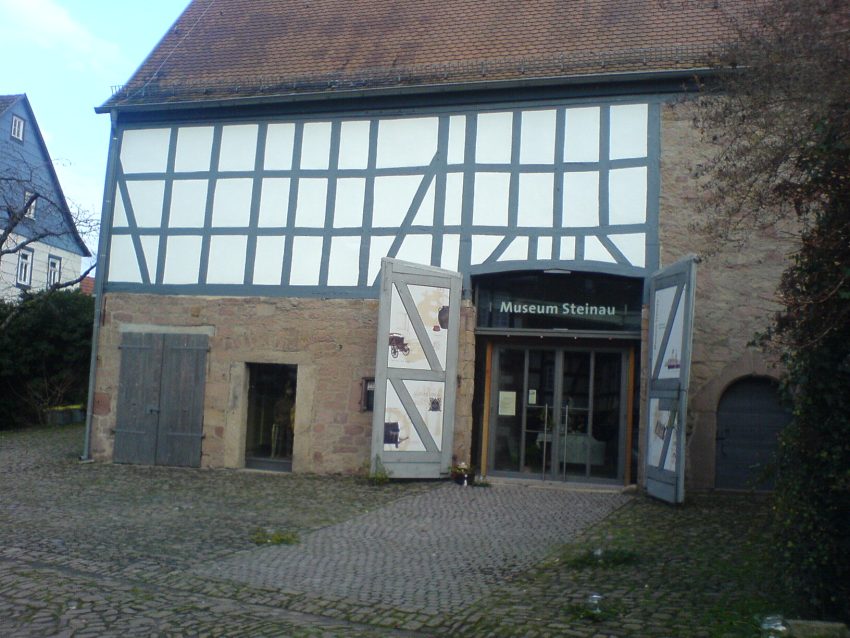
Museum Steinau sits in the old Amtshof barn directly opposite the Brothers Grimm House, and it's an unexpectedly lively way to understand why Steinau an der Straße has “an der Straße” in its name. Instead of focusing on kings and battles, the museum leans into movement: travellers arriving with wagons, merchants negotiating borders and tolls, craftsmen repairing wheels and shoes, and a town that made its living by being a reliable stop on a major route.
If you like places that make a small town feel legible in under two hours, this is one of the top attractions in Steinau an der Straße, and it works perfectly as a mid-route stop on a walking tour of Steinau an der Straße. It's practical history with a strong sense of place, and you leave with a clearer picture of how trade, travel, and everyday ingenuity shaped the town's identity.
Table of Contents
- History and Significance of the Museum Steinau
- Things to See and Do in the Museum Steinau
- How to Get to the Museum Steinau
- Practical Tips on Visiting the Museum Steinau
- Where to Stay Close to the Museum Steinau
- Is the Museum Steinau Worth Visiting?
- For Different Travelers
- FAQs for Visiting Museum Steinau
- Nearby Attractions to the Museum Steinau
History and Significance of the Museum Steinau
Museum Steinau opened in 2006 in the former Amtshof barn, a fitting setting because the Amtshof was once the administrative nerve centre of the town. Standing here, you're not just learning about Steinau in the abstract-you're reading the town through the lens of the institutions and routines that kept travellers moving and commerce functioning.
The museum's central idea is Steinau as a station on the long-distance trade route between Frankfurt am Main and Leipzig, a west-east corridor that channelled people, goods, and ideas for centuries. That focus matters because it explains why Steinau developed services that seem surprisingly “global” for a small place: inns, repairs, supply chains, and the constant negotiation of borders, tolls, and paperwork.
What gives the museum its bite is that it treats travel as lived experience. Instead of presenting the route as a line on a map, it shows what the road demanded-time, money, tools, protection, patience-and how a town prospered by solving those problems for everyone who passed through.
Things to See and Do in the Museum Steinau
Start by following the museum’s “journey logic”: how people planned routes, judged travel time, and decided what to carry. You’ll get a strong sense of how dramatically travel changed once railways arrived, and why a former overnight stop could suddenly become a place you simply passed by.
Look next for the sections that deal with repair and recovery-wagon-making, smithing, saddlery, and the inn economy-because these are the details that make Steinau feel real rather than romantic. It’s one thing to say “trade route”; it’s another to see the practical, repetitive work that kept the route running day after day.
Finally, give time to the craft displays, especially the pottery thread, which ties local production to the wider market. It’s a reminder that trade routes weren’t only about exotic goods and long-distance merchants; they were also about regional crafts finding customers, styles spreading, and towns adapting what they made to what travellers wanted to buy.
How to Get to the Museum Steinau
The nearest major airport is Frankfurt Airport (FRA), which is the most convenient hub for reaching Steinau an der Straße as a day trip or a short stopover. For the best deals and a seamless booking experience, check out these flights to Steinau an der Straße on Booking.com.
By train, the simplest route is via Frankfurt (Main) to Steinau (Straße) station on regional services, then continue to the old town by local bus, taxi, or a manageable walk if you’re travelling light. Train schedules and bookings can be found on Omio.
Local buses can be useful if you’re connecting from nearby towns in the Kinzig valley, and once you’re in Steinau’s centre the museum is easiest to reach on foot.
If you're driving, Steinau an der Straße is straightforward from the A66, and parking on the edge of the old town keeps the final approach pleasant and stress-free. If you are looking to rent a car in Germany I recommend having a look at Discover Cars, first, as they compare prices and review multiple car rental agencies for you.
Practical Tips on Visiting the Museum Steinau
- Entrance fee: Adults €6.00 (combined ticket for Museum Steinau & the Brothers Grimm House); adults in groups (15+) €4.00; reduced/children €3.50; children in groups (15+) €2.50; family (4+ people) €12.00.
- Opening hours: Daily: 10:00 AM - 5:00 PM
- Official website: http://www.museum-steinau.de/
- Best time to visit: A late-morning visit is ideal, then you can roll straight into lunch in the old town without rushing the exhibits.
- How long to spend: Plan for 60-90 minutes for a satisfying visit, longer if you enjoy reading the context panels and watching the films.
- Accessibility: Expect a historic building with potential steps and uneven surfaces; plan a slower route if mobility is a concern.
- Facilities: The best cafés and rest stops are in the surrounding old town streets, so it’s easy to build in a break before or after.
Where to Stay Close to the Museum Steinau
For a culture-heavy itinerary, base yourself in Steinau’s old town so you can walk to the museums, castle, and dinner spots; if your priority is transport efficiency for day trips, staying nearer the station or the A66 approach is the easiest setup.
If you want to stay right in the historic centre and keep everything walkable, Burgmannenhaus is a strong base for early museum starts and easy evening strolls. For a quieter, countryside-leaning stay that still keeps you within easy reach of town by car, Landgasthaus Bayrischer Hof suits travellers who want calm nights and simple logistics. If you prefer a straightforward, good-value guesthouse feel with an easy route into the centre, Landgasthof Grüner Baum is a practical option.
Is the Museum Steinau Worth Visiting?
Yes, especially if you like museums that explain a town without turning it into a lecture. Museum Steinau makes Steinau's location feel meaningful, and it gives you a “why it's here” story that improves everything else you see in the old town.
It's also a great counterpoint to the Grimm-focused sites nearby. Where the Brothers Grimm House is about people and legacy, Museum Steinau is about systems-roads, borders, trades, repairs-and together they make Steinau feel like a fully rounded place rather than a single-theme destination.
What Other Travellers Say...

Brüder-Grimm-Haus in Steinau an der Straße is a small, well-preserved memorial house dedicated to the Grimm brothers, offering displays of memorabilia and historic items that bring their lives and stories to life; visitors praise the engaging, knowledgeable staff and guided tours (including English-speaking guides) for revealing details you might miss on your own, note that exhibits are mainly in German, photography inside is not permitted, and the visit is described as a charming, nostalgic stop for fans of fairy tales and German literature.


For Different Travelers
Families with Kids
This museum works best for families when you treat it as a story of travel rather than a history lesson: who came through town, what broke on the road, and how people fixed problems without modern convenience. Kids usually engage more with “journey” and “tools” than dates, so follow that thread and keep the pace light.
Pair the visit with a short old-town walk and a snack stop to keep energy steady. The museum’s location makes this easy, because you can step out and reset without losing your place in the day.
Couples & Romantic Getaways
For couples, the appeal is the atmosphere and the theme: a small-town museum that feels thoughtful and specific, not generic. It’s ideal for travellers who enjoy places that reward curiosity, then spill naturally into a café break and a slow wander through photogenic streets.
Make it part of a relaxed half-day with the nearby Grimm and castle sites, and let the museum provide the “real life” layer that makes the town feel deeper. It’s a good reminder that the romance of old routes was built on very practical routines.
Budget Travelers
Budget travellers will appreciate that this is high value for the time you spend, especially when paired with free old-town wandering. The combined-ticket setup can also make sense if you’re planning to visit the Brothers Grimm House, because it turns two nearby highlights into one simple purchase.
Use the museum to structure your day, then fill the rest with low-cost pleasures: walking, viewpoints, and a simple lunch. Steinau is at its best when you slow down rather than paying for constant “activities.”
History Buffs
History buffs should come for the trade-route framing, because it turns Steinau into a case study in how towns functioned within larger networks. Borders, tolls, repairs, inns, and craft production are the granular details that explain why places grew and how they survived change.
It’s also worth paying attention to how transport shifts rewire a town’s fortunes. The museum’s treatment of pre-rail travel versus the railway era is a strong prompt for thinking about winners and losers when infrastructure changes.
FAQs for Visiting Museum Steinau
Getting There
Tickets & Entry
Visiting Experience
Tours, Context & Itineraries
Photography
Accessibility & Facilities
Food & Breaks Nearby
Safety & Timing
Nearby Attractions to the Museum Steinau
- Brüder Grimm-Haus: The Grimms' childhood home museum, packed with fairy-tale context and Steinau's strongest “people” story.
- Schloss Steinau: A moated Renaissance castle complex that adds big architecture and views to an otherwise compact town day.
- Steinau Old Town: Half-timbered streets and small squares that make wandering feel like the main event between headline sights.
- Theatrium Steinau: A local cultural venue that’s great for an evening performance if you want the town to feel lived-in after daytime sightseeing.
- Teufelshöhle (Devil’s Cave): A nearby dripstone cave that’s a fun contrast to museums and old-town history, especially on warm days.
The Museum Steinau appears in our Complete Guide to Visiting Steinau an der Straße!

Moira & Andy
Hey! We're Moira & Andy. From hiking the Camino to trips around Europe in Bert our campervan — we've been traveling together since retirement in 2020!
This website uses affiliate links which may earn a commission at no additional cost to you!
Planning Your Visit
Daily: 10:00 AM – 5:00 PM
Adults €6.00 (combined ticket for Museum Steinau & the Brothers Grimm House); adults in groups (15+) €4.00; reduced/children €3.50; children in groups (15+) €2.50; family (4+ people) €12.00.
Nearby Attractions
- Brüder Grimm-Haus (0.0) km
Historic Building and Museum - Märchenbrunnen (0.1) km
Fountain - Katharinenkirche (0.1) km
Church - Schloss Steinau (0.1) km
Castle and Museum - Brandenstein Castle, Schlüchtern (9.2) km
Castle and Museum - Schloss Ramholz (11.0) km
Historic Building - Deutsches Goldschmiedehaus (43.3) km
Historic Building and Museum - Museum Grossauheim (43.3) km
Museum - Brothers Grimm National Monument (43.5) km
Statue - Dutch-Walloon Church (43.6) km
Church and Historic Building