Skanderbeg Memorial, Lezhë
Monument in Lezhë
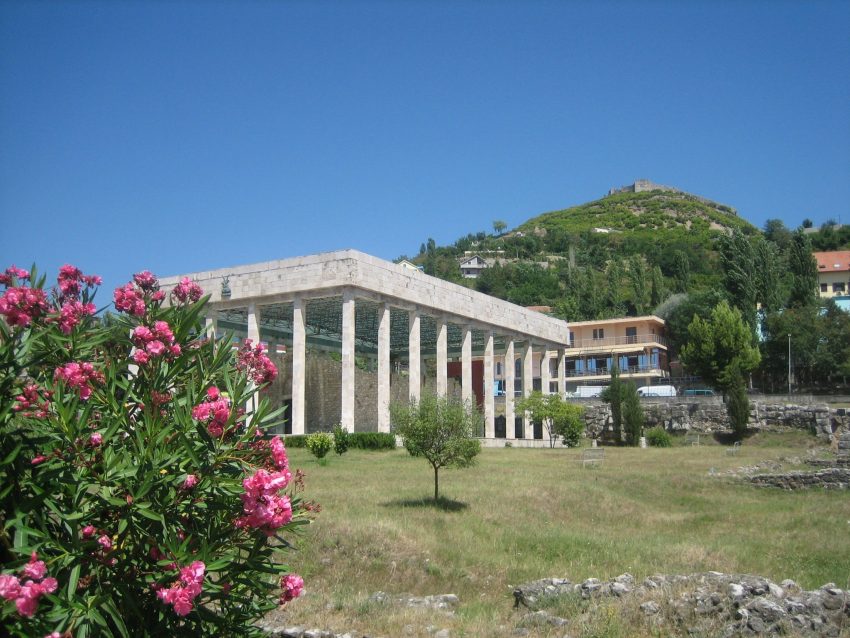
The Skanderbeg Memorial in Lezhë is one of those places that's small in footprint but huge in meaning. Set just off the town's central streets on Rruga Frang Bardhi, it marks the spot where Gjergj Kastrioti Skanderbeg-Albania's defining medieval leader-was buried after his death in 1468. It's quiet, contemplative, and surprisingly powerful: you're not just visiting a monument, you're stepping into a layered site where faith, conflict, and national identity have all left their imprint.
Even if you're only in Lezhë for a short stop, this is one of the top attractions in Lezhë because it connects the city directly to a figure every Albanian grows up hearing about. It also fits neatly into a walking tour of Lezhë, since the memorial sits close to other key landmarks and the town's day-to-day rhythm-cafés, small shops, and locals passing by as if history is simply part of the scenery.
Table of Contents
- History and Significance of the Skanderbeg Memorial
- Things to See and Do in the Skanderbeg Memorial
- How to Get to the Skanderbeg Memorial
- Practical Tips on Visiting the Skanderbeg Memorial
- Where to Stay Close to the Skanderbeg Memorial
- Is the Skanderbeg Memorial Worth Visiting?
- For Different Travelers
- FAQs for Visiting Skanderbeg Memorial
- Nearby Attractions to the Skanderbeg Memorial
History and Significance of the Skanderbeg Memorial
Skanderbeg led a long resistance against the Ottoman Empire, and after his death in 1468 he was buried in Lezhë, in what was then the Church (Cathedral) of Saint Nicholas (Shën Kolli). Not long after, the Ottomans took control of the town and the tomb was disturbed-an act that turned the burial site into a symbol not only of remembrance, but also of loss and contested heritage.
What you see today is not a preserved medieval cathedral interior, but a later memorial structure that intentionally frames the surviving fabric of the older site. The current memorial was created in 1981, and it was designed to make the place feel ceremonial and legible: a national landmark you can walk into, rather than a ruin you merely look at from the outside.
Part of what makes the memorial so compelling is its long sequence of transformations over time-sacred space, re-purposed space, and finally a modern commemorative site. That layered history is exactly why the visit lands emotionally: it’s not just about Skanderbeg as a person, but about how Albanians have repeatedly returned to this location to define what should be remembered and how.
Things to See and Do in the Skanderbeg Memorial
Start by taking in the interior as a whole before you focus on details. The memorial is meant to be absorbed slowly: stone, light, and silence first, then the symbolic elements that draw your attention to Skanderbeg’s story and to Lezhë’s role in it. It’s worth doing one loop around the space, then a second, more deliberate pass.
Look for the central sculptural focus and the objects that reinforce the “heroic relic” feeling of the memorial. Inside, you’ll see a bust of Skanderbeg and copies of his sword and helmet-iconic emblems that appear again and again in Albanian imagery, but feel different when you’re standing in the place associated with his burial.
Also pay attention to the shields displayed on the interior walls, which reference the clans and forces associated with the historic struggle and the broader idea of unity. If you enjoy contextual visits, this is a good stop to pair with other Lezhë landmarks nearby so the memorial becomes part of a wider “story walk” rather than a single standalone monument.
How to Get to the Skanderbeg Memorial
The closest major airport is Tirana International Airport (Nënë Tereza), and from there most travelers continue to Lezhë by road via taxi, transfer, or intercity bus connections from Tirana. For the best deals and a seamless booking experience, check out these flights to Lezhë on Booking.com.
If you're coming from within Albania, buses and minibuses (furgons) are typically the most practical option, with frequent services linking Lezhë to Tirana and Shkodër; once in town, you can usually reach the memorial on foot from the center in a short walk.
Train travel in Albania is very limited and not a reliable way to plan a visit to Lezhë, so most visitors should treat rail as an enthusiast's bonus rather than a practical transport option.
Driving is straightforward, and it's especially convenient if you want to combine Lezhë with the coast at Shëngjin or nature stops nearby; park once in the center and do the memorial on foot. If you are looking to rent a car in Albania I recommend having a look at Discover Cars, first, as they compare prices and review multiple car rental agencies for you.
Practical Tips on Visiting the Skanderbeg Memorial
- Entrance fee: 200 lek
- Opening hours: Daily: 08:00–17:00.
- Official website: https://lezha.gov.al/resurset-turistike/
- Best time to visit: Aim for mid-morning for the best balance of quiet atmosphere and good natural light, especially if you want unhurried photos and time to read any on-site context.
- How long to spend: Plan for 20-40 minutes for the memorial itself, or about an hour if you like to linger and connect it to nearby landmarks.
- Accessibility: The site is relatively compact, but surfaces and thresholds can be uneven; if mobility is a concern, it’s worth confirming the easiest entry route on arrival.
- Facilities: Expect minimal on-site facilities; use cafés and restrooms in the town center before or after, since everything is close and easy to combine.
Where to Stay Close to the Skanderbeg Memorial
For a culture-heavy itinerary, base yourself in central Lezhë so you can walk to the memorial and the town's main historic points; if your trip is more about the beach and summer atmosphere, base yourself in Shëngjin and visit Lezhë as an easy half-day excursion.
If you want to stay steps from the key sights, Hotel Liss is a convenient central choice that keeps you close to the memorial and the town’s everyday dining scene. For a bit more flexibility if you’re arriving by road or continuing toward the coast, Hotel Jurgen works well as a practical base with quick access in and out of town.
If you’re splitting your time between history and the Adriatic, Hotel Triumf Shengjin puts you right by the sea while keeping Lezhë within easy reach for an early visit to the memorial before the beach day begins.
Is the Skanderbeg Memorial Worth Visiting?
Yes-especially if you like places that deliver meaning rather than spectacle. The memorial is not a “big museum day,” but it is one of the most concentrated history stops you can do in northern Albania: simple, dignified, and emotionally direct.
It's also a strong choice if you're trying to understand Albania beyond the coastline. Skanderbeg can feel abstract when you only meet him as a statue in a square; in Lezhë, the story becomes grounded in a real site with visible layers of time.
What Other Travellers Say...

Peak of Skanderbeg's Tomb sits above Lezhë at Tyrbja and is reached by a roughly 1–1.5 hour hike from Lezhë (parking available at Lezhe Castle), with a clearly marked route up the mountain used mostly by locals; the trail is not especially difficult but can be windy, so bring water and a snack. Visitors praise sweeping views from the 650 m altitude over the sea, Lezhë, Shengjin and inland mountains, calling it a very beautiful, hidden gem.


For Different Travelers
Families with Kids
This is a short, manageable visit, which is exactly what many families need when traveling with kids. Treat it like a “story stop”: a quick walk-through, a few key objects to look for, then a reward break at a nearby café.
If you want to make it engaging, set a simple mission-spot the helmet, find the shields, and talk about what “a hero” means in different countries. Because it’s compact, it’s easier to keep attention than in a large museum.
Couples & Romantic Getaways
For couples, the memorial works best as a quiet, reflective stop between more lively parts of a day. It has a calm, intimate feel-especially outside peak hours-so it’s a good contrast to beach time or busier city sightseeing.
Pair it with a slow wander through central Lezhë afterward: a coffee, a shared snack, and a walk that lets the story settle. It's one of those visits that can spark deeper conversation rather than just ticking a landmark box.
Budget Travelers
This is a strong value stop because it doesn’t demand much time or logistical effort, yet still delivers a meaningful experience. You can easily build a budget-friendly half day around it with walking, inexpensive local food, and a couple of nearby monuments.
If you're moving through northern Albania by bus, Lezhë is also a sensible break point. Do the memorial, stretch your legs, grab lunch, and continue-no expensive tours required.
History Buffs
History-focused travelers will appreciate that this is a site with a complicated biography: sacred space, contested space, and modern national memorial all in one. It’s the kind of place where you can feel how history is curated and re-presented, not just “preserved.”
To deepen the visit, read a short primer on the League of Lezhë and Skanderbeg's alliances before you go, then use the memorial as your anchor point for understanding why this town matters so much in the national narrative.
FAQs for Visiting Skanderbeg Memorial
Getting There
Tickets & Entry
Visiting Experience
Tours, Context & Itineraries
Photography
Accessibility & Facilities
Nearby Attractions to the Skanderbeg Memorial
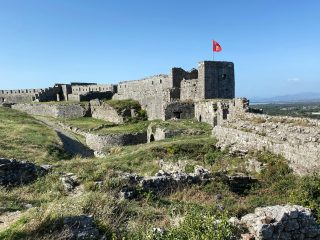
- Lezhë Castle: A hilltop fortress with sweeping views that helps you understand the town's strategic position across centuries.
- Obelisk of the League of Lezhë: A central monument commemorating the historic alliance associated with Skanderbeg and Albanian unity.
- Shëngjin Beach: The closest easy seaside escape, ideal for pairing history in the morning with the coast in the afternoon.
- Kune-Vain Lagoon: A nature-rich wetland area near the coast with birdlife and calm walking paths when you want a quieter pace.
- Rana e Hedhun: A striking sand-dune landscape by the Adriatic, popular for photos and a very different side of the region.
The Skanderbeg Memorial appears in our Complete Guide to Visiting Lezhë!

Moira & Andy
Hey! We're Moira & Andy. From hiking the Camino to trips around Europe in Bert our campervan — we've been traveling together since retirement in 2020!
This website uses affiliate links which may earn a commission at no additional cost to you!
Planning Your Visit
Daily: 08:00-17:00.
200 lek
Nearby Attractions
- Lezhë Castle (0.5) km
Castle - Shëngjin Beach (4.9) km
Beach - Rubik Monastery Church (11.5) km
Church - Rodoni Castle (27.2) km
Castle - Lalez Beach (30.7) km
Beach - Shkodra Lake (31.6) km
Lake - Lead Mosque (31.6) km
Mosque - The Lead Mosque (Xhamia e Plumbit) (31.6) km
Mosque - Rozafa Castle (31.8) km
Castle - Shurdhah Island (32.0) km
Lake