Setti Fatma, High Atlas Mountains (Western)
Village near High Atlas Mountains (Western)
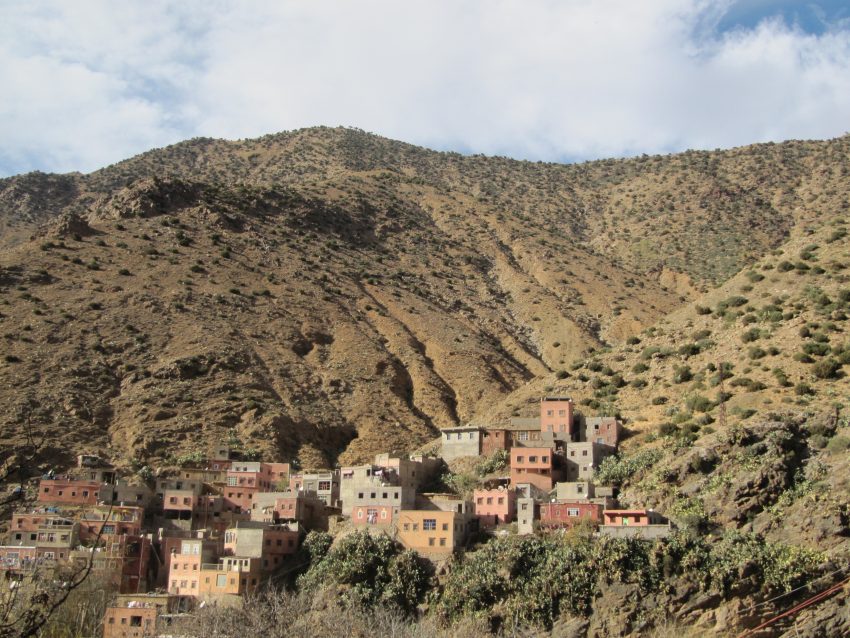
Setti Fatma is one of the top attractions in Setti Fatma for travellers exploring the Ourika Valley, offering a dramatic blend of rugged foothills, grassy terraces, walnut groves, and high Atlas peaks. Rebuilt after severe floods in 1995, the village today combines modern housing with traditional homes, yet its mountain setting remains undeniably beautiful. It is a great place to visit on a walking tour of Setti Fatma, especially for those seeking a more adventurous edge than nearby villages.
At the end of the tarred road and surrounded by fruit trees that bloom spectacularly in early spring, Setti Fatma serves as a popular starting point for treks deeper into the High Atlas, including routes toward Jebel Toubkal. Its lively annual August moussem brings crowds from across Morocco, transforming the village into one of the must-see places in Setti Fatma during the summer months.
History and Significance of Setti Fatma
Setti Fatma has long been a cultural and spiritual centre in the Ourika Valley, anchored by the shrine of Setti Fatma and its well-known moussem. Held over four days every August, this festival draws large numbers of pilgrims and visitors, who gather for music, markets, and celebrations around the koubba. The event remains one of Morocco's most important regional gatherings, reflecting deep-rooted mountain traditions.
The village’s modern form emerged after devastating 1995 floods damaged much of the original settlement. Reconstruction introduced concrete housing blocks alongside traditional rural homes, resulting in a mixed architectural landscape. Despite these changes, Setti Fatma’s agricultural terraces, walnut groves, and mountain backdrop continue to define its identity.
Thanks to its location at the end of the Ourika road, the village has also become a gateway for trekkers heading to the eastern routes of the Toubkal massif and surrounding valleys. Its position in the High Atlas makes it a natural jumping-off point for both short excursions and multi-day adventures.
Things to See and Do in Setti Fatma
The village's most famous attraction is the series of waterfalls-known locally as cascades-reachable by a 30-minute scramble into the rocky foothills above Setti Fatma. The lower falls are easy to access and have cafés nearby, making them suitable for most visitors. The higher cascades require more effort and should be visited with an official local guide whose office is located on the main street. Avoid the numerous unofficial guides who may approach you.
Nature lovers will enjoy the village in early March, when cherry and almond blossoms blanket the valley. This is one of the best times to explore the surrounding terraces and riverbanks and enjoy the clear mountain light.
Setti Fatma is also an excellent base for treks. Routes range from gentle valley walks to demanding multi-day ascents into the Toubkal region. Options include treks through Timichi and Oukaïmeden, direct ascents to Tachddirt, journeys to Djebel Yagour with its prehistoric rock carvings, and the secluded valleys around Oued Zat. For challenging treks, hiring an experienced guide from Imlil is highly recommended.
How to Get to Setti Fatma
Most visitors reach Setti Fatma from Marrakech Menara Airport before heading into the Ourika Valley by road. For the best deals and a seamless booking experience, check out these flights to High Atlas Mountains (Western) on Booking.com.
While no trains serve the valley directly, travellers can arrive by train at Marrakech Railway Station and continue by taxi, private transfer, or rented vehicle toward Setti Fatma. Train schedules and bookings can be found on Omio.
Travelling by car is the simplest and most flexible option. Follow road P2017 south, continue straight after the Oukaimeden exit near Aghbalou, and drive to the end of the road after Asgaour. Ignore anyone offering to direct your parking; instead, choose a spot along the river.
Practical Tips on Visiting Setti Fatma
- Suggested tips: Wear sturdy shoes for the waterfall scramble, and bring water and snacks.
- Best time to visit: Early March for cherry and almond blossoms; August for the lively moussem.
- Entrance fee: Free
- Opening hours: Open at all times
- Official website: Not available
- How long to spend: Half a day for the waterfalls; a full day if exploring the surrounding valleys.
- Accessibility: The village is accessible, but the waterfall paths involve uneven terrain and climbing.
- Facilities: Cafés, small restaurants, guesthouses, and guiding services are available.
- Photography tip: Capture the terraces and river at sunrise for the best light and mountain colours.
- Guided tours: Hire official guides from the main street; avoid unofficial guides.
- Nearby food options: Riverside cafés offer simple meals; more choices can be found along the valley.
Where to Stay close to Setti Fatma
Accommodation options are modest but welcoming. A pleasant choice is Tizi Mizik Lodge, offering mountain views and access to local trails. Another comfortable option is Auberge le Maquis, providing a friendly base close to the cascades and village centre.
Add a Is Setti Fatma Worth Visiting?
Yes, Setti Fatma is worth visiting for its waterfalls, spring blossoms, cultural traditions, and trekking opportunities. Whether you're exploring the cascades, attending the August moussem, or using it as a base for High Atlas treks, Setti Fatma offers a lively and scenic experience in the Ourika Valley.
What Other Travellers Say...

Setti Fadma (Ourika Valley & 7 Cascades), near Marrakesh, is a scenic mountain escape where visitors praise colorful, serene landscapes and a short but sometimes steep, rocky hike to waterfalls; expect slippery sections and uneven steps that make the return tricky. Several reviewers highlight memorable riverside lunches at casual restaurants with seating by the stream and affordable, tasty food, and local stalls selling treats like strawberry tree fruit and honey. The nearby Berber village and cooperative shops offer an authentic experience and friendly people, though some travelers warn of variable service and higher prices in spots; note the valley lies off the direct route to Aït Ben Haddou, requiring a long detour if you plan to travel onward.


FAQs for Visiting Setti Fatma
Nearby Attractions to Setti Fatma
- Oukaimeden: A high mountain area known for skiing in winter and summer hiking.
- Ourika Valley Villages: Scenic settlements surrounded by orchards and terraces.
- Imlil: A major trekking base for Mount Toubkal.
- Asni: A lively souk village with superb mountain views.
- Djebel Yagour: A plateau famous for prehistoric rock carvings and remote trekking routes.
The Setti Fatma appears in our Complete Guide to Visiting High Atlas Mountains (Western)!

Moira & Andy
Hey! We're Moira & Andy. From hiking the Camino to trips around Europe in Bert our campervan — we've been traveling together since retirement in 2020!
This website uses affiliate links which may earn a commission at no additional cost to you!
Planning Your Visit
Nearby Attractions
- Ourika Valley (0) km
Valley - Oukaimeden (17.6) km
Village - Imlil (25.2) km
Town - Toubkal National Park (29.5) km
National Park - Asni (29.6) km
Town - Ouirgane (38.4) km
Village - Agdal Gardens (Aguedal Park Gardens) (50.6) km
Gardens - El Badi Palace (52.6) km
Palace - Saadian Tombs (52.7) km
Palace - Bahia Palace (52.8) km
Palace