Sarandë Museum of Tradition
Museum in Sarandë
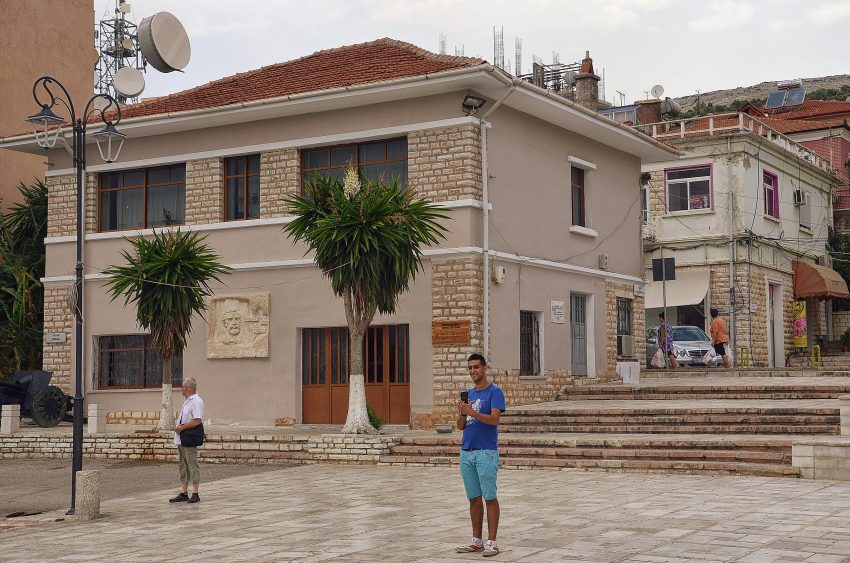
If Saranda is your base for beach-hopping, the Museum of Traditions is a smart first stop-small, central, and surprisingly revealing. Housed in the old customs house near the town wharf, it's an easy way to get oriented before you disappear into the coves of the Albanian Riviera, with exhibits that focus on local life rather than big-ticket archaeology.
Inside, you'll find a compact mix of traditional clothing, rugs, weaving looms, and musical instruments, plus photographs from the communist era that make Saranda's transformation feel real and recent. It's one of the things to do in Saranda when you want context without committing half a day, and it also fits naturally into a walking tour of Saranda because everything is close and walkable along the waterfront.
Table of Contents
- History and Significance of the Museum of Traditions
- Things to See and Do in the Museum of Traditions
- How to Get to the Museum of Traditions
- Practical Tips on Visiting the Museum of Traditions
- Where to Stay Close to the Museum of Traditions
- Is the Museum of Traditions Worth Visiting?
- For Different Travelers
- FAQs for Visiting Museum of Traditions
- Nearby Attractions to the Museum of Traditions
History and Significance of the Museum of Traditions
The setting is part of the story. The museum sits in Saranda’s old customs house, a reminder that this has long been a port town-defined by movement, trade, and a constant relationship with the sea. That location gives the visit a quiet logic: you’re learning about local identity in a building that once managed what came in and out of the town.
What makes the museum especially worthwhile is how it balances “traditional” material culture with a more modern, lived memory. The communist-era photographs in particular add a layer you don’t always get in small ethnographic collections, showing how public life, buildings, and everyday routines shifted in a relatively short span of time.
There’s also a pleasing sense of continuity in the way the museum frames Saranda’s heritage. The objects and images aren’t presented as distant folklore; they read more like a family album for the region, connecting craft traditions and community life to the coastline you’re about to explore.
Things to See and Do in the Museum of Traditions
Start upstairs and work back down, or vice versa-either way, the museum rewards a slow lap rather than a rushed scan. Focus on the textiles first: rugs, woven pieces, and looms tend to carry the most “regional signature,” and they make it easier to notice patterns and details later in markets and craft shops around the south.
The displays of traditional clothing and musical instruments are the most immediate, especially if you like small, specific details-materials, stitching, and the practical design choices that come from rural life and seasonal work. If you’re traveling with someone who isn’t usually a museum person, these sections are often the easiest to enjoy because they’re visual and intuitive.
Save time for the photographs. The communist-era images give Saranda an unexpected emotional dimension, and the Edward Lear drawing of the town's old stone watchtowers adds a thoughtful historical “before” to the coastal city you see today.
How to Get to the Museum of Traditions
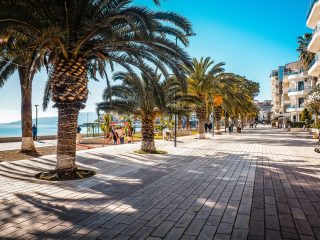
The museum is in central Saranda near the waterfront and town wharf, so once you're in town it's easiest to reach on foot from the promenade and ferry area.
For flights, the most convenient options are Corfu International Airport (CFU) in Greece (then onward by ferry to Saranda) or Tirana International Airport (TIA) with a bus or private transfer south to Saranda. For the best deals and a seamless booking experience, check out these flights to Sarandë on Booking.com.
There is no practical passenger train route to Saranda, so plan on buses, shared minibuses, or a private transfer for long-distance travel within Albania.
If you're driving, Saranda is reached via the coastal and mountain roads that link the Riviera towns, and having a car is useful for day trips to beaches and inland springs once you're based in town. If you are looking to rent a car in Albania I recommend having a look at Discover Cars, first, as they compare prices and review multiple car rental agencies for you.
Practical Tips on Visiting the Museum of Traditions
- Entrance fee: 100 lek.
- Opening hours: Monday – Friday: 09:00–13:00 & 19:00–22:00. Saturday – Sunday: 19:00–22:00.
- Official website: https://saranda-explore.al/en/museum-of-tradition/
- Best time to visit: Go in the morning before the heat builds, or early evening before dinner when the waterfront is lively and the museum hours often suit a quick stop.
- How long to spend: 30-45 minutes is ideal for most visitors, longer if you like reading captions closely and lingering over photographs.
- Accessibility: Expect a small historic building layout; if stairs are an issue, plan for a shorter visit focused on the most accessible rooms.
- Facilities: Treat it as a brief cultural stop; plan restrooms, water, and longer breaks at nearby cafés along the promenade.
Where to Stay Close to the Museum of Traditions
For a culture-heavy, walk-everywhere stay, base yourself along Saranda's waterfront promenade near the ferry terminal; if your trip is mainly beaches, consider splitting time with Ksamil so you're closer to the coves.
Staying central makes the museum effortless to fit in-especially if you want to wander the promenade at sunrise, dip into small sights during the day, and keep evenings simple. A reliable waterfront option is Hotel Butrinti, which keeps you right by the sea and close to the town’s main walking areas. For a modern, easy base near the centre, Hotel Vale is well-placed for quick museum visits and casual dinners nearby. If you want a resort-style stay a little outside the busiest strip, Bougainville Bay Resort & Spa works well for sea views and downtime between day trips.
Is the Museum of Traditions Worth Visiting?
Yes, if you want a short, meaningful stop that adds context to Saranda beyond beaches and boat trips. It's especially good as a “first hour in town” visit, because it frames local culture in a way that makes the rest of your Riviera days feel more grounded.
If your time is extremely tight and you’re prioritizing only major headline sites, you could skip it without missing a flagship attraction. But if you enjoy small museums and local texture, it’s a satisfying, low-effort win.
What Other Travellers Say...

Museum Of Traditions in Sarandë is a small two-story local museum showcasing traditional costumes, paintings, household items and photographs that illustrate what the city looked like in the past century; visitors find the exhibits interesting and more numerous than in the nearby archaeological museum, though several reviewers note a lack of explanatory plates, printed materials or audio guides. Staff interactions reported vary from welcoming and knowledgeable to brusque at the entrance, and a combined ticket is recommended by some as it grants access to multiple nearby museums.


For Different Travelers
Families with Kids
This museum works best for families as a quick, curiosity-led visit-aim for the clothing, instruments, and photographs, then move on before attention fades. Pair it with an easy reward afterward on the promenade, like a snack stop or a seaside walk.
If you have younger children, keep expectations light and treat it as a short indoor break from sun and heat rather than a “full museum experience.” The compact size is a plus here.
Couples & Romantic Getaways
For couples, it’s a calm, slightly off-the-obvious-path stop that adds depth to a beach-focused itinerary. The photographs and historic setting can spark good conversation, and it’s easy to combine with a slow waterfront stroll afterward.
It also works nicely as a rainy-day or too-hot-midday option when you want something cultural without committing to a long excursion. Think of it as a small reset between bigger days out.
Budget Travelers
This is a budget-friendly way to add culture to a Saranda stay, especially if your plan is mostly free beach time and walking. Because it's central, you don't need extra transport-just drop in while you're already exploring the promenade area.
If you’re tracking spend, use the museum as part of a low-cost “town day” alongside viewpoint walks, the waterfront, and a simple café lunch rather than booking another tour.
History Buffs
History buffs will appreciate how the museum links everyday objects to a more recent, documented past through the communist-era photos. It’s not a deep-dive archive, but it provides a grounded “how people lived” counterpoint to the region’s ancient ruins.
To get more from the visit, pay attention to what’s local versus what’s regional-clothing styles, materials, and motifs often hint at community identity and cross-border influences in southern Albania.
FAQs for Visiting Museum of Traditions
Getting There
Tickets & Entry
Visiting Experience
Photography
Accessibility & Facilities
Food & Breaks Nearby
Safety & Timing
Nearby Attractions to the Museum of Traditions
- Saranda Promenade: The town's seafront walk for sunset views, casual cafés, and an easy sense of place.
- Lëkurësi Castle: A hilltop viewpoint with sweeping panoramas over Saranda and the Ionian coast.
- Butrint National Park: Albania's standout archaeological site, with layered ruins set in a dramatic lagoon landscape.
- Ksamil Beaches: A short ride away for clear water, small islands, and classic Riviera swimming spots.
- Blue Eye Spring (Syri i Kaltër): A striking freshwater spring inland, ideal for a cooler half-day escape from the coast.
The Sarandë Museum of Tradition appears in our Complete Guide to Visiting Sarandë!

Moira & Andy
Hey! We're Moira & Andy. From hiking the Camino to trips around Europe in Bert our campervan — we've been traveling together since retirement in 2020!
This website uses affiliate links which may earn a commission at no additional cost to you!
Planning Your Visit
Monday - Friday: 09:00-13:00 & 19:00-22:00.
Saturday - Sunday: 19:00-22:00.
100 lek.
Nearby Attractions
- Museum of Traditions (0) km
Museum - Museum of Archaeology (0.0) km
Museum - Sarandë Museum of Archaeology (0.1) km
Museum - Synagogue Complex (0.2) km
Ruins - Sarandë Beach (0.3) km
Beach - Monastery of Forty Saints (1.0) km
Ruins - Lekursi Castle (1.7) km
Castle - Monastery’s Beach (6.8) km
Beach - Saint George Monastery (7.1) km
Monastery - Mirror Beach (7.8) km
Beach