Monastery of Sant Pau del Camp, Barcelona
Monastery in Barcelona
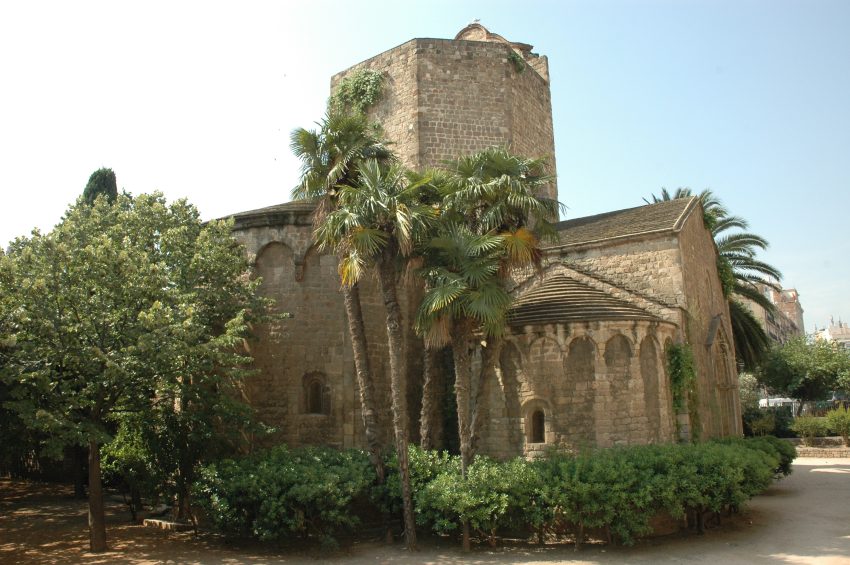
Sant Pau del Camp is one of those Barcelona surprises that feels almost impossible once you're inside: thick Romanesque stone, a small cloister with carved capitals, and a hush that cuts straight through the noise of El Raval outside. It's compact, but that's the point-this isn't a “big-ticket” monument, it's a short, atmospheric step back into medieval Barcelona.
It also fits perfectly into a walking tour of the old city's western edge. Combine it with a wander through El Raval, a stop at Sant Antoni for food or coffee, and an evening drift toward Paral·lel or the waterfront-Sant Pau del Camp is the calm pause that makes the rest of the day feel better paced.
Table of Contents
- History and Significance of the Monastery of Sant Pau del Camp
- Things to See and Do in the Monastery of Sant Pau del Camp
- How to Get to the Monastery of Sant Pau del Camp
- Practical Tips on Visiting the Monastery of Sant Pau del Camp
- Where to Stay Close to the Monastery of Sant Pau del Camp
- Is the Monastery of Sant Pau del Camp Worth Visiting?
- For Different Travelers
- FAQs for Visiting Monastery of Sant Pau del Camp
History and Significance of the Monastery of Sant Pau del Camp
Sant Pau del Camp is considered one of Barcelona's oldest surviving Romanesque church-and-monastery sites, with origins tied to the early medieval period when religious houses sat beyond the tighter urban core. The name “del Camp” reflects that earlier setting-this was once on the outskirts, before the city expanded and swallowed the surrounding land into today's Ciutat Vella fabric.
Its long life included damage, rebuilding, and reworking, which is part of what makes it interesting: you’re not looking at a frozen moment in time, but a site that endured the city’s churn and still holds onto a distinctly Romanesque character. The church’s solid proportions and restrained exterior decoration feel deliberately defensive and inward-looking-more monastery refuge than showpiece.
The real emotional significance today is contrast. Sant Pau del Camp is a reminder that Barcelona isn't only grand avenues and headline architecture; it's also small, intensely local places where the city's older spiritual and communal life is still legible in stone and silence.
Things to See and Do in the Monastery of Sant Pau del Camp
The cloister is the highlight: an intimate square of arches and columns where you can slow down and let your eyes do the work. Look closely at the capitals-there’s a playful, symbolic medieval vocabulary in the carvings, and the variety rewards a second circuit at a gentler pace.
Step into the church after the cloister rather than before. That order tends to land better: the open-air calm sets your mood, then the interior feels more solemn and grounded, with its heavy walls and simple, Romanesque presence. It’s not a “museum-style” visit; it’s a mood visit, best enjoyed quietly.
If you time it for the Sunday guided slot, you’ll get more context and small details you might otherwise miss, especially about symbolism and the way monastic spaces were used. Even without a guide, this is a great stop for travelers who like architecture you can absorb in 30-60 minutes without information overload.
How to Get to the Monastery of Sant Pau del Camp
Barcelona-El Prat Airport is the closest major airport, with direct city connections that make it easy to reach El Raval by metro, train, and airport bus options. For the best deals and a seamless booking experience, check out these flights to Barcelona on Booking.com. Girona-Costa Brava Airport is another common entry point for low-cost flights, but it adds extra transfer time into Barcelona before you connect onward to the centre. For the best deals and a seamless booking experience, check out these flights to Barcelona on Booking.com.
If you're arriving by train, Barcelona Sants is the main hub and the simplest approach is to connect by metro toward Paral·lel, then walk the final stretch through El Raval. Train schedules and bookings can be found on Omio. From the Gothic Quarter or La Rambla, it's an easy walk-this is one of those places where the approach on foot is part of the experience.
Local buses also work well for this area, especially if you’re coming from neighbourhoods that don’t line up neatly with a single metro ride. Aim to arrive with a few spare minutes so you can slow your pace before you step inside.
Driving is generally not worth it in Ciutat Vella because traffic and parking can be frustrating, so it’s best done on foot or by public transport for a clean, low-stress visit. If you are looking to rent a car in Spain I recommend having a look at Discover Cars, first, as they compare prices and review multiple car rental agencies for you.
Practical Tips on Visiting the Monastery of Sant Pau del Camp
- Entrance fee: General admission €6. Guided visit €10. Children under 12: free.
- Opening hours: Monday – Saturday: 10:00–18:00. Sunday: Guided visit at 12:45.
- Official website: http://www.santpaudelcamp.cat/
- Best time to visit: Late morning or mid-afternoon on weekdays is ideal for a quieter, more contemplative visit, especially if you want the cloister mostly to yourself.
- How long to spend: 30-60 minutes is usually perfect, or longer if you like slow-looking and architectural details.
- Accessibility: Expect historic surfaces and limited space in places; it’s manageable for many visitors but not designed like a modern, step-free attraction.
- Facilities: Facilities are limited on-site, so plan to use cafés and restrooms in El Raval or Sant Antoni before or after your visit.
Where to Stay Close to the Monastery of Sant Pau del Camp
For a culture-heavy itinerary with short walks to the Gothic Quarter, El Born, and multiple museums, base yourself in El Raval or on the edge of the Gothic Quarter; if your priority is a calmer local feel with great food access, Sant Antoni is an excellent nearby alternative.
For a practical, well-connected base right in the neighbourhood, Barceló Raval puts you close enough to treat Sant Pau del Camp as an easy morning stop. If you prefer boutique style with a strong “Barcelona city break” feel and a very walkable location, Casa Camper Barcelona is a smart pick near La Rambla and the MACBA zone.
If you want Montjuïc access and a slightly more relaxed edge-of-centre vibe while still being walkable to El Raval, Hotel Brummell is a strong option, especially if your days include viewpoints and parks as well as old-city wandering.
Is the Monastery of Sant Pau del Camp Worth Visiting?
Yes-if you like small, authentic-feeling places that deliver atmosphere quickly. It's one of the best “quiet wins” in central Barcelona: minimal fuss, high character, and a strong sense of stepping into an older layer of the city.
Honest pivot: if you’re only motivated by blockbuster landmarks or you want a heavily curated museum-style experience, this may feel too subtle and too short. It’s best for travelers who enjoy texture-stone, carving, silence-and who appreciate a modest site that doesn’t try to compete with Barcelona’s headline attractions.
What Other Travellers Say...
Saint Pau del Camp (Carrer de Sant Pau, 99, El Raval / Ciutat Vella) is a compact Romanesque monastery-church complex in central Barcelona. It's best known for its cross-shaped plan and small, atmospheric cloister, where visitors often mention elegant arches and finely carved capitals featuring animals and mythic figures. Reviews consistently frame it as a “small but compelling” stop that's easy to see quickly and often far quieter than the big-ticket Gothic Quarter churches. People highlight the cloister (roughly 10 m by 8 m), the sense that it's still an active church, and the appeal of its heavy Romanesque feel—thick walls, small openings, and simple vaulting—making it one of the older surviving religious buildings in the city. The main practical warning is access and timing: several visitors note that parts can be closed (including the tower), and at least one review reports arriving during posted opening times to find the site shut. If it matters to you to go inside, it's worth planning around mass times and having a backup stop nearby in case the doors are closed.





For Different Travelers
Families with Kids
This works well for families if you frame it as a “secret cloister” discovery and keep the visit short and focused. The space is compact, so it’s easier with kids who can handle quiet moments and who enjoy spotting carved details like a visual scavenger hunt.
Pair it with a nearby food stop or a park-like break afterward so the day doesn’t feel like “one more church.” A 30-minute visit can be just right if you treat it as a calm pause rather than a long lesson.
Couples & Romantic Getaways
For couples, the appeal is the contrast: busy city streets outside, then immediate calm inside. It's an easy, intimate stop that adds texture to an old-town walking day and makes Barcelona feel more layered than just the big-name sights.
Combine it with a slow wander through El Raval’s side streets, then pivot to a nicer meal in Sant Antoni or a sunset plan toward Montjuïc. It’s a good “reset” stop before an evening out.
Budget Travelers
This is a strong value stop because it doesn’t require a big time commitment or expensive add-ons, and it sits inside a day you’re likely already doing on foot. Treat it as a paid “atmosphere upgrade” within a largely free walking itinerary across Ciutat Vella.
To keep spending down, pair it with free nearby experiences-street wandering, viewpoints, and neighbourhood exploration-rather than stacking multiple ticketed attractions back-to-back.
History Buffs
History buffs should come for the Romanesque character and the way monastic spaces were built to function-cloister, church, and the feeling of enclosure and refuge. It’s also a useful stop for understanding how Barcelona’s medieval religious landscape extended beyond the tighter old core.
If you want more context, the Sunday guided slot can add interpretive detail, especially on symbolism and architectural motifs. It’s a small site, but it rewards close reading.
FAQs for Visiting Monastery of Sant Pau del Camp
Getting There
Tickets & Entry
Visiting Experience
Photography
Accessibility & Facilities
Safety & Timing
The Monastery of Sant Pau del Camp appears in our Complete Guide to Visiting Barcelona!

Moira & Andy
Hey! We're Moira & Andy. From hiking the Camino to trips around Europe in Bert our campervan — we've been traveling together since retirement in 2020!
This website uses affiliate links which may earn a commission at no additional cost to you!
Planning Your Visit
Monday - Saturday: 10:00-18:00. Sunday: Guided visit at 12:45.
General admission €6. Guided visit €10. Children under 12: free.
Nearby Attractions
- Rambla del Raval (0.4) km
Street - Carrer Nou de la Rambla, 10 (0.5) km
Historic Building - Palau Güell (0.5) km
Historic Building, Historic Site and Palace - Església de Sant Agustí Nou del Raval (0.5) km
Church - Barcelona Maritime Museum (0.5) km
Historic Building, Historic Site and Museum - Old Hospital de la Santa Creu (0.6) km
Courtyard, Historic Building and Historic Site - Gran Teatre del Liceu (0.6) km
Arts Venue, Opera House and Theatre - La Rambla (0.7) km
Area, Promenade and Street - Mercat de la Boqueria (0.7) km
Attraction, Bazaar and Market - Museu de Cera de Barcelona (0.7) km
Attraction and Museum