Roman Army Museum, Brampton, Carlisle
Museum near Brampton, Carlisle
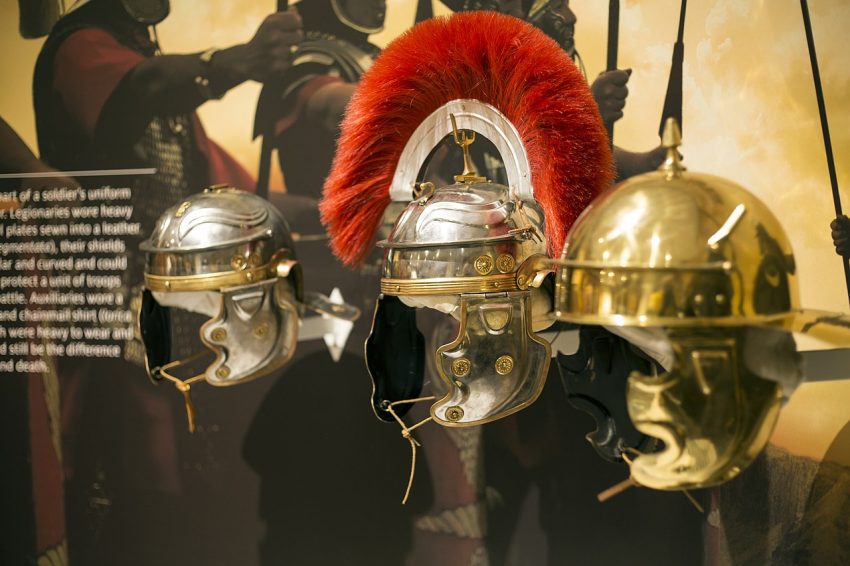
Set right beside one of the most dramatic stretches of Hadrian's Wall, the Roman Army Museum is an easy place to “get” the frontier story quickly. You're not just reading labels here: the galleries are built around what soldiers did, carried, feared, and celebrated, so you leave with a much clearer picture of daily life on the edge of the Roman Empire.
The museum sits near the village of Greenhead, close to Walltown Crags, which means you can combine indoor interpretation with a proper outdoors “this is the landscape they faced” moment. It’s also a strong choice when the weather turns, because most of the experience is comfortably indoors, and it pairs naturally with nearby forts and walking sections of the Wall.
Table of Contents
- History and Significance of the Roman Army Museum
- Things to See and Do in the Roman Army Museum
- How to Get to the Roman Army Museum
- Practical Tips on Visiting the Roman Army Museum
- Where to Stay Close to the Roman Army Museum
- Is the Roman Army Museum Worth Visiting?
- For Different Travelers
- FAQs for Visiting Roman Army Museum
- Nearby Attractions to the Roman Army Museum
History and Significance of the Roman Army Museum
Hadrian's Wall was never just a line on a map; it was a working military zone with patrols, supply chains, local communities, and constant movement. The Roman Army Museum focuses on the human side of that system, using the Wall as a real-world backdrop for explaining how Rome recruited, trained, equipped, and controlled a professional army at the far edge of its territory.
The museum is closely linked to the Vindolanda Trust’s wider work along the Wall, and it benefits from the same archaeology-first approach: real objects, real context, and clear explanations that connect artifacts to lived experience. That matters here, because “Roman army” can feel abstract until you see the kit, the personal items, and the routines that made frontier service a mix of discipline, boredom, danger, and occasional pride.
A key part of its significance is how well it works as an orientation point. If you visit this museum early in your Hadrian’s Wall itinerary, everything else tends to make more sense: why forts sit where they do, what a garrison needed to function, and how soldiers adapted to a colder, wetter landscape far from the Mediterranean world that shaped Roman identity.
Things to See and Do in the Roman Army Museum
Start with the core galleries, which break down the soldier’s world into practical, memorable themes: equipment and combat realities, the organisation of units, and the routines that kept men ready for action. Look out for the everyday items as much as the “headline” weapons and armour, because they’re often the pieces that make the frontier feel real rather than cinematic.
The film experience is a highlight for many visitors because it gives you an aerial, landscape-level understanding of the Wall and its setting before you head back outside. It’s a useful reset if you arrived by car and haven’t yet walked the terrain, and it helps you read the crags, gaps, and viewpoints with more meaning once you do.
Plan a short outdoor extension to your visit, even if it’s just a brief walk toward Walltown Crags or a nearby path section. If you’re visiting in the warmer months, keep an eye out for activity linked to the adjacent Magna fort area, which can add that extra “archaeology in progress” feeling that’s hard to replicate in a purely indoor museum day.
How to Get to the Roman Army Museum
The nearest major airport is Newcastle International Airport, which is the most convenient option if you’re flying in and want to connect onward into the Hadrian’s Wall corridor. For the best deals and a seamless booking experience, check out these flights to Brampton, Carlisle on Booking.com.
For rail, aim for Haltwhistle station (often the simplest) or Hexham, then continue by taxi or seasonal bus connections depending on your timing. Train schedules and bookings can be found on Omio.
If you’re driving, the museum is just off the A69 near Greenhead (postcode CA8 7JB), with straightforward brown tourist signage and on-site parking that makes this one of the easiest Wall sites to reach by road.
Buses can work well in-season, particularly the AD122 service when it’s running, which is designed around linking key Hadrian’s Wall stops. If you’re planning a car-free day, check seasonal timetables in advance and build in buffer time, as services are limited and weather can slow things down.
Practical Tips on Visiting the Roman Army Museum
- Entrance fee: Adults £8.00; Children (5–18) £5.00; Under 5s free; Family (2 adults + up to 3 children) £25.00.
- Opening hours: (Summer) 7 February – 30 November: Daily: 09:30–17:00. (Winter) 1 December – 6 February: Saturday – Sunday: 09:30–16:00. Closed Monday – Friday.
- Official website: https://romanarmymuseum.com/
- Best time to visit: Late morning on a clear day is ideal, so you can do the galleries first and still have daylight for a short Wall walk afterward.
- How long to spend: Allow around 1.5-2 hours for the museum, then add extra time if you want a proper walk at Walltown Crags.
- Accessibility: The museum experience is largely indoors and visitor-friendly, making it a good option for mixed-ability groups and changeable weather days.
- Facilities: Expect a café, toilets, and a shop on-site, so you can comfortably make this a self-contained stop before heading to your next fort or viewpoint.
Where to Stay Close to the Roman Army Museum
For a culture-heavy Hadrian's Wall itinerary with minimal fuss, base yourself in Hexham or Haltwhistle for choice of restaurants and transport links; for early starts and quiet evenings right by the Wall, stay around Greenhead.
If you want to be closest, Greenhead Hotel & Hostel puts you in the right area for sunrise walks and quick access to multiple Wall sections without long drives. For a practical base with services on your doorstep, Centre of Britain Hotel & Restaurant works well, especially if you’re mixing museums with linear walks and occasional bus connections. If you prefer a more polished, town-centre stay with a classic market-town feel, The Beaumont Hotel is a strong pick and makes it easy to combine Roman sites with Hexham’s abbey, cafés, and evening options.
Is the Roman Army Museum Worth Visiting?
Yes, particularly if you want a clear, well-structured introduction to what “the Roman army” actually meant in daily life, not just in battles and emperors. It’s one of the best-value stops on the Wall for context, and it helps the surrounding landscapes and ruins feel legible rather than mysterious.
Honest pivot: if you’re already committed to a long fort-and-crags hike and you’re short on time, you might prioritise an outdoor-heavy site like Housesteads or Steel Rigg and treat this museum as a rainy-day swap. Likewise, if you strongly prefer open-air ruins to indoor interpretation, you may find a quick exterior stop plus a Wall walk more satisfying than a full gallery visit.
What Other Travellers Say...

Roman Army Museum, Roman Army Museum, Greenhead, Brampton CA8 7JB, UK offers a visitor-focused look at life in a fort on Hadrian's Wall through artefacts, reconstructions and a 3D film; exhibits, interactive displays and films bring the soldiers' duties and daily experiences to life, with volunteers delivering engaging talks (including on animal bone finds), hands-on elements, a café and gift shop, and on-site archaeology visible during digs—many visitors value it as an excellent introduction to the Wall, a good complement to visits to other sites such as Vindolanda, and a place worth a couple of hours especially for families.


For Different Travelers
Families with Kids
This is a solid family museum because it’s structured, varied, and breaks up reading with visual storytelling. If you have younger kids, the film and the “what would a soldier carry?” angle usually lands better than dates and dynasties.
Pair the visit with a short, achievable outdoor walk rather than a big-distance hike. A brief stroll toward the Wall gives children the “we actually walked on the frontier” feeling without turning the day into an endurance test.
Couples & Romantic Getaways
For couples road-tripping the north, this is a smart stop because it adds meaning to the scenery you’re already enjoying. The best version of the day is museum first, then a slow, wind-in-your-face walk along a nearby ridge section with a café stop afterwards.
If you like photography and atmosphere, aim for softer light later in the day and build in time to linger outside. Even if you’re not “museum people,” the museum can function as a narrative hook that makes the landscape feel like a story rather than a backdrop.
Budget Travelers
As a high-impact indoor stop, it can be a cost-effective way to add depth to your Hadrian’s Wall day, especially if you’re otherwise focusing on free walking sections. If you’re trying to keep spending tight, plan your day around one paid site and then use the rest of the time for viewpoints and path sections.
Think in clusters to reduce transport costs: pick a couple of nearby highlights and stick to that zone rather than zig-zagging. The A69 corridor and the Haltwhistle/Hexham bases make it easier to do this without burning money on constant taxis.
History Buffs
If you care about the mechanics of empire, this museum is particularly satisfying because it focuses on systems: recruitment, discipline, equipment, and the lived reality of garrison life. It’s also a good complement to fort ruins, which can be visually impressive but sometimes hard to interpret without context.
To get the most out of it, visit early in your trip and then revisit a fort afterwards with “soldier logistics” in mind: where supplies came in, where men trained, and how routine shaped the frontier as much as conflict did. You’ll notice more, and the Wall will feel less like a monument and more like infrastructure.
FAQs for Visiting Roman Army Museum
Getting There
Tickets & Entry
Visiting Experience
Tours, Context & Itineraries
Photography
Accessibility & Facilities
Nearby Attractions to the Roman Army Museum
- Magna Roman Fort: An adjacent frontier fort area that adds an outdoor archaeological dimension to your museum visit.
- Vindolanda Roman Fort & Museum: A major Roman site with deep excavation history and standout finds that complement the army-focused story.
- Walltown Crags: A dramatic, high-standing stretch of Hadrian’s Wall with big views and satisfying short walks.
- Housesteads Roman Fort: One of the most iconic Wall forts, offering powerful ruins and a strong sense of the frontier’s scale.
- The Sill: National Landscape Discovery Centre: A modern visitor centre with exhibitions and viewpoints that help you read the wider Northumberland landscape.
The Roman Army Museum appears in our Complete Guide to Visiting Brampton, Carlisle!

Moira & Andy
Hey! We're Moira & Andy. From hiking the Camino to trips around Europe in Bert our campervan — we've been traveling together since retirement in 2020!
This website uses affiliate links which may earn a commission at no additional cost to you!
Planning Your Visit
(Summer) 7 February - 30 November: Daily: 09:30-17:00.
(Winter) 1 December - 6 February: Saturday - Sunday: 09:30-16:00.
Closed Monday - Friday.
Adults £8.00; Children (5-18) £5.00; Under 5s free; Family (2 adults + up to 3 children) £25.00.
Nearby Attractions
- Thirlwall Castle (0.9) km
Castle - Great Chesters (Aesica) (2.6) km
Roman Fort - Leahill Turret (5.2) km
Roman Site - Hadrian's Wall (5.2) km
Historic Site - Birdoswald Roman Fort (5.3) km
Historic Site - Piper Sike Turret (7.8) km
Roman Site - Pike Hill Signal Tower (9.1) km
Tower - Banks East Turret (9.3) km
Roman Site - Naworth Castle (11.2) km
Castle - Lanercost Priory (11.3) km
Ruins