Palazzo Blu, Pisa
Gallery and Palace in Pisa
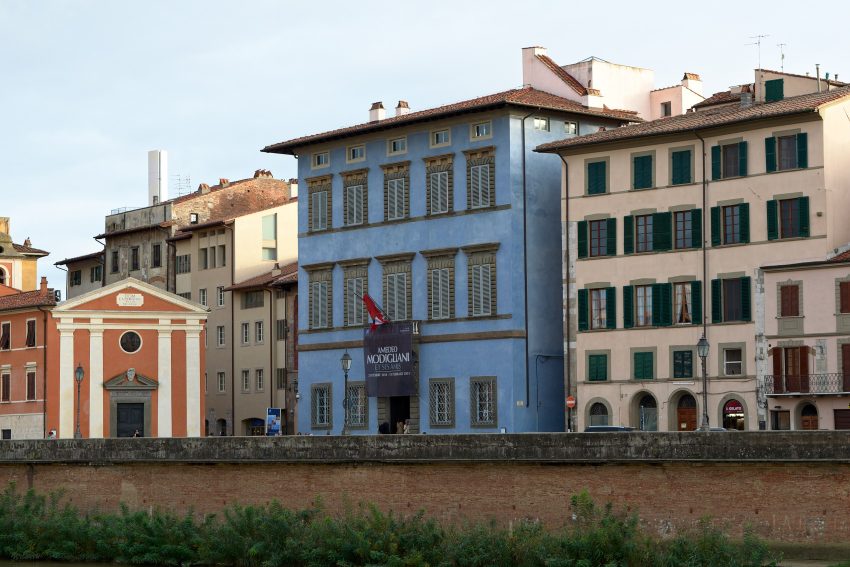
Sitting gracefully along the banks of the Arno, Palazzo Giuli Rosselmini Gualandi - better known as Palazzo Blu - is where Pisa's past and present meet under one blue-painted roof. Step inside and you move from the riverfront into a series of refined rooms holding paintings, furniture and ancient coins that trace Italian art and local history from the 16th to the 20th century. Away from the crowds of the Leaning Tower, this is one of the top attractions in Pisa if you enjoy taking your time with paintings, portraits and small, beautifully curated details.
What keeps Palazzo Blu feeling fresh is how its historic setting pairs with an ambitious programme of special exhibitions. Alongside the permanent collection, you might encounter a deep dive into the work of a single artist - such as M.C. Escher's mind-bending graphics or Amedeo Modigliani's modernist portraits, especially beloved by locals - or a thematic show that ties art to cinema, science or contemporary culture. With this mix of stable displays and changing shows, Palazzo Blu is a great place to visit on a walking tour of Pisa that follows the river and dips into the city's creative side as well as its medieval monuments.
Table of Contents
History and Significance of the Palazzo Blu
Palazzo Giuli Rosselmini Gualandi takes its name from the noble families who once owned it, and its elegant façade facing the Arno reflects centuries of adaptation and refinement. Over time, the building grew from a private residence into a substantial palazzo, gradually accumulating decorative details and a layout suitable for hosting both formal occasions and everyday family life. Its distinctive blue exterior is a more recent choice, but it underlines the palace’s current identity as a public cultural space rather than a purely historic relic.
The decision to transform Palazzo Blu into a museum and exhibition centre allowed Pisa to showcase important works from local collections in a setting that felt appropriately grand without being overwhelming. The permanent galleries focus on Italian art from the 16th to the 20th century, including portraits, landscapes and religious pieces that help tell the story of how Pisa and Tuscany evolved through periods of prosperity, decline and renewal. Carefully chosen furniture, decorative objects and coins add further context, showing how taste, daily life and power were expressed at different points in time.
Equally significant is Palazzo Blu’s role as a dynamic cultural hub. Its special exhibitions, which range from monographic shows dedicated to artists like Escher or Modigliani to wide-ranging explorations of cinema, photography or scientific themes, draw visitors from across Italy and beyond. This rotating programme keeps the palace firmly rooted in the present, ensuring that it is not just a container of static heritage but a place where new ideas and conversations unfold, all against the backdrop of the Arno and Pisa’s historic skyline.
Things to See and Do in the Palazzo Blu
Start with the permanent collection, which is usually arranged chronologically so you can walk through Italian art history room by room. Early galleries often feature religious works and formal portraits, where you can study costume, expression and the subtle ways artists signalled status or piety. As you move into later centuries, look for shifting light and looser brushwork in landscapes and city scenes, reflecting changes in both technique and the way artists viewed the world around them.
Do not overlook the palace context itself. Many rooms retain period details such as decorated ceilings, fireplaces and door frames that remind you this was once a noble residence. Furniture and decorative objects - from fine tables to mirrors and lamps - help you imagine how the building functioned when it was private, and the display of ancient coins adds a more analytical dimension, linking images of rulers and symbols to the broader history of Tuscany and Italy.
The real wildcard at Palazzo Blu is whatever special exhibition is on during your visit. It might be a deep dive into the surreal geometry of M.C. Escher, complete with prints that seem to fold space inside out, or an exploration of Modigliani's elongated, soulful portraits, which resonate strongly in a Tuscan context. At other times, shows might focus on cinema, photography or scientific themes, often with interactive or multimedia elements. Before you leave, pause at the windows or step outside for a walk along the river; the view of the Arno from near Palazzo Blu is a reminder that this cultural hub sits firmly within the everyday life of the city rather than apart from it.
How to Get to the Palazzo Blu
Most international visitors arrive via Pisa International Airport Galileo Galilei, located only a few kilometres from the centre of town; from the airport you can take a local bus, tram connection, short train ride or taxi into the city, then walk to the Arno riverfront where Palazzo Blu stands on the lungarno. For the best deals and a seamless booking experience, check out these flights to Pisa on Booking.com.
If you are travelling by train, aim for Pisa Centrale, which is well connected to other Tuscan cities such as Florence, Lucca and Livorno; from the station, it is a pleasant 15-20 minute walk through the historic streets towards the river, or a quick bus or taxi ride, to reach the palace along Lungarno Gambacorti. Use Omnio to easily compare schedules, book train tickets, and find the best prices all in one place for a hassle-free journey across Italy.
Visitors arriving by car can follow the main routes into Pisa, including the A12 or the Florence-Pisa highways, then park in one of the designated car parks outside the limited-traffic historic zone and walk into the centre, following signs or a map to the Arno embankment where Palazzo Blu occupies a prominent spot along the river. If you are looking to rent a car in Italy I recommend having a look at Discover Cars, first, as they compare prices and review multiple car rental agencies for you.
Practical Tips on Visiting the Palazzo Blu
- Suggested tips: Check in advance which special exhibition is currently running so you can plan enough time for both the permanent collection and the temporary show; combining a visit here with a riverside stroll makes for a relaxed cultural afternoon.
- Best time to visit: Late morning or mid-afternoon are ideal for quieter galleries and softer light through the palace windows; visiting on a weekday can help you avoid peak weekend crowds.
- Entrance fee: Adult: 3,00 Euro
- Opening hours: Tuesday - Friday: 10:00 AM – 7:00 PM Saturday - Sunday and holidays: 10:00 AM – 8:00 PM
- Official website: https://palazzoblu.it/
- How long to spend: Plan at least 1.5-2 hours if you want to explore both the permanent collection and the temporary exhibition at a comfortable pace.
- Accessibility: The museum is housed in a historic building but has been adapted with lifts and accessible routes in many areas; if mobility is a concern, check the latest accessibility information before your visit.
- Facilities: On site you can usually find restrooms, a ticket desk, a bookshop and sometimes a small café or vending area; more cafés and restaurants are available along the river and in nearby streets.
- Photography tip: Take wide shots of the palace exterior from across the Arno, then inside focus on details like frames, ceilings and interesting pairings of artworks; always follow staff guidance on where photography is allowed.
- Guided tours: If offered, a guided tour or audio guide can give extra context on key pieces and help you make sense of the narrative linking the permanent collection and any temporary show.
- Nearby food options: Head to the lungarno and adjoining streets for everything from quick snacks to sit-down meals, making it easy to pair your museum visit with lunch, aperitivo or dinner.
Where to Stay close to the Palazzo Blu
Staying near Palazzo Blu puts you right on the Arno and within easy reach of both cultural sights and everyday city life. A convenient option within walking distance is Hotel Bologna Pisa, which sits between the station area and the river, giving straightforward access to the palace and the medieval centre. If you would like to be closer to the Piazza dei Miracoli while still enjoying a pleasant walk to Palazzo Blu, Grand Hotel Duomo offers a classic base near the Leaning Tower and cathedral. Travellers arriving or departing by train might prefer NH Pisa, directly opposite Pisa Centrale, from where you can stroll through the old streets or take a short bus ride to the riverside and Palazzo Blu.
Is the Palazzo Blu Worth Visiting
Palazzo Blu is definitely worth visiting if you enjoy art, architecture or simply discovering a city's cultural heartbeat beyond its most famous monuments. The permanent collection provides a clear, enjoyable overview of Italian painting and decorative arts across several centuries, while the coins, furniture and palace interiors add layers of context. What really elevates it, though, is the programme of temporary exhibitions, which can turn a visit into a deep dive into a single artist or a surprising theme that you might not expect to encounter in a small Tuscan city. Combined with its riverside location and easy walkability from other sights, this spot is one of the best places to see in Palazzo Blu for anyone planning more than a quick stop in Pisa.
What Other Travellers Say...

Palazzo Blu on Lungarno Gambacorti houses a permanent collection of Italian art and rotating temporary exhibitions in a restored medieval palace by the Arno; visitors praise its elegant rooms, well-curated displays covering periods from Renaissance to contemporary art, informative bilingual labels, friendly staff, affordable admission, and useful amenities like free lockers, a coffee machine and giftshop, though one reviewer reported restricted evening access.


FAQs for Visiting the Palazzo Blu
Nearby Attractions to the Palazzo Blu
- Lungarni of Pisa: The scenic Arno embankments, perfect for a riverside stroll before or after your museum visit.
- Narrow Street Borgo Stretto: A medieval shopping street with arcades, boutiques and cafés, just a short walk into the historic centre.
- Piazza dei Cavalieri: An elegant square framed by Palazzo dei Cavalieri and other historic palaces, showcasing Pisa's civic and academic heritage.
- Piazza dei Miracoli: The iconic field of miracles with the Leaning Tower, cathedral, baptistery and Camposanto, reachable on foot from the riverfront.
- Museo Nazionale di San Matteo: A major art museum preserving sculptures and paintings from Pisan churches and monasteries, ideal for continuing an art-focused day in the city.
The Palazzo Blu appears in our Complete Guide to Visiting Pisa!

Moira & Andy
Hey! We're Moira & Andy. From hiking the Camino to trips around Europe in Bert our campervan — we've been traveling together since retirement in 2020!
This website uses affiliate links which may earn a commission at no additional cost to you!
Planning Your Visit
Tuesday – Friday: 10:00 AM - 7:00 PM
Saturday – Sunday and holidays: 10:00 AM - 8:00 PM
Adult: 3,00 Euro
Nearby Attractions
- Logge di Banchi (0.1) km
Historic Building - Santa Maria della Spina (0.3) km
Church - Borgo Stretto (0.3) km
Street - Church of Santa Maria della Spina (0.3) km
Church - Lungarni of Pisa (0.4) km
- Corso Italia (0.4) km
Street - Santo Stefano dei Cavalieri (0.4) km
Church - Palazzo dei Cavalieri (0.5) km
Palace - Murale Tuttomondo (0.5) km
Historic Site - Orto Botanico dell’Università di Pisa (0.5) km
Gardens