Orto Botanico dell’Università di Pisa
Gardens in Pisa
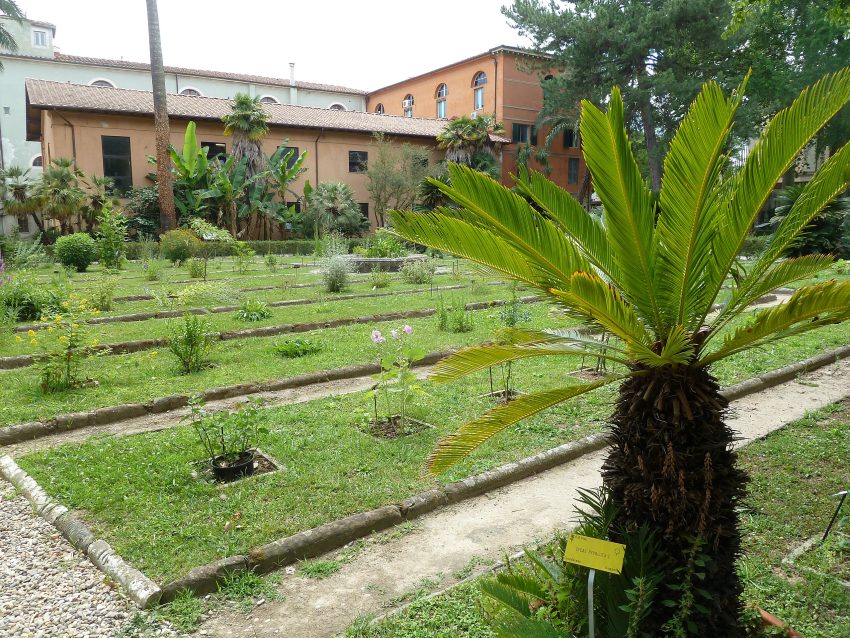
Tucked away just a short stroll from Pisa's famous monuments, the Orto Botanico dell'Università di Pisa is a calm, leafy escape from the city's busy streets. Founded in the mid-1500s by Cosimo I de' Medici, it holds the distinction of being the first university botanical garden in Europe and remains one of the best places to visit in Pisa if you are looking to mix culture with a bit of fresh air. As you wander between beds of aromatic herbs, shaded arboretum paths and tinkling water gardens, it is easy to forget how close you are to crowds lining up for the Leaning Tower.
This is not just a pretty park; it is a working scientific garden that has been evolving for centuries. Open-air collections sit alongside atmospheric historic buildings, including an early botany school with a shell-decorated façade and a series of greenhouses that trace the history of plant cultivation - among them one of Europe's earliest iron-framed glasshouses. You can explore at your own pace or fold the garden into a wider city itinerary: the entrance sits within comfortable walking distance of the main sights, making it a highlight of any walking tour of Pisa that looks beyond the obvious postcard stops.
Table of Contents
- History and Significance of the Orto Botanico dell’Università di Pisa
- Things to See and Do in the Orto Botanico dell’Università di Pisa
- How to Get to the Orto Botanico dell’Università di Pisa
- Practical Tips on Visiting the Orto Botanico dell’Università di Pisa
- Where to Stay close to the Orto Botanico dell’Università di Pisa
- Is the Orto Botanico dell’Università di Pisa Worth Visiting
- FAQs for Visiting Orto Botanico dell’Università di Pisa
- Nearby Attractions to the Orto Botanico dell’Università di Pisa
History and Significance of the Orto Botanico dell’Università di Pisa
The garden was founded in the 16th century at the request of Cosimo I de’ Medici, who understood the growing importance of botany for medicine, trade and scientific inquiry. As Europe’s first university botanical garden, it set a model that many other academic cities would later follow. From the beginning it was more than a pleasure ground: it functioned as an open-air laboratory where students and scholars could study medicinal plants, rare species and the broader relationships between humans and the natural world.
Over time the garden shifted location and layout, adapting to new scientific priorities and changing urban needs, but it never lost its academic role. Plant collections were reorganised as taxonomic systems evolved, new species arrived from overseas voyages, and greenhouses were added to accommodate delicate specimens from different climates. The iron-framed glasshouse, one of the first of its kind in Europe, symbolised this forward-looking spirit, harnessing new engineering techniques to support botanical experimentation.
Today, the Orto Botanico dell'Università di Pisa still belongs to the university and continues its dual role as research site and public garden. For visitors, that means you are walking through living history: beds and borders planned with scientific intent, historic trees that have witnessed generations of students, and buildings that speak of centuries of curiosity and study. The garden's significance lies not only in its age but in the continuity of its mission - a place where plants have been observed, catalogued and cared for over many lifetimes.
Things to See and Do in the Orto Botanico dell’Università di Pisa
As you enter, begin with a slow circuit of the open-air sections. The herb gardens are particularly enjoyable, with labelled beds that introduce you to medicinal and aromatic plants; take your time to read the names and, where allowed, gently brush leaves to release their scents. Moving on, the arboretum offers a collection of rare and diverse trees, ranging from Mediterranean species to more exotic introductions, all set along meandering paths that invite you to stroll and pause in the shade.
The water gardens add a different mood, with pools and aquatic plants that attract birds and insects, making this a pleasantly biodiverse pocket of the city. Nearby you will find the greenhouses, where you can see how the garden accommodates species from drier or more tropical environments. One of the most intriguing structures is the early iron-framed glasshouse, an important step in greenhouse design that allowed more light and better climate control than traditional masonry-based houses. It is worth stepping inside to feel how the atmosphere shifts and to look closely at the structure itself.
Do not miss the old botany school, a late 16th-century building instantly recognisable by its façade decorated with seashells. It stands as a reminder of the garden's academic roots, when botany was closely intertwined with medicine and exploration. Depending on current arrangements, parts of this building may host displays or small exhibitions. Even if interior access is limited, it is still a lovely landmark to photograph and to include in your wander through the grounds. Between the historical features, the living plant collections and the sheer sense of calm, it is easy to spend an hour or two here just drifting, reading labels and enjoying a very different side of Pisa.
How to Get to the Orto Botanico dell’Università di Pisa
If you are arriving from abroad, you will likely land at Pisa International Airport Galileo Galilei, just a few kilometres from the historic centre; from there you can take a short taxi ride or jump on local buses or the tram link into town, then walk towards the university area where the garden is clearly signposted. For the best deals and a seamless booking experience, check out these flights to Pisa on Booking.com.
Travelling by train is straightforward: Pisa Centrale is the main station, with regular services from Florence, Lucca, Livorno and other Tuscan towns; from the station, you can either walk around 20-25 minutes through the city streets to the botanical garden or take a local bus towards the Piazza dei Miracoli area and follow signs from there. Use Omnio to easily compare schedules, book train tickets, and find the best prices all in one place for a hassle-free journey across Italy.
If you are coming by car, follow signs towards central Pisa and the area around the Piazza dei Miracoli, then leave your vehicle in one of the public car parks outside the limited traffic zone before walking to the garden's entrance near the university buildings and cathedral quarter. If you are looking to rent a car in Italy I recommend having a look at Discover Cars, first, as they compare prices and review multiple car rental agencies for you.
Practical Tips on Visiting the Orto Botanico dell’Università di Pisa
- Suggested tips: Bring water, wear comfortable shoes and allow yourself time to wander without a fixed route so you can enjoy both the main paths and smaller corners; pairing the garden with a visit to the nearby cathedral complex makes for a balanced day of culture and nature.
- Best time to visit: Spring and early summer are especially beautiful for flowers and fresh greenery, while autumn brings softer light and quieter paths; early mornings and late afternoons tend to be more peaceful than midday in high season.
- Entrance fee: Adults: €4:00
- Opening hours: From October 31st to March 26th: every day, 8.30am – 5pm From 27 March to 29 April: every day, 8.30am – 7.00pm From 30 April to 12 June: every day, 8.30am – 8.00pm From 13 June to 12 July: every day, 8.30am – 9.00pm From 13 July to 4 September: every day, 8.30am – 8.00pm From 5 September to 10 October: every day, 8.30am – 7.00pm From 11 to 30 October: every day, 8.30am – 6.00pm
- Official website: https://www.ortomuseobot.sma.unipi.it/accessibilita/
- How long to spend: Plan on 1-2 hours if you want to explore the main collections, greenhouses and historic buildings at a relaxed pace.
- Accessibility: Main paths are generally level and suitable for most visitors, though some older surfaces may be uneven; check ahead if you require step-free access to specific buildings or greenhouses.
- Facilities: Expect basic facilities such as restrooms and benches within or near the garden; cafés and small restaurants can be found in the streets just outside, making it easy to combine your visit with a snack or lunch.
- Photography tip: Use the contrast between structured beds, tall trees and historic buildings to frame your shots; detail photos of leaves, flowers and the shell-decorated façade of the botany school work well alongside wider garden views.
- Guided tours: If the university or garden offers guided visits or themed walks, they are a good way to learn more about the scientific and historical background of the collections.
- Nearby food options: Head into the adjacent streets for trattorias, student-friendly cafés and gelaterie where you can relax after your garden visit.
Where to Stay close to the Orto Botanico dell’Università di Pisa
Staying near the historic centre makes it very easy to visit the botanical garden on foot while also enjoying quick access to the cathedral and Leaning Tower. A well-located option is Hotel Bologna Pisa, which offers a comfortable base within walking distance of the Arno and the university area. If you prefer to be even closer to the classic monuments while still only a short walk from the garden, Grand Hotel Duomo places you near the Piazza dei Miracoli and the northern part of the old town. Travellers arriving by train may find NH Pisa convenient, with an easy onward walk or bus ride to the Orto Botanico and other central sights.
Is the Orto Botanico dell’Università di Pisa Worth Visiting
The Orto Botanico dell'Università di Pisa is definitely worth visiting, especially if you are spending more than a quick half-day in the city. It offers a different perspective from the famous piazza: instead of marble and crowds, you get trees, ponds and quiet corners shaped by centuries of scientific curiosity. For plant lovers, it is an obvious stop, but even casual visitors appreciate the relaxed atmosphere, the historic greenhouses and the sense of stepping into a living piece of university history. It is one of the things to do in Pisa that gives your itinerary a calmer, more reflective note between headline sights.
What Other Travellers Say...

Orto e Museo Botanico on Via Luca Ghini is a peaceful, compact botanical garden with an attached museum and greenhouses featuring an arboretum, medicinal plants, fountains and flowerbeds; visitors praise its mature trees, raised spots with partial views of nearby cathedral tops and a calm atmosphere good for families and quieter visits, note indoor cactus and rainforest-style houses, and mention highlights like an old magnolia and charming resident greenery, though some guests have found parts of the plant collection neglected while others enjoyed the museum exhibits and gift shop.


FAQs for Visiting Orto Botanico dell’Università di Pisa
Nearby Attractions to the Orto Botanico dell’Università di Pisa
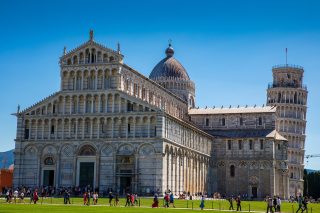
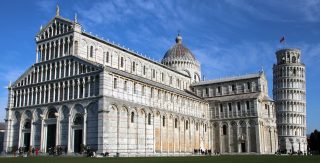
- Piazza dei Miracoli: The city's famous “Field of Miracles,” home to the Leaning Tower, cathedral, baptistery and Camposanto, just a short walk away.
- Museo dell'Opera del Duomo: The cathedral museum displaying original sculptures and artworks from the Piazza dei Miracoli monuments.
- Palazzo Blu: A riverside palace hosting a permanent art collection and major temporary exhibitions, ideal for extending a culture-focused day.
- Narrow Street Borgo Stretto: A medieval shopping street with arcades, cafés and markets, perfect for a stroll after your garden visit.
- Piazza dei Cavalieri: An elegant historic square dominated by Palazzo dei Cavalieri and other Renaissance palaces, showcasing Pisa's civic and academic heritage.
The Orto Botanico dell’Università di Pisa appears in our Complete Guide to Visiting Pisa!

Moira & Andy
Hey! We're Moira & Andy. From hiking the Camino to trips around Europe in Bert our campervan — we've been traveling together since retirement in 2020!
This website uses affiliate links which may earn a commission at no additional cost to you!
Planning Your Visit
From October 31st to March 26th: every day, 8.30am - 5pm
From 27 March to 29 April: every day, 8.30am - 7.00pm
From 30 April to 12 June: every day, 8.30am - 8.00pm
From 13 June to 12 July: every day, 8.30am - 9.00pm
From 13 July to 4 September: every day, 8.30am - 8.00pm
From 5 September to 10 October: every day, 8.30am - 7.00pm
From 11 to 30 October: every day, 8.30am - 6.00pm
Adults: €4:00
Nearby Attractions
- Palazzo dei Cavalieri (0.3) km
Palace - Museo dell'Opera del Duomo (0.3) km
Museum - Santo Stefano dei Cavalieri (0.3) km
Church - Leaning Tower of Pisa (0.3) km
Historic Building and Tower - Cathedral of Santa Maria Assunta (0.4) km
Cathedral - Campo dei Miracoli (0.4) km
Historic Site and Square - Battistero di San Giovanni (0.4) km
Historic Building - Lungarni of Pisa (0.5) km
- Camposanto Monumentale (0.5) km
Historic Building - Baths of Nero (0.5) km
Historic Site