Coimbra Science Museum
Museum in Coimbra
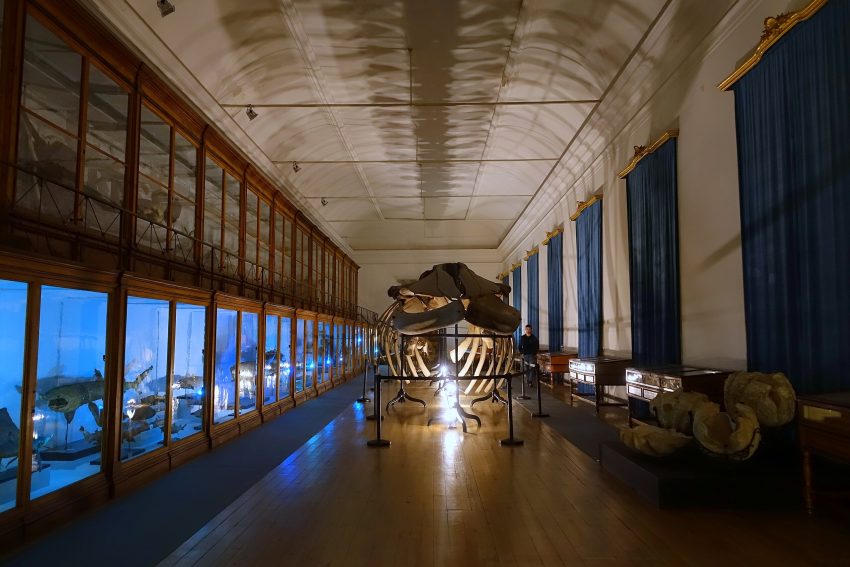
The Coimbra Science Museum is one of the things to do in Coimbra for anyone curious about how science evolved from the Age of Enlightenment to the present. Housed within the historic University of Coimbra's scientific complex, the museum brings together centuries of knowledge in a series of beautifully curated galleries. It is also a great place to visit on a walking tour of Coimbra, offering an engaging blend of hands-on discovery and historical depth.
Established through the consolidation of the university’s vast collections in 2006, the museum highlights the groundbreaking reforms introduced in the 18th century by the Marquis de Pombal. These reforms transformed scientific education in Portugal, creating a legacy that continues to inspire visitors today.
Table of Contents
- History and Significance of Coimbra Science Museum
- Things to See and Do in Coimbra Science Museum
- How to Get to Coimbra Science Museum
- Practical Tips on Visiting Coimbra Science Museum
- Where to Stay close to Coimbra Science Museum
- Is Coimbra Science Museum Worth Visiting?
- FAQs for Visiting Coimbra Science Museum
- Nearby Attractions to Coimbra Science Museum
History and Significance of Coimbra Science Museum
The origins of the Coimbra Science Museum lie in the transformative Pombaline Reforms of the late 1700s, which modernized scientific teaching at the University of Coimbra. New laboratories, observational institutions, and research spaces were created to align Portuguese science with European standards. Over the centuries, various departments built up extensive collections, ranging from astronomical instruments to preserved botanical samples.
By 2006, these once-disparate collections were unified within a modern museum space, bringing together physics, chemistry, natural history, anthropology, and astronomy under one roof. This consolidation allowed visitors to engage with the full scope of the university’s scientific legacy.
Today, the museum is considered one of the top attractions in Coimbra for science enthusiasts. Its central theme, “light and matter,” guides visitors through the fundamental interactions that shaped early scientific thinking and helps connect historical discoveries with modern understanding.
Things to See and Do in Coimbra Science Museum
The museum’s interactive exhibits recreate experiments from the late 18th century, allowing visitors to explore how pioneers like Newton, Lavoisier, and Galileo shaped scientific progress. These hands-on stations are particularly popular with families, offering an educational and immersive experience.
One of the most fascinating areas is the anthropology and ethnology collection, where more than 500 complete skeletons and 2,000 skulls illustrate the breadth of past academic research across Portugal and its former territories. Meanwhile, the botanical collection features over 3,000 preserved fruits, seeds, and plant materials, many gathered from Brazil and Africa during colonial expeditions.
The zoological collection is the museum’s largest, containing more than 200,000 specimens. Highlights include a 20-meter whale skeleton, rare amphibians and reptiles, and birds from around the world. The collection even preserves examples of animals long extinct in Portugal, such as a bear and two wild goats, adding a poignant historical note.
Astronomy lovers can explore a remarkable series of instruments, celestial charts, and observational drawings that showcase centuries of scientific observation. In the chemistry and physics sections, visitors can examine historic laboratory apparatus and learn how early researchers understood the nature of light, color, and the physical world.
How to Get to Coimbra Science Museum
Visitors typically reach Coimbra via Porto Airport or Lisbon Airport, both of which offer reliable rail and coach services to the city. For the best deals and a seamless booking experience, check out these flights to Coimbra on Booking.com.
Coimbra-B station is served by regular trains from Lisbon, Porto, and regional cities. After arriving, buses or taxis provide quick access to the university district where the museum is located. Train schedules and bookings can be found on Omio.
If you are driving, car parks are available around the lower old town, with a short uphill walk leading to the university and museum complex. Narrow streets in the historic center make parking close to the museum limited, so planning ahead is recommended. If you are looking to rent a car in Portugal I recommend having a look at Discover Cars, first, as they compare prices and review multiple car rental agencies for you.
Practical Tips on Visiting Coimbra Science Museum
- Best time to visit Coimbra Science Museum: Weekday mornings for a quieter, more immersive experience.
- Entrance fee in Euros: Standard fees apply, with discounts for students, seniors, and families.
- Opening hours: Open daily; check for seasonal or special exhibition schedules.
- Official website: Consult the museum’s site for updated ticket information and temporary exhibits.
- How long to spend: Plan for 1.5-2 hours to explore both the interactive and historical collections.
- Accessibility: The museum is generally accessible, though some historic areas may have minor limitations.
- Facilities: Includes a gift shop offering science-themed items and a café with a terrace overlooking Coimbra.
- Photography tip: The whale skeleton and scientific instruments make striking subjects where photography is allowed.
- Guided tours: Available for groups; recommended for deeper academic insight.
- Nearby food options: The on-site café serves brunch on weekends and lunch daily, with other cafés nearby in the university district.
Where to Stay close to Coimbra Science Museum
A comfortable and atmospheric place to stay is Sapientia Boutique Hotel, located near the university courtyard. For a heritage stay with character, Solar Antigo Luxury Coimbra offers period charm within walking distance of the museum. Travelers seeking modern comfort may prefer Tivoli Coimbra Hotel, offering easy access to transport links and the historic center.
Is Coimbra Science Museum Worth Visiting?
Absolutely. The Coimbra Science Museum is a fascinating blend of hands-on learning, historic collections, and scientific storytelling. Whether you're captivated by natural history, intrigued by early experiments, or simply curious about how science evolved across centuries, the museum offers a rich and memorable experience.
What Other Travellers Say...

Museu da Ciência da Universidade de Coimbra, at Largo Marquês de Pombal 3000, offers vintage, scholarly galleries of historical scientific instruments and preserved natural specimens across two buildings on either side of the street; highlights include the authentic Chemical Laboratory and Physics Cabinet and a modern take on a Cabinet of Curiosities with rare natural history items, plus interactive experiments (some visitors praise hands-on light displays and a strong sense of past university study, while others note several interactives or exhibits may be out of order and find the presentation more like a collection of old instruments than a modern science center).


FAQs for Visiting Coimbra Science Museum
Nearby Attractions to Coimbra Science Museum
- University of Coimbra: A UNESCO-listed academic complex with centuries of history.
- Paço das Escolas: Ceremonial heart of the university with sweeping city views.
- Biblioteca Joanina: A renowned Baroque library filled with rare manuscripts.
- Botanical Garden of the University of Coimbra: A peaceful scientific garden with rare species.
- Machado de Castro National Museum: Roman ruins and extensive art collections housed in a former bishop's palace.
The Coimbra Science Museum appears in our Complete Guide to Visiting Coimbra!

Moira & Andy
Hey! We're Moira & Andy. From hiking the Camino to trips around Europe in Bert our campervan — we've been traveling together since retirement in 2020!
This website uses affiliate links which may earn a commission at no additional cost to you!
Planning Your Visit
10am-7pm Tue-Sun Mar-Oct, to 6pm Nov-Feb
adult/child incl Paço das Escolas, Biblioteca Joanina & Capela de São Miguel €12.50/free, without Biblioteca €7/free
Nearby Attractions
- Sé Nova (0.1) km
Cathedral - University of Coimbra (0.1) km
Historic Site - Museu Nacional de Machado de Castro (0.2) km
Historic Building, Historic Site and Museum - Sé Velha de Coimbra (0.3) km
Cathedral - University Tower (0.4) km
Historic Building and Tower - Paço das Escolas (0.4) km
Historic Building - Biblioteca Joanina (0.4) km
Historic Building and Library - Santa Cruz Monastery (0.4) km
Monastery - Botanical Garden of the University of Coimbra (0.4) km
Gardens - San Sebastian Aqueduct (0.5) km
Aqueduct