Sé Nova, Coimbra
Cathedral in Coimbra
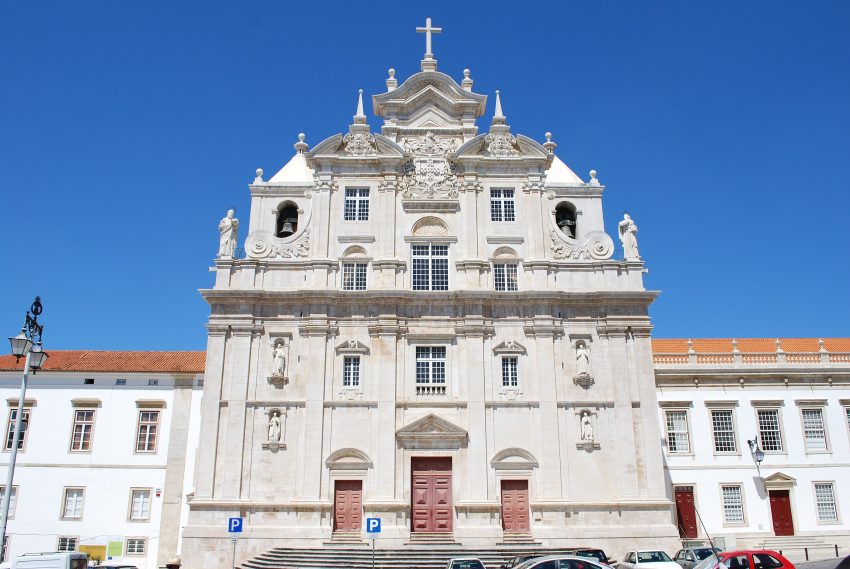
Sé Nova in Coimbra, Portugal, is the city's main cathedral and a religious monument in the upper town, close to the University of Coimbra. Originally built as a Jesuit church, it now anchors Largo da Feira dos Estudantes with a façade that mixes Mannerist and Baroque elements.
Visitors come here for the building’s clear historical layers: the Jesuit saints on the lower façade, the later cathedral additions above, and the interior’s single nave, side chapels, and gilded chancel. It is best for travelers interested in architecture, church history, and places that can be explored in a short stop without much planning.
History and Significance of Sé Nova
The Sé Nova began as a monumental Jesuit church inspired by Baltazar Álvares's design for São Vicente de Fora in Lisbon. Its construction spanned an entire century, reflecting changes in architectural style and the ambitions of the powerful Jesuit order. For decades, it served as a cornerstone of Jesuit education and worship in Coimbra.
Everything changed in 1759 when the Marquis de Pombal expelled the Jesuits from Portugal. Their churches, colleges, and properties were confiscated, leaving the Sé Nova vacant until 1772. That year, in the wake of sweeping educational reforms, the cathedral seat shifted from the ancient Sé Velha to this grander, hilltop building, positioning the Sé Nova at the heart of Coimbra's ecclesiastical life.
The cathedral’s influence extended beyond Portugal. Its design inspired Jesuit churches across Portuguese colonies, echoing Coimbra’s architectural legacy in distant parts of the world.
Things to See and Do in Sé Nova
The cathedral’s façade is among its most striking features. The lower level includes statues of four Jesuit saints-St. Ignatius, St. Aloysius Gonzaga, St. Francis Xavier, and St. Francis Borgia-reflecting the church’s original identity. The Baroque upper façade, added in the 18th century, features imposing statues of Saints Peter and Paul, symbolizing its later role as the city’s official cathedral.
Inside, the Sé Nova has a single vaulted nave lined with side chapels. These include the Chapel of the Resurrection, the Chapel of St. Thomas, and the Chapel of the Sacrament, each containing art and religious objects spanning several centuries. The tombs of bishops such as Jorge Almeida, Pedro Martins, and Egas Fafes offer a glimpse into Coimbra's religious hierarchy.
The chancel is the interior’s true masterpiece. Completed in the late 17th century, its gilded woodwork gleams with intricate detail. Four niches contain statues of Jesuit saints, while the chancel stalls-crafted of exotic wood and bronze-were brought from the Sé Velha, along with the early 16th-century baptismal font. These additions enrich the cathedral with layers of artistic and historical continuity.
How to Get to Sé Nova
Most visitors travel to Coimbra through Porto Airport or Lisbon Airport, both offering excellent connections to the city by train or bus. For the best deals and a seamless booking experience, check out these flights to Coimbra on Booking.com.
Coimbra-B station receives frequent services from both cities. From the station, buses and taxis make it easy to reach the Alta de Coimbra, where the Sé Nova stands near the university courtyard. Train schedules and bookings can be found on Omio.
If you’re driving, parking is generally easier in the lower town, with pedestrian routes leading upward. The steep climb to the cathedral is manageable and offers scenic viewpoints along the way. If you are looking to rent a car in Portugal I recommend having a look at Discover Cars, first, as they compare prices and review multiple car rental agencies for you.
Practical Tips on Visiting Sé Nova
- Best time to visit Sé Nova: Mid-morning or late afternoon for quieter interiors and softer light on the façade.
- Entrance fee in Euros: Usually free; donations are welcome.
- Opening hours: Typically open daily, but hours may vary during services or special events.
- Official website: Consult Coimbra’s tourism site for updates.
- How long to spend: About 30-45 minutes to appreciate both the exterior and interior.
- Accessibility: Located in the upper town; some steep approaches but interior is generally accessible.
- Facilities: Cafés and small shops nearby in the university district.
- Photography tip: Capture the façade from the corner of the square for the best perspective of both tiers.
- Guided tours: Some Coimbra walking tours include the cathedral.
- Nearby food options: Cafés and restaurants cluster along the streets surrounding the university.
Where to Stay close to Sé Nova
For a refined stay steps from the cathedral, Sapientia Boutique Hotel offers stylish rooms and rooftop views of the upper town. Travelers who prefer historic charm may enjoy Solar Antigo Luxury Coimbra, set within a restored medieval building. For modern comfort and easy access to the whole city, Tivoli Coimbra Hotel is a reliable option.
Is Sé Nova Worth Visiting?
Yes. The Sé Nova is a beautiful fusion of Jesuit and Baroque architecture, enriched with sacred art and historical treasures brought from the Sé Velha. Its commanding location, elegant façade, and ornate chancel make it a highlight for anyone exploring Coimbra's upper town.
What Other Travellers Say...
New Cathedral of the Holy Name of Jesus (Coimbra), at Largo Feira dos Estudantes, is a 17th‑century Catholic cathedral where Mannerist and Baroque styles meet; visitors note its striking Baroque façade, bright, spacious interior, richly carved gilded woodwork and impressive altars, with quiet, peaceful chapels that make it easy to linger, and practical visitor details mentioned include paid entry, available parking and restrooms and accessibility for those with reduced mobility.





FAQs for Visiting Sé Nova
The Sé Nova appears in our Complete Guide to Visiting Coimbra!

Moira & Andy
Hey! We're Moira & Andy. From hiking the Camino to trips around Europe in Bert our campervan — we've been traveling together since retirement in 2020!
This website uses affiliate links which may earn a commission at no additional cost to you!
Planning Your Visit
Nearby Attractions
- University of Coimbra (0.1) km
Historic Site - Museu Nacional de Machado de Castro (0.1) km
Historic Building, Historic Site and Museum - Coimbra Science Museum (0.1) km
Museum - Sé Velha de Coimbra (0.2) km
Cathedral - University Tower (0.2) km
Historic Building and Tower - Paço das Escolas (0.2) km
Historic Building - Biblioteca Joanina (0.3) km
Historic Building and Library - Botanical Garden of the University of Coimbra (0.4) km
Gardens - Porta de Barbacã (0.4) km
City Gate and Tower - Santa Cruz Monastery (0.4) km
Monastery