San Sebastian Aqueduct, Coimbra
Aqueduct in Coimbra
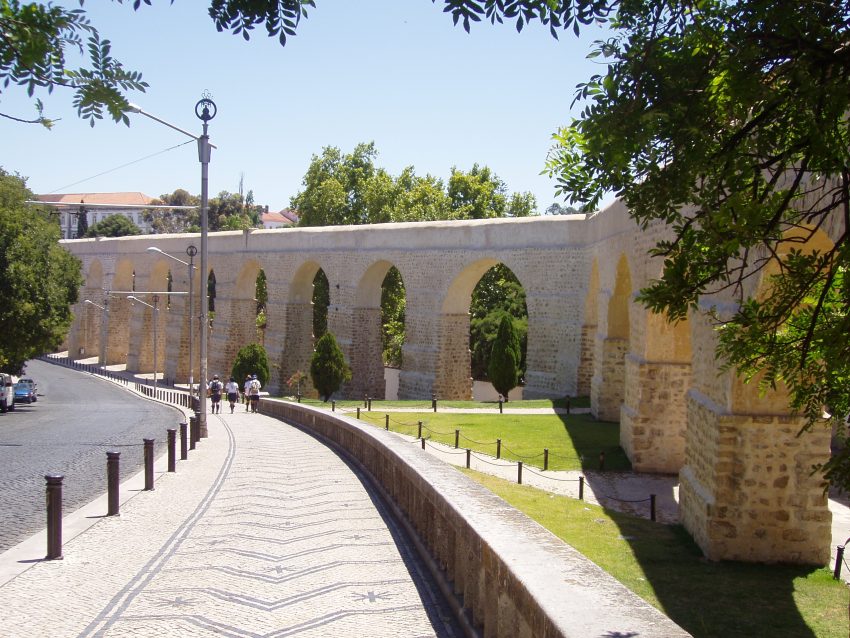
San Sebastian Aqueduct, known locally as Arcos do Jardim, is an outdoor landmark in Coimbra, Portugal, set beside the Botanical Garden of the University of Coimbra and along the city streets leading uphill toward the historic upper town. It is a Renaissance aqueduct built to carry water to the city's higher areas, and today it reads as both infrastructure and street monument.
Visitors see a long run of stone arches, a ceremonial arch with sculptural decoration, and the strong contrast between masonry and the garden greenery beside it. The aqueduct is best for people interested in architecture, urban history, and short walking stops rather than long sightseeing sessions. It works well as part of a visit to Coimbra’s university area, and it is easy to appreciate even if you only spend a few minutes here.
Table of Contents
- History and Significance of the San Sebastian Aqueduct
- Things to See and Do in the San Sebastian Aqueduct
- How to Get to the San Sebastian Aqueduct
- Practical Tips on Visiting the San Sebastian Aqueduct
- Where to Stay close to the San Sebastian Aqueduct
- Is the San Sebastian Aqueduct Worth Visiting?
- FAQs for Visiting the San Sebastian Aqueduct
History and Significance of the San Sebastian Aqueduct
The Aqueduto de São Sebastião stands on the alignment of a Roman aqueduct that once supplied water to ancient Aeminium, the Roman settlement that preceded Coimbra. When urban demand grew during the Renaissance, King Sebastião ordered the construction of a new aqueduct in 1570, using the ancient foundations and course as a guide.
Architect Filipe Terzi, one of the most influential engineers working in Portugal at the time, was responsible for the design. The result was a structure that harmonized classical motifs with contemporary needs, improving Coimbra’s water system while adding monumental beauty to the urban landscape.
Over the centuries, the aqueduct became a defining feature of the university quarter. Today, it remains one of the top attractions in Coimbra’s higher town, admired as much for its historical importance as its elegant geometry.
Things to See and Do in the San Sebastian Aqueduct
The most striking feature is the “arch of honor,” the first arch as you approach from the garden side. Unlike the rest of the aqueduct, this arch is richly decorated: topped with a cornice, adorned with the Portuguese royal coat of arms, and crowned with a canopy supported by Doric columns. Above this rises a dome with a lantern, creating an impressive ceremonial gateway effect.
On either side of the arch are niches containing statues of São Sebastião and São Roque, both protectors against plague-an appropriate dedication for a structure tied to public water supply. These sculptural elements set the arch apart from the simpler, functional line of arches that extend across the landscape.
Walking alongside the aqueduct offers excellent photo opportunities, especially where its arches frame the greenery of the Botanical Garden. The contrast between stone and foliage makes this one of Coimbra’s most atmospheric urban walks.
How to Get to the San Sebastian Aqueduct
Most visitors reach Coimbra via Porto Airport or Lisbon Airport, both of which offer reliable train and bus connections to the city. For the best deals and a seamless booking experience, check out these flights to Coimbra on Booking.com.
Coimbra-B station receives frequent trains from Lisbon, Porto, and other major hubs. From the station, buses or taxis can take you toward the university district, where the aqueduct stands adjacent to the Botanical Garden's entrance. Train schedules and bookings can be found on Omio.
If arriving by car, parking is available near the university or the lower old town. From there, it’s a short walk uphill to the aqueduct’s central arches and the monumental arch of honor. If you are looking to rent a car in Portugal I recommend having a look at Discover Cars, first, as they compare prices and review multiple car rental agencies for you.
Practical Tips on Visiting the San Sebastian Aqueduct
- Best time to visit the San Sebastian Aqueduct: Late afternoon when sunlight highlights the arches.
- Entrance fee in Euros: Free public monument.
- Opening hours: Accessible at all times along public streets.
- Official website: Check Coimbra tourism listings for updates.
- How long to spend: 15-30 minutes, longer if combining with the Botanical Garden.
- Accessibility: The path runs along city streets but includes some inclines.
- Facilities: Cafés and shops can be found nearby around the university area.
- Photography tip: Stand near the Botanical Garden entrance to capture the arches receding into the distance.
- Guided tours: Included in several Coimbra walking itineraries.
- Nearby food options: Coffee shops and student cafés are plentiful in the surrounding streets.
Where to Stay close to the San Sebastian Aqueduct
For an elegant stay near the university and garden, Sapientia Boutique Hotel offers refined rooms and rooftop views. Travelers seeking historical character may enjoy Solar Antigo Luxury Coimbra, set in a beautifully restored building. A comfortable modern alternative is Tivoli Coimbra Hotel, with easy access to transport links and city attractions.
Is the San Sebastian Aqueduct Worth Visiting?
Yes. Whether you're fascinated by Renaissance engineering, enjoy atmospheric urban walks, or want to combine history with the natural beauty of the Botanical Garden, the San Sebastian Aqueduct offers a striking and memorable experience. Its monumental arch and long line of arches make it an essential stop in Coimbra's upper town.
What Other Travellers Say...
Aqueduto de São Sebastião / Arcos do Jardim sits on Alameda Júlio Henriques beside the University of Coimbra Botanical Garden and stretches roughly a kilometre with a series of arches; visitors note its impressive, well-preserved ancient construction and statues marking its ends, and recommend viewing it from the street on the way to the garden or peering through openings in the garden wall when the grounds are closed.





FAQs for Visiting the San Sebastian Aqueduct
The San Sebastian Aqueduct appears in our Complete Guide to Visiting Coimbra!

Moira & Andy
Hey! We're Moira & Andy. From hiking the Camino to trips around Europe in Bert our campervan — we've been traveling together since retirement in 2020!
This website uses affiliate links which may earn a commission at no additional cost to you!
Planning Your Visit
Nearby Attractions
- Botanical Garden of the University of Coimbra (0.3) km
Gardens - University of Coimbra (0.4) km
Historic Site - Sé Nova (0.4) km
Cathedral - Paço das Escolas (0.4) km
Historic Building - Coimbra Science Museum (0.5) km
Museum - Museu Nacional de Machado de Castro (0.5) km
Historic Building, Historic Site and Museum - Biblioteca Joanina (0.5) km
Historic Building and Library - University Tower (0.5) km
Historic Building and Tower - Sé Velha de Coimbra (0.6) km
Cathedral - Porta de Barbacã (0.7) km
City Gate and Tower