Museo Nazionale di San Matteo, Pisa
Museum in Pisa
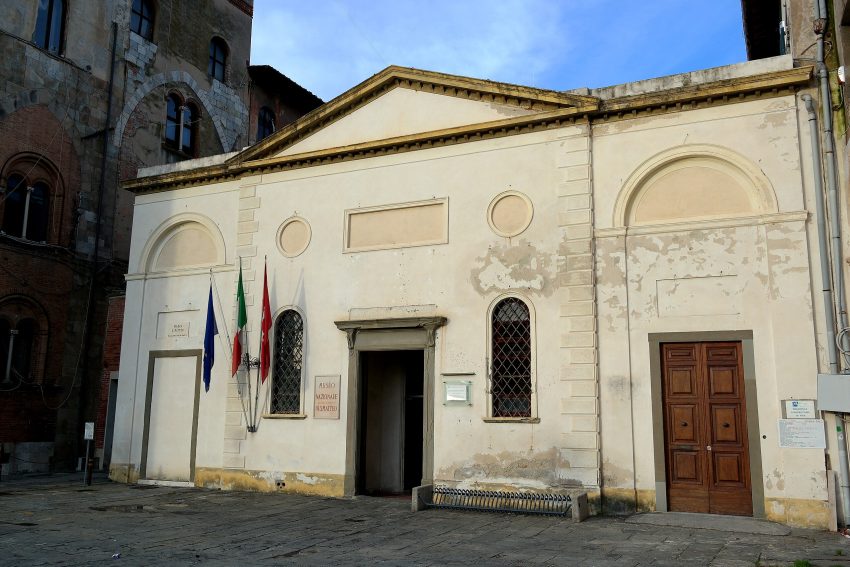
Tucked into the quieter side of Pisa, away from the crowds around the Leaning Tower, the former Benedictine Convent of San Matteo now houses the National Museum of San Matteo, one of the top attractions in Pisa for anyone who loves medieval art and understated historic spaces. Step beyond its modest exterior and you are suddenly surrounded by an extraordinary collection of sculpture and painting from Tuscan schools between the 12th and 15th centuries. This is where you come face to face with original works that once stood in the open air on churches and façades across the city, moved indoors to protect them from time and pollution.
The atmosphere inside is calm and contemplative, more like a cloistered retreat than a big-city museum, which makes it a highlight of any walking tour of Pisa that aims to go beyond the obvious postcard views. Original statues by Giovanni Pisano from the baptistery, the famous Madonna del Latte that once graced Santa Maria della Spina, and room after room of panel paintings and crucifixes tell the story of Pisa's religious and artistic life in the Middle Ages. Add in a remarkable collection of illuminated books and manuscripts, and you have a place where you can get very close to the work of medieval artists, scribes and patrons in a way that feels personal rather than overwhelming.
Table of Contents
- History and Significance of the National Museum of San Matteo
- Things to See and Do in the National Museum of San Matteo
- How to Get to the National Museum of San Matteo
- Practical Tips on Visiting the National Museum of San Matteo
- Where to Stay close to the National Museum of San Matteo
- Is the National Museum of San Matteo Worth Visiting
- FAQs for Visiting National Museum of San Matteo
- Nearby Attractions to the National Museum of San Matteo
History and Significance of the National Museum of San Matteo
The building that now houses the museum began life as the Benedictine Convent of San Matteo, a religious community on the edge of the medieval city. Over the centuries, the convent grew around its cloister, with chapels, dormitories and service spaces forming a small self-contained world. When the complex was later repurposed as a museum, its quiet courtyards and thick walls turned out to be ideal for preserving fragile artworks, while still conveying a strong sense of the spirituality that shaped them.
Transforming a convent into a national museum also marked a shift in how Pisa treated its artistic heritage. Sculpture and painting that had once lived exposed on church façades, pulpits and outdoor niches were increasingly threatened by weather, pollution and war damage, so many key works were brought here for safekeeping and replaced with replicas in their original settings. This is why, for instance, you can see the authentic Giovanni Pisano statues that once stood on the baptistery here, even though copies now greet visitors outside.
Today, the National Museum of San Matteo is one of Italy's most important repositories of medieval Tuscan art. Its focus on the 12th to 15th centuries means you can trace the evolution from strict Byzantine-influenced iconography to more human, emotionally expressive works that anticipate the Renaissance. The illuminated manuscripts add another dimension, showing how words, images and ornament blended on the page to support worship, learning and power. Visiting the museum gives you a concentrated, indoor counterpart to the churches and piazzas you see around the city.
Things to See and Do in the National Museum of San Matteo
One of the main draws of the museum is its sculpture collection, much of it relocated from churches across Pisa and the surrounding area. Make sure you spend time with Giovanni Pisano's original statues from the baptistery, where you can appreciate the delicacy of his carving, the expressive faces and the way drapery seems to move despite being solid stone. Seeing these pieces at eye level and up close is a completely different experience from viewing their outdoor replicas at a distance.
Another unmissable work is the Madonna del Latte, dating to around 1340 and originally placed in the Church of Santa Maria della Spina. Depicting the Virgin nursing the Christ Child, it is both tender and monumental, and its relocation here has ensured that the details of expression and gesture survive for modern visitors. Around it, you will find an array of other religious sculptures and reliefs: saints, crucifixes, tomb elements and architectural fragments that once formed part of Pisa's sacred streetscape.
The painting galleries offer a rich survey of Tuscan panel painting from the 12th and 13th centuries onwards. Expect to see gold-ground Madonnas, crucifixions and narrative scenes, many of which were once altarpieces or devotional images in local churches and monasteries. As you move through the rooms, notice how figures gradually become more lifelike and space more convincing, reflecting broader changes in Italian art. Do not neglect the illuminated books and manuscripts, which showcase an entirely different kind of artistry: minutely detailed initials, margins filled with foliage and tiny figures, and careful script that turns each page into a work of art. Together, these collections make the museum feel like a time capsule of Pisa’s medieval and early Renaissance creativity.
How to Get to the National Museum of San Matteo
Most visitors arriving from abroad will fly into Pisa International Airport Galileo Galilei, located only a short distance from the city; from there, you can take a taxi or use local buses and tram links to reach the historic centre, then walk along the riverside and inner streets to the museum. For the best deals and a seamless booking experience, check out these flights to Pisa on Booking.com.
If you are travelling by train, head to Pisa Centrale, which is well connected to Florence, Lucca, Livorno and other Tuscan cities; from the station you can either walk 20-25 minutes through the centre towards the Arno and follow signs to the National Museum of San Matteo, or take a local bus or taxi for a faster connection. Use Omnio to easily compare schedules, book train tickets, and find the best prices all in one place for a hassle-free journey across Italy.
For those coming by car, follow signs into Pisa on main routes such as the A12 or Florence-Pisa highways, then leave your vehicle in a public car park outside the limited-traffic historic zone and walk into the old town towards the riverfront, where the museum is located in the former convent complex not far from central bridges and streets. If you are looking to rent a car in Italy I recommend having a look at Discover Cars, first, as they compare prices and review multiple car rental agencies for you.
Practical Tips on Visiting the National Museum of San Matteo
- Suggested tips: Visit this museum either at the start or end of your day in Pisa so you can enjoy its quiet rooms without rushing, and bring a small notebook if you like jotting down artists' names and favourite works.
- Best time to visit: Weekday mornings or mid-afternoons are usually calmer than weekends, giving you more space to enjoy the sculpture rooms and manuscript displays in peace.
- Entrance fee: Adults € 6.00
- Opening hours: Tuesday to Saturday, from 9:00 to 19:00 (last admission 18:30). Sundays and holidays from 9:00 to 13:30 (last admission 13:00)
- Official website: http://www.polomusealetoscana.beniculturali.it/
- How long to spend: Plan at least 1.5 hours if you want to see the key sculptures, main painting galleries and a selection of illuminated manuscripts without feeling rushed.
- Accessibility: The museum is housed in a historic convent, so there may be some stairs or uneven floors, but many areas are reasonably accessible; if mobility is a concern, seek updated accessibility details in advance.
- Facilities: Look out for restrooms, a ticket desk and possibly a small bookshop inside; for cafés and restaurants, head towards the nearby riverfront and central streets.
- Photography tip: If photography is allowed, focus on close-ups of sculpted faces, drapery folds and manuscript details rather than trying to capture entire rooms, which can be dim; always respect any no-photo signs.
- Guided tours: Consider joining a guided tour or using an audio guide if available, as this can help you connect specific works to the churches and locations they originally came from.
- Nearby food options: After your visit, it is a short stroll to riverside cafés and trattorias where you can sit with a drink or meal and digest what you have seen.
Where to Stay close to the National Museum of San Matteo
Staying near the Arno and the central streets of Pisa makes it easy to reach the National Museum of San Matteo on foot while also being close to other major sights. A convenient option is Hotel Bologna Pisa, which sits within walking distance of both the riverfront and the historic core. Travellers who prefer to stay nearer to the Leaning Tower and cathedral but still want straightforward access to the museum could choose Grand Hotel Duomo, then enjoy a pleasant walk or short taxi ride along the Arno to reach San Matteo. If you are arriving or departing by train, NH Pisa offers a practical base opposite Pisa Centrale, from which you can explore the city’s museums and monuments in any direction.
Is the National Museum of San Matteo Worth Visiting
The National Museum of San Matteo is absolutely worth visiting, particularly if you have even a passing interest in medieval art or want to understand Pisa beyond its most famous square. Here you can see the original sculptures and artworks that once adorned churches and public spaces, presented in rooms that allow you to step close, study details and follow the progression of Tuscan art over several centuries. The collection of illuminated manuscripts is a rare bonus, offering insight into how text and image worked together in devotion and learning. Because the museum tends to be quieter than the main tourist sites, it also provides a welcome change of pace, giving you time to reflect on the city's artistic heritage in a more intimate setting.
What Other Travellers Say...

The National Museum of San Matteo in Pisa is a compact museum set in a former church complex showcasing medieval religious art, ceramics and illuminated manuscripts alongside paintings and sculptures from local churches and historical sites; visitors praise its beautifully presented collections and consider it a worthwhile, well-maintained stop (with reduced-price tickets for under-25s available at the desk), though some find it smaller than other nearby institutions and note occasional language barriers at reception.


FAQs for Visiting National Museum of San Matteo
Nearby Attractions to the National Museum of San Matteo
- Palazzo Blu: A nearby riverside palace with a strong permanent collection and major temporary art exhibitions, ideal for continuing an art-focused itinerary.
- Lungarni of Pisa: The scenic embankments along the Arno, perfect for a relaxed stroll before or after your museum visit.
- Piazza dei Cavalieri: A beautiful historic square framed by Palazzo dei Cavalieri, the Church of Santo Stefano and other notable buildings.
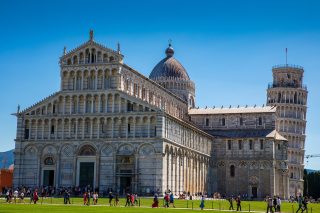
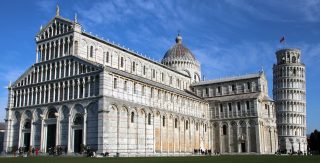
- Piazza dei Miracoli: The iconic complex with the Leaning Tower, cathedral, baptistery and Camposanto, reachable on foot or by local transport.
- Narrow Street Borgo Stretto: A characterful medieval shopping street with arcades, boutiques and cafés, great for browsing and people-watching after time in the museum.
The Museo Nazionale di San Matteo appears in our Complete Guide to Visiting Pisa!

Moira & Andy
Hey! We're Moira & Andy. From hiking the Camino to trips around Europe in Bert our campervan — we've been traveling together since retirement in 2020!
This website uses affiliate links which may earn a commission at no additional cost to you!
Planning Your Visit
Tuesday to Saturday, from 9:00 to 19:00 (last admission 18:30).
Sundays and holidays from 9:00 to 13:30 (last admission 13:00)
Adults € 6.00
Nearby Attractions
- Palazzo Vecchio de Palazzo Medici (0.0) km
Historic Building and Palace - Church of Santa Maria della Spina (0.3) km
Church - Logge di Banchi (0.5) km
Historic Building - Borgo Stretto (0.5) km
Street - Palazzo Blu (0.6) km
Gallery and Palace - Corso Italia (0.7) km
Street - Santo Stefano dei Cavalieri (0.7) km
Church - Palazzo dei Cavalieri (0.8) km
Palace - Piazza Vittorio Emanuele II (0.8) km
Square - Murale Tuttomondo (0.8) km
Historic Site