Museo de Segovia
Museum in Segovia
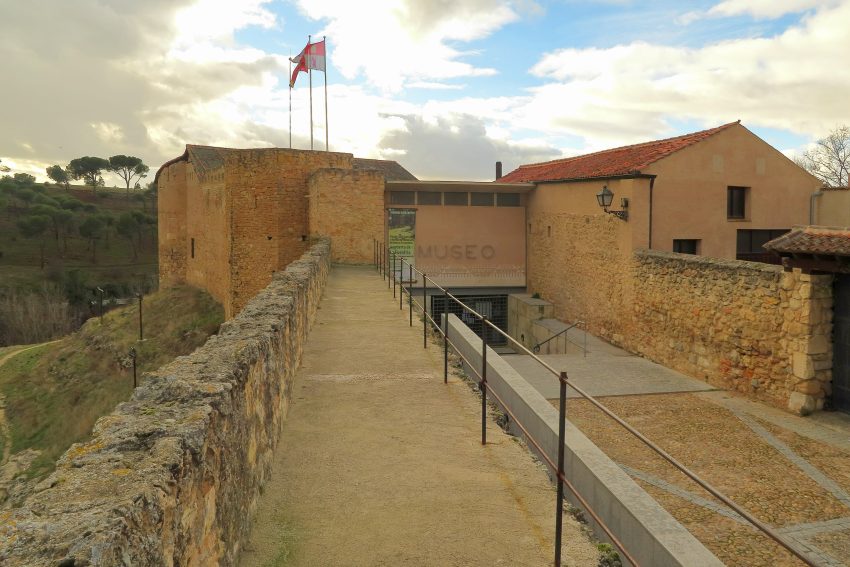
Museo de Segovia is one of those places that quietly upgrades your whole understanding of the city. Housed in Casa del Sol, a fortress-like section of the medieval wall near the Alcázar side of the old town, it brings together archaeology, fine art, and ethnology in a way that feels genuinely local rather than “greatest hits.” You move from ancient stone inscriptions and coins to devotional sculpture and painting, then into the working life of the province-transhumance, wool, mills, and the practical tools that shaped everyday Segovia for centuries.
It's also one of the things to do in Segovia when you want substance without crowds, especially if you've already ticked off the headline monuments and want context for everything you've been seeing outside. If you're following a walking tour of Segovia, it slips in perfectly as a calm, air-conditioned stop between viewpoints and hilltop climbs, and it's a smart way to balance a day that might otherwise be all stone streets and skyline photos.
Table of Contents
- History and Significance of the Museo de Segovia
- Things to See and Do in the Museo de Segovia
- How to Get to the Museo de Segovia
- Practical Tips on Visiting the Museo de Segovia
- Where to Stay Close to the Museo de Segovia
- Is the Museo de Segovia Worth Visiting?
- For Different Travelers
- FAQs for Visiting Museo de Segovia
- Nearby Attractions to the Museo de Segovia
History and Significance of the Museo de Segovia
Museo de Segovia is the provincial museum for both the city and the wider province, with a collection that stretches across time and across disciplines. Rather than focusing on one period, it tells a long story: early settlement and burial customs, Roman and medieval Segovia, and the rhythms of rural life that shaped the region well into the modern era. That breadth is exactly why the museum works so well for travelers-it turns isolated “beautiful objects” into a coherent narrative of place.
The setting matters, too. Casa del Sol was part of Segovia's defensive fabric, and the museum's location on the edge of the old town makes it feel like you're stepping into the city's backbone, not just another gallery space. The museum is also responsible for the Museo Zuloaga (in the Church of San Juan de los Caballeros), which adds a second layer to the experience if you want to follow the thread from provincial history into art and craft traditions.
Things to See and Do in the Museo de Segovia
Start with the archaeological collections, which are the most immediately surprising for many visitors. Look out for the Visigoth-period gold and silver pieces and the smaller objects that make the ancient world feel human-jewelry, fittings, and finely worked fragments that still read as luxury today. The Roman and medieval engraved stones and inscriptions are also worth slowing down for, because they connect directly to what you’ll see outside in Segovia’s streets and churches.
In the art sections, the museum rewards an unhurried pace. The highlights tend to be devotional works-sculpture, panels, and painting-where you can compare styles across centuries in the space of a few rooms. Even if you’re not an art specialist, this is where you start noticing the region’s craft confidence: stonework, ceramics, and decorative details that echo the city’s larger monuments in miniature.
Do not skip the ethnology displays. The sections on transhumance and wool-making are particularly good at explaining why the landscape around Segovia looks the way it does and why certain towns and routes mattered. If you like building a day with variety, pair Museo de Segovia with the nearby wall viewpoints and then, if you're keen, continue to the Museo Zuloaga for a second, more focused artistic counterpoint.
How to Get to the Museo de Segovia
Most visitors reach Segovia via Madrid-Barajas Airport (MAD), with Valladolid Airport (VLL) sometimes useful depending on your route through Castile and León. For the best deals and a seamless booking experience, check out these flights to Segovia on Booking.com.
From Madrid, take the high-speed train to Segovia-Guiomar, then continue into the historic centre by local bus or taxi. Train schedules and bookings can be found on Omio.
Once you're in the old town, Museo de Segovia is easiest on foot: it's on Calle del Socorro in Casa del Sol, a short walk from the Alcázar side and the wall gates, and it's a natural stop as you loop around the historic perimeter.
If you’re arriving by car, plan to park outside the tightest historic streets and walk in, as the old town has restrictions and the most scenic approach is on foot. If you are looking to rent a car in Spain I recommend having a look at Discover Cars, first, as they compare prices and review multiple car rental agencies for you.
Practical Tips on Visiting the Museo de Segovia
- Entrance fee: Permanent collection €1; temporary exhibitions €0.60. Free on Saturdays, Sundays & public holidays.
- Opening hours: (Summer) Tuesday – Saturday: 10:00–14:00 & 17:00–20:00; Sunday & public holidays: 10:00–14:00. (Winter) Tuesday – Saturday: 10:00–14:00 & 16:00–19:00; Sunday & public holidays: 10:00–14:00. Closed on Monday; Sunday afternoons
- Official website: https://museoscastillayleon.jcyl.es/web/es/museosegovia/museo-segovia.html
- Best time to visit: Late morning on a weekday is ideal for quiet rooms and an easy museum-to-viewpoint flow afterward.
- How long to spend: 60-90 minutes works well for a highlights visit; allow 2 hours if you like reading labels and taking your time in the ethnology sections.
- Accessibility: The building is historic, so expect occasional thresholds and tighter spaces; take it slowly and focus on the most comfortable route through the galleries.
- Facilities: Travel light if you can, and use the visit as a reset stop between outdoor walking segments in the old town.
Where to Stay Close to the Museo de Segovia
For a culture-heavy itinerary, base yourself in Segovia's Old Town so you can walk to the museum early and link it effortlessly with the cathedral, walls, and Alcázar; if you prioritise smoother arrivals and transport convenience, the Aqueduct side of town can be a practical base with an easy walk into the historic centre.
For a well-located stay near the Alcázar side and the museum area, Hotel Don Felipe is a strong option that keeps you close to the old town’s quieter, atmospheric streets. If you want to wake up right in the city’s central rhythm, Hotel Infanta Isabel puts you steps from the main square and an easy stroll from the museum. For a more indulgent, retreat-like feel inside the historic fabric, Áurea Convento Capuchinos offers a calmer base that still stays walkable to everything.
Is the Museo de Segovia Worth Visiting?
Yes, especially if you want Segovia to feel like more than a beautiful backdrop. The museum gives you the “why” behind the city-who lived here, what they made, what they valued, and how the province's economy and traditions shaped daily life.
It’s also one of the best-value cultural stops in town, and the mix of archaeology, art, and ethnology keeps the visit engaging even if you’re not normally a museum person. If you’re building a one-day plan, it’s the kind of visit that makes the rest of your walking feel richer.
What Other Travellers Say...

Casa del Sol - Museo de Segovia, on C. del Socorro 11, is a compact museum in a former fortress presenting Segovia's archaeology, ethnology and fine arts from prehistoric through modern times; visitors praise its well‑curated, varied collection and friendly, attentive staff, note it can be quiet and easy to explore early or when tourists bypass it, and mention low-cost or free entry for some (with limited English labels in places).


For Different Travelers
Families with Kids
For families, this museum works best as a short, focused adventure: pick a few “treasure” objects in the archaeology rooms, then let the ethnology displays provide the hands-on, everyday-life angle kids often connect with. Because it’s not usually as crowded as Segovia’s headline monuments, it can feel calmer and more manageable for children who need space and a steadier pace.
If you’re visiting with younger kids, aim for a simple plan: 45-60 minutes inside, then a reward stop outside-either a viewpoint walk along the walls or a snack break in the old town. That rhythm keeps everyone engaged without turning the museum into a marathon.
Couples & Romantic Getaways
Couples tend to enjoy Museo de Segovia as a quieter counterbalance to Segovia's big, cinematic sights. There's something satisfying about stepping into cool stone rooms, seeing a few standout artworks, and then walking straight back into the old town with a clearer sense of the place.
Pair it with a slow perimeter stroll near the walls afterward, and it becomes a very “Segovia” kind of date: history, views, and a gentle pace that doesn't require much planning.
Budget Travelers
Budget travelers should put this high on the list because it delivers a lot of depth for very little cost, and it helps you get more value from the rest of the city. After the museum, the walls, viewpoints, and old-town wandering feel more meaningful, which is exactly what you want when your best experiences are often the free ones.
Keep your day simple: museum first, then a long walk linking gates and viewpoints, and finish with a low-key meal in town. It’s an efficient, high-impact itinerary without constant ticket buying.
History Buffs
History buffs will love the way the museum stitches together deep time and daily life, especially through its archaeological collections and the Visigoth material from necropolises in the province. It's a strong place to track continuity: how settlement, religion, trade, and craft evolved in and around Segovia.
If you want to go further, treat Museo de Segovia as the “big context” stop, then follow it with sites outside-churches, gates, and the wall circuit-so you can match objects and inscriptions to the city's living architecture.
FAQs for Visiting Museo de Segovia
Getting There
Tickets & Entry
Visiting Experience
Tours, Context & Itineraries
Photography
Accessibility & Facilities
Nearby Attractions to the Museo de Segovia
- Mirador de la Pradera de San Marcos: One of the best viewpoints for wide landscape photos and a memorable finish to an old-town circuit.
- Alcázar of Segovia: The city's iconic fortress-palace, close enough to combine with the museum in a single, easy loop.
- Puerta de San Andrés: A photogenic city gate and wall access point that adds a dramatic “fortified Segovia” moment to your route.
- Segovia Cathedral: A skyline-defining Gothic landmark that pairs perfectly with the museum for an art-and-history focused day.
- Jewish Quarter of Segovia: Atmospheric lanes and small details that reward slow walking, especially between Plaza Mayor and Casa del Sol.
The Museo de Segovia appears in our Complete Guide to Visiting Segovia!

Moira & Andy
Hey! We're Moira & Andy. From hiking the Camino to trips around Europe in Bert our campervan — we've been traveling together since retirement in 2020!
This website uses affiliate links which may earn a commission at no additional cost to you!
Planning Your Visit
(Summer) Tuesday - Saturday: 10:00-14:00 & 17:00-20:00; Sunday & public holidays: 10:00-14:00.
(Winter) Tuesday - Saturday: 10:00-14:00 & 16:00-19:00; Sunday & public holidays: 10:00-14:00.
Closed on Monday; Sunday afternoons
Permanent collection €1; temporary exhibitions €0.60. Free on Saturdays, Sundays & public holidays.
Nearby Attractions
- Murallas de Segovia (0.2) km
City Gate and City Walls - Cathedral (0.3) km
Cathedral - Jewish Quarter (0.4) km
Area - Alcázar of Segovia (0.4) km
Castle - Plaza Mayor (0.4) km
Square - Convento de Clarisas del Corpus Christi (0.5) km
Convent - Royal Mint of Segovia (0.5) km
Historic Building - Mirador de la Pradera de San Marcos (0.6) km
Viewing Point - Plaza de Medina del Campo (0.6) km
Square - Torreón de Lozoya (0.7) km
Tower