Museo Archeologico Provinciale of Salerno
Museum in Salerno
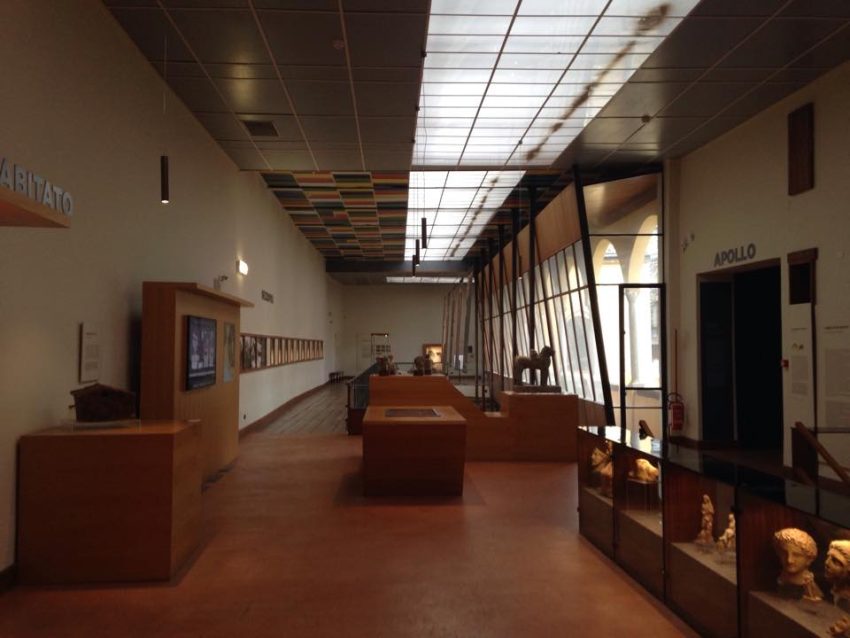
The Museo Archeologico Provinciale di Salerno is the museum that helps you understand what this coastline looked like long before the promenade, cafés, and ferry schedules. Housed in the San Benedetto complex, it takes you through the deep timeline of the territory-prehistory, the Italic peoples, and then the Roman world-using objects found locally rather than abstract “textbook” displays. For travelers who like to connect a city to its land, it's one of the top attractions in Salerno because it explains the region's identity through real artifacts, not just pretty views.
It also fits beautifully into a walking tour of Salerno, especially on a day when you want a balanced rhythm: cathedral lanes and street life outside, then an hour or two in cool, quiet galleries where you can reset and go deeper. The museum's layout is approachable, with displays organized in a way that makes it easy to follow even if you're not a specialist-exactly what you want when you're sightseeing with limited time and a long list of places competing for your attention.
Table of Contents
- History and Significance of the Museo Archeologico Provinciale di Salerno
- Things to See and Do in the Museo Archeologico Provinciale di Salerno
- How to Get to the Museo Archeologico Provinciale di Salerno
- Practical Tips on Visiting the Museo Archeologico Provinciale di Salerno
- Where to Stay Close to the Museo Archeologico Provinciale di Salerno
- Is the Museo Archeologico Provinciale di Salerno Worth Visiting?
- For Different Travelers
- FAQs for Visiting Museo Archeologico Provinciale di Salerno
- Nearby Attractions to the Museo Archeologico Provinciale di Salerno
History and Significance of the Museo Archeologico Provinciale di Salerno
The museum's modern story begins in the early 20th century, with its formal inauguration in 1928 inside the Government Palace, the seat of the Province of Salerno. Over the decades it moved several times-shaped by war, practical needs, and changing ideas about how archaeology should be presented-before it found a stable home in the San Benedetto complex in 1964. That long path matters because it reflects a broader shift: from archaeology as a collection of “interesting pieces” to archaeology as a public narrative about place.
A major step in that narrative approach came with the first purpose-built exhibition design developed in the 1970s, giving the museum a coherent structure rather than a storage-like feel. Later maintenance and restyling work in 2013 refreshed the experience while keeping the underlying philosophy: clear chronology, strong local grounding, and an emphasis on how cultures overlapped and influenced each other in the Salerno area.
What makes the museum significant today is its scope. It is not limited to the city itself; it also represents the “archaeological province,” bringing together important finds from across the wider territory. In one visit, you can grasp the main cultural trends that shaped this corner of Campania-from early communities to Roman urban life-without needing to travel to multiple smaller sites.
Things to See and Do in the Museo Archeologico Provinciale di Salerno
Start in the garden and ground-floor spaces if they are open, because they set the tone for the whole visit: solid, stone-built evidence of the past that feels anchored to the territory. You'll often see Roman-era material right from the beginning-statues, reliefs, inscriptions, and honorary bases-objects that once sat in public spaces and carried civic meaning, not just decorative value. It's an effective way to begin because it connects immediately to the idea of Salerno as a lived, public city in antiquity.
As you move through the chronological displays, pay attention to how the museum builds cultural change through small details. One of the more distinctive interpretive threads here is clothing and adornment-how men and women presented status, identity, and belonging through items that survive when softer materials do not. If you like museums that reward close looking, this is where you slow down: the “human” story often sits in the small, personal objects.
Give extra time to the sections that pull from across the province. These highlights help you see Salerno not as an isolated port city, but as part of a larger landscape of settlements, routes, and cultural exchange. Done well, the museum doesn't feel like a checklist of periods; it feels like a map of how the region became itself.
How to Get to the Museo Archeologico Provinciale di Salerno
If you're flying, Naples International Airport is the most common gateway for Salerno, with the widest range of routes and onward connections. For the best deals and a seamless booking experience, check out these flights to Salerno on Booking.com. Salerno Costa d’Amalfi and Cilento Airport can be closer when schedules align, but it typically has fewer options. For the best deals and a seamless booking experience, check out these flights to Salerno on Booking.com.
By train, arrive at Salerno’s main station and continue into the historic center on foot, by taxi, or by local bus depending on where you’re staying. Use Omnio to easily compare schedules, book train tickets, and find the best prices all in one place for a hassle-free journey across Italy. If you’re already walking the old town, the museum is best approached on foot so you can enjoy the lanes and small squares around the cathedral quarter.
If you’re driving, park on the edge of the central area and walk in, since the historic center is easier and more enjoyable without a car. If you are looking to rent a car in Italy I recommend having a look at Discover Cars, first, as they compare prices and review multiple car rental agencies for you.
Practical Tips on Visiting the Museo Archeologico Provinciale di Salerno
- Entrance fee: Free
- Opening hours: Daily: 9.30 - 19.00. Closed on Mondays.
- Official website: https://cultura.comune.salerno.it/it/luogo/Museo-Archeologico-Provinciale#orari
- Best time to visit: Late morning is ideal if you want a calm visit before lunch, while mid-afternoon works well if you need a shaded, indoor break from a day of walking.
- How long to spend: 60-90 minutes is a comfortable pace for the main narrative; allow up to 2 hours if you like reading labels and focusing on smaller objects.
- Accessibility: Expect historic architecture and potential level changes; plan a slower visit if stairs or uneven surfaces are a concern.
- Facilities: Treat it as a focused museum stop, then plan your longer break in nearby cafés in the historic center where you’ll have more choice.
Where to Stay Close to the Museo Archeologico Provinciale di Salerno
For a culture-heavy itinerary, base yourself in Salerno’s Centro Storico so you can walk to museums, churches, and evening dining; if your trip is built around day trips and early starts, staying near the station area gives you the smoothest transport links.
A practical city base with easy access to both the center and connections is Hotel Montestella, which works well if you want everything walkable without feeling tucked away. If you prefer to stay close to arrivals, departures, and the port-side rhythm, Hotel Plaza makes logistics simple while still keeping the old town within reach. For sea air and an evening promenade feel, Grand Hotel Salerno is a comfortable option that pairs nicely with waterfront walks after a museum morning.
Is the Museo Archeologico Provinciale di Salerno Worth Visiting?
Yes, especially if you want Salerno to feel like more than a coastal stopover. The museum gives you context-what the region was before it was “Salerno” as you see it today-and that context tends to make the cathedral quarter, the street plan, and even the coastline feel more meaningful afterward.
It’s also a strong choice when you want depth without exhaustion. The story is clear, the scope is regional rather than sprawling, and you can tailor the visit: quick highlights if your schedule is tight, or a slower deep dive if you enjoy the details.
What Other Travellers Say...

Provincial Archaeological Museum of Salerno on Via S. Benedetto houses ancient local art and artifacts — visitors highlight a celebrated bronze head of Apollo alongside collections of jewellery, jugs and vessels; entry is free, facilities include toilets, and it's a compact, well-presented museum that can be a good indoor stop when the weather is poor, though some outdoor/entrance displays appear overgrown and the interior can get warm in summer, with only the main section explanations translated into English.


For Different Travelers
Families with Kids
This museum works best for families when you turn it into a short, visual treasure hunt. Start with the biggest, most “readable” objects-stone statues, carved reliefs, and bold Roman pieces-then pick one theme to follow (daily life, symbols, or “what did people wear?”) so it doesn’t become label-heavy.
Keep the pacing flexible and plan a nearby snack break afterward. A museum visit here is most successful when it’s part of a wider day of movement through the old town rather than a long, sit-still session.
Couples & Romantic Getaways
For couples, this is a satisfying “slow hour” that adds depth to a day that might otherwise be all views and wandering. The calm galleries give you space to talk, notice details together, and then step back into the city with a richer sense of place.
It also pairs well with an easy lunch in the historic center. Do the museum late morning, then drift into the lanes for a long meal and a waterfront stroll-an itinerary that feels relaxed but still substantial.
Budget Travelers
As a cultural stop, this is a smart way to add substance to your itinerary without needing multiple paid attractions. Choose it as your main museum visit, then balance the day with free experiences: cathedral exteriors, old-town wandering, and the Lungomare.
It’s also ideal in poor weather. When the sea-facing plan is less appealing, the museum gives your day structure while keeping costs predictable.
History Buffs
History-focused travelers will appreciate the museum's regional framing. Instead of treating Salerno as a single-site story, it shows the wider province as a connected landscape of communities, routes, and cultural influences, which is often the key to understanding southern Italy's complexity.
Pay attention to the transitions: what changes between prehistory and Roman material culture, and what quietly persists. Museums like this reward you when you read them as evidence of lived habits rather than only “important events.”
FAQs for Visiting Museo Archeologico Provinciale di Salerno
Getting There
Tickets & Entry
Visiting Experience
Tours, Context & Itineraries
Photography
Accessibility & Facilities
Nearby Attractions to the Museo Archeologico Provinciale di Salerno
- Cattedrale di San Matteo (Duomo di Salerno) - The city's headline monument, ideal to pair with the museum for a deeper historic-center morning.
- Complesso Monumentale di San Pietro a Corte - A rare Lombard-era site that adds political history and layered architecture to your old-town walk.
- Via dei Mercanti - The classic historic street for wandering, small shops, and a strong sense of everyday Salerno.
- Villa Comunale di Salerno - A relaxing seafront garden break that balances a museum visit with shade and coastal air.
- Lungomare Trieste - The waterfront promenade for an easy, scenic walk that finishes the day with sea views and sunset atmosphere.
The Museo Archeologico Provinciale of Salerno appears in our Complete Guide to Visiting Salerno!

Moira & Andy
Hey! We're Moira & Andy. From hiking the Camino to trips around Europe in Bert our campervan — we've been traveling together since retirement in 2020!
This website uses affiliate links which may earn a commission at no additional cost to you!
Planning Your Visit
Daily: 9.30 – 19.00. Closed on Mondays.
Free
Nearby Attractions
- Salerno Porta Nova (0.2) km
City Gate - Duomo di Salerno (0.2) km
Cathedral - Acquedotto Medievale di Salerno (0.2) km
Aqueduct - Museo Diocesano San Matteo di Salerno (0.2) km
Museum - Chiesa di San Giorgio (0.3) km
Church - Lungomare Trieste (0.4) km
Park - Complesso Monumentale di San Pietro a Corte (0.4) km
Palace and Roman Site - Complesso Monumentale di Santa Sofia (0.4) km
Church - Chiesa della Santissima Annunziata (0.7) km
Church - Villa Comunale di Salerno (0.7) km
Gardens