Münchner Stadtmuseum, Munich
Museum in Munich
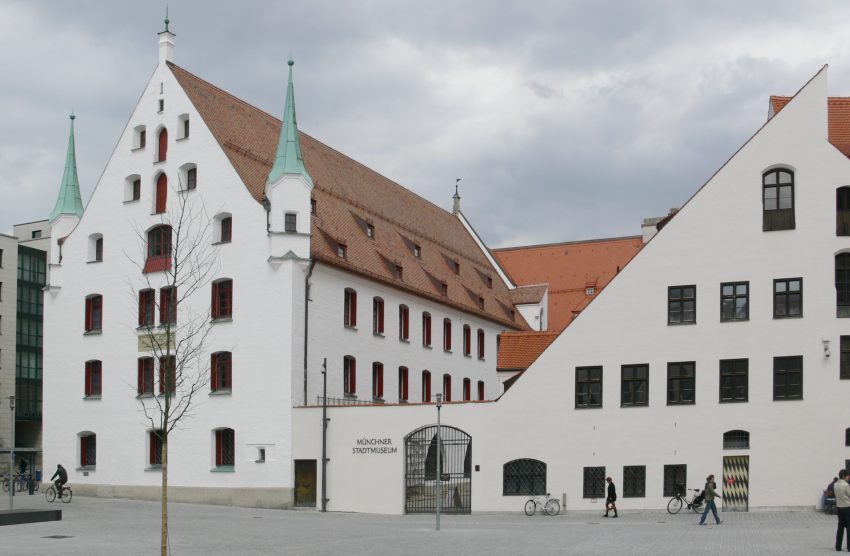
The Münchner Stadtmuseum (Munich City Museum) sits right in the historic center near St.-Jakobs-Platz, a short walk from Marienplatz and Viktualienmarkt. It's Munich's go-to place for understanding how the city grew, changed, and argued with itself over time—through objects, images, and everyday culture rather than just royal highlights.
Even if you're only in Munich for a day, it's an easy add-on to a walking tour of the Old Town: pair it with a loop through Marienplatz, the Jewish Museum area, Sendlinger Straße, and a food stop at Viktualienmarkt. Just note that the museum complex is in a long refurbishment phase, so what you can visit is currently focused on the interim exhibition and related offerings.
Table of Contents
- History and Significance of the Münchner Stadtmuseum
- Things to See and Do in the Münchner Stadtmuseum
- How to Get to the Münchner Stadtmuseum
- Practical Tips on Visiting the Münchner Stadtmuseum
- Where to Stay Close to the Münchner Stadtmuseum
- Is the Münchner Stadtmuseum Worth Visiting?
- For Different Travelers
- FAQs for Visiting Münchner Stadtmuseum
- Nearby Attractions to the Münchner Stadtmuseum
History and Significance of the Münchner Stadtmuseum
The Münchner Stadtmuseum is one of Germany's major municipal museums, and its significance is tied to its focus: the lived history of Munich. Instead of centering only on rulers and grand architecture, it collects and interprets the city's social life—photography, fashion, urban culture, and the changing look and feel of Munich across centuries.
The museum is also notable for its setting: a multi-building complex with layers of architecture from different eras, including the historic armory (Zeughaus) facing St.-Jakobs-Platz. That mix of spaces mirrors the museum's mission—Munich as a city built in phases, with old and new constantly overlapping.
In recent years, the museum entered a major refurbishment period, which reshaped the visitor experience. While the broader museum galleries are closed, the institution continues to present Munich-focused content through an interim exhibition in the former armory and ongoing film programming.
Things to See and Do in the Münchner Stadtmuseum
Start with the interim exhibition “What the City. Perspectives of Munich,” which is designed as a compact, contemporary way to understand Munich's big themes—identity, growth, inequality, tradition, and everyday life. Expect a mix of objects, media, and interpretive stations that make it feel more like a city conversation than a classic “timeline museum.”
If you're the kind of traveler who likes context before sightseeing, this is a smart first stop: it helps you notice details later in the Old Town—street layouts, memorials, and the contrasts between postcard Munich and real Munich. It's also a good rainy-day option because it's central and easy to combine with cafés and indoor sights nearby.
Beyond the interim exhibition, keep an eye on the museum’s program and the Filmmuseum offerings if you want a culture-heavy evening. The museum’s broader collections are the reason it’s famous, but during refurbishment your “must-do” is choosing the right current offering rather than expecting the full permanent displays.
How to Get to the Münchner Stadtmuseum
The nearest major airport is Munich Airport (MUC), with additional international options via airports like Nuremberg (NUE) or Salzburg (SZG) depending on your route and fares. For the best deals and a seamless booking experience, check out these flights to Munich on Booking.com.
From elsewhere in Germany or nearby countries, Munich is extremely well connected by rail; arrive at München Hauptbahnhof (Munich Central Station) and continue by U-Bahn/S-Bahn or a short taxi ride into the Old Town. Train schedules and bookings can be found on Omio..
If you're traveling by car, plan to park outside the historic center and use public transit for the final stretch, as central Munich traffic and parking can be slow and expensive. If you are looking to rent a car in Germany I recommend having a look at Discover Cars, first, as they compare prices and review multiple car rental agencies for you.
Practical Tips on Visiting the Münchner Stadtmuseum
- Official website: https://www.muenchner-stadtmuseum.de/en/
- Entrance fee: Free.
- Opening hours: Monday: Closed. Tuesday – Sunday: 11:00–18:00.
- Best time to visit: Go earlier in the day for a calmer experience, then continue on foot to Marienplatz and Viktualienmarkt before the Old Town gets busiest.
- How long to spend: Plan 60–90 minutes for the interim exhibition, or longer if you like reading labels and using interactive stations.
- Accessibility: The interim exhibition is designed to be accessible, but the wider museum complex is under refurbishment, so routes and entrances may differ from older guidebooks.
- Facilities: Because the museum is central, it’s easy to combine your visit with nearby cafés, restrooms in adjacent venues, and a flexible sightseeing plan around the Old Town.
Where to Stay Close to the Münchner Stadtmuseum
Base yourself in the Altstadt-Lehel (Old Town) area for the easiest walking access to the museum and Munich’s headline sights.
Hotel Torbräu A classic Old Town choice with a long-standing reputation and an unbeatable walkable location for early starts and late-night strolls.
Platzl Hotel Right by Hofbräuhaus and close to Marienplatz, it's ideal if you want traditional Munich atmosphere with comfort and convenience.
Cortiina Hotel A stylish boutique feel in the center, great for travelers who want a quieter, design-forward base without leaving the Old Town.
Louis Hotel Perfect if you love being near food markets; it’s a strong pick for morning coffee runs and market browsing between sights.
Hotel Bayerischer Hof A splurge option with classic Munich prestige and excellent service, well placed for culture-focused itineraries.
Is the Münchner Stadtmuseum Worth Visiting?
Yes—especially if you want Munich to make more sense than a checklist of churches, beer halls, and palaces. The interim exhibition format is a practical way to get city context quickly, and the location makes it easy to fold into an Old Town day.
Honest Pivot: if you're expecting a large, traditional museum with multiple permanent galleries, you may be disappointed during the refurbishment period. In that case, prioritize bigger fully open museums (like the Deutsches Museum or the Alte Pinakothek) and treat the Stadtmuseum as an optional, time-efficient “city context” stop.
What Other Travellers Say...

Local history & culture museum, including exhibitions about music & weaponry, plus a cafe/bar.


For Different Travelers
The Münchner Stadtmuseum works best when you match it to your travel style: it's central, easy to combine with walking routes, and currently more focused than sprawling. Think of it as a smart cultural layer in an Old Town itinerary rather than an all-day museum marathon.
Families with Kids
Families will appreciate that the visit can be kept short and manageable, which helps if you’re balancing museums with playground time and snacks. The central location also makes it easy to pivot to nearby squares and pedestrian streets.
To keep it fun, pair the museum with a simple “spot the details” walk afterward—Marienplatz's Glockenspiel timing, market stalls at Viktualienmarkt, and a treat stop nearby. This turns the museum into a story starter rather than a long indoor commitment.
Couples & Romantic Getaways
For couples, the museum is a good “shared context” stop before wandering the Old Town without a strict plan. It can add depth to what you’re seeing—why certain areas feel medieval, why others look rebuilt, and how Munich’s identity has shifted.
Follow it with a slow walk through the nearby lanes toward Viktualienmarkt or along Sendlinger Straße, then choose a café or wine bar for a low-key, culture-forward date.
Budget Travelers
Budget travelers should like that the current interim exhibition is free, and the museum sits in a part of town where you can do a lot on foot. That means fewer transit costs and an easy self-guided sightseeing day.
Build a budget-friendly route: museum first, then free Old Town highlights (squares, churches from the outside, river walks a bit farther out) and a market meal instead of a sit-down restaurant.
History Buffs
History buffs will enjoy the museum's emphasis on urban life and the “how a city works” angle—social change, everyday culture, and the tension between tradition and modernization. It's a different lens than royal Bavaria, which makes it a strong complement to Munich's palaces and grand churches.
Because the museum is in a refurbishment phase, history lovers should treat this as a focused visit now and a reason to return later when more of the collections reopen. In the meantime, use it to frame what you'll see elsewhere in Munich.
FAQs for Visiting Münchner Stadtmuseum
Getting There
Tickets & Entry
Visiting Experience
Tours, Context & Itineraries
Photography
Accessibility & Facilities
Food & Breaks Nearby
Safety & Timing
Nearby Attractions to the Münchner Stadtmuseum
- Marienplatz: Munich's central square and the classic starting point for Old Town sightseeing.
- Viktualienmarkt: A lively food market ideal for a casual meal or snack crawl.
- Asamkirche: A small church with an over-the-top Baroque interior, easy to add on foot.
- Frauenkirche: Munich's iconic cathedral with a central location and a quick, worthwhile interior visit.
- Jewish Museum Munich: A thoughtful museum nearby that pairs well with the St.-Jakobs-Platz area.
The Münchner Stadtmuseum appears in our Complete Guide to Visiting Munich!

Moira & Andy
Hey! We're Moira & Andy. From hiking the Camino to trips around Europe in Bert our campervan — we've been traveling together since retirement in 2020!
This website uses affiliate links which may earn a commission at no additional cost to you!
Planning Your Visit
Monday: Closed.
Tuesday - Sunday: 11:00-18:00.
Free.
Nearby Attractions
- Jewish Museum (0.1) km
Museum - Asamkirche (0.2) km
Attraction, Church and Religious Building - Viktualienmarkt (0.3) km
Attraction, Bazaar and Market - Marienplatz (0.3) km
Historic Site, Square and Walk - Sendlinger Tor (0.3) km
- Peterskirche (0.4) km
Church, Religious Building and Tower - Neues Rathaus (0.4) km
Historic Building, Tower and Town Hall - Neuhauser Straße (0.4) km
Area, Shop and Street - German Hunting and Fishing Museum (0.4) km
Museum - Altes Rathaus (0.4) km
Attraction, Museum and Tower