Monastery of Forty Saints, Sarandë
Ruins in Sarandë
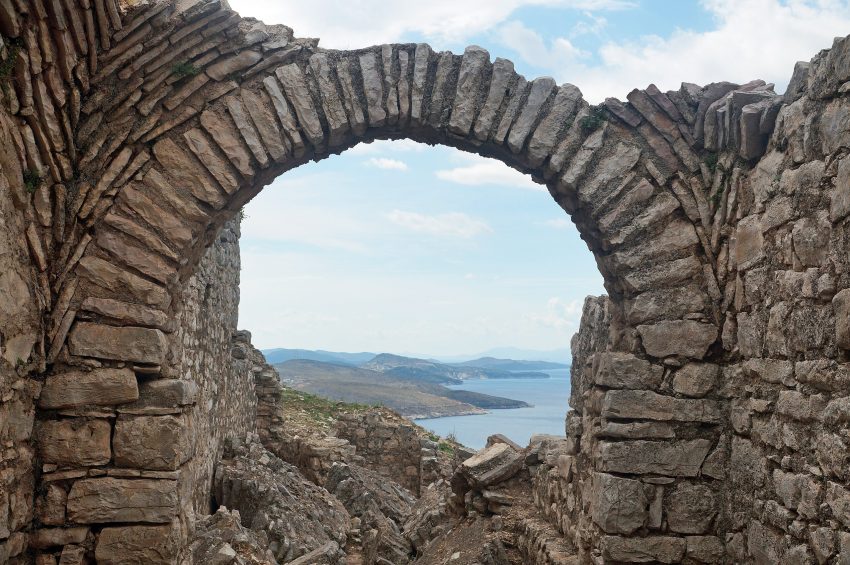
Perched on the hillside above Sarandë, the Monastery of 40 Saints is the kind of place that feels half viewpoint, half time capsule. You come for the sweeping panorama across the bay (and, on clear days, the sense of looking out toward Corfu), then stay longer than planned because the ruins have an unexpectedly quiet presence-stone arches, broken walls, and a layout that still reads like a real complex rather than a random scatter of rubble.
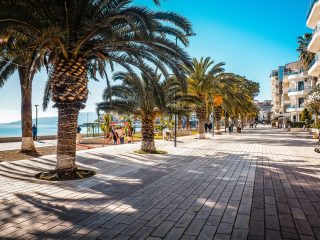
It's one of the top sights in Sarandë if you like places with a story and a bit of effort involved, and it pairs beautifully with a walking tour of Sarandë earlier in the day-promenade first, hilltop ruins after, then back down for dinner by the water when your legs start to feel the climb.
Table of Contents
- History and Significance of the Monastery of 40 Saints
- Things to See and Do in the Monastery of 40 Saints
- How to Get to the Monastery of 40 Saints
- Practical Tips on Visiting the Monastery of 40 Saints
- Where to Stay Close to the Monastery of 40 Saints
- Is the Monastery of 40 Saints Worth Visiting?
- For Different Travelers
- FAQs for Visiting the Monastery of 40 Saints
- Nearby Attractions to the Monastery of 40 Saints
History and Significance of the Monastery of 40 Saints
The monastery is generally dated to the Byzantine period, built as a significant religious complex and long associated with pilgrimage in this stretch of the Ionian coast. (Sarandë’s own name is closely linked to it, echoing the older “Forty Saints” dedication that once defined the place as much as its harbour did.
The “Forty Saints” tradition refers to the Forty Martyrs of Sebaste, a story of steadfast faith under pressure that became one of the best-known saint cults in the region. Local telling often highlights the moral choice at the heart of the legend-refusing safety in exchange for renouncing belief-and it’s easy to see why that narrative stuck on a dramatic coastline shaped by wind, storm, and exposure.
What you see today is also marked by modern history. The complex was badly damaged during World War II, and much of what survives is the heavy, ground-level stonework-arches, window rows, and room outlines that hint at a much larger site than the ruins suggest at first glance.
Things to See and Do in the Monastery of 40 Saints
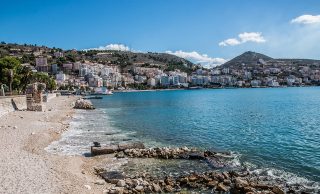
Start with the view. The monastery’s position is the main event: Sarandë’s bay spreads out below you, the town’s seafront feels suddenly small, and the coastline curves away in a way you don’t quite appreciate from street level. If you’re travelling in summer, this is also a welcome break from the heat and bustle by the waterline-more breeze, fewer crowds, and a calmer pace.
Then slow down and read the stone. Even in ruin, the site has structure: you can trace the flow of spaces, look for surviving arches and symmetrical window openings, and imagine where halls and corridors once linked the monastery’s everyday life to its religious purpose. If you enjoy photographing places with texture, this is a satisfying stop-rough limestone, soft light, and frames through broken openings that make the bay look like a living backdrop.
If you time it well, the walk back down is part of the experience. Late afternoon light tends to soften the scene and gives the ruins a warmer tone, while the return toward the promenade feels like dropping back into modern Sarandë after a short, quiet detour into its deeper layers.
How to Get to the Monastery of 40 Saints
If you're flying in, many travellers route via Corfu International Airport (CFU) and connect to Sarandë by ferry, then continue up to the monastery from town. For the best deals and a seamless booking experience, check out these flights to Sarandë on Booking.com. You can also fly into Tirana International Airport (TIA) and travel onward to Sarandë by road, which is longer but workable if you're building a broader Albania itinerary. For the best deals and a seamless booking experience, check out these flights to Sarandë on Booking.com.
There is no practical passenger train route to Sarandë, so buses, taxis, or a rental car are the realistic options for most visitors. From central Sarandë, the monastery sits uphill and inland, and the approach feels like a steady climb rather than a quick stroll-doable on foot if you're comfortable with inclines, or easy by taxi if you'd rather save your legs for the ruins.
If you're driving, follow the road east of town toward the hillside near Lëkurësi Castle, watching for signs for the Monastery of 40 Saints, and be prepared for slower progress on the final approach. If you are looking to rent a car in Albania I recommend having a look at Discover Cars, first, as they compare prices and review multiple car rental agencies for you.
Practical Tips on Visiting the Monastery of 40 Saints
- Entrance fee: Adults: 200 lek.
- Opening hours: Daily: 09:00–18:00.
- Official website:
- Best time to visit: Go in late afternoon for cooler temperatures and softer light over the bay, or early in the morning if you want the climb done before the day warms up.
- How long to spend: Allow 60-90 minutes on-site, plus travel time; it’s best enjoyed slowly, with time for views and a wander through the room outlines.
- Accessibility: The site involves an uphill approach and uneven ground among ruins; sturdy shoes help, and it’s not ideal for anyone needing step-free, smooth surfaces.
- Facilities: Bring water and sun protection; the setting is exposed, and you should expect limited services once you’re up at the ruins.
Where to Stay Close to the Monastery of 40 Saints
For a culture-heavy itinerary with easy evenings, base yourself in central Sarandë near the promenade so you can walk to restaurants and sights after your day trips; if your focus is beach time and quick access to Ksamil and Butrint, staying on the southern side of Sarandë or nearer Ksamil can make logistics simpler.
A comfortable, well-located option close to the waterfront is Hotel Saranda Butrinti, Affiliated by Meliá, which works well for a classic “town base” approach. If you like having a resort feel and being well-positioned for the hill roads, Bougainville Bay Resort & SPA is a strong choice, while Joelle Premium Hotel suits travellers who want a polished stay with easy access south along the coast.
Is the Monastery of 40 Saints Worth Visiting?
Yes-especially if you enjoy places that reward a little effort. The monastery is not a restored attraction with polished signage; it's a ruin with atmosphere, and that's precisely the appeal. You get history you can feel underfoot, plus a viewpoint that reframes Sarandë in one wide sweep.
It’s also an excellent “contrast stop” on a Riviera trip. After beaches and promenades, the monastery delivers quiet, elevation, and perspective-both literal and historical-without needing a huge time commitment.
What Other Travellers Say...

The Monastery of the 40 Saints in Sarandë is a ruined Eastern Orthodox site perched above the sea, offering spectacular coastal views and a quiet spot for exploring shattered stone remains and an intriguing labyrinth beneath the main structure; visitors describe interesting ruins that are fun to wander, note a small entry fee and limited on-site information boards, and caution that litter can sometimes be present.


For Different Travelers
Families with Kids
For families, the monastery works best as a short, purposeful visit with a clear reward: the view. Keep the plan simple-arrive, explore a few key sections, take photos, and head back down before the uneven ground becomes tiring.
If you’re visiting with smaller children, treat it as an outdoor ruin rather than a museum stop. Good shoes, water, and a quick “treasure hunt” approach (arches, windows, best viewpoint) usually make it more enjoyable.
Couples & Romantic Getaways
This is a great couples’ stop because it feels removed from the bustle without being far away. The climb and the silence on-site create a shared “we found something” feeling, and the bay view is genuinely memorable.
Aim for late afternoon, when the light warms the stone and the town below starts to glow. It’s an easy way to add a more atmospheric chapter to a beach-forward itinerary.
Budget Travelers
The monastery is excellent value: a small ticket, a big viewpoint, and plenty of time to explore at your own pace. If you walk up and back, it becomes one of those budget-friendly days that still feels like a highlight.
Pack water and a snack and you’re set. The main “cost” is the effort of the climb, so decide in advance whether you’d rather pay for a taxi one way and walk the other.
History Buffs
If you like Byzantine sites, the monastery is compelling because it’s tied to Sarandë’s identity, not just its skyline. The layout still communicates “complex” rather than “single building,” which helps you picture how it functioned beyond the main church.
It’s also a place where modern history is visible in the fabric of the ruins. The wartime damage is part of what you’re looking at, and it adds a sobering, layered context to the older sacred story.
FAQs for Visiting the Monastery of 40 Saints
Getting There
Tickets & Entry
Visiting Experience
Tours, Context & Itineraries
Photography
Accessibility & Facilities
Nearby Attractions to the Monastery of 40 Saints
- Lëkurësi Castle: A nearby hilltop fortress viewpoint with panoramic sunset scenes over Sarandë and the Ionian coast.
- Sarandë Promenade: The seafront walk lined with cafés and restaurants, perfect for an evening loop after your hill climb.
- Butrint National Park: A major archaeological site and natural landscape area, ideal for a half-day trip with big historical payoff.
- Ksamil: A beach town known for vivid water and island views, best visited early or late in the day in summer.
- Blue Eye (Syri i Kaltër): A cool, vividly coloured freshwater spring inland that makes a refreshing contrast to the coast.
The Monastery of Forty Saints appears in our Complete Guide to Visiting Sarandë!

Moira & Andy
Hey! We're Moira & Andy. From hiking the Camino to trips around Europe in Bert our campervan — we've been traveling together since retirement in 2020!
This website uses affiliate links which may earn a commission at no additional cost to you!
Planning Your Visit
Daily: 09:00-18:00.
Adults: 200 lek.
Nearby Attractions
- Lekursi Castle (0.9) km
Castle - Sarandë Museum of Tradition (1.0) km
Museum - Museum of Traditions (1.0) km
Museum - Museum of Archaeology (1.0) km
Museum - Sarandë Museum of Archaeology (1.1) km
Museum - Synagogue Complex (1.2) km
Ruins - Sarandë Beach (1.3) km
Beach - Monastery’s Beach (6.7) km
Beach - Saint George Monastery (7.0) km
Monastery - Mirror Beach (7.8) km
Beach