Botanical Garden of the University of Coimbra
Gardens in Coimbra
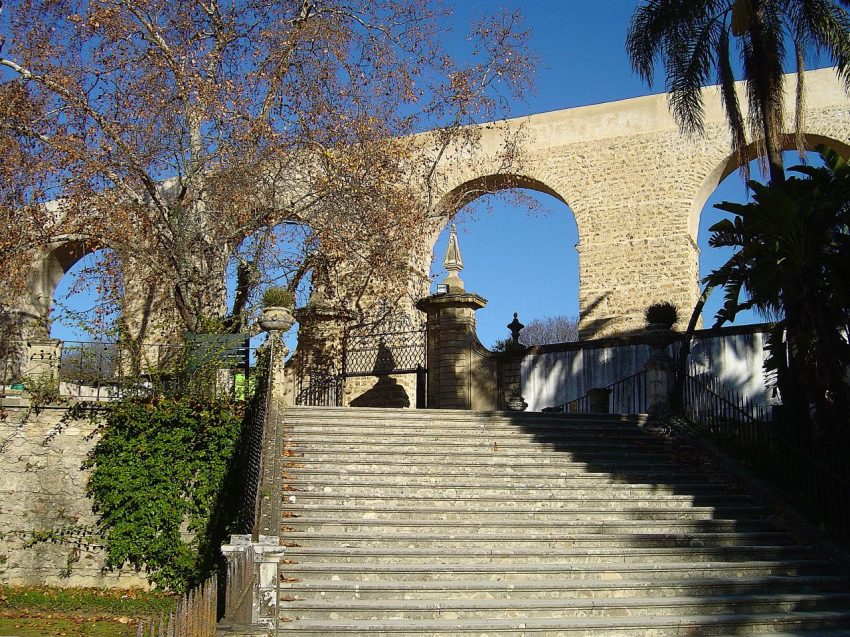
The Botanical Garden of the University of Coimbra is one of the best places to visit in Coimbra for travelers who enjoy peaceful landscapes enriched with scientific history. Established in the 18th century to support academic research, it remains a living monument to the university's commitment to natural science. With its terraced design, shaded groves, and exotic plant collections, the garden offers a refreshing escape from the city and a chance to explore Coimbra's quieter side. It is also often visited on walking tours of Coimbra, especially by those seeking a blend of nature and academic heritage.
Created in 1772, the garden later became the domain of renowned botanist Avelar Brotero, who founded the university’s school of botanical studies and published groundbreaking work based on discoveries made here. Today, visitors can wander past centuries-old trees, bamboo forests, and eucalyptus species while enjoying a landscape shaped by scientific exploration.
Table of Contents
- History and Significance of Botanical Garden of the University of Coimbra
- Things to See and Do in Botanical Garden of the University of Coimbra
- How to Get to Botanical Garden of the University of Coimbra
- Practical Tips on Visiting Botanical Garden of the University of Coimbra
- Where to Stay close to the Botanical Garden of the University of Coimbra
- Is the Botanical Garden of the University of Coimbra Worth Visiting?
- FAQs for Visiting Botanical Garden of the University of Coimbra
- Nearby Attractions to Botanical Garden of the University of Coimbra
History and Significance of Botanical Garden of the University of Coimbra
The garden was established during the Pombaline Reforms of 1772, a transformative moment for Portuguese education that aimed to strengthen scientific study. Its purpose was to serve the faculties of medicine and natural history, providing a living laboratory where students could study medicinal plants, classify species, and conduct research.
In the early 19th century, the garden entered a period of remarkable growth under the direction of Avelar Brotero. A leading botanist of his time, Brotero founded the university’s botanical school, published important botanical works, and greatly expanded the garden’s plant collections. Many trees planted during his tenure still thrive today, offering visitors a tangible link to the garden’s academic legacy.
The site has since become one of the top attractions in Coimbra, celebrated not only for its scientific heritage but also for its serene beauty. Its combination of historic design, rare species, and evolving landscapes continues to inspire both researchers and casual visitors.
Things to See and Do in Botanical Garden of the University of Coimbra
Begin your visit at the Quadrado Central, the garden’s upper terrace where some of the oldest and rarest trees can be found. Notable species include the Japanese sugi pine and the coral tree, both planted during Brotero’s time. The formal layout, stone balustrades, and symmetrical design give this area a timeless elegance.
Further down the slope, the garden becomes wilder and more immersive. A bamboo plantation creates a cool, shaded corridor, while the lower valley houses an impressive collection of eucalyptus species-51 in total. This diversity showcases the global botanical interests of the university during the 19th and early 20th centuries.
Wildlife is part of the experience too. Brown squirrels, first introduced in 1994 with six breeding pairs, have become a charming presence throughout the garden. Their playful movements add a lively touch to the peaceful surroundings.
How to Get to Botanical Garden of the University of Coimbra
Most international visitors travel via Porto Airport or Lisbon Airport, both of which offer convenient links to Coimbra by rail or bus. For the best deals and a seamless booking experience, check out these flights to Coimbra on Booking.com.
Coimbra-B station is the city's main rail hub, served by frequent trains from Porto, Lisbon, and other major destinations. From the station, local buses or taxis provide quick access to the university district and the garden's entrances. Train schedules and bookings can be found on Omio.
If arriving by car, parking is available near the university area and along surrounding streets. The garden is located on a hillside, so expect some uphill walking when approaching on foot. If you are looking to rent a car in Portugal I recommend having a look at Discover Cars, first, as they compare prices and review multiple car rental agencies for you.
Practical Tips on Visiting Botanical Garden of the University of Coimbra
- Best time to visit Botanical Garden of the University of Coimbra: Spring and early summer, when flowering plants and shaded pathways are at their best.
- Entrance fee in Euros: Entry to most areas is free, though some sections or exhibitions may require a small fee.
- Opening hours: Open daily, with extended hours during warmer months.
- Official website: Refer to the university’s botanical garden page for schedules and updates.
- How long to spend: Plan for 1-2 hours to explore the terraces, forests, and central collections.
- Accessibility: Upper terraces are more accessible; lower valley areas involve steep paths.
- Facilities: Includes restrooms, seating areas, and educational panels throughout the garden.
- Photography tip: The Quadrado Central offers beautiful symmetry and light early in the morning.
- Guided tours: Occasionally available, offering deeper insights into plant history and scientific use.
- Nearby food options: Cafés and small restaurants can be found along the roads leading toward the university.
Where to Stay close to the Botanical Garden of the University of Coimbra
For a refined stay within walking distance of the university district, Sapientia Boutique Hotel offers elegant rooms and rooftop views. Those seeking character and historic charm may enjoy Solar Antigo Luxury Coimbra, set within a beautifully restored building. A comfortable modern option nearby is Tivoli Coimbra Hotel, conveniently located for exploring the wider city.
Is the Botanical Garden of the University of Coimbra Worth Visiting?
Yes. The garden is a peaceful, historically rich retreat that showcases centuries of botanical study and natural beauty. Whether you enjoy rare trees, shady pathways, or simply a quiet place to wander, the garden offers a refreshing and memorable experience in the heart of Coimbra.
What Other Travellers Say...

Jardim Botânico da Universidade de Coimbra is an elegant historic garden next to the university, featuring formal flower beds, soaring fountains, greenhouses with tropical plants and meandering, tree-lined walkways; visitors praise its peaceful, well-tended paths, shady trees, fragrant plantings, varied species (including plentiful birds), free entry and easy campus location, with highlights noted in the upper section framed by aqueducts and good light on sunny days.


FAQs for Visiting Botanical Garden of the University of Coimbra
Nearby Attractions to Botanical Garden of the University of Coimbra
- University of Coimbra: A UNESCO-recognized campus with remarkable history and architecture.
- Machado de Castro National Museum: Home to Roman ruins, fine art, and impressive sculpture.
- Old Cathedral of Coimbra: A striking Romanesque church near the historic center.
- Jardim da Sereia: Another beautiful garden offering peaceful walking paths and fountains.
- Biblioteca Joanina: A Baroque library renowned for its gilded interiors and rare manuscripts.
The Botanical Garden of the University of Coimbra appears in our Complete Guide to Visiting Coimbra!

Moira & Andy
Hey! We're Moira & Andy. From hiking the Camino to trips around Europe in Bert our campervan — we've been traveling together since retirement in 2020!
This website uses affiliate links which may earn a commission at no additional cost to you!
Planning Your Visit
9am-8pm Apr-Sep, 9am-5.30pm Oct-Mar
Nearby Attractions
- Paço das Escolas (0.2) km
Historic Building - Biblioteca Joanina (0.2) km
Historic Building and Library - University Tower (0.2) km
Historic Building and Tower - University of Coimbra (0.3) km
Historic Site - Museu Nacional de Machado de Castro (0.3) km
Historic Building, Historic Site and Museum - San Sebastian Aqueduct (0.3) km
Aqueduct - Sé Nova (0.4) km
Cathedral - Sé Velha de Coimbra (0.4) km
Cathedral - Coimbra Science Museum (0.4) km
Museum - Largo da Portagem (0.5) km
Square