Forte La Carnale, Salerno
Castle in Salerno
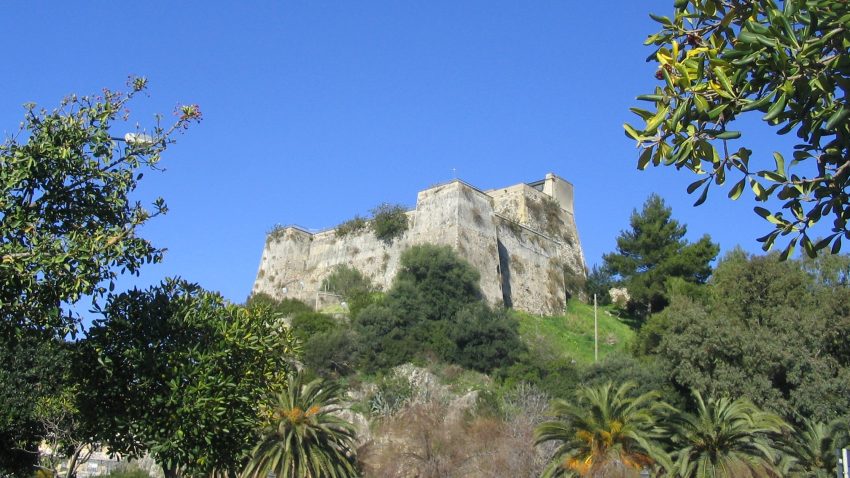
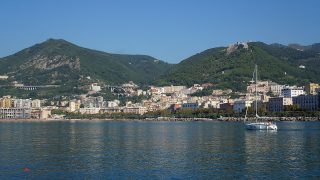
Forte La Carnale is one of those Salerno places that blends history and everyday city life in a very real way: a former defensive fort perched on a rocky rise, now folded into the modern waterfront as a cultural venue with exhibition spaces and an outdoor terrace. It sits just a short distance from the sea, and the moment you step up onto the viewpoint you understand why the position mattered-today you're watching boats cross the gulf, but centuries ago this was a lookout scanning the horizon for danger.
It's also one of the things to see in Salerno if you like places with atmosphere rather than a long checklist of rooms. You can treat it as a quick scenic stop, or build it into a longer evening plan around a concert or performance, and it works naturally as a breezy chapter in a walking tour of Salerno that follows the coastline and dips into the historic centre when you're ready for narrow lanes and church façades.
Table of Contents
- History and Significance of the Forte La Carnale
- Things to See and Do in the Forte La Carnale
- How to Get to the Forte La Carnale
- Practical Tips on Visiting the Forte La Carnale
- Where to Stay Close to the Forte La Carnale
- Is the Forte La Carnale Worth Visiting?
- For Different Travelers
- FAQs for Visiting Forte La Carnale
- Nearby Attractions to the Forte La Carnale
History and Significance of the Forte La Carnale
Forte La Carnale grew into its role during the latter half of the 16th century as part of Salerno's defensive network, protecting the city's southern edge and strengthening coastal vigilance. Early on it functioned as a lookout and communications point, using rapid warning systems to relay danger-an approach that makes perfect sense in a time when raids and surprise attacks were not distant history, but a real coastal fear.
The fort’s name ties to a darker chapter in Salerno’s memory: the Saracen siege of 872 and a brutal clash that gave the area its “slaughterhouse” association. Whether you take the story as strict record or local legend polished over time, it adds emotional weight to the site, because it reminds you how vulnerable these coastal cities once were.
Later, the fort’s practical military life continued in a different form as a powder magazine under Bourbon rule and after Italian unification. In the 20th century it was damaged during World War II, then restored and reimagined, eventually becoming less a defensive machine and more a civic stage-still watching the sea, but now for light, views, and cultural life rather than enemy sails.
Things to See and Do in the Forte La Carnale
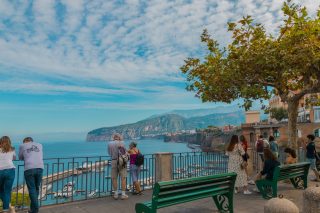
The terrace is the main event. Come for the panorama first: the sweep of the Gulf of Salerno, the curve of the coastline, and the sense of being slightly above the city without being “up a mountain.” On clear days, the view feels expansive enough to hint at the wider landscape beyond Salerno, and it's an easy place to pause with a coffee before continuing your route.
Inside, the fort’s two-level layout is often used for exhibitions and cultural displays, so the experience can change significantly depending on what’s on. If you catch it during a strong show, you get that satisfying contrast between contemporary culture and stone military architecture; if it’s quiet, the space still works as a compact historic shell with a strong sense of place.
If you're planning an evening out, check the schedule for concerts and performances in the outdoor theatre area. Forte La Carnale can be one of those “unexpected best” Salerno nights: sea air, city lights, and a programme that makes the fort feel alive rather than simply preserved.
How to Get to the Forte La Carnale
Most visitors arrive via Naples International Airport (NAP) or Salerno Costa d'Amalfi Airport (QSR), depending on routes and season. For the best deals and a seamless booking experience, check out these flights to Salerno on Booking.com. From central Salerno, the fort is easiest to reach by following the coastal axis toward the area where the waterfront neighbourhoods begin to stretch beyond the historic centre, then walking the final approach uphill on footpaths or steps. Local city buses and taxis are convenient if you want to save energy for the terrace and any evening event, especially if you’re visiting after dark. By train, arrive at Salerno’s main station and continue along the waterfront corridor by bus, taxi, or a longer walk if you enjoy a coastal stroll. Use Omnio to easily compare schedules, book train tickets, and find the best prices all in one place for a hassle-free journey across Italy. If you’re driving, park outside the tightest central area and finish on foot, since the waterfront zones can be busy and parking works best as a “park once, walk plenty” plan. If you are looking to rent a car in Italy I recommend having a look at Discover Cars, first, as they compare prices and review multiple car rental agencies for you.
Practical Tips on Visiting the Forte La Carnale
- Entrance fee: Free, external view only.
- Opening hours: 24 Hours, external view only.
- Best time to visit: Late afternoon into early evening for the best light over the water, especially if you want to pair the terrace with dinner plans.
- How long to spend: 30-60 minutes for views and a quick look around; longer if you’re visiting during an exhibition or performance.
- Accessibility: Expect steps, uneven surfaces, and short uphill sections; if mobility is a concern, use a taxi for the closest drop-off and keep the visit focused on the terrace level.
- Facilities: Treat on-site food and drink as a bonus rather than a guarantee; it’s safest to plan a café stop nearby and come with water, especially in warmer months.
Where to Stay Close to the Forte La Carnale
For a culture-heavy itinerary, base yourself in Salerno’s Centro Storico or along the central waterfront so you can walk to the cathedral quarter and the main sights; if your trip’s main focus is transport links for day trips, staying near the station and port access will make early starts and late returns much easier.
If you want a practical base that balances city walking with straightforward logistics, Hotel Montestella works well for a walkable stay between the historic centre and the seafront. For maximum convenience with arrivals, departures, and onward connections, Hotel Plaza is a strong choice and keeps you close to the city’s transport heart. If you prefer being near the water for evening promenades and a breezier feel, Grand Hotel Salerno pairs nicely with a coastal-focused itinerary.
Is the Forte La Carnale Worth Visiting?
Yes, especially if you value viewpoint-led sightseeing and places that feel local rather than overly curated. Forte La Carnale is compact, easy to enjoy, and delivers a strong “Salerno by the sea” moment that's different from the cathedral-and-lanes experience.
It's also worth visiting because it gives you options. You can come purely for the terrace, or time your visit for an event and turn it into an evening highlight-either way, it's a simple addition that makes a Salerno day feel more varied and complete.
What Other Travellers Say...
Reviews Summary
Forte La Carnale, on Via la Carnale in Salerno, is a coastal square-plan fortification with battlements and a small rooftop turret that offers an exceptional view over the Gulf of Salerno and attractive surrounding gardens; reviewers note it dates from the 16th century, was part of the coastal defense system and later suffered wartime damage, has been renovated at times but is currently closed to the public and in private management for events, so visitors often enjoy the view or a coffee nearby though cannot enter, and opinions vary between admiration for the site and frustration over access and maintenance.
For Different Travelers
Families with Kids
This works best for families as a short, scenic stop with a clear “reward”: the terrace and big sea views. Keep it simple-arrive with snacks, do a quick loop, and let kids focus on spotting boats and landmarks rather than trying to absorb every historical detail.
If you’re visiting for an evening event, check whether the programme is kid-friendly and plan your transport so you’re not dealing with steep steps when everyone is tired. A taxi in and out can make the experience smoother.
Couples & Romantic Getaways
Forte La Carnale is a great couples' stop because it naturally suits late-day pacing: a slow climb, a panoramic pause, and then an easy transition into dinner or an evening stroll along the waterfront. The fort feels especially atmospheric when the light softens and the sea turns silvery.
If there's a concert or performance on, it can be an excellent “different” night out-cultural, relaxed, and scenic in a way that feels distinctly Salerno.
Budget Travelers
This is a strong budget pick because the main value is the view and the atmosphere, and many visits are low-cost or free depending on access that day. Use it as a scenic anchor on a walking day: fort terrace, seafront promenade, and old-town wandering are all high-impact without needing multiple tickets.
To keep costs predictable, plan your food and drink in the city rather than relying on on-site options, and treat any event ticket as your one paid “splurge” for the day.
FAQs for Visiting Forte La Carnale
Getting There
Tickets & Entry
Visiting Experience
Tours, Context & Itineraries
Photography
Accessibility & Facilities
Nearby Attractions to the Forte La Carnale
- Lungomare Trieste: Salerno's signature promenade, ideal for a long coastal stroll that pairs naturally with the fort's viewpoint.
- Villa Comunale di Salerno: A seafront garden break with fountains and shaded paths when you want a calmer interlude.
- Centro Storico di Salerno: The old town's lanes and small squares, perfect for switching from sea air to medieval city atmosphere.
- Duomo di Salerno (Cattedrale di San Matteo): The cathedral complex that anchors the historic centre and adds depth to a culture-focused day.
- Castello di Arechi: The hilltop fortress above Salerno for bigger panoramas and a stronger “defensive history” counterpart to La Carnale.
The Forte La Carnale appears in our Complete Guide to Visiting Salerno!

Moira & Andy
Hey! We're Moira & Andy. From hiking the Camino to trips around Europe in Bert our campervan — we've been traveling together since retirement in 2020!
This website uses affiliate links which may earn a commission at no additional cost to you!
Planning Your Visit
24 Hours, external view only.
Free, external view only.
Nearby Attractions
- Acquedotto Medievale di Salerno (1.6) km
Aqueduct - Salerno Porta Nova (1.6) km
City Gate - Museo Archeologico Provinciale of Salerno (1.7) km
Museum - Chiesa di San Giorgio (2.0) km
Church - Duomo di Salerno (2.0) km
Cathedral - Museo Diocesano San Matteo di Salerno (2.0) km
Museum - Lungomare Trieste (2.0) km
Park - Complesso Monumentale di San Pietro a Corte (2.1) km
Palace and Roman Site - Complesso Monumentale di Santa Sofia (2.2) km
Church - Piazza della Liberta (2.3) km
Square