Fabrica de Tabacos, Logroño
Historic Building in Logroño
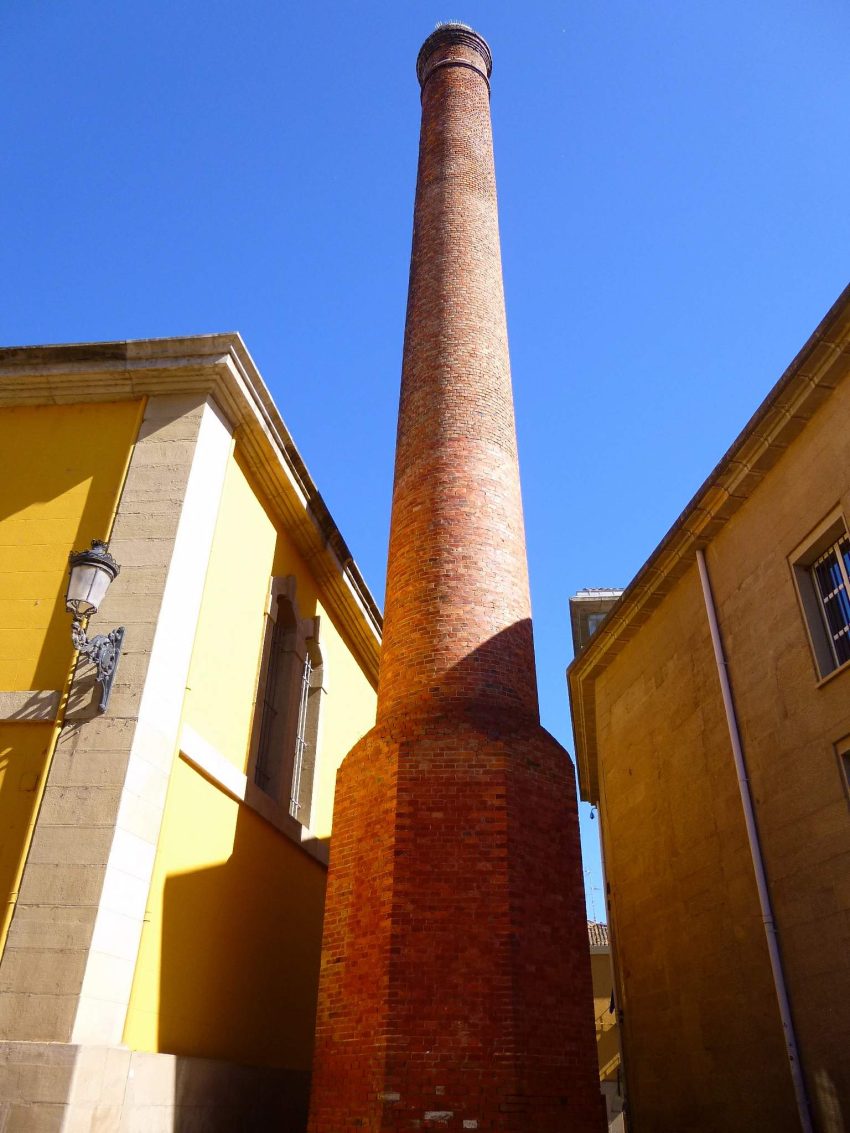
The Parliament of La Rioja occupies a building with a past as layered as the region itself. Originally a 14th-century convent of La Merced, the complex has served over time as barracks, military hospital, warehouse, artillery park, and even a prison before returning briefly to religious life. Today, its cloisters and thick walls sit at the heart of the regional capital, reimagined as the home of La Rioja’s legislative chamber, a public library, and a contemporary exhibition space. Standing outside, you can sense how many different eras and purposes are woven into its stones.
In the 19th century, coinciding with Riojan politician Práxedes Mateo Sagasta's time as President of the Spanish Government, the site began a new chapter as a tobacco factory, a move that boosted Logroño's economy and workforce. That industrial phase paved the way for its current civic and cultural role. Now divided into three zones-the Parliament in the centre, the Library on the east side, and the Amos Salvador Exhibition Hall to the west-the building is a compact microcosm of La Rioja's journey from cloistered spirituality to industrial growth and democratic governance. It is often visited on walking tours of Logroño, but also rewards a quiet, independent visit if you enjoy architecture with a story.
Table of Contents
- History and Significance of Parliament of La Rioja
- Things to See and Do in Parliament of La Rioja
- How to Get to Parliament of La Rioja
- Practical Tips on Visiting Parliament of La Rioja
- Where to Stay close to Parliament of La Rioja
- Is Parliament of La Rioja Worth Visiting?
- FAQs for Visiting Parliament of La Rioja
- Nearby Attractions to Parliament of La Rioja
History and Significance of Parliament of La Rioja
The story begins in the 14th century, when the convent of La Merced was established on this site. For centuries it functioned as a religious house, a self-contained world of prayer and monastic life within the growing town. The thick walls, cloistered courtyards, and simple but solid architecture reflected an era when spiritual institutions held major social and economic influence in the region.
Political and military upheavals in the 19th century radically altered its fate. In 1820, the complex was converted into barracks, then in 1845 into a military hospital, warehouse, and artillery park. For a time it even served as a prison, underlining its strategic value and robust construction. Between 1847 and 1868 it briefly regained religious status, housing Carmelite nuns, but the tide was turning toward more secular, industrial uses.
With Práxedes Mateo Sagasta-a prominent Riojan-serving as President of the Government, the building was chosen for conversion into a tobacco factory. This decision was not just practical; it symbolised a shift toward modernisation and economic development in Logroño. Today, the former convent-factory hybrid has been transformed again, with its central section housing the Parliament of La Rioja, flanked by the public Library and the Amos Salvador Exhibition Hall. Together they form a unified complex that embodies the region's past and present, making it one of the top attractions in Logroño for travellers who enjoy connecting history, politics, and culture.
Things to See and Do in Parliament of La Rioja
A visit to the Parliament of La Rioja is as much about the building as it is about the institution it hosts. From the outside, take time to walk around the complex and notice how the old convent structure has been adapted: former monastic spaces now hold offices, meeting rooms, and public areas, while later additions hint at its industrial and civic phases. Depending on the day and any security restrictions, you may be able to enter selected public areas or join an organised visit that explains how the regional parliament functions.
The central parliamentary zone showcases how historic architecture can be adapted to modern needs. Inside, where accessible, you might see corridors where old stone meets newer finishes, or glimpse the chamber where regional representatives debate laws and policies affecting La Rioja. It is a tangible reminder that democracy here is housed in walls that have seen very different forms of authority over the centuries.
On the east side, the Library area extends the building’s public role, often providing reading rooms and cultural programming for residents. To the west, the Amos Salvador Exhibition Hall hosts temporary art and cultural exhibitions that bring a contemporary layer to the historic shell. Even if you only have limited time, it is worth checking what is on while you are in the city; a single visit can easily combine architecture, politics, and current art in one stop.
How to Get to Parliament of La Rioja
The Parliament of La Rioja is located in central Logroño, within walking distance of the Old Town, the Ebro riverfront, and major streets like Calle Portales. Once you are in the historic centre, it is easy to reach on foot by following local signs or a city map; the complex's size and distinctive character make it stand out among surrounding buildings.
If you arrive by air, you may land at Logroño-Agoncillo Airport or at larger hubs such as Bilbao or Zaragoza before continuing to Logroño by road or public transport. For the best deals and a seamless booking experience, check out these flights to Logroño on Booking.com. From most central hotels, the parliament complex is a short stroll through the city streets.
Travelling by train brings you into Logroño's main railway station, which has regular connections with cities such as Madrid and Zaragoza.Train schedules and bookings can be found on Omio. From the station, it typically takes 15-20 minutes to walk into the centre; buses and taxis are also available if you prefer a quicker transfer before exploring the area around the parliament on foot.
If you are driving, motorways and main roads connect Logroño with the rest of La Rioja and northern Spain.If you are looking to rent a car in Spain I recommend having a look at Discover Cars, first, as they compare prices and review multiple car rental agencies for you. Park in one of the public car parks near the city centre, as many central streets have restricted access; from there, you can easily walk to the Parliament of La Rioja while also exploring nearby sights like the Old City Hall, cathedral, and pintxos streets.
Practical Tips on Visiting Parliament of La Rioja
- Suggested tips: Check ahead to see if guided visits or open days are available, as these can give you access to interior spaces and explanations you might otherwise miss.
- Best time to visit: Weekdays during working hours are best if you want to see the building in use; evenings and weekends are quieter but may limit interior access.
- Entrance fee: Viewing the exterior is free; any official tours or exhibitions in the complex are usually free or low-cost, depending on the programme.
- Opening hours: Exterior views are available at any time; interior public areas, the library, and exhibition hall follow their own posted schedules.
- Official website: https://www.parlamento-larioja.org/
- How long to spend: Allow 30-60 minutes to walk around the exterior, see the different wings, and, if possible, step into the library or exhibition hall.
- Accessibility: The central location and modern adaptations mean access is generally good, though some older sections may have steps or uneven surfaces; check inside for lift availability.
- Facilities: Restrooms and seating areas may be available in public sections of the complex; cafés, bars, and shops are only a short walk away in the surrounding streets.
- Photography tip: Capture the contrast between historic walls and any contemporary additions, and frame the complex against nearby urban scenery to show how it fits into modern Logroño.
- Guided tours: When offered, guided visits provide insight into both the building’s history and the workings of the regional parliament, adding depth to what you see.
- Nearby food options: Within a few minutes' walk you will find plenty of cafés, bakeries, and bars, including access to Calle Laurel and Calle San Juan for classic pintxos after your visit.
Where to Stay close to Parliament of La Rioja
Staying near the Parliament of La Rioja puts you in a convenient position between the Old Town, the riverfront, and the more modern parts of Logroño. For a boutique-style hotel in a carefully restored historic building, Hotel Calle Mayor offers a quiet, elegant base within walking distance of the parliament and cathedral. If you prefer a contemporary hotel close to main avenues and shopping streets, NH Logroño Herencia Rioja is a practical choice with easy access to both civic buildings and the Old Town. For a central and comfortable option, Hotel Condes de Haro places you within a short walk of the Parliament of La Rioja, Parque del Espolón, and the pintxos area around Calle Laurel, making it one of the best places to see in Parliament of La Rioja's part of the city.
Is Parliament of La Rioja Worth Visiting?
Parliament of La Rioja is definitely worth a visit, especially if you enjoy places where architecture, history, and politics intersect. Few buildings in Logroño have lived so many lives-convent, barracks, hospital, prison, tobacco factory, and now regional parliament, library, and exhibition hall. Even if you only see the exterior and adjacent public spaces, you get a strong sense of how the city has repurposed its heritage to serve modern needs. Add in the possibility of exhibitions and institutional visits, and it becomes a rewarding stop on any cultural itinerary in Logroño.
What Other Travellers Say...

The Real Fábrica de Tabacos (Royal Tobacco Factory of Seville) on C. San Fernando is an enormous neoclassical former tobacco factory now housing offices and the rectorate of the University of Seville; visitors can walk through many public halls, foyers and grand staircases for free, spotting white plaster statues, wall art and historic cigar-rolling machinery, while remembering it's a working university with classrooms and students—guided tours exist but may be in Spanish—and don't miss the moat area where cats are often seen.


FAQs for Visiting Parliament of La Rioja
Nearby Attractions to Parliament of La Rioja
- Old City Hall and Plaza del Mercado - Historic square beside the cathedral, once the main civic centre of Logroño.
- Catedral de Santa María de la Redonda - Co-cathedral with distinctive twin towers, anchoring the heart of the Old Town.
- Calle Laurel - Famous street for pintxos and Rioja wine, perfect for a food stop after your visit.
- Parque del Espolón - Elegant central promenade and gardens with the Monument to General Espartero.
- Museo de La Rioja - Regional museum in the Palacio de Espartero, tracing La Rioja's history from prehistory to the 19th century.
The Fabrica de Tabacos appears in our Complete Guide to Visiting Logroño!

Moira & Andy
Hey! We're Moira & Andy. From hiking the Camino to trips around Europe in Bert our campervan — we've been traveling together since retirement in 2020!
This website uses affiliate links which may earn a commission at no additional cost to you!
Planning Your Visit
Exterior views are available at any time; interior public areas, the library, and exhibition hall follow their own posted schedules.
Viewing the exterior is free; any official tours or exhibitions in the complex are usually free or low-cost, depending on the programme.
Nearby Attractions
- Muralla del Revellín (0.0) km
City Gate and City Walls - Museo de la Rioja (0.1) km
Museum - Calle Laurel (0.2) km
Street - Old Logroño City Hall (Plaza del Mercado) (0.3) km
Notable Building and Square - Catedral de Santa María de la Redonda (0.3) km
Cathedral - Parque del Espolón (0.4) km
Park - Puente de Hierro (0.5) km
Bridge - Iglesia de San Bartolomé (0.5) km
Church - Casa de las Ciencias (0.6) km
Museum - Puente de Piedra (0.6) km
Bridge