Ethnographic Museum of Kukës
Museum in Kukës
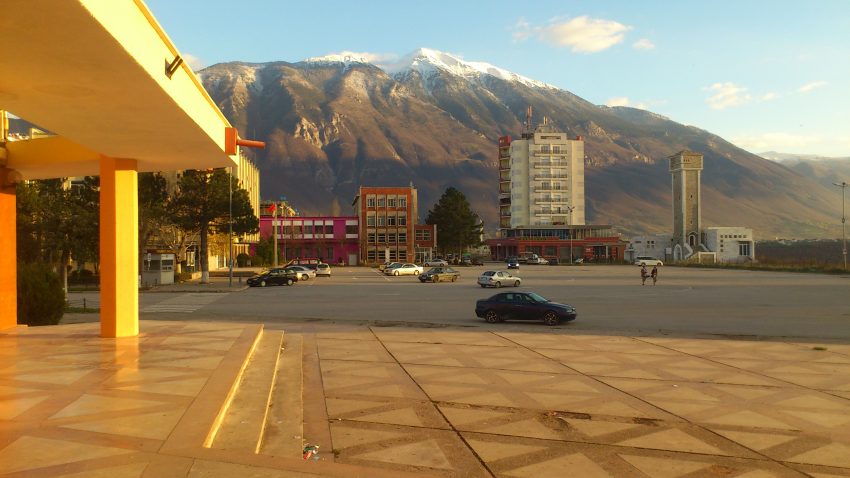
The Ethnographic Museum of Kukës is a cultural treasure at the heart of the city, offering an engaging introduction to the traditions and material heritage of the northeastern highlands. Thoughtfully curated exhibits bring the past to life through clothing, household tools, and artisan-made objects, making the museum one of the top sights in Kukës for anyone curious about local identity. As you move through the museum's rooms, you'll find that each item is presented with care, accompanied by descriptions that help illuminate the stories of the people who once used them.
With its traditional architectural style and knowledgeable staff, the museum provides an experience that feels both authentic and welcoming. Many travelers find it a great place to visit on a tour of Kukës, as its central location makes it easy to pair with other historic and cultural spots around town. Whether you're meeting staff members eager to share anecdotes or browsing temporary exhibitions, the museum offers something new with every visit.
Table of Contents
- History and Significance of Ethnographic Museum of Kukës
- Things to See and Do in Ethnographic Museum of Kukës
- How to Get to Ethnographic Museum of Kukës
- Practical Tips on Visiting Ethnographic Museum of Kukës
- Where to Stay close to Ethnographic Museum of Kukës
- Is Ethnographic Museum of Kukës Worth Visiting?
- FAQs for Visiting Ethnographic Museum of Kukës
- Nearby Attractions to Ethnographic Museum of Kukës
History and Significance of Ethnographic Museum of Kukës
The Ethnographic Museum of Kukës was established to safeguard the cultural memory of a region whose traditions have been shaped by centuries of highland life. Kukës and its surrounding villages have long been known for their craftsmanship, from finely woven textiles to distinctive woodwork, and the museum's creation ensured that these elements of intangible heritage would not be lost to time. Each room reflects a different facet of daily life, providing an immersive sense of how families lived, worked, and celebrated.
The museum also holds special significance due to the dramatic history of Kukës itself. After the old town was submerged during the construction of Fierza Reservoir, the community rebuilt its identity in a new location, and the museum plays a vital role in preserving what might otherwise have faded. Through its displays, visitors get a sense of continuity, linking past generations to the present day.
Its collection extends beyond household life to include tools and objects connected to agriculture, pastoralism, and local trades. These artifacts offer valuable insight into how communities adapted to the mountainous environment, forming a living record that helps explain the region’s enduring cultural resilience.
Things to See and Do in Ethnographic Museum of Kukës
The museum’s interior is divided into thematic sections, each focusing on an aspect of traditional highland life. One room showcases beautifully embroidered garments, including women’s dresses, men’s vests, and ceremonial attire from different villages in the region. These pieces highlight the remarkable skill of local artisans and reveal how clothing served as both practical wear and cultural expression.
Another section displays household objects that tell the story of everyday routines, from cooking implements to ornate wooden chests used for storing family heirlooms. You’ll also find tools used by shepherds, farmers, and craftspeople, creating a vivid picture of rural life over the centuries. This spot is one of the best places to see in the museum for travelers interested in material culture and craftsmanship.
Visitors can also enjoy occasional temporary exhibitions focused on particular themes such as regional music, festivals, or artisanal techniques. These rotating displays make the museum an engaging stop even for returning visitors, while the friendly staff often enrich the experience with personal stories tied to the items on display.
How to Get to Ethnographic Museum of Kukës
The Ethnographic Museum is located in central Kukës and is easily reached from other parts of the city. The nearest major airport is Tirana International Airport, which provides the most convenient entry point for international travelers. For the best deals and a seamless booking experience, check out these flights to Kukës on Booking.com.
There is no train service to Kukës, so buses and shared vans are the primary public transport options connecting the city to Tirana, Shkodër, and Kosovo.
Traveling by car is straightforward, with well-marked roads leading into Kukës from major northern routes. Parking is available near the city center, making it easy to explore the museum and surrounding attractions on foot. If you are looking to rent a car in Albania I recommend having a look at Discover Cars, first, as they compare prices and review multiple car rental agencies for you.
Practical Tips on Visiting Ethnographic Museum of Kukës
- Suggested tips: Take your time reading the display descriptions and speaking with museum staff for deeper cultural insight.
- Best time to visit: Spring through autumn for pleasant weather and easier combined sightseeing around Kukës.
- Entrance fee: Typically a small fee; check locally for the latest price.
- Opening hours: Usually open during standard daytime museum hours; verify on arrival.
- Official website: Not available
- How long to spend: Around 1 to 1.5 hours is ideal to appreciate the exhibits.
- Accessibility: Some areas may have steps; accessibility varies by gallery.
- Facilities: Basic facilities on-site; additional services are available in central Kukës.
- Photography tip: Capture details of the traditional garments, especially embroidery illuminated by natural light.
- Guided tours: Staff often provide informal explanations; ask on arrival for guided options.
- Nearby food options: Cafés and restaurants in central Kukës offer traditional highland meals and quick snacks.
Where to Stay close to Ethnographic Museum of Kukës
Since the museum is in the center of Kukës, several convenient accommodation options are nearby. Travelers looking for comfort can stay at Hotel Amerika, which offers modern amenities and easy access to cultural attractions. Another welcoming choice is Bar Restaurant Hotel Gjallica, known for its friendly service and hearty local cuisine. For a quieter and more intimate stay, consider Kulla e Fanit, set in the scenic surroundings outside the city.
Is Ethnographic Museum of Kukës Worth Visiting?
Yes, the Ethnographic Museum of Kukës is absolutely worth visiting, especially for travelers who want to understand the traditions and identity of Albania's northern highlands. Its well-curated displays, engaging staff, and deep cultural significance make it a rewarding stop. Whether you're exploring Kukës for a day or passing through the region, the museum adds meaningful context to the broader history and lifestyle of northeastern Albania.
What Other Travellers Say...

The Ethnographic Museum of Kruja, tucked beside the castle on Rruga Kala in Krujë, offers a compact, recently renovated traditional house experience that immerses you in historical local life through displayed household tools, storytelling panels and multimedia. Visitors praise the mix of interactive walls, audio elements and virtual/augmented reality — including a virtual dressing room and VR scenes that place you in a bride's family room — and note each room has English information cards so you can explore independently or take a knowledgeable, engaging guide-led tour. Practical notes from visitors: the visit takes about 20–30 minutes to see both floors, the building lacks air conditioning and restroom facilities, and only cash is accepted for tickets.


FAQs for Visiting Ethnographic Museum of Kukës
Nearby Attractions to Ethnographic Museum of Kukës
- Kukës Old Town Memorial: A tribute to the submerged town and its history.
- Fierza Reservoir: Albania’s largest artificial lake, ideal for scenic viewpoints and nature exploration.
- Peca Castle: An ancient fortress offering sweeping views of the surrounding landscape.
- Valbona Valley National Park: A dramatic alpine area perfect for hiking and photography.
- Shejesh Village: A traditional mountain village showcasing highland architecture and rural life.
The Ethnographic Museum of Kukës appears in our Complete Guide to Visiting Kukës!

Moira & Andy
Hey! We're Moira & Andy. From hiking the Camino to trips around Europe in Bert our campervan — we've been traveling together since retirement in 2020!
This website uses affiliate links which may earn a commission at no additional cost to you!
Nearby Attractions
- Lake Fierza (12.4) km
Reservoir - Spaç Prison (36.4) km
Historic Building - Birra Puka (42.8) km
Brewery - Lake Koman Ferry (48.8) km
Lake - Mavrovo National Park (53.4) km
National Park - Valbonë Valley National Park (58.8) km
National Park - Theth Waterfall (60.9) km
Waterfalls - Valbona Pass (61.3) km
Hike - Nderlysa Village (61.4) km
Village - Grunas Canyon (61.5) km
Natural Phenomenon