Es Baluard Centre, Palma de Mallorca
Museum in Palma de Mallorca
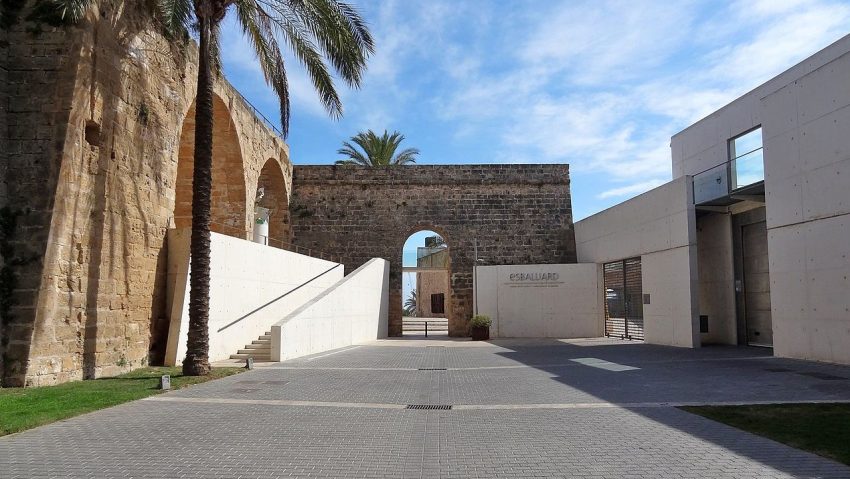
Es Baluard Centre is Palma de Mallorca's flagship museum for modern and contemporary international art, a bold cultural space built into the old city bastions overlooking the harbour. One of the best places to visit in Palma de Mallorca for art lovers, it aims to introduce visitors to the major movements that have shaped global art since the late 19th century through a carefully curated mix of paintings, drawings and sculpture. The setting alone is special: galleries and terraces open out onto the city walls, giving you shifting views of the bay as you move from room to room.
Inside, you will find names that changed the course of art history-Cezanne, Gauguin, Picasso, Miró, Magritte, Polke, Barceló, Schnabel-alongside a strong collection of Mediterranean landscapes and works by artists linked to the Balearic Islands, such as Santiago Rusiñol, Anglada-Camarasa and Gelabert. Permanent displays are complemented by temporary exhibitions that keep the experience fresh, so even repeat visitors find something new. Between the art, the architecture and the terraces, Es Baluard Centre is a great place to visit on a walking tour of Palma de Mallorca that also takes in the nearby cathedral and seafront.
Table of Contents
- History and Significance of the Es Baluard Centre
- Things to See and Do in the Es Baluard Centre
- How to Get to the Es Baluard Centre
- Practical Tips on Visiting the Es Baluard Centre
- Where to Stay close to the Es Baluard Centre
- Is the Es Baluard Centre Worth Visiting?
- FAQs for Visiting Es Baluard Centre
- Nearby Attractions to the Es Baluard Centre
History and Significance of the Es Baluard Centre
From its inception, one of Es Baluard Centre’s main goals has been to familiarise visitors with the world of modern and contemporary international art, bridging the gap between local audiences and global artistic currents. Rather than being a small niche gallery, it positions itself as a serious reference point in the Mediterranean, using its collection to tell a broad story that stretches from late 19th century painting to cutting-edge contemporary work.
The museum’s collection is at the heart of this mission. Paintings, drawings and sculptures by key figures such as Cezanne and Gauguin sketch out the foundations of modernism, while works by Picasso, Miró and Magritte trace the evolution of Cubism, Surrealism and other early 20th century movements. Later artists like Polke, Barceló and Schnabel push into postmodern and contemporary territory, showing how experimentation with materials, scale and imagery continued to reshape art throughout the 20th century and beyond.
Equally important is Es Baluard’s focus on the Mediterranean and the Balearic context. The museum’s remarkable collection of Mediterranean landscapes, along with works by Santiago Rusiñol, Anglada-Camarasa, Gelabert and other artists connected to the islands, anchors global movements in a recognisable local setting. By placing Balearic-linked artists alongside international giants, the museum highlights how this region has both absorbed and contributed to wider artistic trends. Temporary exhibitions then build on this base, exploring specific themes, artists or dialogues that keep the institution dynamic.
Things to See and Do in the Es Baluard Centre
The best way to experience Es Baluard Centre is to move slowly through its galleries, letting the chronology and themes guide you. Start with the earlier works that mark the shift into modern art: pieces by Cezanne and Gauguin show new ways of seeing form and colour, while early 20th century works by Picasso, Miró and Magritte reveal the birth of Cubism, Surrealism and other movements that broke decisively with academic tradition. Take your time with these rooms; they lay the groundwork for everything that follows.
As you progress, the art becomes more experimental and varied. Paintings and mixed-media pieces by artists such as Polke, Barceló and Schnabel introduce you to the textures and ideas of contemporary practice: layered surfaces, bold gestures and sometimes ambiguous imagery that invites multiple interpretations. Sculptures punctuate the galleries, changing the rhythm of your visit and encouraging you to see the surrounding architecture differently.
Be sure to seek out the Mediterranean and Balearic-focused sections. Here, landscapes bathed in island light and works by local and island-associated artists give the museum a strong sense of place. When you need a break from the galleries, head out to the terraces and viewpoints built into the old city walls. From here you can look back towards the cathedral, out over the harbour or across Palma's rooftops, making the museum as much about its location as its collection. Check what temporary exhibitions are on during your visit too; they often provide striking contrasts or deep dives into particular artists or themes.
How to Get to the Es Baluard Centre
Most visitors arrive in Mallorca via Palma de Mallorca Airport, the island's main international gateway with frequent flights from across Spain and Europe. For the best deals and a seamless booking experience, check out these flights to Palma de Mallorca on Booking.com. From the airport, buses and taxis run regularly into central Palma, from where you can walk towards the seafront and the old city walls to reach Es Baluard Centre.
If you are travelling by public transport from elsewhere on the island, regional trains bring you into Palma's Estació Intermodal near Plaça d'Espanya.Train schedules and bookings can be found on Omio. From there it is a pleasant walk through the centre and down towards the waterfront, or a short bus ride, to reach the museum near the edge of the old town.
Visitors arriving by car can follow the main island roads into Palma and use one of the car parks near the seafront or around the perimeter of the old town, then continue on foot to Es Baluard Centre.If you are looking to rent a car in Spain I recommend having a look at Discover Cars, first, as they compare prices and review multiple car rental agencies for you. The museum’s location close to both the harbour and the historic core makes it easy to combine with other central sights.
Practical Tips on Visiting the Es Baluard Centre
- Suggested tips: Start with the permanent collection to understand the museum’s backbone, then check out any temporary exhibitions and finish on the terraces for views and photos.
- Best time to visit: Late morning or mid-afternoon is ideal; in summer, visiting during the hotter hours lets you enjoy cool galleries before emerging onto the terraces as the light softens.
- Entrance fee: Adults: €6.00
- Opening hours: Winter-time (until 31 May): Tuesday - Sunday 10:00 - 20:00. Summer-time (1 June - 30 September): every day 10:00 - 24:00. Closed on the 26 of December & 1st of January.
- Official website: https://www.esbaluard.org/en/
- How long to spend: Allow 1.5-2 hours to explore the main collection, temporary exhibitions and terraces at a relaxed pace.
- Accessibility: The modern design includes lifts and ramps, making most areas accessible; ask at reception for the best routes through the galleries if you have mobility needs.
- Facilities: Expect a ticket desk, shop, café or restaurant area, toilets and cloakroom facilities, plus occasional educational and event spaces.
- Photography tip: Use the contrast between interior galleries and exterior terraces-capture artworks, then step outside to frame the museum’s architecture against the sea and skyline.
- Guided tours: Check whether guided visits, audio guides or themed tours are available during your stay; they can add valuable context to both the international and local works.
- Nearby food options: You can often eat or drink on-site, and there are many cafés, bars and restaurants in the surrounding streets and along the waterfront for a post-museum meal.
Where to Stay close to the Es Baluard Centre
Staying in central Palma near the waterfront and old town gives you easy access to Es Baluard Centre and the rest of the city's cultural highlights. A convenient, well-located choice is Hotel Almudaina, which offers comfortable rooms within walking distance of the museum, Passeig Marítim and the main shopping streets. For a more intimate, historic setting, Boutique Hotel Posada Terra Santa places you in the old town's narrow lanes, still close enough to stroll down to Es Baluard Centre and the seafront. If you prefer to stay nearer the harbour while remaining central, Hotel Basilica makes a stylish base for combining museum visits with walks along the waterfront and trips to the nearby cathedral and royal palace.
Is the Es Baluard Centre Worth Visiting?
Es Baluard Centre is definitely worth visiting if you have any interest in modern and contemporary art, architecture or simply seeing Palma from a different angle. The mix of international heavyweights like Picasso, Miró and Magritte with Mediterranean landscapes and Balearic artists gives the collection both breadth and depth, while the building's integration into the old city walls adds drama to the experience. Whether you are a dedicated art lover or just curious, a couple of hours here can be one of the most rewarding cultural stops in Palma.
What Other Travellers Say...

Baluard de Sant Pere in Palma’s Centre is a historic stone bastion that formed part of the city’s defensive fortifications and now houses part of the Es Baluard Museu d'Art Contemporani de Palma; visitors praise its panoramic views over the harbor and sea, its atmospheric appeal at sunset and night for photography, and the chance to walk the ramparts and enjoy a mix of historical architecture and contemporary art.


FAQs for Visiting Es Baluard Centre
Nearby Attractions to the Es Baluard Centre
- Palma Cathedral La Seu: The city's iconic Gothic cathedral overlooking the bay, a short walk away and easy to pair with a museum visit.
- Royal Palace of La Almudaina: A historic fortified palace beside the cathedral, with medieval halls and harbour views.
- Passeig Marítim: Palma’s waterfront promenade, ideal for a walk or bike ride before or after exploring the museum.
- Passeig del Born: A tree-lined avenue of shops, cafés and bars leading into the old town, perfect for shopping and people-watching.
- Palau March Museum: A nearby palace-museum with an impressive art collection, sculptures and harbour views, complementing the contemporary focus of Es Baluard Centre.
The Es Baluard Centre appears in our Complete Guide to Visiting Palma de Mallorca!

Moira & Andy
Hey! We're Moira & Andy. From hiking the Camino to trips around Europe in Bert our campervan — we've been traveling together since retirement in 2020!
This website uses affiliate links which may earn a commission at no additional cost to you!
Planning Your Visit
Winter-time (until 31 May): Tuesday – Sunday 10:00 – 20:00.
Summer-time (1 June – 30 September): every day 10:00 – 24:00.
Closed on the 26 of December & 1st of January.
Adults: €6.00
Nearby Attractions
- La Llotja (0.3) km
Historic Building - Passeig del Born (0.5) km
Street - Royal Gardens of La Almudaina (0.5) km
Gardens - Royal Palace of La Almudaina (0.6) km
Palace - Palau March Museum (0.6) km
Historic Building and Museum - La Seu: the Cathedral of Palma (0.7) km
Cathedral - Can Casasayas (0.7) km
Historic Building - Church of Santa Magdalena (0.7) km
Church - Plaza de Cort (0.8) km
Square - Museu Diocesa de Mallorca (0.8) km
Museum