City Wall - Porte Saint-Lazare, Avignon
City Gate, City Walls and Historic Site in Avignon
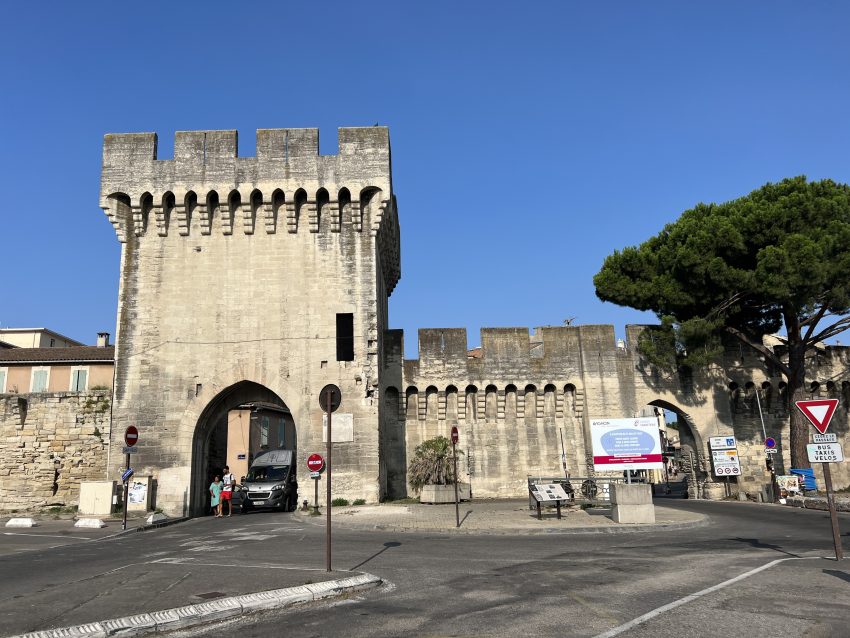
City Wall – Porte Saint-Lazare is one of the most atmospheric places to appreciate Avignon's famous ramparts: a powerful ring of medieval stone that still defines the edge of the historic center. This gate area sits on the northern side of the old town, where you can feel the transition between intramuros (inside the walls) and the modern city outside.
It's an easy stop to weave into a self-guided walking tour: pair it with a loop along the exterior boulevards for big-picture views of the fortifications, then head inside the walls toward the Palais des Papes and the livelier squares. For classic viewpoints, aim for golden hour when the stone warms up, or walk different sides of the ramparts to compare the train-station approach with the Rhône-facing stretches.
Table of Contents
- History and Significance of the City Wall – Porte Saint-Lazare
- Things to See and Do in the City Wall – Porte Saint-Lazare
- How to Get to the City Wall – Porte Saint-Lazare
- Practical Tips on Visiting the City Wall – Porte Saint-Lazare
- Where to Stay Close to the City Wall – Porte Saint-Lazare
- Is the City Wall – Porte Saint-Lazare Worth Visiting?
- For Different Travelers
- FAQs for Visiting City Wall – Porte Saint-Lazare
- Nearby Attractions to the City Wall – Porte Saint-Lazare
History and Significance of the City Wall – Porte Saint-Lazare
Avignon's ramparts are inseparable from the city's papal era, when the presence of the popes transformed Avignon into a fortified stronghold. The walls were built in the 14th century to protect the city and its power center, creating a defensive belt that still reads clearly on today's map.
Porte Saint-Lazare is part of the network of gates and passages that controlled movement in and out of the city. Historically, these entrances weren’t just practical; they were symbolic thresholds between the protected civic core and the surrounding countryside, and they helped manage trade, security, and daily life.
Even if you're not a specialist, the scale of the masonry and the continuity of the wall line make the story easy to grasp on foot. Standing near the gate, you can imagine the city as a self-contained enclave, with towers, parapets, and controlled access points shaping how Avignon functioned for centuries.
Things to See and Do in the City Wall – Porte Saint-Lazare
Start by taking in the sheer mass of the rampart face and the geometry of the gate area. This is a great spot for slow travel: walk a short segment along the outside to appreciate the wall’s height and rhythm, then cross through to see how quickly the atmosphere shifts once you’re back inside the old town.
If you’re building a photo walk, plan for late afternoon into sunset. The stone textures read beautifully in angled light, and you can frame shots that emphasize the wall’s length, the curve of the boulevards, and the contrast between medieval defenses and modern city life.
To add context, combine this stop with a broader “walls and papacy” route: begin near Porte Saint-Lazare, continue toward the central sights inside the ramparts, and finish with viewpoints near the Rhône. You’ll come away with a clearer sense of how Avignon’s historic center is still shaped by its fortifications.
How to Get to the City Wall – Porte Saint-Lazare
The nearest major airports are Marseille Provence Airport (MRS) and Nîmes-Alès-Camargue-Cévennes Airport (FNI), with additional options via Montpellier or Lyon depending on your itinerary. For the best deals and a seamless booking experience, check out these flights to Avignon on Booking.com.
Avignon is well connected by rail, and arriving at Avignon Centre or Avignon TGV makes it straightforward to reach the ramparts on foot, by local bus, or by a short taxi ride.You can use SNCF Connect to check schedules, compare routes, and purchase tickets for National (SNCF ) and regional trains (TER). For a more streamlined experience, we recommend using Omio, which allows you to easily compare prices, schedules, and book tickets for both National and Regional travel across all of Europe, all in one place.
If you’re driving, aim for parking options outside or near the ramparts and then continue on foot to avoid navigating the narrow intramuros streets.If you are looking to rent a car in France I recommend having a look at Discover Cars, first, as they compare prices and review multiple car rental agencies for you.
Practical Tips on Visiting the City Wall – Porte Saint-Lazare
- Official website: https://www.avignon.fr/
- Entrance fee: Free.
- Opening hours: 24 Hours.
- Best time to visit: Late afternoon and sunset are ideal for softer light and better photos, especially along the exterior side of the walls.
- How long to spend: 20–40 minutes works well for a quick look and photos; allow 60–90 minutes if you want to stroll a longer section of the ramparts as part of a loop.
- Accessibility: The area around the gate is generally walkable on city sidewalks, but expect uneven surfaces and occasional curbs; some viewpoints may involve steps depending on where you go next.
- Facilities: There are no dedicated facilities at the wall itself; use cafés, restrooms, and services inside the old town or near major transit areas.
Where to Stay Close to the City Wall – Porte Saint-Lazare
Base yourself inside Avignon’s intramuros (the historic center) for the easiest walks to the ramparts, major monuments, and restaurants.
If you want a classic, comfortable stay with a strong sense of place, choose a hotel within the walls so you can step out early or return at golden hour without worrying about transport. The options below cover a range of styles, from boutique charm to dependable comfort, all well positioned for exploring the ramparts and the old town on foot.
Hôtel de l’Horloge A polished central option near key sights, ideal if you want to maximize walking time and keep evenings easy.
Hôtel Bristol A practical, well-located choice close to the main approach into town, convenient for a ramparts-first itinerary.
Avignon Grand Hôtel Great for travelers who value space and straightforward logistics, especially if you’re arriving by train and want an easy start.
La Mirande A splurge-worthy pick with a refined atmosphere, perfect for pairing historic walks with a more romantic, slow-paced stay.
Regina Boutique Hotel A stylish base on a main pedestrian artery, handy for moving between the ramparts edge and the heart of the old town.
Is the City Wall – Porte Saint-Lazare Worth Visiting?
Yes, especially if you enjoy places that make a city’s layout and history instantly legible. The ramparts are one of Avignon’s defining features, and Porte Saint-Lazare is a satisfying, low-effort stop that delivers big visual impact, great photos, and a strong sense of the city’s medieval scale.
Honest Pivot: If your time is extremely tight and you're prioritizing interiors, you might skip this specific gate and focus on the Palais des Papes and Pont d'Avignon instead. Also skip it if you're not interested in architecture or city history and you're visiting in harsh midday heat, when the walk can feel more functional than magical.
What Other Travellers Say...

Reviews are very positive overall, with visitors consistently impressed by the ramparts’ sheer length and imposing scale. Many highlight the strong historical connection to Avignon’s papal era and appreciate that the walls are well maintained. Sunset is frequently mentioned as an especially beautiful time for photos. The main downsides noted are that it can feel like a simple “look and walk” stop rather than a structured attraction, and some stretches can be less engaging depending on which side you visit.



For Different Travelers
City Wall – Porte Saint-Lazare works well because it's flexible: you can treat it as a quick photo stop, a history moment on a walking tour, or the start of a longer loop around Avignon's edges. Here's how it tends to land for different travel styles.
Families with Kids
Kids often respond to the “castle wall” feeling right away, and the scale of the stonework makes for an easy, visual history lesson. Keep it short and pair it with a snack break inside the walls so the outing feels like an adventure rather than a march.
For a smoother family visit, choose a simple route with minimal street crossings and avoid peak traffic times around the boulevards. A sunset stroll can be a fun way to wind down the day without committing to a long museum visit.
Couples & Romantic Getaways
This is a strong golden-hour stop: the warm light on the ramparts and the quiet, edge-of-town feel can be surprisingly romantic. It's also a nice “in-between” moment before dinner, especially if you're staying intramuros and can wander back through atmospheric streets.
Couples who like photography will enjoy experimenting with angles that emphasize the wall’s length and the gate’s structure. For extra ambiance, combine it with a slow evening walk toward the Rhône-facing side of the old town.
Budget Travelers
The ramparts are a high-impact sight that doesn’t require a ticket, making it a smart addition to a budget itinerary. You can build a full, satisfying walk by linking several gates and wall segments with free viewpoints and public squares.
To keep costs down, arrive by train, walk everywhere intramuros, and plan your visit around the best light rather than paid experiences. It's also a great “first hour in Avignon” stop to orient yourself.
History Buffs
For history-focused travelers, Porte Saint-Lazare is a tangible reminder of Avignon’s fortified identity during the papal period. The gate-and-wall system helps you understand how the city controlled access and projected power.
To deepen the experience, treat this as the starting point for a themed route: ramparts first, then the papal core inside the walls, then the river-facing viewpoints. You’ll see how defense, politics, and urban planning intersect in a compact area.
FAQs for Visiting City Wall – Porte Saint-Lazare
Getting There
Tickets & Entry
Visiting Experience
Tours, Context & Itineraries
Photography
Accessibility & Facilities
Food & Breaks Nearby
Safety & Timing
Nearby Attractions to the City Wall – Porte Saint-Lazare
- Palais des Papes: Avignon's landmark palace complex and the centerpiece of the city's papal history.
- Pont Saint-Bénézet (Pont d'Avignon): The iconic medieval bridge with excellent Rhône views.
- Rocher des Doms: A hilltop garden viewpoint that's perfect for panoramic photos and a quiet break.
- Place de l'Horloge: A lively central square for cafés, people-watching, and easy evening strolls.
- Les Halles d'Avignon: A covered market area that's great for local produce, casual bites, and a quick lunch stop.
The City Wall - Porte Saint-Lazare appears in our Complete Guide to Visiting Avignon!

Moira & Andy
Hey! We're Moira & Andy. From hiking the Camino to trips around Europe in Bert our campervan — we've been traveling together since retirement in 2020!
This website uses affiliate links which may earn a commission at no additional cost to you!
Planning Your Visit
24 Hours.
Free.
Nearby Attractions
- Place des Carmes (0.5) km
Park and Square - Église Saint Symphorien (0.5) km
Church, Historic Site and Religious Building - Chapelle des Pénitents Noirs (0.7) km
Church, Historic Site and Religious Building - Place Pie (0.8) km
Area, Market and Square - Maison du IV de Chiffre (0.8) km
Historic Building and Historic Site - Les Halles d'Avignon (0.8) km
Market - Church of the Cordeliers (0.8) km
Church, Historic Site and Religious Building - Pénitents Gris d'Avignon (0.8) km
Church, Historic Building and Religious Building - La Rue des Teinturiers (0.8) km
Area, Attraction and Street - Maison de Jean-Henri Fabre (0.8) km
Gardens, Historic Building and Museum