City Wall - Porte de l'Oulle, Avignon
City Gate, City Walls and Historic Site in Avignon
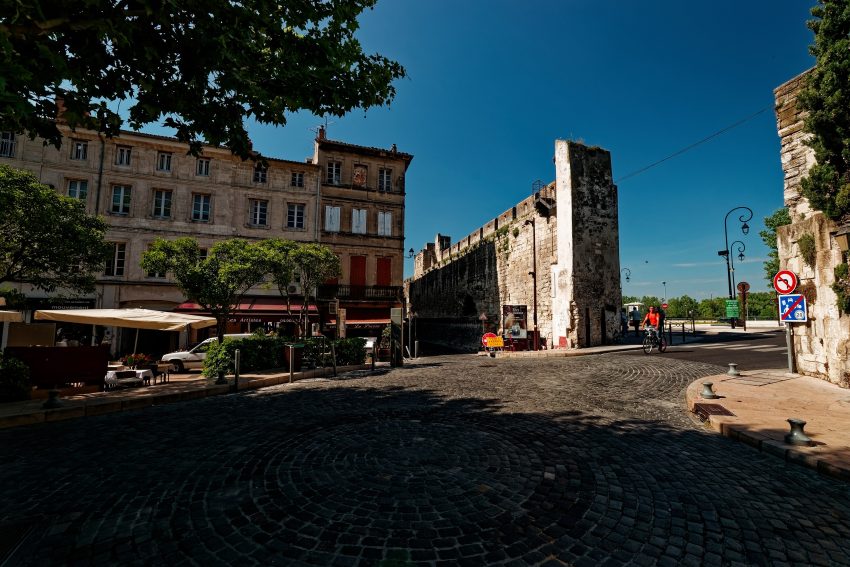
City Wall – Porte de l'Oulle is part of Avignon's medieval ramparts on the Rhône side of the old town, near the Allées de l'Oulle and the approach toward the riverfront. Even if you're not “doing a monument,” it's a satisfying place to pause: the stone fortifications frame the city edge, and the riverside setting makes it feel more like a scenic walk than a museum stop.
It fits perfectly into a self-guided walking tour that links the Pont Saint-Bénézet area, the Rocher des Doms viewpoints, and the western ramparts line. For the best views, look for angles where the wall curves toward the river and where you can see both the fortifications and the Rhône corridor in the same shot.
Table of Contents
- History and Significance of the City Wall – Porte de l’Oulle
- Things to See and Do in the City Wall – Porte de l’Oulle
- How to Get to the City Wall – Porte de l’Oulle
- Practical Tips on Visiting the City Wall – Porte de l’Oulle
- Where to Stay Close to the City Wall – Porte de l’Oulle
- Is the City Wall – Porte de l’Oulle Worth Visiting?
- For Different Travelers
- FAQs for Visiting City Wall – Porte de l’Oulle
- Nearby Attractions to the City Wall – Porte de l’Oulle
History and Significance of the City Wall – Porte de l’Oulle
Avignon’s ramparts are one of the city’s defining features: a continuous defensive ring that still clearly separates intramuros (inside the walls) from the newer neighborhoods outside. The Porte de l’Oulle area is especially tied to the Rhône-facing side of the city, where movement, trade, and access to the river shaped how people arrived and departed.
Historically, gates like Porte de l’Oulle weren’t just openings in a wall; they were controlled thresholds that regulated entry, protected the city, and signaled status. Over time, Avignon’s access points evolved with changing needs, and some gates were rebuilt, altered, or replaced as traffic patterns and urban planning shifted.
Today, the significance is less about defense and more about identity and atmosphere. Walking here helps you understand Avignon's “walled city” layout at a glance, and it's an easy way to add context to bigger-ticket sights like the Palais des Papes by seeing the city's protective shell up close.
Things to See and Do in the City Wall – Porte de l’Oulle
Start by treating this as a short ramparts-and-river stroll rather than a single photo stop. Follow the line of the wall and look for changes in stonework, height, and rhythm of towers and buttresses; these details make the fortifications feel alive and engineered, not just picturesque.
The riverside setting is the real bonus here. Depending on where you stand, you can frame the wall with the Rhône and the open sky, or turn back toward the old town for a more dramatic “Avignon behind the ramparts” perspective. It's also a good place to reset between major attractions: quieter, breezier, and less crowded than the central squares.
If you're building a half-day itinerary, pair this area with a walk toward Pont Saint-Bénézet and the Rocher des Doms for elevated viewpoints. You'll get a satisfying sequence: ground-level fortifications first, then panoramic city-and-river views afterward.
How to Get to the City Wall – Porte de l’Oulle
The nearest major airports are Marseille Provence Airport (MRS) and Montpellier–Méditerranée Airport (MPL), with additional options via Lyon–Saint Exupéry (LYS) for more international connections. For the best deals and a seamless booking experience, check out these flights to Avignon on Booking.com.
Avignon is well connected by rail: Avignon TGV station is the main high-speed hub, and Avignon Centre station is closer to the historic core for local and regional arrivals. You can use SNCF Connect to check schedules, compare routes, and purchase tickets for National (SNCF ) and regional trains (TER). For a more streamlined experience, we recommend using Omio, which allows you to easily compare prices, schedules, and book tickets for both National and Regional travel across all of Europe, all in one place..
If you’re traveling by car, aim for parking near the old town and then continue on foot to the ramparts area by the Rhône. If you are looking to rent a car in France I recommend having a look at Discover Cars, first, as they compare prices and review multiple car rental agencies for you.
Practical Tips on Visiting the City Wall – Porte de l’Oulle
- Official website: https://www.avignon.fr/
- Entrance fee: Free.
- Opening hours: 24 Hours.
- Best time to visit: Go early morning for softer light on the stone and fewer people, or near sunset for warm tones over the Rhône. If you’re visiting in summer, this area can feel more comfortable later in the day when the heat eases.
- How long to spend: Plan 20–40 minutes for a relaxed look and a few photos, longer if you’re linking it into a full ramparts walk. It’s ideal as a “connector stop” between bigger sights.
- Accessibility: The experience is mostly outdoors and depends on where you approach from; surfaces can vary between sidewalks, paths, and curb cuts. If you need step-free routing, stick to main streets and flatter riverside approaches.
- Facilities: There typically aren’t dedicated facilities at the wall itself, so plan on using cafés, restrooms, and services in the nearby central areas. Bring water in warm months.
Where to Stay Close to the City Wall – Porte de l’Oulle
Base yourself inside the ramparts (intramuros) for the easiest, most walkable Avignon stay.
Hôtel de l’Horloge A reliable central pick near Place de l'Horloge, great for walking everywhere and returning easily after evening strolls along the Rhône.
La Mirande A splurge-worthy option with an intimate, historic feel close to the city’s headline sights, ideal if you want atmosphere as much as location.
Hôtel Bristol Avignon Convenient for arrivals and departures thanks to its position near the main axis into the old town, while still being an easy walk to the ramparts.
Mercure Avignon Centre Palais des Papes A practical, comfort-forward choice close to the Palais area, useful if you want predictable amenities and a straightforward base for sightseeing.
Novotel Avignon Centre Good for travelers who want modern facilities and easy access to the intramuros area without paying peak “right-on-the-square” prices.
Is the City Wall – Porte de l’Oulle Worth Visiting?
Yes, especially if you enjoy places that add texture to a city rather than demanding a big time commitment. The Porte de l’Oulle area is a low-effort, high-reward stop: it’s scenic, historically meaningful, and it helps you understand Avignon’s layout while giving you a calmer riverside moment.
Honest Pivot: If your time is extremely tight and you're focused only on ticketed highlights (like the Palais des Papes and Pont Saint-Bénézet), you can skip a dedicated visit and simply appreciate the ramparts in passing. It's also less compelling in heavy rain or strong wind, when the riverside stroll loses its charm.
What Other Travellers Say...


For Different Travelers
This spot works best as a flexible add-on: you can keep it short, or stretch it into a longer walk that connects viewpoints, bridges, and the old town’s edges.
Families with Kids
Kids often enjoy the “castle wall” feel and the idea of a fortified city, especially if you turn it into a mini scavenger hunt for towers, stone patterns, and lookout points. Keep the pace relaxed and mix it with a snack stop so it doesn’t feel like a history lesson.
If you’re traveling with a stroller, plan your route to stay on the broadest, smoothest sidewalks and avoid detours that introduce steps. The riverside air can be a plus on warm days, but bring sun protection.
Couples & Romantic Getaways
For couples, this is a simple way to find a quieter, more cinematic side of Avignon away from the busiest squares. The combination of old stone, open sky, and the Rhône makes for great photos and an easy pre-dinner stroll.
Pair it with a viewpoint stop afterward (or before) to get both close-up ramparts textures and wide panoramas. It's also a nice “slow travel” moment if you're trying to savor the city rather than rush between landmarks.
Budget Travelers
This is a strong budget-friendly stop because it delivers atmosphere and context without needing a ticket. Use it to build a free walking loop that includes river views and the outer edges of the old town.
If you’re watching costs, bring a picnic snack and treat the ramparts walk as your scenic break between paid attractions. You’ll still get memorable photos and a sense of Avignon’s scale.
History Buffs
History lovers will appreciate how the ramparts explain Avignon’s defensive logic and the intramuros/extramuros divide. It’s also a good place to think about how the city’s relationship with the Rhône influenced access, trade, and security.
To deepen the visit, look for interpretive cues in the surrounding streets and compare different sections of wall as you walk. Even small changes in alignment and masonry can hint at later modifications and shifting urban needs.
FAQs for Visiting City Wall – Porte de l’Oulle
Getting There
Tickets & Entry
Visiting Experience
Tours, Context & Itineraries
Photography
Accessibility & Facilities
Food & Breaks Nearby
Safety & Timing
Nearby Attractions to the City Wall – Porte de l’Oulle
- Pont Saint-Bénézet (Pont d'Avignon): The iconic medieval bridge with excellent views back toward the ramparts and the Rhône.
- Rocher des Doms: A hilltop garden viewpoint that gives you a panoramic sense of Avignon's walled layout.
- Palais des Papes: Avignon's headline monument, offering deep historical context and dramatic architecture.
- Place de l'Horloge: A lively central square that's ideal for a café break between walking segments.
- Rue des Teinturiers: A characterful canal-side street with old waterwheels and a distinctly local feel.
The City Wall - Porte de l'Oulle appears in our Complete Guide to Visiting Avignon!

Moira & Andy
Hey! We're Moira & Andy. From hiking the Camino to trips around Europe in Bert our campervan — we've been traveling together since retirement in 2020!
This website uses affiliate links which may earn a commission at no additional cost to you!
Planning Your Visit
24 Hours.
Free.
Nearby Attractions
- Place Crillon (0.0) km
Attraction, Historic Site and Square - Galerie Ducastel (0.1) km
Arts Venue, Gallery and Historic Building - Eglise Saint-Agricol (0.2) km
Church, Historic Building and Religious Building - Opéra Théâtre (0.3) km
Arts Venue, Historic Building and Opera House - Hôtel de Ville (0.3) km
Attraction, Historic Building and Town Hall - Place de l'Horloge (0.3) km
Area, Attraction and Square - Palais du Roure (0.3) km
Historic Building, Museum and Palace - Palais des Papes (0.4) km
Historic Building, Historic Site and Palace - Musee Vouland (0.4) km
Gallery, Historic Building and Museum - Place du Palais (0.4) km
Area, Attraction and Square