Château de Combourg
Castle near Saint-Malo

Château de Combourg is the landmark that defines the little town of Combourg: a rugged medieval fortress rising above the water's edge, with towers and crenellations reflected in the calm surface of Lac Tranquille. The setting feels deliberately romantic, but it's the real kind of romance that comes from age, weathered stone, and a landscape that hasn't been overpolished. For many visitors, it's one of the top attractions in Combourg because it delivers that rare mix of atmosphere, history, and scenery in a single stop.
What I like most is how naturally it fits into a walking tour of Combourg. You can start in town, circle the lake, and then step into a castle that's still deeply tied to its stories, especially the childhood memories of François-René de Chateaubriand, who helped turn Combourg into a symbol of French Romanticism. Even before you go inside, the château's silhouette and the lakeside paths set the mood for a slow, curiosity-led visit.
Table of Contents
- History and Significance of the Château de Combourg
- Things to See and Do in the Château de Combourg
- How to Get to the Château de Combourg
- Practical Tips on Visiting the Château de Combourg
- Where to Stay Close to the Château de Combourg
- Is the Château de Combourg Worth Visiting?
- For Different Travelers
- FAQs for Visiting the Château de Combourg
- Nearby Attractions to the Château de Combourg
History and Significance of the Château de Combourg
The roots of Château de Combourg stretch back nearly a thousand years, and that long timeline shows in the way the building feels layered rather than uniform. It began as a fortified seat of local power, built to dominate the surrounding countryside and protect what mattered: land, routes, and influence. Over centuries, the château shifted with Brittany's changing politics, balancing the practical demands of defence with the evolving expectations of noble life.
In the 19th century, major restoration work helped preserve the château’s medieval character while reinforcing the Gothic drama that visitors respond to today. The result is a castle that still reads as a fortress first-solid, vertical, and slightly austere-yet softened by its parkland setting and the lake that mirrors it like a stage prop.
Its most enduring significance, though, may be literary. Chateaubriand’s association gives the site a particular emotional charge: Combourg is not only a historical monument, but also a place linked to memory, imagination, and the kind of melancholy beauty that Romantic writers loved.
Things to See and Do in the Château de Combourg
The interior visit is guided, which suits this château well because it’s the stories and details that bring the rooms to life. You move through spaces that feel intimate and slightly mysterious-stone corridors, staircases, and rooms where guides connect architecture to the people who shaped the place. If you enjoy legends, Combourg leans into them, and the castle’s atmosphere makes even small anecdotes land with extra weight.
Outside, the park and the lakeside setting are as much part of the experience as the walls themselves. A slow loop around Lac Tranquille is the perfect palate cleanser after the guided tour, and it’s also where you’ll find some of the most memorable angles for photos, with the towers rising above the water and trees framing the scene.
If you have time, treat the château as the centrepiece of a half-day rather than a quick stop. Combine the visit with a café break in town, then return to the lake later when the light changes-Combourg is the kind of place that looks genuinely different from morning to late afternoon.
How to Get to the Château de Combourg
The most convenient airports are Rennes-Saint-Jacques Airport and Dinard-Pleurtuit-Saint-Malo Airport. For the best deals and a seamless booking experience, check out these flights to Saint-Malo on Booking.com. From either, you can continue by road toward Combourg, which sits neatly between Rennes and Saint-Malo.
Combourg is well placed for rail travel, with TER trains connecting directly from Rennes and Saint-Malo to Combourg station. You can use SNCF Connect to check schedules, compare routes, and purchase tickets for National (SNCF ) and regional trains (TER). For a more streamlined experience, we recommend using Omio, which allows you to easily compare prices, schedules, and book tickets for both National and Regional travel across all of Europe, all in one place. From the station, it’s a straightforward walk into town and onward to the château area, making this an easy day trip even without a car.
Regional buses can also work if you're basing yourself in Rennes or nearby towns, though services are usually less frequent than the train and may not match your preferred timings. If you want full flexibility for combining Combourg with other stops in the area, driving is simple via the main routes between Rennes and Saint-Malo. If you are looking to rent a car in France I recommend having a look at Discover Cars, first, as they compare prices and review multiple car rental agencies for you.
Practical Tips on Visiting the Château de Combourg
- Entrance fee: €13.70
- Opening hours: April – June: Monday – Friday: 10:00–12:30 & 14:00–18:00. Sunday: 14:00–18:00. Saturday: Closed (open on selected public-holiday bridge Saturdays and during school holidays). July – August: Daily: 10:00–12:30 & 14:00–18:30. September – November: Monday – Friday: 10:00–12:30 & 14:00–18:00. Sunday: 14:00–18:00. Saturday: Closed (open during school holidays). The tours are conducted in French, but multilingual pamphlets are available
- Official website: https://www.chateau-combourg.com/
- Best time to visit: Aim for a weekday morning for a calmer guided-tour experience, then save time for a lakeside walk when the light is softer.
- How long to spend: Plan 2-3 hours for the guided visit plus the park and lake loop, or longer if you want a slow afternoon in town.
- Accessibility: The historic layout involves steps and uneven surfaces, and the interior visit is not wheelchair-accessible.
- Facilities: Expect a traditional heritage-site setup, with your best options for cafés and longer breaks in Combourg town rather than inside the château grounds.
Where to Stay Close to the Château de Combourg
If you want to stay central and walk everywhere, base yourself around Place Chateaubriand and the lake; if your priority is nightlife, big-city dining, and transport links for day trips, Rennes makes a smoother hub while keeping Combourg within easy reach. For a classic stay with lake-and-castle views right in town, Hôtel du Lac is a strong choice because you can step outside and be on the promenade within minutes. If you prefer a comfortable, traditional base opposite the lake and close to the château approach, Logis Hôtel du Château keeps everything walkable and simple. For a more retreat-like option with spa appeal a short drive away, Hôtel de l'Abbaye Le Tronchet suits travellers who want countryside calm after sightseeing.
Is the Château de Combourg Worth Visiting?
Yes, especially if you like castles that feel lived-in by their stories rather than staged for crowds. Combourg delivers a strong sense of place: a fortress that looks imposing from a distance, then becomes more human once you’re inside listening to the layered history and literary associations.
It's also a particularly good choice if you want a “Brittany castle” experience without the logistics of a remote coastal site. With the lake walk, the town atmosphere, and easy connections from Rennes or Saint-Malo, it's a satisfying day trip that doesn't feel rushed.
What Other Travellers Say...

Combourg Castle at 23 Rue des Princes is a medieval fortress with four circular turreted towers set in well-kept grounds and gardens; visitors describe guided-tours of richly furnished rooms (the tours are typically in French but English information booklets or sheets are available), pleasant parkland with mature trees and ramparts to wander, and on-site amenities such as a small café and gift shop, making it a charming stop for exploring historic rooms and outdoor spaces.


For Different Travelers
Families with Kids
This visit works best for families who enjoy guided storytelling and a clear “adventure” setting-towers, stone corridors, and lake views tend to hold attention well. Build in a reward loop by pairing the tour with a lakeside walk and a treat stop in town so the day stays balanced and upbeat.
If your kids are very young, keep expectations realistic for the guided format and focus on the outdoor parts as your flexible time. The lake and park setting is ideal for letting children decompress after the structured portion of the visit.
Couples & Romantic Getaways
Combourg is tailor-made for couples who like scenic, slow travel: the château’s silhouette over the water, the tree-lined paths, and the literary aura all add to the mood. It’s a great place to linger, especially if you time your walk for later in the day when the reflections on the lake look their best.
To make it feel more like a romantic mini-break than a simple stop, consider staying overnight in town so you can enjoy the lake before and after day-trippers arrive. A quiet dinner in Combourg or a short evening stroll by the water completes the experience beautifully.
Budget Travelers
Château de Combourg can be a smart budget day trip because you can reach it easily by train and keep your spending predictable. Plan a picnic or a simple bakery lunch, then use the lake loop as your “extra activity” without adding cost beyond your entry.
If you're trying to maximise value, combine Combourg with another nearby town on the same travel day (Rennes or Saint-Malo work well) so your transport costs go further. The key is to give Combourg enough time to feel meaningful rather than squeezing it into a rushed checklist.
History Buffs
History lovers will appreciate that Combourg reads as a fortress first, with features that clearly reflect defensive priorities and long-term adaptation. The guided visit is particularly worthwhile for understanding how the château evolved through different phases, and how restoration shaped what you see today.
If you enjoy the intersection of place and literature, Combourg is also unusually rich. Chateaubriand’s connection turns architectural details into emotional context, and it’s one of those rare sites where cultural history feels genuinely anchored in the setting.
FAQs for Visiting the Château de Combourg
Getting There
Tickets & Entry
Visiting Experience
Tours, Context & Itineraries
Photography
Accessibility & Facilities
Food & Breaks Nearby
Safety & Timing
Nearby Attractions to the Château de Combourg
- Lac Tranquille: A scenic lakeside loop with classic reflections of the château and an easy, restorative walk.
- Dol-de-Bretagne: A historic town with an impressive cathedral and a compact centre that’s ideal for a short add-on stop.
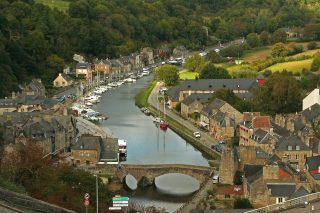
- Dinan: One of Brittany's most charming medieval towns, with ramparts, steep lanes, and a beautiful riverside port.
- Saint-Malo Intra-Muros: The walled old town on the coast, perfect for pairing castle heritage with maritime atmosphere.
- Mont Saint-Michel: A world-famous abbey island that makes a dramatic day-trip extension from this part of Brittany.
The Château de Combourg appears in our Complete Guide to Visiting Saint-Malo!

Moira & Andy
Hey! We're Moira & Andy. From hiking the Camino to trips around Europe in Bert our campervan — we've been traveling together since retirement in 2020!
This website uses affiliate links which may earn a commission at no additional cost to you!
Planning Your Visit
April - June: Monday - Friday: 10:00-12:30 & 14:00-18:00. Sunday: 14:00-18:00. Saturday: Closed (open on selected public-holiday bridge Saturdays and during school holidays).
July - August: Daily: 10:00-12:30 & 14:00-18:30.
September - November: Monday - Friday: 10:00-12:30 & 14:00-18:00. Sunday: 14:00-18:00.
Saturday: Closed (open during school holidays).
The tours are conducted in French, but multilingual pamphlets are available
€13.70
Nearby Attractions
- Saint-Magloire Abbey, Léhon (21.4) km
Abbey - Château de Léhon (21.5) km
Castle - Port of Dinan (21.6) km
Port - Vieux Pont, Lanvallay, Dinan (21.6) km
Bridge - Rance River (21.7) km
Waterway - Governor’s House (21.8) km
Historic Building - Basilique St-Saveur (21.9) km
Basilica - Porte de Jerzual (21.9) km
City Gate - Rue du Jerzual (21.9) km
Street - Tour de l’Horloge (22.0) km
Historic Building